
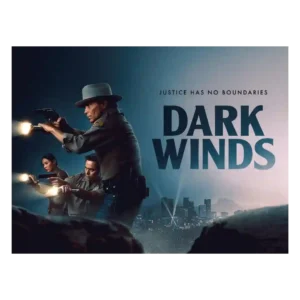
Calabasas Confidential, Season 1
Where It Has the Edge
- world-building is 4.0 vs 3.7. The Calabasas setting gets a useful early frame through Jemma’s description of the city, giving some background for...
The Brandi Glanville cameo becomes a liability because the boundary-crossing moment is framed as cringe spectacle rather than handled with much sensitivity.
Acting is the most consistent strength across the reviews. McClarnon is singled out again and again, while Gordon, Matten, Potente, and the ensemble are credited with giving the season its power.
The Brandi Glanville scene is described as mortifying and inappropriate, signaling that the show can veer into adult, uncomfortable reality-TV territory.
This is adult-leaning TV, with violence and profanity outweighing the lack of sexual content. It is better suited to mature viewers than family viewing.
The audience fit is narrow: fans of glossy rich-kid reality may enjoy it, but older or less forgiving reality viewers describe it as boring, confusing, or hard to connect with.
Audience appeal is strongest for existing fans of Dark Winds and viewers who like atmospheric crime mysteries. The one sharp negative review suggests impatient viewers may be less forgiving.
The show is bingeable only in a specific way: easy, glossy, and snackable for some, but boring or hard to sit through for others.
Bingeability looks solid because one reviewer watched all eight and still found enough in each episode to sustain interest. The season’s slow-burn style may play better when the momentum can accumulate.
The show wants a reunited friend-circle spark, but several reactions find the bonds forced. Bingebaaz is more forgiving, saying chemistry appears in some confrontations.
Chemistry is mostly praised, especially between Chee and Bern and between McClarnon and Potente. One reviewer is less convinced by Chee and Bern as an established couple, preferring their earlier slow-burn tension.
Jemma and a few cast members get some trajectory, but the broader ensemble often feels underdeveloped, interchangeable, or short on charisma.
Character development is one of the clearest strengths, especially for Chee, Joe, and Bernadette. Most reviewers praise the deeper personal arcs, though one critic argues the arcs ultimately stall.
The look is sharply divided. Decider praises the glitzy polish, while viewer complaints call out a jarring fishbowl-lens effect that feels cheap.
The cinematography is praised for pristine shots, haunting nighttime lighting, and visual confidence. Several critics see the season as a visual triumph as well as a character drama.
The cliffhanger is effective because it makes Season 5’s direction immediately clear while still landing as a surprise. The finale’s last murder especially gives the next chapter urgency.
Season 4 is described as connected to both earlier character arcs and the already-ordered fifth season. Reviewers note that prior relationships, trauma, and storylines continue to shape the new case.
Clothes and styling add to the rich-kid glamour, giving the show a polished influencer look even when the substance is criticized.
Costume design gets a direct rave for the L.A. episodes, especially the flare pants, button-up blouses, and Chee’s styling. The clothes help sell the city-bound 1970s shift.
Critical response is mostly negative, with only Decider and Bingebaaz landing clearly warm. The dominant reaction is that the show is derivative, hollow, or too repetitive.
Critic appeal is broadly positive, with many reviews calling this one of the show’s best seasons. The main dissent centers on whether the season’s expansion weakens its focus.
The wealthy Calabasas influencer world is portrayed as alienating and out of touch rather than relatable, especially when privilege is framed as hardship.
Cultural representation is one of the season’s core appeals, especially around Native displacement, beliefs, and community responsibility. A dissenting review argues the show still could use more Diné language and cosmology.
Dialogue and speech patterns draw criticism for sounding cheap, annoying, or superficial, making confrontations feel smaller rather than sharper.
Dialogue gets narrower but positive support through scenes where Leaphorn’s quiet monologues carry emotional weight. The season’s talkier moments work best when tied to violence, guilt, or cultural responsibility.
Direction receives strong praise, especially for McClarnon’s work behind the camera and the season’s memorable visual choices. Critics call out the diner aftermath and episode two as standout examples.
Drama is the show’s main selling point and its biggest divide: some find enough betrayals and shifting alliances for a guilty-pleasure binge, while others call it staged, juvenile, and repetitive.
The drama works through personal strain as much as the case itself. Joe and Emma, Chee and Bern, and the pressure on the police trio give the season a heavier emotional charge.
Viewer complaints point to messy editing that makes the narrative harder to follow, especially when the show is already juggling a large cast.
Jemma’s hurt over Dylan gives the season its clearest emotional pulse. Outside that thread, the conflicts often feel too hollow or low-stakes to land.
The season has strong emotional pull, especially in Joe’s regret, Chee’s ceremony, and the relationships under strain. Multiple critics describe moments as heartfelt, moving, or tear-inducing.
Entertainment value is sharply mixed but leans negative. Decider and Bingebaaz find a watchable guilty pleasure, while most others say the show is boring, hollow, or not worth the time.
Entertainment value is high for most reviewers, who call the season thrilling, weird, pulpy, or worth streaming. Even its heavier themes are usually framed as part of an engaging crime drama.
Nearly hourlong episodes feel overextended when the same conflicts repeat. One critic felt the material could not support the runtime.
Individual episodes get mixed marks: Bingebaaz finds them quick-moving, while K-waves says the hourlong installments drag when thin material is stretched.
Episode-to-episode momentum gets a positive nod from critics who felt the show kept viewers on edge. The weekly rhythm is treated as measured rather than empty when the suspense is working.
The party, private-chat, and confrontation loop can keep things moving, but several reactions feel the ensemble lacks a center and the episode formula recycles itself.
The season’s structure divides opinion: some like the balance between personal drama and the central case, while the negative review calls the framework loose. It lands best when the character material and investigation reinforce each other.
Faithfulness to Hillerman is mixed and depends on expectations. One critic calls the show Hillerman-lite, while broader reviews treat the season as a loose adaptation that succeeds on its own terms.
A viewer backlash piece singles out Brandi Glanville’s boundary-crossing sexual oversharing as highly inappropriate, making the show a poor fit for family viewing.
Family friendliness is limited by the show’s crime-thriller content. One reviewer notes no sex or nudity, but also a lot of profanity and violence.
Finale satisfaction is mostly positive but deliberately unfinished. Reviewers like the relationship movement and emotional payoffs, while also noting the finale leaves threads and a major next-season hook.
The season is strongly tied to the larger series, carrying forward relationship fallout, Chee’s past, and the setup for Season 5. Reviewers generally see the franchise momentum as healthy.
As glossy Netflix reality comfort food, it works for viewers who want low-effort social tension. It disappoints anyone expecting a sharper, more distinctive, or emotionally raw reality series.
As a noir mystery and Western crime drama, Season 4 satisfies most critics. It is repeatedly described as one of TV’s best or most distinctive mystery shows, despite some story caveats.
Humor appears in small, odd flashes rather than broad comedy. Reviewers respond to the season’s willingness to get weird, especially around Irene’s unsettling behavior.
The confessional interviews are singled out as purposeless, with the cast not feeling famous or interesting enough to justify that format.
Language is a content concern for sensitive viewers. The clearest content note says there is a lot of profanity.
The high-school backstory is treated as important, yet the audience arrives after the key grudges happened, making old loyalties harder to care about.
Navajo culture, ceremonies, ghost sickness, and folklore give the season more than a standard crime-story frame. A minority view says the adaptation still lacks enough Diné cosmology and language.
Jemma is the closest thing to a breakout, with some praise for her camera-ready presence and believable hurt. The wider cast is uneven, with several personalities blending together.
The main cast is treated as the show’s anchor. Zahn McClarnon, Kiowa Gordon, and Jessica Matten receive repeated praise for carrying the emotional and investigative sides of the season.
The cast’s made-up, photo-ready appearance supports the glossy reality aesthetic, though it also contributes to the sense that scenes are overly curated.
The series occasionally captures how performative social media life can be, but the social-media material is often shallow, visually dull, or lacking the authenticity viewers want.
The premiere works best when Jemma becomes the story driver. A harsher take says the repetitive nature is obvious almost immediately.
The premiere makes a strong first impression with its violent diner setup and eerie closing crime-scene mood. One critic notes it starts a little slow, but still says it hooks hard by the end.
The show struggles to make old grudges and loyalties easy to follow or invest in. Some reactions describe the premise as lost, midstream, or confusingly assembled.
Plot clarity is the main soft spot: several reviews like the ride but say the conspiracy, villain backstory, or organized-crime thread could use more focus. The harshest review calls the season loose and underdeveloped.
Most reactions find little new here: high-school grudges, wealthy influencers, and reality-TV friction feel familiar rather than fresh.
Reviewers repeatedly describe the season as distinctive in the TV mystery space, with the L.A. relocation and Navajo-centered noir helping it feel fresh. Even those noting familiar genre pieces tend to see the overall package as unusually specific.
Most reviews enjoy the twists, calling them earned, delightful, or part of the pulpy fun. The biggest caveat is that one critic found a key reveal too easy to predict.
Mansions, California scenery, drinks, and polished settings give the show aspirational shine. Technical complaints about a low-budget feel pull the presentation back down.
Production design is a clear plus in the Los Angeles material. Reviewers praise the interiors, cars, building facades, and period details for making the 1970s setting feel lived in.
Authenticity is a constant issue. A few scenes feel exposed and natural, but most reactions describe the relationships, conflicts, or production as forced, staged, or out of touch.
The period setting feels convincing to reviewers who notice the cars, clothes, facades, and lived-in environments. The L.A. scenes are praised for feeling immersive rather than artificial.
Future potential is uncertain. Some see room for viewers to grow attached if bonds develop, while Variety doubts this cast will rise into a bigger reality-TV phenomenon.
Renewal interest is high: several reviews explicitly look forward to Season 5 or say the show still has plenty left. The final hook gives that interest a concrete reason.
The score is called out for a sweeping, uneasy sound that mirrors the characters’ turmoil. It contributes to the season’s haunted, noir-leaning mood.
The screenplay-level praise focuses on twists, character arcs, and the writing staff’s ability to keep the mystery moving. A few plot concerns remain, but the better reviews still find the construction satisfying.
The finale earns some of the season’s strongest praise, including a critic calling it one of the best season finales in years. The recap also presents it as a tense wrap-up that still leaves room for Season 5.
Eight episodes prove too much for the harshest reactions, with multiple notes saying the season feels repetitive and stretched.
Season length is a recurring caveat because the eight-episode structure can feel less tight than earlier six-episode runs. Critics who like the season still acknowledge that the extra room can create uneven pacing.
Season pacing is sharply split. One warmer take says the episodes rarely drag, while several others feel the season repeats the same fights until it becomes monotonous.
The pacing leans slow-burn, and that works for many reviewers once the tension builds. Others say the middle stretch wanders or that the longer season creates uneven momentum.
Sexual content is not a major thread in most coverage, but Brandi Glanville’s graphic oversharing became a notable viewer complaint.
Sexual content appears low, with one reviewer explicitly noting no sex or nudity. Some unsettling sexual tension around Irene is discussed, but not as explicit content.
Sound is used to make scenes creepier and more ominous, from the finale’s atonal booms to the eerie diner search. Reviewers notice how it deepens dread.
The soundtrack is praised for well-placed songs and a period-appropriate musical mix. It supports the 1970s atmosphere without feeling like empty nostalgia.
The core premise draws repeated criticism for feeling thin, derivative, and hard to care about. Even the warmer take says the show is watchable but not as sharp as its title promises.
Season 4 is widely praised as a strong, emotionally charged mystery, especially when the search for Billie and Joe’s personal reckoning drive the story. The main pushback is that a few critics find parts of the central conspiracy thin, generic, or less cohesive than earlier seasons.
Side players are a weak spot for Variety, which says many fail to stand out. K-waves is slightly kinder to Preston and Hercy because they are not always pushed into melodrama.
The supporting cast is a major draw, led by Franka Potente’s Irene and strong turns from newer or recurring players. One dissenting review finds Irene stiff and hollow, but most critics see her as a memorable addition.
Suspense is a reliable strength, from the race to save Billie to the cat-and-mouse pressure around Irene. Reviewers describe dread, chase scenes, and episode hooks as key reasons the season keeps pulling forward.
The series brushes against privilege, social media image, and growing up in a curated world, but most reactions think it rarely turns those ideas into deeper insight.
The themes are unusually central: identity, cultural displacement, assimilation, justice, memory, and family all come through the reviews. Critics appreciate that the show can educate without turning into a lecture.
Violence is prominent, including shootouts, blood, kidnappings, torture threats, and action scenes. Reviewers generally treat the intensity as part of the season’s thriller identity.
The show consistently looks glossy, polished, and Instagram-ready. That surface appeal is also part of the problem for critics who find the style cheap, overproduced, or hollow.
The visual style is moody, eerie, and more horror-tinged than before. Neon, red police lights, desert spaces, and L.A. period texture help the season stand out.
The Calabasas setting gets a useful early frame through Jemma’s description of the city, giving some background for why the cast behaves the way it does.
World-building benefits from the L.A. move, the Native community center, and the 1970s setting, but not everyone thinks the expansion is fully used. The organized-crime side draws the most complaints for feeling underbuilt.
Narrative construction is shaky. K-waves faults the cheap dialogue and superficial relationship dynamics, while Bingebaaz finds the show only moderately sharp.
The writing is generally praised as smart, sharp, and emotionally grounded. Positive reviews credit the scripts with keeping the noir mystery human even as the season expands in scope.