
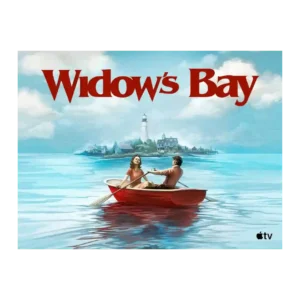
Compare Star City, Season 1 vs Widow’s Bay

P1 Star City, Season 1
P2 Widow’s Bay

Comparison Takeaways

Star City, Season 1

Where It Has the Edge

  • plot twists is 4.6 vs 3.4. Plot twists and reversals are a clear hook, especially around the Venera mission and late-season cliffhangers. Several reactions...
  • pilot episode quality is 4.3 vs 3.7. The premiere earns broadly positive marks for establishing the Soviet world, its conflicts, and its spy-thriller identity quickly....
  • cliffhanger effectiveness is 5.0 vs 4.5. The sixth episode’s cliffhanger is treated as a major strength. It is framed as a reset-level ending that...
  • interview and source material quality is rated 4.8 while the other product has no score yet. The historical and technical material gets notable praise, especially around Soviet rocket engineering and space-program detail. The show’s...

Widow’s Bay

Where It Has the Edge

  • humor is 4.6 vs 2.0. Humor is one of the show’s clearest strengths: dry, dark, character-driven, and often working with the scares instead...
  • episode length is 4.6 vs 2.5. Episode length works well for the format, with a reviewer praising the graceful 35-40 minute runtime.
  • episode structure is 4.8 vs 3.8. The episode structure is a strength, with standalone haunts feeding a larger arc instead of feeling like one...
  • world-building is 4.6 vs 3.8. World-building is praised through the island’s folklore, history, and curse mythology, which make Widow’s Bay feel lived-in and...
Average score
Product 1: Star City, Season 1
3.9
Product 2: Widow’s Bay
4.2
accent authenticity
Product 1: Star City, Season 1
2.9

The British and Irish accents are the most repeated craft complaint. Several critics say they can be distracting or less authentic, though others adjust quickly and still value the performances.

Product 2: Widow’s Bay
No score yet
accountability handling
Product 1: Star City, Season 1
4.0

Accountability is portrayed as grim and political rather than fair. The show’s space crises quickly become occasions for blame, control, and state self-protection.

Product 2: Widow’s Bay
No score yet
acting quality
Product 1: Star City, Season 1
4.7

Acting is one of the clearest consensus strengths. Even when accents are questioned, the performances are repeatedly described as excellent, restrained, complex, or full of standout turns.

Product 2: Widow’s Bay
4.7

The acting is praised through the character ensemble, with reviewers emphasizing how well-cast the town feels.

age appropriateness
Product 1: Star City, Season 1
2.5

Age suitability skews older because the tone is bleak, threatening, and often unsettling. Sensitive younger viewers may find the paranoia and danger too intense.

Product 2: Widow’s Bay
2.5

Age appropriateness skews adult despite the comedy, with reviewers flagging horror themes and language as concerns for younger viewers.

audience appeal
Product 1: Star City, Season 1
4.0

Audience appeal leans toward sci-fi fans who enjoy bleak political thrillers, not necessarily every For All Mankind viewer. The darker tone wins praise but may narrow the audience.

Product 2: Widow’s Bay
4.7

Audience appeal is broad but not universal, with high recommendation energy alongside warnings that the weirdness may not fit everyone.

bingeability
Product 1: Star City, Season 1
4.5

Bingeability gets a direct boost from the mix of space stakes, political danger, and character complications. One critic specifically kept pressing play despite early worries.

Product 2: Widow’s Bay
4.5

Bingeability is strong, with reviewers describing long viewing runs and saying the show works as both binge and weekly TV.

cast chemistry
Product 1: Star City, Season 1
4.5

The show’s chemistry is strongest in loaded two-hander scenes and tense rivalries rather than warm camaraderie. The Chief Designer and Lyudmilla dynamic, plus certain thawing relationships, give the drama a sharp interpersonal charge.

Product 2: Widow’s Bay
No score yet
character consistency
Product 1: Star City, Season 1
4.0

Anastasia’s early arc gets a small but positive nod for showing more nerve and agency than expected. The praise is narrow, but it suggests the character begins breaking out of her assigned role.

Product 2: Widow’s Bay
No score yet
character development
Product 1: Star City, Season 1
3.5

Character work is the show’s most divided area. Irina, Anastasia, Tanya, and familiar younger figures draw real interest, but some critics find parts of the ensemble thin, emotionally guarded, or slow to distinguish.

Product 2: Widow’s Bay
No score yet
cinematography
Product 1: Star City, Season 1
3.5

Cinematography is striking but not universally easy to watch. Critics admire the grainy, muted beauty while warning that some darker scenes can become murky.

Product 2: Widow’s Bay
No score yet
cliffhanger effectiveness
Product 1: Star City, Season 1
5.0

The sixth episode’s cliffhanger is treated as a major strength. It is framed as a reset-level ending that pushes the show into higher-stakes territory.

Product 2: Widow’s Bay
4.5

The opening hook is effective enough that one reviewer says the first episode’s ending can send viewers into the rest of the season.

continuity
Product 1: Star City, Season 1
No score yet
Product 2: Widow’s Bay
4.6

Continuity gets a positive nod where separate frights are pulled into a coherent seasonal story line.

critic appeal
Product 1: Star City, Season 1
4.8

Critic appeal is very strong in the supplied coverage, including mentions of high review-aggregator scores and enthusiastic sci-fi-thriller praise. The launch reception is framed as unusually positive.

Product 2: Widow’s Bay
4.6

Critic appeal is very strong, with reviews calling it one of the best recent horror or genre shows.

cultural representation
Product 1: Star City, Season 1
3.0

Cultural representation is mixed: one critic praises the show for avoiding obvious Soviet-life pitfalls, while another criticizes the lack of Russian casting. The accents and casting choices remain the main sticking point.

Product 2: Widow’s Bay
No score yet
dialogue quality
Product 1: Star City, Season 1
No score yet
Product 2: Widow’s Bay
4.6

Dialogue is a clear comedic asset, with reviewers calling it laugh-out-loud funny rather than broad spoof writing.

directing quality
Product 1: Star City, Season 1
4.5

The pilot’s direction is praised for balancing triumph and intimidation. It makes cosmic awe and political cruelty feel inseparable from the start.

Product 2: Widow’s Bay
4.7

Direction is praised for managing the show’s delicate tonal balance between scares and jokes.

drama quality
Product 1: Star City, Season 1
4.6

The drama lands as dark, gripping, and often compelling, especially when espionage, romance, ideology, and space danger collide. Even more mixed notes usually acknowledge how watchable the tension is.

Product 2: Widow’s Bay
No score yet
editing quality
Product 1: Star City, Season 1
No score yet
Product 2: Widow’s Bay
4.5

Editing earns praise where blackout-driven time manipulation adds tension to a drug-trip sequence.

emotional impact
Product 1: Star City, Season 1
3.8

The emotional impact is split between powerful late-season loss and complaints about emotional shallowness. The show can hit hard when characters’ personal bonds matter, but not every storyline earns the same investment.

Product 2: Widow’s Bay
No score yet
entertainment value
Product 1: Star City, Season 1
4.3

Entertainment value is broadly positive, with several outlets calling it engaging, stream-worthy, or exciting. Even some mixed responses stayed invested once the show’s darker mission became clear.

Product 2: Widow’s Bay
4.8

Entertainment value is high, with reviewers calling the show amazing, delightful, fun, and strongly worth watching.

episode length
Product 1: Star City, Season 1
2.5

Episode length is a recurring concern. Hour-plus installments give the sprawling cast room to breathe, but some critics say the runtime contributes to drag.

Product 2: Widow’s Bay
4.6

Episode length works well for the format, with a reviewer praising the graceful 35-40 minute runtime.

episode pacing
Product 1: Star City, Season 1
3.9

Episode pacing ranges from thrilling to slow, depending on the critic. The best notices praise its momentum and tension, while the colder responses say some stretches drag or move too deliberately.

Product 2: Widow’s Bay
4.1

Episode pacing ranges from thrillingly fast to occasionally frustrating. The monster-of-the-week structure is praised, though one critic wanted stronger payoff.

episode structure
Product 1: Star City, Season 1
3.8

The early episodes are seen as careful setup rather than instant payoff, and later time jumps are treated as bold structural moves. That structure can feel deliberate, but it also builds toward bigger reveals.

Product 2: Widow’s Bay
4.8

The episode structure is a strength, with standalone haunts feeding a larger arc instead of feeling like one long undivided movie.

family friendliness
Product 1: Star City, Season 1
2.0

Family friendliness is limited by surveillance dread, accusations, sexual situations, language, and violence. It is not positioned as an easy all-ages space adventure.

Product 2: Widow’s Bay
2.3

Family friendliness is low because reviews and content notes point to strong language, violence, horror imagery, and occult themes.

franchise connection
Product 1: Star City, Season 1
4.1

Franchise connection is useful but complicated. Some responses say newcomers can watch cold and fans get extra depth, while others feel inherited continuity can limit suspense or world-building.

Product 2: Widow’s Bay
4.1

Horror references and franchise-like influences are described as cleverly worked into the show’s own story.

genre satisfaction
Product 1: Star City, Season 1
4.3

Genre satisfaction is high for viewers who want a spy thriller with science-fiction machinery underneath. The mix of Cold War paranoia, political drama, and space peril is often called the show’s strongest identity.

Product 2: Widow’s Bay
4.6

Genre satisfaction is very strong. Reviewers consistently praise the balance of real horror and dry comedy.

humor
Product 1: Star City, Season 1
2.0

Humor is one of the show’s weakest traits. More than one critic finds the Soviet setting so dour and humorless that some characters struggle to pop.

Product 2: Widow’s Bay
4.6

Humor is one of the show’s clearest strengths: dry, dark, character-driven, and often working with the scares instead of against them.

interview and source material quality
Product 1: Star City, Season 1
4.8

The historical and technical material gets notable praise, especially around Soviet rocket engineering and space-program detail. The show’s strongest accuracy notes come from how it grounds alternate history in real technical constraints.

Product 2: Widow’s Bay
No score yet
language level
Product 1: Star City, Season 1
2.5

Language is a content caveat, with foul language described as recurring. Families sensitive to profanity should treat this as part of the show’s TV-MA edge.

Product 2: Widow’s Bay
2.4

Language level is a concern, with repeated profanity and f-word counts called out directly.

lore depth
Product 1: Star City, Season 1
4.0

The lore appeal comes from filling in the Soviet side of the For All Mankind timeline. It gives longtime viewers extra background without requiring the parent series for basic comprehension.

Product 2: Widow’s Bay
4.5

Lore depth is a recurring pleasure, with reviewers liking how each episode expands the island’s mythology.

main cast performance
Product 1: Star City, Season 1
4.8

The leads are a major strength, with Anna Maxwell Martin, Rhys Ifans, Agnes O’Casey, and others singled out for forceful, memorable turns. The strongest praise goes to performances that make the cold Soviet setting feel human.

Product 2: Widow’s Bay
4.8

Matthew Rhys is a standout, praised for making Tom funny, anxious, and believable inside the show’s strange tone.

media scrutiny portrayal
Product 1: Star City, Season 1
4.0

Media scrutiny is shown through Anastasia’s sudden celebrity and Soviet mythmaking. The show treats public heroism as another tool of state control.

Product 2: Widow’s Bay
No score yet
modern political framing
Product 1: Star City, Season 1
3.0

Modern political framing is sharp but divisive. Some find the Soviet portrayal powerfully bleak, while another sees it as leaning into polemical Cold War caricature.

Product 2: Widow’s Bay
No score yet
pilot episode quality
Product 1: Star City, Season 1
4.3

The premiere earns broadly positive marks for establishing the Soviet world, its conflicts, and its spy-thriller identity quickly. Multiple reactions call it intriguing, expertly crafted, or exactly what a launch episode should be.

Product 2: Widow’s Bay
3.7

The pilot may take a little time to settle, but it ultimately gives viewers enough of a hook to continue.

plot clarity
Product 1: Star City, Season 1
3.1

Plot clarity is more uneven than the show’s atmosphere. Several responses note the diffuse cast, political layers, or scattered threads can be hard to track, even when the premise itself stays engaging.

Product 2: Widow’s Bay
3.1

Plot clarity is mixed. Some reviewers enjoy the mystery, while others say the season leaves questions unanswered or does not fully tie its pieces together.

plot originality
Product 1: Star City, Season 1
4.1

The series is repeatedly praised for finding a new angle on a known alternate-history premise instead of simply replaying the American side. A few responses still see prequel limits, but most find the Soviet shift meaningfully fresh.

Product 2: Widow’s Bay
4.7

Reviewers repeatedly say the show feels fresh, distinctive, and unlike much else on TV, even while it plays with recognizable horror influences.

plot twists
Product 1: Star City, Season 1
4.6

Plot twists and reversals are a clear hook, especially around the Venera mission and late-season cliffhangers. Several reactions highlight surprise, shock, and unpredictability as reasons to keep watching.

Product 2: Widow’s Bay
3.4

Plot twists are fun but not uniformly surprising. Some reviewers found late turns predictable or less shocking than intended.

production design
Product 1: Star City, Season 1
4.8

Production design is a standout strength, especially the chilly Soviet spaces, surveillance rooms, brutalist buildings, and retro technology. The world feels controlled, drab, and meticulously built.

Product 2: Widow’s Bay
4.7

Production design gets a clear standout compliment for rewarding close viewing and deepening the town’s atmosphere.

realism
Product 1: Star City, Season 1
4.0

Realism is praised when the show blends fact and fiction or gets engineering details right, but not every viewer buys the full political picture. The technical side lands strongest; the bleak Soviet framing can feel exaggerated to some.

Product 2: Widow’s Bay
No score yet
renewal interest
Product 1: Star City, Season 1
4.2

Renewal interest is strong, with viewers and critics repeatedly wanting to know where the season goes next. Curiosity about the finale, mysteries, and future arcs keeps momentum alive.

Product 2: Widow’s Bay
4.6

Renewal interest is high, with reviewers saying they would return or are excited for another season.

rewatch value
Product 1: Star City, Season 1
No score yet
Product 2: Widow’s Bay
4.5

Rewatch value looks positive among fans who either plan to rewatch or have already watched the season more than once.

screenplay quality
Product 1: Star City, Season 1
4.5

The screenplay gets credit for making familiar franchise characters feel newly compelling in their younger years. When the script focuses on pivotal early moments, it gives the prequel material real dramatic purpose.

Product 2: Widow’s Bay
No score yet
season finale quality
Product 1: Star City, Season 1
4.3

Late-season coverage builds strong anticipation for the finale, especially after the Venera reveal and penultimate-episode reset. The season appears to end with enough momentum to make the final hour feel consequential.

Product 2: Widow’s Bay
4.6

The season finale is treated as twisty and eventful. Reviewers describe major reveals that make the ending feel like a launchpad for more story.

season pacing
Product 1: Star City, Season 1
3.5

The season’s larger pacing draws mixed reactions: one take finds the narrative repetitive at scale, while another says the slow simmer catches fire by midseason. The show appears stronger once its threads begin colliding.

Product 2: Widow’s Bay
3.8

Season pacing has a caveat: the larger ride works for many, but one reviewer says the middle stretch gets a little wobbly.

sexual content level
Product 1: Star City, Season 1
2.5

Sexual content is present but not framed as the show’s main draw. Reviews mention affairs, intimate surveillance, and sexual situations as part of the adult drama.

Product 2: Widow’s Bay
2.8

Sexual content appears lighter than violence and language, though sexual insinuations are still present.

sound design
Product 1: Star City, Season 1
4.8

Sound design is used as more than atmosphere, especially in scenes built around surveillance audio. The covert recordings make the spy-thriller premise feel intimate and unsettling.

Product 2: Widow’s Bay
No score yet
special effects quality
Product 1: Star City, Season 1
4.8

Space effects and technical set pieces are praised as strong, with visual effects carrying over the parent show’s standard. The space sequences still deliver spectacle even when politics dominates the season.

Product 2: Widow’s Bay
No score yet
spin-off quality
Product 1: Star City, Season 1
4.5

Spin-off quality is one of the strongest areas. Star City is repeatedly praised for carving out its own darker identity while expanding the For All Mankind universe rather than merely copying it.

Product 2: Widow’s Bay
No score yet
story quality
Product 1: Star City, Season 1
3.9

The story works best when it treats the Soviet space program as more than a retread of familiar franchise events. Some early recap-style notes are lighter on critique, but stronger responses call the season fresh, darker, and worth following.

Product 2: Widow’s Bay
No score yet
supporting cast performance
Product 1: Star City, Season 1
4.5

The ensemble is described as excellent, with enough range to support the show’s workplace, political, and family tensions. Even outside the leads, the cast gives the world a serious dramatic weight.

Product 2: Widow’s Bay
4.7

The supporting cast earns strong praise, especially Kate O’Flynn and Stephen Root, who reviewers say make the town’s oddballs memorable.

suspense
Product 1: Star City, Season 1
4.4

Suspense is a defining strength, from surveillance rooms to spacewalks and late-season reveals. The show is repeatedly described as tense, nail-biting, dangerous, and built around a persistent sense of dread.

Product 2: Widow’s Bay
4.6

Suspense is stronger than expected for a comedy. Reviewers mention genuine fear, tension, stress, and unsettling horror beats.

theme depth
Product 1: Star City, Season 1
4.5

The show’s themes are unusually rich for a franchise spin-off: paranoia, trust, sacrifice, gender, loyalty, and state control keep surfacing. The strongest notes see it as a story about how people survive systems built to crush them.

Product 2: Widow’s Bay
4.4

The show’s themes connect horror to history, repression, guilt, and the impossibility of outrunning the past.

value for money
Product 1: Star City, Season 1
No score yet
Product 2: Widow’s Bay
4.3

Value for money has limited but positive support from a reviewer recommending a one-month Apple TV watch.

violence level
Product 1: Star City, Season 1
2.5

Violence is not described as constant, but the jarring torture, threats, and life-or-death space danger make it a harsh watch. The menace matters more than gore.

Product 2: Widow’s Bay
2.6

Violence is present and noticeable, including serial-killer imagery, horror threats, and general violent content.

visual style
Product 1: Star City, Season 1
4.3

The visual style is cold, gray, analog, and intentionally oppressive, which fits the Soviet-side story well. Most praise its atmosphere, though its bleak palette can make the show feel heavy.

Product 2: Widow’s Bay
No score yet
world-building
Product 1: Star City, Season 1
3.8

World-building is generally praised for its authoritarian Soviet setting, spy apparatus, and franchise backstory, though one critic finds the parent-show timeline constraining. The best responses value how fully the series makes Star City feel like a closed system.

Product 2: Widow’s Bay
4.6

World-building is praised through the island’s folklore, history, and curse mythology, which make Widow’s Bay feel lived-in and strange.

writing quality
Product 1: Star City, Season 1
4.5

The writing is praised for layering compromise, fear, stress, and small mistakes into larger crises. It gives the oppressive setting texture rather than relying only on big plot turns.

Product 2: Widow’s Bay
4.7

The writing is praised for sharpness and for holding together scares, jokes, mystery, and character work.