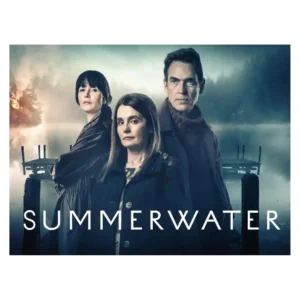
Summerwater, Season 1
Where It Has the Edge
- realism is rated 4.0 while the other product has no score yet. Realism earns a small but specific compliment through Daniel Rigby’s Steve, who is singled out as feeling like...
Acting is one of the most divided but generally stronger areas. The Guardian calls it melodramatic, while several other reviews praise the ensemble or say the performances remain strong despite the weak story.
The acting is praised through the character ensemble, with reviewers emphasizing how well-cast the town feels.
Age appropriateness skews adult despite the comedy, with reviewers flagging horror themes and language as concerns for younger viewers.
Audience appeal seems narrow. The Telegraph expects many viewers to give up after the first episode, which matches the broader complaints about pace and misery.
Audience appeal is broad but not universal, with high recommendation energy alongside warnings that the weirdness may not fit everyone.
Bingeability looks weak. Reel Mockery says the series still has a lot to prove before it feels worth a six-episode binge.
Bingeability is strong, with reviewers describing long viewing runs and saying the show works as both binge and weekly TV.
Character development is mixed. A few performances and perspectives add layers, but many reviewers say the backstories are too thin or the characters too hard to care about.
The scenery gives the series some visual appeal. Recap and FT coverage both point to the lochs, mountains, or nice scenery as one of the more successful surface pleasures.
The opening hook is effective enough that one reviewer says the first episode’s ending can send viewers into the rest of the season.
Continuity gets a positive nod where separate frights are pulled into a coherent seasonal story line.
Critic appeal is mostly poor despite respect for the cast and setting. Reviews lean toward skip-it verdicts, low ratings, or descriptions of a thriller that fails to land.
Critic appeal is very strong, with reviews calling it one of the best recent horror or genre shows.
The handling of Eastern European discrimination receives one of the stronger thematic compliments, especially from Digital Spy. The Standard is less convinced, saying the immigration ideas are buried under the flashback-heavy structure.
Dialogue is a clear comedic asset, with reviewers calling it laugh-out-loud funny rather than broad spoof writing.
The direction is one of the more positive craft notes. The Standard praises the directors for drawing tension from the cramped interiors and grey Highland landscape.
Direction is praised for managing the show’s delicate tonal balance between scares and jokes.
As a drama, Summerwater lands as punishing rather than compelling for several critics. Its grim mood is clear, but the series is often described as an ordeal instead of a gripping watch.
Editing earns praise where blackout-driven time manipulation adds tension to a drug-trip sequence.
Emotional impact varies sharply by scene. Some performances and storylines are sympathetic, but other reviewers feel the show’s atmosphere and heavy misery crowd out genuine feeling.
Entertainment value is the weakest consensus area. Multiple critics suggest skipping, switching away, checking your phone, or giving up before the show reaches its ending.
Entertainment value is high, with reviewers calling the show amazing, delightful, fun, and strongly worth watching.
Episode length works well for the format, with a reviewer praising the graceful 35-40 minute runtime.
Individual episodes are often described as slow, repetitive, or unable to keep momentum. Even recap coverage that found points of interest still said the pacing dragged.
Episode pacing ranges from thrillingly fast to occasionally frustrating. The monster-of-the-week structure is praised, though one critic wanted stronger payoff.
The same-day, multi-perspective structure has promise but often frustrates reviewers. Shifts in viewpoint and layered flashbacks leave some character stories feeling unresolved rather than deepened.
The episode structure is a strength, with standalone haunts feeding a larger arc instead of feeling like one long undivided movie.
The adaptation is often judged less successful than the source novel. Critics say Moss’s interior monologues and page-bound claustrophobia do not translate smoothly to television.
Family friendliness is low because reviews and content notes point to strong language, violence, horror imagery, and occult themes.
The finale response is split. One critic says the final party builds tension successfully, while recap coverage worries the fire and larger mystery may not add up to a satisfying conclusion.
Horror references and franchise-like influences are described as cleverly worked into the show’s own story.
Genre satisfaction is low because the show seems pulled between crime thriller, domestic drama, psychological chamber piece, and supernatural folk horror. Critics often find that mixture confused rather than rich.
Genre satisfaction is very strong. Reviewers consistently praise the balance of real horror and dry comedy.
The show is not treated as a source of comic relief. One critic’s comparison frames it as a Withnail and I-like ordeal stripped of humor.
Humor is one of the show’s clearest strengths: dry, dark, character-driven, and often working with the scares instead of against them.
Language level is a concern, with repeated profanity and f-word counts called out directly.
Lore depth is a recurring pleasure, with reviewers liking how each episode expands the island’s mythology.
Lead performances fare better than the writing. Valene Kane and Dougray Scott are described as capable or watchable, though reviewers also note one-note work and material that limits the actors.
Matthew Rhys is a standout, praised for making Tom funny, anxious, and believable inside the show’s strange tone.
The show’s political framing is seen as underdeveloped. Critics note Brexit-era xenophobia and scapegoating, but say the adaptation either drops or only skirts those ideas.
The pilot struggles to win confidence early. Decider singles out a key reveal as implausibly handled and uses that as part of its skip recommendation.
The pilot may take a little time to settle, but it ultimately gives viewers enough of a hook to continue.
Plot clarity is a recurring problem. Reviewers point to confusing logic, unclear motivations, and loose connections that make it difficult to understand why events unfold the way they do.
Plot clarity is mixed. Some reviewers enjoy the mystery, while others say the season leaves questions unanswered or does not fully tie its pieces together.
Originality is uneven. One critic appreciates the attempt to avoid a standard buried-secrets crime mystery, while another finds later material full of familiar clichés.
Reviewers repeatedly say the show feels fresh, distinctive, and unlike much else on TV, even while it plays with recognizable horror influences.
Plot twists are fun but not uniformly surprising. Some reviewers found late turns predictable or less shocking than intended.
Production design gets a clear standout compliment for rewarding close viewing and deepening the town’s atmosphere.
Realism earns a small but specific compliment through Daniel Rigby’s Steve, who is singled out as feeling like a real person rather than a stock TV-drama creation.
Renewal interest is high, with reviewers saying they would return or are excited for another season.
Rewatch value looks positive among fans who either plan to rewatch or have already watched the season more than once.
The score is described as part of the show’s threatening atmosphere, but not in flattering terms. The Guardian calls it a shimmering whine, matching the broader irritation with the mood-making.
The screenplay struggles to put private anguish on screen. Critics describe the script and dialogue-light passages as slow, unclear, or unable to express the characters’ inner torment.
The season finale gets one of the clearer compliments in the review set, with the final episode credited for building tension toward a dramatic ending.
The season finale is treated as twisty and eventful. Reviewers describe major reveals that make the ending feel like a launchpad for more story.
The season’s pacing is one of its biggest liabilities. Critics repeatedly call it slow or glacial, with the six episodes requiring more patience than the payoff seems to justify.
Season pacing has a caveat: the larger ride works for many, but one reviewer says the middle stretch gets a little wobbly.
Sexual content appears lighter than violence and language, though sexual insinuations are still present.
The soundtrack draws a clear complaint in one review, which says it aims for ethereal unease but lands as tuneless and annoying.
The story is widely seen as bleak but underpowered, with several critics saying its misery, messy construction, or weak forward motion makes it hard to stay invested. A few individual strands sound intriguing, but the season-wide narrative rarely earns the patience it asks for.
Shirley Henderson stands out in the supporting cast. Her role opposite Dougray Scott is one of the more warmly received parts of the present-day relationship drama.
The supporting cast earns strong praise, especially Kate O’Flynn and Stephen Root, who reviewers say make the town’s oddballs memorable.
There is some suspense in the fire setup, landscape, and individual stories. The concern is that the intrigue does not always turn into narrative urgency or a rewarding payoff.
Suspense is stronger than expected for a comedy. Reviewers mention genuine fear, tension, stress, and unsettling horror beats.
The themes are there—discrimination, repression, private trauma, and inner worlds—but they do not always surface cleanly. Some critics praise the ambition while others say those ideas get buried.
The show’s themes connect horror to history, repression, guilt, and the impossibility of outrunning the past.
Value for money has limited but positive support from a reviewer recommending a one-month Apple TV watch.
Violence is present and noticeable, including serial-killer imagery, horror threats, and general violent content.
The visual style is moody and scenic, sometimes impressively so, but not always viewer-friendly. Critics praise the grey Scottish atmosphere while also complaining about murky, hard-to-see imagery.
The supernatural-tinged world-building is intriguing but undercooked. Reviewers repeatedly say the strange cabin and mystical hints needed stronger commitment or cleaner removal.
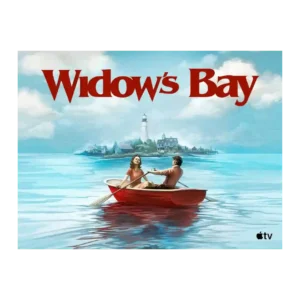
World-building is praised through the island’s folklore, history, and curse mythology, which make Widow’s Bay feel lived-in and strange.
The writing is praised for sharpness and for holding together scares, jokes, mystery, and character work.