
Compare Night Nurse vs Romería

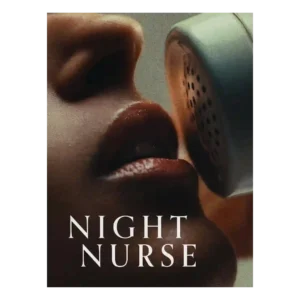
P1 Night Nurse
P2 Romería

Comparison Takeaways

Night Nurse

Where It Has the Edge

  • plot originality is 5.0 vs 3.5. The phone-scam relationship and inverted caregiver-patient power dynamic give the plot a fresh foundation. Its construction is more...
  • score quality is 4.0 vs 2.5. The eerie jazz and spacious piano score adds elegance, decadence, and sustained tension to the dreamlike mood. One...
  • originality is 4.7 vs 4.2. The unusual fusion of elder-care intimacy, phone scams, kink, and romantic obsession feels genuinely distinctive. Even detractors tend...
  • critic appeal is rated 5.0 while the other product has no score yet. Its bold craft and transgressive concept give it clear awards-season and independent-film appeal, especially for critics drawn to...

Romería

Where It Has the Edge

  • message quality is 5.0 vs 1.5. The film makes a resonant case that confronting painful family history can create freedom, identity, and a more...
  • value for money is 5.0 vs 2.0. For art-house audiences, the striking coastal imagery and standout dance sequence offer a theatrical experience worth seeing on...
  • realism is 4.0 vs 1.4. The loose family scenes feel natural and lived-in, even if one critic found the style slightly generic before...
  • rewatch value is 5.0 vs 2.5. Its layered imagery, family details, and emotional subtext give it strong repeat-viewing appeal for admirers of slow, personal...
Average score
Product 1: Night Nurse
3.5
Product 2: Romería
4.5
acting performance
Product 1: Night Nurse
4.2

The cast is one of the film’s most reliable strengths, with the central performances repeatedly praised for making sparse, difficult material compelling. A few harsher takes find the ensemble too flat to overcome the thin writing.

Product 2: Romería
5.0

The cast is consistently strong, with natural ensemble interplay that makes the sprawling family feel lived-in and convincing.

audience appeal
Product 1: Night Nurse
2.8

This is a deliberately niche film for viewers comfortable with slow, dreamlike, sexually uncomfortable arthouse thrillers. Its strange wavelength, age-gap dynamic, and loose logic are likely to alienate mainstream audiences.

Product 2: Romería
4.0

This is best suited to viewers who enjoy patient Spanish dramas, family-history mysteries, and subtle emotional conflict rather than fast-moving plotting.

character development
Product 1: Night Nurse
2.4

Eleni and Douglas are intriguing as opaque figures, but their motives and histories remain frustratingly thin for many viewers. The mystery feels hypnotic to some and emotionally vacant to others.

Product 2: Romería
2.3

Marina’s reserve suits the story, but a few critics found her difficult to read and wished her emotional arc were more fully defined.

chemistry between characters
Product 1: Night Nurse
3.9

Paksoy and McKenzie create an unsettling push-pull that many critics found magnetic, tender, and hard to look away from. Others never believed the attraction, making the entire relationship feel awkward rather than seductive.

Product 2: Romería
4.5

The family ensemble feels convincingly chaotic and intimate, while Marina’s connection with Nuno adds a deliberately uneasy spark.

cinematography
Product 1: Night Nurse
4.5

The close, painterly camerawork is a standout, using shadows, waxy textures, shallow focus, and intimate framing to turn the retirement community into a sensual dreamspace. Even negative reactions often admire the visual craft.

Product 2: Romería
4.9

The sunlit Galician coast is photographed with exceptional texture and beauty, often turning water, skin, and landscape into the film’s most immediate pleasures.

costume design
Product 1: Night Nurse
4.0

The clothing keeps the nurses polished and professional instead of relying on obvious sexy-nurse clichés. The restrained wardrobe also supports the film’s sterile, timeless atmosphere.

Product 2: Romería
4.0

Wardrobe choices quietly reinforce family history and identity, with clothing details serving as meaningful visual clues rather than decoration.

critic appeal
Product 1: Night Nurse
5.0

Its bold craft and transgressive concept give it clear awards-season and independent-film appeal, especially for critics drawn to adventurous debuts. The divisive storytelling may limit broader enthusiasm.

Product 2: Romería
No score yet
cultural representation
Product 1: Night Nurse
No score yet
Product 2: Romería
5.0

The film thoughtfully connects one family’s wounds to Spain’s heroin and AIDS crisis, class divisions, regional identity, and lingering social stigma.

dialogue quality
Product 1: Night Nurse
2.5

Sparse dialogue fits the film’s quiet, watchful mood, but it places heavy pressure on expressions and silence. For less receptive viewers, the minimal speech leaves the characters feeling underwritten rather than mysterious.

Product 2: Romería
No score yet
directing quality
Product 1: Night Nurse
4.3

Georgia Bernstein shows confident control of mood, framing, performance, and erotic unease in her feature debut. The direction is widely admired even when the screenplay’s logic and character development draw criticism.

Product 2: Romería
4.8

Carla Simón handles painful autobiographical material with patience, restraint, and visual confidence. The late fantasy turn is bold, though not everyone found it fully integrated.

drama quality
Product 1: Night Nurse
5.0

The strongest dramatic moments come from silence, physical behavior, and the shifting power between caregiver and patient. Paksoy’s ability to hold nearly wordless scenes gives the film much of its dramatic force.

Product 2: Romería
4.7

The family drama is intimate, intelligent, and often gripping without relying on loud confrontations. Its controlled tone can also feel muted to viewers seeking sharper conflict.

editing quality
Product 1: Night Nurse
4.5

The patient, elliptical editing strengthens the dreamy intimacy and lets discomfort accumulate gradually. That same restraint can also make the film feel overly suspended and slow.

Product 2: Romería
4.3

The interwoven diary, DV footage, present-day scenes, and imagined past are often assembled with impressive flow, although one tonal transition divided opinion.

emotional impact
Product 1: Night Nurse
4.1

The film leaves a lingering, disconcerting impression even on viewers who dislike it. Its atmosphere and performances are memorable, though the underdeveloped psychology prevents some of the final emotions from fully landing.

Product 2: Romería
4.5

The search for buried family truth is frequently moving, heartbreaking, and restorative. Its quiet approach lands deeply for many, though a few found the emotions held at too much distance.

ending satisfaction
Product 1: Night Nurse
2.6

The finale is the most consistent weakness, often described as rushed, partially earned, or stretched past better stopping points. A few viewers enjoy its sick humor and unsettling final turn.

Product 2: Romería
5.0

The closing stretch gives Marina meaningful agency and a stronger connection to her parents, with several critics highlighting the final scene as especially beautiful and rewarding.

entertainment value
Product 1: Night Nurse
2.7

Reactions range from fascinated delight to boredom and outright dislike. It works best as a strange atmospheric experience, not as a conventional crime thriller with frequent plot movement.

Product 2: Romería
4.8

Despite its contemplative pace, lively family scenes and a memorable dance sequence keep the film engaging. Its appeal depends heavily on patience for understated drama.

genre satisfaction
Product 1: Night Nurse
3.2

As an erotic psychological thriller, it succeeds through mood, taboo power dynamics, and unease rather than sex, twists, or conventional suspense. Viewers expecting a faster or more explicit thriller may feel misled.

Product 2: Romería
5.0

As a quiet coming-of-age family drama with autobiographical and magical-realist elements, it strongly satisfies viewers drawn to subtle European art-house storytelling.

humor
Product 1: Night Nurse
4.2

The black comedy gives the taboo material an oddball, self-aware edge, especially around Douglas’s pajama-clad charisma and the film’s perversely romantic turns. The humor is dry and intentionally uncomfortable.

Product 2: Romería
4.0

Small family observations and recognizable personality clashes provide welcome humor without undercutting the story’s grief.

lead performance
Product 1: Night Nurse
4.4

Cemre Paksoy is widely praised for a layered, largely silent performance that makes Eleni’s surrender, obsession, and instability palpable. A minority find the repeated stares too languid to compensate for the underwritten role.

Product 2: Romería
4.9

Llúcia Garcia is the clear standout, bringing warmth, restraint, curiosity, and growing resolve to Marina. Her dual role in the imagined past adds another layer to an impressive debut.

message quality
Product 1: Night Nurse
1.5

The film gestures toward ideas about caregiving, exploitation, loneliness, and the need to feel needed, but one major criticism is that these ideas remain surface-level. Its meaning is more suggestive than fully argued.

Product 2: Romería
5.0

The film makes a resonant case that confronting painful family history can create freedom, identity, and a more honest future.

originality
Product 1: Night Nurse
4.7

The unusual fusion of elder-care intimacy, phone scams, kink, and romantic obsession feels genuinely distinctive. Even detractors tend to acknowledge that the film takes risks few thrillers would attempt.

Product 2: Romería
4.2

Its blend of observational realism, diary narration, camcorder footage, and spectral fantasy gives the familiar family-secret story a distinctive form. The final stylistic shift is daring but divisive.

pacing
Product 1: Night Nurse
1.9

The glacial slow-burn rhythm supports the hypnotic atmosphere but frequently tests patience. Several critics feel the film drifts, repeats its mood, and fails to accelerate when the story finally turns dangerous.

Product 2: Romería
2.6

The deliberate rhythm supports observation and emotional accumulation, but repeated diary interludes and a wandering middle caused several critics to find it slow or overextended.

plot clarity
Product 1: Night Nurse
2.0

The basic scam premise is easy to understand, but character motives, logistics, and cause-and-effect are often left vague. Some embrace the dream logic, while others see major holes and unexplained leaps.

Product 2: Romería
2.8

The large family, conflicting accounts, and shifting timelines can be difficult to track. The ending also moves quickly enough that some practical details remain unclear.

plot originality
Product 1: Night Nurse
5.0

The phone-scam relationship and inverted caregiver-patient power dynamic give the plot a fresh foundation. Its construction is more unusual than conventionally tight.

Product 2: Romería
3.5

The underlying family mystery is familiar and not especially surprising, but the film’s personal framing and visual approach give it freshness.

production design
Product 1: Night Nurse
4.2

Sterile rooms, uncluttered surfaces, pools, villas, and subtly anachronistic spaces create a convincing limbo outside ordinary time. The design feels ingenious and expansive for a small production, though sometimes intentionally distancing.

Product 2: Romería
4.5

Small design details help distinguish generations, spaces, and parallel timelines while grounding the family’s wealth and emotional history.

realism
Product 1: Night Nurse
1.4

The film makes little attempt to follow realistic nursing procedures, police logic, or workplace behavior. Enjoyment depends heavily on accepting the retirement community as a self-contained fantasy world.

Product 2: Romería
4.0

The loose family scenes feel natural and lived-in, even if one critic found the style slightly generic before the film moves into fantasy.

rewatch value
Product 1: Night Nurse
2.5

The film can be hard to shake, but that does not always translate into a desire to revisit it. Some viewers remain fascinated afterward, while others explicitly never want to watch it again.

Product 2: Romería
5.0

Its layered imagery, family details, and emotional subtext give it strong repeat-viewing appeal for admirers of slow, personal cinema.

romance quality
Product 1: Night Nurse
3.0

The Douglas-Eleni bond can feel perversely tender, sweet, and strangely heartfelt when the chemistry works. For others, the age gap and thin emotional groundwork make the romance uncomfortable or unconvincing.

Product 2: Romería
4.5

The parents’ youthful love is presented with warmth and sensual beauty before addiction and illness darken the relationship.

runtime
Product 1: Night Nurse
2.0

Although only 95 minutes, the slow pace makes the film feel longer for viewers who are not invested in the central relationship. Its length is frequently judged less efficient than its compact runtime suggests.

Product 2: Romería
2.5

At nearly two hours, the restrained journey can feel longer than its relatively simple administrative premise requires.

scares
Product 1: Night Nurse
4.0

The film creates dread through voyeuristic framing, caregiver intimacy, and psychological unease rather than jump scares. Its strongest horror moments are quiet, nightmarish, and suggestive.

Product 2: Romería
No score yet
score quality
Product 1: Night Nurse
4.0

The eerie jazz and spacious piano score adds elegance, decadence, and sustained tension to the dreamlike mood. One dissenting view finds it overused and enervating because its motifs vary too little.

Product 2: Romería
2.5

The string score adds unease, but one critic found its arch tone mismatched with Marina’s inward, passive perspective.

screenplay quality
Product 1: Night Nurse
2.2

The script has a daring premise and rich thematic possibilities, but its skeletal plotting and missing backstory divide critics. Many feel it runs out of narrative development before the atmosphere does.

Product 2: Romería
3.8

The screenplay is strongest when revealing family lies through small gestures and contradictory conversations. Some critics found the structure diffuse, discursive, or emotionally underfocused.

sexual content level
Product 1: Night Nurse
3.9

The film generates strong erotic tension with little nudity and almost no conventional sex. Its kink comes through restraint, phone cords, breath, control, and the intimacy of caregiving, which some find subversive and others deeply off-putting.

Product 2: Romería
No score yet
sound design
Product 1: Night Nurse
4.5

Hushed voices, breath, phone-call textures, and erotic whispers make the scam sequences unusually intimate and unsettling. The sound work is one of the clearest technical strengths.

Product 2: Romería
4.5

Careful attention to coastal ambience, household texture, and remembered sounds strengthens the film’s intimate, diary-like atmosphere.

soundtrack quality
Product 1: Night Nurse
4.0

The understated soundtrack complements the film’s quiet, suspended mood and is generally appreciated for its subtlety. It works more as atmosphere than as a collection of memorable themes.

Product 2: Romería
No score yet
story quality
Product 1: Night Nurse
2.6

The premise is bold and the central relationship can be compelling, but the story is deliberately slight and often feels underdeveloped. Strong atmosphere and performances carry more weight than narrative progression.

Product 2: Romería
4.8

The personal search for identity and family truth is tender, compelling, and thoughtfully constructed, though its low-key mystery offers more emotional than narrative momentum.

supporting cast performance
Product 1: Night Nurse
4.4

Bruce McKenzie receives especially strong praise for balancing charm, danger, ambiguity, and vulnerability as Douglas. The wider supporting cast is generally solid, though a few critics find some roles bland or underused.

Product 2: Romería
5.0

The supporting ensemble creates a believable web of affection, resentment, guilt, and long-established family habits.

suspense
Product 1: Night Nurse
2.4

The best passages create thick menace and uncertainty through closeness, silence, and unstable power. Other viewers find the film too slow and underplotted to sustain genuine tension.

Product 2: Romería
4.5

The gradual uncovering of hidden illness, addiction, and family betrayal gives the quiet drama a steady investigative pull.

theme depth
Product 1: Night Nurse
4.0

The film’s richest ideas concern the need to be needed, caregiving as power, codependency, aging, consent, and exploitation. Critics disagree on whether those ideas are deeply explored or merely seductively suggested.

Product 2: Romería
5.0

The film thoughtfully explores identity, inherited shame, memory, forgiveness, and the need to repair the past before building a future.

value for money
Product 1: Night Nurse
2.0

The craft may reward committed arthouse viewers, but at least one reaction recommends waiting for streaming rather than paying for a limited theatrical showing. Its slow, divisive style makes the purchase decision audience-dependent.

Product 2: Romería
5.0

For art-house audiences, the striking coastal imagery and standout dance sequence offer a theatrical experience worth seeing on a large screen.

violence level
Product 1: Night Nurse
1.5

Violence is limited, but the late escalation is criticized as upsetting and insufficiently earned. The discomfort comes more from coercion and psychological manipulation than from sustained physical brutality.

Product 2: Romería
No score yet
visual style
Product 1: Night Nurse
4.2

The film’s hazy, sterile, dreamlike look is one of its defining achievements, blending sensual close-ups with claustrophobic compositions and timeless spaces. That same aesthetic can feel alienating and emotionally cold.

Product 2: Romería
4.9

Sunlit realism, fuzzy DV footage, grainy flashbacks, and dreamlike fantasy combine into a rich and memorable visual design, even when style occasionally outweighs clarity.

world-building
Product 1: Night Nurse
4.5

The retirement community becomes a sealed, hypnotic world with its own logic, rituals, and atmosphere. Its artificiality draws viewers in when the dream logic works, even if the outside world remains barely developed.

Product 2: Romería
No score yet