Compare Night Nurse vs The Invite

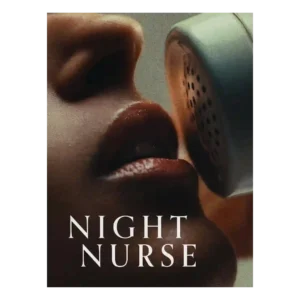
P1 Night Nurse
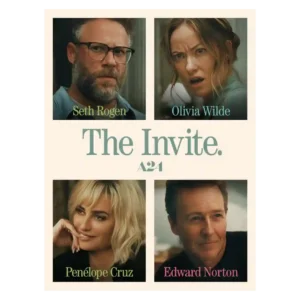
P2 The Invite

Comparison Takeaways

Night Nurse

Where It Has the Edge

  • editing quality is 4.5 vs 3.5. The patient, elliptical editing strengthens the dreamy intimacy and lets discomfort accumulate gradually. That same restraint can also...
  • score quality is 4.0 vs 3.1. The eerie jazz and spacious piano score adds elegance, decadence, and sustained tension to the dreamlike mood. One...
  • sound design is rated 4.5 while the other product has no score yet. Hushed voices, breath, phone-call textures, and erotic whispers make the scam sequences unusually intimate and unsettling. The sound...
  • world-building is rated 4.5 while the other product has no score yet. The retirement community becomes a sealed, hypnotic world with its own logic, rituals, and atmosphere. Its artificiality draws...

The Invite

Where It Has the Edge

  • realism is 5.0 vs 1.4. The petty grievances, overlapping arguments, insecurity, and emotional stagnation feel painfully recognizable. Many critics see their own long-term...
  • message quality is 4.5 vs 1.5. The film argues for honesty, change, and renewed openness rather than prescribing monogamy or non-monogamy. Its hopeful ideas...
  • screenplay quality is 4.8 vs 2.2. The screenplay is broadly celebrated as whip-smart, funny, adult, and emotionally perceptive. Its overlapping talk and carefully planted...
  • pacing is 4.2 vs 1.9. Most critics praise the kinetic rhythm and carefully timed reveals, especially within the single-apartment setup. Others find the...
Average score
Product 1: Night Nurse
3.5
Product 2: The Invite
4.5
acting performance
Product 1: Night Nurse
4.2

The cast is one of the film’s most reliable strengths, with the central performances repeatedly praised for making sparse, difficult material compelling. A few harsher takes find the ensemble too flat to overcome the thin writing.

Product 2: The Invite
4.8

The four leads are widely praised as a remarkably balanced ensemble, with several critics calling the work career-best. Even more mixed assessments agree the cast keeps the film lively.

audience appeal
Product 1: Night Nurse
2.8

This is a deliberately niche film for viewers comfortable with slow, dreamlike, sexually uncomfortable arthouse thrillers. Its strange wavelength, age-gap dynamic, and loose logic are likely to alienate mainstream audiences.

Product 2: The Invite
5.0

The film appears built for communal viewing, with packed audiences reportedly laughing hard and staying engaged. Its adult, dialogue-driven style should land best with viewers who enjoy sharp relationship comedy.

character development
Product 1: Night Nurse
2.4

Eleni and Douglas are intriguing as opaque figures, but their motives and histories remain frustratingly thin for many viewers. The mystery feels hypnotic to some and emotionally vacant to others.

Product 2: The Invite
3.8

The four characters gradually reveal insecurity, grief, desire, and resentment beneath their initial comic types. Most find them richly layered, though one critic felt some interactions were overly manufactured.

chemistry between characters
Product 1: Night Nurse
3.9

Paksoy and McKenzie create an unsettling push-pull that many critics found magnetic, tender, and hard to look away from. Others never believed the attraction, making the entire relationship feel awkward rather than seductive.

Product 2: The Invite
5.0

The quartet’s contrasting styles lock into a lively rhythm, while each new pairing creates a different emotional and comic charge. The believable friction between the married couple is especially important to the film’s impact.

cinematography
Product 1: Night Nurse
4.5

The close, painterly camerawork is a standout, using shadows, waxy textures, shallow focus, and intimate framing to turn the retirement community into a sensual dreamspace. Even negative reactions often admire the visual craft.

Product 2: The Invite
5.0

The 35mm photography, careful blocking, mirrors, and shifting perspectives make one apartment feel cinematic and constantly changing. A few flourishes can feel conspicuous, but the visual craft is a major strength.

costume design
Product 1: Night Nurse
4.0

The clothing keeps the nurses polished and professional instead of relying on obvious sexy-nurse clichés. The restrained wardrobe also supports the film’s sterile, timeless atmosphere.

Product 2: The Invite
4.5

The clothing subtly places the buttoned-up hosts and liberated guests in visual opposition. These choices reinforce personality and relationship dynamics without becoming overly showy.

critic appeal
Product 1: Night Nurse
5.0

Its bold craft and transgressive concept give it clear awards-season and independent-film appeal, especially for critics drawn to adventurous debuts. The divisive storytelling may limit broader enthusiasm.

Product 2: The Invite
5.0

Critical response is overwhelmingly enthusiastic, with many calling it one of the year’s best comedies or films. A smaller group finds it shallow, overworked, or only intermittently funny.

dialogue quality
Product 1: Night Nurse
2.5

Sparse dialogue fits the film’s quiet, watchful mood, but it places heavy pressure on expressions and silence. For less receptive viewers, the minimal speech leaves the characters feeling underwritten rather than mysterious.

Product 2: The Invite
4.4

The rapid, overlapping dialogue is commonly described as crackling, sharp, natural, and extremely funny. Some critics find the verbal sparring self-satisfied or overextended, especially in longer arguments.

directing quality
Product 1: Night Nurse
4.3

Georgia Bernstein shows confident control of mood, framing, performance, and erotic unease in her feature debut. The direction is widely admired even when the screenplay’s logic and character development draw criticism.

Product 2: The Invite
4.7

Olivia Wilde’s control of performance, space, and comic escalation is frequently called her strongest directing work. A few early choices feel fussy or overemphatic, but the overall staging is confident and inventive.

drama quality
Product 1: Night Nurse
5.0

The strongest dramatic moments come from silence, physical behavior, and the shifting power between caregiver and patient. Paksoy’s ability to hold nearly wordless scenes gives the film much of its dramatic force.

Product 2: The Invite
5.0

Beneath the farce is a poignant chamber drama about disappointment, intimacy, and a marriage nearing collapse. The emotional seriousness gives the comedy weight without turning the film into a conventional tearjerker.

editing quality
Product 1: Night Nurse
4.5

The patient, elliptical editing strengthens the dreamy intimacy and lets discomfort accumulate gradually. That same restraint can also make the film feel overly suspended and slow.

Product 2: The Invite
3.5

The cutting usually gives the dinner party propulsive rhythm and helps the comedy snap into place. The most negative response calls the staccato approach cacophonous and exhausting.

emotional impact
Product 1: Night Nurse
4.1

The film leaves a lingering, disconcerting impression even on viewers who dislike it. Its atmosphere and performances are memorable, though the underdeveloped psychology prevents some of the final emotions from fully landing.

Product 2: The Invite
4.8

The film repeatedly turns belly laughs into sadness, tenderness, and even tears. Its strongest moments make marital regret and buried longing hit harder because the comedy has lowered viewers’ defenses.

ending satisfaction
Product 1: Night Nurse
2.6

The finale is the most consistent weakness, often described as rushed, partially earned, or stretched past better stopping points. A few viewers enjoy its sick humor and unsettling final turn.

Product 2: The Invite
4.5

Most critics admire the bittersweet, enigmatic, or quietly hopeful ending and expect audiences to discuss it afterward. A few consider it too cautious, noncommittal, or less satisfying than the journey.

entertainment value
Product 1: Night Nurse
2.7

Reactions range from fascinated delight to boredom and outright dislike. It works best as a strange atmospheric experience, not as a conventional crime thriller with frequent plot movement.

Product 2: The Invite
4.4

Despite its single location and talk-heavy structure, the film is widely considered a highly entertaining pressure cooker. Its combination of awkwardness, surprise, and star chemistry keeps the evening engaging.

faithfulness to source material
Product 1: Night Nurse
No score yet
Product 2: The Invite
4.8

The adaptation remains close to the Spanish source while adding American detail, greater sensuality, and more character expansion. Several critics consider it an unusually successful U.S. remake.

genre satisfaction
Product 1: Night Nurse
3.2

As an erotic psychological thriller, it succeeds through mood, taboo power dynamics, and unease rather than sex, twists, or conventional suspense. Viewers expecting a faster or more explicit thriller may feel misled.

Product 2: The Invite
4.5

As an adult relationship dramedy, dark comedy, and sex farce, it delivers sophisticated laughs with real emotional stakes. Its frank approach to marriage and non-monogamy feels refreshingly grown-up.

humor
Product 1: Night Nurse
4.2

The black comedy gives the taboo material an oddball, self-aware edge, especially around Douglas’s pajama-clad charisma and the film’s perversely romantic turns. The humor is dry and intentionally uncomfortable.

Product 2: The Invite
4.8

The strongest consensus is that the film is genuinely hilarious, with rapid insults, physical comedy, and escalating social discomfort producing big laughs. A small minority finds it only occasionally funny.

lead performance
Product 1: Night Nurse
4.4

Cemre Paksoy is widely praised for a layered, largely silent performance that makes Eleni’s surrender, obsession, and instability palpable. A minority find the repeated stares too languid to compensate for the underwritten role.

Product 2: The Invite
5.0

Seth Rogen is repeatedly singled out for combining comic timing with deep, lived-in sadness, while Olivia Wilde earns career-best notices for anxious physical comedy and emotional vulnerability.

message quality
Product 1: Night Nurse
1.5

The film gestures toward ideas about caregiving, exploitation, loneliness, and the need to feel needed, but one major criticism is that these ideas remain surface-level. Its meaning is more suggestive than fully argued.

Product 2: The Invite
4.5

The film argues for honesty, change, and renewed openness rather than prescribing monogamy or non-monogamy. Its hopeful ideas resonate with many critics, though a few find the relationship lessons obvious or didactic.

originality
Product 1: Night Nurse
4.7

The unusual fusion of elder-care intimacy, phone scams, kink, and romantic obsession feels genuinely distinctive. Even detractors tend to acknowledge that the film takes risks few thrillers would attempt.

Product 2: The Invite
5.0

Even with a familiar dinner-party setup and multiple earlier adaptations, the film often feels fresh, contemporary, and surprising. Its specific observations about stalled relationships keep it from playing like a routine remake.

pacing
Product 1: Night Nurse
1.9

The glacial slow-burn rhythm supports the hypnotic atmosphere but frequently tests patience. Several critics feel the film drifts, repeats its mood, and fails to accelerate when the story finally turns dangerous.

Product 2: The Invite
4.2

Most critics praise the kinetic rhythm and carefully timed reveals, especially within the single-apartment setup. Others find the opening overcharged or the later monologues and arguments too drawn out.

plot clarity
Product 1: Night Nurse
2.0

The basic scam premise is easy to understand, but character motives, logistics, and cause-and-effect are often left vague. Some embrace the dream logic, while others see major holes and unexplained leaps.

Product 2: The Invite
3.5

The central setup is easy to follow, but some later turns may lose viewers who have not fully bought into the couples’ behavior. The film favors emotional escalation over a tidy, conventional plot.

plot originality
Product 1: Night Nurse
5.0

The phone-scam relationship and inverted caregiver-patient power dynamic give the plot a fresh foundation. Its construction is more unusual than conventionally tight.

Product 2: The Invite
5.0

The story repeatedly swerves away from the most predictable version of its premise and complicates each character’s motives. Its surprises are a major pleasure even when the broad destination can be anticipated.

production design
Product 1: Night Nurse
4.2

Sterile rooms, uncluttered surfaces, pools, villas, and subtly anachronistic spaces create a convincing limbo outside ordinary time. The design feels ingenious and expansive for a small production, though sometimes intentionally distancing.

Product 2: The Invite
5.0

The renovated apartment functions like a fifth character, expressing warmth, distance, entrapment, and unfinished marital business. Its rooms, mirrors, decor, and sightlines keep the contained story visually alive.

realism
Product 1: Night Nurse
1.4

The film makes little attempt to follow realistic nursing procedures, police logic, or workplace behavior. Enjoyment depends heavily on accepting the retirement community as a self-contained fantasy world.

Product 2: The Invite
5.0

The petty grievances, overlapping arguments, insecurity, and emotional stagnation feel painfully recognizable. Many critics see their own long-term relationship dynamics reflected in the film’s uncomfortable comedy.

rewatch value
Product 1: Night Nurse
2.5

The film can be hard to shake, but that does not always translate into a desire to revisit it. Some viewers remain fascinated afterward, while others explicitly never want to watch it again.

Product 2: The Invite
4.8

The dense dialogue, layered performances, visual blocking, and ambiguous ending give the film strong repeat-viewing potential. The few explicit rewatch comments are highly enthusiastic.

romance quality
Product 1: Night Nurse
3.0

The Douglas-Eleni bond can feel perversely tender, sweet, and strangely heartfelt when the chemistry works. For others, the age gap and thin emotional groundwork make the romance uncomfortable or unconvincing.

Product 2: The Invite
4.5

The film treats marriage, desire, and non-monogamy with curiosity rather than easy judgment. Its romantic outlook is messy but ultimately humane, showing both the fear and possibility involved in changing a relationship.

runtime
Product 1: Night Nurse
2.0

Although only 95 minutes, the slow pace makes the film feel longer for viewers who are not invested in the central relationship. Its length is frequently judged less efficient than its compact runtime suggests.

Product 2: The Invite
2.7

At roughly 107–108 minutes, the film feels tight and propulsive to some viewers but overlong to others. The most common concern is that the material could lose 15–20 minutes without sacrificing its emotional point.

scares
Product 1: Night Nurse
4.0

The film creates dread through voyeuristic framing, caregiver intimacy, and psychological unease rather than jump scares. Its strongest horror moments are quiet, nightmarish, and suggestive.

Product 2: The Invite
No score yet
score quality
Product 1: Night Nurse
4.0

The eerie jazz and spacious piano score adds elegance, decadence, and sustained tension to the dreamlike mood. One dissenting view finds it overused and enervating because its motifs vary too little.

Product 2: The Invite
3.1

Devonté Hynes’s string-heavy score sharply amplifies tension and comic rhythm for some critics. Others find it blaring, overly insistent, or distracting, making this the clearest technical point of disagreement.

screenplay quality
Product 1: Night Nurse
2.2

The script has a daring premise and rich thematic possibilities, but its skeletal plotting and missing backstory divide critics. Many feel it runs out of narrative development before the atmosphere does.

Product 2: The Invite
4.8

The screenplay is broadly celebrated as whip-smart, funny, adult, and emotionally perceptive. Its overlapping talk and carefully planted reveals are major strengths, though a few critics call it over-written or smug.

sexual content level
Product 1: Night Nurse
3.9

The film generates strong erotic tension with little nudity and almost no conventional sex. Its kink comes through restraint, phone cords, breath, control, and the intimacy of caregiving, which some find subversive and others deeply off-putting.

Product 2: The Invite
4.5

The film is raunchy in subject and conversation but contains no explicit sex or nudity. Its adult material is generally seen as purposeful, playful, and tied to character rather than included for shock alone.
sound design
Product 1: Night Nurse
4.5

Hushed voices, breath, phone-call textures, and erotic whispers make the scam sequences unusually intimate and unsettling. The sound work is one of the clearest technical strengths.

Product 2: The Invite
No score yet
soundtrack quality
Product 1: Night Nurse
4.0

The understated soundtrack complements the film’s quiet, suspended mood and is generally appreciated for its subtlety. It works more as atmosphere than as a collection of memorable themes.

Product 2: The Invite
5.0

The musical selections are used sparingly but effectively, with the Sade needle drop singled out as a crowd-pleasing highlight. The songs add sensuality and irony to the relationship drama.

story quality
Product 1: Night Nurse
2.6

The premise is bold and the central relationship can be compelling, but the story is deliberately slight and often feels underdeveloped. Strong atmosphere and performances carry more weight than narrative progression.

Product 2: The Invite
4.5

The familiar dinner-party premise grows into a surprisingly layered exploration of marriage and desire. Most find the story close to perfectly executed, though some consider its deeper turns forced or superficial.

supporting cast performance
Product 1: Night Nurse
4.4

Bruce McKenzie receives especially strong praise for balancing charm, danger, ambiguity, and vulnerability as Douglas. The wider supporting cast is generally solid, though a few critics find some roles bland or underused.

Product 2: The Invite
4.9

Penélope Cruz and Edward Norton are repeatedly praised as magnetic, funny, and unpredictable foils. Cruz brings seductive confidence and comic precision, while Norton balances smug charm with unexpected tenderness.

suspense
Product 1: Night Nurse
2.4

The best passages create thick menace and uncertainty through closeness, silence, and unstable power. Other viewers find the film too slow and underplotted to sustain genuine tension.

Product 2: The Invite
4.0

The apartment becomes a claustrophobic emotional trap as grievances, secrets, and attraction accumulate. The tension comes from social and marital danger rather than conventional thriller mechanics.

theme depth
Product 1: Night Nurse
4.0

The film’s richest ideas concern the need to be needed, caregiving as power, codependency, aging, consent, and exploitation. Critics disagree on whether those ideas are deeply explored or merely seductively suggested.

Product 2: The Invite
4.2

The film digs into failed ambition, comparison, resentment, intimacy, and the stories couples tell themselves. Most find it insightful and mature, while a dissenting group sees only a superficial treatment of modern relationships.

tonal consistency
Product 1: Night Nurse
No score yet
Product 2: The Invite
4.0

For most of its runtime, the film balances broad comedy, cringe, pathos, and sadness with impressive control. Several critics note that the late turn into darker emotion can feel choppy or forced.

value for money
Product 1: Night Nurse
2.0

The craft may reward committed arthouse viewers, but at least one reaction recommends waiting for streaming rather than paying for a limited theatrical showing. Its slow, divisive style makes the purchase decision audience-dependent.

Product 2: The Invite
No score yet
violence level
Product 1: Night Nurse
1.5

Violence is limited, but the late escalation is criticized as upsetting and insufficiently earned. The discomfort comes more from coercion and psychological manipulation than from sustained physical brutality.

Product 2: The Invite
No score yet
visual style
Product 1: Night Nurse
4.2

The film’s hazy, sterile, dreamlike look is one of its defining achievements, blending sensual close-ups with claustrophobic compositions and timeless spaces. That same aesthetic can feel alienating and emotionally cold.

Product 2: The Invite
4.2

Warm 35mm texture, mirrors, frames within frames, and precise spatial composition give the chamber piece a polished cinematic identity. Some critics find the early symbolism overly studied, but the overall look is admired.

world-building
Product 1: Night Nurse
4.5

The retirement community becomes a sealed, hypnotic world with its own logic, rituals, and atmosphere. Its artificiality draws viewers in when the dream logic works, even if the outside world remains barely developed.

Product 2: The Invite
No score yet