
Compare Romería vs Honeyjoon

P1 Romería
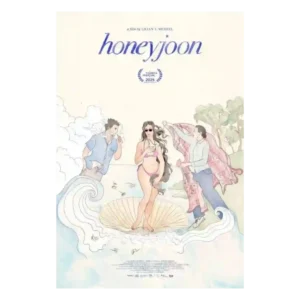
P2 Honeyjoon

Comparison Takeaways

Romería

Where It Has the Edge

  • romance quality is 4.5 vs 2.0. The parents’ youthful love is presented with warmth and sensual beauty before addiction and illness darken the relationship.
  • originality is 4.2 vs 2.7. Its blend of observational realism, diary narration, camcorder footage, and spectral fantasy gives the familiar family-secret story a...
  • genre satisfaction is 5.0 vs 3.6. As a quiet coming-of-age family drama with autobiographical and magical-realist elements, it strongly satisfies viewers drawn to subtle...
  • theme depth is 5.0 vs 3.7. The film thoughtfully explores identity, inherited shame, memory, forgiveness, and the need to repair the past before building...

Honeyjoon

Where It Has the Edge

  • score quality is 4.5 vs 2.5. The synth score is praised for fitting the lighthearted, feel-good atmosphere and supporting a sequence of sexual tension.
  • pacing is 4.3 vs 2.6. The meditative pace and brief runtime often feel patient, brisk, and appropriate to the intimate story. A negative...
  • character development is 3.8 vs 2.3. June and Lela often feel lived-in, specific, and recognizably difficult with each other. More critical reviewers say the...
  • realism is 5.0 vs 4.0. Reviewers value the lived-in arguments, understated revelations, and smartphone footage for making the relationship and vacation feel authentic...
Average score
Product 1: Romería
4.5
Product 2: Honeyjoon
4.2
acting performance
Product 1: Romería
5.0

The cast is consistently strong, with natural ensemble interplay that makes the sprawling family feel lived-in and convincing.

Product 2: Honeyjoon
4.5

The acting is the clearest consensus strength, with the central performances repeatedly called captivating, vulnerable, funny, and emotionally precise. A few dissenting reviews find the staging distancing or one performance somewhat one-note.

audience appeal
Product 1: Romería
4.0

This is best suited to viewers who enjoy patient Spanish dramas, family-history mysteries, and subtle emotional conflict rather than fast-moving plotting.

Product 2: Honeyjoon
4.8

The film has demonstrated strong festival appeal, and one critic argues it deserves a much wider audience. Its intimate mother-daughter focus and emotional accessibility are the main reasons cited.

character development
Product 1: Romería
2.3

Marina’s reserve suits the story, but a few critics found her difficult to read and wished her emotional arc were more fully defined.

Product 2: Honeyjoon
3.8

June and Lela often feel lived-in, specific, and recognizably difficult with each other. More critical reviewers say the short runtime leaves backstory thin or reduces them to generational and cultural types.

chemistry between characters
Product 1: Romería
4.5

The family ensemble feels convincingly chaotic and intimate, while Marina’s connection with Nuno adds a deliberately uneasy spark.

Product 2: Honeyjoon
4.6

Most reviewers find the mother-daughter chemistry magnetic and believable, especially in the pair’s bickering, tenderness, and uneven attempts to reconnect. One critic felt the staging made them seem less directly engaged with each other.

cinematography
Product 1: Romería
4.9

The sunlit Galician coast is photographed with exceptional texture and beauty, often turning water, skin, and landscape into the film’s most immediate pleasures.

Product 2: Honeyjoon
4.7

The Azores are photographed with painterly beauty, striking wides, phone imagery, and textured film footage. Reviewers especially like how the landscapes reflect grief and emotional distance rather than functioning as scenery alone.

costume design
Product 1: Romería
4.0

Wardrobe choices quietly reinforce family history and identity, with clothing details serving as meaningful visual clues rather than decoration.

Product 2: Honeyjoon
No score yet
cultural representation
Product 1: Romería
5.0

The film thoughtfully connects one family’s wounds to Spain’s heroin and AIDS crisis, class divisions, regional identity, and lingering social stigma.

Product 2: Honeyjoon
3.8

The Iranian diaspora and Woman, Life, Freedom material divides reviewers. Some find it layered, illuminating, and naturally integrated, while others call it shoehorned, underbaked, or performative.

dialogue quality
Product 1: Romería
No score yet
Product 2: Honeyjoon
3.5

The dialogue is praised at its best for naturalistic bickering and culturally specific behavior. A more negative review finds some exchanges stiff and written mainly to deliver exposition.

directing quality
Product 1: Romería
4.8

Carla Simón handles painful autobiographical material with patience, restraint, and visual confidence. The late fantasy turn is bold, though not everyone found it fully integrated.

Product 2: Honeyjoon
4.2

Direction is usually praised for actor work, restraint, emotional honesty, and the intelligent use of setting. Dissenters describe the framing as overly cautious or the style as effective but visually conservative.

drama quality
Product 1: Romería
4.7

The family drama is intimate, intelligent, and often gripping without relying on loud confrontations. Its controlled tone can also feel muted to viewers seeking sharper conflict.

Product 2: Honeyjoon
3.8

The grief drama can build to strong catharsis and poignancy, especially when centered on June and Lela. A skeptical review finds the reserved telling too withdrawn to fully work.

editing quality
Product 1: Romería
4.3

The interwoven diary, DV footage, present-day scenes, and imagined past are often assembled with impressive flow, although one tonal transition divided opinion.

Product 2: Honeyjoon
5.0

One review singles out the cross-cutting between mother and daughter as the film’s most powerful sequence, using separation to show them exchanging approaches to grief.

emotional impact
Product 1: Romería
4.5

The search for buried family truth is frequently moving, heartbreaking, and restorative. Its quiet approach lands deeply for many, though a few found the emotions held at too much distance.

Product 2: Honeyjoon
4.5

The film frequently lands as moving, compassionate, and personally recognizable, especially for viewers familiar with parental loss. Some critics feel the heavier late moments or underdeveloped ideas blunt the intended impact.

ending satisfaction
Product 1: Romería
5.0

The closing stretch gives Marina meaningful agency and a stronger connection to her parents, with several critics highlighting the final scene as especially beautiful and rewarding.

Product 2: Honeyjoon
4.8

The closing movement is generally satisfying, with the leads reaching a subtler, more comfortable place rather than undergoing a simplistic transformation.

entertainment value
Product 1: Romería
4.8

Despite its contemplative pace, lively family scenes and a memorable dance sequence keep the film engaging. Its appeal depends heavily on patience for understated drama.

Product 2: Honeyjoon
4.5

Even mixed reviews tend to find the film enjoyable, helped by its humor, sensuality, scenery, and compact scale. Its emotional heaviness may limit the uplift for some viewers.

genre satisfaction
Product 1: Romería
5.0

As a quiet coming-of-age family drama with autobiographical and magical-realist elements, it strongly satisfies viewers drawn to subtle European art-house storytelling.

Product 2: Honeyjoon
3.6

As a grief dramedy with flirtation, politics, and family comedy, the film is appealing but divisive. Several reviewers praise the blend, while others find the genre mix tonally confused or insufficiently developed.

humor
Product 1: Romería
4.0

Small family observations and recognizable personality clashes provide welcome humor without undercutting the story’s grief.

Product 2: Honeyjoon
4.4

Humor is a major asset, ranging from dry awkwardness and deadpan side characters to bodily jokes and generational bickering. Most reviewers feel it relieves the grief without trivializing it, though one finds the comic structure weak.

lead performance
Product 1: Romería
4.9

Llúcia Garcia is the clear standout, bringing warmth, restraint, curiosity, and growing resolve to Marina. Her dual role in the imagined past adds another layer to an impressive debut.

Product 2: Honeyjoon
4.9

The two leads carry the film with performances repeatedly described as heartfelt, perfectly cast, and emotionally attuned. Their work gives the compact story much of its depth.

message quality
Product 1: Romería
5.0

The film makes a resonant case that confronting painful family history can create freedom, identity, and a more honest future.

Product 2: Honeyjoon
4.7

The film’s central message is compassionate: grief has no single path, joy can coexist with loss, and healing means moving forward while carrying the absent person with you. Its political message is more contested.

originality
Product 1: Romería
4.2

Its blend of observational realism, diary narration, camcorder footage, and spectral fantasy gives the familiar family-secret story a distinctive form. The final stylistic shift is daring but divisive.

Product 2: Honeyjoon
2.7

Reviewers see personal specificity in the film’s grief story and visual mix, but some consider the diaspora framework familiar or the overall result too plain to feel fully original.

pacing
Product 1: Romería
2.6

The deliberate rhythm supports observation and emotional accumulation, but repeated diary interludes and a wandering middle caused several critics to find it slow or overextended.

Product 2: Honeyjoon
4.3

The meditative pace and brief runtime often feel patient, brisk, and appropriate to the intimate story. A negative review instead experiences long emotional plateaus.

plot clarity
Product 1: Romería
2.8

The large family, conflicting accounts, and shifting timelines can be difficult to track. The ending also moves quickly enough that some practical details remain unclear.

Product 2: Honeyjoon
3.5

The film’s central mother-daughter journey is clear, but one review argues that an overambitious plot introduces more concepts than the short runtime can coherently develop.

plot originality
Product 1: Romería
3.5

The underlying family mystery is familiar and not especially surprising, but the film’s personal framing and visual approach give it freshness.

Product 2: Honeyjoon
3.5

The film avoids obvious raunch-com mechanics and big manufactured reversals, which gives its small-scale grief story distinction. Another critic still considers the broader diaspora setup conventional.

production design
Product 1: Romería
4.5

Small design details help distinguish generations, spaces, and parallel timelines while grounding the family’s wealth and emotional history.

Product 2: Honeyjoon
No score yet
realism
Product 1: Romería
4.0

The loose family scenes feel natural and lived-in, even if one critic found the style slightly generic before the film moves into fantasy.

Product 2: Honeyjoon
5.0

Reviewers value the lived-in arguments, understated revelations, and smartphone footage for making the relationship and vacation feel authentic rather than mechanically plotted.

rewatch value
Product 1: Romería
5.0

Its layered imagery, family details, and emotional subtext give it strong repeat-viewing appeal for admirers of slow, personal cinema.

Product 2: Honeyjoon
No score yet
romance quality
Product 1: Romería
4.5

The parents’ youthful love is presented with warmth and sensual beauty before addiction and illness darken the relationship.

Product 2: Honeyjoon
2.0

The romantic and sexual thread adds sensual energy, but one critic finds the cautious framing unable to generate enough excitement between June and João.

runtime
Product 1: Romería
2.5

At nearly two hours, the restrained journey can feel longer than its relatively simple administrative premise requires.

Product 2: Honeyjoon
3.5

The 70–80 minute length is both a strength and a limitation. It keeps the film compact and prevents overstaying, but several reviewers wish it had more room for backstory and political themes.

score quality
Product 1: Romería
2.5

The string score adds unease, but one critic found its arch tone mismatched with Marina’s inward, passive perspective.

Product 2: Honeyjoon
4.5

The synth score is praised for fitting the lighthearted, feel-good atmosphere and supporting a sequence of sexual tension.

screenplay quality
Product 1: Romería
3.8

The screenplay is strongest when revealing family lies through small gestures and contradictory conversations. Some critics found the structure diffuse, discursive, or emotionally underfocused.

Product 2: Honeyjoon
4.4

The screenplay is often praised for balancing humor, pathos, and precise character detail. Its recurring weakness is overambition: some reviewers find the themes heavy-handed, jokes under-supported, or storylines insufficiently developed.

sexual content level
Product 1: Romería
No score yet
Product 2: Honeyjoon
5.0

Sexuality is handled openly but with restraint. One reviewer specifically praises it as low-key, matter-of-fact, and far removed from raunch-com excess.

sound design
Product 1: Romería
4.5

Careful attention to coastal ambience, household texture, and remembered sounds strengthens the film’s intimate, diary-like atmosphere.

Product 2: Honeyjoon
No score yet
story quality
Product 1: Romería
4.8

The personal search for identity and family truth is tender, compelling, and thoughtfully constructed, though its low-key mystery offers more emotional than narrative momentum.

Product 2: Honeyjoon
4.1

The story earns considerable praise as an intimate, compassionate account of grief and a difficult mother-daughter bond. Negative reviews find it too slight, overstuffed, or emotionally withdrawn.

supporting cast performance
Product 1: Romería
5.0

The supporting ensemble creates a believable web of affection, resentment, guilt, and long-established family habits.

Product 2: Honeyjoon
5.0

The supporting cast is a strong complement to the leads, with José Condessa’s soulful guide and António Maria’s deadpan concierge singled out for adding warmth and humor.

suspense
Product 1: Romería
4.5

The gradual uncovering of hidden illness, addiction, and family betrayal gives the quiet drama a steady investigative pull.

Product 2: Honeyjoon
No score yet
theme depth
Product 1: Romería
5.0

The film thoughtfully explores identity, inherited shame, memory, forgiveness, and the need to repair the past before building a future.

Product 2: Honeyjoon
3.7

The film’s treatment of grief, identity, happiness, freedom, and diaspora can feel rich and humane. The main disagreement is whether those ideas are subtly layered or only surface-level and underdeveloped.

tonal consistency
Product 1: Romería
No score yet
Product 2: Honeyjoon
4.2

Many reviewers admire the balance of sorrow, humor, sensuality, and political context. Others find the transitions uneven or the accumulation of modes tonally confusing.

value for money
Product 1: Romería
5.0

For art-house audiences, the striking coastal imagery and standout dance sequence offer a theatrical experience worth seeing on a large screen.

Product 2: Honeyjoon
No score yet
visual style
Product 1: Romería
4.9

Sunlit realism, fuzzy DV footage, grainy flashbacks, and dreamlike fantasy combine into a rich and memorable visual design, even when style occasionally outweighs clarity.

Product 2: Honeyjoon
4.8

The visual style combines island vistas, soft compositions, Super 8 texture, crisp digital images, and vertical phone footage. This varied approach is consistently identified as one of the film’s most attractive qualities.