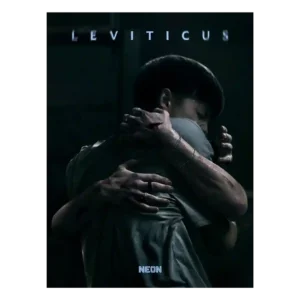
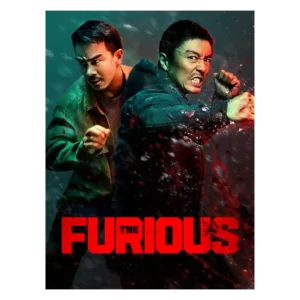
Compare Leviticus vs The Furious

P1 Leviticus
P2 The Furious

Comparison Takeaways

Leviticus

Where It Has the Edge

  • runtime is 4.5 vs 1.5. The sub-90-minute length is generally viewed as welcome and efficient. A few critics still felt the final stretch...
  • special effects quality is 4.5 vs 2.0. Practical wounds and digital enhancements are used selectively and effectively. The effects support the violence without distracting from...
  • plot originality is 4.5 vs 2.1. The monster’s use of a loved one’s face is a strong, emotionally loaded horror hook. Familiar stalking mechanics...
  • drama quality is 4.0 vs 2.5. The jealousy, betrayal, repression, and longing often carry more force than the supernatural attacks. The romantic conflict gives...

The Furious

Where It Has the Edge

  • humor is 4.5 vs 2.0. The movie finds grim humor inside its brutal fights, using absurd props, exaggerated durability, and sudden comic reversals....
  • message quality is 4.1 vs 2.4. The anti-trafficking message is direct, emotionally accessible, and fueled by anger at corrupt institutions. Some find it simplistic,...
  • entertainment value is 4.9 vs 3.5. For action fans, the film is an exhilarating, funny, and highly satisfying ride. Its weak writing rarely diminishes...
  • originality is 4.8 vs 3.4. The basic plot is familiar, but the action language feels genuinely fresh. Props, bodies, styles, and group movement...
Average score
Product 1: Leviticus
4.2
Product 2: The Furious
4.0
acting performance
Product 1: Leviticus
4.6

Joe Bird and Stacy Clausen are the clear standout, bringing tenderness, panic, guilt, and menace to emotionally demanding roles. Even less enthusiastic critics generally praised the acting.

Product 2: The Furious
4.1

The cast earns strong marks for physical commitment, while traditional dramatic acting receives more mixed reactions. Performances are most convincing when emotion is expressed through movement rather than dialogue.

action sequences
Product 1: Leviticus
No score yet
Product 2: The Furious
4.9

The fight sequences are exceptional: inventive, punishing, clearly staged, and constantly escalating. Prop-based combat, layered group choreography, and the five-way finale make the action feel genre-leading.

age appropriateness
Product 1: Leviticus
No score yet
Product 2: The Furious
1.0

The savage violence, profanity, and disturbing child-trafficking material make the film appropriate only for mature viewers.

audience appeal
Product 1: Leviticus
4.5

The emotional romance and accessible curse premise give the film crossover potential beyond dedicated horror fans. Its bleak subject matter and restrained supernatural spectacle may narrow that appeal.

Product 2: The Furious
4.9

The movie is built for a loud communal experience, with applause, laughter, gasps, and cheering enhancing its impact. It plays like a raucous crowd-pleaser.

CGI quality
Product 1: Leviticus
No score yet
Product 2: The Furious
2.3

CGI quality is inconsistent: some blood effects look credible, while other blood, lip-sync work, and isolated digital shots appear obvious or crude. The physical stunt work remains strong enough to overshadow most of it.

character development
Product 1: Leviticus
3.1

Naim’s flaws and emotional shifts come through clearly, but Ryan and several supporting characters can feel thin or unevenly developed. The limited backstory weakens the impact for some viewers.

Product 2: The Furious
2.7

Character work is one of the weaker areas, with the adults often feeling thin or barely developed. Distinct personalities and family relationships still provide enough investment for the action.

chemistry between characters
Product 1: Leviticus
4.7

The central romance is powered by unusually strong chemistry, with the leads making stolen affection, distrust, and reconciliation feel immediate. A small minority found the relationship underwritten despite the performances.

Product 2: The Furious
4.6

The central pair works well because their contrasting styles and shared purpose make them feel complementary. The father-daughter relationship also gives the action a convincing emotional anchor.

cinematography
Product 1: Leviticus
4.7

Desaturated industrial landscapes, intimate close-ups, and isolating compositions give the film a bleak but striking look. The camera repeatedly turns open spaces and familiar faces into sources of unease.

Product 2: The Furious
4.7

The camera moves with the fighters while preserving spatial clarity, often using wide shots and energetic long takes. A few moments feel slippery, but the visual coverage is overwhelmingly praised.

costume design
Product 1: Leviticus
4.2

Understated clothing supports the town’s drab conformity and the film’s grounded unease. The design works quietly with the setting rather than calling attention to itself.

Product 2: The Furious
No score yet
critic appeal
Product 1: Leviticus
5.0

Critical response is strongly favorable, with particular enthusiasm for the performances, central metaphor, suspense, and romance. Reservations focus mainly on familiar influences and underdeveloped rules.

Product 2: The Furious
5.0

Enthusiasm is exceptionally high, with the film widely positioned as the year’s best action release and one of the strongest martial-arts movies in years.

cultural representation
Product 1: Leviticus
5.0

The film’s direct queer perspective gives its horror unusual specificity and emotional authenticity. It has been praised as a meaningful contribution to queer horror rather than a generic curse story with representation added on.

Product 2: The Furious
4.4

The international cast and mixture of Chinese, Indonesian, Japanese, Thai, and Hong Kong action traditions give the film a distinctive Pan-Asian identity. The blend remains compelling even when the vague setting feels artificial.

dialogue quality
Product 1: Leviticus
3.3

The strongest exchanges feel casual and revealing, especially between the two boys. Some later dialogue is clunky or too explicit about the film’s themes.

Product 2: The Furious
2.1

Awkward English dialogue, conspicuous ADR, and clunky dubbing are persistent distractions. The next fight usually arrives quickly enough to keep these flaws from sinking the movie.

directing quality
Product 1: Leviticus
4.8

Adrian Chiarella’s debut is widely regarded as assured, sensitive, and controlled. He handles intimacy and dread especially well, even when the screenplay’s rules or side characters are less polished.

Product 2: The Furious
5.0

Kenji Tanigaki’s direction is a major strength, presenting complicated movement with confidence and clarity. He turns a basic premise into a showcase for world-class physical filmmaking.

drama quality
Product 1: Leviticus
4.0

The jealousy, betrayal, repression, and longing often carry more force than the supernatural attacks. The romantic conflict gives the horror its emotional stakes.

Product 2: The Furious
2.5

The family conflict and trafficking premise provide a workable dramatic base, but quieter emotional scenes are much less convincing than the action.

editing quality
Product 1: Leviticus
4.8

The editing creates sharp shifts between open-space unease and claustrophobic danger while keeping the story compact. Its timing helps uncertainty linger whenever a familiar face appears.

Product 2: The Furious
4.2

Editing is generally clear and rhythmic, letting completed moves land instead of hiding them behind frantic cuts. The sped-up look of the final fight is a rare visual misstep.

emotional impact
Product 1: Leviticus
4.3

The film is frequently described as heartbreaking, haunting, and deeply upsetting, with a modest thread of hope. Viewers who wanted fuller characterization were less emotionally invested.

Product 2: The Furious
3.8

The father-daughter bond and anger at the traffickers give the action real emotional force. Some dramatic beats land less effectively, especially when the dubbing or late-story structure gets in the way.

ending satisfaction
Product 1: Leviticus
4.1

Many critics admired the bittersweet final note and its refusal to offer an easy cure, finding it graceful and hopeful without denying lasting danger. Others found the ending abrupt or insufficiently resolved.

Product 2: The Furious
3.4

The climactic combat is spectacular, but the surrounding resolution is uneven. The rushed wrap-up, extra epilogue, and fading dramatic stakes may leave the ending less satisfying than the final fight.

entertainment value
Product 1: Leviticus
3.5

The film can be gripping and emotionally absorbing, but its bleakness makes it more punishing than conventionally fun. Its strongest appeal is to viewers who value mood, metaphor, and romance over constant thrills.

Product 2: The Furious
4.9

For action fans, the film is an exhilarating, funny, and highly satisfying ride. Its weak writing rarely diminishes the sheer pleasure of the physical spectacle.

family friendliness
Product 1: Leviticus
No score yet
Product 2: The Furious
1.0

This is not family-friendly viewing despite its focus on parents and children. Graphic beatings, child endangerment, gore, and relentless brutality make it unsuitable for younger audiences.

genre satisfaction
Product 1: Leviticus
4.2

The movie delivers enough gore, jumps, stalking tension, and dread to function as horror while remaining primarily character-driven. Viewers seeking nonstop scares may find it quieter than expected.

Product 2: The Furious
5.0

The movie delivers exactly what martial-arts fans want: escalating hand-to-hand combat, distinct fighting styles, and spectacular physical skill.

humor
Product 1: Leviticus
2.0

Humor is rare and deliberately uncomfortable. The few darkly comic beats do not land for every viewer and offer little relief from the film’s bleakness.

Product 2: The Furious
4.5

The movie finds grim humor inside its brutal fights, using absurd props, exaggerated durability, and sudden comic reversals. That dark playfulness helps keep the carnage from becoming monotonous.

lead performance
Product 1: Leviticus
4.9

Joe Bird gives Naim a vulnerable, expressive interior life, while Stacy Clausen shifts convincingly between tenderness, bravado, and frightening impersonation. Both leads are repeatedly singled out as major strengths.

Product 2: The Furious
4.8

Xie Miao’s wordless intensity and physical presence carry the film, while Joe Taslim provides charisma and a complementary style. Their control, athleticism, and expressive action work are exceptional.

message quality
Product 1: Leviticus
2.4

The condemnation of conversion therapy and religiously sanctioned shame is forceful and easy to understand. Some critics felt the message became too blunt, repetitive, or heavy-handed.

Product 2: The Furious
4.1

The anti-trafficking message is direct, emotionally accessible, and fueled by anger at corrupt institutions. Some find it simplistic, while others appreciate the cathartic call for protection and accountability.

originality
Product 1: Leviticus
3.4

The desire-shaped demon is a sharp variation on the supernatural-stalker formula, and the queer perspective gives it distinct emotional meaning. Comparisons with It Follows are unavoidable, and a few critics found the execution overly familiar.

Product 2: The Furious
4.8

The basic plot is familiar, but the action language feels genuinely fresh. Props, bodies, styles, and group movement combine in ways that rarely resemble standard modern action filmmaking.

pacing
Product 1: Leviticus
3.3

The compact runtime keeps most of the film focused, and several critics praised its escalating tension. Others felt the slow-burn setup dragged, the final act repeated itself, or the story moved too quickly to deepen its characters.

Product 2: The Furious
4.7

The movie moves with relentless, high-energy momentum and rarely allows the action to cool down. A few viewers found the sustained intensity exhausting or thought the first two-thirds held back before the finale.

plot clarity
Product 1: Leviticus
2.7

The central curse is easy to grasp, but its boundaries and behavior are not always consistent. Questions about when victims are truly alone and how the entity learns remain underexplained.

Product 2: The Furious
3.9

The central rescue mission is straightforward and easy to follow. Its clarity keeps the movie moving, though the minimal plotting can feel underdeveloped.

plot originality
Product 1: Leviticus
4.5

The monster’s use of a loved one’s face is a strong, emotionally loaded horror hook. Familiar stalking mechanics remain, but the conversion-therapy framework gives the plot a distinctive purpose.

Product 2: The Furious
2.1

The kidnapping-and-revenge setup is familiar and predictable, with little novelty in the plot itself. The tradeoff is easier to accept because the combat presentation feels fresh.

practical effects quality
Product 1: Leviticus
4.5

The wound effects are used sparingly but land with convincing impact. Their restraint keeps the violence tactile without turning the film into a gore showcase.

Product 2: The Furious
5.0

The reliance on trained performers, long takes, and visible in-camera movement is one of the film’s biggest attractions. Very little of the action feels dependent on doubles or glossy digital fakery.

production design
Product 1: Leviticus
4.6

The abandoned mill, faded homes, church interiors, and industrial surroundings create a spare, oppressive world. Small visual details reinforce the boys’ isolation and the community’s emotional austerity.

Product 2: The Furious
4.5

Industrial freezers, crowded clubs, tenements, streets, and a battered police station give each fight a distinct physical playground. The environments actively shape the choreography.

realism
Product 1: Leviticus
4.8

Despite the supernatural premise, the social pressure, secrecy, jealousy, and religious coercion feel painfully plausible. That grounded reality makes the curse more disturbing.

Product 2: The Furious
4.8

Long takes and visible physical effort make the fights feel tactile and authentic despite wildly unrealistic durability. Scrappy movement and practical execution sell the impact even when the physics become cartoonish.

rewatch value
Product 1: Leviticus
No score yet
Product 2: The Furious
5.0

The intricate choreography and dense physical detail give the movie strong repeat-viewing appeal. Favorite fights contain enough layered movement to reveal new details on another watch.

romance quality
Product 1: Leviticus
4.6

The tender, awkward first-love story is one of the film’s most consistently praised elements. Its intimacy gives the supernatural threat real weight and keeps the movie from becoming only a trauma allegory.

Product 2: The Furious
No score yet
runtime
Product 1: Leviticus
4.5

The sub-90-minute length is generally viewed as welcome and efficient. A few critics still felt the final stretch repeated itself or that the story needed more room to develop.

Product 2: The Furious
1.5

The nearly two-hour length can feel excessive, especially after the rescue plot reaches an earlier emotional peak. The extended final act may test anyone less invested in pure combat.

scares
Product 1: Leviticus
3.9

The film earns strong tension, a few standout jump scares, and several disturbing identity-switch set pieces. Reactions are mixed on overall fright level, with some viewers finding the supernatural element restrained or underwhelming.

Product 2: The Furious
No score yet
score quality
Product 1: Leviticus
4.7

Jed Kurzel’s score blends melancholy with low, ominous pressure. It supports both the romance and the dread without overwhelming the film’s quieter moments.

Product 2: The Furious
4.5

The electronic score heightens the film’s already intense action and helps make major set pieces feel even more forceful.

screenplay quality
Product 1: Leviticus
2.9

The script has a potent premise and strong relationship details, but its development is uneven. Critics most often questioned thin supporting roles, repeated third-act beats, and incomplete supernatural rules.

Product 2: The Furious
1.7

The screenplay is widely viewed as functional at best, with thin plotting, blunt dialogue, and obvious dramatic shortcuts. It succeeds mainly by creating reasons for the next elaborate confrontation.

sound design
Product 1: Leviticus
4.7

Clanks, hums, silence, and other abrasive textures create a sinister atmosphere that feels larger than the film’s budget. The soundscape is especially effective when reality and imitation begin to blur.

Product 2: The Furious
4.9

Every punch, break, and impact is reinforced by aggressive, detailed sound design. The crunches and thuds make the fights more immersive, frightening, and satisfying.

soundtrack quality
Product 1: Leviticus
4.5

The selective use of songs, especially Frank Ocean’s “Self Control,” gives the closing movement a bittersweet emotional lift. The soundtrack complements rather than overwhelms the original score.

Product 2: The Furious
4.5

The hard-driving music adds momentum and gives the fights a charged, theatrical pulse. The forceful soundtrack is a strong companion to the nonstop movement.

special effects quality
Product 1: Leviticus
4.5

Practical wounds and digital enhancements are used selectively and effectively. The effects support the violence without distracting from the performances.

Product 2: The Furious
2.0

The practical action is impressive, but a few digital and low-budget effects look cheap, especially near the climax. These flaws are brief and rarely distract for long.

story quality
Product 1: Leviticus
3.8

The core story combines first love, betrayal, conversion therapy, and supernatural pursuit with clear emotional purpose. Its impact is reduced for some viewers by sparse character history and an underdeveloped mythology.

Product 2: The Furious
3.1

The story is intentionally simple and often effective as a launchpad for the fights, but it becomes thin, messy, or poorly organized whenever the action pauses.

supporting cast performance
Product 1: Leviticus
4.0

Mia Wasikowska makes the mother’s cold, conflicted faith unsettling, even with limited screen time. Critics often wished the role and other adults had been developed further.

Product 2: The Furious
4.8

The supporting performers add memorable personality and varied fighting styles. Brian Le and Yang Enyou receive particular praise for making their roles more vivid than the thin script requires.

suspense
Product 1: Leviticus
4.6

Uncertainty over whether Naim or Ryan is real drives sustained, often nail-biting tension. The film is strongest when affection and danger occupy the same scene.

Product 2: The Furious
5.0

The rescue stakes, breathless chases, and dangerous close-quarters fights keep tension high even when the plot is predictable.

theme depth
Product 1: Leviticus
4.7

The curse turns imposed shame into a physical threat, making desire, repression, betrayal, and community control inseparable. The metaphor is blunt but widely considered powerful, timely, and emotionally coherent.

Product 2: The Furious
4.0

Beneath the mayhem, the film shows sympathy for exploited children and anger at wealthy, protected criminals. The social perspective adds weight, even though the themes remain direct rather than deeply explored.

tonal consistency
Product 1: Leviticus
4.7

Romance, dread, sorrow, and cautious hope are balanced with unusual confidence. The film can pivot from tenderness to violence without making either side feel incidental.

Product 2: The Furious
4.5

The film balances bleak subject matter with cartoonish physical excess and grim humor surprisingly well. The contrast can be jarring, but it usually feels energizing rather than careless.

violence level
Product 1: Leviticus
4.0

The violence is brutal and emotionally purposeful rather than constant. Its limited but graphic attacks reinforce the cruelty of the premise without becoming sadistic spectacle.

Product 2: The Furious
3.3

The violence is extreme, graphic, and nearly constant. Genre fans often embrace its outrageous brutality, but sensitive or squeamish viewers are likely to find the level overwhelming.

visual style
Product 1: Leviticus
4.6

Muted colors, industrial decay, shadows, and carefully separated figures create a bleak social-realist texture. Softer images of togetherness provide a meaningful contrast.

Product 2: The Furious
4.8

The film has a gritty, kinetic look that favors full-body movement, industrial spaces, and oily urban textures. Its visual approach makes the action feel distinctive rather than polished into generic spectacle.

world-building
Product 1: Leviticus
2.1

The town and its social pressure feel convincing, but the supernatural mythology is notably thin. Several critics wanted clearer lore, stronger rules, and more context for the healer’s power.

Product 2: The Furious
2.3

The unnamed Southeast Asian setting creates a broad Pan-Asian backdrop, but it can feel vague and frustrating. The world functions more as action scaffolding than a fully realized place.