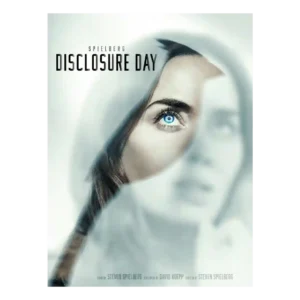
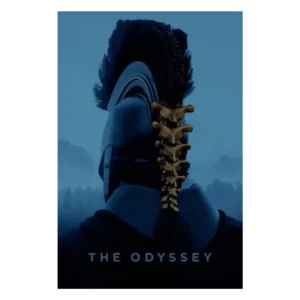
character development
Disclosure Day
1.8
Several reviewers find Daniel, Hugo, Noah, and some supporting roles underwritten, leaving Blunt’s Margaret to carry much of the emotional development.
The Odyssey
4.5
Odysseus is presented as a deeply conflicted leader whose pride, guilt, and growing accountability give the journey meaningful personal development.
plot clarity
Disclosure Day
1.6
Starting in medias res creates intrigue, but the alien device, character motivations, and unresolved logic leave many viewers confused.
The Odyssey
3.9
Many reviewers say the film remains surprisingly accessible despite its density, while others struggle with the rapid setup and shifting timelines.
tonal consistency
Disclosure Day
1.7
The mixture of earnest spirituality, conspiracy suspense, comedy, and sentiment works for some viewers but feels awkward or uneven to others.
The Odyssey
4.0
The film moves between horror, war drama, family tragedy, fantasy, and spectacle; some praise the range while others find the shifts uneven.
critic appeal
Disclosure Day
1.8
Critical response ranges from masterpiece-level enthusiasm to major disappointment, though even detractors often respect the filmmaking craft.
The Odyssey
3.9
Critical reaction is largely enthusiastic about the achievement, with substantial disagreement over whether the spectacle reaches emotional greatness.
screenplay quality
Disclosure Day
1.9
The screenplay is the most repeated weakness, criticized for overstuffed ideas, plot holes, exposition, uneven character arcs, and convenient alien technology.
The Odyssey
3.8
The screenplay gives the myth modern themes and structure, though some reviewers object to exposition, contemporary phrasing, or over-explained ideas.
realism
Disclosure Day
2.0
The emotional sincerity helps sell the premise, but elastic alien-tech rules, implausible media logic, and hokey effects strain credibility.
The Odyssey
3.9
Real locations, physical sets, practical craft, and rough textures make the myth feel unusually tangible, though historical literalism is not the goal.
CGI quality
Disclosure Day
1.9
Digital animals and the final alien imagery repeatedly draw criticism for looking artificial, distracting, or below the standard of the surrounding craft.
The Odyssey
3.6
CGI is used sparingly and often integrates well with practical work, though isolated effects are described as unconvincing.
runtime
Disclosure Day
1.8
At roughly two and a half hours, the film feels justified to some viewers but noticeably overlong to others, especially when chase beats repeat.
The Odyssey
3.3
The nearly three-hour runtime feels purposeful and absorbing to supporters, but detractors experience it as ponderous or exhausting.
audience appeal
Disclosure Day
3.0
Its sincere, old-fashioned optimism strongly appeals to classic Spielberg fans, while more cynical viewers may find the approach distancing.
The Odyssey
4.1
The scale, recognizable cast, and accessible core story give the film broad event-movie appeal, though its intensity and length narrow the audience.
originality
Disclosure Day
3.0
The original-IP approach feels refreshing, yet the film openly revisits familiar Spielberg imagery, themes, and structures rather than breaking entirely new ground.
The Odyssey
4.0
Nolan’s grounded, nonlinear reimagining makes the ancient tale feel fresh to many reviewers, even when particular changes remain controversial.
supporting cast performance
Disclosure Day
4.5
The supporting ensemble is generally strong, with Colman Domingo, Eve Hewson, Colin Firth, and Wyatt Russell earning praise despite limited or uneven material.
The Odyssey
3.6
The supporting cast supplies many memorable turns, with Samantha Morton, Robert Pattinson, John Leguizamo, and others frequently singled out.
genre satisfaction
Disclosure Day
4.5
As a conspiracy chase thriller with alien themes, it delivers classic Spielberg spectacle, though viewers expecting extensive extraterrestrial contact may be disappointed.
The Odyssey
3.7
As a mythic epic, war film, adventure, and horror-tinged blockbuster, it satisfies many genre expectations while deliberately resisting light fantasy escapism.
cinematography
Disclosure Day
4.8
Fluid camera movement, intricate blocking, long takes, and expressive lighting give the film a polished, propulsive visual identity.
The Odyssey
3.9
The IMAX cinematography is one of the strongest points of agreement, praised for vast landscapes, tactile close-ups, and overwhelming scale.
acting performance
Disclosure Day
4.6
The ensemble is widely praised for grounding the film’s outsized ideas, with even skeptical reviewers acknowledging strong work across the cast.
The Odyssey
3.8
The ensemble is broadly praised for grounding the spectacle, although a few critics find certain performances muted, overplayed, or underused.
action sequences
Disclosure Day
4.5
The car chases and especially the freight-train sequence are the most consistent crowd-pleasers, admired for clarity, momentum, and tactile staging.
The Odyssey
3.8
The battles, sea disasters, and final confrontation are often thrilling and immense, but some reviewers find individual melee scenes messy or overbearing.
lead performance
Disclosure Day
4.7
Emily Blunt is the clearest consensus standout, repeatedly described as magnetic, emotionally agile, funny, and among the best work of her career.
The Odyssey
4.0
Matt Damon’s weathered, vulnerable Odysseus anchors the film for most reviewers, though a minority find his performance overly subdued.
directing quality
Disclosure Day
4.5
Spielberg’s command of staging, camera placement, suspense, and visual storytelling remains the film’s most broadly admired strength.
The Odyssey
3.8
Christopher Nolan’s direction is admired for its ambition, control, and physical scale, but critics of the film see self-seriousness and emotional distance.
story quality
Disclosure Day
2.9
The central idea is ambitious, timely, and emotionally generous, but reviewers disagree on whether the narrative earns its optimism or coherently develops its many ideas.
The Odyssey
3.5
Most reviewers find the story sweeping, thoughtful, and emotionally resonant, though detractors call its nonlinear telling cluttered or dull.
emotional impact
Disclosure Day
3.4
Many reviewers find the climax deeply moving and sincere, while others say the emotional beats feel forced or fail to land.
The Odyssey
4.0
The themes of homecoming, guilt, family, and war land powerfully for many viewers, while others feel the characters remain emotionally remote.
theme depth
Disclosure Day
3.4
Questions about empathy, faith, truth, institutional control, and human connection give the film weight, though some reviewers call the treatment shallow or overexplained.
The Odyssey
3.9
Reviewers frequently praise the film’s treatment of war trauma, guilt, hospitality, leadership, and civilization, even when they question its subtlety.
humor
Disclosure Day
4.5
Emily Blunt and Wyatt Russell bring welcome comic energy, although some viewers feel the goofiness clashes with the film’s serious ideas.
The Odyssey
4.0
Humor appears sparingly, often through modern phrasing or character behavior; reactions range from welcome relief to tonal distraction.
ending satisfaction
Disclosure Day
3.0
The final act is highly divisive: some call it riveting and powerful, while others find it abrupt, confusing, or underwhelming.
The Odyssey
3.3
The homecoming climax is widely described as rousing and satisfying, even by some reviewers who disliked earlier sections.
dialogue quality
Disclosure Day
2.8
The dialogue can be direct and effective in lighter moments, but exposition and philosophical speeches are frequently described as clunky or stilted.
The Odyssey
3.0
The plainspoken modern dialogue makes the ancient story immediate for some, while words such as “dad” and contemporary profanity feel jarring to others.
special effects quality
Disclosure Day
4.5
Several large-scale effects and invisibility concepts impress, but the visual-effects package is inconsistent because creature work looks noticeably weaker.
The Odyssey
4.3
The blend of visual and physical effects is generally seamless, with a few creatures or large-scale attacks drawing criticism.
suspense
Disclosure Day
4.1
Spielberg’s pursuit scenes, close calls, and controlled visual geography create sustained tension, especially during the train sequence.
The Odyssey
4.0
Several monster encounters and sea sequences create strong, sustained tension, especially the Cyclops and Circe passages.
score quality
Disclosure Day
4.2
John Williams’ score is widely admired for tension, warmth, and atmosphere, though some find it less memorable or inspired than his iconic themes.
The Odyssey
4.1
Ludwig Göransson’s score is widely praised as propulsive, ritualistic, and intense, though its volume and electronic textures divide some listeners.
pacing
Disclosure Day
2.6
Many reviews praise the propulsive chase structure, while others find the opening disorienting, the middle repetitive, or the overall rhythm rushed and overextended.
The Odyssey
2.6
The patient pace builds scale and anticipation for some viewers, but others find stretches slow, clunky, or exhausting.
message quality
Disclosure Day
3.1
The plea for empathy, truth, and listening resonates strongly with many reviewers, but others find it simplistic, sermonistic, or heavy-handed.
The Odyssey
3.1
The film’s plea for hospitality, accountability, peace, and basic human decency resonates strongly, though a few reviewers find the message overstated.
entertainment value
Disclosure Day
3.7
Most reviewers find the film energetic and enjoyable, but a sizable dissenting group considers it overlong, boring, or less engaging as it progresses.
The Odyssey
3.7
Most reviewers describe the film as transporting event cinema, while a vocal minority find the scale more punishing than entertaining.
costume design
Disclosure DayNo score yet
The Odyssey
3.3
Costumes and armor are frequently admired for their bold, symbolic look, although a few reviewers find specific designs historically awkward or unattractive.
cultural representation
Disclosure DayNo score yet
The Odyssey
3.3
The inclusive casting and American accents are praised as purposeful modernization by some reviewers and criticized as distracting or inauthentic by others.
drama quality
Disclosure DayNo score yet
The Odyssey
4.0
The intimate family and political drama gives the spectacle human stakes, though some viewers wanted a stronger emotional center.
editing quality
Disclosure DayNo score yet
The Odyssey
3.6
The editing handles nested timelines with impressive fluidity for many reviewers, while others find the opening and transitions too aggressive.
faithfulness to source material
Disclosure DayNo score yet
The Odyssey
3.7
The adaptation preserves the poem’s core journey and themes while combining, omitting, and reshaping episodes; purists are more divided than general viewers.
historical accuracy
Disclosure DayNo score yet
The Odyssey
3.5
The stylized Bronze Age setting and deliberate anachronisms divide viewers who prioritize atmosphere from those seeking stricter historical authenticity.
language level
Disclosure DayNo score yet
The Odyssey
4.0
Modern vocabulary and profanity make the dialogue accessible for some audiences but undermine the ancient setting for others.
plot originality
Disclosure DayNo score yet
The Odyssey
3.9
The fractured chronology and nested storytelling make the familiar myth feel newly constructed, but the approach can initially disorient viewers.
practical effects quality
Disclosure DayNo score yet
The Odyssey
4.5
Practical effects give the danger weight and authenticity, especially in storms, creatures, collapsing structures, and the Trojan Horse.
production design
Disclosure DayNo score yet
The Odyssey
4.0
Palaces, ships, battlefields, and ancient settlements feel substantial and handcrafted, giving the production unusual physical presence.
scares
Disclosure DayNo score yet
The Odyssey
3.9
The Cyclops, Circe, Hades, and body-horror imagery deliver unexpectedly effective scares, though not every fantastical threat is equally convincing.
sound design
Disclosure DayNo score yet
The Odyssey
2.9
The sound design is thunderous and immersive for many viewers, but some complain that the mix overwhelms dialogue or becomes fatiguing.
violence level
Disclosure DayNo score yet
The Odyssey
4.0
The violence is brutal and morally troubling rather than carefree; some appreciate that severity, while others find it excessive or emotionally hollow.
visual style
Disclosure DayNo score yet
The Odyssey
3.8
The film’s dark, elemental imagery is often called breathtaking, though some critics find the muted palette relentlessly bleak.
world-building
Disclosure DayNo score yet
The Odyssey
4.5
The tactile islands, palaces, seas, and mythic creatures create a convincing ancient world that feels grounded rather than decorative.