Average score
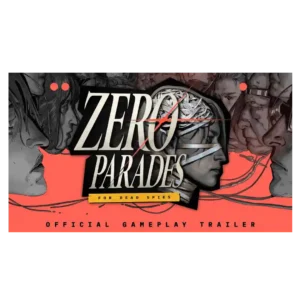
Zero Parades: For Dead Spies
4.1
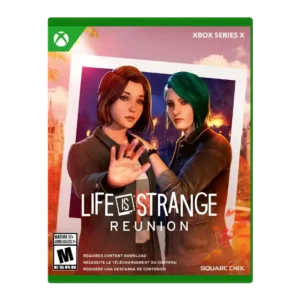
Life is Strange: Reunion
3.5
world-building
Zero Parades: For Dead Spies
4.8
Portofiro is a richly layered city shaped by debt, empire, propaganda, local culture, and personal survival. Its history, neighborhoods, and residents make it one of the game’s most consistently praised achievements.
Life is Strange: Reunion
1.0
One especially negative assessment finds Caledon lifeless and its conversations narrowly devoted to exposition, making the setting feel populated by plot devices rather than people.
content variety
Zero Parades: For Dead Spies
5.0
Side stories branch in every direction, mixing political commentary, personal tragedy, absurd comedy, and strange local mysteries.
Life is Strange: Reunion
1.9
Reused Caledon locations, a small number of new spaces, and a narrow set of activities make the adventure feel condensed and repetitive.
environmental detail
Zero Parades: For Dead Spies
4.8
Portofiro feels lived in rather than staged, with distinctive landmarks, dense neighborhoods, and small visual details that make navigation and discovery rewarding.
Life is Strange: Reunion
2.0
Some spaces feel rushed and under-detailed, reinforcing the impression that the reused setting did not receive a full finishing pass.
innovation
Zero Parades: For Dead Spies
4.8
Conditioning meaningfully expands the familiar thought-system formula with violations, restrictions, and stronger interaction with the rest of the build.
Life is Strange: Reunion
2.0
This finale stays close to the established formula and introduces little that feels genuinely new, even when the dual-protagonist setup works well.
core gameplay loop
Zero Parades: For Dead Spies
4.8
The combatless loop of exploring, talking, rolling checks, and living with failure remains engrossing for players who enjoy text-heavy RPGs.
Life is Strange: Reunion
2.6
The familiar loop of walking, talking, investigating, and rewinding is approachable and story-focused, but players seeking active or demanding gameplay may find it too passive.
onboarding experience
Zero Parades: For Dead Spies
4.2
The streamlined systems help newcomers settle into the rhythm without stripping away the genre’s depth.
Life is Strange: Reunion
2.0
The opening recap is dense and confusing, so newcomers may understand the basic setup without gaining the character history needed for the emotional payoff.
performance optimization
Zero Parades: For Dead Spies
2.0
Optimization is a clear weakness on handheld hardware, with bugs, frame drops, and unstable performance requiring reduced settings.
Life is Strange: Reunion
4.0
A few playthroughs ran smoothly with few problems, but others report conspicuous performance and presentation faults, making platform experience inconsistent.
dialogue quality
Zero Parades: For Dead Spies
5.0
Conversations are enormous, intricate, witty, and novelistic. The dialogue trees reward close reading and make even small interactions feel consequential.
Life is Strange: Reunion
3.1
Max and Chloe’s tender exchanges are often a highlight, yet the broader script swings between charmingly corny and awkward, repetitive, or overly expository.
animation quality
Zero Parades: For Dead Spies
4.2
Animations and environmental presentation are solid, helping the painterly world feel cohesive even if they are not a major talking point.
Life is Strange: Reunion
2.3
Character movement often lacks finish: secondary characters can look stiff, and several accounts mention clipping or awkward motion even when the leads fare better.
polish
Zero Parades: For Dead Spies
4.0
The moment-to-moment presentation can feel polished and carefully crafted, but clunky interactions and launch bugs keep the overall experience from feeling uniformly finished.
Life is Strange: Reunion
2.3
Lighting errors, clipping, texture loading, missing-feeling scenes, and other rough edges make the production feel hurried despite its strong artistic moments.
writing quality
Zero Parades: For Dead Spies
4.8
The prose is sharp, funny, politically incisive, and often emotionally devastating. Even reviewers who criticized imitation or excess generally agreed that the writing is a major strength.
Life is Strange: Reunion
3.1
Lead-character scenes can be tender, funny, and emotionally precise, but the wider script draws criticism for retcon-heavy exposition, forced exchanges, and uneven plotting.
exploration quality
Zero Parades: For Dead Spies
4.7
Portofiro rewards curiosity with hidden routes, interconnected quests, memorable residents, and environmental storytelling. Sparse guidance can make that freedom feel disorienting for some players.
Life is Strange: Reunion
3.2
Optional clues and dense interactables can reward careful investigation, but condensed or reused spaces limit discovery and leave some areas feeling stale.
narrative quality
Zero Parades: For Dead Spies
4.8
The espionage mystery grows into a layered story about identity, guilt, ideology, and cultural power. The opening can be difficult to parse, but the later convergence of its threads earned exceptionally strong praise.
Life is Strange: Reunion
3.4
The story is the main fault line: admirers find a focused, heartfelt mystery and satisfying farewell, while detractors see retcons, thin subplots, and an underdeveloped central fire investigation.
voice acting
Zero Parades: For Dead Spies
3.5
The strongest performances are excellent, with several narrators and characters earning high praise. Incomplete coverage, mismatched lines, uneven recording quality, and divisive delivery make the overall result inconsistent.
Life is Strange: Reunion
4.8
The cast is consistently praised, with Hannah Telle and Rhianna DeVries giving Max and Chloe warmth, humor, vulnerability, and believable chemistry.
immersion
Zero Parades: For Dead Spies
5.0
The writing, art, and lived-in setting make Portofiro easy to inhabit, even when outfit swapping or missing voice lines occasionally break the spell.
Life is Strange: Reunion
3.7
The warm setting and central relationship can be absorbing, but public secret conversations, reused spaces, and sparse interaction sometimes expose the game’s artificiality.
side character depth
Zero Parades: For Dead Spies
4.1
The supporting cast is frequently funny, tragic, strange, and deeply humane. The expanding plot occasionally sidelines important figures, but the strongest character stories are among the game’s highlights.
Life is Strange: Reunion
2.9
Moses, Amanda, Safi, and several returning faces earn praise in individual moments, but much of the supporting cast is sidelined, flattened, or used mainly to move the mystery forward.
graphics quality
Zero Parades: For Dead Spies
5.0
The overall visual presentation is exceptionally attractive, combining bold color, painterly textures, and striking character imagery.
Life is Strange: Reunion
3.8
Autumn color, lighting, and character models can look gorgeous, but texture pop-in, oversaturation bugs, clipping, and low-detail assets make visual quality inconsistent.
value for money
Zero Parades: For Dead Spies
4.2
Reviewers generally considered the experience worth playing, with the roughly $40 price seen as fair for its length, density, and replay potential.
Life is Strange: Reunion
3.0
The lower launch price and replay paths feel fair to dedicated fans, but the short runtime and technical roughness make the purchase harder to justify for others.
soundtrack quality
Zero Parades: For Dead Spies
3.7
The soundtrack is atmospheric and occasionally outstanding, especially when jazz or diegetic music takes over. Other reviewers found it too subdued, sparse, or forgettable.
Life is Strange: Reunion
4.8
The hazy indie soundtrack is one of the strongest points of agreement, enhancing reflective scenes and delivering several memorable emotional peaks.
gameplay mechanics
Zero Parades: For Dead Spies
4.6
Pressure meters, exertion, conditioning, clothing, and failure-driven branches form a deep, reactive RPG system. Reviewers especially praised how mechanical consequences reinforce Cascade’s unstable inner life.
Life is Strange: Reunion
3.7
Max’s rewind is welcomed back and often used cleverly in conversations, while Chloe’s Backtalk adds contrast; both systems are enjoyable but underused and mechanically shallow.
protagonist appeal
Zero Parades: For Dead Spies
4.1
Cascade is a damaged, flexible, and often compelling lead whose failures shape the entire game. Some reviewers loved her immediately, while others felt her behavior undermined the spy fantasy or left her less defined.
Life is Strange: Reunion
4.9
Max and Chloe are the clearest success. Their chemistry, contrasting personalities, and vulnerable reconnection carry the game for supporters and soften many of its broader weaknesses.
emotional impact
Zero Parades: For Dead Spies
5.0
Themes of guilt, abandonment, atonement, and political cruelty hit hard. Several reviewers described the game as haunting, heartbreaking, or personally affecting long after play ended.
Life is Strange: Reunion
4.3
The reunion consistently lands hardest in quiet conversations, reconciliations, and the final farewell, producing warmth, sadness, and closure even for some otherwise critical players.
faithfulness to franchise
Zero Parades: For Dead Spies
4.8
Although it is a new world rather than a direct sequel, the game is widely seen as a worthy continuation of the studio’s dialogue-driven RPG legacy.
Life is Strange: Reunion
4.2
For many longtime fans, the tone, music, and Max-Chloe bond restore the series’ heart and provide fitting closure. Critics see the same approach as fan service that compromises earlier choices.
fun factor
Zero Parades: For Dead Spies
5.0
The mystery, characters, and constant promise of another discovery make it difficult to stop playing once the story takes hold.
Life is Strange: Reunion
4.4
Players invested in the characters generally have a very good time, especially when swapping protagonists or using Backtalk, despite the limited action.
originality
Zero Parades: For Dead Spies
2.3
The game develops its own themes and mechanical ideas, but many reviewers still felt it lived too closely in Disco Elysium’s shadow. For some, that familiarity was comforting; for others, it limited the game’s identity.
Life is Strange: Reunion
1.8
Familiar settings, restored powers, and heavy reliance on Max and Chloe make the game feel more like nostalgic course correction than a fresh direction.
difficulty balance
Zero Parades: For Dead Spies
3.2
The pressure system is generally well tuned, but some builds can trivialize intended tradeoffs. Other reviewers felt the game’s reduced punishment also made it less interesting.
Life is Strange: Reunion
2.7
Most puzzles and decisions are easy to read, with Chloe’s irreversible Backtalk exchanges supplying more pressure than Max’s forgiving rewind ability.
accessibility options
Zero Parades: For Dead Spies
4.5
Readability controls are a strong point, with useful text sizing, contrast, outline, and dyslexic-font options. Some settings can strain the interface when pushed too far.
Life is Strange: Reunion
5.0
The accessibility suite is unusually broad, combining profile presets with extensive subtitle, timing, interaction-highlight, sequence-skip, and content-warning controls.
sound design
Zero Parades: For Dead Spies
4.5
Ambient sound and restrained music effectively sell Portofiro’s oppressive, uneasy mood without overwhelming the dialogue.
Life is Strange: Reunion
5.0
The overall audio presentation is rich and cohesive, supporting the intimate tone beyond the individual strengths of the music and performances.
character development
Zero Parades: For Dead Spies
4.4
The strongest arcs center on guilt, rebuilding, and whether Cascade and her former crew can move beyond past failures. These themes give the character work unusual emotional weight.
Life is Strange: Reunion
3.9
Older versions of Max and Chloe feel more mature and emotionally layered to many players, while dissenting voices think they remain too close to their teenage selves or skip needed growth.
frame rate stability
Zero Parades: For Dead Spies
2.3
Frame rates fluctuate in busy districts, particularly on Steam Deck. Lower settings help, but outdoor scenes and effects can still produce visible drops.
Life is Strange: Reunion
1.8
Scene transitions and busy areas can stutter or dip noticeably, especially on PS5, adding to the sense of uneven technical preparation.
replay value
Zero Parades: For Dead Spies
4.8
Different builds, crew compositions, failures, and endings make repeat playthroughs especially appealing. Several reviewers began planning another run before the credits had fully settled.
Life is Strange: Reunion
4.4
Missable clues, multiple endings, relationship variations, and character fates give committed players solid reasons to revisit the story.
bug frequency
Zero Parades: For Dead Spies
2.6
Bugs range from minor dialogue and interaction oddities to inventory problems and stuck traversal. Some reviewers shrugged them off, while others found the launch build noticeably rough.
Life is Strange: Reunion
2.2
Technical experiences vary, but pop-in, blown-out lighting, face-rig glitches, clipping, and occasional restart-worthy problems recur too often to ignore.
atmosphere
Zero Parades: For Dead Spies
4.0
The game creates a haunting, oppressive spy-thriller mood through its art, writing, and sound. Most reviewers found the atmosphere distinctive, though one strongly felt it lacked the melancholy of its predecessor.
Life is Strange: Reunion
4.3
The cozy fall setting, intimate pauses, and indie music create a strong sense of place for most players, though a few found some environments sterile or emotionally flat.
art direction
Zero Parades: For Dead Spies
4.9
The painterly, graphic-novel-inspired visuals are one of the game’s clearest strengths. Portofiro’s beauty, grime, neon color, and surreal imagery consistently reinforce its political and psychological tone.
Life is Strange: Reunion
4.8
The warm autumn palette and lightly painterly presentation preserve the series’ distinctive visual identity while giving Caledon an inviting, bittersweet look.
pacing
Zero Parades: For Dead Spies
2.7
The first act is widely considered slow, dense, and sometimes aimless. Momentum improves sharply once the true mission emerges, but players need patience to reach that payoff.
Life is Strange: Reunion
2.5
Some find the roughly eight-to-ten-hour length focused and well judged; others experience a slow opening, rushed explanations, dull stretches, or an abrupt finale.
level design
Zero Parades: For Dead Spies
5.0
Districts, interiors, rooftops, and alleys communicate history and mood before dialogue begins. The compact city supports discovery without feeling like a generic open world.
Life is Strange: Reunion
5.0
The previewed locations stand out for environmental storytelling, charm, and personality-rich visual composition.
character customization
Zero Parades: For Dead Spies
4.5
Skill choices, clothing, and role-playing decisions give players substantial freedom to shape their version of Cascade and the story around her.
Life is Strange: ReunionNo score yet
character roster
Zero Parades: For Dead Spies
4.0
Portofiro is filled with eccentric, contradiction-rich personalities, and many are memorable and deeply written. A few reviewers found parts of the cast subdued or uneven.
Life is Strange: ReunionNo score yet
choice impact
Zero Parades: For Dead SpiesNo score yet
Life is Strange: Reunion
3.5
Choice consequences divide opinion sharply. Some paths, clues, and failures can alter endings or character fates, while other decisions feel obvious, performative, or vulnerable to later retconning.
controls responsiveness
Zero Parades: For Dead Spies
3.0
Controller movement is generally workable, but crowded interactables and elevation changes can make navigation feel clumsy.
Life is Strange: ReunionNo score yet
crash stability
Zero Parades: For Dead Spies
2.2
Crashes are an inconsistent but real concern, especially on Steam Deck and in certain locations. Some runs saw only one or two crashes, while others encountered repeated failures.
Life is Strange: ReunionNo score yet
facial animations
Zero Parades: For Dead SpiesNo score yet
Life is Strange: Reunion
3.9
The leads’ expressions are frequently praised for carrying subtle emotion, although face-rig glitches and plasticky side characters create conspicuous low points.
fast travel convenience
Zero Parades: For Dead Spies
4.5
The map’s fast-travel system is easy to use and practical, even for players who prefer learning the city on foot.
Life is Strange: ReunionNo score yet
grind level
Zero Parades: For Dead Spies
2.2
Resource and pressure management can occasionally become tedious, especially when the player is juggling supplies simply to keep the story moving.
Life is Strange: ReunionNo score yet
handheld play suitability
Zero Parades: For Dead Spies
4.2
The slow, text-heavy structure suits handheld play well, and the game remains a good Steam Deck experience once settings are adjusted.
Life is Strange: ReunionNo score yet
haptic feedback integration
Zero Parades: For Dead SpiesNo score yet
Life is Strange: Reunion
1.0
The PS5 version offers no meaningful DualSense support, missing an easy opportunity to strengthen the rewind and investigation mechanics.
HUD clarity
Zero Parades: For Dead Spies
4.8
Status effects and active conditions are easy to understand at a glance, helping players manage several overlapping systems.
Life is Strange: ReunionNo score yet
learning curve
Zero Parades: For Dead Spies
3.5
The systems can look dense at first, but they become manageable when approached like a tabletop RPG rather than a conventional action game.
Life is Strange: ReunionNo score yet
lore depth
Zero Parades: For Dead Spies
5.0
The game builds a dense political and cultural history around Portofiro, its neighboring powers, and the everyday consequences of ideology.
Life is Strange: ReunionNo score yet
map and navigation design
Zero Parades: For Dead Spies
2.5
Landmarks help in some districts, but weak quest tracking and limited directions can make objectives difficult to relocate. Short play sessions are especially likely to feel disorienting.
Life is Strange: ReunionNo score yet
menu usability
Zero Parades: For Dead Spies
2.1
Menus look attractive, but outfit management is a recurring frustration. Constantly swapping clothes without saved sets or useful sorting interrupts the flow of conversations.
Life is Strange: ReunionNo score yet
mission design
Zero Parades: For Dead Spies
4.3
Dramatic encounters and multi-stage operations create some of the game’s tensest moments. They are memorable and well constructed, though several reviewers wished there were more of them.
Life is Strange: ReunionNo score yet
mission variety
Zero Parades: For Dead Spies
4.7
Most objectives can be approached through different skills, allies, and failed outcomes. That flexibility makes each playthrough feel improvised rather than rigidly scripted.
Life is Strange: ReunionNo score yet
platform-specific feature support
Zero Parades: For Dead Spies
4.8
Handheld-friendly text scaling, frame-rate options, and readability settings show thoughtful support for Steam Deck and similar devices.
Life is Strange: ReunionNo score yet
progression system
Zero Parades: For Dead Spies
2.5
Experience and skill points offer broad build freedom, but generous gains can undermine specialization and make intended tradeoffs too easy to bypass.
Life is Strange: ReunionNo score yet
puzzle design
Zero Parades: For Dead SpiesNo score yet
Life is Strange: Reunion
3.3
Rewind-based investigation occasionally produces clever, satisfying problems, but most puzzles are simple, sparse, and rarely test the player for long.
QTE design
Zero Parades: For Dead SpiesNo score yet
Life is Strange: Reunion
1.5
Action prompts are scarce, with very few true QTEs or action sequences to break up the conversation-heavy structure.
quest design
Zero Parades: For Dead Spies
3.9
The best quests are large, interconnected, and open to several solutions. A smaller number feel unclear, abrupt, or more convergent than their apparent choices suggest.
Life is Strange: ReunionNo score yet
skill tree depth
Zero Parades: For Dead Spies
4.5
The reduced fifteen-skill structure remains flexible and meaningful, supporting distinct builds without feeling shallow.
Life is Strange: ReunionNo score yet
stealth mechanics
Zero Parades: For Dead Spies
2.7
The game captures espionage through dialogue and role-playing more than systemic stealth. Players expecting covert simulation, information control, or sustained deception may be disappointed.
Life is Strange: ReunionNo score yet
user interface design
Zero Parades: For Dead Spies
4.4
The interface is stylish, tactile, and generally clear despite the game’s complexity. Minor tracking and navigation frustrations keep it from being flawless.
Life is Strange: ReunionNo score yet
world interactivity
Zero Parades: For Dead Spies
5.0
The world reacts richly to choices, clothing, conditioned thoughts, failures, and prior conversations, making small decisions echo into later scenes.
Life is Strange: ReunionNo score yet