If you want better Design, ergonomics and footprint
Choose Technivorm Moccamaster KBGV Coffee Maker. It scores 4.7 vs 3.9 for Design, ergonomics and footprint, with a 4.3 overall score.
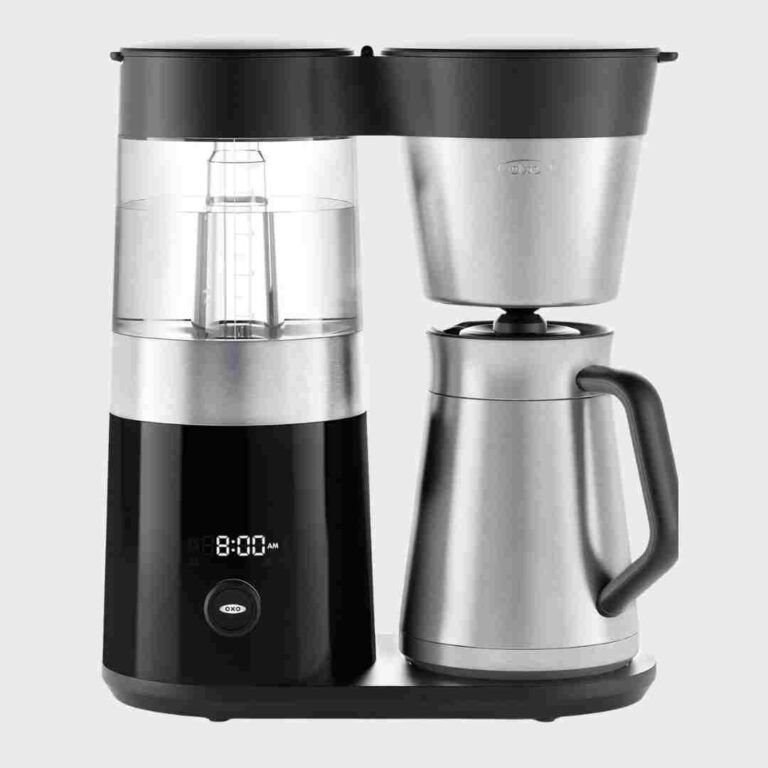
Choose it for rich drip coffee, auto-brew convenience and a thermal carafe that keeps coffee hot. Skip it if price, tall countertop footprint, small-batch performance, or fussy carafe cleaning matter most.
Best for drip-coffee drinkers who want strong brewed coffee with scheduling, freshness timing, and a thermal carafe that keeps coffee hot. It especially suits people who value convenience over manual control.
Not for buyers with tight counter space, strict budgets, or a preference for single-cup brewing and manual pour-over flavor. It is also a poor fit for anyone who dislikes hand-washing carafes or small parts.
Reviewers consistently frame the OXO Brew 9-Cup as a premium drip maker that balances strong coffee results with everyday convenience. It earns praise for rich, smooth coffee, reliable brew temperature, auto-brew scheduling, a freshness timer, and a thermal carafe that keeps coffee hot without a plate. The tradeoff is that its polished design is tall and space-hungry, the carafe can be awkward to clean or pour fully, and small batches are less convincing for some testers. Value opinions depend on priorities: several reviewers see the higher price as justified by performance and features, while others prefer cheaper or more consistent alternatives.
Compared with other Coffee Machines, this product is above average in Pot function, Mess-free used-puck disposal, Build quality and durability, near average in Cup, tray and carafe handling, Assembly and Setup, below average in Grinder, hopper and dosing system, Capacity, Design, ergonomics and footprint.
| Attribute | This product | Category average | Difference |
|---|---|---|---|
| Grinder, hopper and dosing system | 2.6 | 3.7 | -1.1 |
| Pot function | 4.7 | 3.7 | +1.0 |
| Mess-free used-puck disposal | 4.8 | 3.8 | +1.0 |
| Build quality and durability | 4.7 | 3.8 | +0.9 |
| Warranty and Customer support | 4.5 | 3.5 | +0.9 |
| Capacity | 3.2 | 3.9 | -0.6 |
| Heating-element power | 4.7 | 4.1 | +0.6 |
| Filter | 4.4 | 3.9 | +0.5 |
Choose Technivorm Moccamaster KBGV Coffee Maker. It scores 4.7 vs 3.9 for Design, ergonomics and footprint, with a 4.3 overall score.
Choose Technivorm Moccamaster KBGT Coffee Brewer. It scores 4.7 vs 4.2 for Speed and time-to-cup, with a 3.8 overall score.
Choose WOLF GOURMET Programmable Coffee Maker System 10 Cup. It scores 4.6 vs 2.6 for Grinder, hopper and dosing system, with a 4.2 overall score.
Choose KitchenAid KF6 Fully Automatic Espresso Machine. It scores 4.8 vs 3.2 for Capacity, with a 4.4 overall score.
Products reviewers directly compared with this model, grouped into quick takeaways.
Yes. Most reviewers praised the coffee as rich, smooth, flavorful, or fantastic, though one Chemex user felt the flavor did not match their manual brew.
Reviewers repeatedly liked the programmable timer, especially for waking up to coffee already brewed. The freshness timer was also praised for showing how long the pot has been sitting.
Reviewers generally found it fast for a drip machine, with full or near-full pots reported around six to eight minutes, and one nine-cup test taking about nine minutes.
The thermal carafe was praised for keeping coffee hot for hours and often pouring well. The main complaints were a narrow opening, awkward cleaning, spills, and difficulty getting the last coffee out.
Cleaning feedback was mixed. Several reviewers found removable parts and descaling reminders helpful, but others disliked hand-washing the carafe and managing small parts.
It depends on whether convenience and coffee quality matter more than budget. Reviewers called it expensive, but several still saw the feature set, reliability, and taste as worth the premium.
These are a few of the reviews included in our analysis.


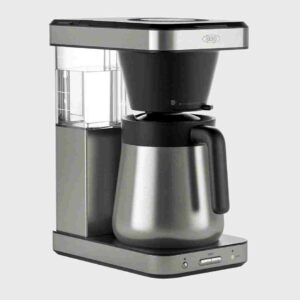
Choose the OXO Brew 8-Cup if you want fast, consistent drip coffee in small or full batches. Skip it if you need programming, app controls, a larger pot, or the...
Pros: Brewing performance and consistency, Build quality and durability
Cons: Design flaws, Capsules
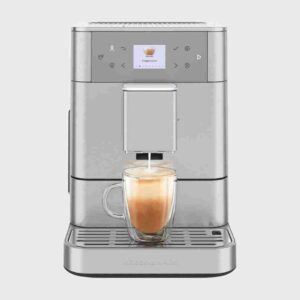
Choose the KitchenAid KF6 for rich espresso, quiet operation, easy cleaning, and strong value in a super-automatic. Skip it if dense cappuccino foam, plant-milk presets, touchscreen controls, or an included...
Pros: Automation and sensors, Grinder
Cons: Accuracy of marketing claims, Design flaws
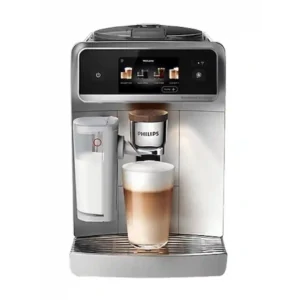
Best for effortless, highly personalized hot and cold coffee in a busy multi-drinker home. Skip it if counter space is tight, you demand silky adjustable microfoam, or the premium price...
Pros: Pump pressure consistency, Capsules
Cons: Portability and travel-friendliness, Design flaws
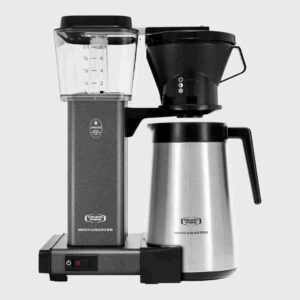
Choose the Moccamaster KBT for fast, excellent drip coffee, durable build, and a thermal carafe that keeps coffee hot. Skip it if you need programmability, a compact footprint, or a...
Pros: Heating-element power, Espresso and beverage quality
Cons: Design flaws, Automation and sensors