Review: De’Longhi Dedica Deluxe Automatic Espresso Machine
Updated: 2 months ago
3.8
Based on methodology below
209
Insights analyzed
25
Grouped by key features
13
From expert reviews
Scores below reflect consolidated expert coverage across these features.
Bottom Line
Choose if you want a slim, quick-heating starter espresso machine that makes enjoyable shots with forgiving pressurized baskets; Skip if you need cafe-level body from light roasts or true latte-art microfoam without upgrades.
Best for
Small kitchens and first-time home espresso drinkers who want fast, straightforward shots and occasional milk drinks, with the option to upgrade baskets and grinder over time.
Not for
Light-roast or latte-art purists, or anyone regularly making many back-to-back drinks who needs more thermal/steam headroom and tighter extraction control.
Verdict
The Dedica Deluxe is at its best when you want real espresso at home without sacrificing counter space. Across reviews it repeatedly earns praise for fast warmup, approachable controls, and repeatable results using the stock pressurized baskets. With fresh beans and a decent grinder (plus an optional non-pressurized basket), the flavor ceiling climbs noticeably. The tradeoff is that it is still a compact thermoblock machine: light-roast extraction, thermal headroom, and steam finesse can feel limited, and several sources call out basic included accessories and occasional messiness from the lack of a three-way valve. For beginners and small households it is a strong value, but enthusiasts may outgrow it quickly.
Pros
-
4.7based on 4 reviewsSpeed and time-to-cup: 4.7, based on 4 reviewsThermoblock heat-up is repeatedly described as quick, with multiple sources calling out roughly 30–40 seconds to be ready. Speed stays strong for single drinks, but back-to-back workflow can slow when switching into steam or waiting for pressure to settle.
-
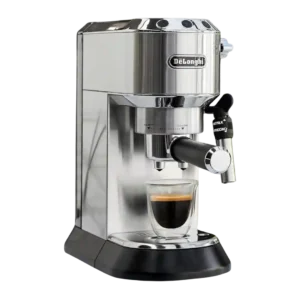
4.6based on 13 reviewsDesign, ergonomics and footprint: 4.6, based on 13 reviewsNearly every review highlights the Dedica’s very slim, compact footprint (about 6 inches wide) and countertop-friendly layout, making it a strong fit for small kitchens. Ergonomics are generally praised, with a few notes that the machine can feel light or cramped around the drip tray/portafilter area.
-
4.4based on 4 reviewsPopularity: 4.4, based on 4 reviewsThe Dedica line is repeatedly described as a very popular entry-level espresso option, frequently appearing in recommendations and shortlists. Popularity is tied to its slim design and approachable price point.
-
4.3based on 2 reviewsMess-free used-puck disposal: 4.3, based on 2 reviewsUsed puck handling can be surprisingly clean when the shot is allowed to settle and the puck firms up; one review explicitly praises how easily pucks knock out. Without a three-way solenoid, opening too soon can create a mess, so timing matters.
-
4.1based on 13 reviewsValue and Price: 4.1, based on 13 reviewsValue is a consistent strength: most sources call it affordable or worth it for small-space espresso, especially when discounted. The main value caveat is that chasing higher quality often triggers add-on costs (grinder, baskets, tamper, pitcher).
-
4.1based on 10 reviewsAssembly and Setup: 4.1, based on 10 reviewsSetup and learning curve are repeatedly framed as beginner-friendly, with simple buttons and programmable shot volumes. A few reviews still emphasize you’ll get better results by learning prep basics (dose, distribution, grind) rather than expecting push-button perfection.
-
4.1based on 13 reviewsOverall user experience: 4.1, based on 13 reviewsOverall experience trends positive for beginners and casual home users: quick warmup, approachable controls, and repeatable results once dialed in. Enthusiasts may feel constrained by the machine’s upgrade needs and the limits of the stock baskets and steam setup.
-
3.9based on 8 reviewsWater system, maintenance and descaling: 3.9, based on 8 reviewsMaintenance is typically described as manageable: removable tank, easy daily wiping/rinsing, and guided descaling modes or indicator lights are commonly mentioned. Limitations noted include sensitivity to scale, lack of true backflushing on some setups, and the need to keep gaskets and the wand clean to avoid leaks or performance drops.
-
3.9based on 8 reviewsCup, tray and carafe handling: 3.9, based on 8 reviewsCup handling is praised for flexibility: removable/adjustable drip tray options, tall-cup clearance in a pinch, and overflow floats appear in multiple reviews. Cons include a relatively small drip tray and limited clearance compared with larger machines.
-
3.8based on 5 reviewsCapsules, pods and consumables: 3.8, based on 5 reviewsE.S.E. pod compatibility appears in multiple reviews as a convenience option alongside ground coffee. It’s framed as useful for speed and simplicity, though most sources treat fresh ground coffee as the quality path.
-
3.8based on 2 reviewsWarranty and Customer support: 3.8, based on 2 reviewsWarranty/support coverage is mentioned as variable by region and retailer, with at least one review noting a standard 2-year warranty and optional extensions. Little detail appears on service quality beyond those basics.
-
3.7based on 13 reviewsEspresso and beverage quality: 3.7, based on 13 reviewsShot quality is commonly described as enjoyable and better than typical entry-level machines, especially with dark roasts and fresh grinding. Several reviews also note the pressurized basket can make espresso a bit watery or less full-bodied, and light-roast extraction is a known limitation.
-
3.7based on 13 reviewsFilter: 3.7, based on 13 reviewsMost coverage centers on the stock pressurized baskets: they’re forgiving and beginner-friendly but limit nuanced extraction. Multiple reviews recommend upgrading to a non-pressurized basket or bottomless portafilter if you have a capable grinder and want more control.
-
3.7based on 10 reviewsAutomation and sensors: 3.7, based on 10 reviewsAutomation is modest but helpful: volumetric/programmed single/double shots, flow-meter guidance, auto-off options, and descaling indicators/modes are commonly mentioned. It is not a smart or app-connected machine, and it lacks higher-end sensor-driven assistance found on more expensive models.
-
3.7based on 9 reviewsBrewing performance and consistency: 3.7, based on 9 reviewsConsistency is generally good once you settle on a workflow, with programmable volumes and forgiving pressurized baskets helping repeatability. Precision can drop when chasing café-style extraction (non-pressurized, lighter roasts), and very fine grinds can contribute to clogging.
-
3.7based on 9 reviewsBuild quality and durability: 3.7, based on 9 reviewsBuild impressions are mixed-positive: the stainless exterior feels premium for the price, while several reviews mention plastic internal parts or lightweight feel. Long-term owner feedback can be very positive, but others flag durability as less confidence-inspiring than heavier prosumer machines.
-
3.7based on 6 reviewsPump pressure consistency: 3.7, based on 6 reviewsPressure is generally presented as adequate and stable for its class, with multiple mentions of the 15-bar marketing and the reality that practical brewing pressure is lower. Reviews suggest it can produce crema reliably, but it does not offer pressure feedback/gauges or pro-level control.
-
3.7based on 3 reviewsAccuracy of marketing claims: 3.7, based on 3 reviewsMarketing claims are generally treated as directionally accurate for an entry-level machine (compact, fast warmup, high-pressure system), but several reviews note that headline pressure figures don’t translate to commercial-style extraction control. Practical performance depends heavily on basket type and grind quality.
-
3.6based on 9 reviewsCapacity: 3.6, based on 9 reviewsWater capacity is often described as around 1 liter (roughly 35 oz), generally fine for solo or small-household use. Heavier use can mean frequent refills, and some reviews tie capacity directly to the Dedica’s compact design goals.
-
3.6based on 13 reviewsMilk, steam and frothing: 3.6, based on 13 reviewsThe steam wand is widely seen as capable for cappuccinos and beginner frothing, with panarello-style assistance making foam easy. Tradeoffs show up around microfoam refinement and latte art, which several sources say is possible but not effortless or consistently silky.
Cons
-
3.4based on 6 reviewsHeating-element power: 3.4, based on 6 reviewsHeating power is usually seen as sufficient for entry-level espresso and casual steaming, but several sources note limits with light-roast extraction and faster multi-drink steaming. In practice, technique (preheating, purging, timing) matters to get the best results from the thermoblock.
-
3.4based on 7 reviewsBoiler type (single vs dual): 3.4, based on 7 reviewsThe machine is consistently described as a single thermoblock-style heating system (not dual boiler), which supports fast warmup. The common tradeoff called out is reduced thermal headroom and stability versus heavier boiler/PID platforms.
-
3.2based on 11 reviewsDesign flaws: 3.2, based on 11 reviewsCommonly cited drawbacks include pressurized-only limitations out of the box, 51mm sizing quirks, small drip tray, lack of a three-way solenoid (mess/pressure wait), and limitations with very light roasts. A few also mention clogging risk with extra-fine grinds and mixed internal material quality.
-
3.1based on 7 reviewsAccessories: 3.1, based on 7 reviewsIncluded accessories are typically considered basic, with multiple mentions that the stock plastic tamper/scoop is a weak point. Some reviews highlight strong third-party upgrade support (better tamper, baskets, pitcher), and at least one source notes bundles can include helpful extras.
-
2.3based on 11 reviewsGrinder, hopper and dosing system: 2.3, based on 11 reviewsA recurring theme is the lack of a built-in grinder: you can use pre-ground coffee with pressurized baskets, but better results and non-pressurized setups strongly benefit from an external grinder. Several reviews explicitly call the grinder upgrade essential for pushing quality higher.
FAQ
Does the Dedica work well with pre-ground coffee?
Yes. The stock pressurized baskets are designed to be forgiving with pre-ground coffee, which is why many beginners get decent crema quickly. For higher-quality shots, reviews recommend pairing it with a good grinder and a non-pressurized basket.
Can it make lattes and cappuccinos?
It can steam and froth milk reliably for cappuccinos and basic lattes, and the panarello-style wand helps beginners create foam. Several reviews note that consistently silky microfoam and latte art are possible but harder than on higher-end steam systems.
What upgrades do reviewers recommend most?
The most common upgrades are an external grinder, a better-fitting tamper, and a non-pressurized basket or bottomless portafilter. These upgrades are repeatedly described as the main way to raise shot quality beyond the stock pressurized setup.
How much maintenance does it need?
Expect routine wiping/rinsing and periodic descaling; multiple reviews mention built-in indicators or descaling modes. Keeping the steam wand and seals clean is also important, especially because the compact design can be more sensitive to scale buildup.
Will tall mugs fit under the portafilter?
Often yes if you remove or reconfigure the drip tray, and some reviews mention a mini-tray or overflow float to help manage space. Clearance is still limited compared with larger machines, so very tall travel mugs may be tight.
Is the 15-bar claim meaningful?
Reviews commonly treat the headline pressure as marketing shorthand rather than a guarantee of commercial-style extraction. In practice, basket type and grind quality matter more than the stated maximum pressure for flavor and consistency.
Reviews we analyzed
Video Reviews

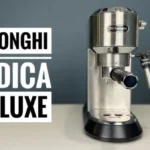
Article Reviews

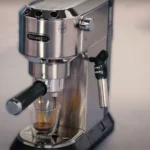
Home Coffee Expert
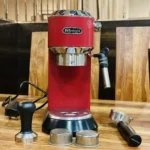
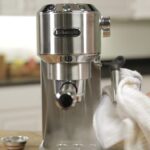
Toms Coffee Corner
Best Coffee Machines
#1
4.4
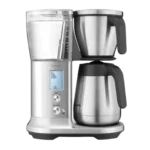
Choose it if you want a large, highly customizable batch brewer that can make excellent coffee consistently. Skip it if you mostly brew...
Pros: Popularity, Recognition and certifications, App, connectivity and smart control, Heating-element power, Build quality and durability, Brewing performance and consistency, Capacity
Cons: Design flaws, Warranty and Customer support
#2
4.4
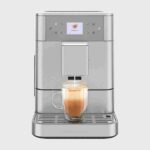
Choose the KF6 if you want excellent espresso and notably quiet operation from a super-automatic. Skip it if you want dense cappuccino foam...
Pros: Recognition and certifications, Grinder, hopper and dosing system, Water system, maintenance and descaling, Assembly and Setup, Automation and sensors, Build quality and durability,...
Cons: Accuracy of marketing claims
#3
4.3
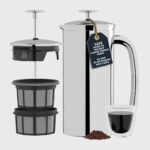
Choose the Espro P7 for a premium, insulated French press that noticeably cuts grit; Skip if you want a bargain brewer or expect...
Pros: Recognition & certifications, Popularity, Build quality & durability, Cup, tray & carafe handling, Filter, Brewing performance & consistency, Overall user experience
Cons: None
#4
4.3
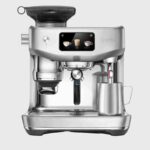
Choose the Oracle Jet if you want fast, guided espresso that feels almost hands-off. Skip if you need true brew-and-steam-at-once dual-boiler performance or...
Pros: Speed & time-to-cup, Heating-element power, Automation & sensors, Assembly & Setup, Espresso & beverage quality, Guided tamper convenience, Overall user experience
Cons: Value & Price