Review: Diletta Mio Espresso Machine
Updated: 3 weeks ago
3.8
Based on methodology below
76
Insights analyzed
23
Grouped by key features
6
From expert reviews
Scores below reflect consolidated expert coverage across these features.
Bottom Line
Choose the Diletta Mio if you want strong espresso quality and fast workflow without paying full dual-boiler money. Skip it if low cup clearance or gentler steam power would frustrate you.
Best for
Home espresso users who want strong shot quality, PID-guided control, and faster workflow than a basic single boiler. It especially suits espresso-first buyers who can live with a separate grinder and only moderate steam power.
Not for
People who want tall-cup clearance, a built-in grinder, or strong milk-focused steaming speed. It is also a poor fit for buyers who need broad international availability or the simplest possible setup.
Verdict
The Diletta Mio lands in a smart middle ground for home espresso buyers who care more about shot quality, workflow, and build than about maximum milk power or appliance-style convenience. Across the reviews, it earns praise for rich espresso, stable brewing, quick heat-up, and the ability to handle back-to-back drinks better than many simpler machines. The tradeoff is clear: you get much of the feel and workflow benefit of pricier prosumer gear, but you also inherit a few persistent annoyances, especially limited cup clearance, a divisive drip tray area, and steam performance that is competent rather than forceful. For espresso-first users, that balance looks favorable.
Pros
-
4.7based on 2 reviewsEspresso and beverage quality: 4.7, based on 2 reviewsEspresso quality is a major strength, with reviews highlighting rich flavor, good crema, and satisfying shot character across repeated use.
-
4.5based on 3 reviewsBrewing performance and consistency: 4.5, based on 3 reviewsBrewing performance is consistently praised. Reviews describe repeatable shots, strong temperature stability, and good results with limited fiddling once the machine is dialed in.
-
4.4based on 5 reviewsBuild quality and durability: 4.4, based on 5 reviewsThe Mio is generally described as metal-heavy, sturdy, and durable. Reviews praise the chassis and shell, though some also note rougher finish details or small control-quality compromises.
-
4.3based on 3 reviewsPump pressure consistency: 4.3, based on 3 reviewsPressure behavior is reviewed positively, with reviewers citing helpful gauge feedback, easy dial-in, and solid target-pressure performance during extraction.
-
4.3based on 5 reviewsOverall user experience: 4.3, based on 5 reviewsAcross reviews, the Mio is described as enjoyable, low-effort once learned, and easy to recommend to the right buyer. Even reviewers who mention flaws still portray the overall experience positively.
-
4.3based on 2 reviewsAccuracy of marketing claims: 4.3, based on 2 reviewsReviews are clear that the Mio is not a true dual-boiler machine, but they also say it behaves similarly enough in daily use that the positioning feels broadly fair.
-
4.3based on 5 reviewsSpeed and time-to-cup: 4.3, based on 5 reviewsSpeed is one of the clearer strengths. Reviews repeatedly mention fast warm-up, fast recovery, quick steam readiness, and back-to-back drink capability.
-
4.2based on 4 reviewsHeating-element power: 4.2, based on 4 reviewsReviews emphasize quick heating, quick recovery, and good efficiency from the boiler-plus-thermoblock setup. The emphasis is more on fast readiness and lower energy use than on maximum steam force.
-
4.2based on 4 reviewsBoiler type (single vs dual): 4.2, based on 4 reviewsMultiple reviews describe a single brew boiler paired with a separate thermoblock steam circuit. Reviewers repeatedly note that it is not technically dual-boiler, even though it supports brew-and-steam workflow advantages.
-
4.1based on 4 reviewsValue and Price: 4.1, based on 4 reviewsReviewers generally think the pricing is fair for the feature set and that it undercuts pricier rivals, but they also acknowledge that it is still expensive for many home users.
-
4.1based on 4 reviewsAutomation and sensors: 4.1, based on 4 reviewsConvenience automation is a real plus here, with eco or standby behavior and automatic shutoff mentioned across reviews. One review notes the lack of a clock or automatic start.
-
4.1based on 5 reviewsMilk, steam and frothing: 4.1, based on 5 reviewsMilk performance is good enough for cappuccinos, flat whites, and textured milk, but reviewers repeatedly describe the steam as gentler or slower than stronger boiler-based milk systems.
-
4.0based on 3 reviewsWater system, maintenance and descaling: 4.0, based on 3 reviewsMaintenance is described as standard manual-espresso upkeep, with straightforward cleaning routines. Reviews also note that filtered or bottled water can reduce or avoid home descaling needs.
-
4.0based on 1 reviewWarranty and Customer support: 4.0, based on 1 reviewOne review specifically calls out Seattle Coffee Gear's two-year warranty as a positive part of the package.
-
3.9based on 5 reviewsDesign, ergonomics and footprint: 3.9, based on 5 reviewsReviews generally like the look, side-loading reservoir, and footprint for typical home use, especially under cabinets. The main ergonomic drawback is that some reviewers still find it too large or awkward for tighter spaces.
-
3.8based on 5 reviewsCapacity: 3.8, based on 5 reviewsThe 2-liter side-access reservoir is usually seen as generous and convenient for home use, but one review still calls the tank small when making several drinks in succession. Reviews also mention a relatively small brew boiler.
-
3.7based on 3 reviewsAccessories: 3.7, based on 3 reviewsIncluded extras are solid for cleaning and flexibility, with reviews mentioning cleaning tools and two steam tips, but buyers should still expect to supply key espresso accessories like a grinder, scale, or tamper.
Cons
-
3.4based on 1 reviewAssembly and Setup: 3.4, based on 1 reviewInitial setup is not fully automatic; one review specifically notes that the boiler needs to be primed before first use.
-
3.2based on 2 reviewsMess-free used-puck disposal: 3.2, based on 2 reviewsUsed-puck cleanup is mixed. One review calls the puck relatively dry, while another says knockouts can be somewhat wet.
-
2.5based on 2 reviewsShipping policy: 2.5, based on 2 reviewsAvailability and post-shipping experience are less favorable than average in the review set. One review notes U.S.-only availability, while another mentions reports of units arriving damaged or not working.
-
2.4based on 4 reviewsCup, tray and carafe handling: 2.4, based on 4 reviewsCup and tray handling is mixed but leans negative. One review likes the easy-empty drip tray, while several others complain about limited cup clearance and awkward space around the tray or group area.
-
2.2based on 3 reviewsDesign flaws: 2.2, based on 3 reviewsThe recurring weak points are the drip tray and lower working area. Reviews mention oversized or fiddly tray parts, rough edges, and clearance limitations.
-
2.0based on 1 reviewGrinder, hopper and dosing system: 2.0, based on 1 reviewThere is no built-in grinder, so reviewers frame the Mio as a machine for buyers who are willing to pair it with separate espresso tools.
FAQ
Is the Diletta Mio a true dual-boiler machine?
No. The reviews describe it as a single brew boiler paired with a separate thermoblock steam circuit, though several reviewers say it still delivers some dual-boiler-like workflow benefits.
How fast does it heat up?
Reviewers consistently call it quick to heat. Reported readiness ranges from about 3 minutes in one review to about 7 minutes in another, with fast recovery and quick steam transition also mentioned.
Is it good for milk drinks?
Yes, for home cappuccinos and flat whites. Reviews say it can texture milk well, but steam power is usually described as gentler or slower than stronger boiler or dual-boiler milk systems.
Reviews we analyzed
Video Reviews

YouTube - Joe Varacalli

YouTube - Seattle Coffee Gear
YouTube - Lifestyle Lab
Article Reviews
Cornercoffeestore
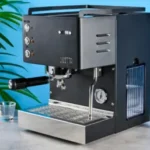
Best Coffee Machines
#1
4.4
Choose it if you want a large, highly customizable batch brewer that can make excellent coffee consistently. Skip it if you mostly brew...
Pros: Popularity, Recognition and certifications, App, connectivity and smart control, Heating-element power, Build quality and durability, Brewing performance and consistency, Capacity
Cons: Design flaws, Warranty and Customer support
#2
4.4
Choose the KF6 if you want excellent espresso and notably quiet operation from a super-automatic. Skip it if you want dense cappuccino foam...
Pros: Recognition and certifications, Grinder, hopper and dosing system, Water system, maintenance and descaling, Assembly and Setup, Automation and sensors, Build quality and durability,...
Cons: Accuracy of marketing claims
#3
4.3
Choose the Espro P7 for a premium, insulated French press that noticeably cuts grit; Skip if you want a bargain brewer or expect...
Pros: Recognition & certifications, Popularity, Build quality & durability, Cup, tray & carafe handling, Filter, Brewing performance & consistency, Overall user experience
Cons: None
#4
4.3
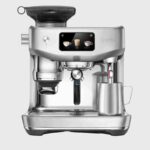
Choose the Oracle Jet if you want fast, guided espresso that feels almost hands-off. Skip if you need true brew-and-steam-at-once dual-boiler performance or...
Pros: Speed & time-to-cup, Heating-element power, Automation & sensors, Assembly & Setup, Espresso & beverage quality, Guided tamper convenience, Overall user experience
Cons: Value & Price