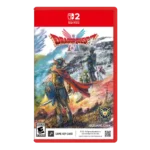
Dragon Quest I & II HD-2D Remake Feature Scores
Explore all 45 feature scores for Dragon Quest I & II HD-2D Remake, organized into pros and cons.
Scores by Feature
Summary
45 reviewed features-
Very positive 4.5-5.030 (67%)
-
Positive 3.5-4.47 (16%)
-
Neutral 2.5-3.47 (16%)
-
Negative 1.5-2.41 (2%)
Pros
Sort
-
Remake quality was the clearest strength: reviewers repeatedly called these definitive, transformative, or thoughtful updates to foundational JRPGs.
-
Graphics received near-universal praise, with reviewers repeatedly calling the HD-2D presentation brilliant, gorgeous, stunning, or full of life.
-
The expanded narrative was repeatedly praised for making the Erdrick trilogy feel richer, more cohesive, and less like a bare-bones relic.
-
Reviewers especially praised Dragon Quest II's party members for gaining stronger arcs, personalities, and interpersonal chemistry.
-
The orchestral soundtrack was widely praised, though one reviewer found repeated tracks tiring over long play sessions.
-
Reviewers valued the difficulty options, markers, and other quality-of-life settings for making the old games easier to approach without fully erasing their classic feel.
-
Voice acting was usually praised for adding emotion and personality, with one reviewer finding the quality uneven but improved.
-
Combat was widely seen as engaging and more strategic, though several reviewers noted Dragon Quest I's solo fights could become frustrating or unfair.
-
Frame rate impressions were very positive on Switch 2 and handheld play, with reviewers citing stable 60 FPS or no drops.
-
The added Princess of Cannock and more useful party members were repeatedly praised as natural, valuable additions to Dragon Quest II.
-
Fun factor was very high overall, with several reviewers saying the remakes were hard to stop playing or simply a great time.
-
Environmental detail stood out through lighting, interiors, water, clouds, towns, and dungeons that made the world feel richer.
-
Exploration was generally praised for rewarding secrets, treasure, and open-ended discovery, though one underwater segment was called slow and awkward.
-
The HD-2D art direction was strongly praised for respecting old JRPG roots while making the worlds feel striking and modern.
-
Multiple reviewers described unusually strong emotional payoffs, including poignant scenes and endings that made them stop, reflect, or cry.
-
Reviewers praised Sigils, Scrolls, and other new mechanics for adding meaningful choices while keeping the classic JRPG foundation intact.
-
Bosses earned strong praise when they forced strategy and felt rewarding, though a few reviewers disliked specific frustrating fights.
-
Value was generally positive because two expanded remakes come in one package, though one reviewer wished the price were lower.
-
Animation quality was praised in both battle and enemy presentation, with reviewers noting smooth movement and lively spell or monster animations.
-
Autosave and expanded save options were repeatedly praised for reducing frustration and supporting portable play.
-
Visual effects were praised for making attacks and spells feel spectacular while preserving the nostalgic tone.
-
Reviewers praised the presentation, music, and environments for making the adventure feel rich, magical, and immersive.
-
Navigation tools were praised for streamlining play, though objective markers could make some classic item hunts feel too rudimentary.
-
Reviewers appreciated the expanded worlds, new mechanics, and added content, especially in Dragon Quest II.
-
Interface changes, shortcut assignments, and UI overhaul were praised for making these old games easier to play.
-
World-building was strengthened by expanded towns, lore links, and details that made Alefgard and the trilogy feel more alive.
-
Writing and localization were praised for adding character, humor, and series-appropriate flavor to the remakes.
-
Pacing was one of the more mixed areas: some found the flow excellent, while others felt added content created bloat or uneven late-game stretches.
-
Scrolls and character growth were praised for adding light customization and clearer progression without becoming overly complicated.
-
Steam Deck play was praised as an ideal way to experience the remakes, helped by performance and save support.
-
Load times were praised in preview coverage as quick, matching the strong Switch 2 performance profile.
-
Performance optimization received praise from reviewers who reported smooth play and no major performance issues.
-
One reviewer highlighted sharing the remakes with children as a positive next-generation experience, supporting family appeal.
-
Polish was praised where reviewers found the remake approachable, refined, and modernized.
-
Side characters were praised for compensating for silent protagonists and making the expanded story feel more emotionally alive.
-
Mini Medals and hidden interactables were praised for encouraging players to inspect the world more carefully.
-
One preview emphasized the games' JRPG legacy as a reason to experience them, supporting their faithfulness to Dragon Quest history.
Cons
Sort
-
One reviewer criticized the automated battle behavior, saying the AI made poor choices rather than feeling genuinely wise.
-
Dungeon design drew criticism from one reviewer for feeling visually varied but structurally uninspired and light on distinctive traits.
-
Reviewer evidence supports replay value across the listed reviews.
-
Fast travel convenience was one of the few quality-of-life choices criticized for reducing tension and undermining dungeon-exit magic.
-
Platform-specific support drew criticism from one reviewer because the Switch version lacked a paid upgrade path to Switch 2.
-
Grinding remained a concern for some reviewers, but others felt difficulty modes and balancing made the grind less draining than older versions.
-
Protagonist appeal was mixed: the lone hero concept intrigued some reviewers, but silent protagonists felt bland to others beside voiced side characters.
-
Difficulty split reviewers: many liked the tougher, more meaningful challenge, but several criticized RNG spikes, grinding walls, or frustrating solo encounters.