If you want better Solution / Liquid system
Choose Roborock Q8 Max+ Robot Vacuum and Mop. It scores 4.9 vs 2.4 for Solution / Liquid system, with a 4.0 overall score.
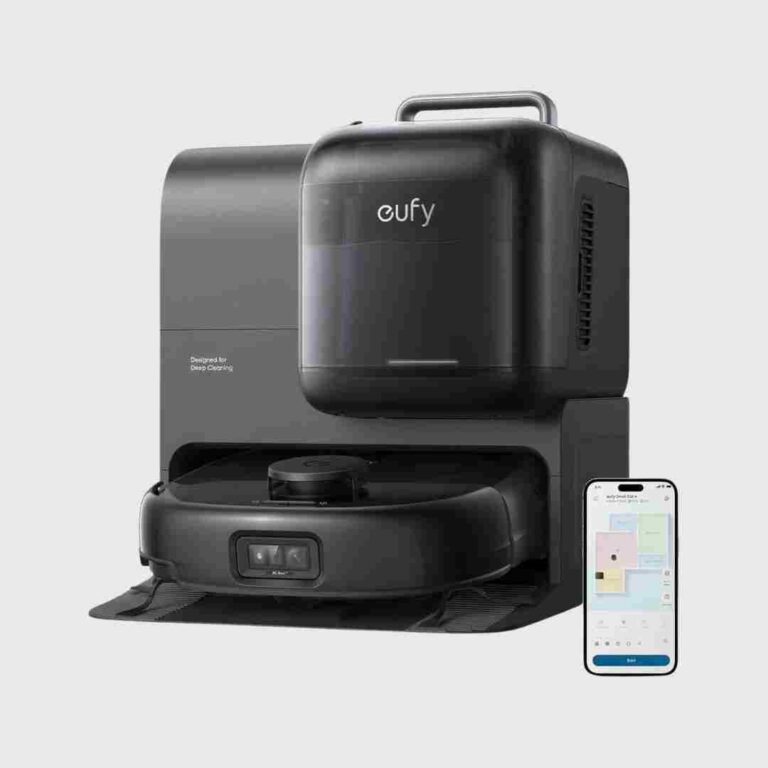
Choose the Eufy Omni E28 if you want strong mopping, low-effort maintenance, and a ready spot cleaner. Skip it if dock noise, long-hair clumping, bulky storage, or inconsistent vacuum tests are dealbreakers.
Best for busy homes that want a strong robot mop plus a ready-to-use spot cleaner for rugs, upholstery, pet messes, and spills. It fits people who value automation and versatility over having the absolute best standalone vacuum performance.
Not for buyers who mainly need a quiet, compact, vacuum-only robot or who have lots of long hair to clean. It is also less compelling if the FlexiOne spot cleaner would rarely be used.
Across the reviews, the Eufy Omni E28 stands out less as a pure robot vacuum than as a versatile cleaning station. Its roller mop, self-cleaning dock, app controls, obstacle avoidance, and detachable FlexiOne spot cleaner earn repeated praise, especially for hard floors, stains, furniture, and everyday convenience. The tradeoff is that the same all-in-one design brings bulk, loud dock cycles, hose and durability concerns, and uneven vacuum results. Some reviewers found carpet pickup and suction strong, while others measured weak sand pickup, Cheerios avoidance, or long-hair clumping. The evidence points to a capable, innovative hybrid that shines for mopping and spot cleaning but is not the cleanest choice for quiet homes, long hair, or buyers who only need vacuuming.
Compared with other Robotic Vacuums, this product is above average in Hair‑Wrap / Tangle Resistance, Dried-On Stain Removal, Upholstery / Above-Floor Pickup, near average in Mopping performance, Map and Path Efficiency (Robot Vacuums), below average in Odor control, Hair-removal channel issues, Build quality and durability.
| Attribute | This product | Category average | Difference |
|---|---|---|---|
| Odor control | 1.8 | 3.8 | -2.0 |
| Hair-removal channel issues | 1.2 | 3.1 | -1.9 |
| Build quality and durability | 2.4 | 4.1 | -1.8 |
| Clogging and debris prevention | 1.8 | 3.5 | -1.7 |
| Bin and Bag | 2.2 | 3.9 | -1.7 |
| Area Rug Handling | 2.1 | 3.8 | -1.7 |
| Maneuverability and Handling | 2.6 | 4.2 | -1.5 |
| Cord management | 2.2 | 3.6 | -1.5 |
Choose Roborock Q8 Max+ Robot Vacuum and Mop. It scores 4.9 vs 2.4 for Solution / Liquid system, with a 4.0 overall score.
Choose Ecovacs Deebot T30S Robot Vacuum and Mop. It scores 5.0 vs 1.8 for Clogging and debris prevention, with a 4.1 overall score.
Choose Ecovacs N30 PRO OMNI Robot Vacuum. It scores 4.8 vs 1.8 for Odor control, with a 4.2 overall score.
Choose Roborock Qrevo Master Robot Vacuum and Mop. It scores 4.6 vs 2.6 for Maneuverability and Handling, with a 4.3 overall score.
Products reviewers directly compared with this model, grouped into quick takeaways.
The review evidence is stronger for mopping. Reviewers repeatedly praised the roller mop and stain cleaning, while vacuuming ranged from strong everyday pickup to weak sand or clustered-debris results.
Yes, most reviewers found it genuinely useful for furniture, rugs, spills, and stains. The main cautions are hose length, trapped water, noise, and possible long-term wear.
Yes. Reviewers liked the self-emptying, mop washing, water management, and hot-air drying, but several still noted manual upkeep for filters, side brushes, tanks, or the hose.
The robot can be reasonably quiet during normal cleaning. The dock, spot cleaner, self-emptying, and mop-cleaning cycles are the loud parts reviewers most often criticized.
It can work well for ordinary pet hair and pet messes, especially with the spot cleaner. Longer hair is the bigger concern because some testing found dense hair clumps behind the brush.
The app is generally praised for setup, maps, schedules, no-go zones, and customization. Experimental AI features and some object-detection behavior were less consistent.
These are a few of the reviews included in our analysis.

Choose the Eureka J15 Ultra for hands-free vacuuming/mopping, strong suction, edge coverage, and value. Skip it if you need the most advanced obstacle avoidance, compact dock, detergent dispensing, or quieter...
Pros: Kid-friendliness, Reverse cleaning performance
Cons: Solution / Liquid system, Low-profile design
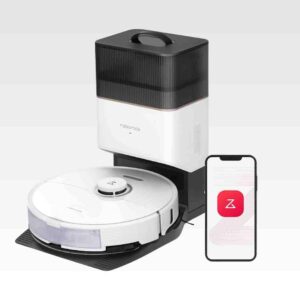
Best for excellent vacuuming, mapping, pet-hair handling, and low-touch daily upkeep. Skip it if you expect deep mop scrubbing, quiet auto-emptying, or premium value in a small or multi-story home.
Pros: Tool-change simplicity, Aesthetic design and finish
Cons: Stair Cleaning, Crevice / Groove Pickup (Hard Floors)
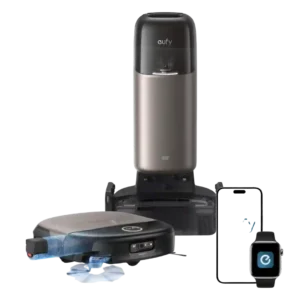
Best for excellent hard-floor mopping, sustained suction and nearly tangle-free hair handling. Skip it if precise edge cleaning, quiet maximum-power operation or flagship value matters more.
Pros: Pet-Ready Features, Filtration / Dust Containment
Cons: Ongoing ownership costs (bags, filters
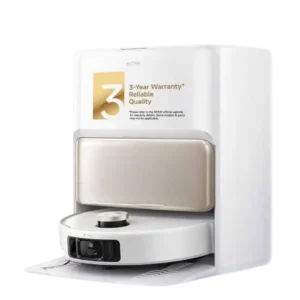
Best for powerful vacuuming, excellent mopping, pet-focused automation, and strong accessory value. Skip it if you need flawless obstacle avoidance, simple plug-and-play software, or the smallest possible dock.
Pros: Accessories and Tools, Hard Floor — Fine Dust Pickup
Cons: Airflow blowback, Scratch resistance