If you want better value for money
Choose MOOKA B-D02L. It scores 4.7 vs 4.0 for value for money, with a 4.2 overall score.
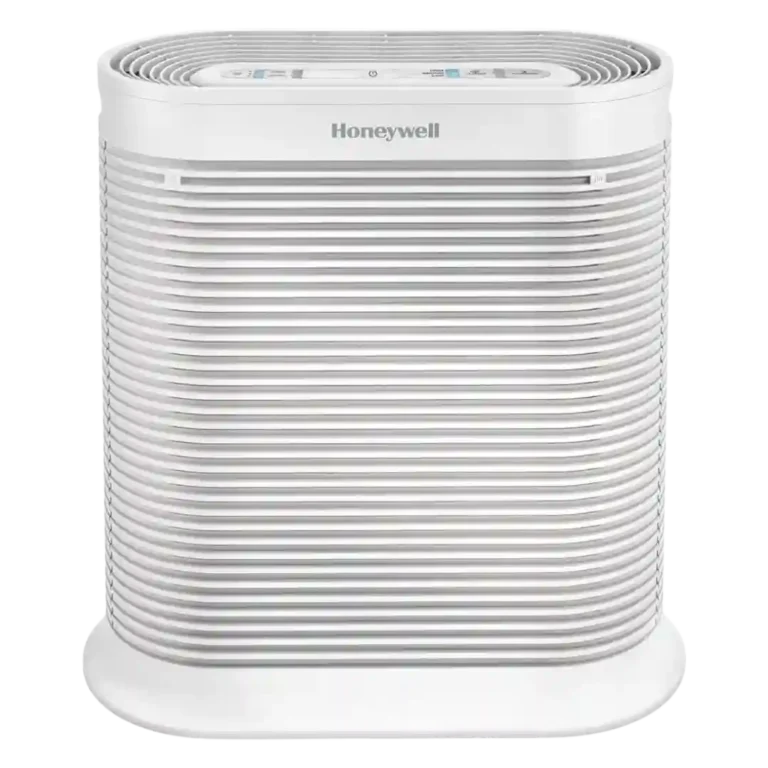
Choose the Honeywell HPA304 for strong dust, allergen, smoke, and pet-odor cleaning in larger spaces. Skip it if turbo noise, filter costs, or quality-control risk will bother you.
Best for larger rooms, pet homes, allergy sufferers, dusty houses, and wildfire or smoke situations where strong straightforward filtration matters more than smart features.
Not ideal for people who need very quiet high-speed operation, polished smart controls, low filter costs, or a compact purifier that blends invisibly into decor.
Customer evidence for the Honeywell HPA304 is broadly positive, especially from allergy sufferers, pet owners, and people dealing with dust, smoke, or stale household odors. Many users notice cleaner air quickly, and several describe easier breathing, less sneezing, better sleep, or visible debris captured in the filters. The main tradeoff is that the strongest settings can be loud, sometimes very loud. A second recurring concern is quality control: smashed HEPA filters, loose front panels, broken plastic, unresponsive buttons, and a few dead or unreliable units appear often enough to matter. Replacement filters are also considered pricey by multiple reviewers. Overall, it looks like a powerful, straightforward purifier when it arrives in good condition, but buyers should inspect the filters and housing immediately.
Compared with other Air Purifiers, this product is above average in listing accuracy, pre-filter quality, scheduling options, near average in air purification performance, allergen reduction, below average in build quality, virus reduction confidence, real-time air quality monitoring.
| Attribute | This product | Category average | Difference |
|---|---|---|---|
| listing accuracy | 5.0 | 2.5 | +2.5 |
| build quality | 2.1 | 4.0 | -1.9 |
| virus reduction confidence | 2.0 | 4.0 | -2.0 |
| real-time air quality monitoring | 2.0 | 3.9 | -1.9 |
| HEPA filtration | 2.5 | 4.2 | -1.7 |
| energy efficiency | 2.5 | 4.2 | -1.7 |
| size and footprint | 2.3 | 4.0 | -1.6 |
| control placement | 2.0 | 3.5 | -1.5 |
Choose MOOKA B-D02L. It scores 4.7 vs 4.0 for value for money, with a 4.2 overall score.
Choose AirDoctor AD3500. It scores 5.0 vs 2.5 for HEPA filtration, with a 4.6 overall score.
Choose Kenmore PM2010. It scores 4.8 vs 2.0 for real-time air quality monitoring, with a 4.1 overall score.
Choose AROEVE MK06. It scores 5.0 vs 2.0 for condition on arrival, with a 4.1 overall score.
Products reviewers directly compared with this model, grouped into quick takeaways.
Yes. Many users report less sneezing, clearer sinuses, easier breathing, or reduced allergy symptoms after using it.
Low settings are often described as quiet or pleasant white noise. High and turbo settings are repeatedly described as loud.
Users report strong results with wildfire smoke, cigarette smoke odor, and wood-heater smells, especially when run continuously.
Several reviewers call replacement filters pricey or costly, though some still say the purifier is worth the expense.
Inspect the unit immediately for smashed HEPA filters, gaps around filters, broken plastic, a loose front panel, and unresponsive controls.
Reviewers describe it as basic and effective rather than feature-heavy. One user specifically wished it had a smart control feature.
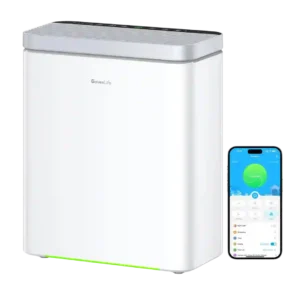
Choose the H7124 if you want a quiet smart purifier for odors, dust, pets, and app control. Skip it if you need foolproof Wi-Fi, wall-facing intake, UV light, or strong...
Pros: particle removal effectiveness, pollen removal
Cons: UV-C light effectiveness, air dryness
Best for quiet, simple cleaning in bedrooms or apartments. Skip it if you need verified large-room CADR value, app control, or guaranteed neighbor-smoke removal.
Pros: particle removal effectiveness, dust removal
Cons: CADR rating, air changes per hour
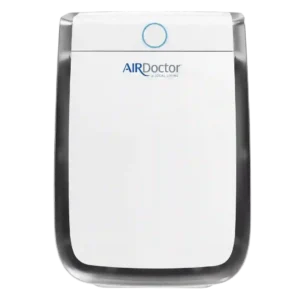
Best for strong room cleaning, allergy relief, odor control, and simple operation. Skip it if high filter costs, a larger footprint, or possible nighttime fan noise would bother you.
Pros: particle removal effectiveness, HEPA filtration
Cons: customer support, warranty coverage
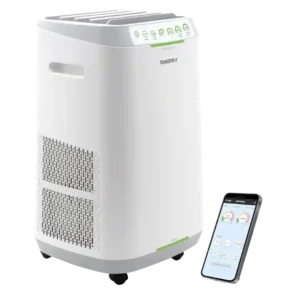
Choose this if you want strong odor, dust, smoke, and pet-air cleanup with washable filters. Skip it if turbo noise, Wi-Fi setup, or a high upfront price will bother you.
Pros: filter replacement cost, allergen reduction
Cons: Wi-Fi reliability