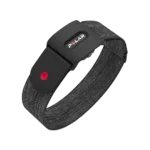
Polar Verity Sense Feature Scores
Explore all 28 feature scores for Polar Verity Sense, organized into pros and cons.
Scores by Feature
Summary
28 reviewed features-
Very positive 4.5-5.013 (46%)
-
Positive 3.5-4.46 (21%)
-
Neutral 2.5-3.49 (32%)
Pros
Sort
-
Heart-rate accuracy is the strongest consensus point: reviewers repeatedly found readings close to chest straps or better than wrist sensors, with caveats around brief lag, lifting, and some movement types.
-
Comfort is a major strength; reviewers commonly forgot they were wearing it or found it more comfortable than chest straps, with only isolated fit caveats.
-
Battery life is widely praised as a major upgrade and practical strength, though ultra-distance runners may still outlast it and battery level visibility can be limited.
-
Overall reliability is strong, especially for recording and HR consistency, though reviewers still note optical-sensor caveats in some intense or movement-heavy use.
-
Pairing reliability is consistently strong, with reviewers connecting the sensor easily to phones, watches, Garmin devices, Apple Watch, and multiple Bluetooth or ANT+ setups.
-
Band quality is mostly praised as improved, wider, more stable, and less likely to flip, though a few reviews still find the attachment workflow imperfect.
-
Value is generally positive because the sensor delivers accurate, comfortable HR data for less than many watches, but price can still feel high for beginners or compared with simpler straps.
-
Workout tracking is generally reliable for runs, rides, steady work, and many intervals, but several reviewers note lag or missed peaks during rapid intensity changes, lifting, or movement-heavy sessions.
-
Bluetooth reliability is mostly positive for normal pairing and use, but range tests and locker-room/phone-distance examples show dropouts can occur.
-
Third-party compatibility is a strength, with reviewers reporting easy use across Garmin, Apple Fitness Plus, Fiit, and broadly with apps and sports devices.
-
Design reactions are mixed-positive: reviewers like the good-looking band and improved design, while one finds the device visually plain.
-
The sensor is regarded as light, with reviewers highlighting its low weight versus chest straps and small physical footprint.
-
Reviewers praise the sensor as versatile across sports and workouts, from cycling and running to gym sessions and swim use, though it remains heart-rate focused.
-
Swimming support is valued for pool use, goggles, and heart-rate capture, but reviewers also note limitations around stroke detail, watch pairing in water, and open-water data.
-
One long-term user specifically praised quick charging, saying brief top-ups were enough before training.
-
One reviewer sees the lack of subscription fees as a clear advantage over subscription-based competitors.
-
Button controls draw mixed feedback: some find the single-button workflow easy, while others dislike mode lock-in, tiny presses, or fiddly operation under layers.
-
A long-term user found the band resisted noticeable stretching even with heavy use.
-
A runner found the more trustworthy heart-rate feed improved confidence in downstream fitness and recovery analytics from their watch.
Cons
Sort
-
One reviewer found the one-size strap inadequate for larger, more muscular arms, limiting size flexibility.
-
Syncing is uneven: some reviewers report smooth Polar Flow syncing, while others report Android issues, discontinued FlowSync PC syncing, or swim-data integration limits.
-
Charging convenience is one of the recurring weak spots: the puck/cradle is small, easy to misplace, sometimes outdated, and less convenient than coin-cell chest straps.
-
One review treats calorie burn as only a rough estimate tied to heart-rate data, so usefulness is limited rather than a core strength.
-
Polar Flow offers session feedback and zone context, but one reviewer found the insights biased toward cardio or weight-loss use cases.
-
Build impressions are mixed: one review rated construction well, while another criticized the small accessories and plastic as cheap-feeling.
-
Fit is mixed: it can stay securely in place, but the strap can be fiddly, too small for muscular arms, awkward under layers, or prone to flipping in some handling.
-
Polar Flow and related app use split reviewers: some like the data presentation or direct pairing, while others call Flow clunky, confusing, or poorly designed.
-
The interface is mixed: mode indicators are an improvement, but setup, mode selection, and app guidance can still demand concentration or feel confusing.