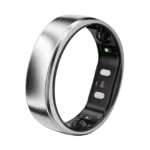
RingConn Gen 2 Air Feature Scores
Explore all 47 feature scores for RingConn Gen 2 Air, organized into pros and cons.
Scores by Feature
Summary
47 reviewed features-
Very positive 4.5-5.07 (15%)
-
Positive 3.5-4.423 (49%)
-
Neutral 2.5-3.413 (28%)
-
Negative 1.5-2.44 (9%)
Pros
Sort
-
Subscription value was unanimous: reviewers repeatedly praised full feature access without ongoing membership fees.
-
Battery life was the strongest consensus positive, usually lasting well over a week and often close to the promised 10 days.
-
Value for money was a major consensus strength, with reviewers repeatedly calling it a bargain, smart deal, or strong entry-level choice.
-
Water resistance was strongly praised or confidently accepted, with reviewers wearing it for showers, swimming, sweat, and rain.
-
Comfort was strongly praised across reviews, with many saying the ring disappears, feels light, or is wearable all day and night.
-
Weight was a major strength, with reviewers repeatedly describing the ring as extremely light or barely noticeable.
-
Overall reliability was positive for daily wellness tracking, with most reviewers seeing a dependable ring despite fitness and app caveats.
-
The companion app was usually seen as organized and data-rich, but reviewers still wanted more polish, faster syncing, and deeper guidance.
-
Sleep tracking was one of the strongest evidence areas, with reviewers saying timing, overnight metrics, and sleep insights usually lined up well.
-
Trend insights were a consistent strength, with reviewers praising long-term graphs, summaries, weekly reports, and easier interpretation of changes.
-
Design drew mostly positive reactions for looking like jewelry or a sleek ring, but a few reviewers found it cheap-looking or oddly shaped.
-
Pairing was consistently easy in the reviews that evaluated setup, with no major bugs or reliability complaints.
-
Durability was mostly positive but not flawless: several rings survived daily wear, while others picked up scratches or dings.
-
Blood oxygen tracking was generally viewed as useful for overnight vitals and abnormality flags, with several reviewers finding it close or informative.
-
Fit was mostly good after sizing, though some reviewers mentioned gaps, sensor bumps, or never fully adjusting to the shape.
-
Build quality was decent to good overall, though cheaper materials and finish details were noticed beside more premium rings.
-
The user interface was usually easy for casual users, though one negative review criticized inconsistent wording and shallow AI presentation.
-
Sleep-stage tracking was considered useful and broadly similar to other devices, though some reviewers treated staging as only approximate.
-
Goal tracking was useful and often free, especially through plans and sleep/activity goals, though some plans were described as basic.
-
Google Fit compatibility was positively noted in reviews that treated health-platform syncing as part of a broader tracking setup.
-
Step counts were often close enough to comparison devices, though a few reviewers reported meaningful under- or over-counting.
-
Apple Health integration was useful but not perfect, with reviewers noting it worked well in some cases and lagged in another.
-
Resting and sleeping heart-rate tracking was generally trusted more than workout heart rate, with reviewers reporting close or reliable readings.
-
Charging speed was acceptable but not outstanding, with 90-minute full charges often described as solid but not especially fast.
-
Calorie data was treated as a useful basic estimate, with one reviewer finding it close and another praising the granularity.
-
Third-party compatibility was mixed, with Apple Health and Google Fit working but broader integration described as limited or closed.
-
Stress tracking received mixed reactions: some liked the gentler presentation, while others felt the ring confused normal activity with stress.
-
One reviewer found distance during a manually tracked outdoor run looked fine despite other workout-tracking weaknesses.
-
One reviewer liked the ability to log notes and hashtags to connect habits with progress and possible causes.
-
Size options were treated positively in comparison with more limited rivals, especially for an entry-level smart ring.
Cons
Sort
-
Workout mode variety was repeatedly called limited, with reviewers wanting more exercise types beyond the small supported set.
-
Automatic workout detection was weak or missing in several reviews, though one later review noted some improvement.
-
Smartphone notification value was weak because reviewers missed watch-style notifications or forgot to open the app without stronger prompts.
-
Workout tracking was the clearest weakness, especially for serious exercise, high-intensity heart rate, and detailed post-workout analysis.
-
Data privacy was a concern in the limited evidence, especially around health data, period tracking, and broader tracker privacy worries.
-
Fitness coaching and AI guidance were highly mixed: some found plans helpful, but many called the AI basic, undercooked, or unhelpful.
-
Connected GPS depends on a phone; reviewers accepted that for basic routes but treated it as a limitation for outdoor tracking.
-
Syncing was a repeated caveat: some found it reasonable, but others complained about no background syncing, delays, or long waits after days away.
-
Recovery-style insights lagged stronger competitors, with reviewers saying RingConn offers useful context but less depth and guidance than Oura-like systems.
-
Menstrual cycle tracking exists but evidence was limited and qualified by criticism that women’s health features were not very complete.
-
Heart-rate accuracy is split: resting and casual readings often looked acceptable, but workout and high-intensity readings drew repeated complaints.
-
Customization was mixed: some liked protectors and color/style changes, while others disliked the rubbery sleeves and limited app options.
-
The wellness/readiness-style score was easy to glance at but was criticized for showing numbers without enough actionable coaching.
-
Activity reminders were mixed: one reviewer liked sedentary alerts, while others wanted stronger movement motivation and better nudges.
-
App alerts were useful for vitals, battery, and goals, but reviewers also wanted better low-battery and behavior-changing reminders.
-
Charging convenience split reviewers: the dock is easy and elegant at home, but the missing portable case was a frequent travel downside.
-
Reviews describe general activity tracking as adequate for casual daily use, but inconsistent for demanding fitness work and sometimes clearly off.