Tapo RV30 Max Plus Robot Vacuum and Mop Review
Bottom Line
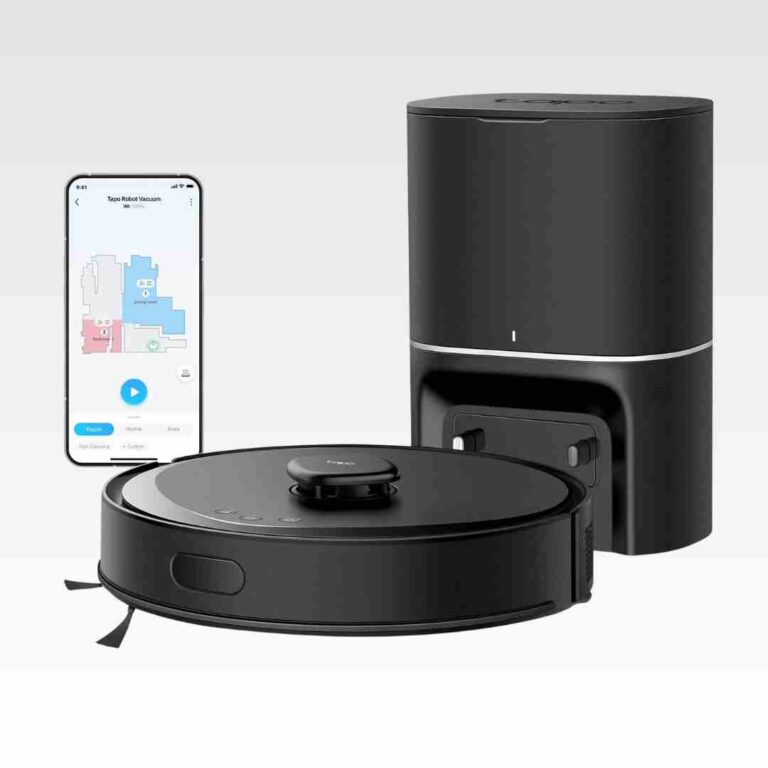
Choose the RV30 Max Plus for budget LiDAR mapping with a self-empty dock and solid everyday cleaning. Skip it if your priority is strong pet-hair pickup or reliable obstacle avoidance in a cluttered home.
Small to mid-size homes that want affordable hands-off upkeep: efficient LiDAR mapping plus a self-empty dock make routine cleaning easy without a premium price.
Homes with lots of cords and clutter, thick carpeting, or heavy pet hair where you need strong fine-dust pickup, advanced obstacle avoidance, and a mop that can tackle tougher messes.
The Tapo RV30 Max Plus targets shoppers who want modern robot features without paying premium-model prices. Across reviews, LiDAR-based navigation is a standout, delivering systematic coverage, and the self-empty dock adds genuine hands-off convenience. Vacuuming is strongest on larger crumbs and routine debris, while fine dust and heavy pet hair are more hit-or-miss. The biggest tradeoff is that obstacle avoidance and mopping are basic: cords and small clutter can trip it up, and the mop is best for light wipe-downs, not deep scrubbing or carpets. For small-to-mid homes focused on everyday upkeep, it delivers strong value.
Scored Features
Pros
-
Setup is widely described as straightforward, and day-to-day operation is easy once the app is learned; most users see it as a simple maintenance helper.
-
Across reviews it stands out as a practical 2-in-1 with a self-empty dock, making it versatile for routine vacuuming plus light mopping rather than specialty deep cleaning.
-
Value is a consistent highlight: reviewers call it affordable for a LiDAR robot with a self-empty dock, accepting some performance limits as the tradeoff.
-
LiDAR-based mapping and navigation are frequently described as systematic and efficient; some reviews note minor map-editing quirks, but overall pathing is a strength.
-
The self-empty dock is a major selling point and is generally reported to work reliably, emptying quickly after runs; minor complaints tend to focus on noise rather than failures.
-
The self-empty system reduces how often you handle the onboard bin; reviewers generally like the hands-off emptying, though capacity and upkeep still matter over time.
-
Large debris pickup is a consistent strong point, with reviewers praising how well it handles crumbs and bigger particles during everyday runs.
-
Compared with other budget hybrids, it is often framed as better feature value (LiDAR plus auto-empty), while premium models still win on deep-clean power and advanced avoidance.
-
Emptying is mostly seen as convenient and cleaner than manual bin dumps; the main drawbacks mentioned are noise during emptying and the need to maintain the base and disposal method.
-
Maintenance is typical for robot vacs: brushes and filters need routine cleaning, and hair-prone homes will do more upkeep; auto-emptying reduces bin-handling but not brush care.
-
The app provides solid control for maps and cleaning options, but several reviews mention a learning curve, an unintuitive layout, or voice-assistant controls that are not as polished.
-
Reviews describe strong everyday suction for crumbs and larger debris, especially at this price, but note weaker performance on fine particles and heavy pet hair compared with pricier bots.
-
Automation features like scheduling, room/zone control, and voice assistants are commonly mentioned; the set is strong for the price, though some find the Alexa/assistant flow unintuitive.
-
Most reviewers find it reasonably quiet during normal cleaning, though some mention a noticeable whine; the auto-empty cycle is louder but short.
-
Battery life is typically described as sufficient for smaller to mid-size homes, with tested runtimes around the 90–100 minute range in some reviews and dependable dock returns.
-
The water tank and water delivery are described as basic but usable for light mopping; expect maintenance and refills, especially for larger areas.
-
Build quality is described as decent and functional for a budget robot rather than premium; most feedback suggests it feels solid enough if you maintain brushes and filters.
-
Filtration gets few direct complaints; the consensus is adequate dust containment for routine cleaning, with performance depending on regular filter upkeep.
-
Default-mode runtime is commonly described as adequate for routine sessions, with some reviews citing around 98 minutes in testing and consistent auto-dock behavior. Boost or turbo modes can improve pickup but shorten runtime; reviewers treat it as a situational option rather than the default for whole-home cleans.
-
It can traverse area rugs, but reviewers warn about mop mode on rugs (and the lack of mop lifting), so using avoid/zone settings is often recommended.
-
Corner performance is decent for a round robot but not perfect; reviews suggest it can miss tight corners and may need occasional manual touch-ups.
-
Edge cleaning is generally good enough for routine upkeep along walls and baseboards, but not as precise as robots with dedicated edge hardware.
-
Its low-profile design helps it fit under many common furnishings, though very low-clearance furniture can still block access.
-
Software and app support is mentioned as part of the ecosystem; reviews focus more on current features than long-term update promises, with no widespread update complaints noted.
-
Reliability commentary is mixed but generally positive for the price; a few reviews flag typical budget-robot quirks, so expectations should be set accordingly.
-
The body height lets it reach under some furniture, but clearance still matters; it does best where there is moderate under-furniture space rather than ultra-low gaps.
Cons
-
On low-pile carpet it generally handles everyday debris well, but hair pickup on carpet is a recurring limitation and can reduce cleaning efficiency.
-
Noise around the dock is mostly about the auto-empty burst and occasional whine; reviewers note it is not silent, but the loud part is brief.
-
Owners with pets like the convenience for day-to-day shedding, but multiple reviews call pet hair a weak spot, often requiring extra runs and more brush cleaning.
-
Mopping is characterized as light-duty: it can handle light spills and routine wipe-downs, but scrubbing power is limited and the lack of mop lifting is a key constraint on carpets.
-
Multiple reviews call out weaker fine-debris pickup (sand, fine dust) versus larger crumbs, sometimes needing extra passes or targeted spot cleaning.
-
Obstacle avoidance is regularly described as basic for the category; it may bump objects or get tripped up by cords and small clutter, so floor prep improves results.
-
Hair tangling is a repeated theme: some users report wrap around brushes and more frequent cleaning, especially in homes with pets or long hair.
-
Stuck events tend to come from cords, thin legs, or small clutter; reviewers recommend pre-tidying to avoid hang-ups, with general mobility otherwise acceptable.
FAQ
Does the RV30 Max Plus map with LiDAR?
Yes. Multiple reviews mention LiDAR-based mapping and systematic navigation, which helps it clean in efficient paths and supports map-based controls like zones and virtual boundaries.
How good is it with pet hair?
It can handle light shedding, but several reviews call pet hair a weak point. Expect more frequent brush cleaning and potentially extra runs in high-shedding homes.
Can it vacuum and mop in the same routine?
Yes. Reviewers describe it as a 2-in-1 that vacuums and then does light mopping, best for routine wipe-downs and small spills rather than deep scrubbing.
Does the mop lift over carpets and rugs?
No. Reviews note it cannot raise the mop pad, so you will want to use avoid zones or mop-only modes to keep wet pads off carpeted areas.
Is the self-empty dock loud?
Most reviews say normal cleaning is fairly quiet, but the auto-empty burst is noticeably louder. The upside is that the emptying cycle is typically brief.
What kind of battery life should you expect?
Battery life is generally described as adequate for smaller to mid-size spaces, with some testing cited around the 90 to 100 minute range depending on settings and floor type.
Video Reviews
Article Reviews
Best Robotic Vacuums Alternatives
Choose the Roborock Qrevo Curv for a low-touch vacuum+mop that cleans edges/corners well and clears thresholds better than most. Skip if you have lots of floor-level cables or...
Pros: Hard Floor — Fine Dust Pickup, Hard Floor — Large Debris Intake, Hair Pickup — Hard Floors, Battery &, Charging, Docking &, Auto-Empty Reliability (Robot)
Cons: None
Choose it for exceptional vacuuming, obstacle avoidance, and true hands-off mop swapping. Skip it if you want longer battery life, a smaller dock, or stronger out-of-box stain removal.
Pros: Hair‑Wrap / Tangle Resistance, Adaptive chassis lift, Innovation compared to competitors, Hard Floor — Fine Dust Pickup, Suction and Airflow, Pet-Ready Features, Tool-change simplicity
Cons: Dirty water sensor, Suitability for small spaces, Storage footprint and upright-stand stability, Streaking / Residue, Battery and Charging, Runtime
Choose the Eufy S2 Omni for low-maintenance hard-floor mopping, hair control, and strong suction. Skip it if deep carpet cleaning, aggressive edge work, or advanced smart-home control matters...
Pros: Clogging and debris prevention, Streaking / Residue, Hair Pickup — Carpets, Suction and Airflow, Cyclone performance, Filtration / Dust Containment, Overall cleaning convenience
Cons: Bag-full indicator, Edge‑Following Accuracy (Robot), Noise level, Value-for-money
Choose Saros 10 if you want a slim, premium robot that vacuums hard, climbs thresholds, and runs a truly hands-off dock. Skip it if your top priority is...
Pros: Pet-Ready Features, Low-profile design, Suction &, Airflow, Mop lifting system, Aesthetic design &, finish
Cons: Streaking / Residue, Stuck resistance