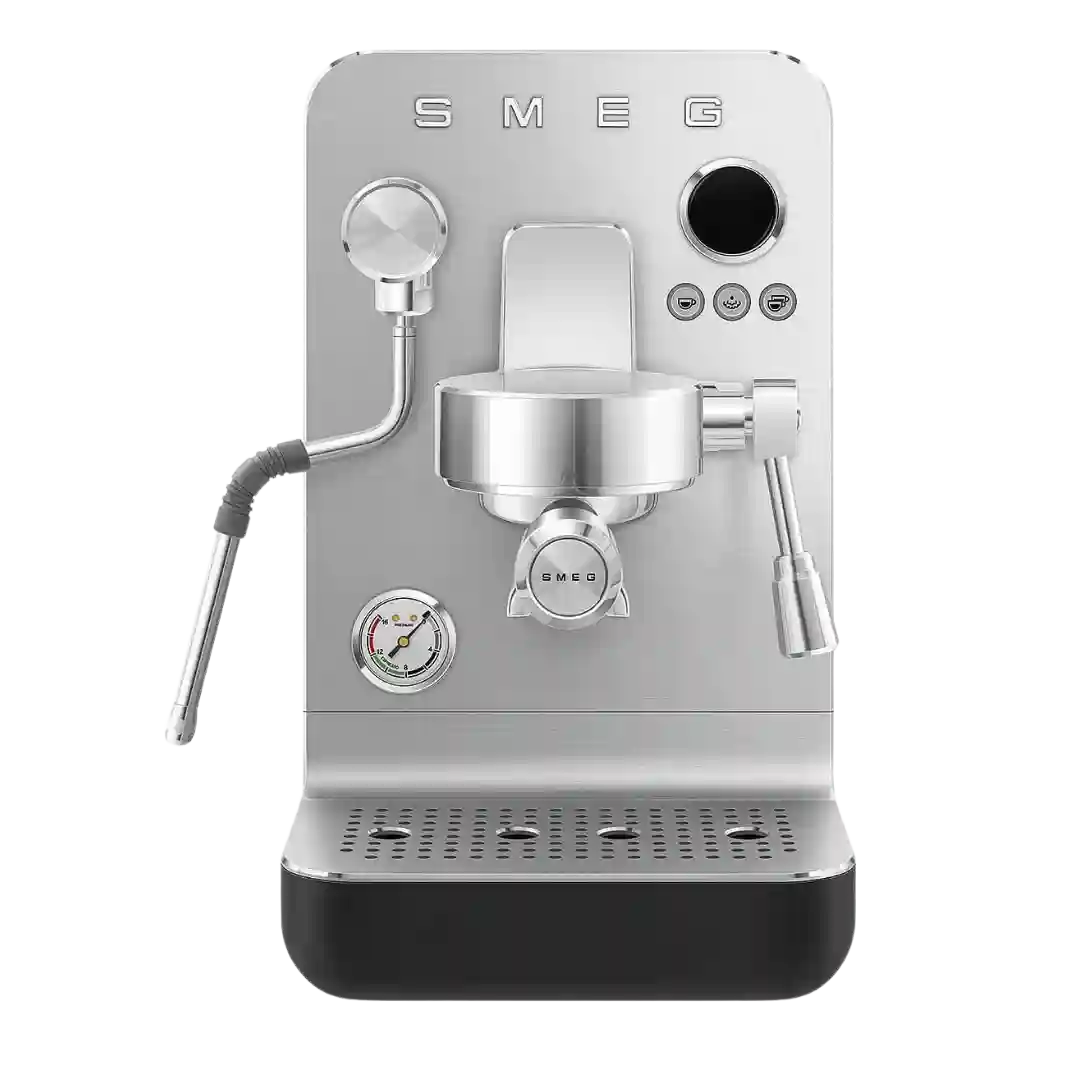
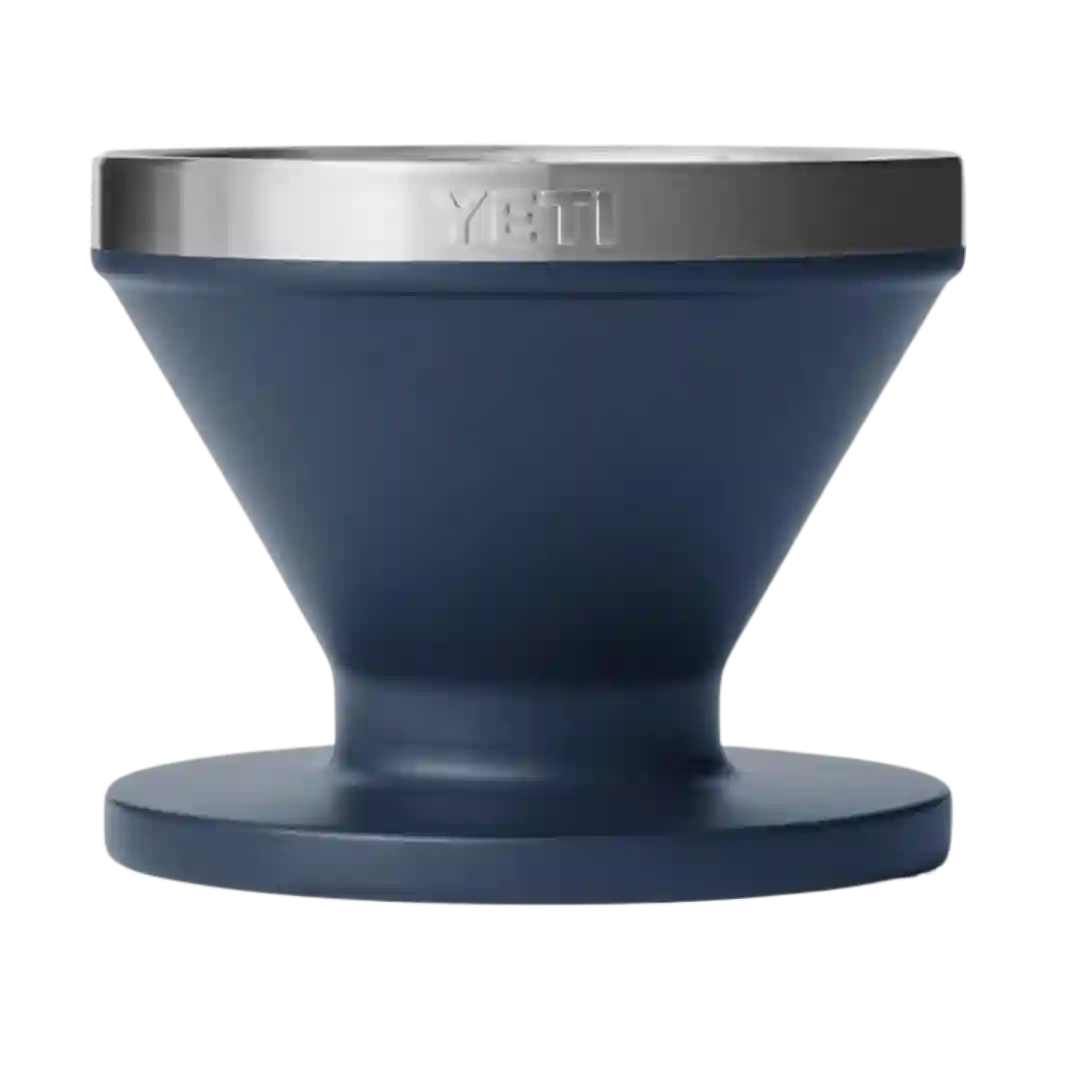
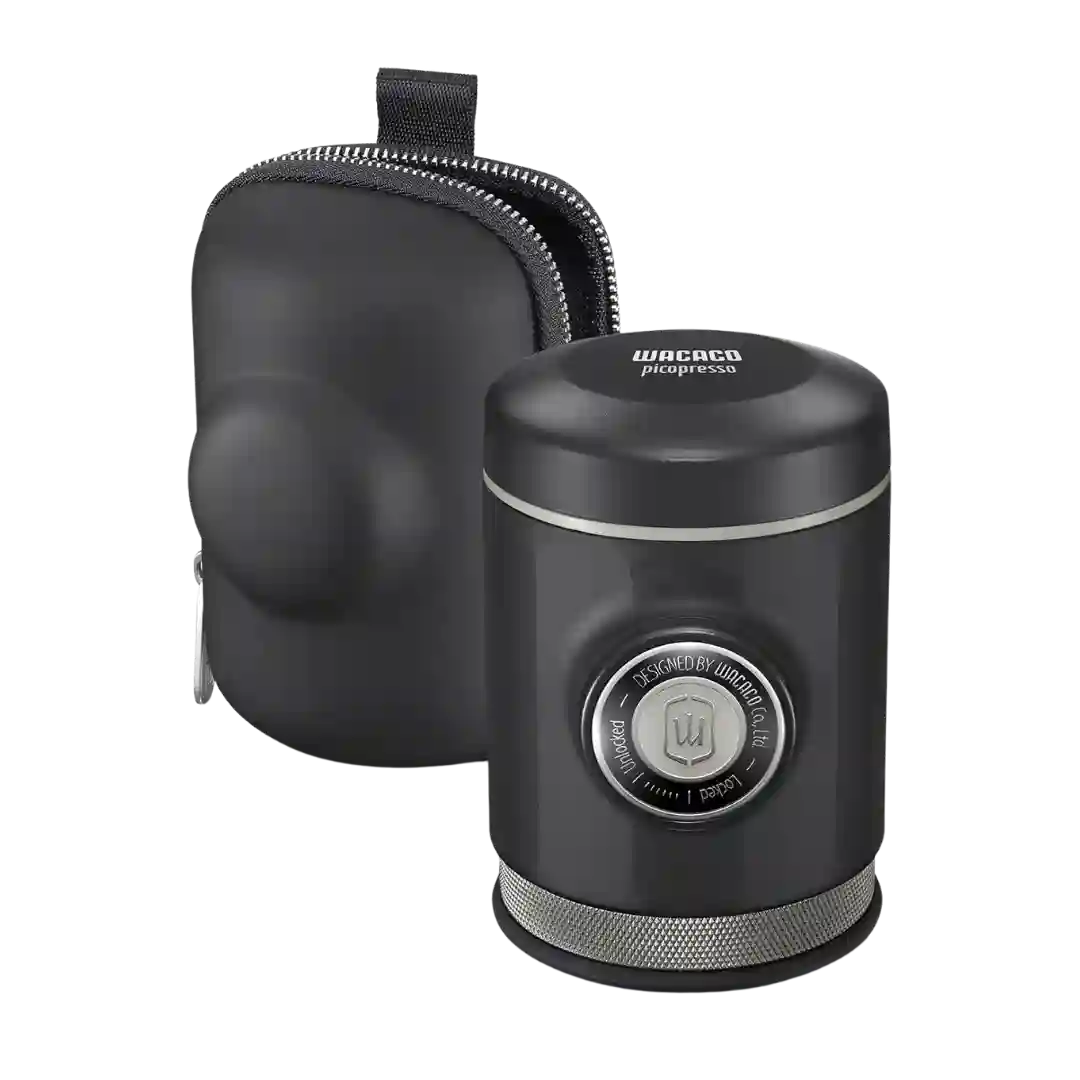
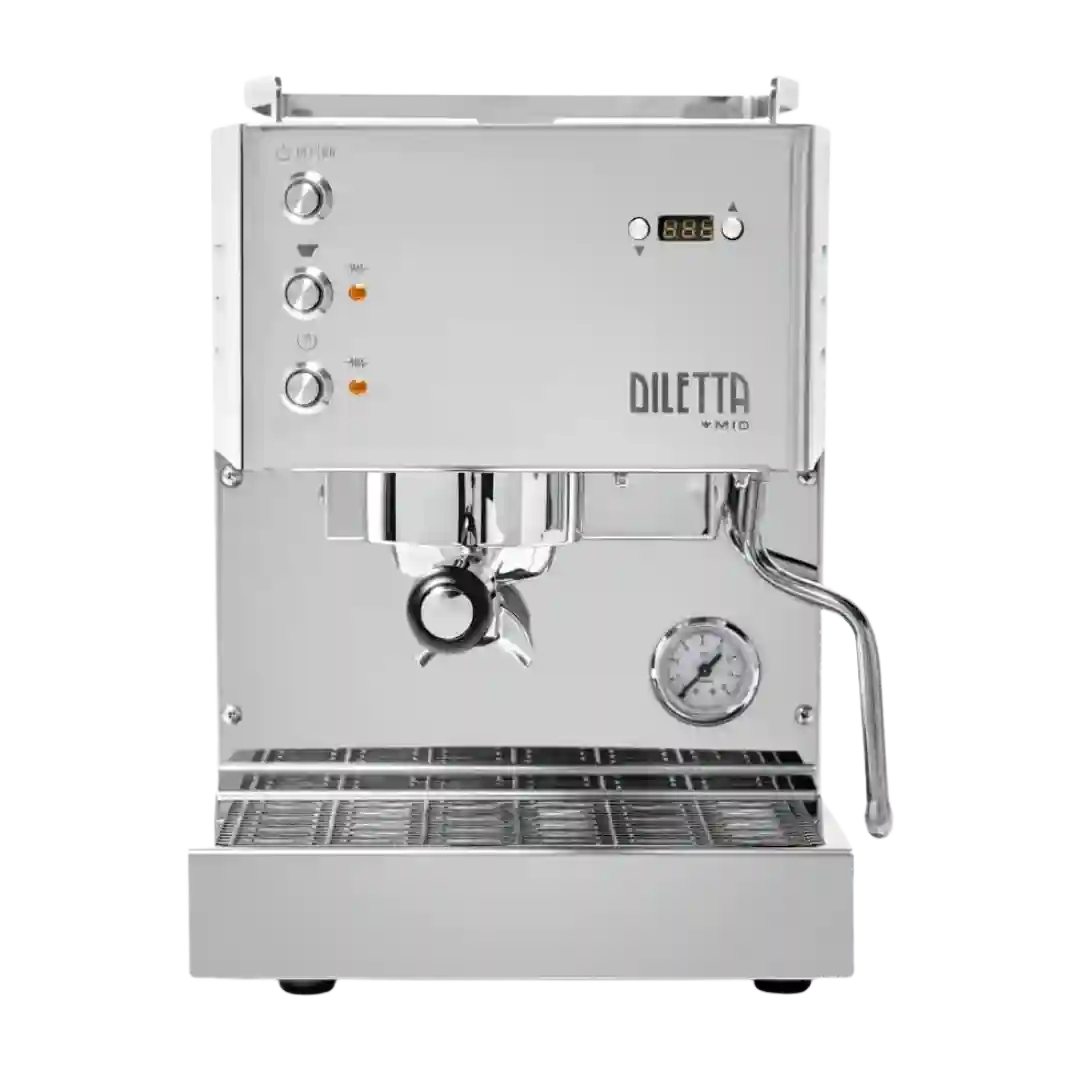
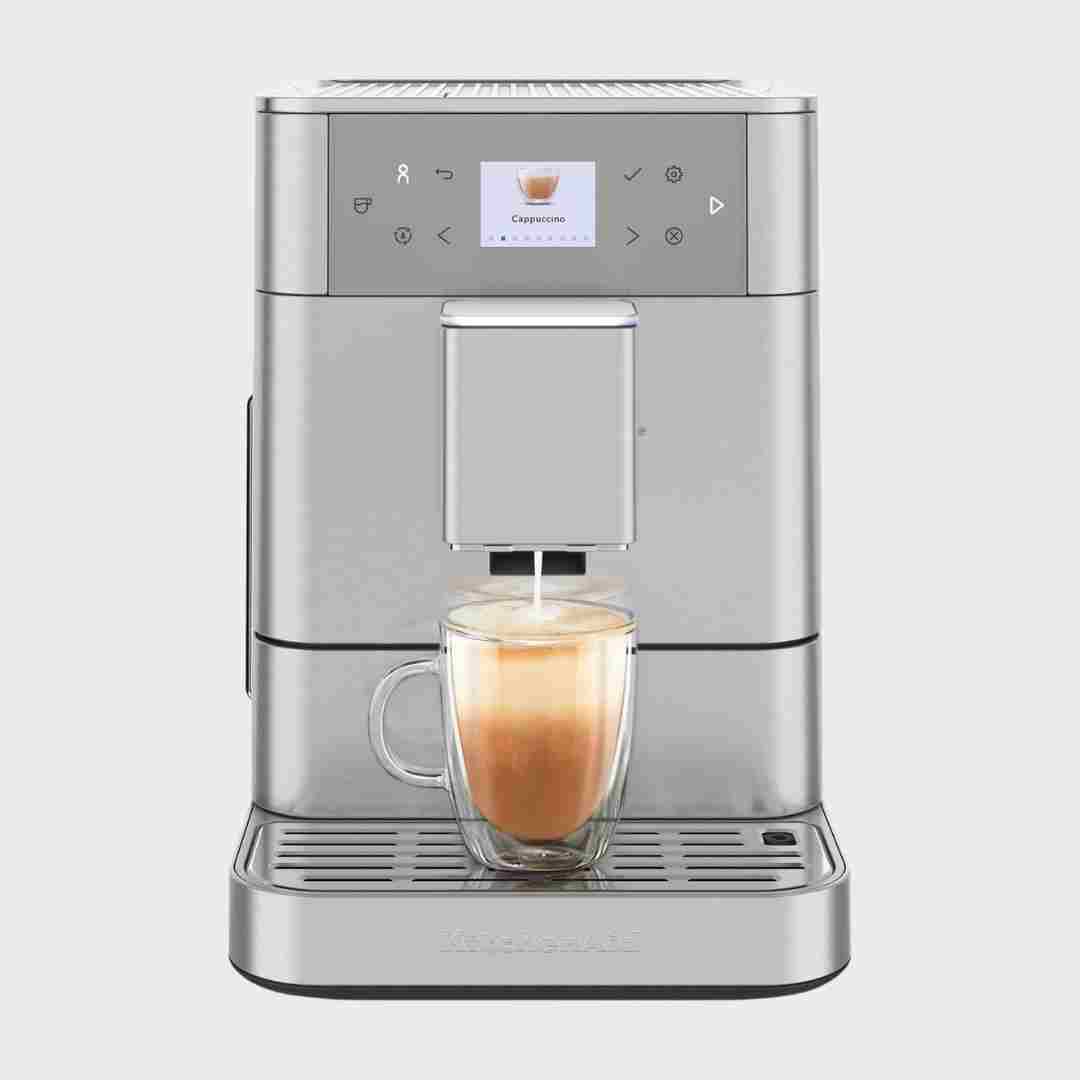
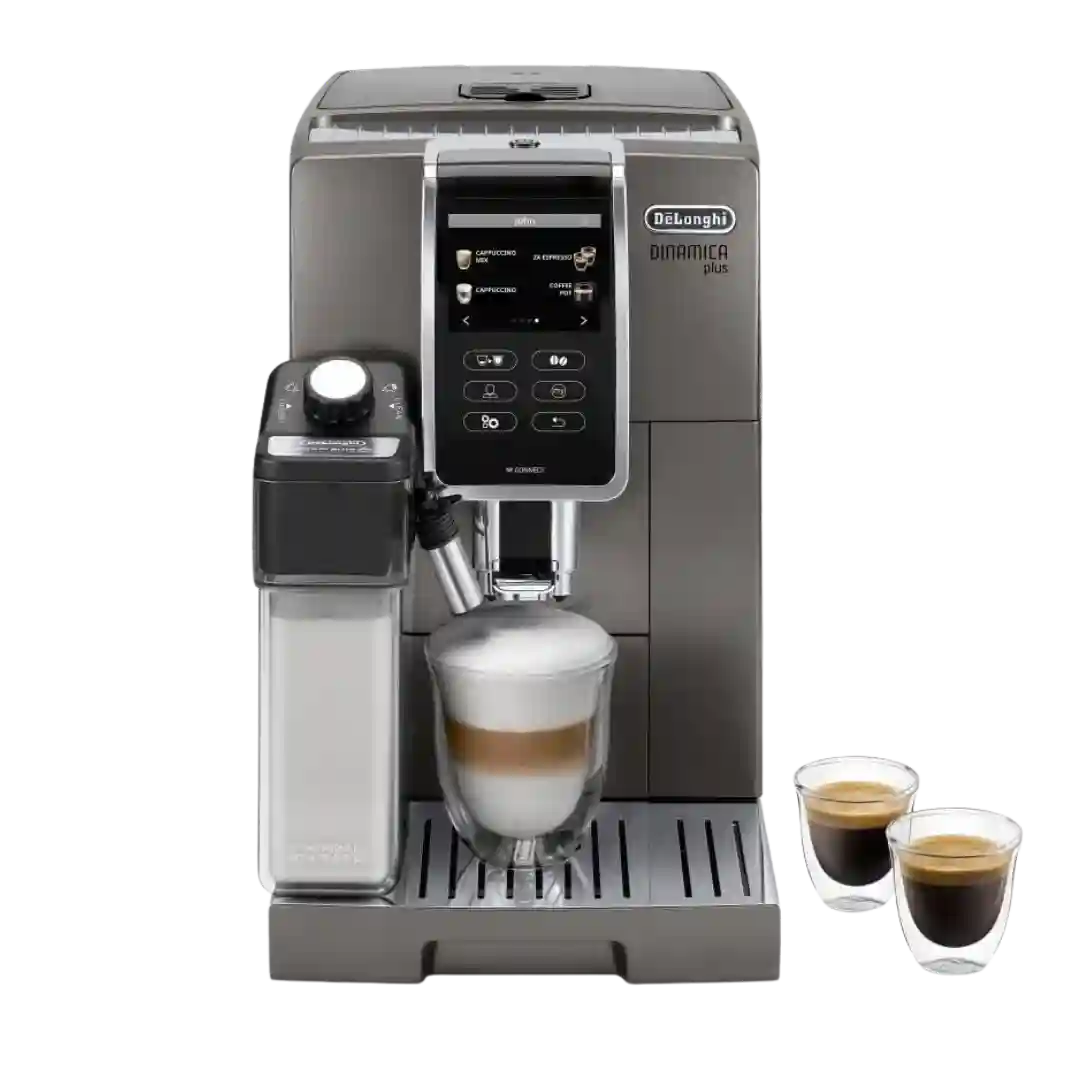
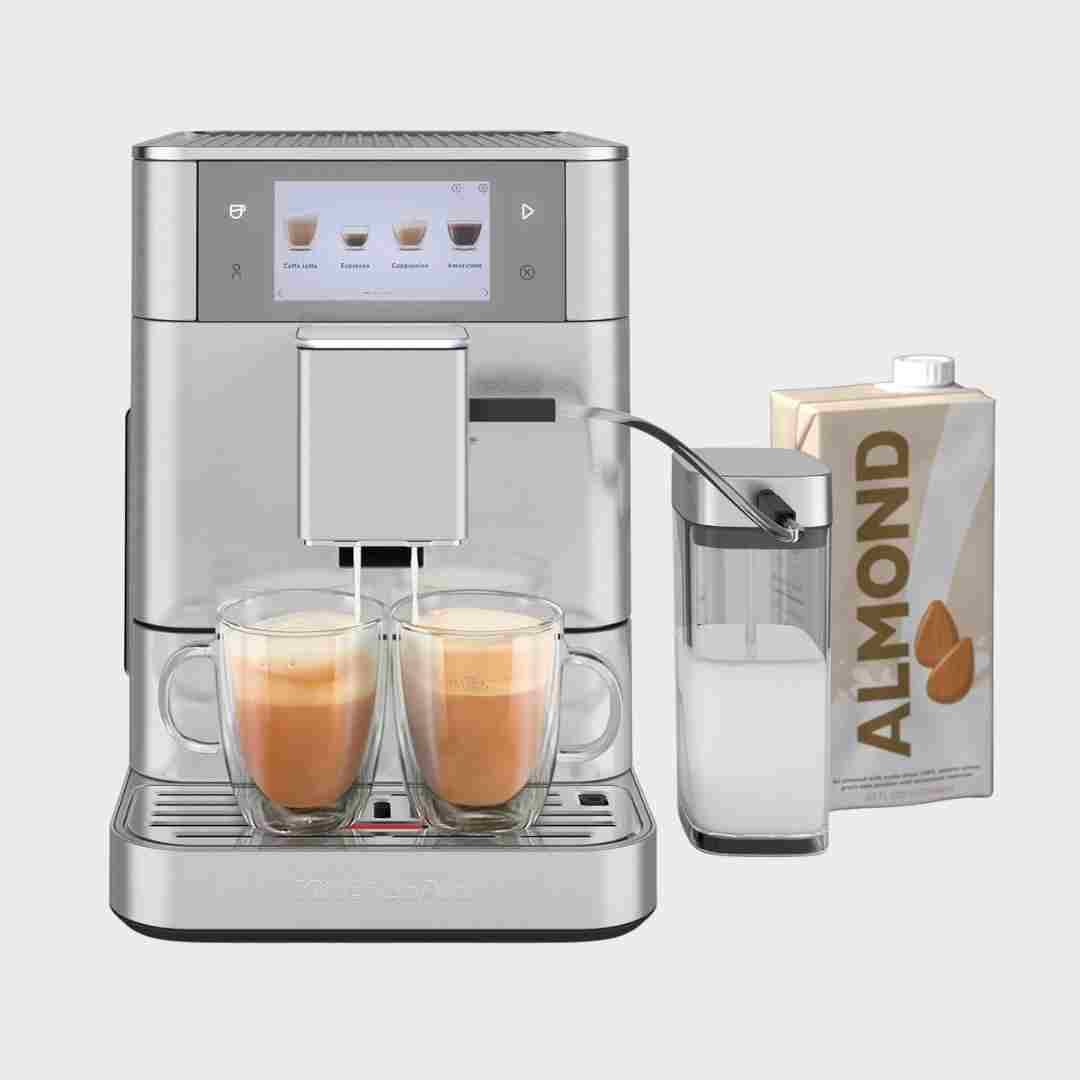
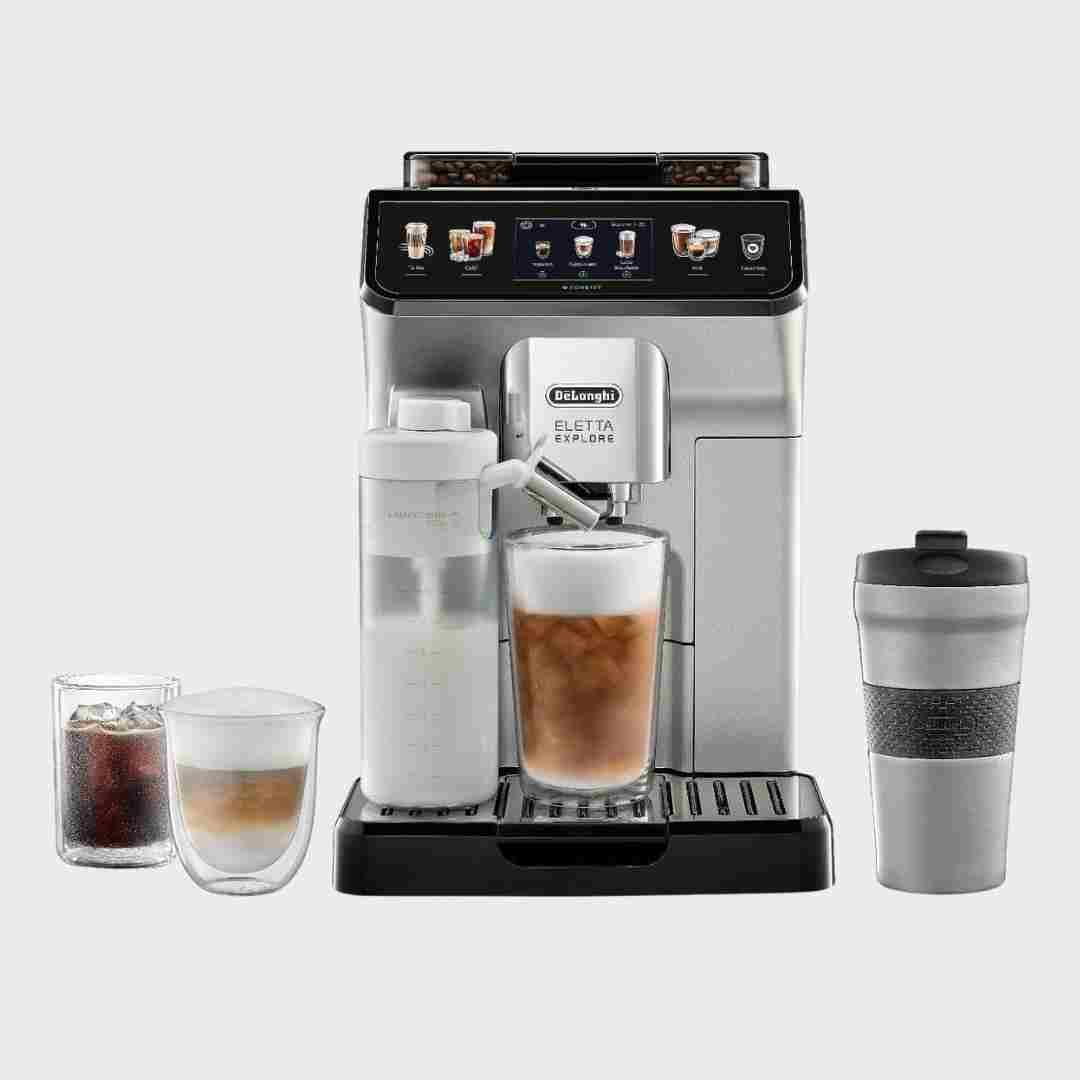
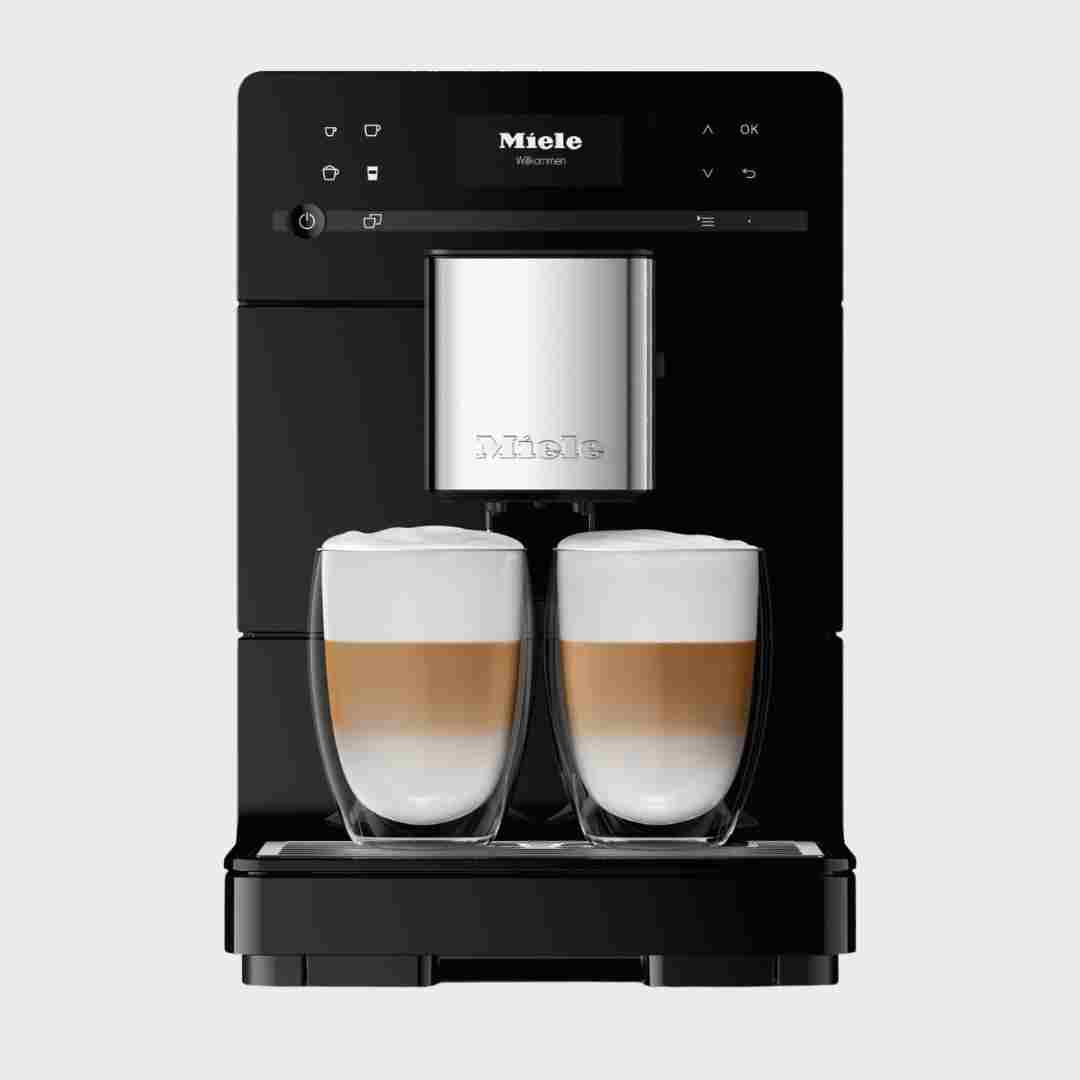
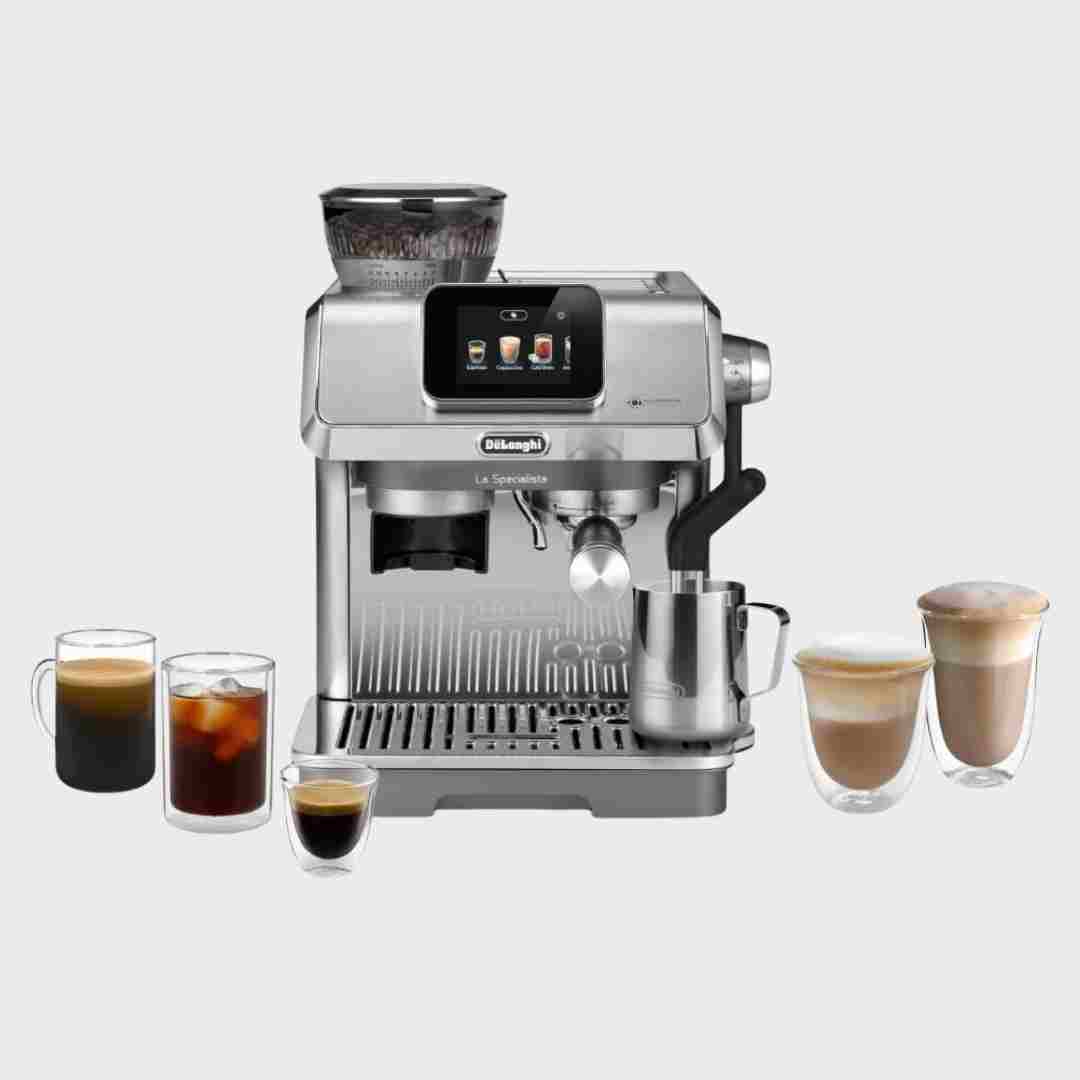
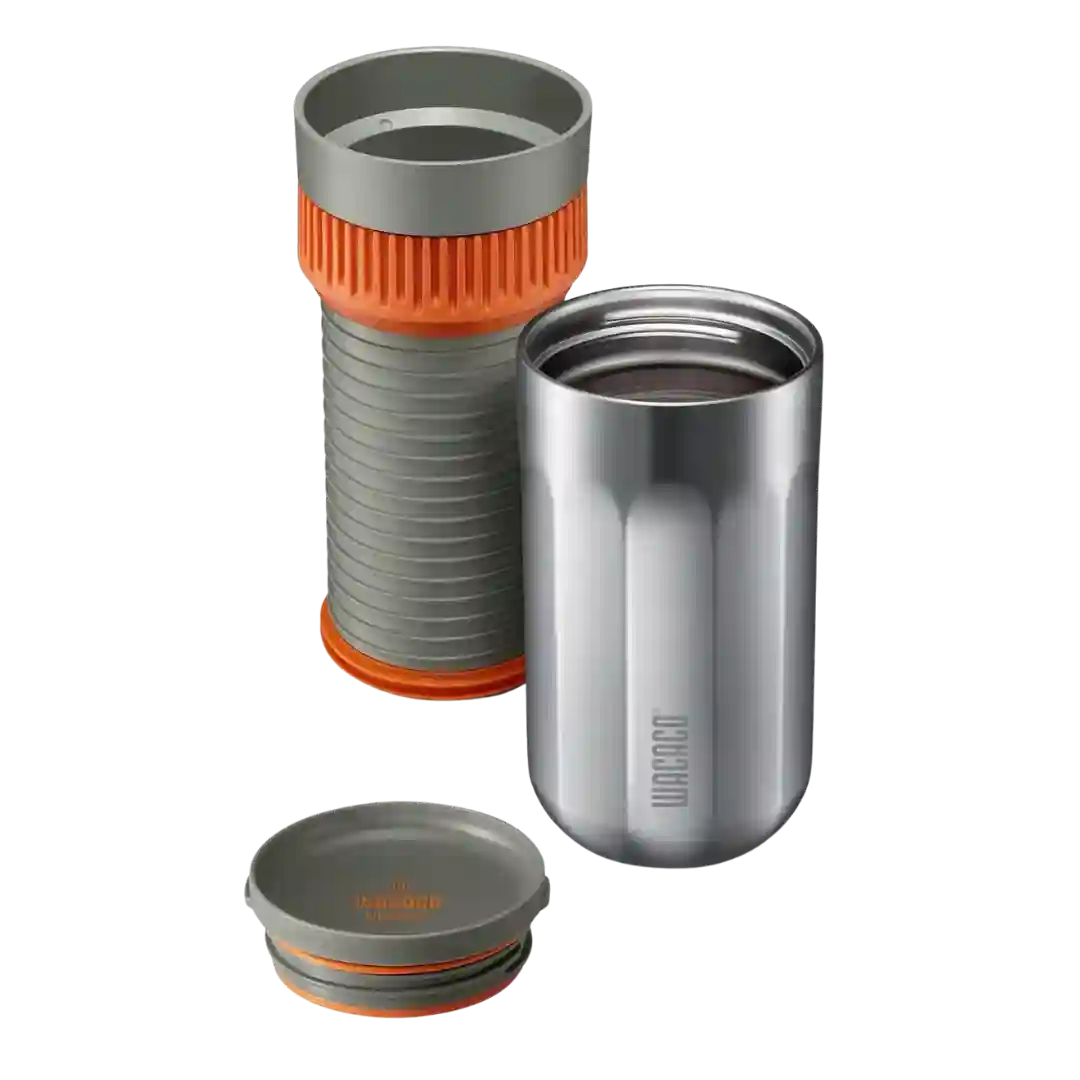
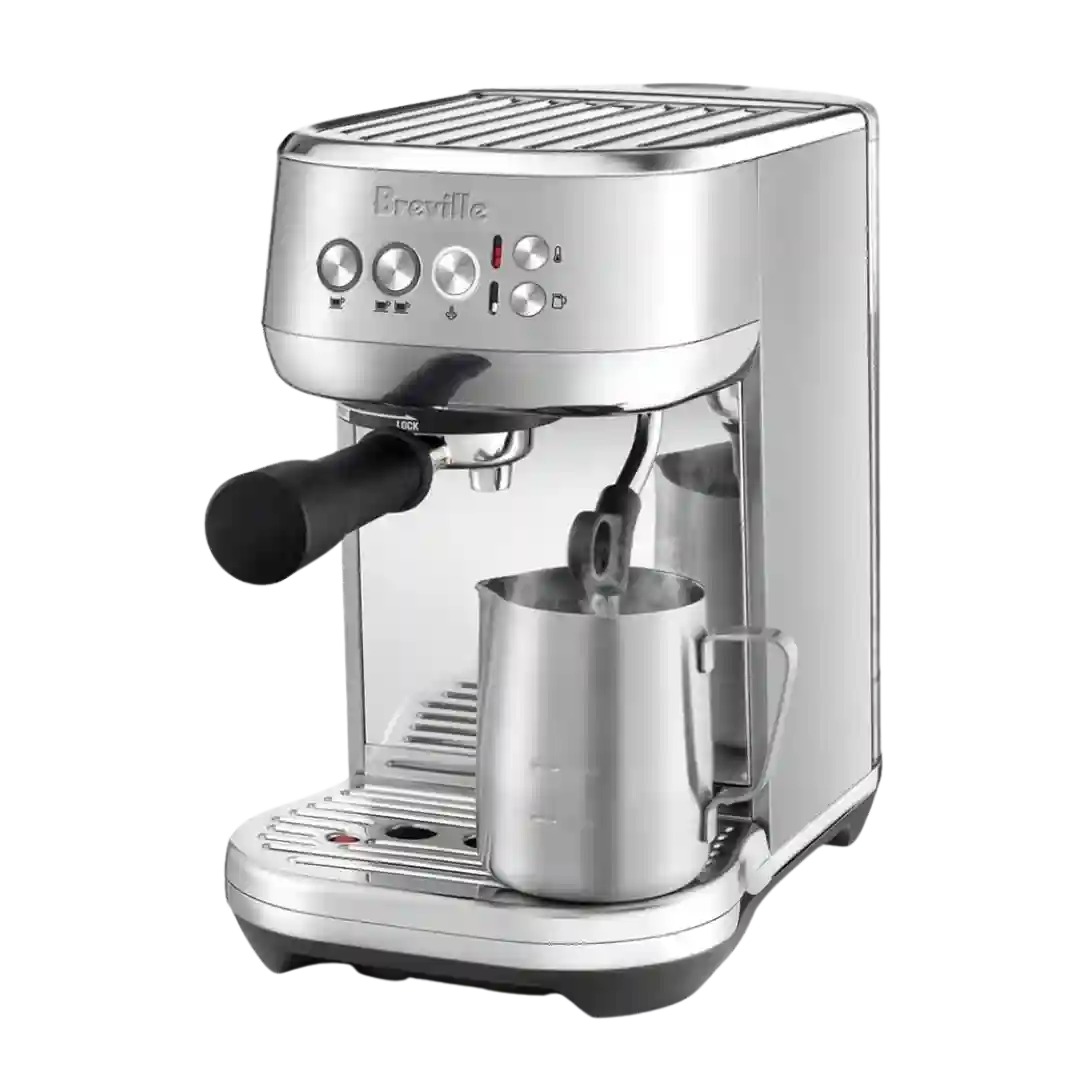
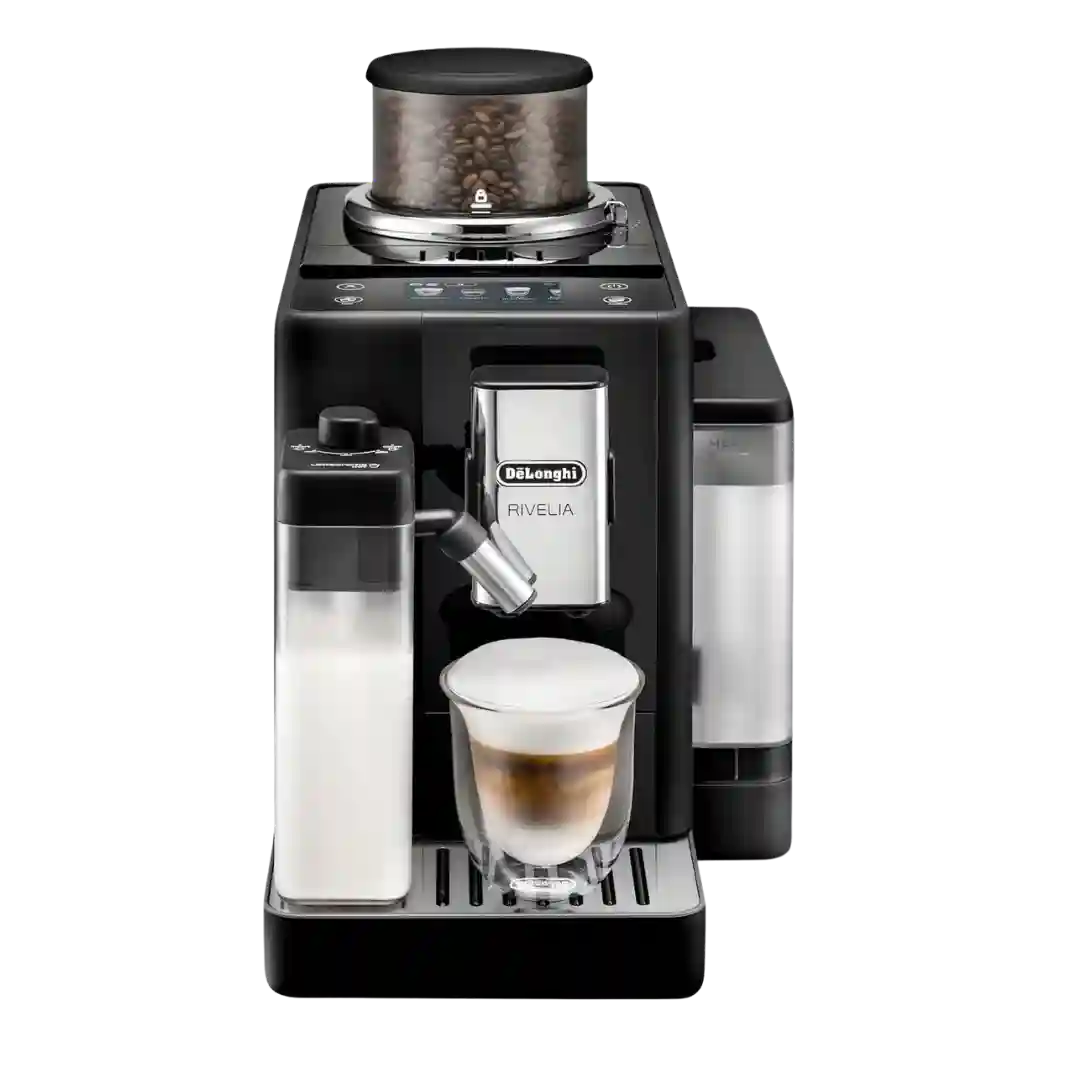
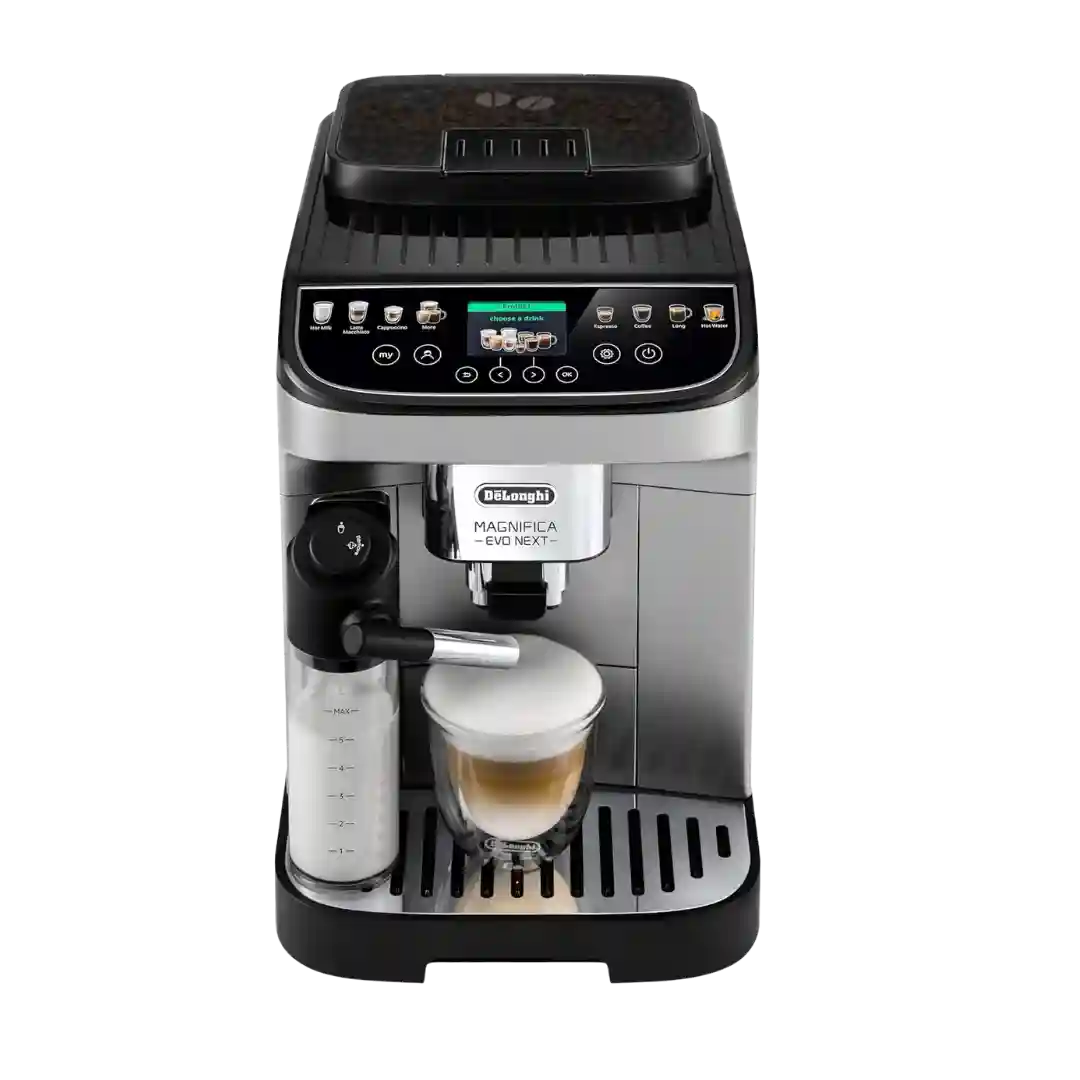
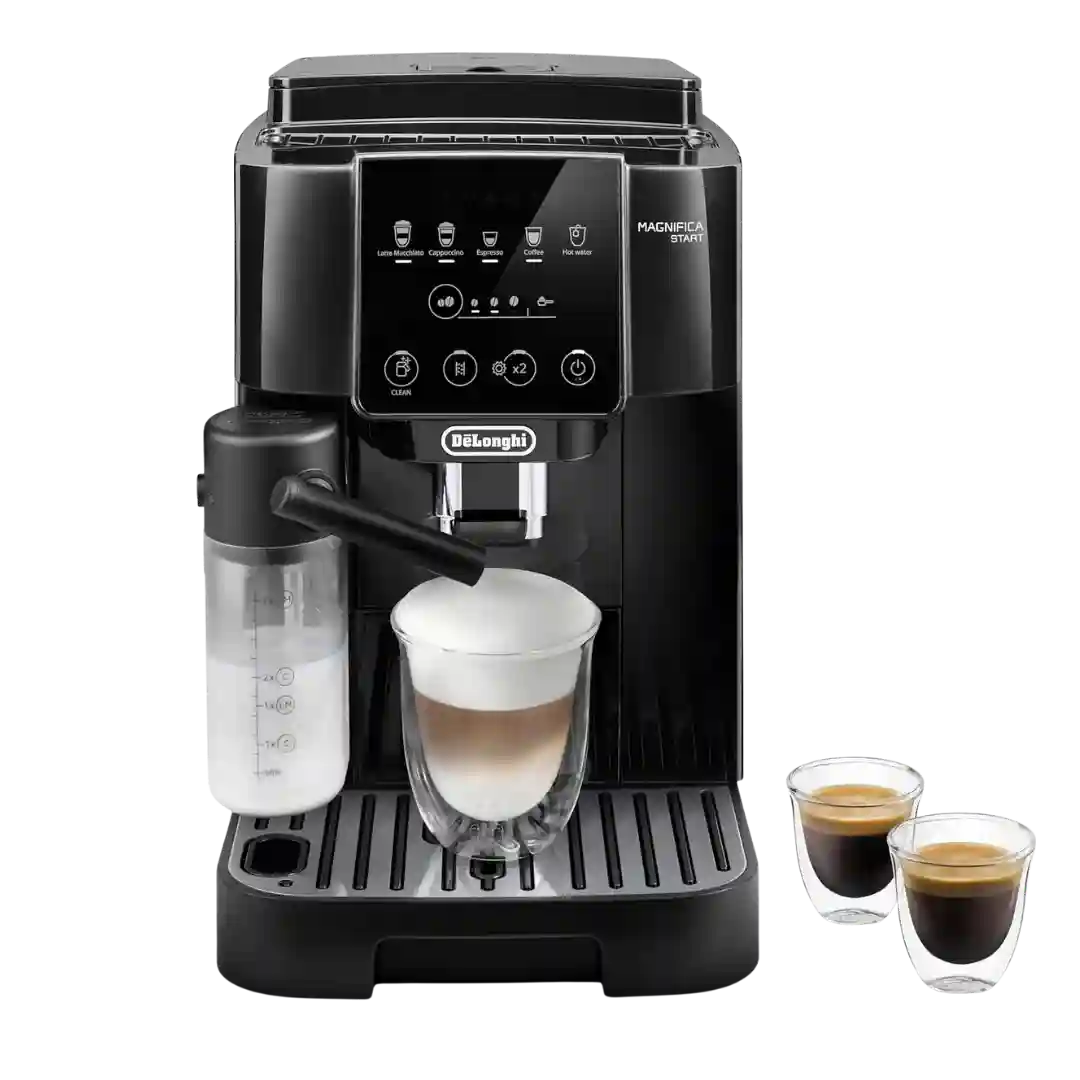
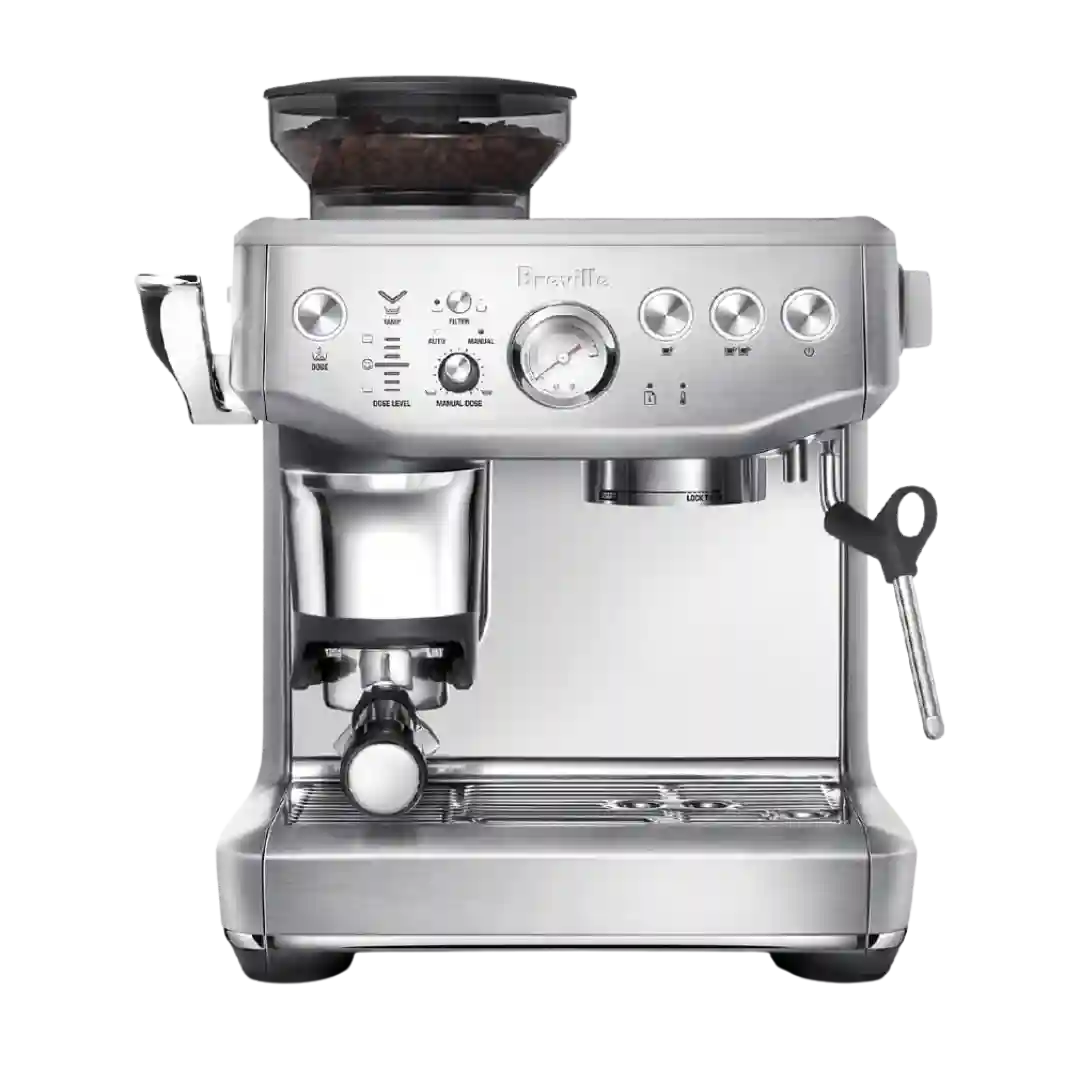
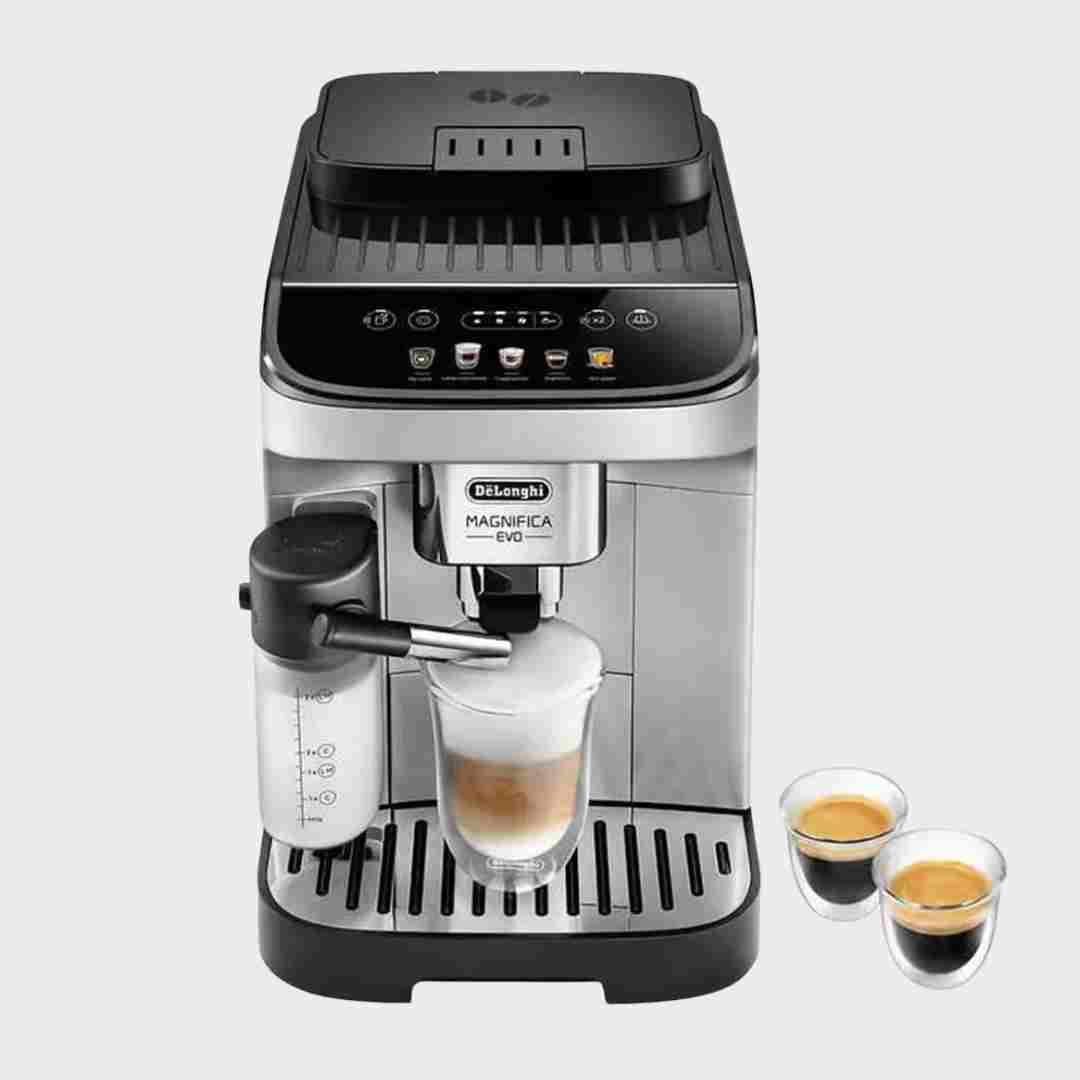
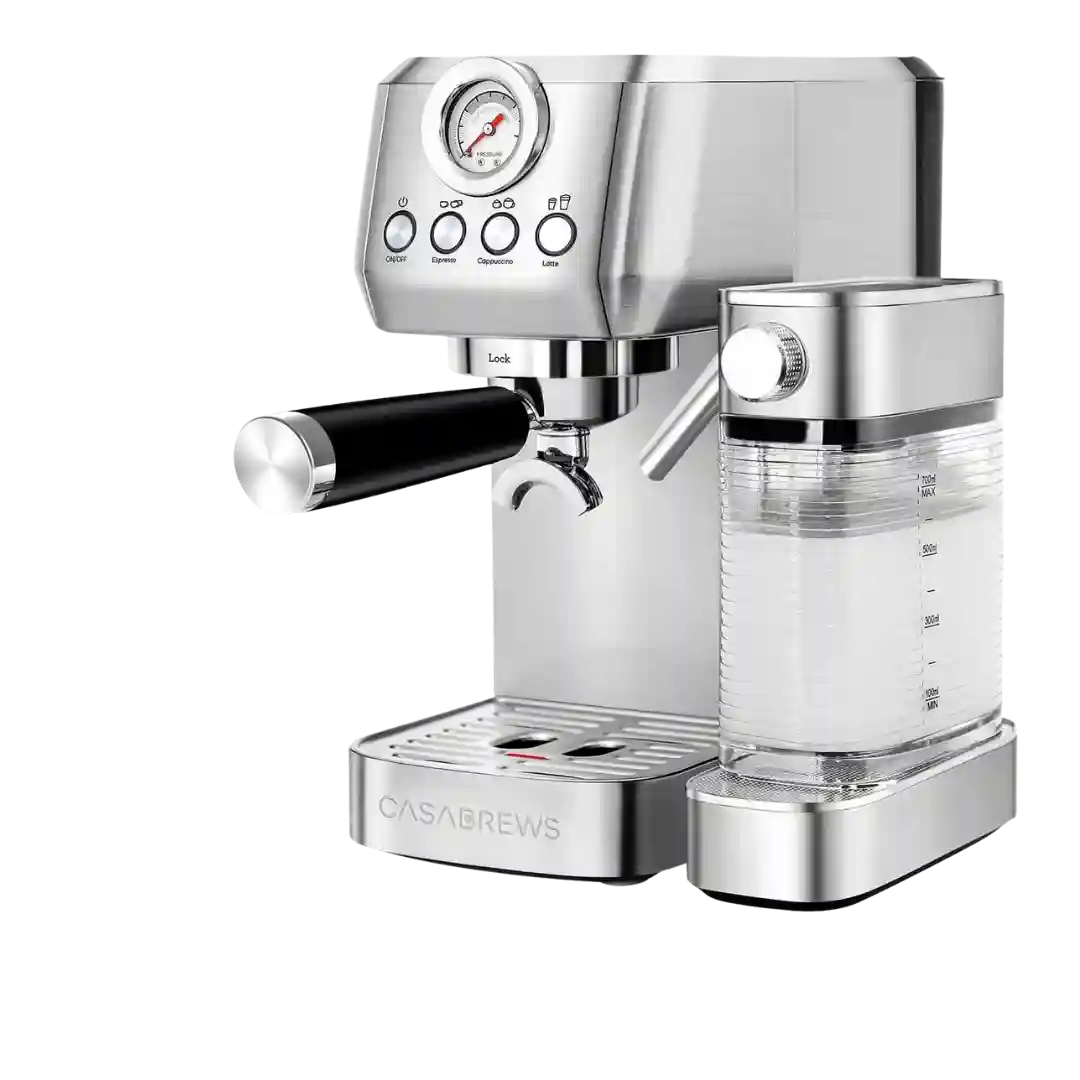
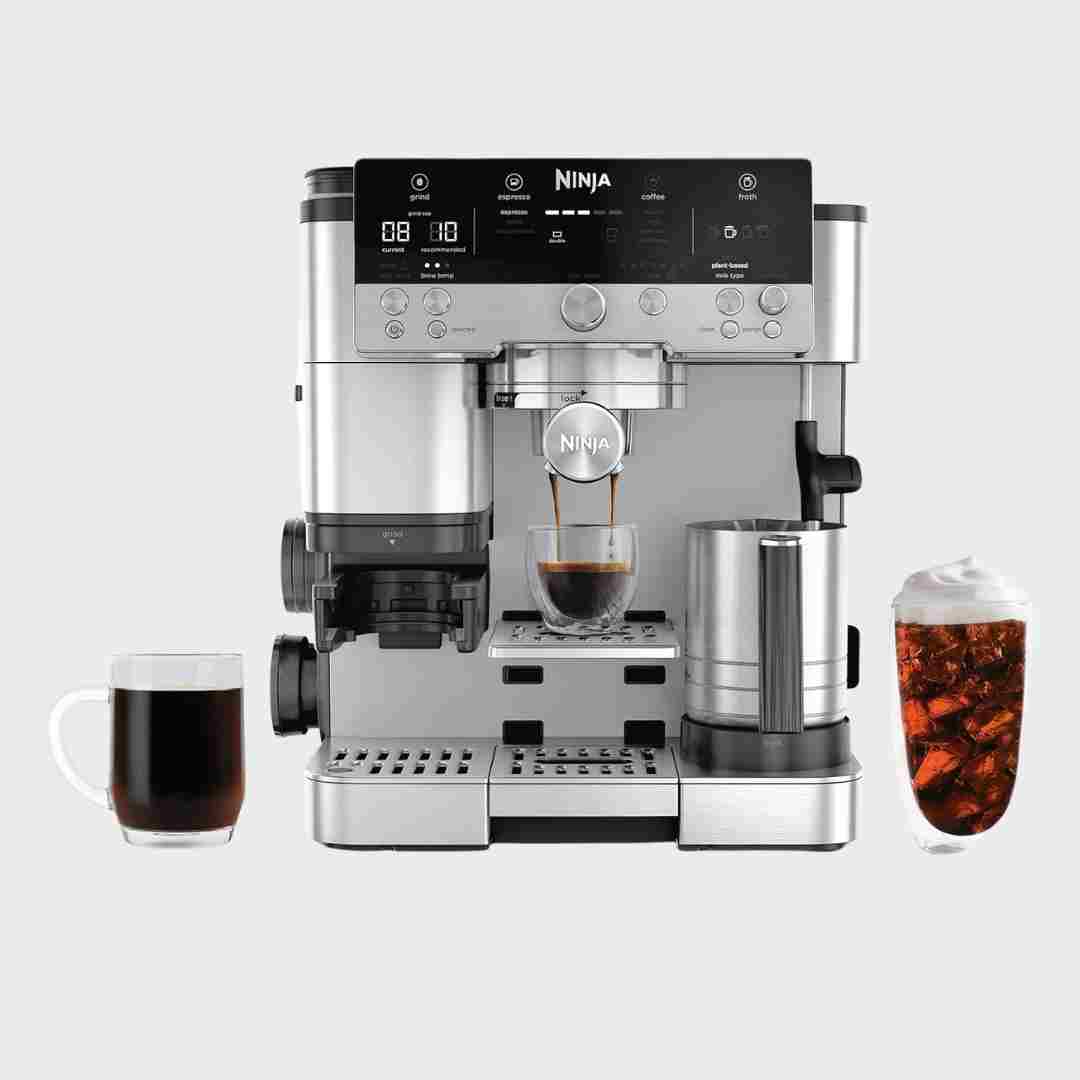
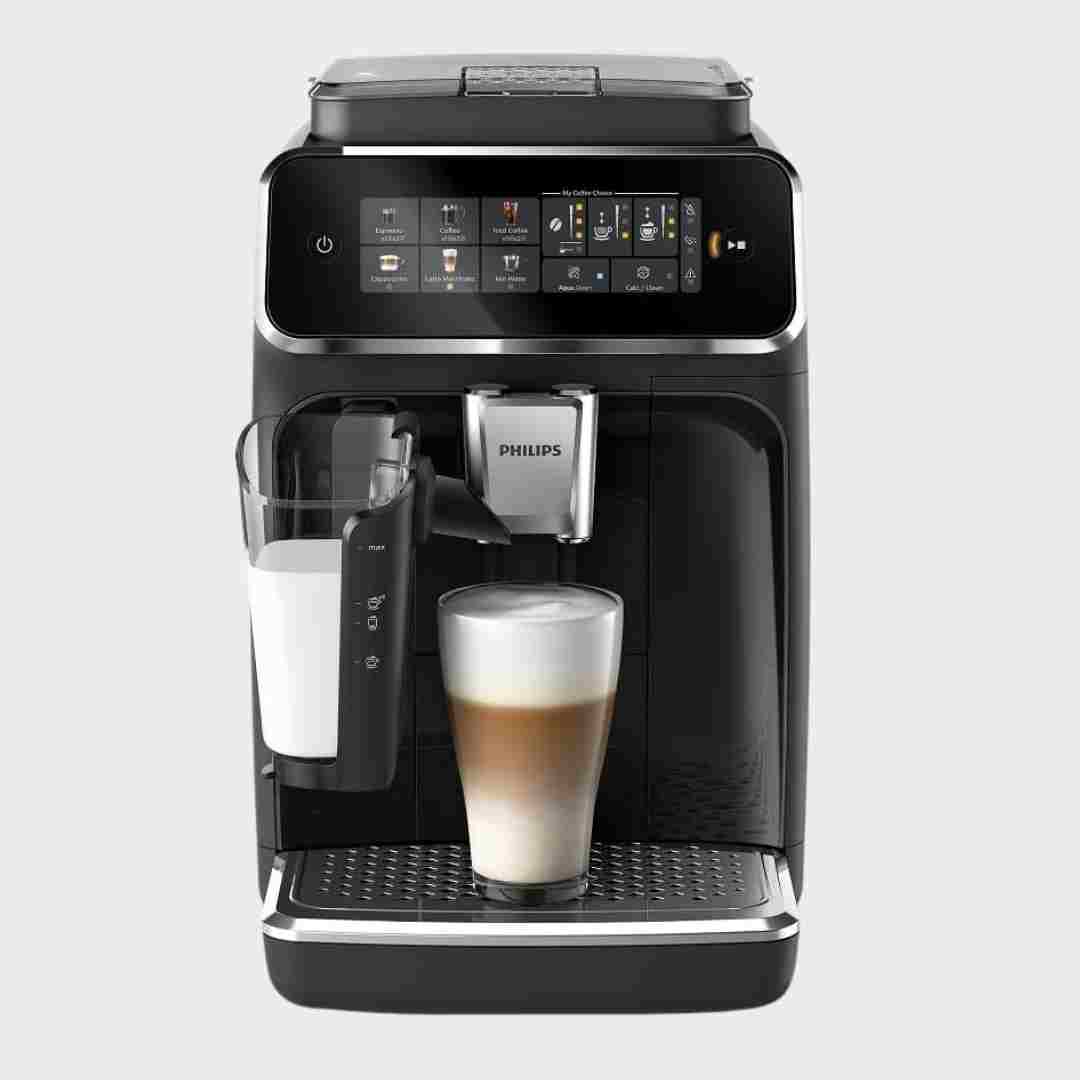
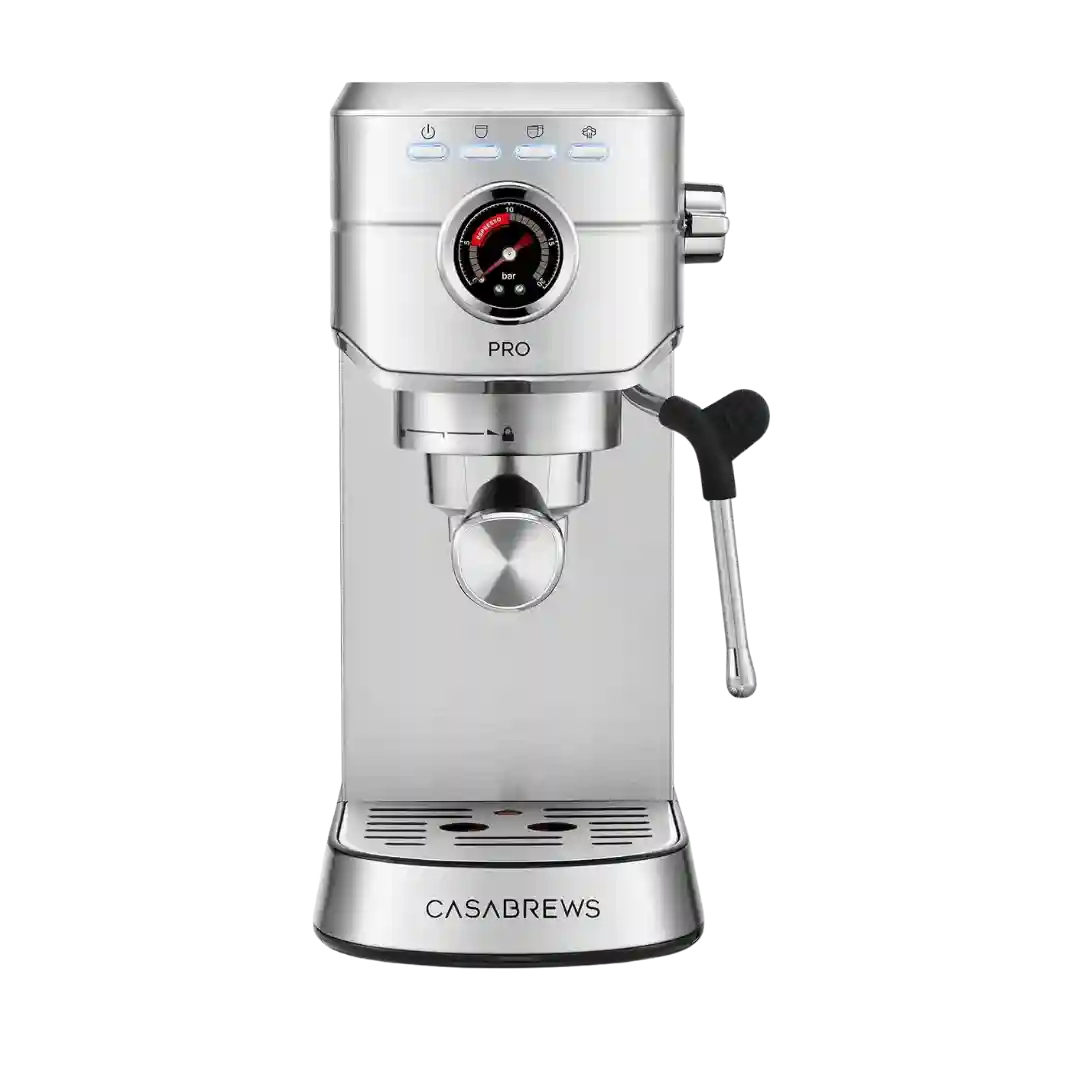
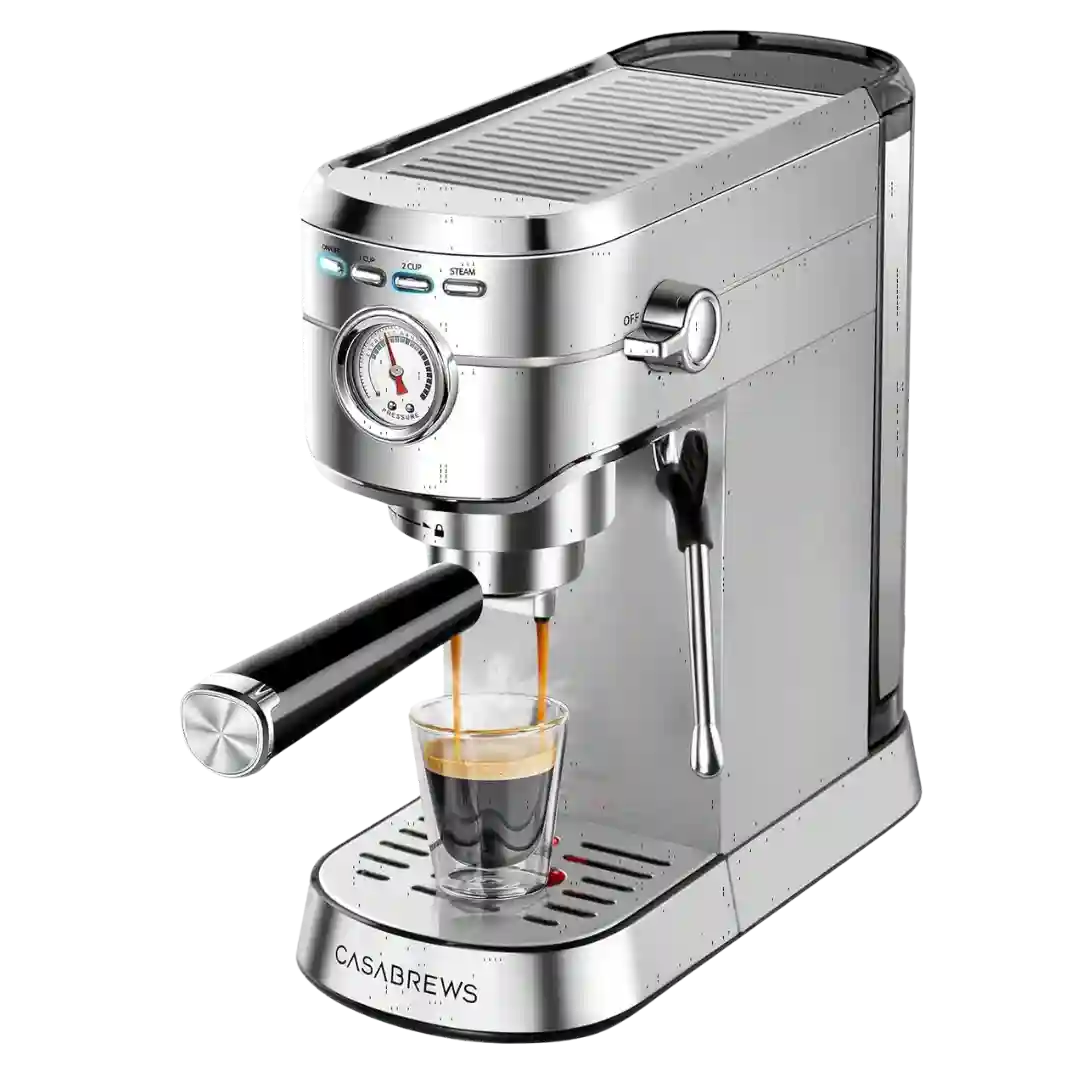
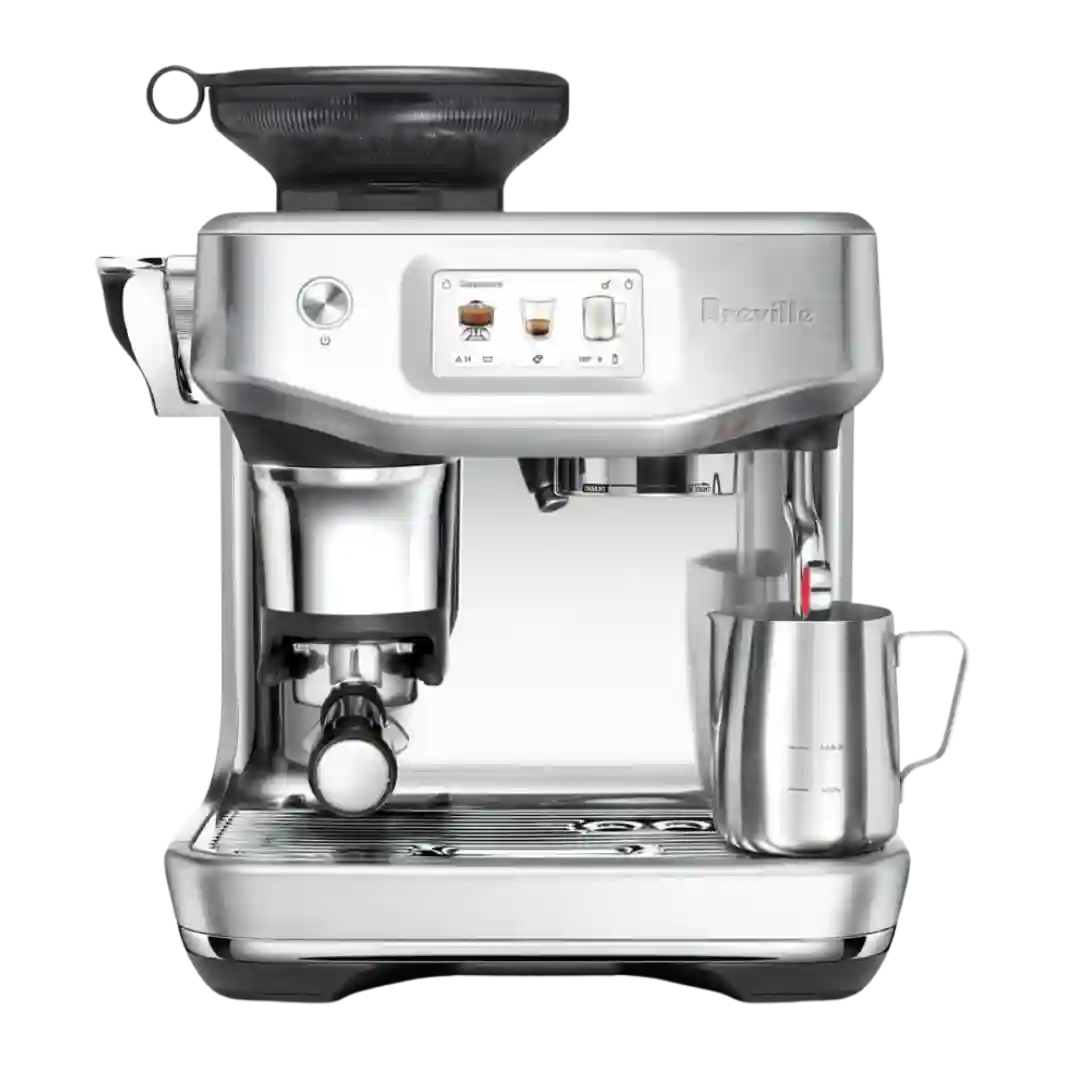
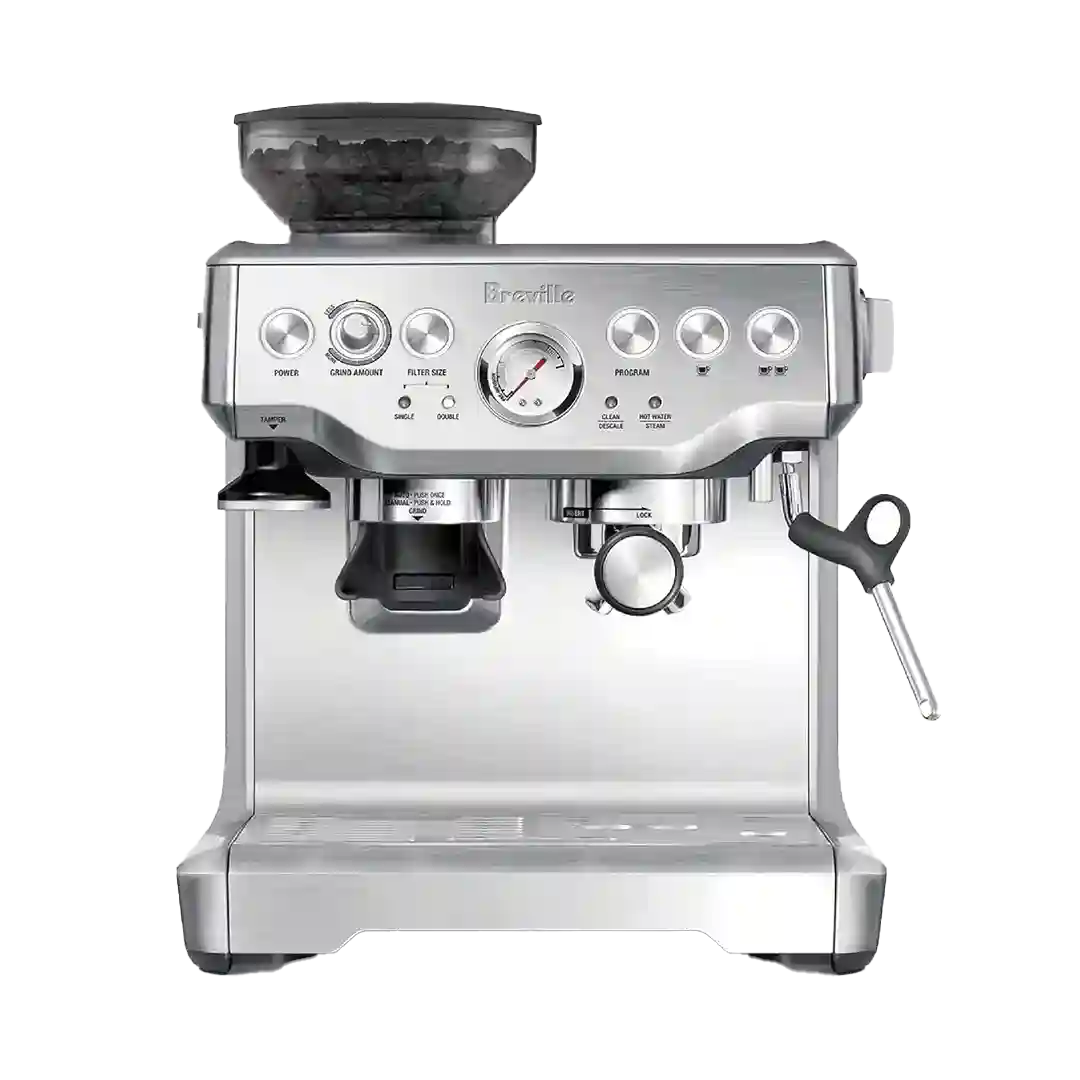
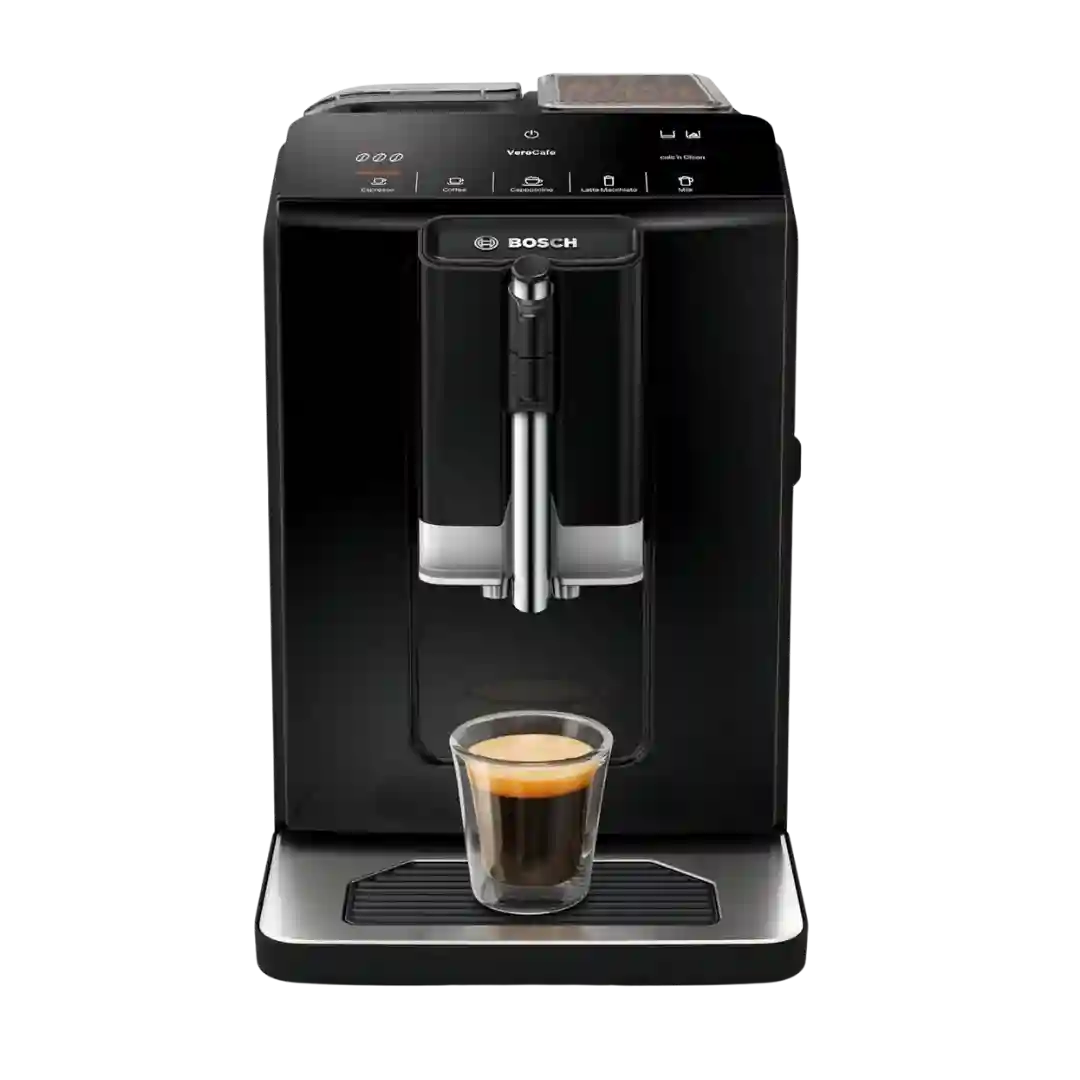
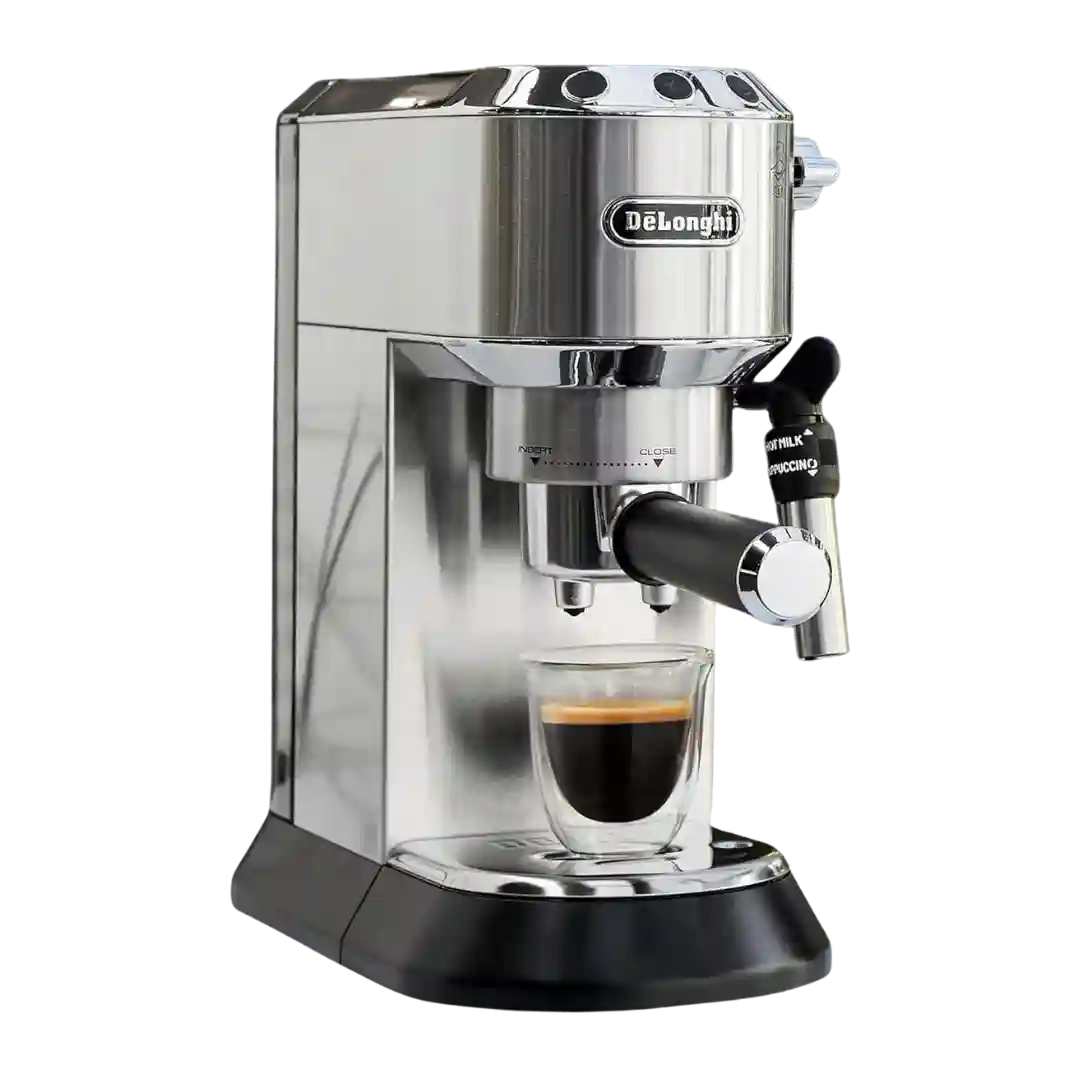
When dialed in, reviewers describe rich, balanced espresso and consistently excellent shots, with one reviewer saying the machine can brew very delicious espresso.
Espresso quality is the headline feature. Across written and video reviews, users describe rich body, dense texture, syrupy shots, strong aroma, and convincing crema, with several saying it rivals far larger and more expensive home machines once dialed in.
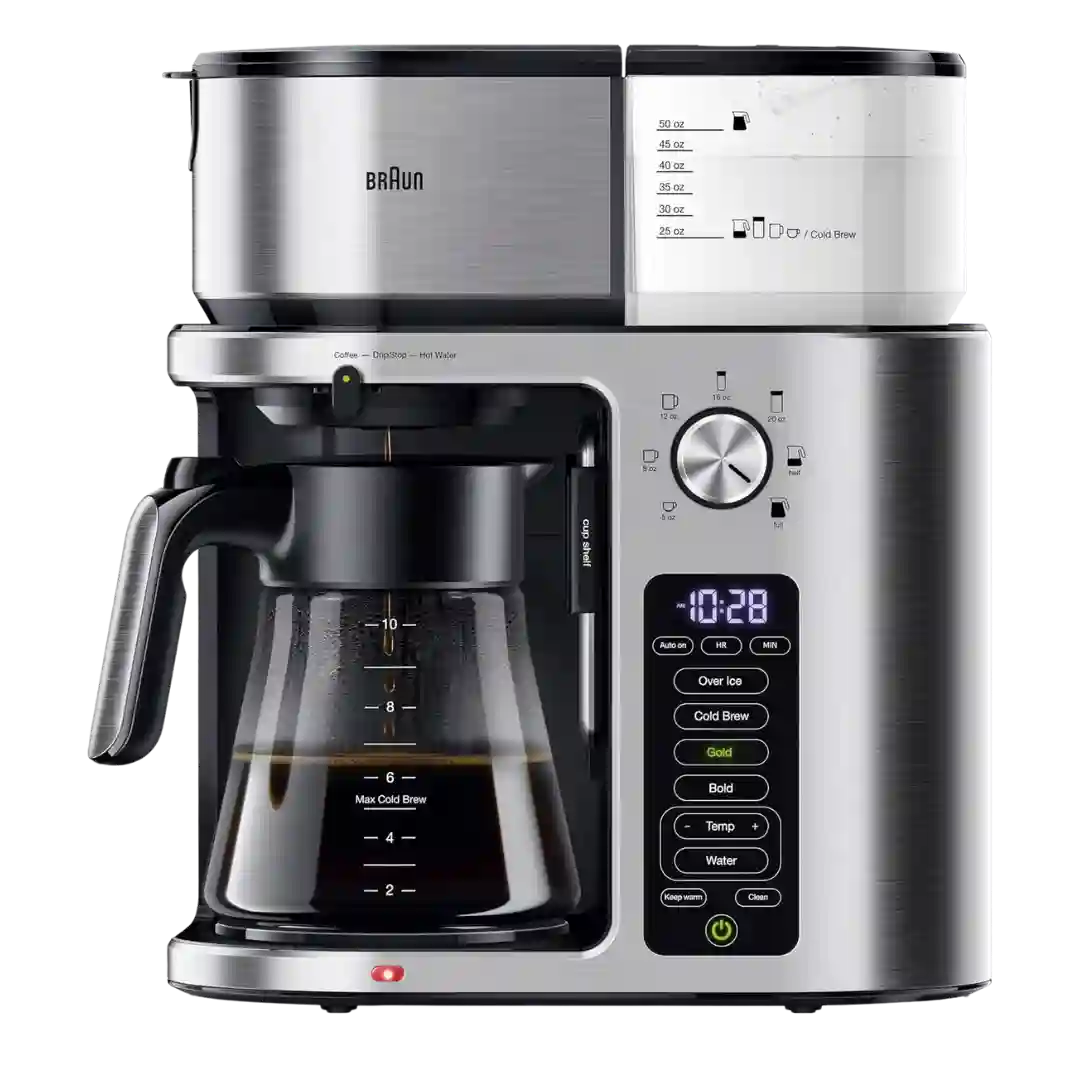
This is a drip machine, but beverage quality is reviewed very positively. Hot coffee was described as rich and flavorful without bitterness, and Braun/SCA materials emphasize strong-tasting drip results.
Across reviews, shot quality is consistently described as cafe-level with rich flavor and strong crema. A few reviewers note first-shot variability if the portafilter is cold and occasional temperature limitations with very light roasts, but most report excellent results once dialed in.
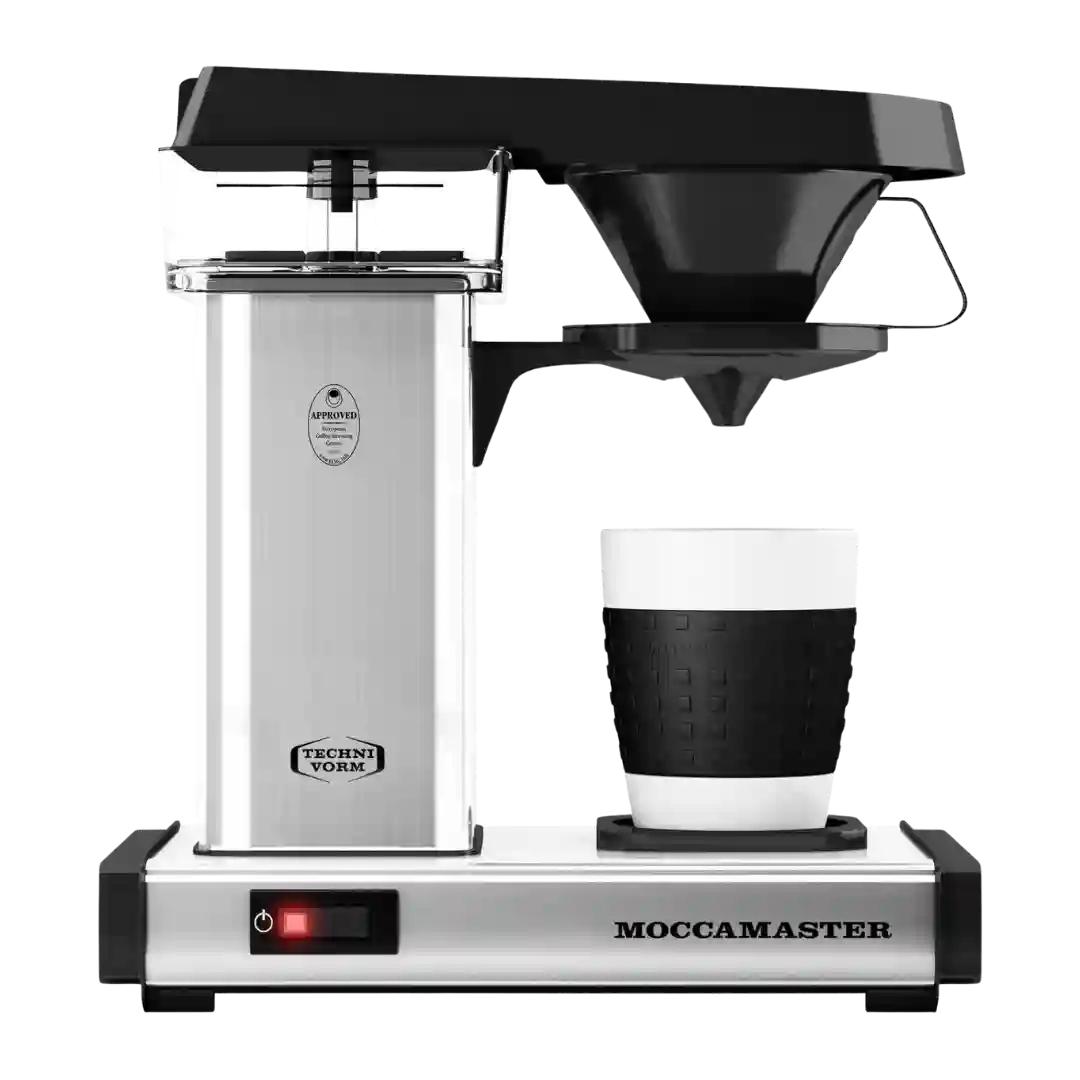
Even though this is a drip brewer rather than an espresso machine, beverage quality scores strongly. Most reviewers describe the coffee as flavorful, balanced, smooth, and often close to specialty pour-over quality when dialed in.
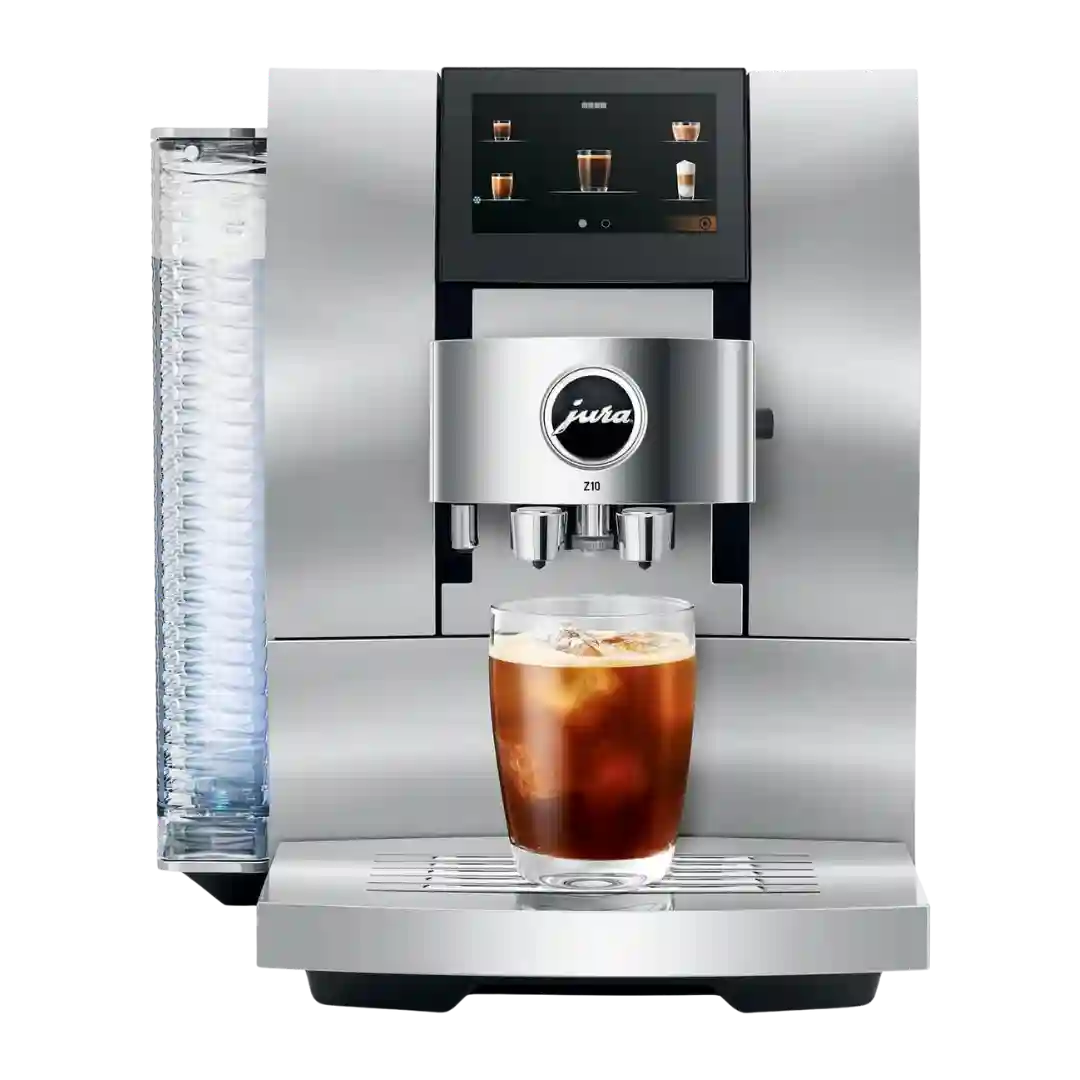
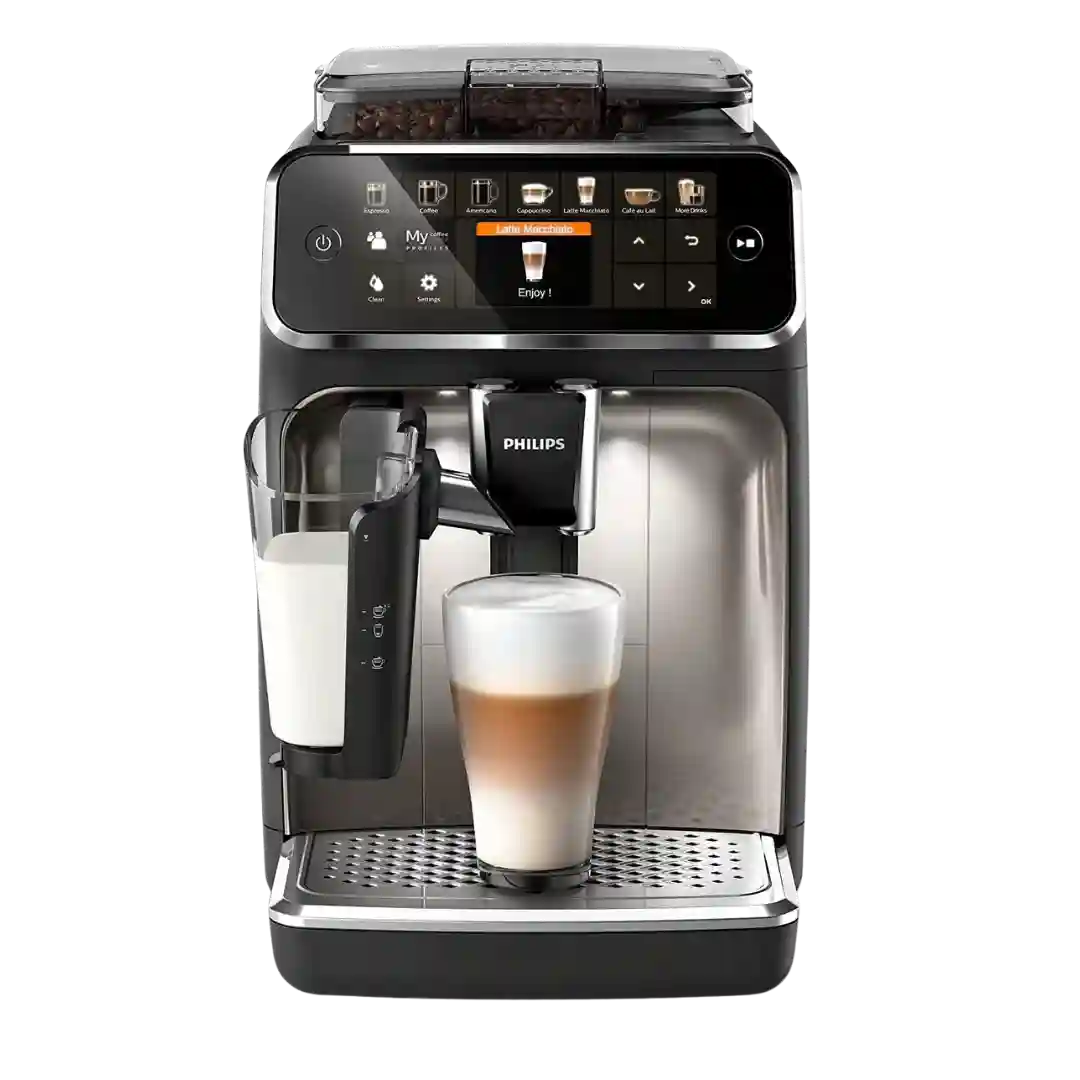
Across reviews, espresso and core coffee drinks land in the rich, cafe-style tier, with thick texture and consistently good flavor. Several reviewers say it will not fully match a dialed-in traditional setup, but it outperforms many cafes and other superautomatics for repeatable quality (426, 3903, 3949, 4057, 14548).
Espresso is the clear highlight, with repeated praise for flavor, crema, and strength. Milk drinks are good overall, but cappuccino foam and Americano depth draw more mixed reactions.
Reviewers consistently praise syrupy, crema-forward espresso and adjustable strength/temperature, though some note you still need a little experimentation to dial it in.
Espresso and drink quality are a highlight in most reviews, described as full-bodied and consistently excellent for a super-automatic. A few reviewers are less impressed, noting the shots are good but not truly specialty-cafe level for enthusiasts.
Espresso and milk-drink bases are a highlight: multiple reviews describe syrupy, crema-forward shots that beat many superautomatics, especially in stronger double-shot modes. Flavor nuance still won’t match a dedicated manual setup, but quality is repeatedly called “excellent.”
Reviews consistently describe the espresso as strong and enjoyable once dialed in, with good crema and reliable flavor for a super-automatic. A few note it can lack the depth of a good manual machine or produce lighter crema depending on beans and grind.
Beverage quality is a highlight: reviewers describe smooth, aromatic espresso with good crema and satisfying milk drinks. Customization (strength, temperature, volume, and milk parameters) is repeatedly credited for dialing in taste.
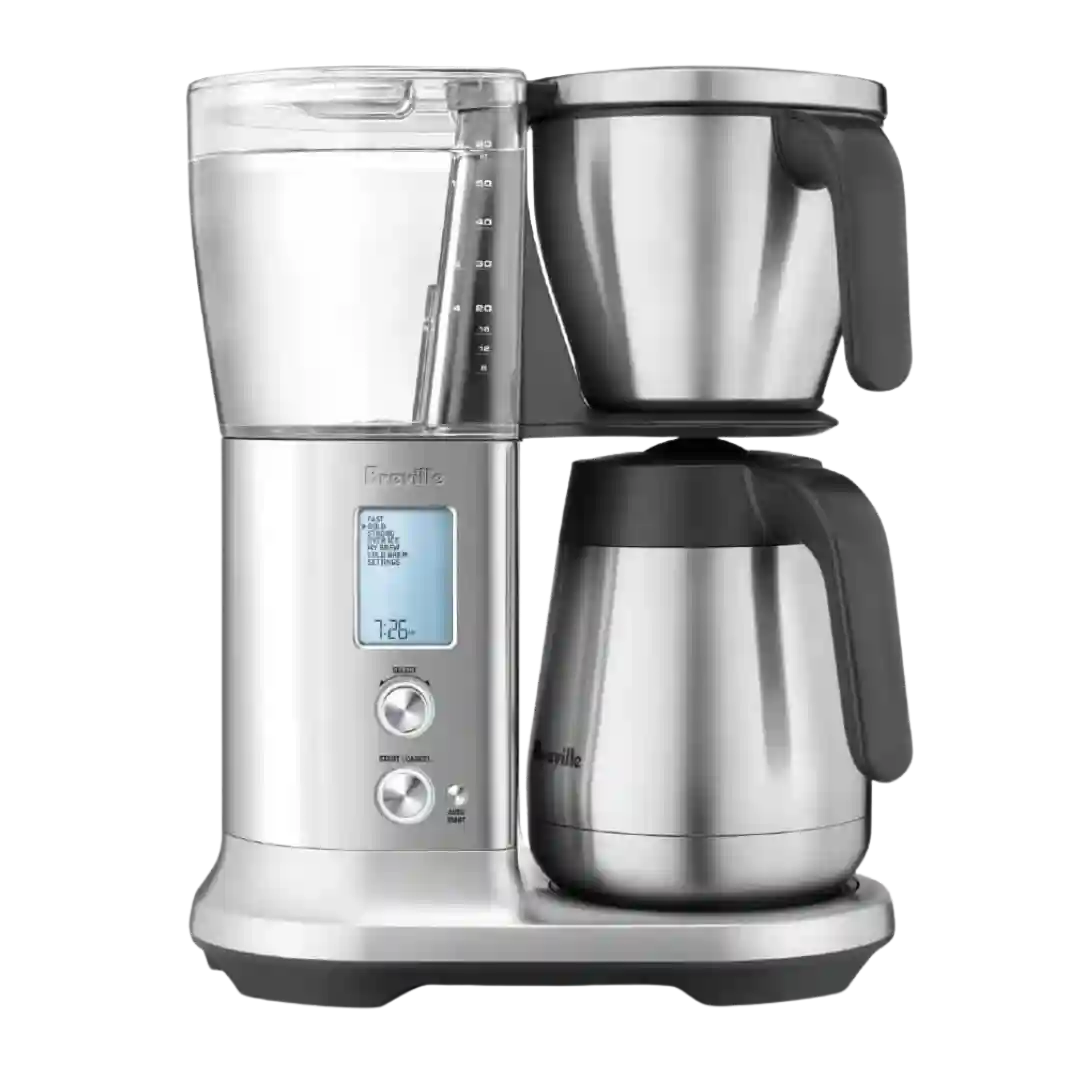
Even though this is not an espresso machine, beverage-quality comments are strongly positive in the supported reviews, with coffee described as delicious, smooth, coffee-shop-like, or café-quality.
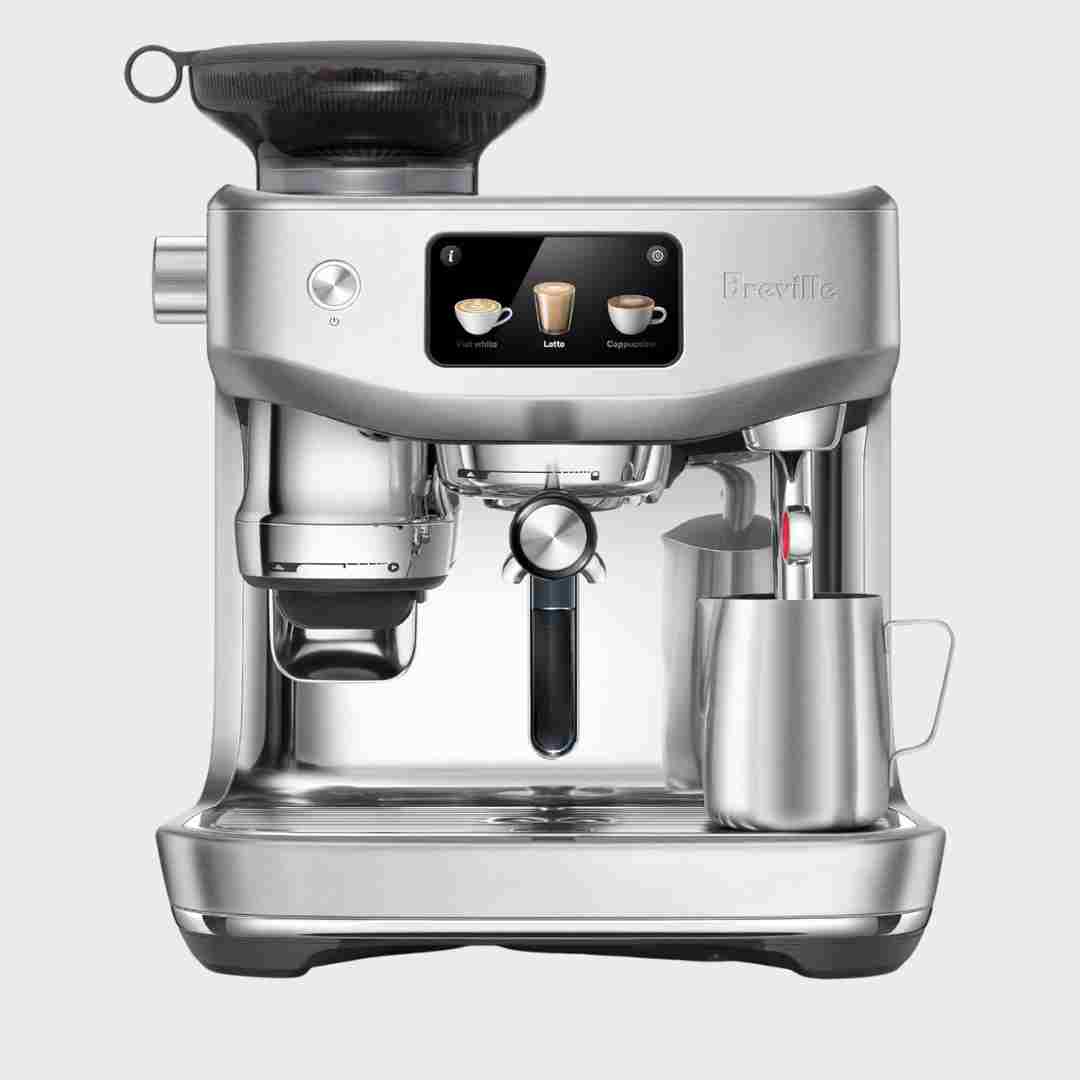
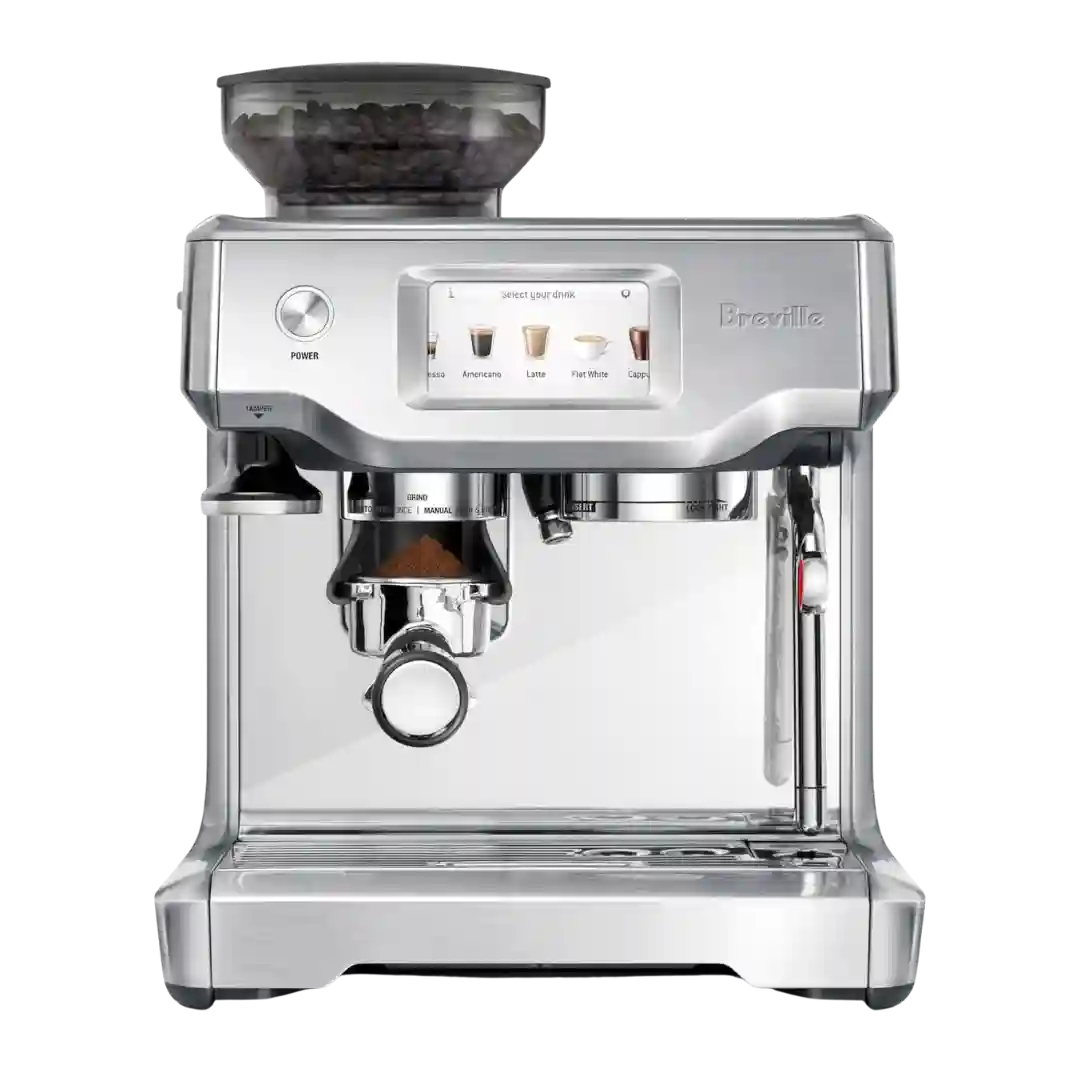
Across the reviews, the Barista Touch is described as capable of producing genuinely cafe-style espresso and milk drinks once it is dialed in, with good flavor and crema for a mid-range all-in-one machine. Results depend on grind, dose, and puck prep, but most reviewers are happy with the drink quality for everyday home use.
Most reviewers describe the espresso and milk drinks as high quality, with solid crema and good flavor once dialed in. A more critical take says shots can be good but feel limited by pressure and grind-step constraints, especially when chasing specialty-style nuance.
Cup quality is a clear positive across the file. Reviewers describe smooth, tasty, balanced, aromatic coffee, and one called the result a superior cup, though the espresso result remains espresso-style rather than true espresso.
Reviews say it can produce cafe-style espresso once we dial in grind and dose, with better results when paired with a capable grinder. Expectations stay realistic: it is not a prosumer platform, but it regularly delivers satisfying shots for the price and size.
Espresso and milk drinks are broadly rated as rich and satisfying, with repeated praise for crema and chocolatey notes. The main caveat is nuance: some reviewers say it cannot match the depth of a manual portafilter shot, and default strength can lean mild unless adjusted.
Reviews generally like the drinks for a super-automatic, especially milk-based options, while noting straight espresso can be less intense or nuanced than what we get from a semi-automatic setup.
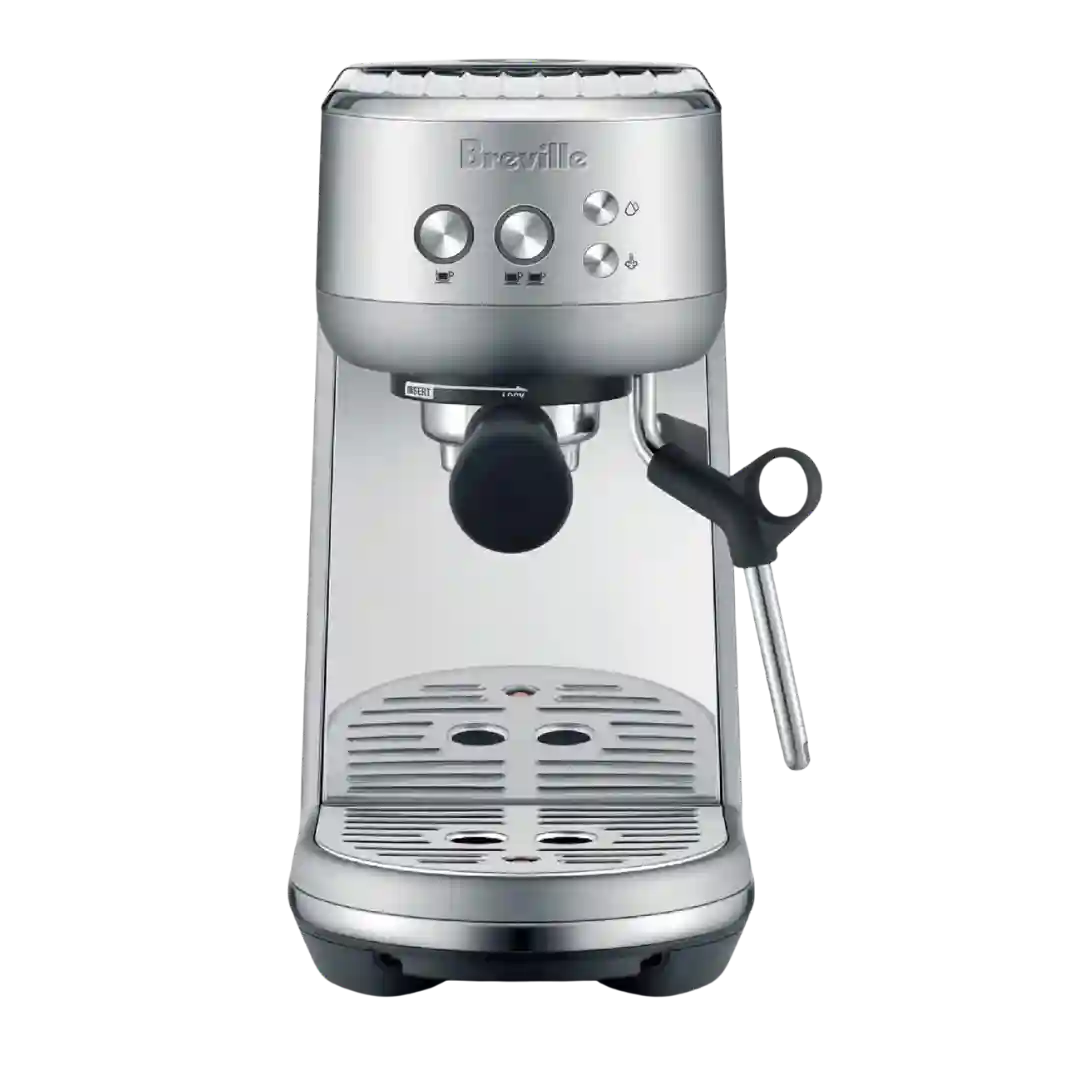
When paired with decent beans and an espresso-capable grinder, reviewers say the Bambino can produce genuinely satisfying, cafe-style espresso and milk drinks. Pressurized baskets are also credited with helping beginners get acceptable crema and body when using pre-ground coffee.
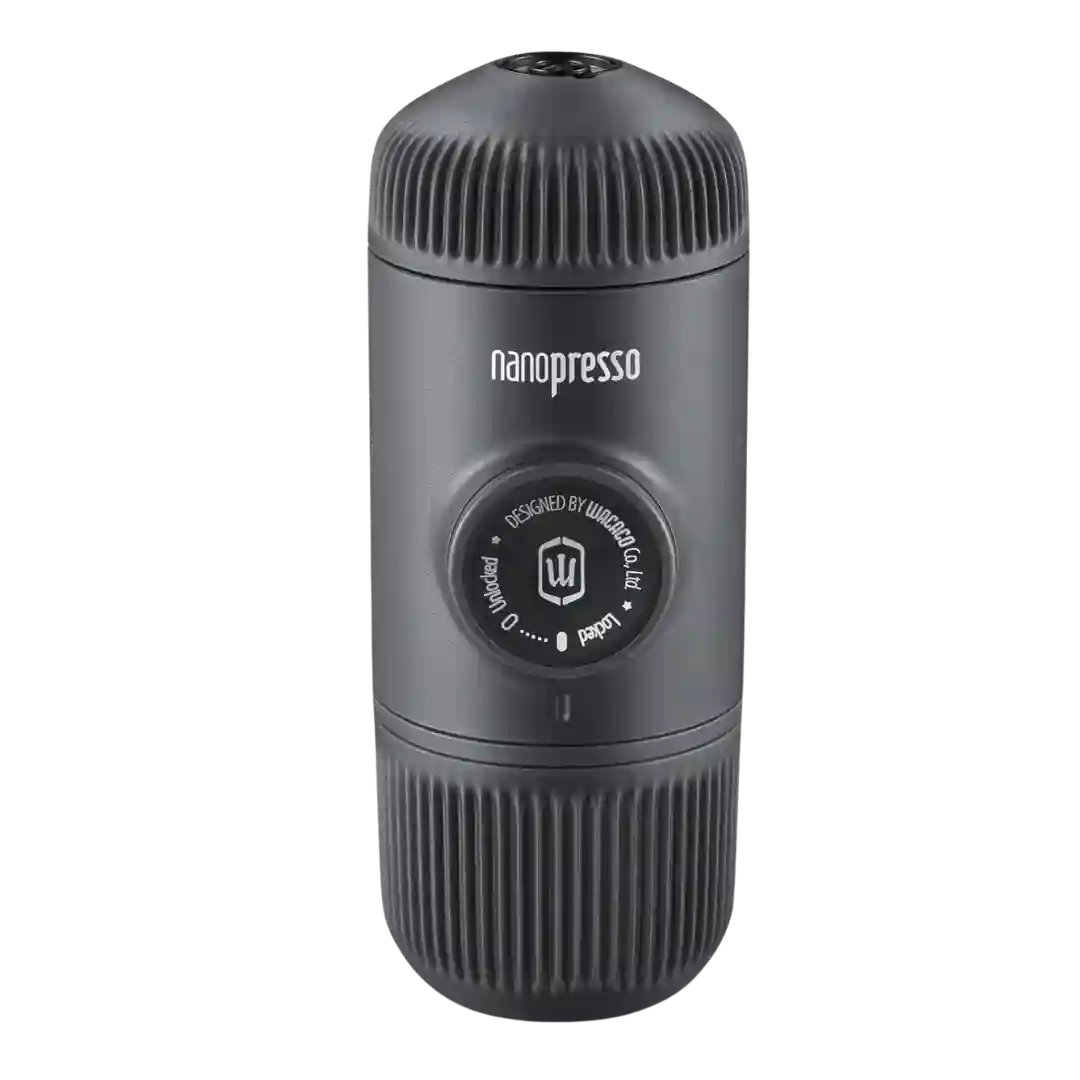
Reviewers generally find the coffee enjoyable, crema-topped, and impressive for a portable manual brewer, though several note it is lighter or less authentic than café-quality espresso.
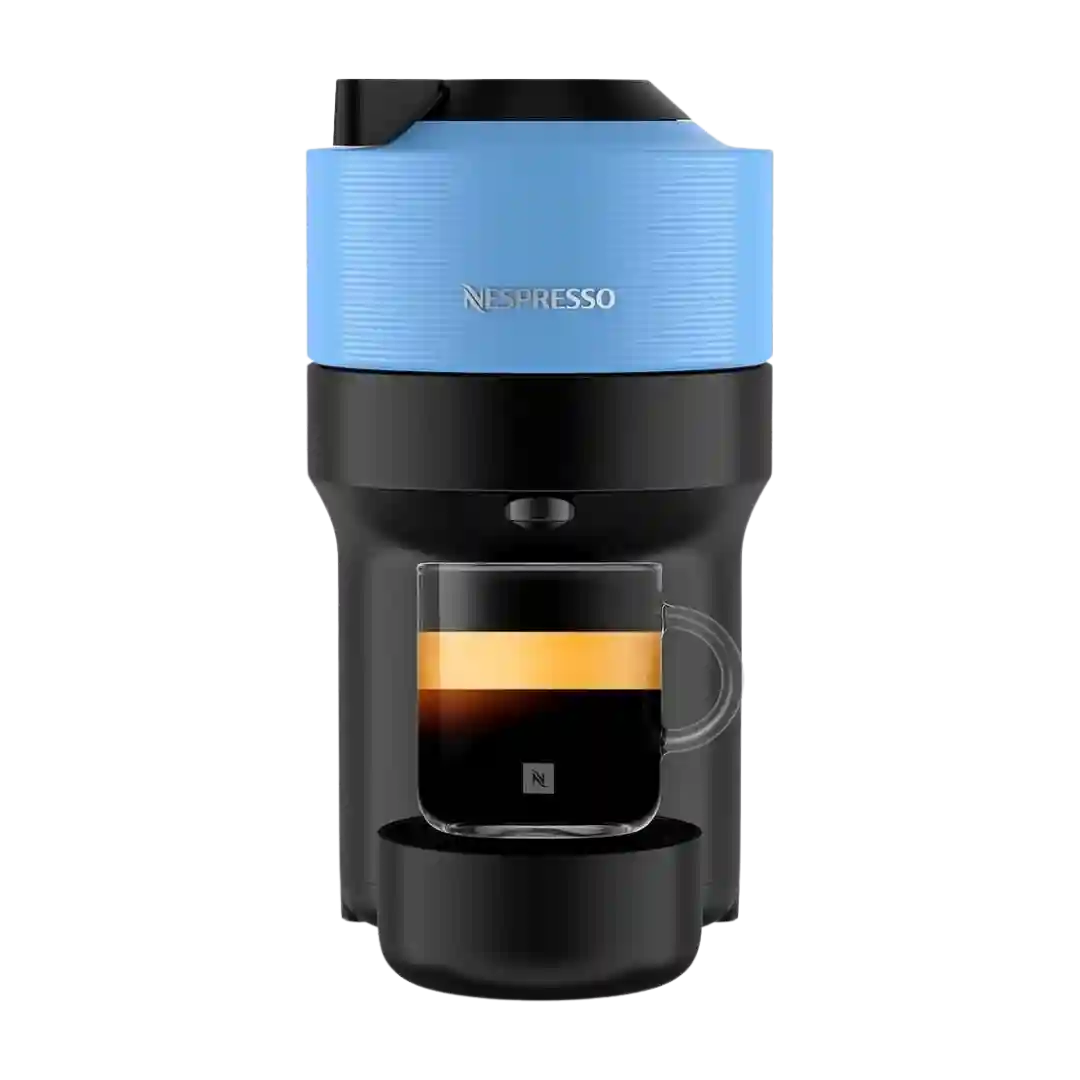
Coffee quality is usually rated highly for a pod machine: flavorful black coffee with a thick crema and appealing aroma. Some note it does not mimic traditional pump-espresso and capsule choice can influence bitterness and perceived strength.
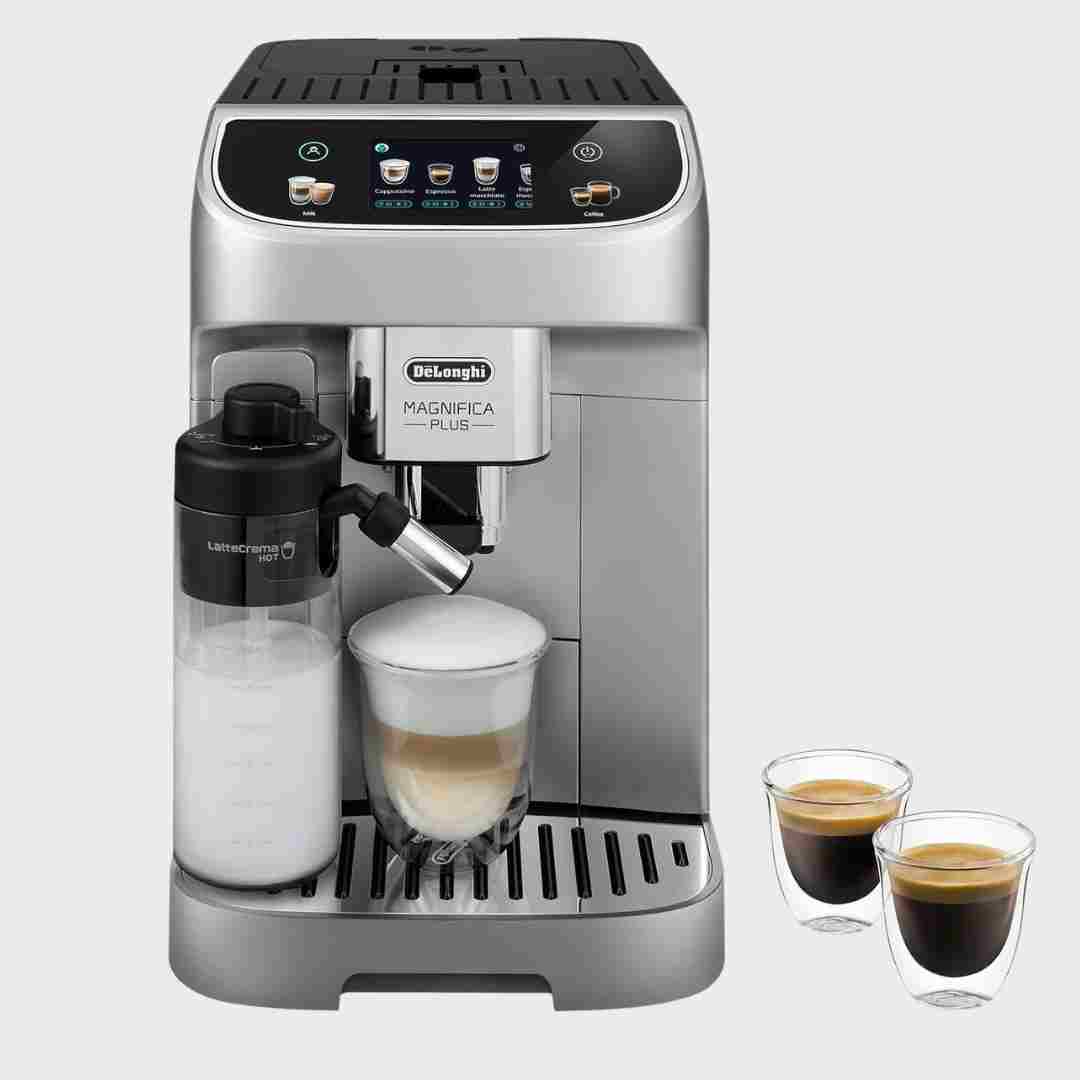
Across reviews, espresso quality lands in the good-to-very-good range for a super-automatic, with multiple testers calling out strong flavor and thick crema. The biggest caveat is that it can struggle at the extremes (very fine grinds or very high doses), and it is not as intense as De’Longhi’s higher-tier Magnifica Plus in side-by-side comparisons.
Espresso and coffee quality are repeatedly rated strong for the price: good crema, satisfying flavor after dialing grind/strength, and generally hot beverages. Reviewers often consider it a step up from pods and some competing entry machines.
Most reviews describe the shots as rich and cafe-like once dialed in, with the Impress system helping avoid under- or over-extraction. A few testers note cooler brewing or variability that shows up more with light roasts.
Across reviews, espresso is described as reliably tasty with good crema and a classic, full-bodied profile rather than ultra-nuanced third-wave flavors.
Most reviewers describe the resulting espresso and milk drinks as tasty and cafe-like with good crema, especially considering the price point and beginner target. A more critical deep-dive notes it can lack flavor clarity/complexity compared with more advanced setups.
Reviews commonly report surprisingly legit espresso for the price, with good crema and café-style drinks when you use fresh beans and follow the guidance. Espresso purists may still prefer a more traditional machine for maximum control.
Reviews describe espresso and coffee as good-to-very-good once dialed in, but several note it can lag stronger rivals at full MSRP and may taste better after a short break-in period.
Espresso quality can be very enjoyable, especially for milk drinks, with pressurized shots described as flavorful but foamier than true crema. With fresh beans, a capable grinder, and (optionally) non-pressurized/bottomless upgrades, reviewers say it can produce more authentic crema and better body; however, one long test reports under-extracted shots when pressure falls short.
Across reviews, espresso is surprisingly solid for the money, especially for lattes, cappuccinos, and americanos. Pressurized baskets deliver thick crema and forgiving results with pre-ground coffee, though straight shots can taste flatter and lighter roasts may skew sour without temperature tuning.
Most reviews say it can produce cafe-style espresso and milk drinks with good flavor and texture when we use fresh beans and follow the guided workflow. Shot quality still benefits from basic barista habits like proper warm-up and dialing-in.
Espresso quality is a highlight once settings are tuned, with many describing rich flavor and crema; the main limiter is technique (grind, dose, tamp) rather than raw machine capability.
Reviews split: some praise rich, balanced espresso with good crema, while several others report lukewarm output around 127°F that tastes weak or under-extracted.
Shot quality is commonly described as enjoyable and better than typical entry-level machines, especially with dark roasts and fresh grinding. Several reviews also note the pressurized basket can make espresso a bit watery or less full-bodied, and light-roast extraction is a known limitation.