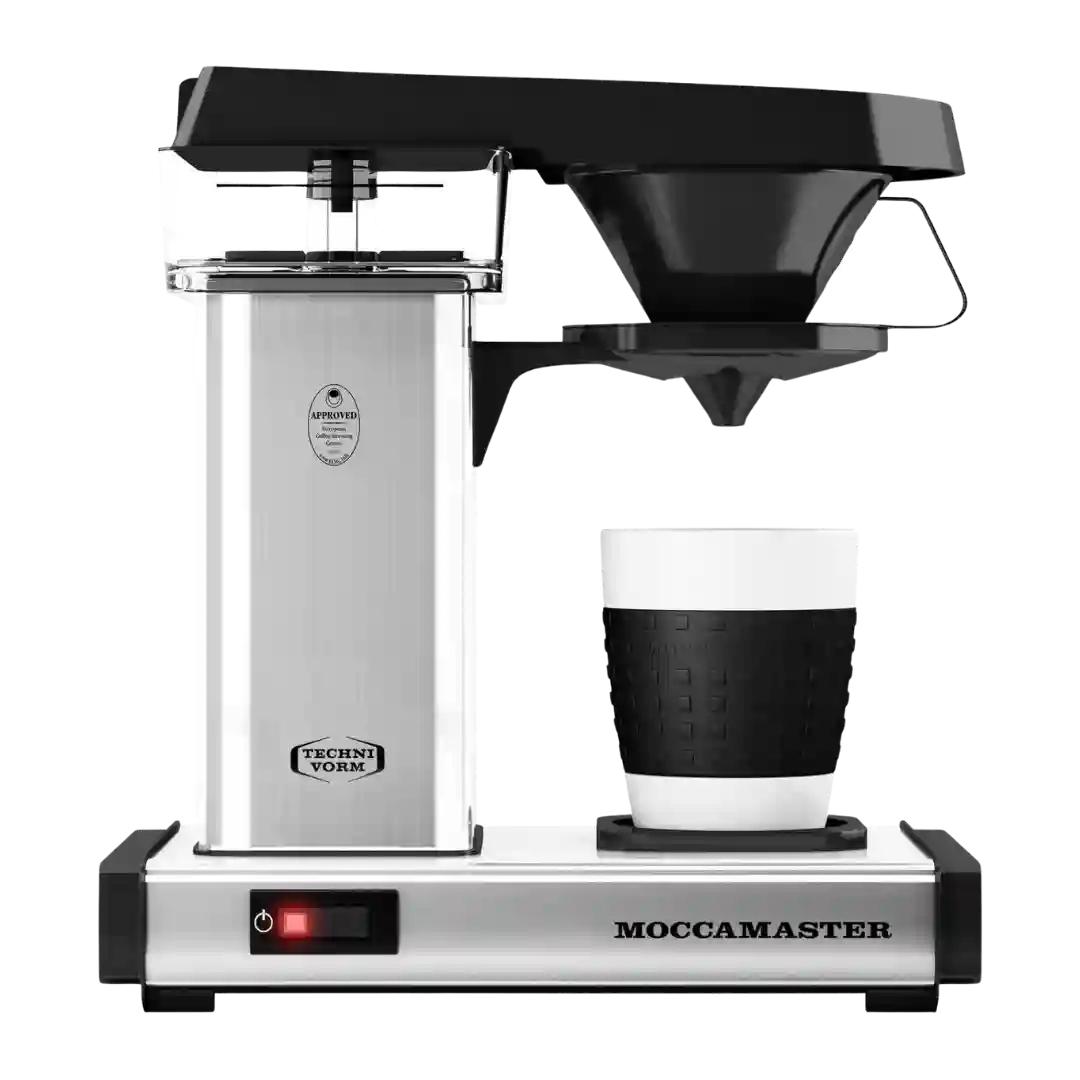
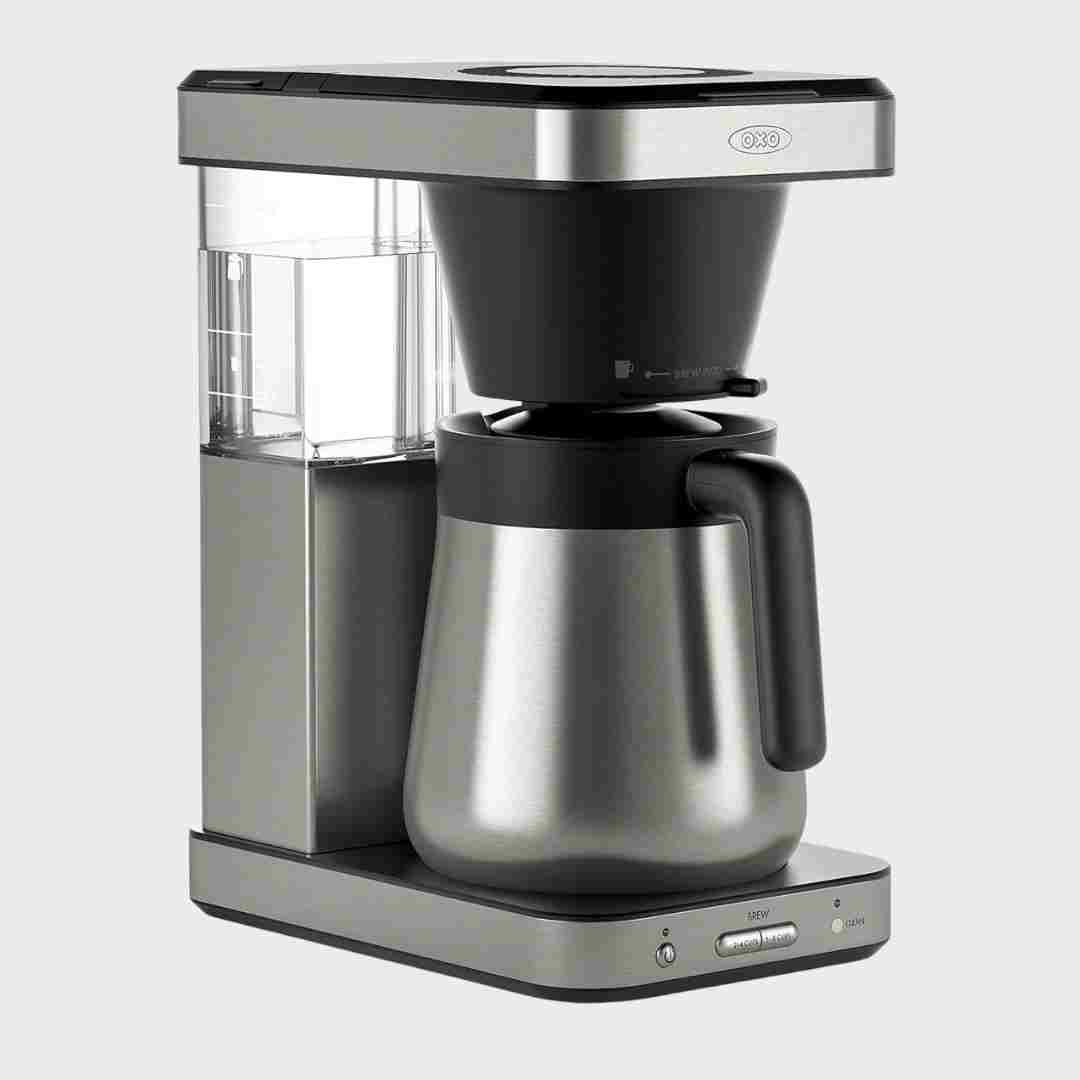
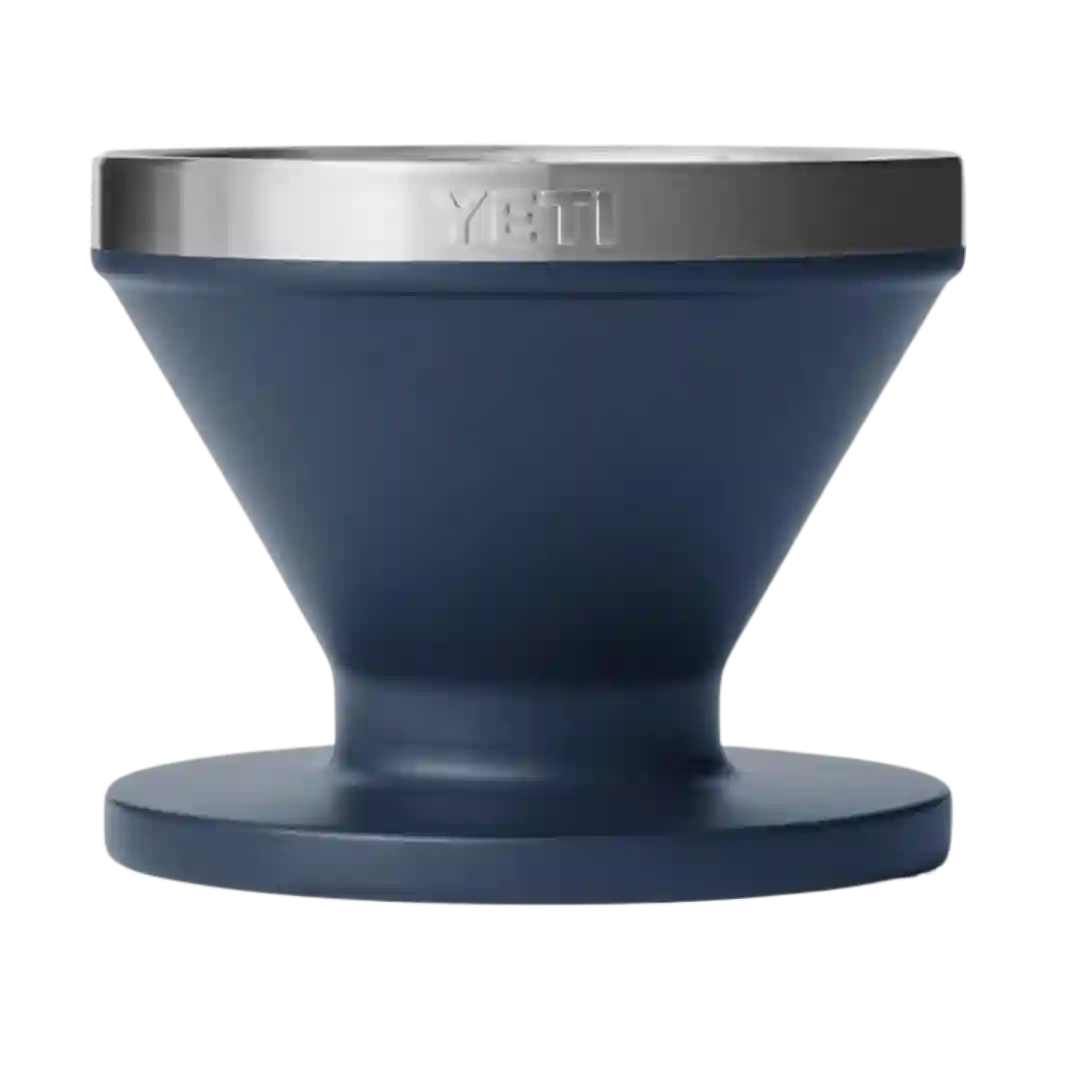
The Pipamoka is repeatedly praised for avoiding pods and disposable paper filters. Reviewers specifically liked that it does not rely on wasteful cups or paper consumables.
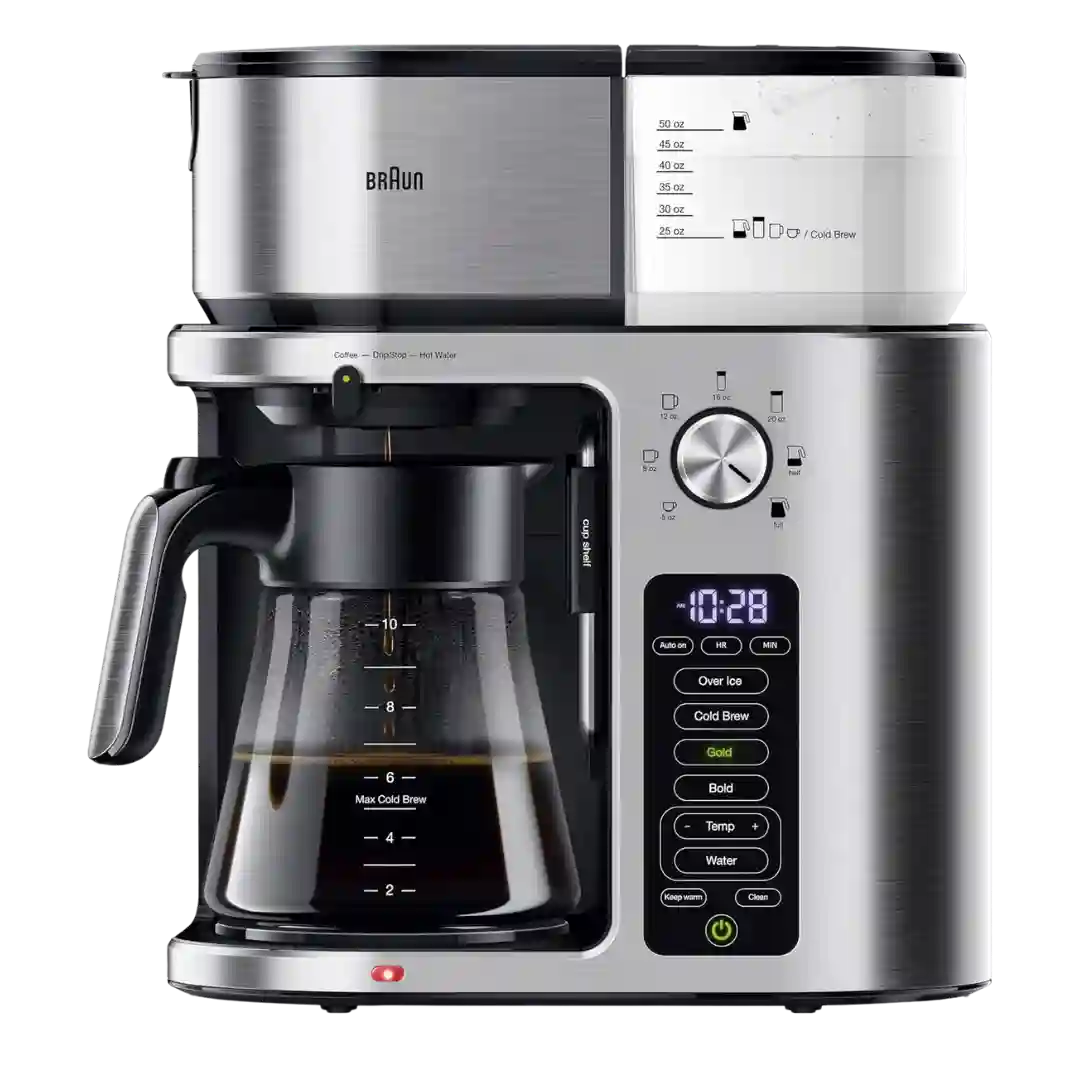
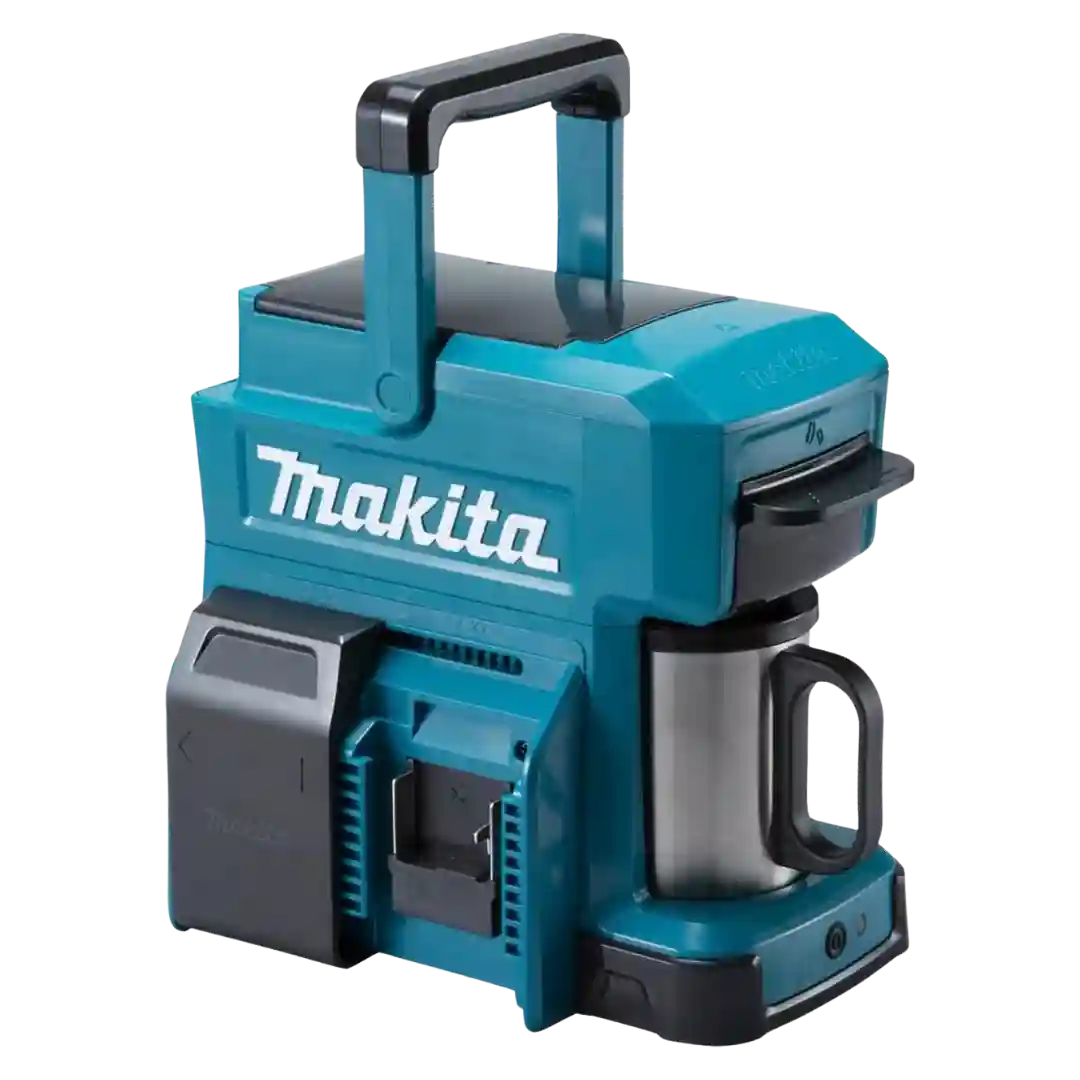
All three reviews support the pod-free positioning. The machine can brew single servings or carafes without pods and works with common paper filters or the reusable gold-tone filter.
Several reviews praise the machine for avoiding pods and K-Cups in favor of ground coffee and paper filters, though one review notes the need for specific size #1 filters.
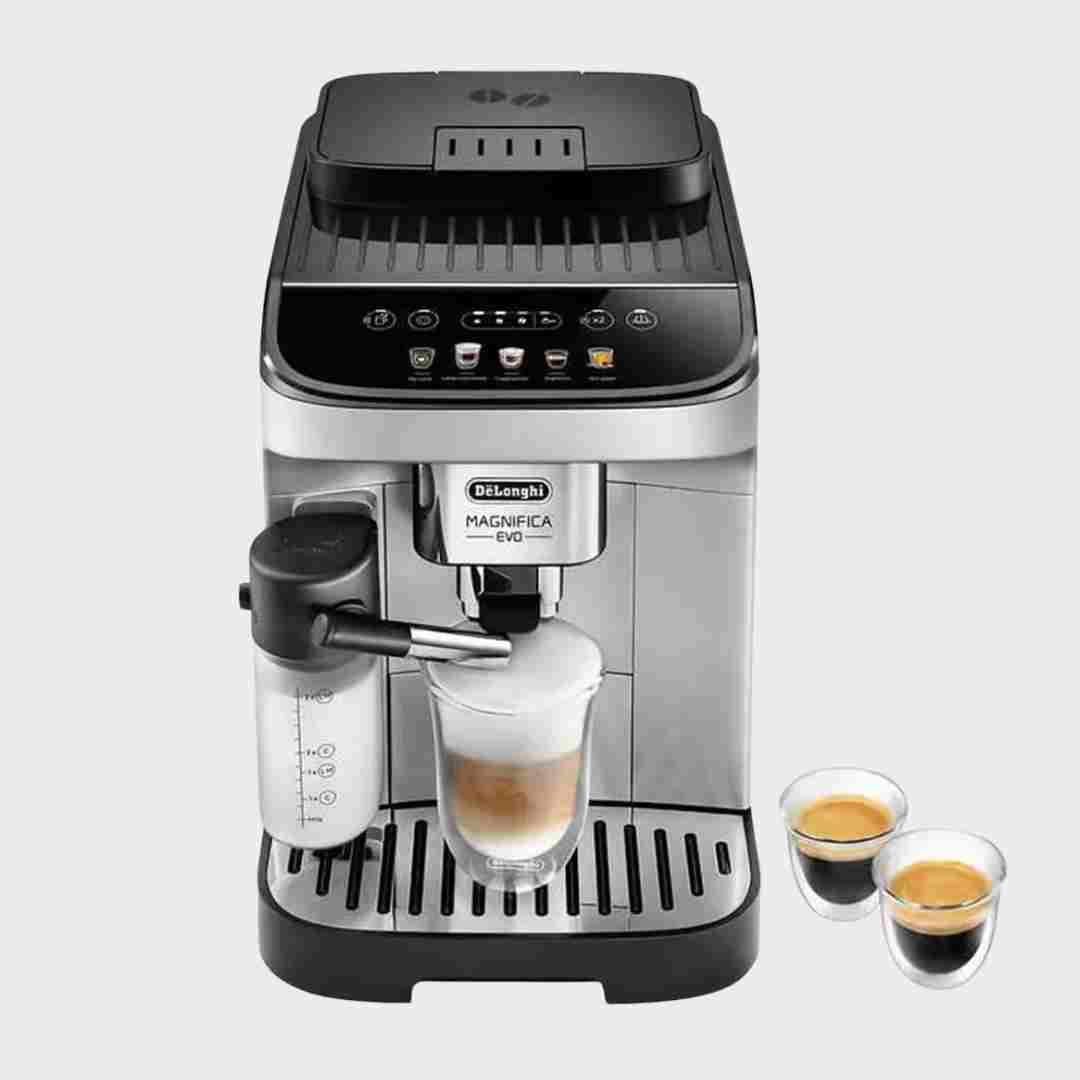
It's designed for beans and also supports pre-ground coffee via a bypass, which reviewers like for decaf. Several also note it avoids capsule waste, but it's not for pod users.
Several reviews position the brewer as a practical alternative to pod machines because it handles small batches well, but it still relies on paper filters and benefits from fresh-ground coffee. Some call out that small-batch filters can be pricier as an ongoing consumable.
Expect ongoing consumables: water filters, cleaning tablets, and milk-system cleaner routines are part of ownership. Some reviewers appreciate that starter items and guided cycles are included, while others see the recurring purchases as part of the already-high cost of entry (4052, 4055, 14554).
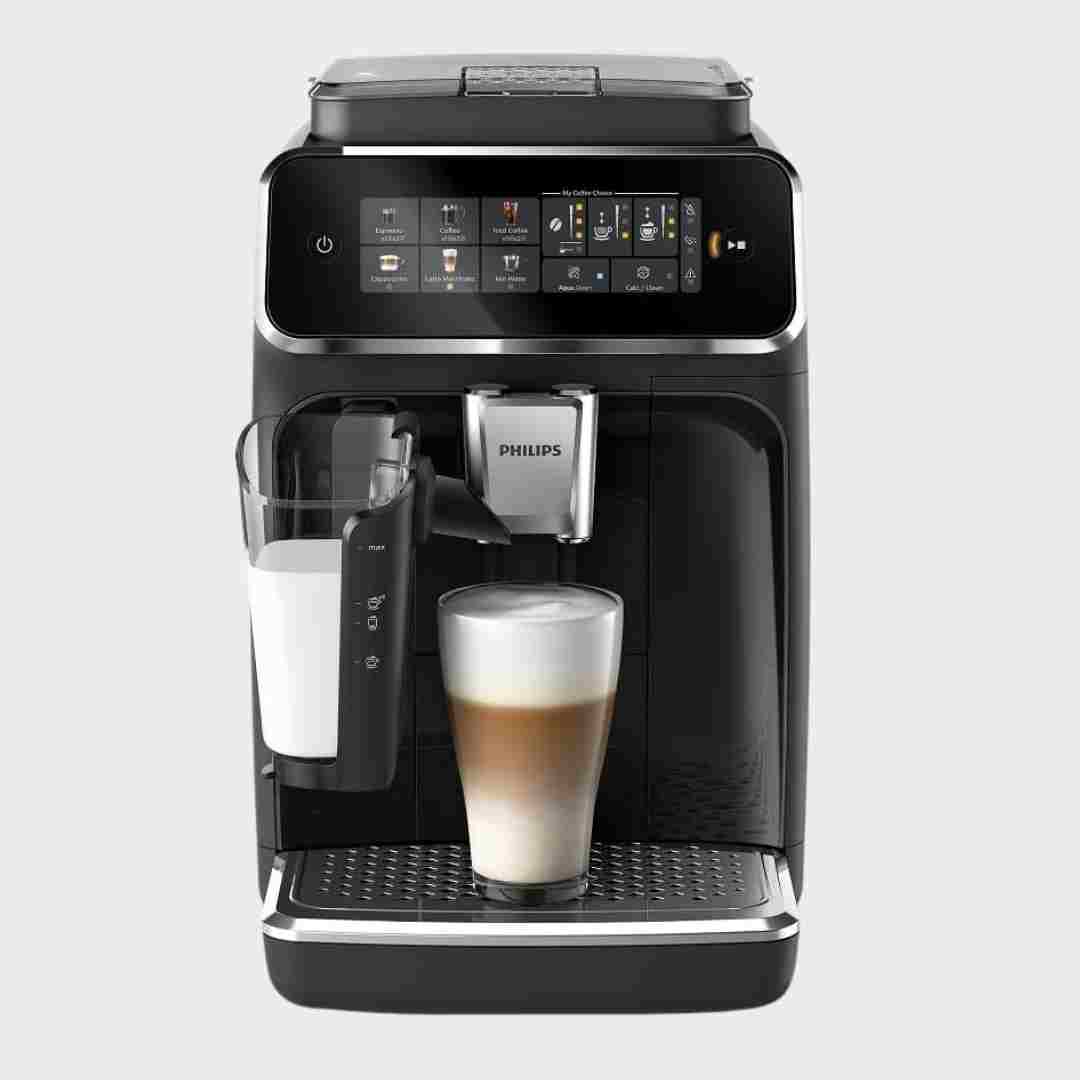
The machine is positioned as a bean-to-cup system with support for whole beans and a pre-ground bypass chute for decaf or occasional ground coffee. None of the reviews frame it as a pod or capsule machine, so convenience comes from automation rather than consumable pods.
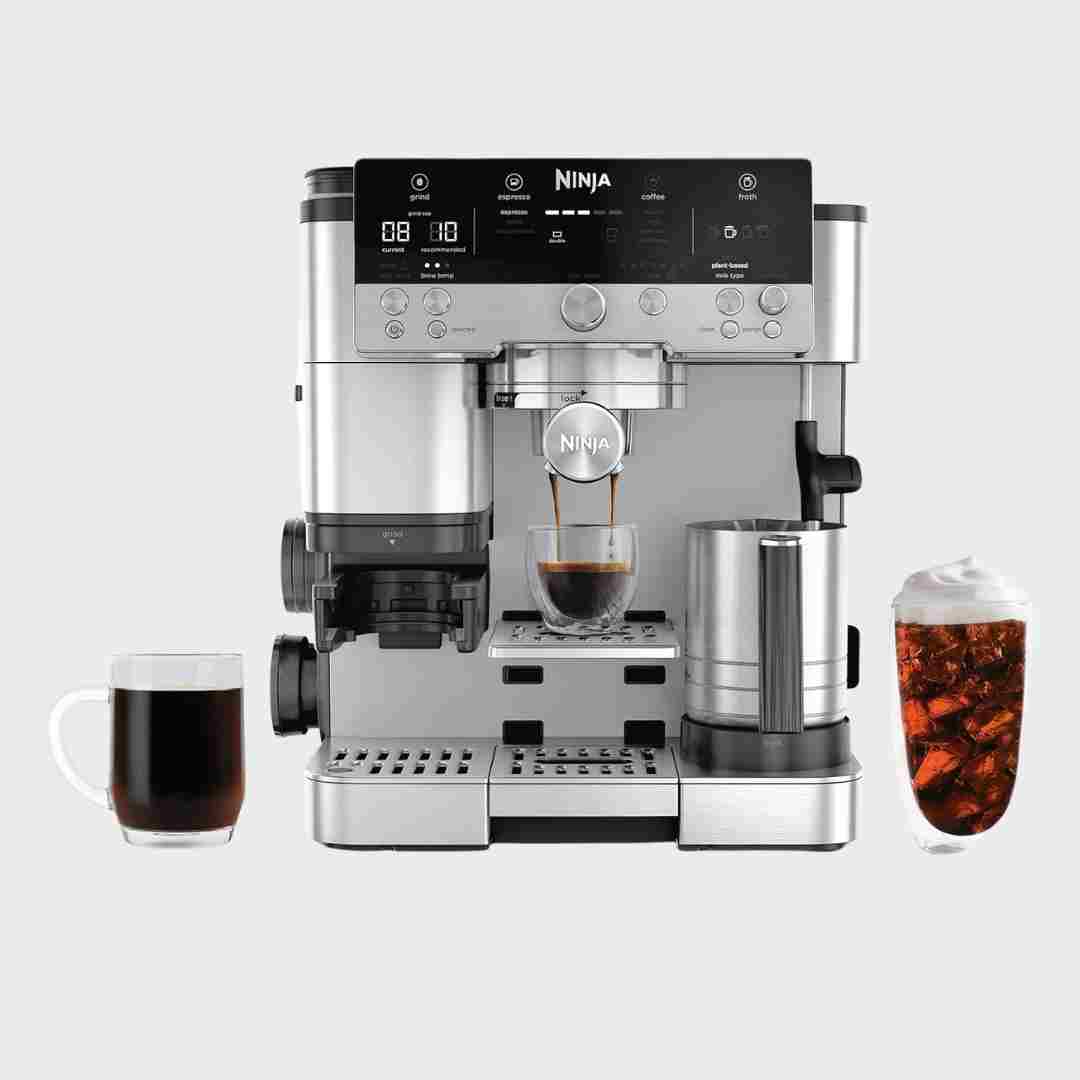
E.S.E. pod compatibility appears in multiple reviews as a convenience option alongside ground coffee. It’s framed as useful for speed and simplicity, though most sources treat fresh ground coffee as the quality path.
Reviews frame it as a step up from capsule machines: it is designed for whole-bean espresso, so the appeal is better coffee without the pod compromises rather than pod compatibility.
It supports both grounds and soft pods (commonly described as 60 mm or Senseo-style). That flexibility is appreciated, but pod compatibility is narrower than mainstream capsule systems.
This is positioned as a beans-and-grounds machine rather than a capsule system. Reviewers generally treat that as more flexible and less tied to proprietary consumables, but it will not satisfy shoppers who want pod convenience.
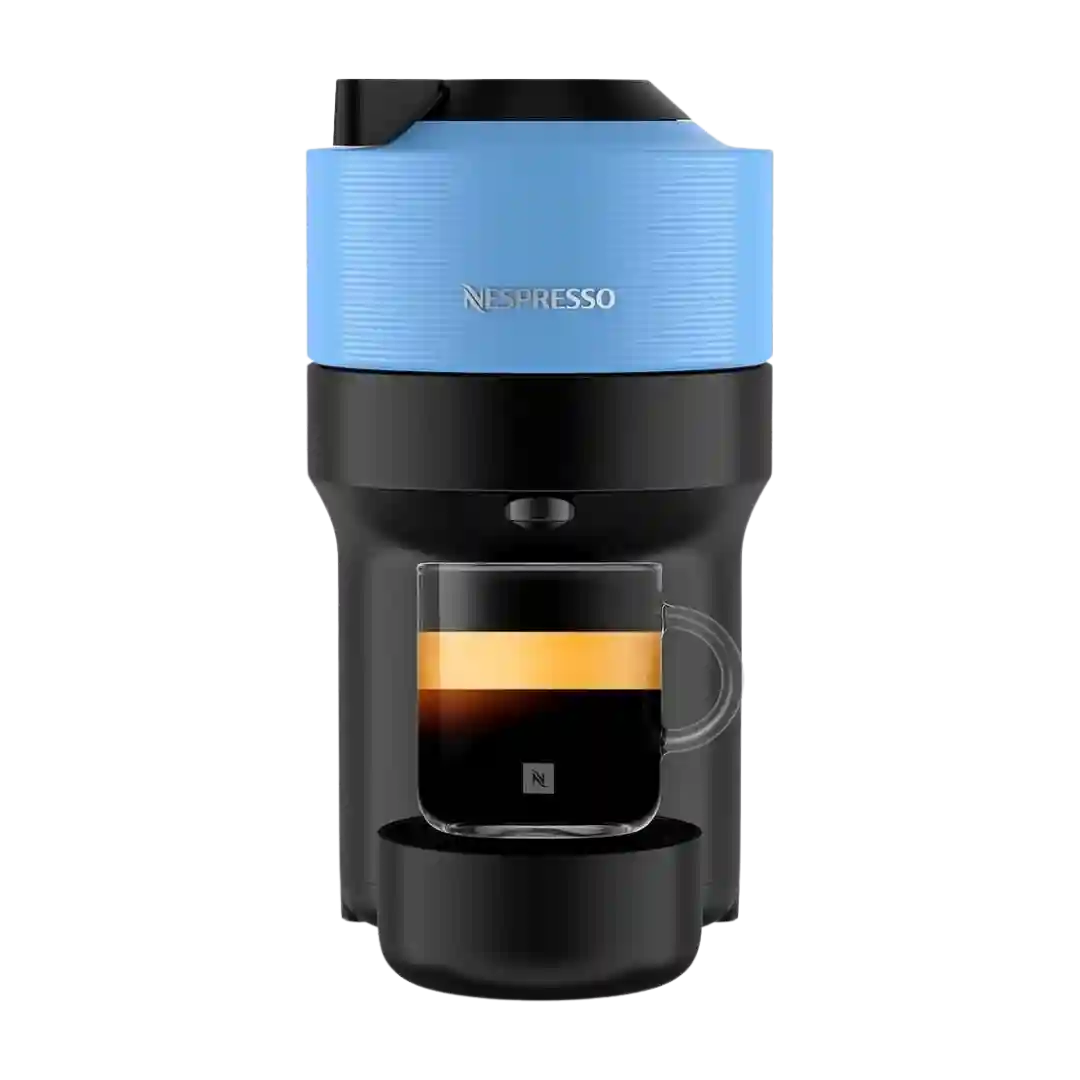
Vertuo-only capsules are a major theme: reviewers like the flavor range but frequently cite higher ongoing cost and more limited retail availability versus OriginalLine, with sourcing often through Nespresso.
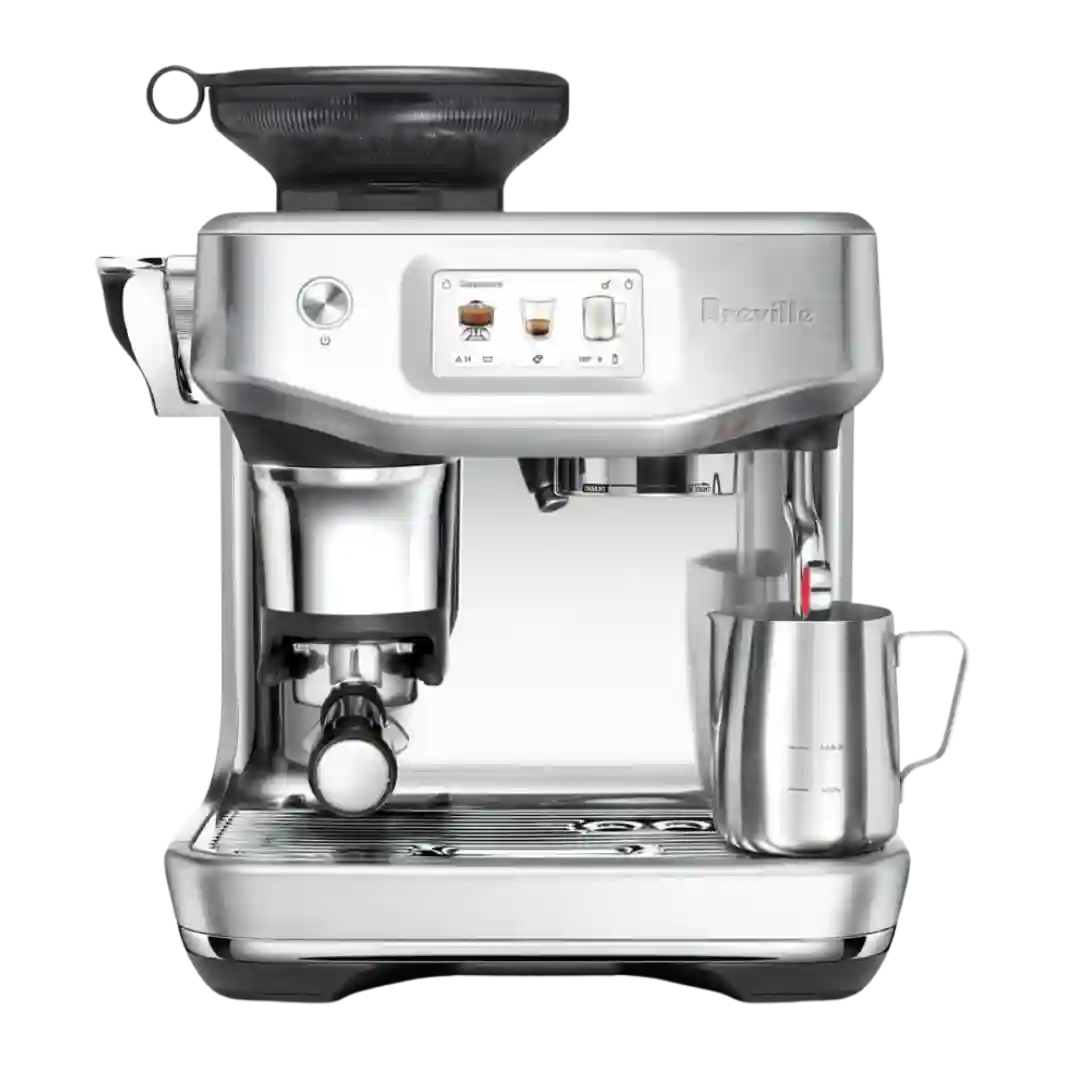
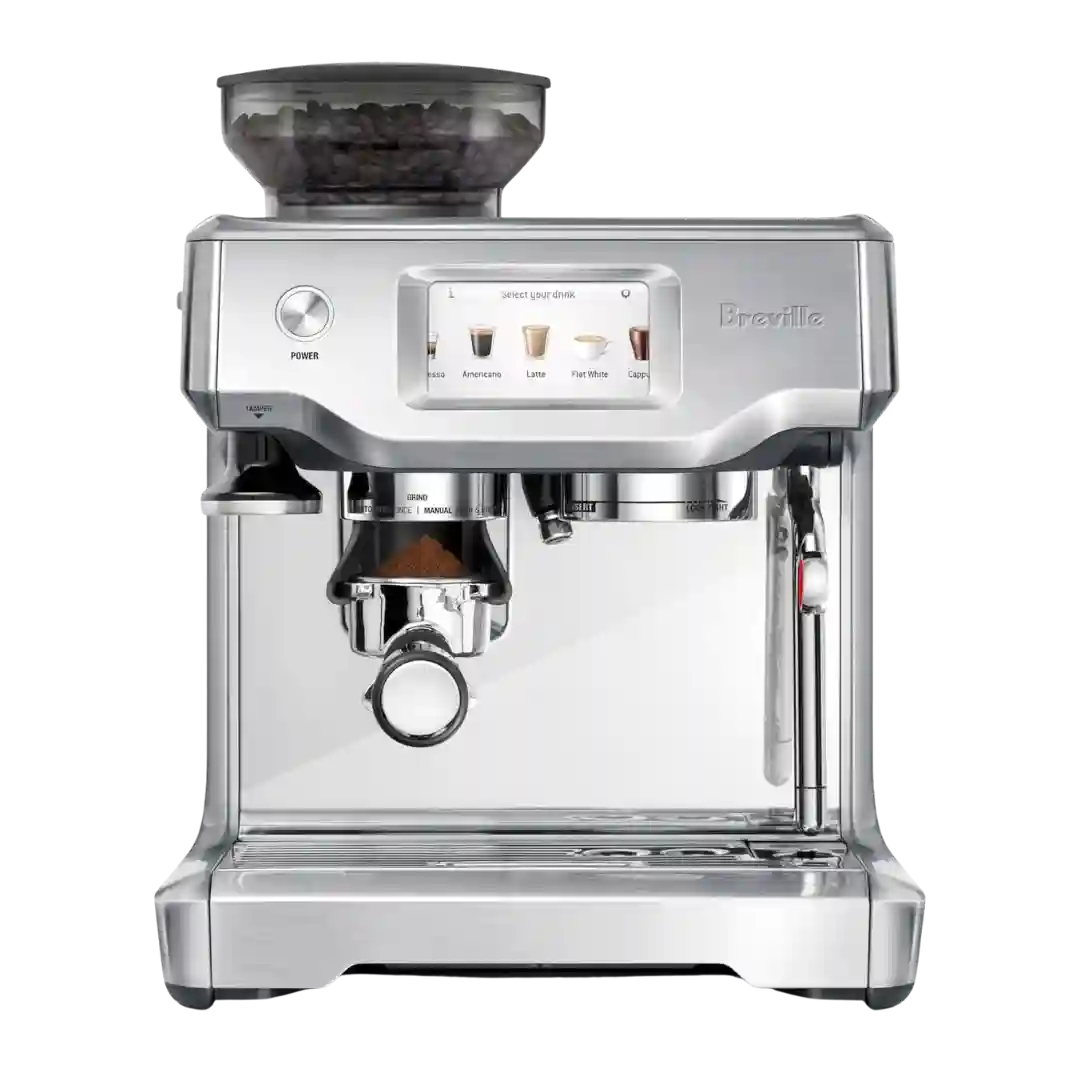
Several reviews explicitly contrast the Barista Touch experience with pod systems like Nespresso. The consistent takeaway is that this machine is for beans and grounds and a more hands-on espresso hobby, not capsule convenience.
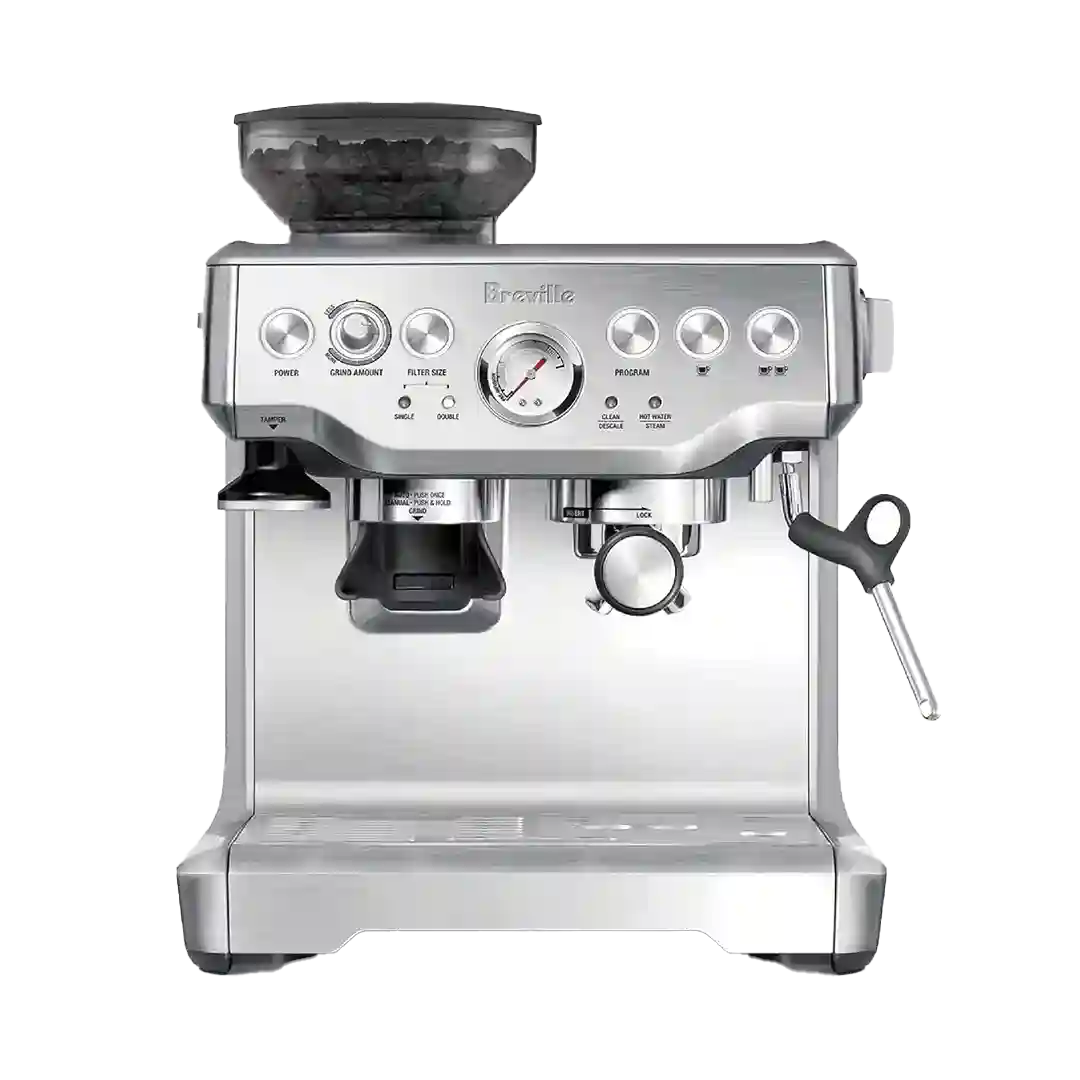
This is a beans-and-grounds workflow rather than a capsule system; reviewers frequently cite pod machines like Nespresso as the convenience alternative.
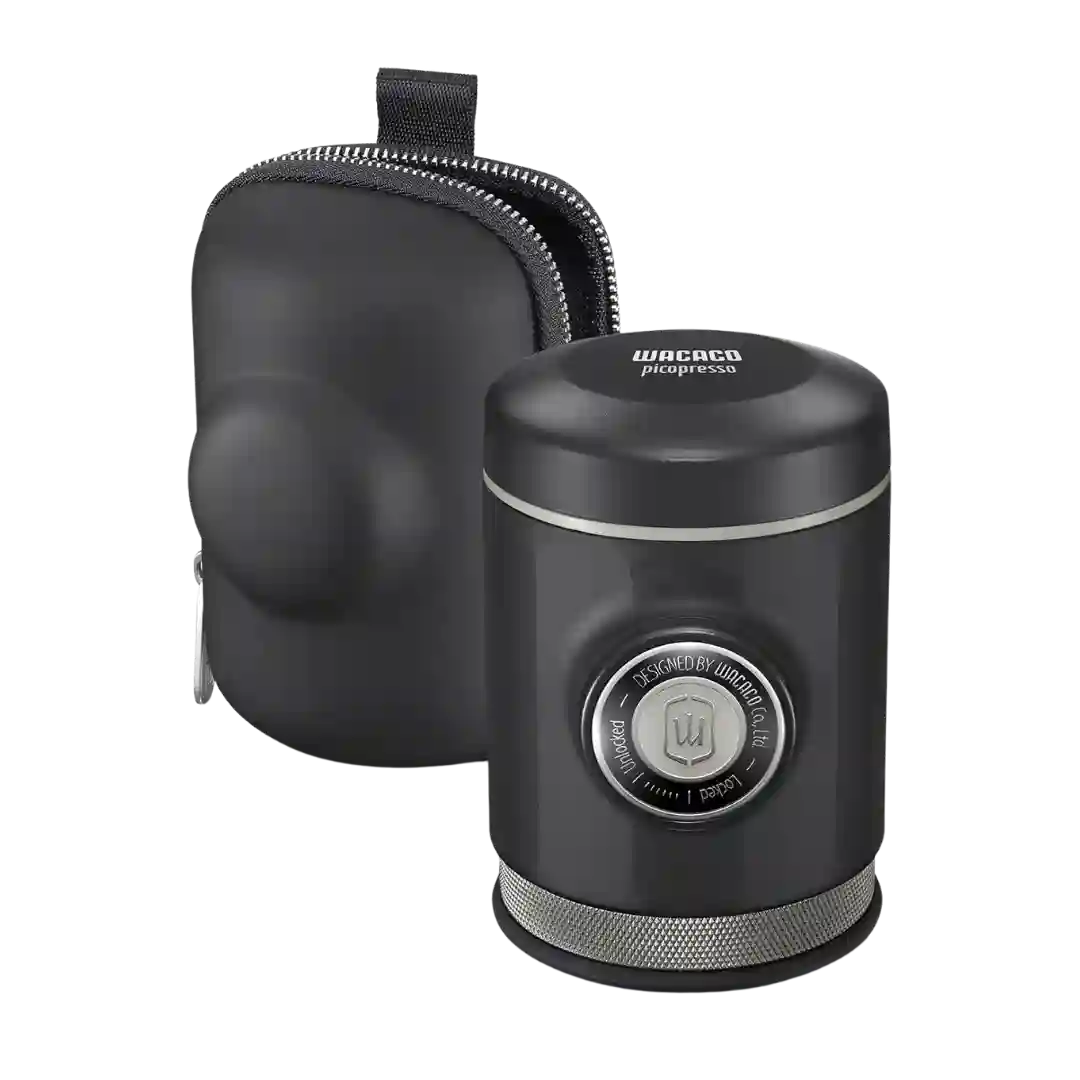
The Picopresso is ground-coffee only. Multiple reviews explicitly say there is no pod or capsule option, which makes it less convenient for some travelers but more serious as a true espresso tool.
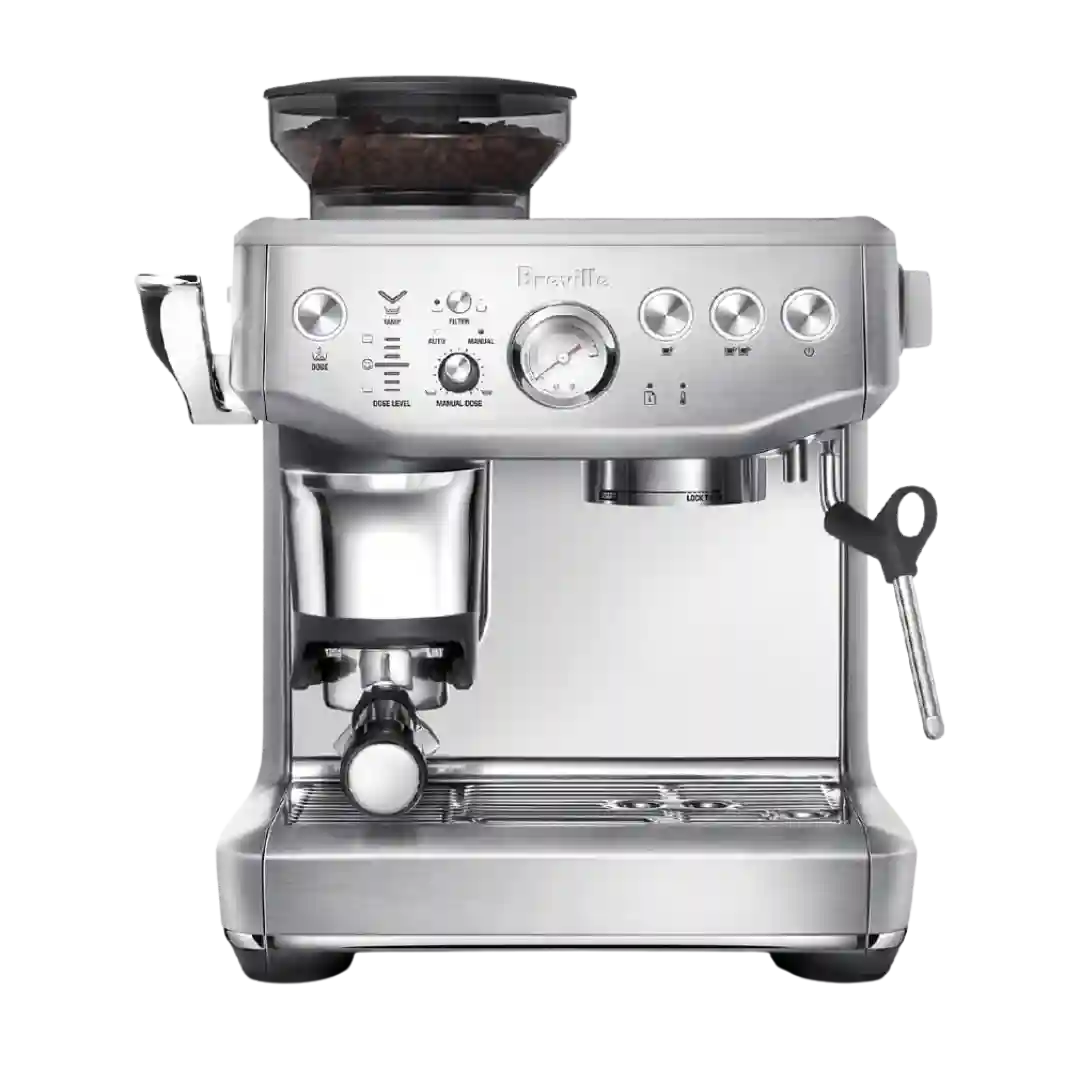
This is a traditional bean-and-ground-coffee workflow rather than a pod system. At least one review notes pods are not supported and pre-ground use is not a core strength of the design.