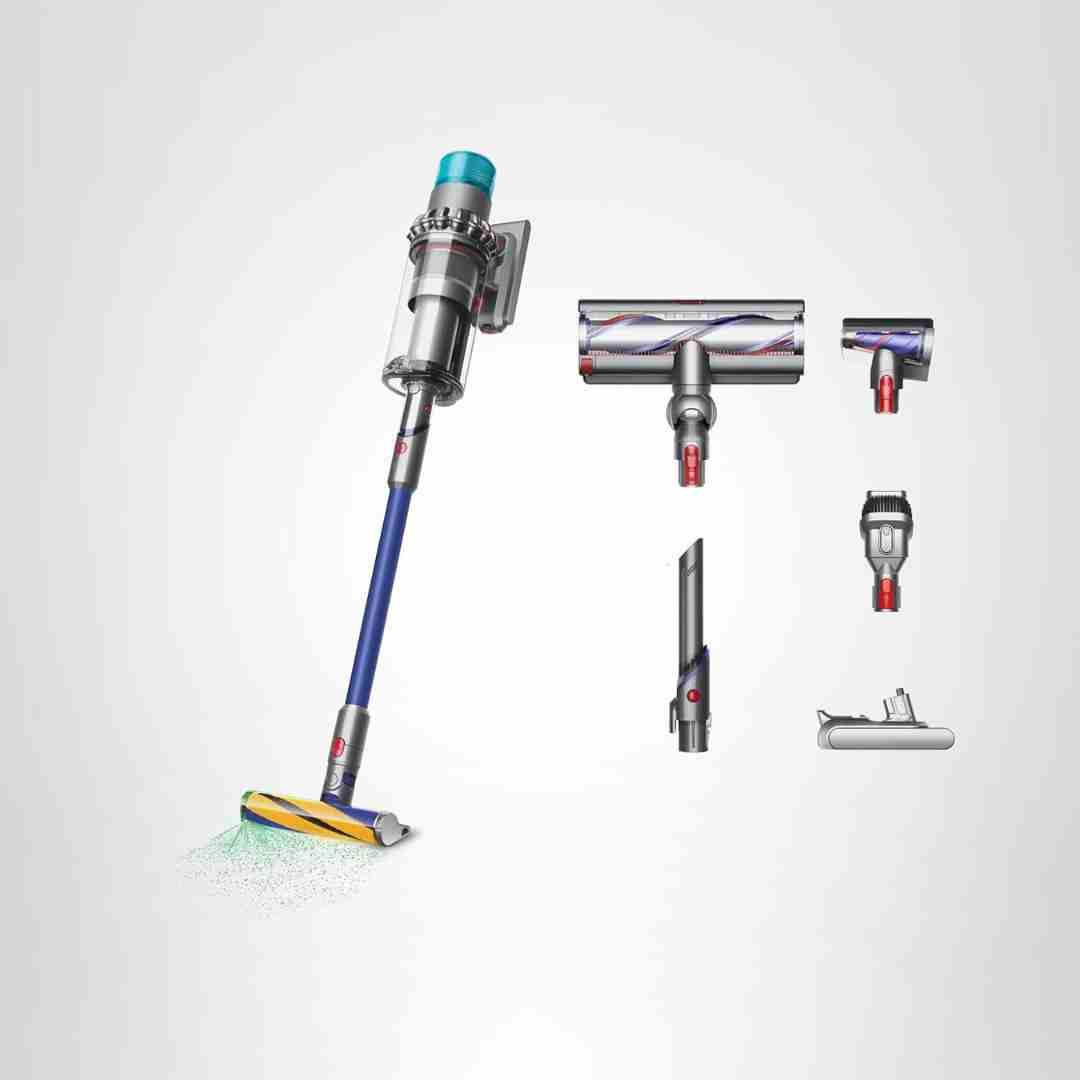
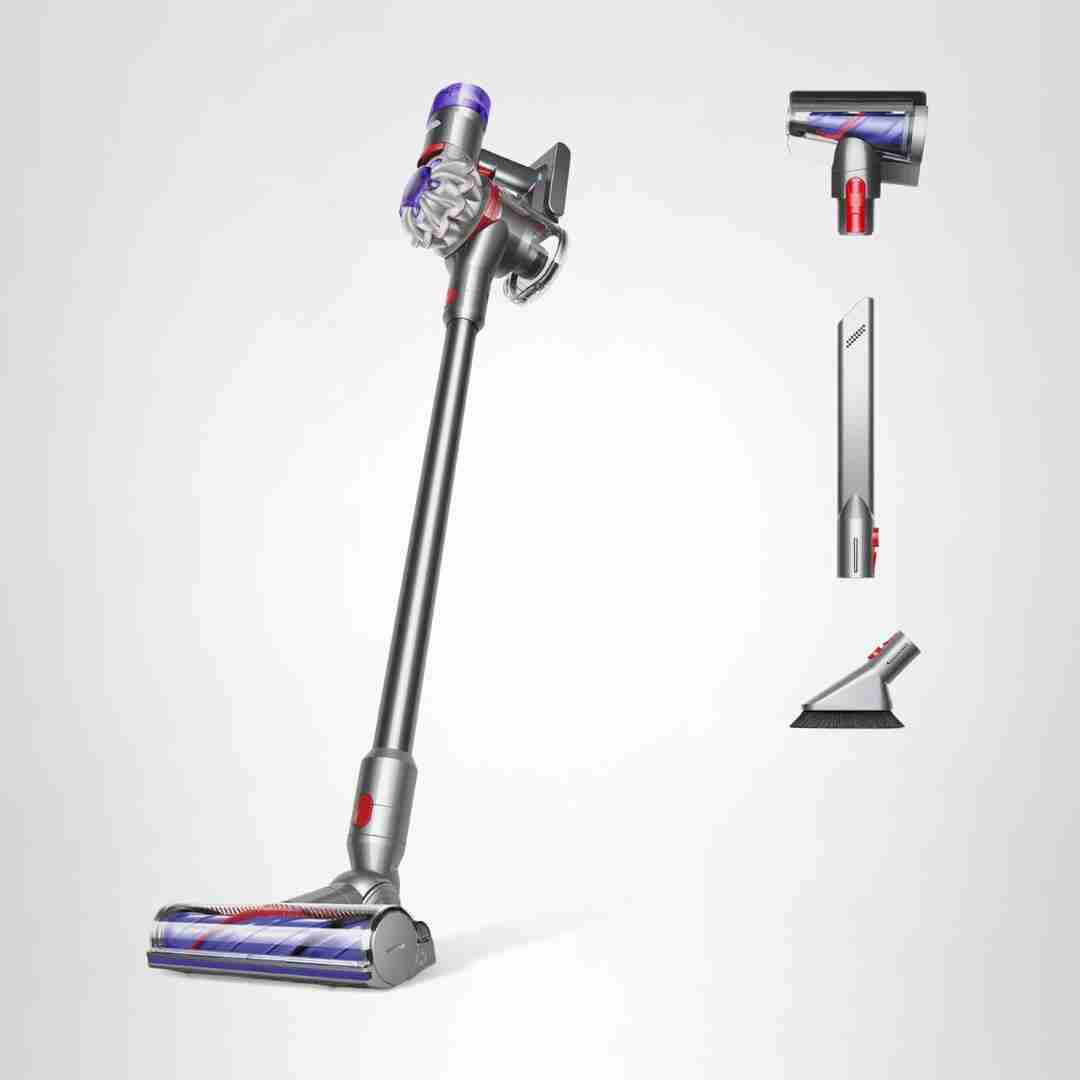
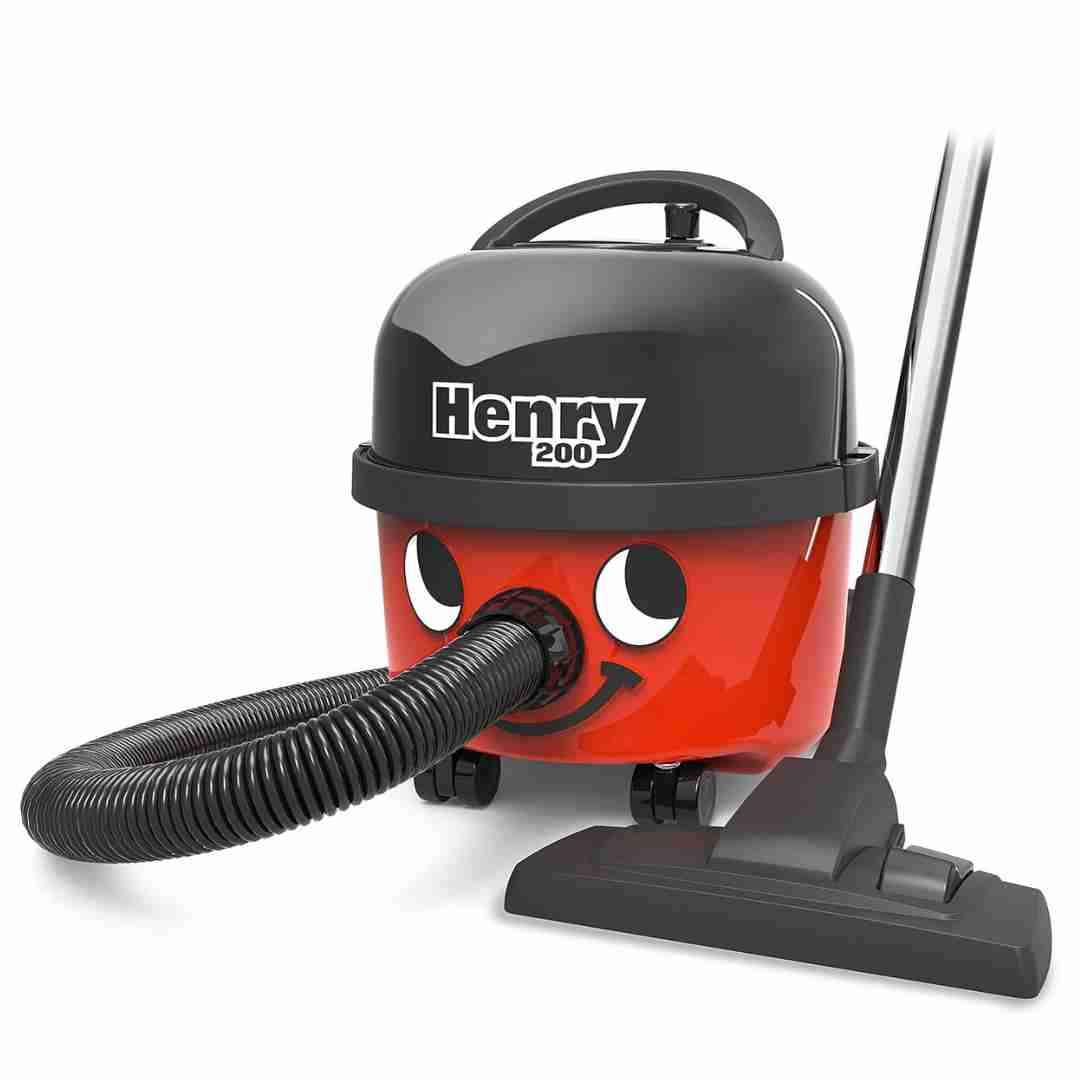
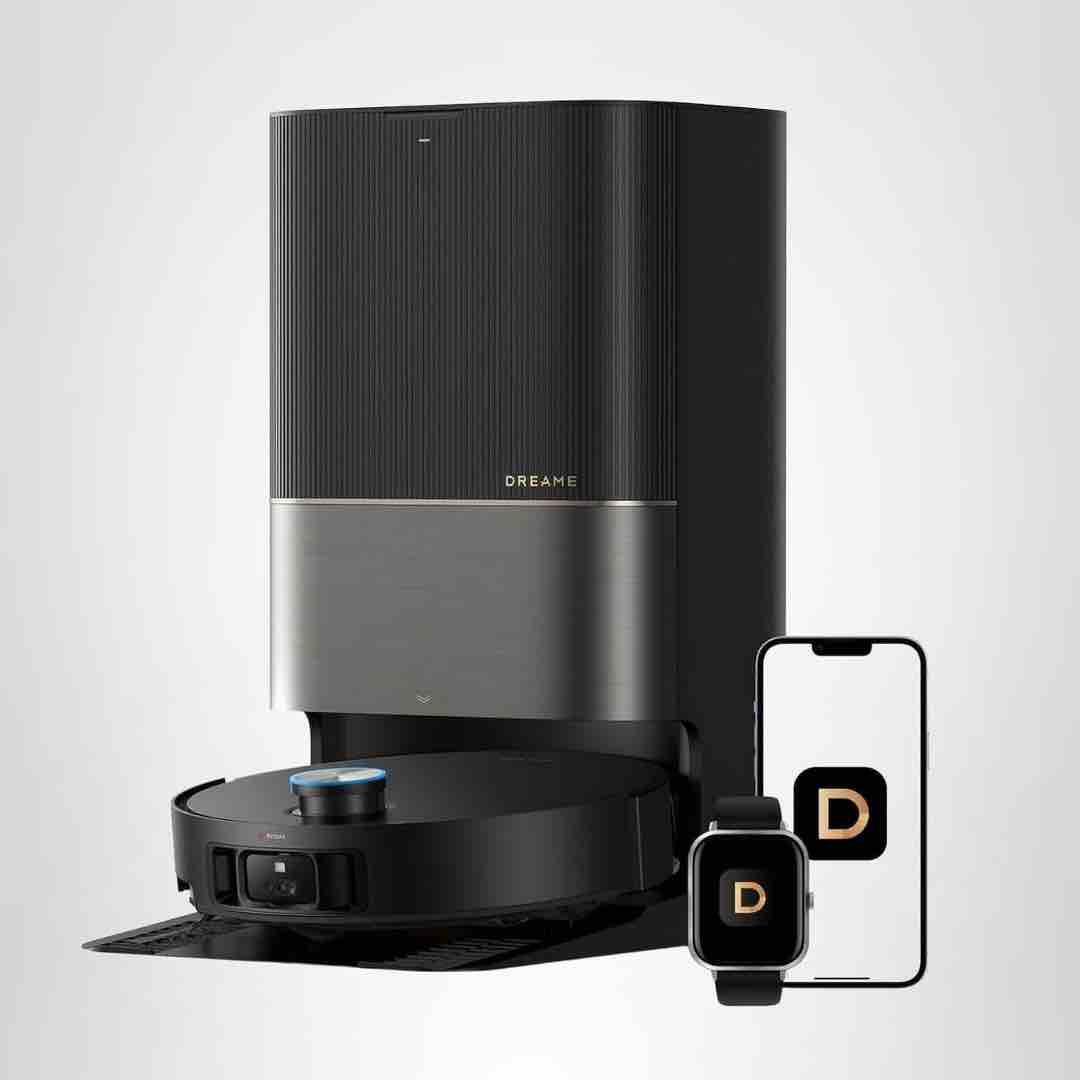
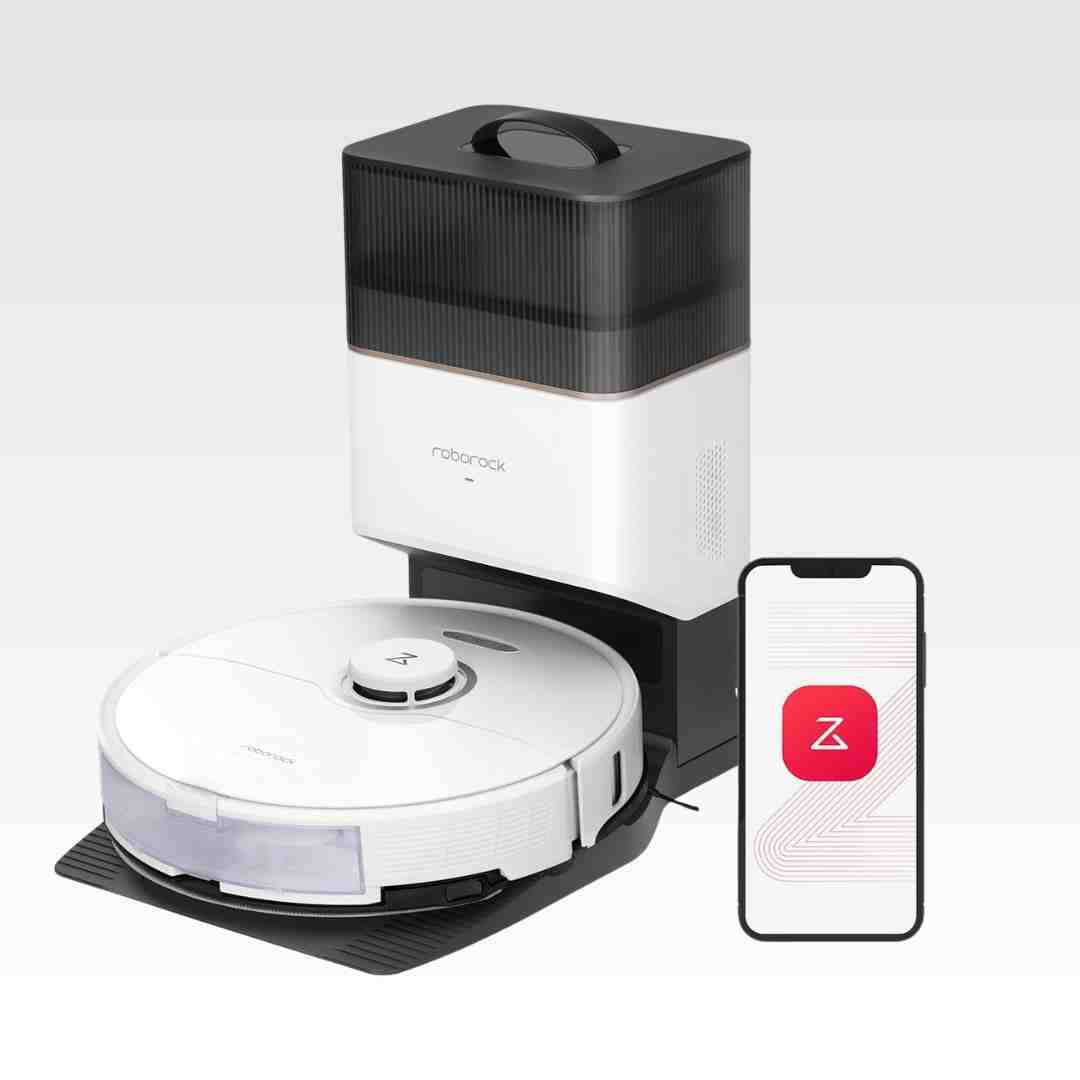
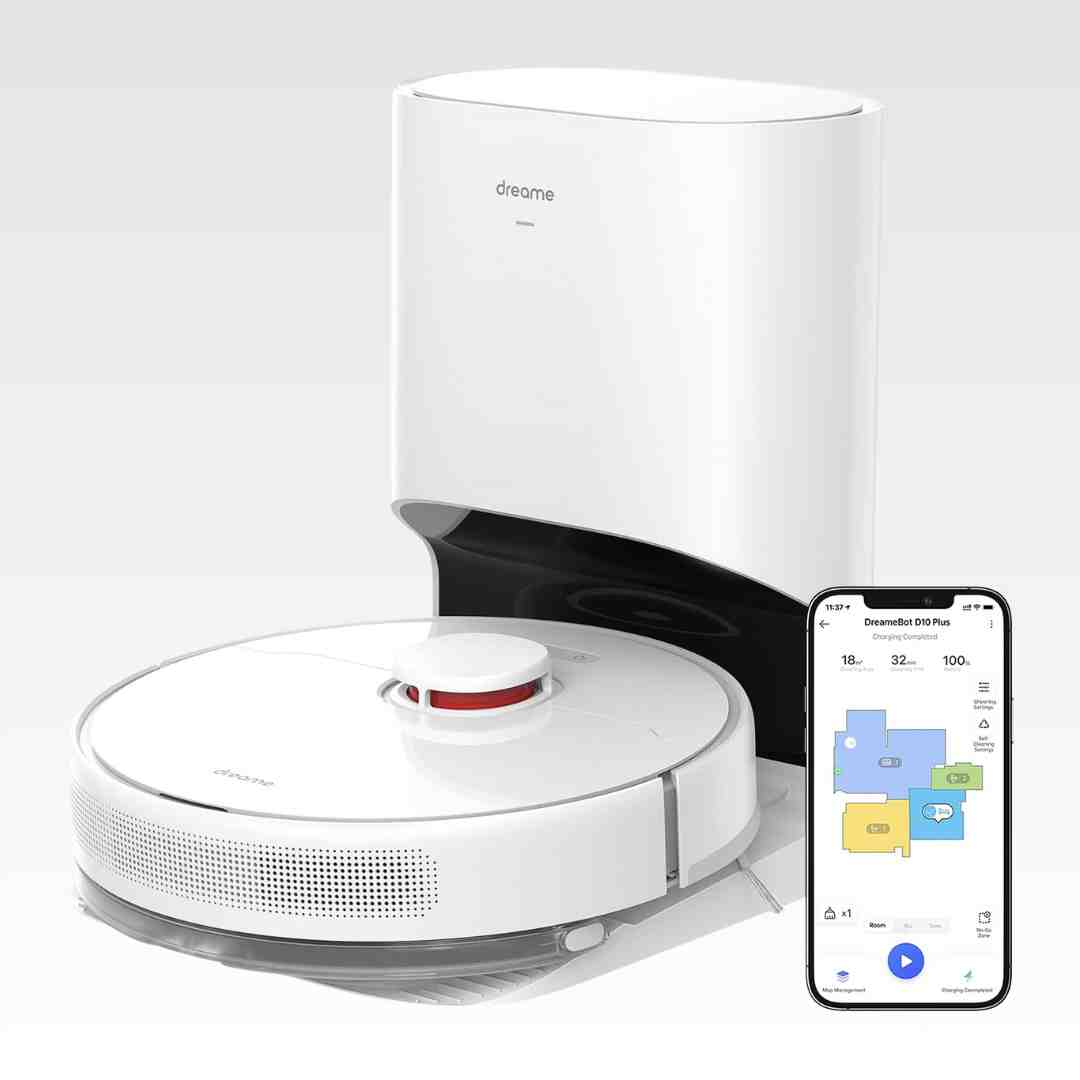
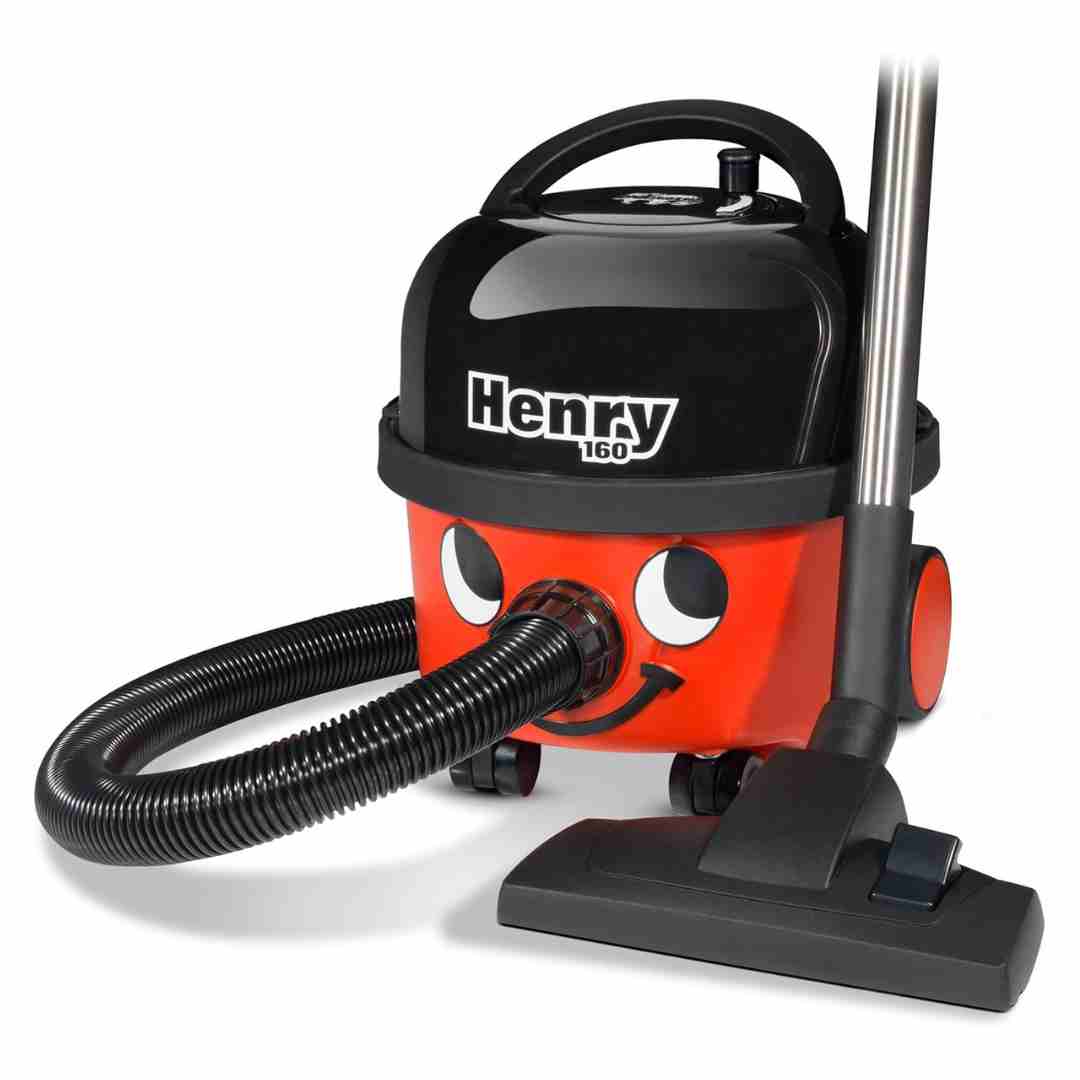
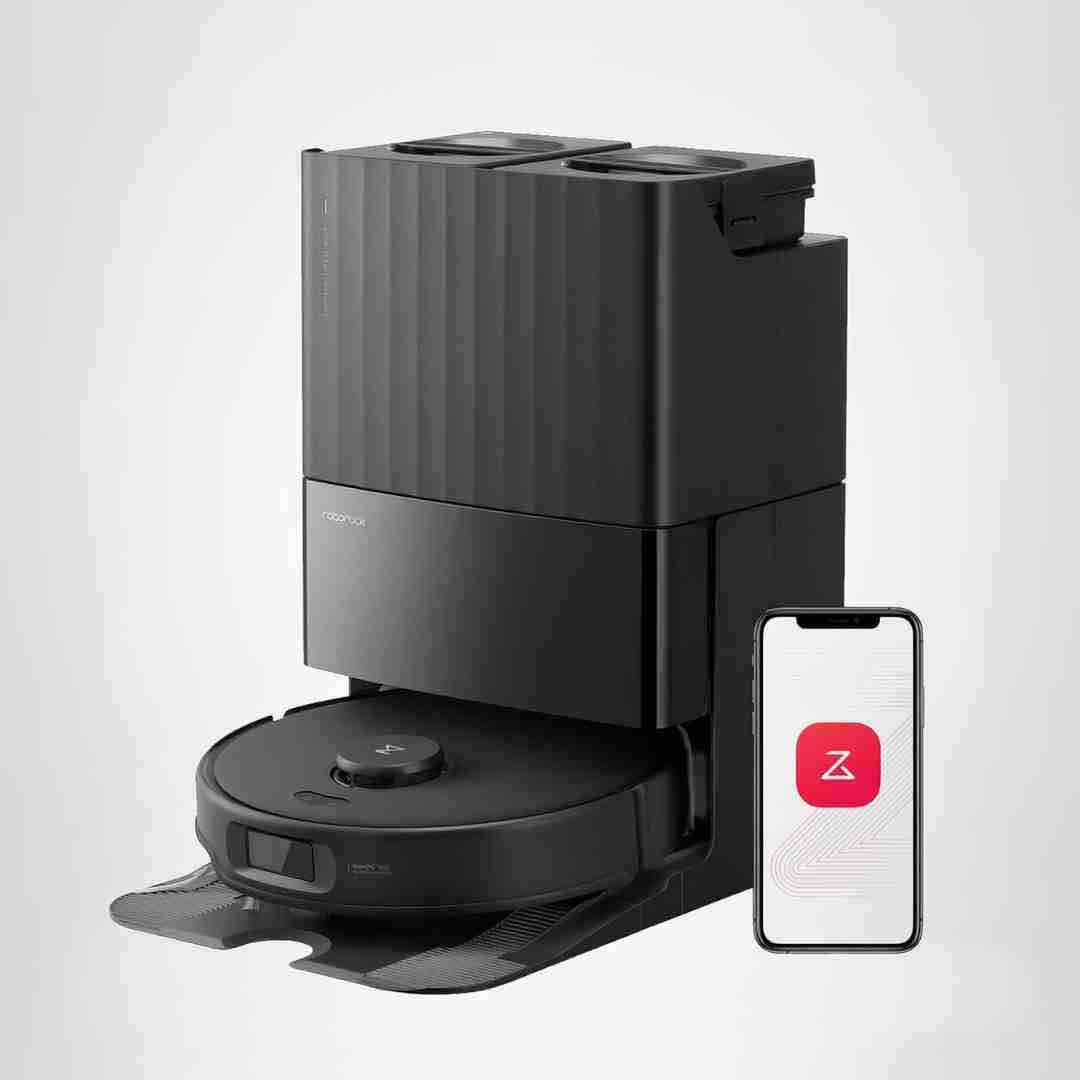
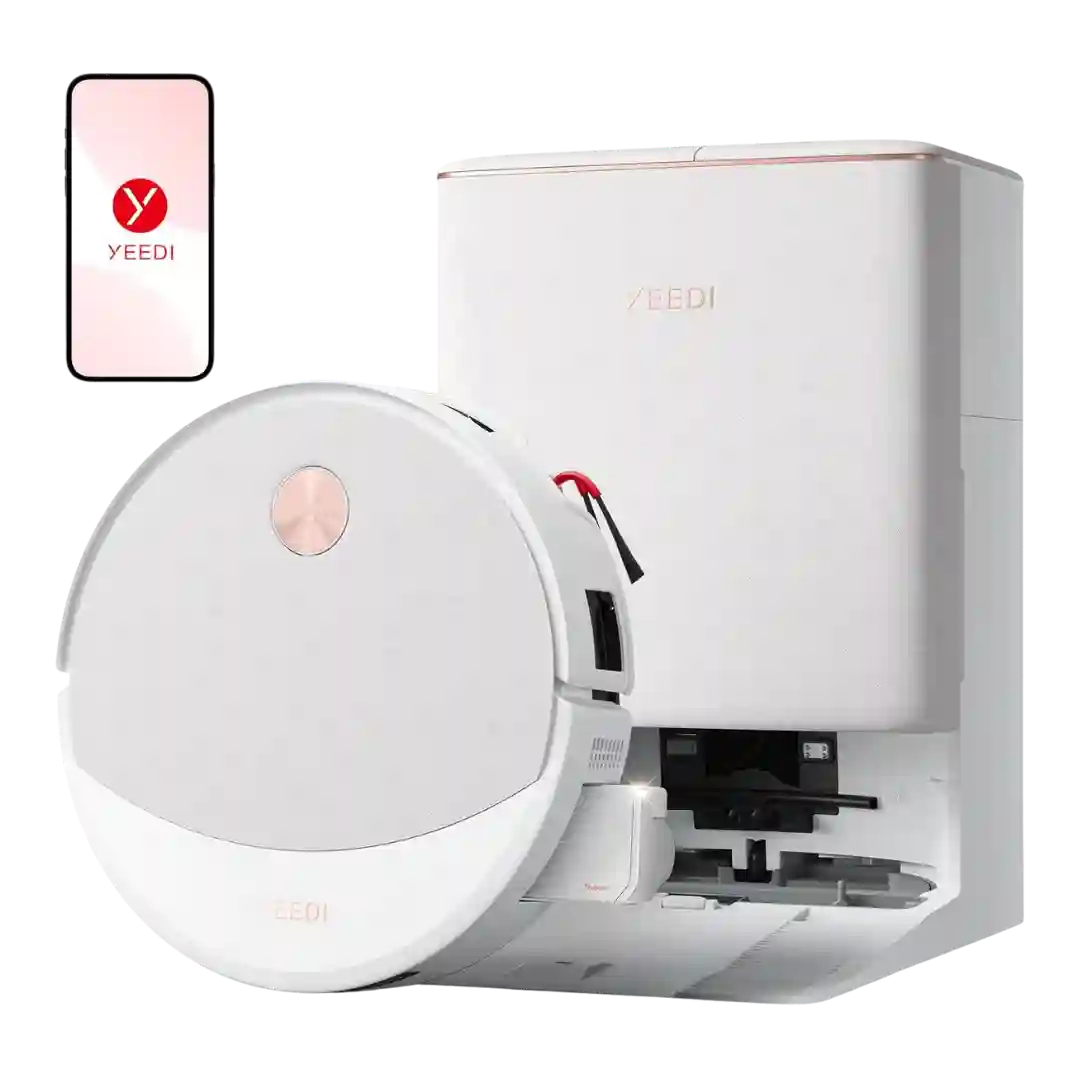
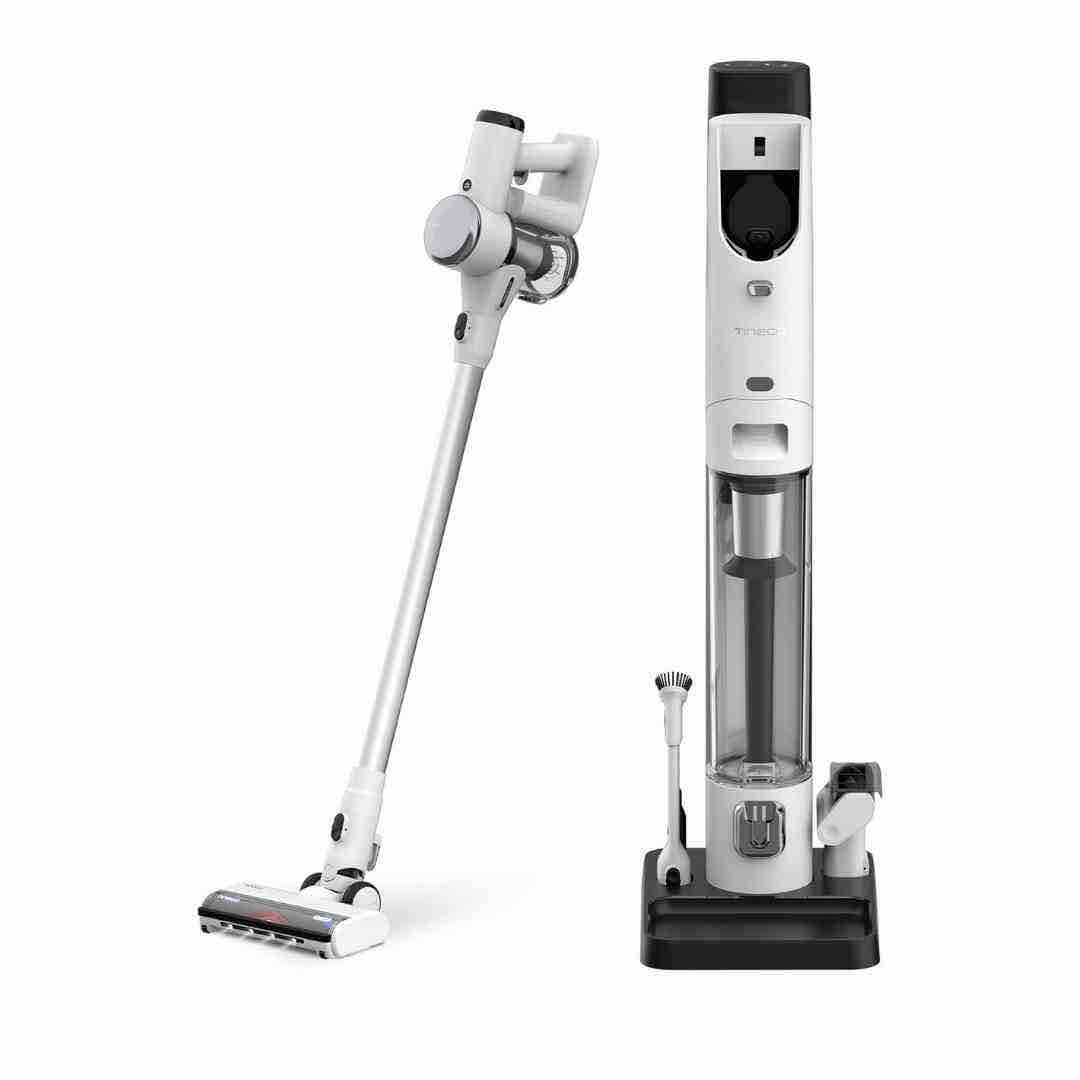
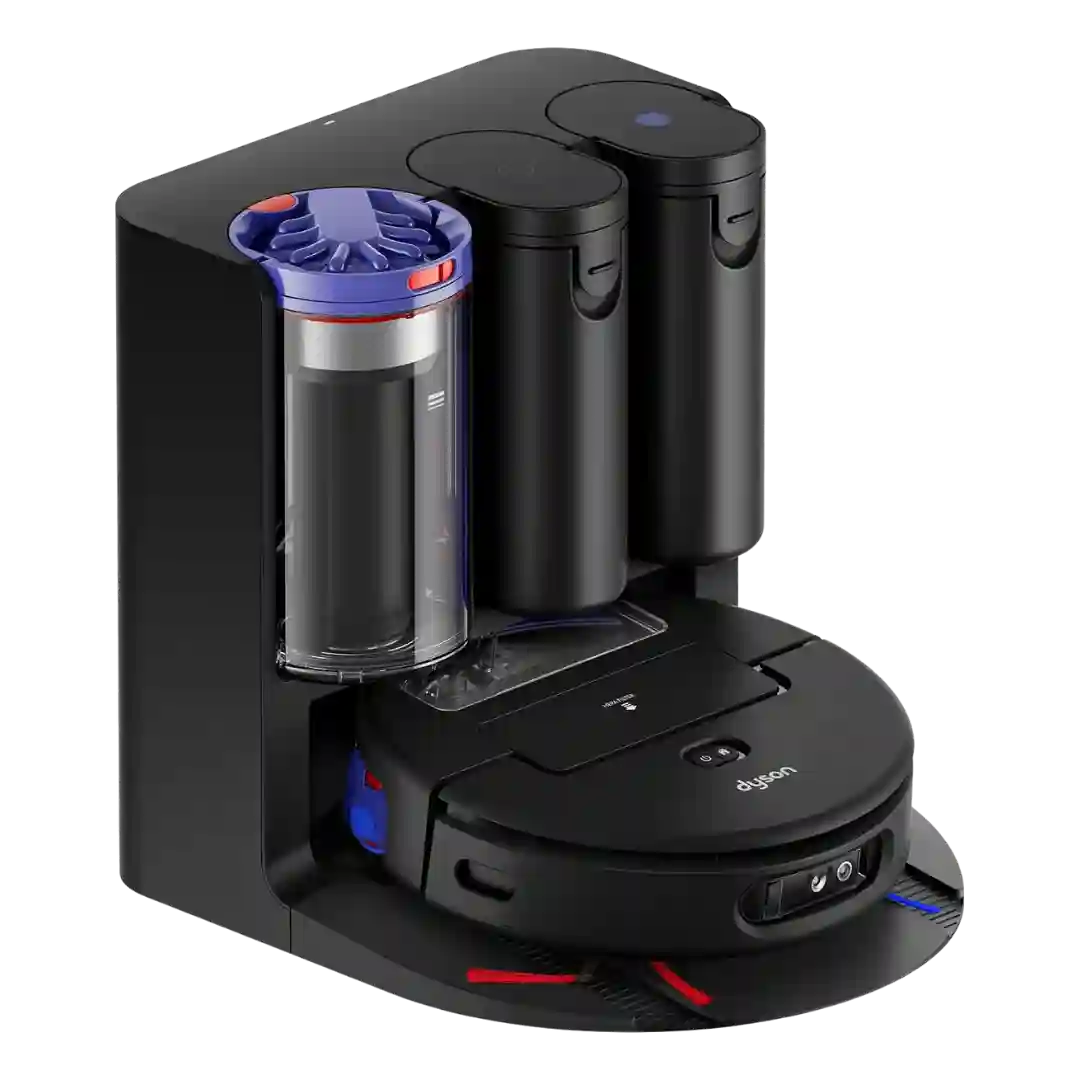
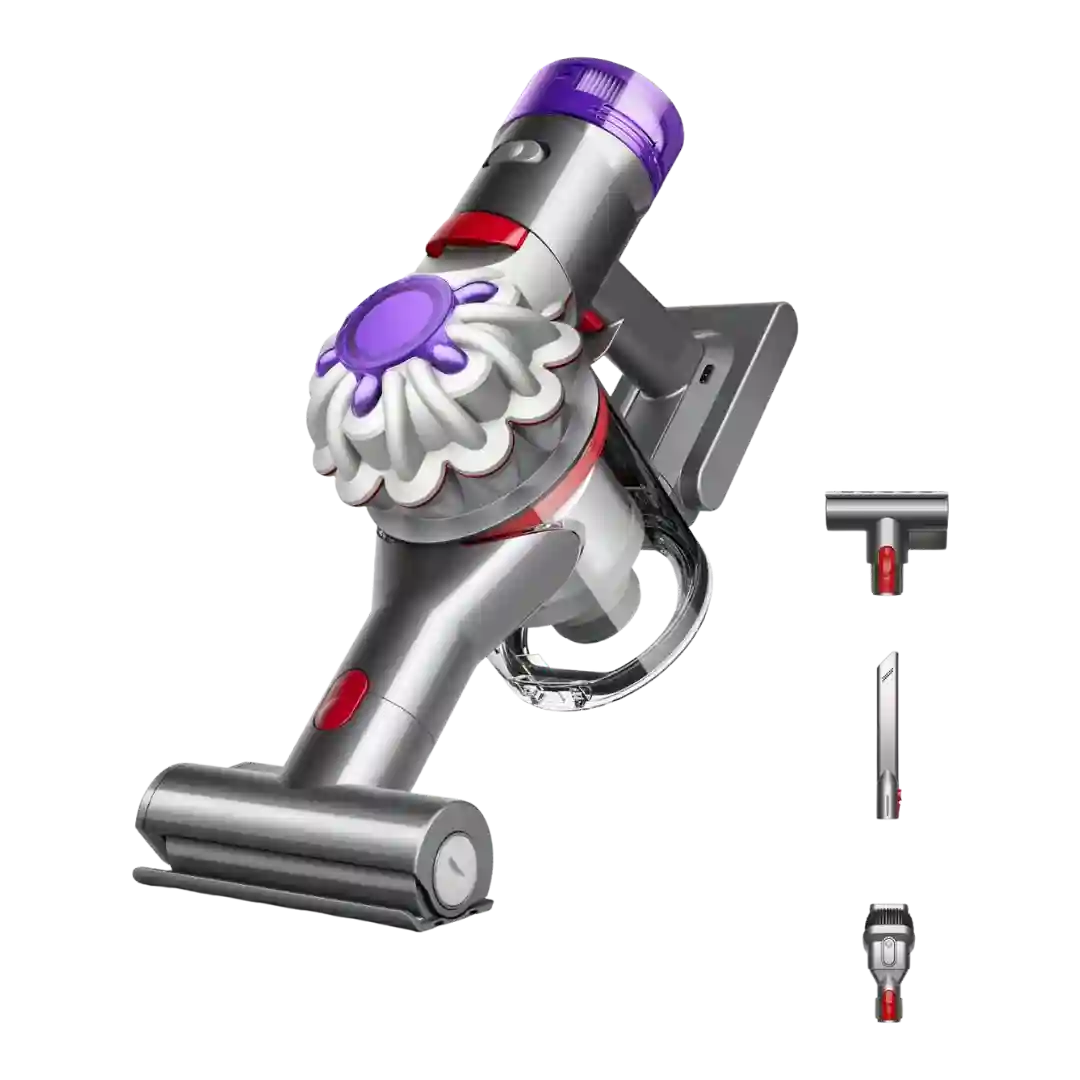
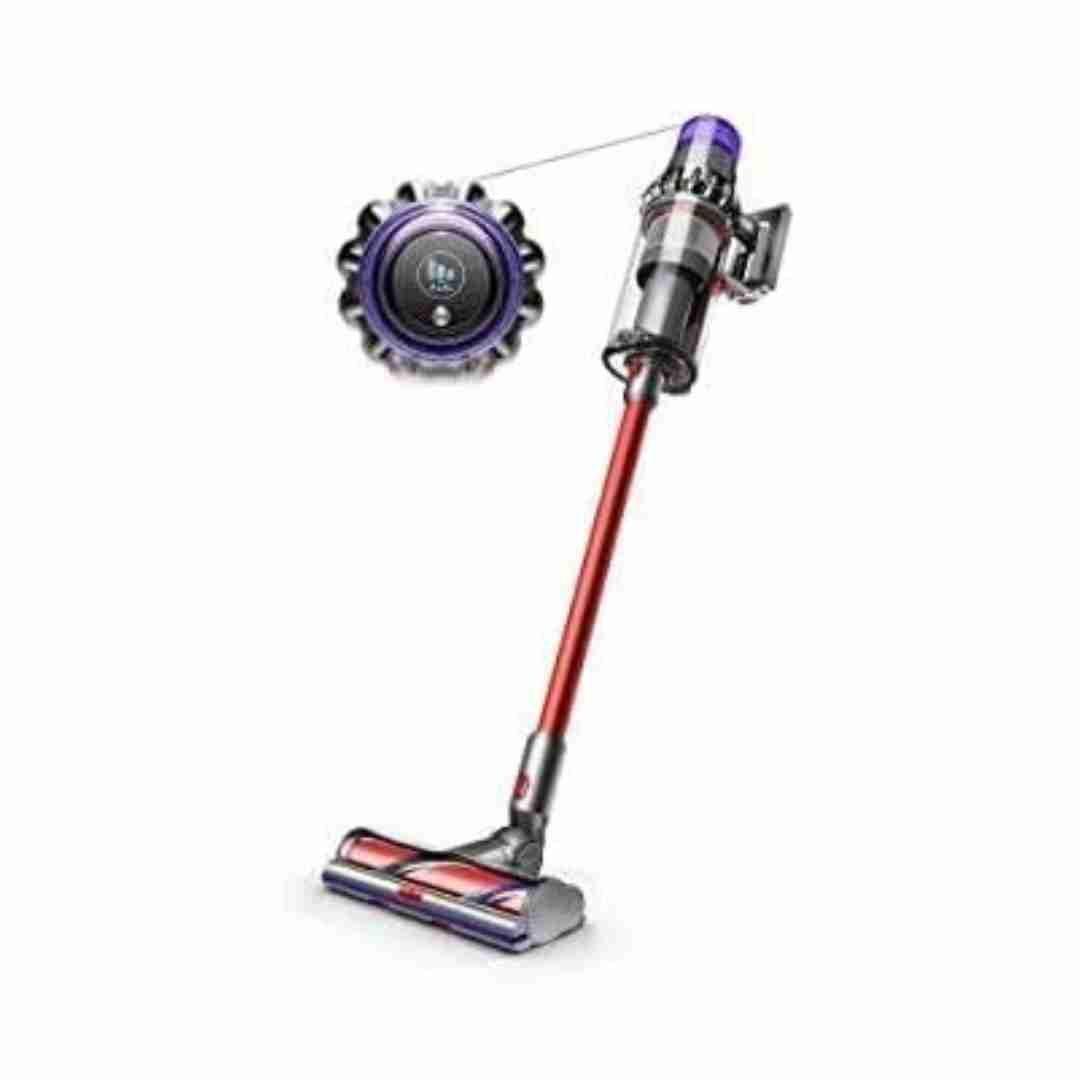
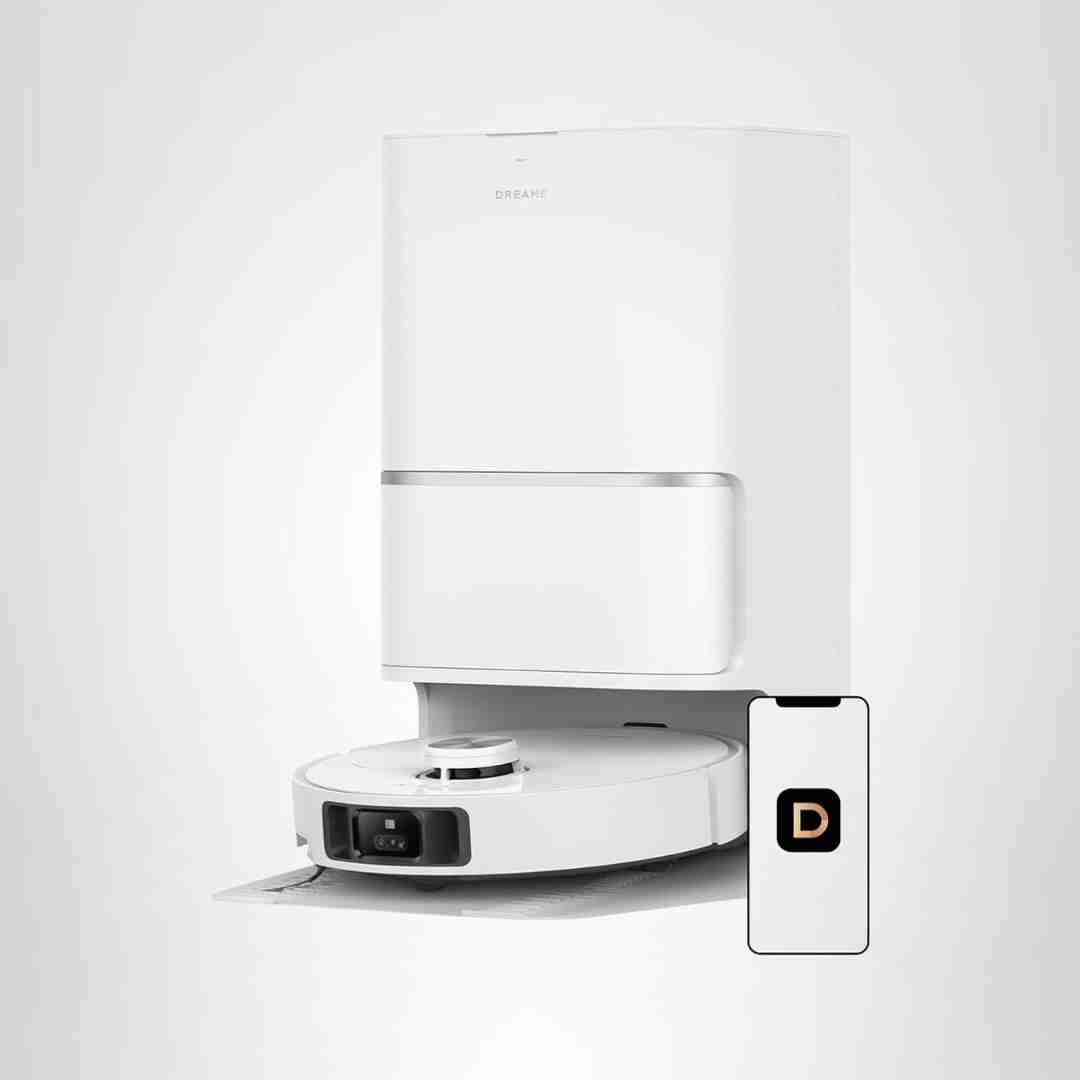
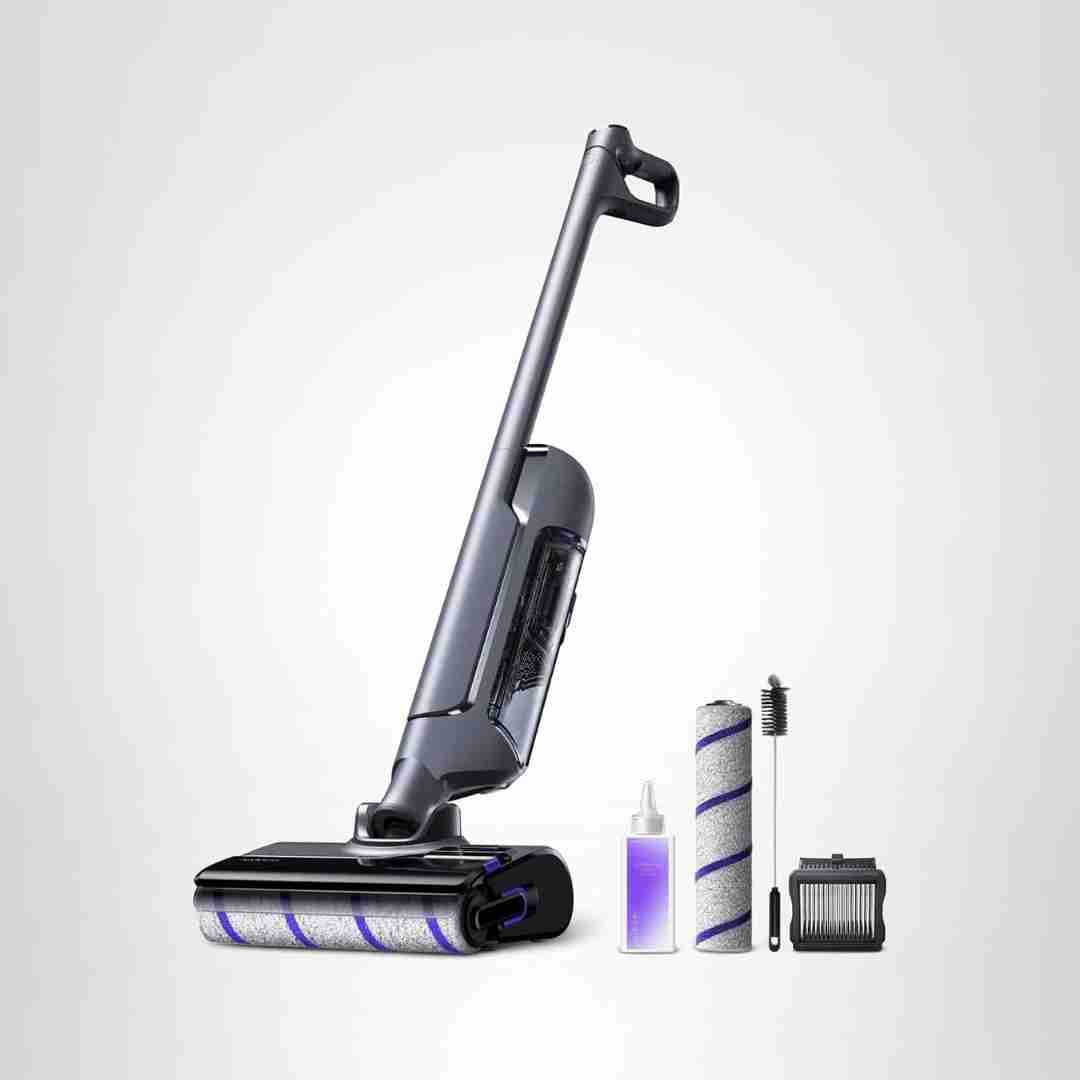
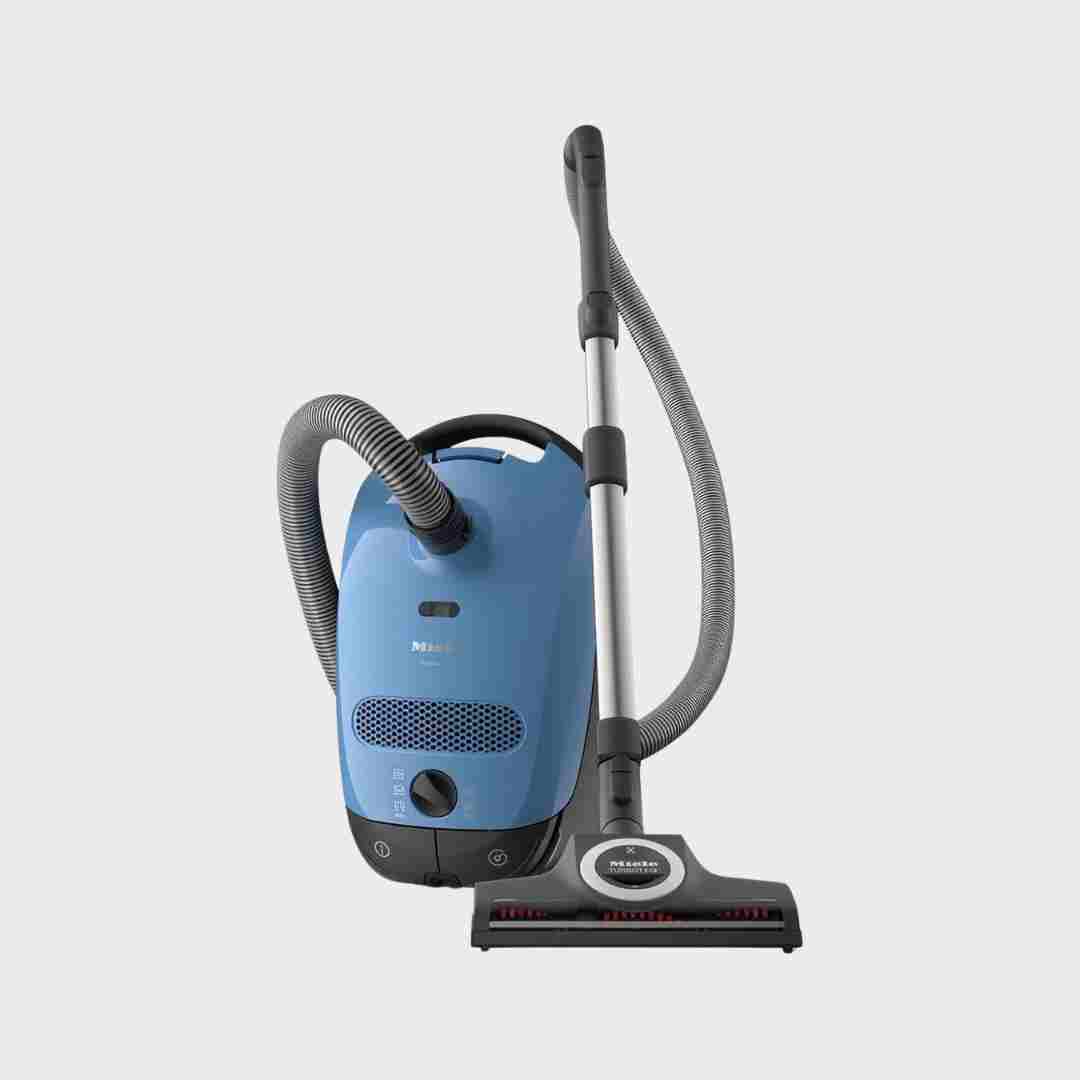
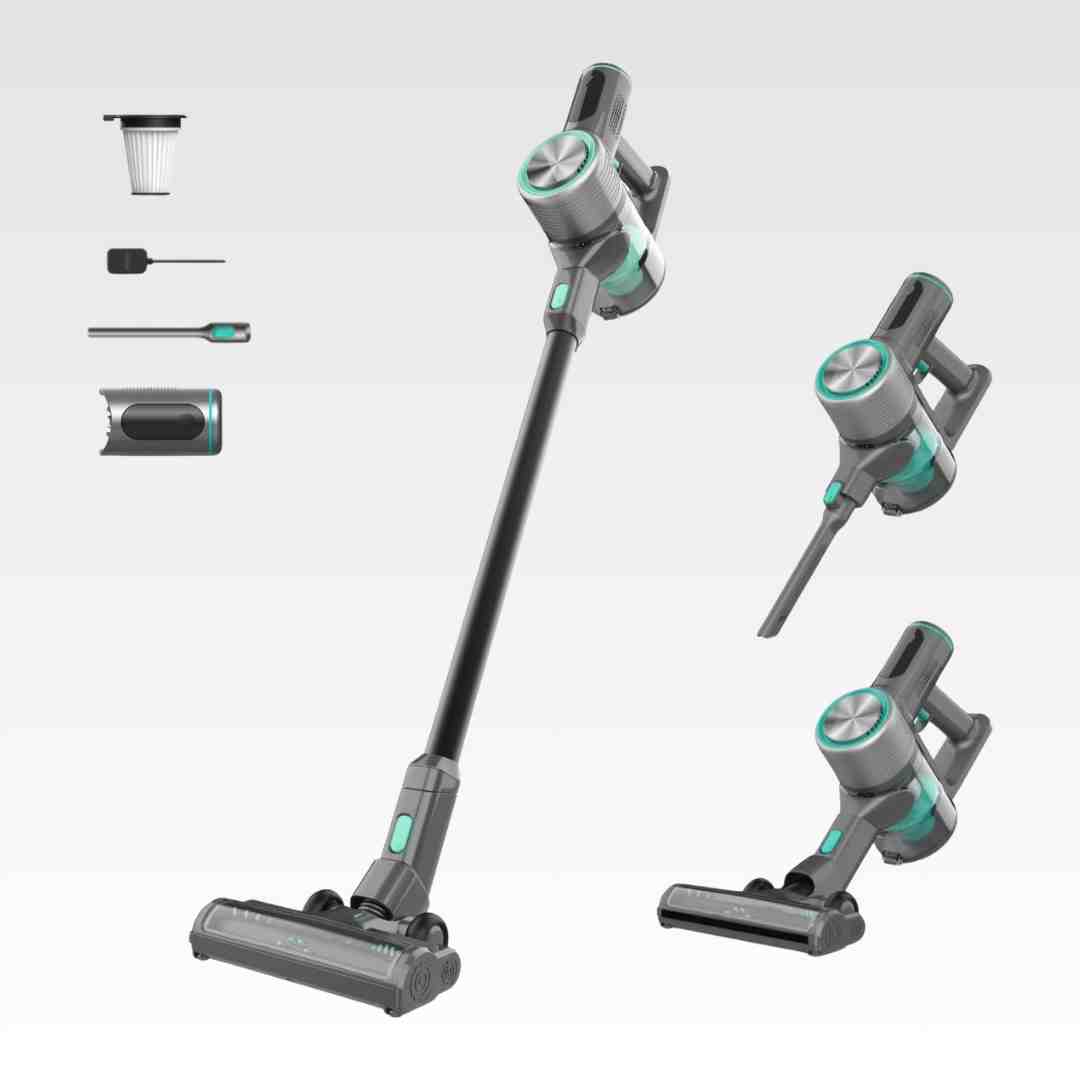
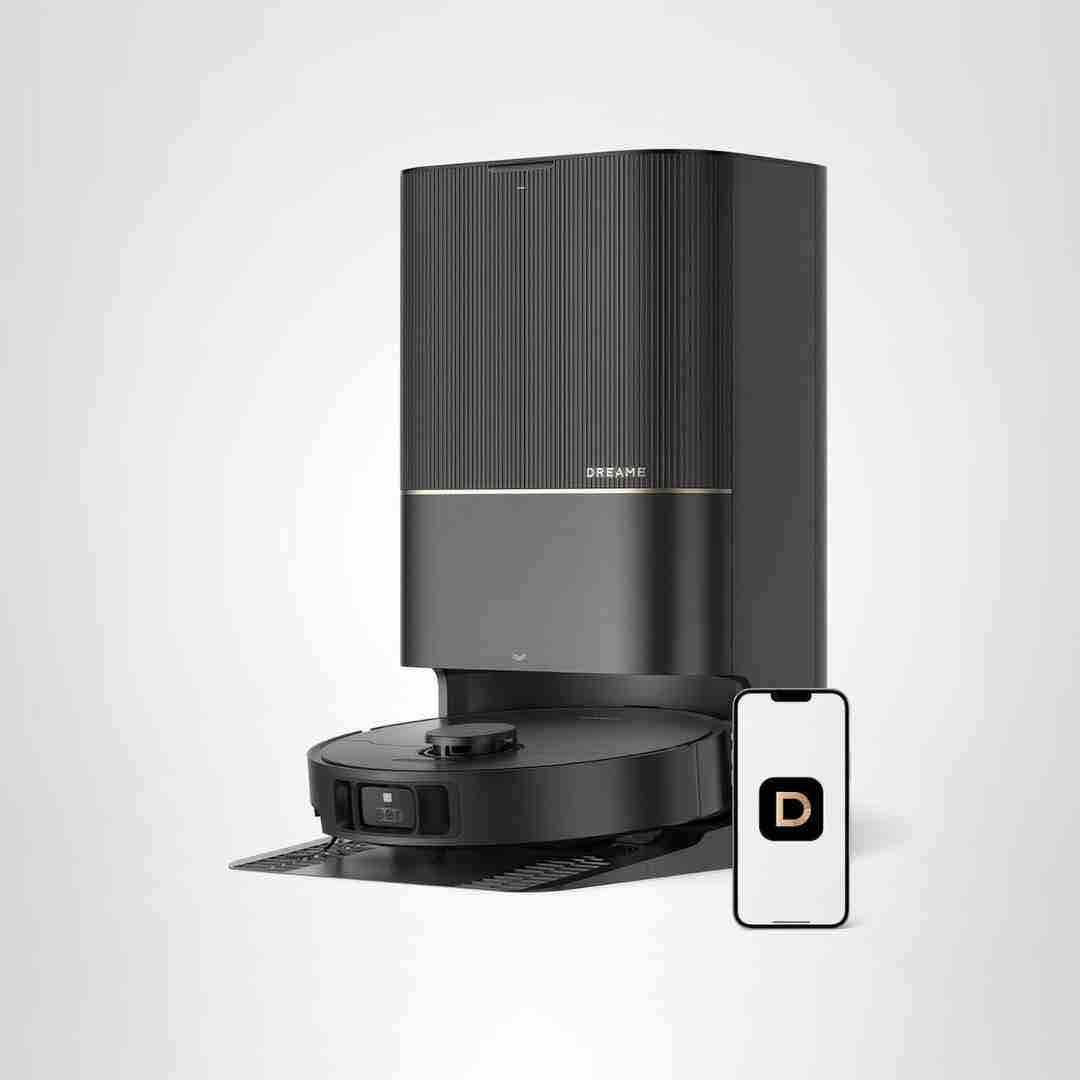
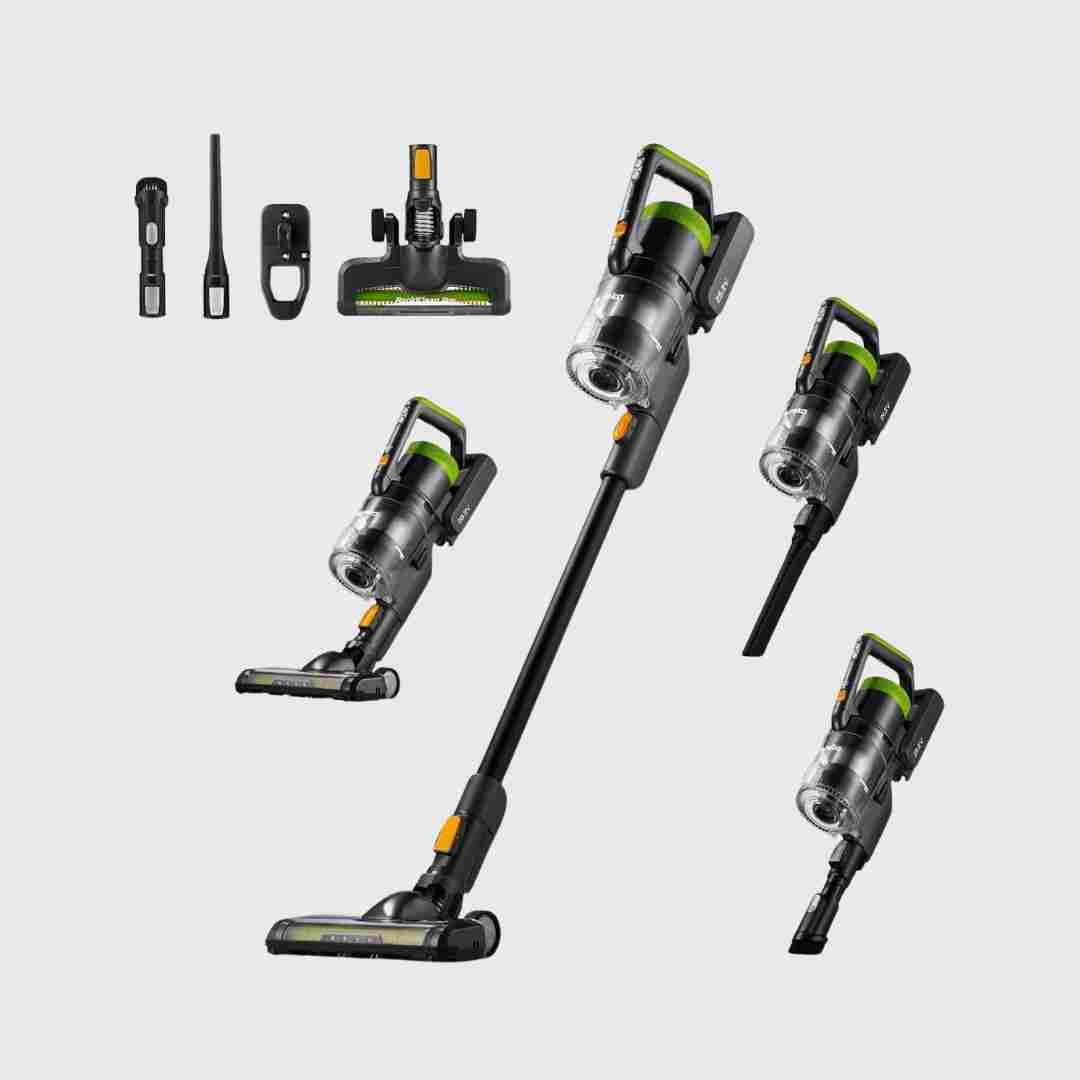
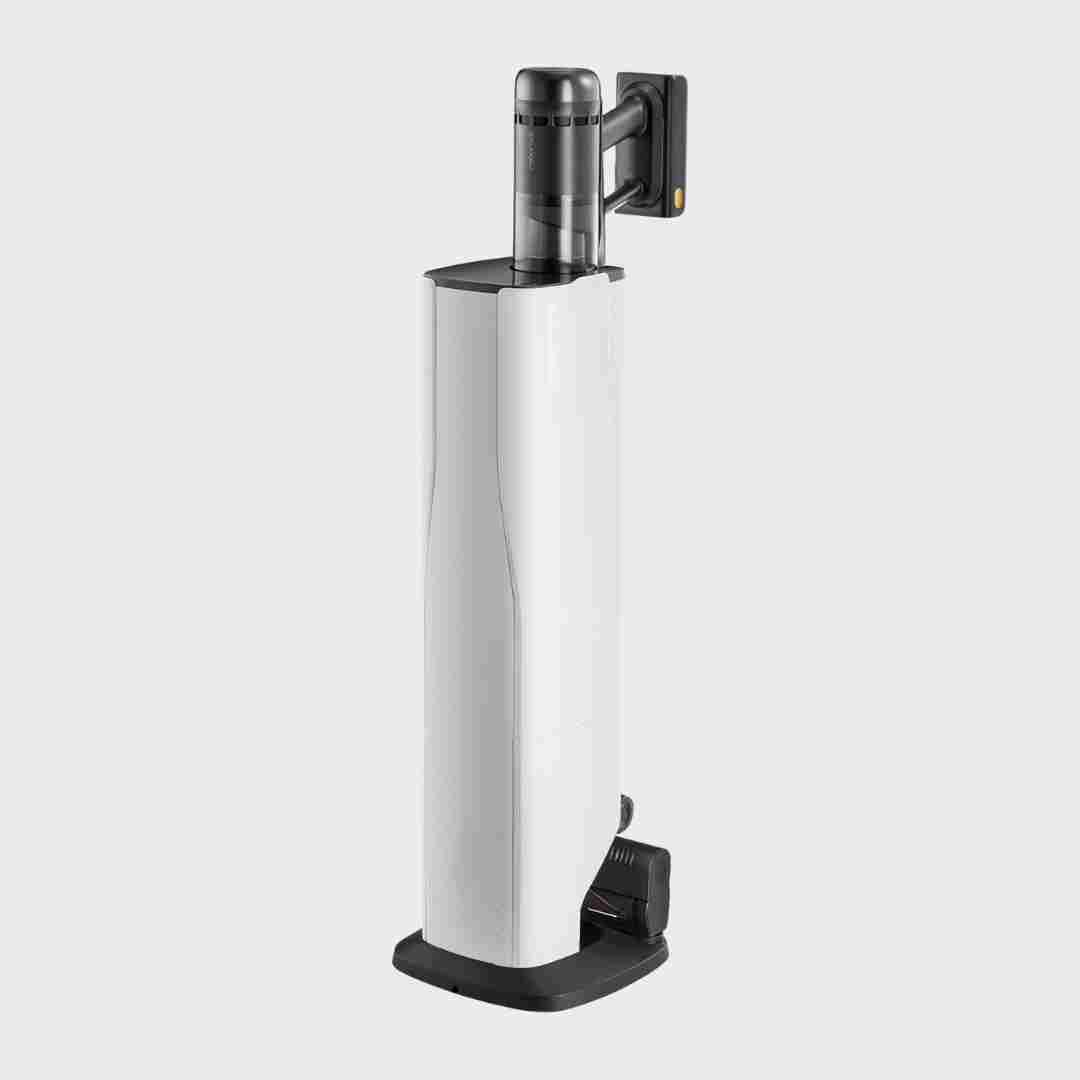
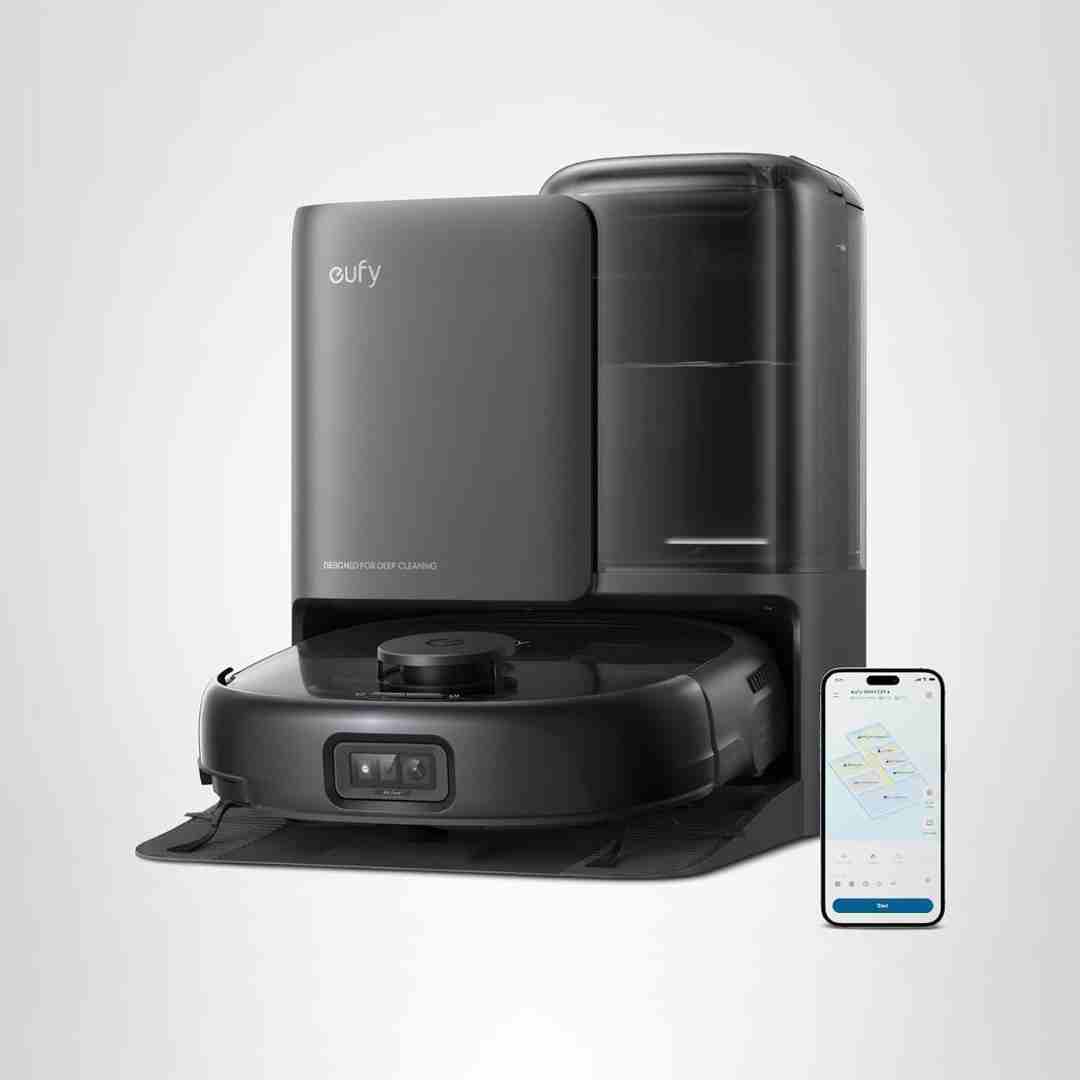
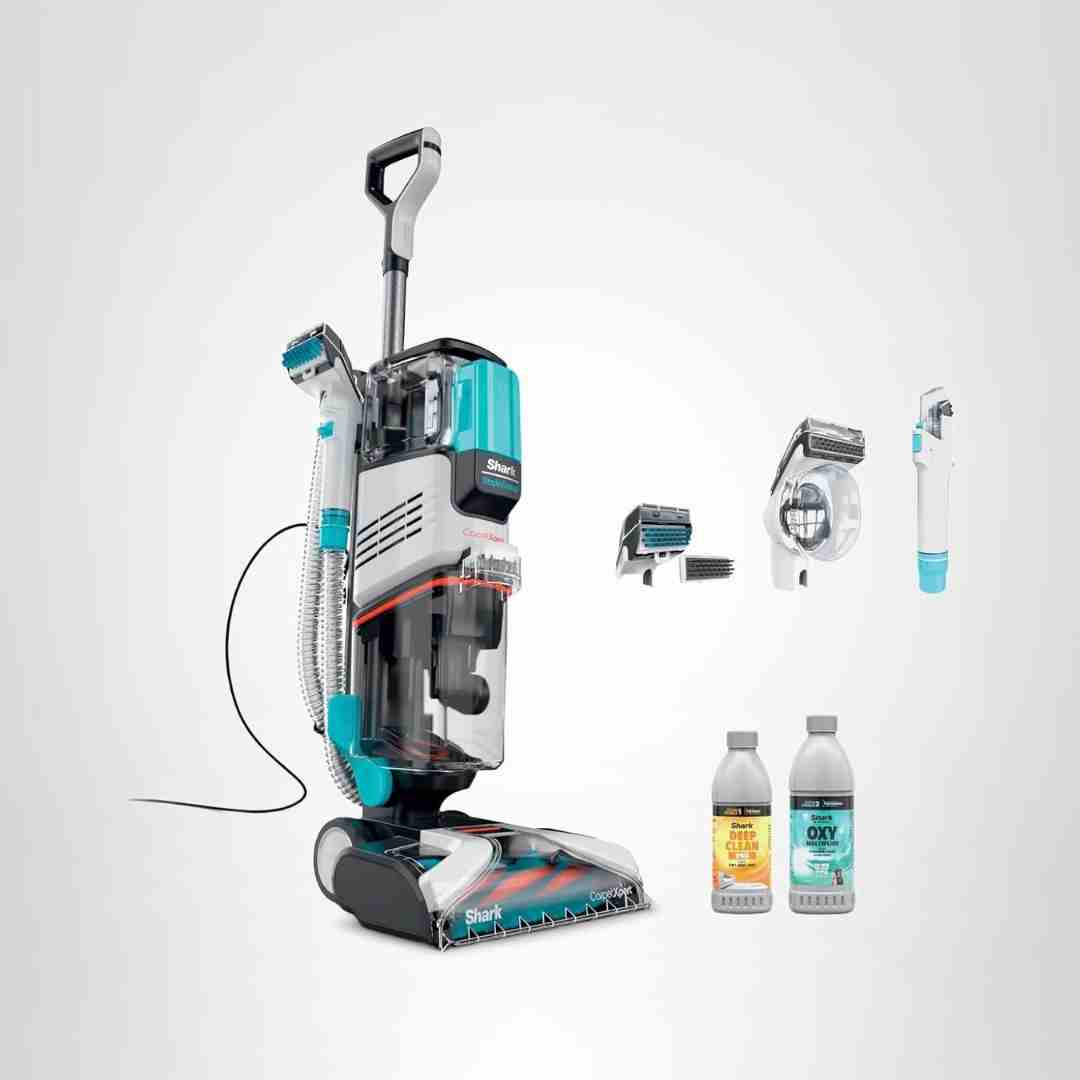
In pet-hair and general cleaning discussions, reviewers report strong debris flow with no notable clogs during testing, including with clumps of fur. Most complaints are about plowing or scattering larger debris rather than true clogging inside the system.
Clogging and tangle-related interruptions are reported as rare in testing, especially with pet hair and long hair. A few reviewers note potential hair wrapping around side axles/gaps, but overall debris flow and anti-tangle systems reduce maintenance compared with many cordless rivals.
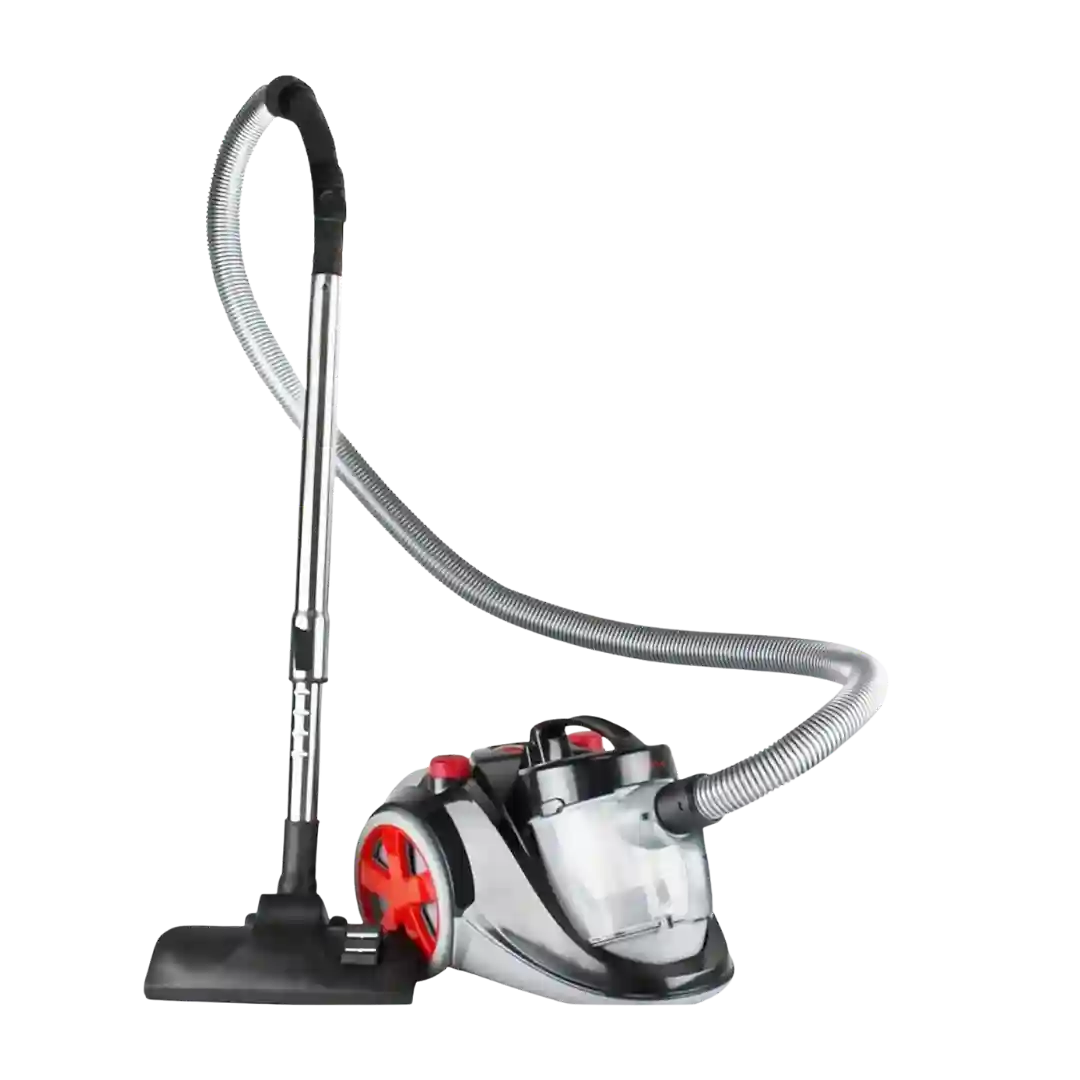
The conical/tapered hose design is repeatedly credited with making clogs unlikely and easy to clear because blockages occur at an accessible point. The thick hose also feels durable and resistant to crushing.
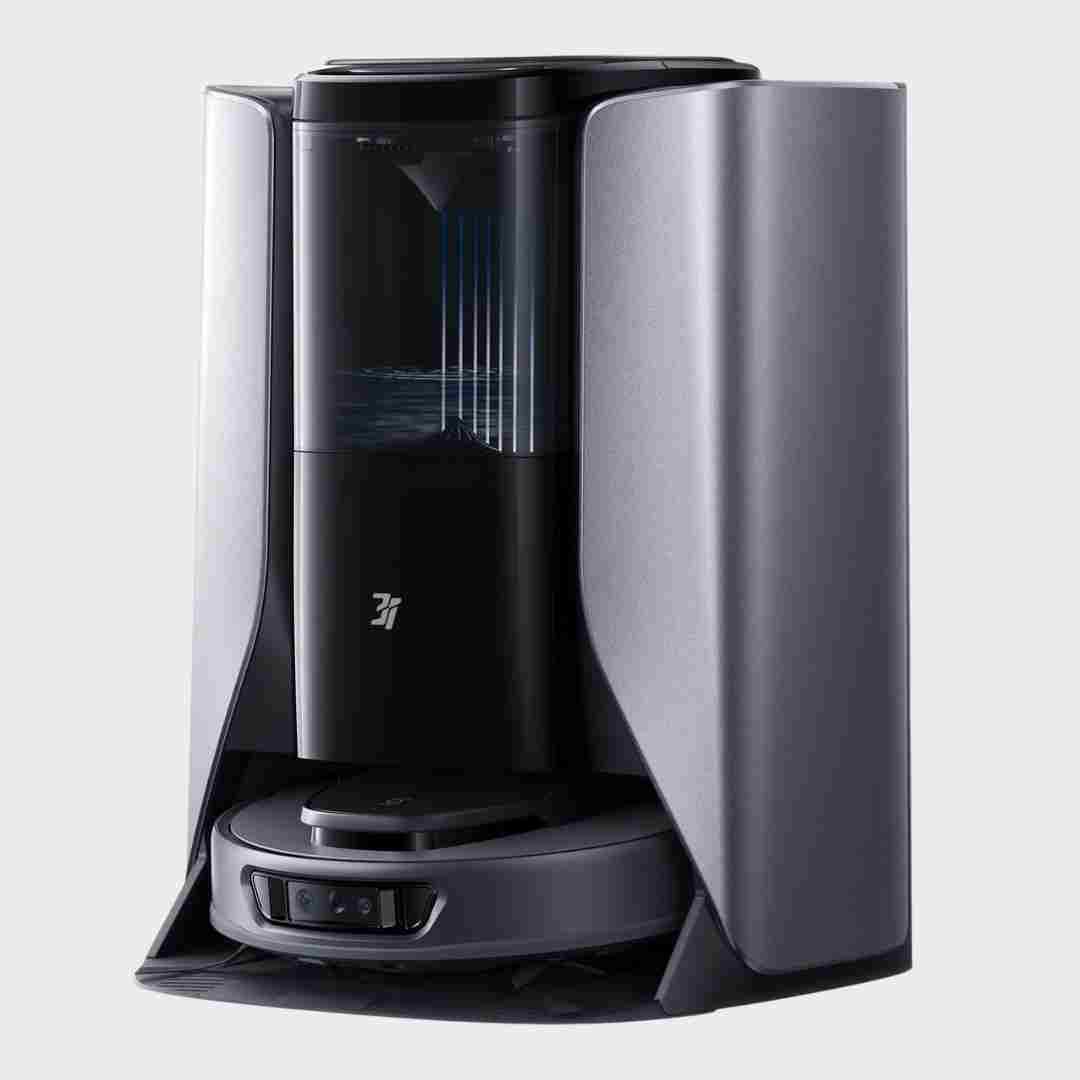
Reviews mention design changes intended to reduce clogging and residue in the dock (including improved washboard/drain management). Debris and hair can still collect on secondary parts like the side brush or wheels, but major clogs are not a dominant complaint.
Dual rubber rollers earn praise for reducing hair tangles and clogs versus bristle rollers. Hair can still collect on the roller ends, but maintenance is usually easy.
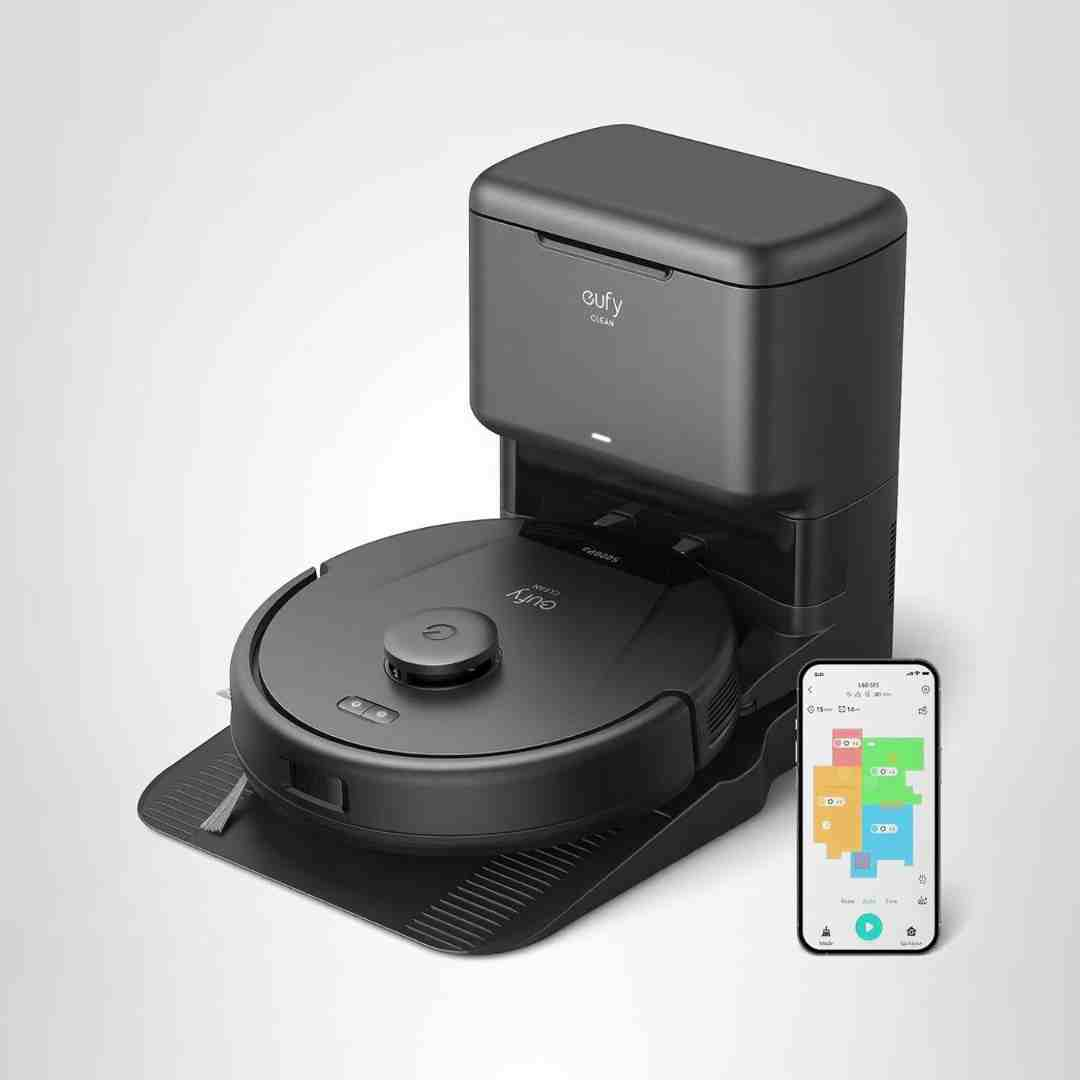
Auto-emptying was generally effective at clearing dense debris, and one review credits a DualBoost-style airflow design with reducing clogs during emptying.
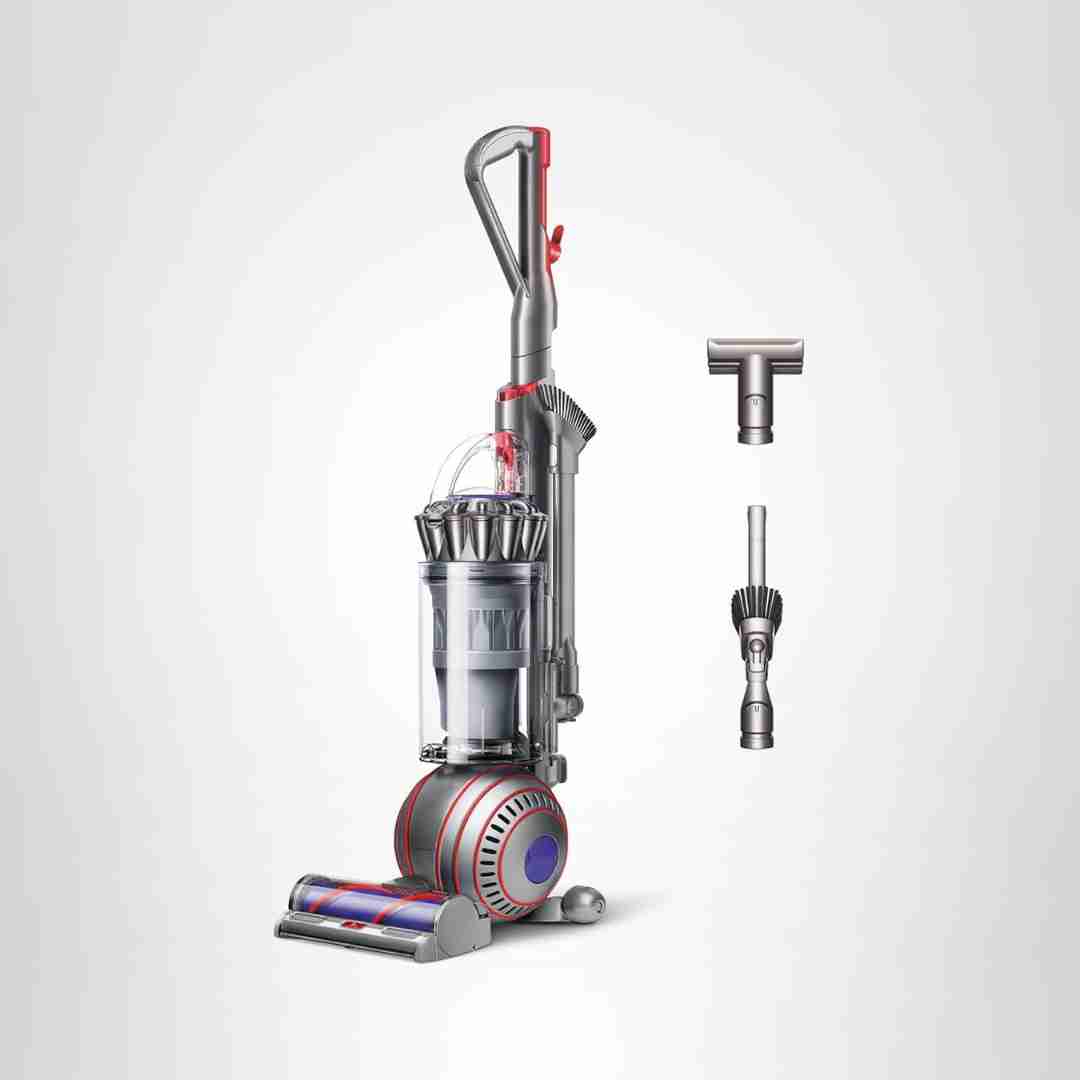
The tapered hose and simple airflow path are repeatedly praised for easy blockage removal and low clogging, though a minority of user reports mention occasional hose/floorhead blockages depending on debris type.
The brush and dock system handle heavy hair and mixed debris without frequent clogs, and auto-emptying is reported to work without choking on hair. Occasional checks are still advisable, but clogging is not a common complaint.
Most reviews emphasize strong clog resistance and fewer mid-clean stoppages, even with heavy pet fur. However, very large or round debris can sometimes lodge in the head until cleared.
One review specifically credits cyclone separation and the dock’s cleaning process with helping prevent clogs, though long hairs can still tangle in certain filter areas and may need a quick manual nudge.
Anti-tangle brush geometry and debris channel design are credited with reducing clogs, even when picking up lots of hair, crumbs, and mixed household debris.
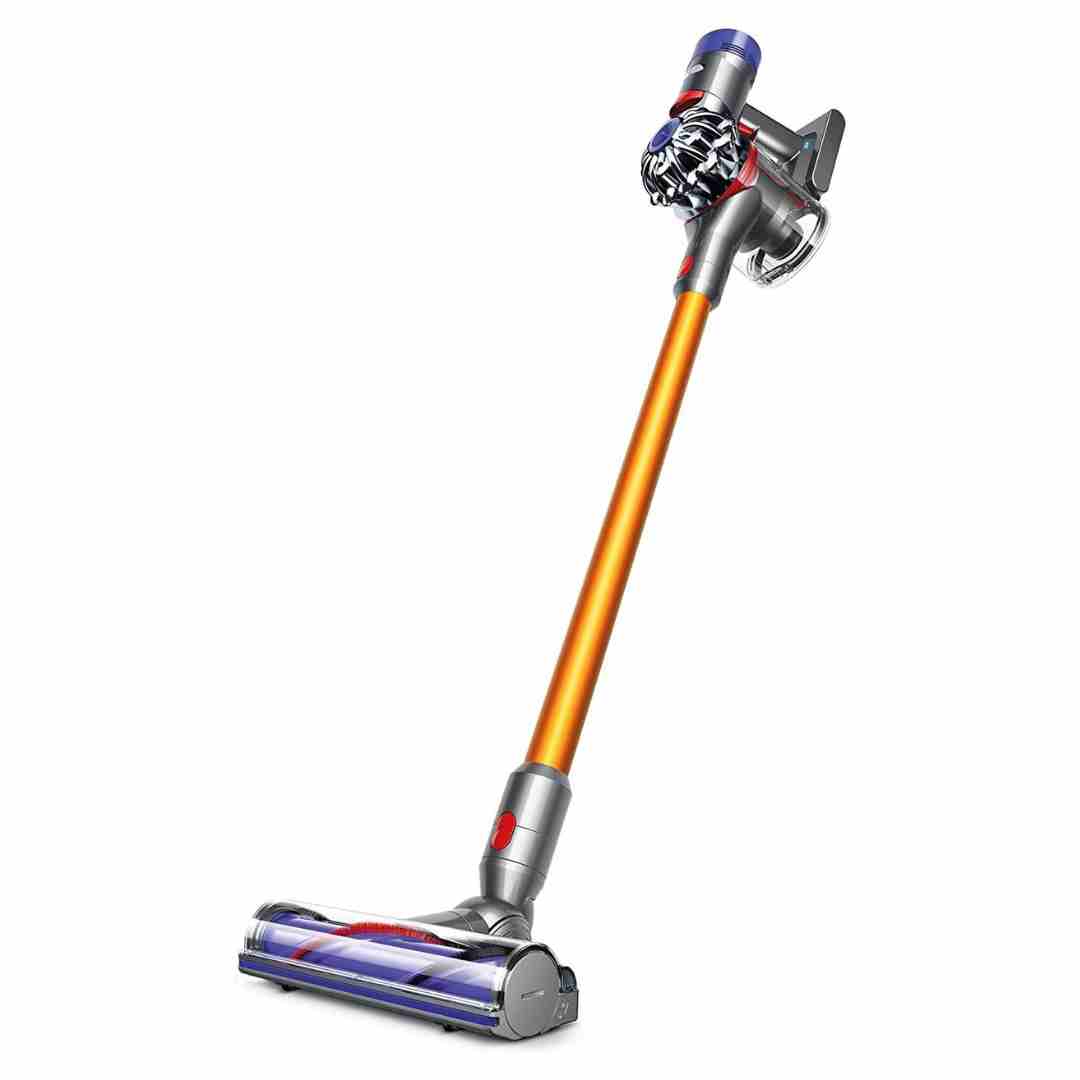
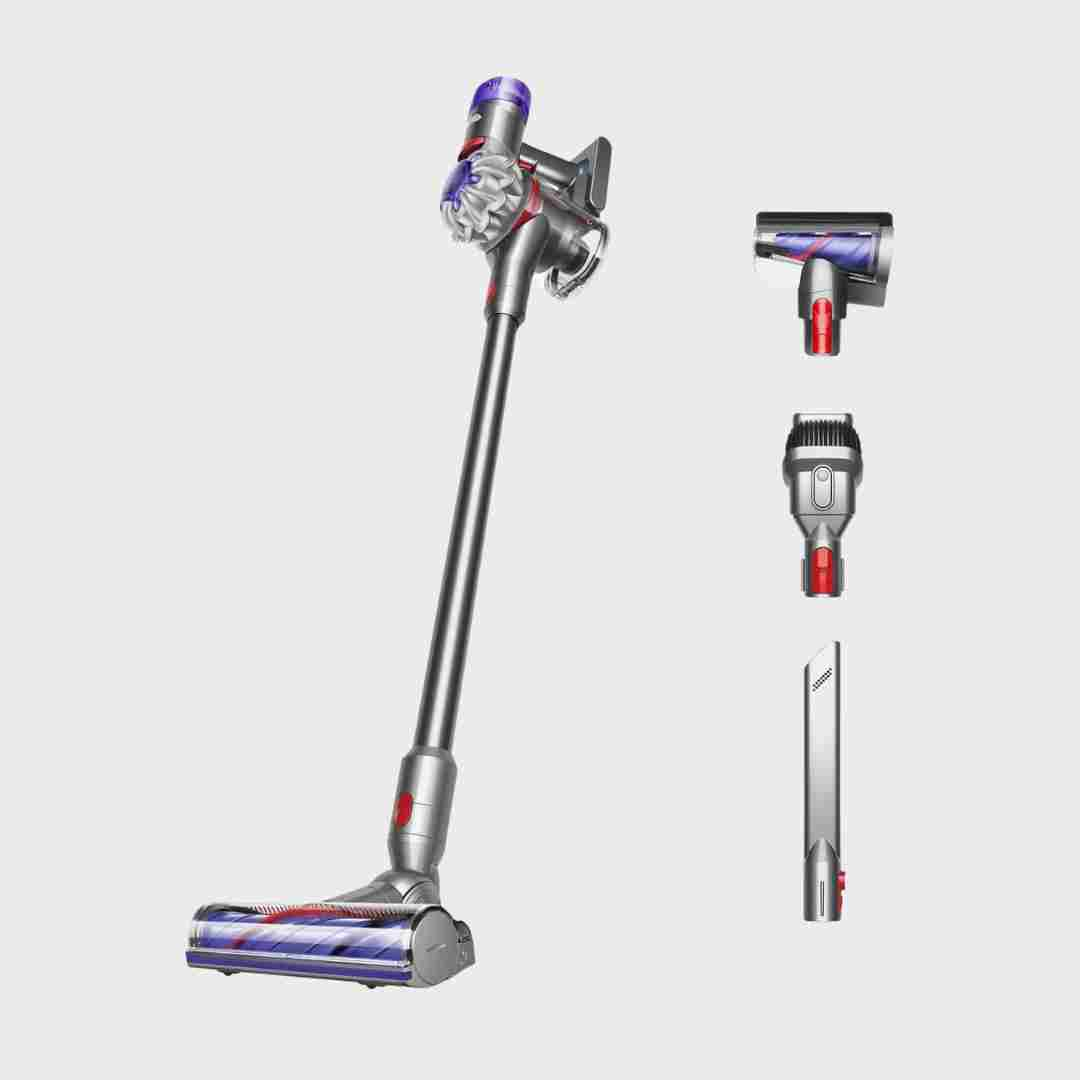
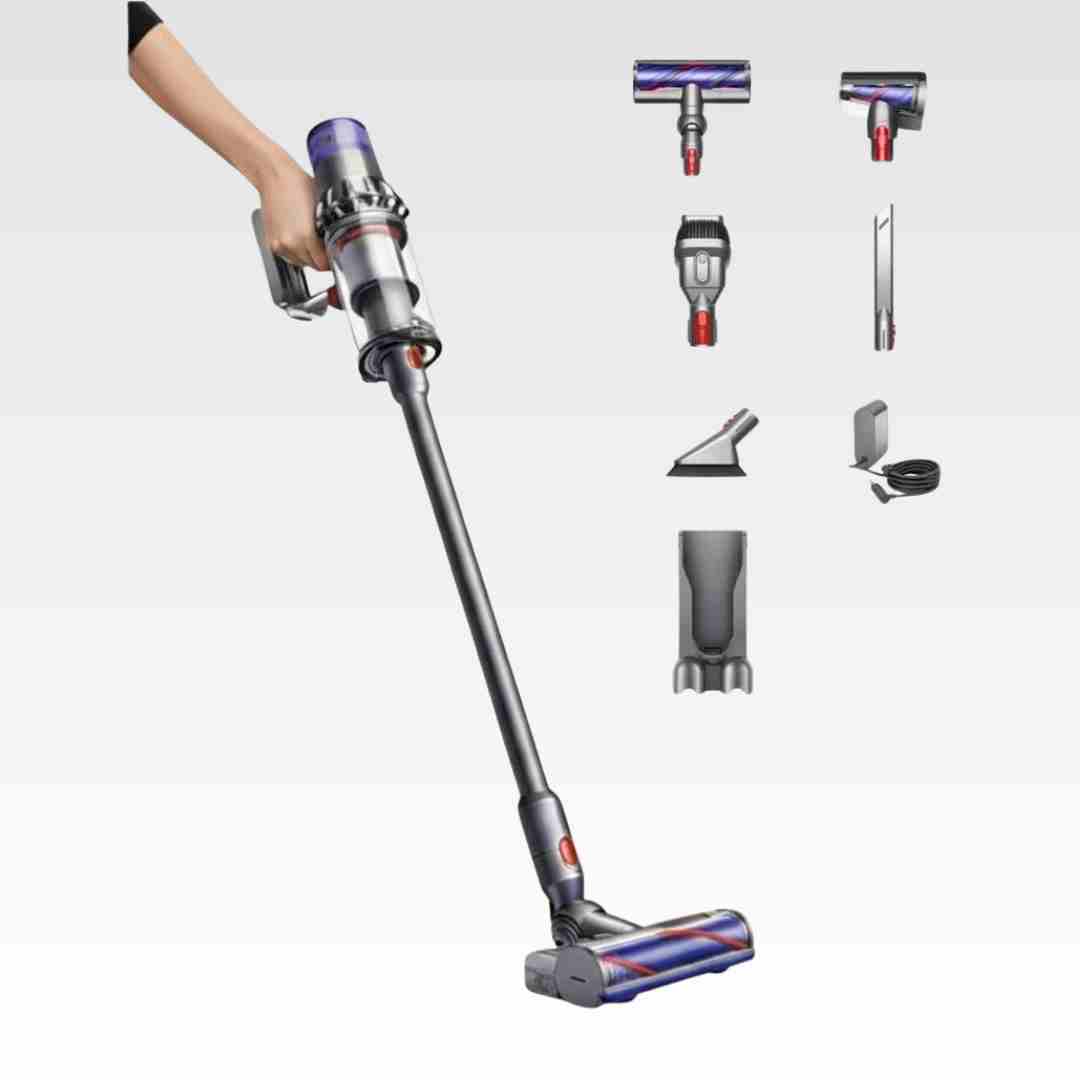
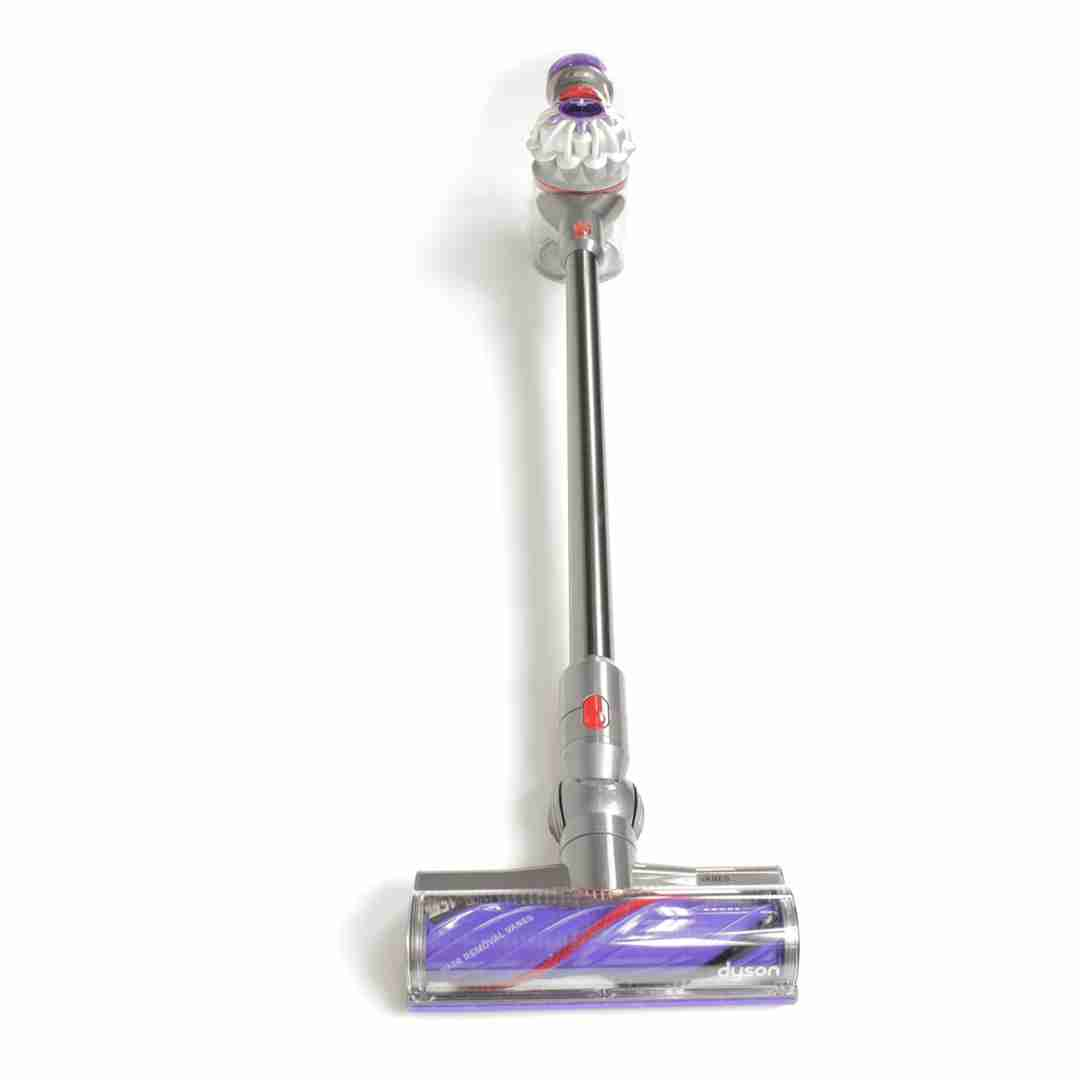
Testing-focused reviews note the V8 does not seem prone to clogging, even with mixed debris sizes on carpet, and maintains performance well as the bin fills. Proper head choice still matters for large debris on hard floors.
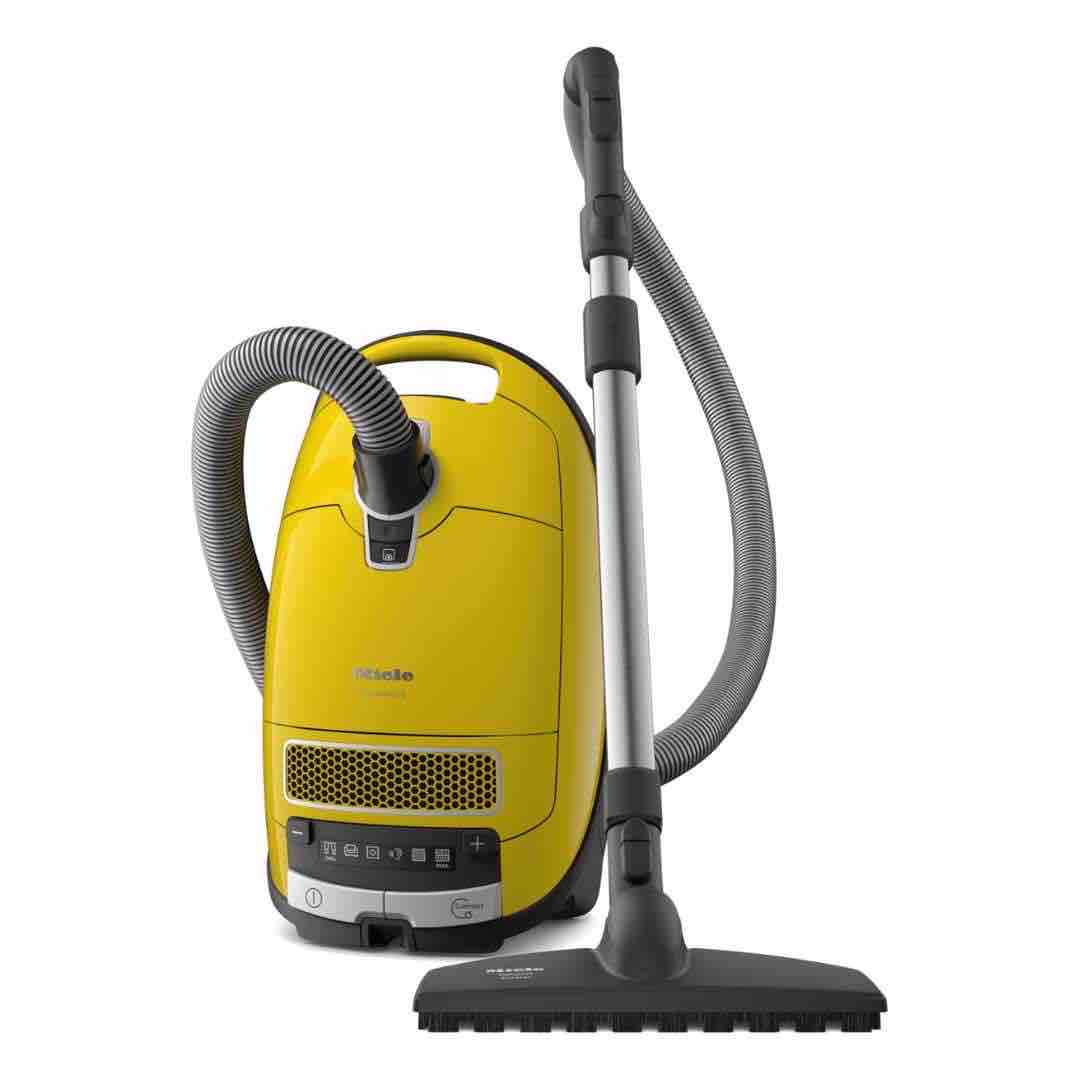
The bagged design is often credited with stable airflow and fewer performance drops as the bag fills, reducing the feel of clogging or suction fade. Debris handling issues are more commonly tied to floorhead choice than to true internal blockages.
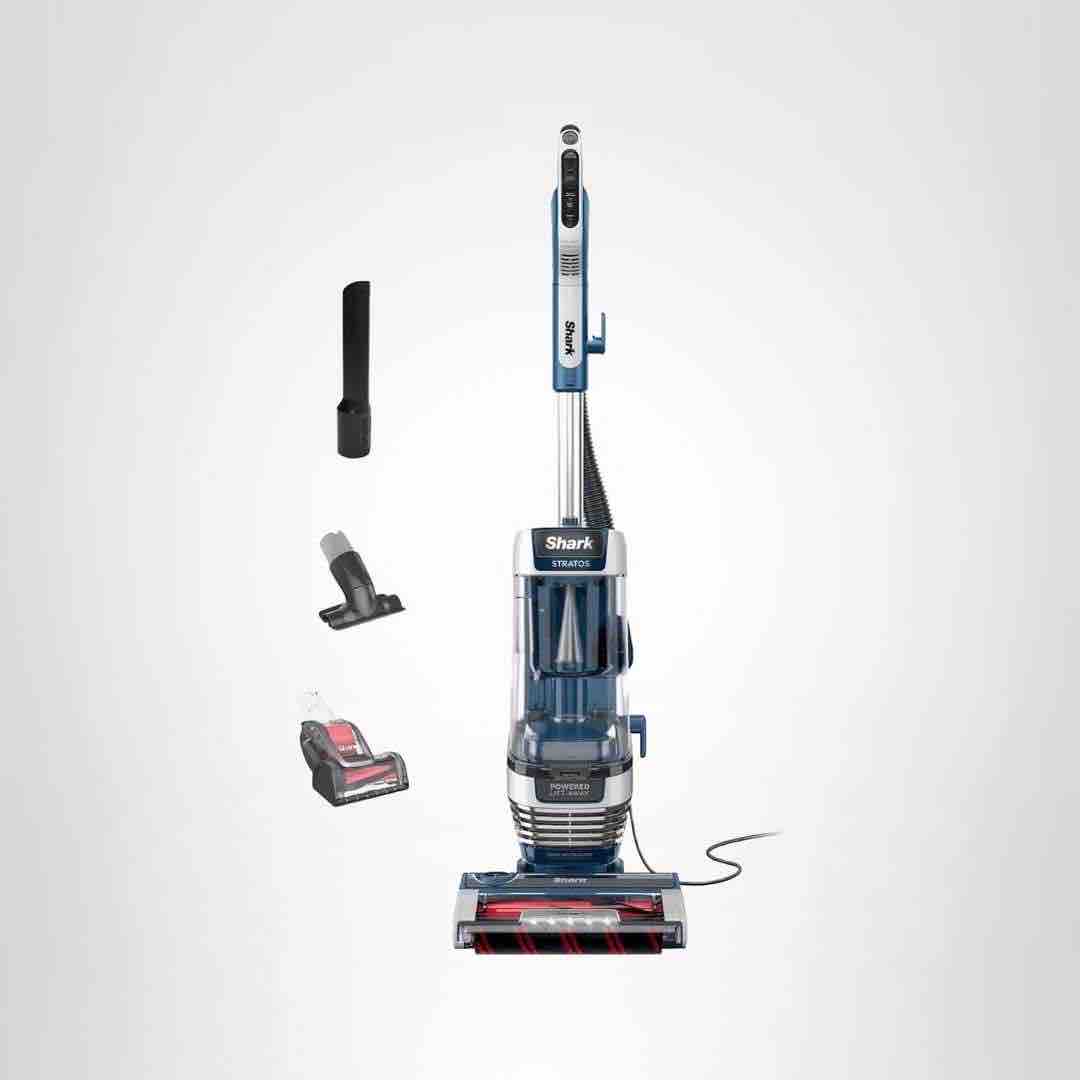
Clog-prevention and service access get strong marks: several reviews mention a cleanout/trap door or access port and easy brushroll removal to address jams and buildup quickly.
Reviews credit the larger intake and adjustable gates with helping prevent big-debris jams. Clogs are still possible if maintenance is ignored or if long hair builds up, but outright intake blockages are not a frequent complaint.
TriCut/anti-clog roller design is repeatedly framed as helping reduce hair clumps and preventing blockages in the suction path/dock, especially for pet-heavy homes.
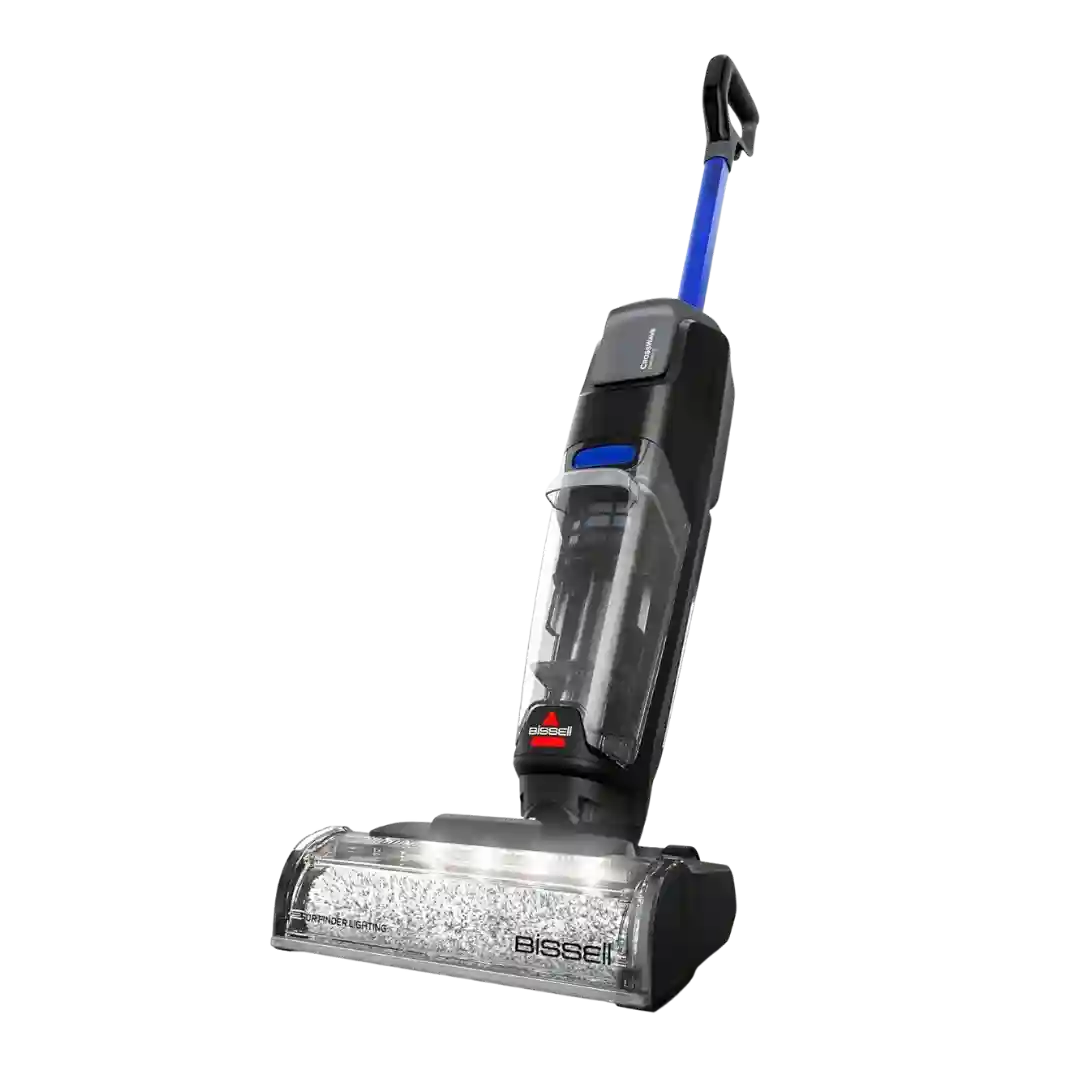
Design elements like a lower-positioned water system, one-way flow, and dual-direction brush action are credited with reducing clogs and keeping debris moving into the tank. Reviews also connect this to better handling of hair and chunky food bits without the head jamming.
Anti-tangle design elements and on-screen alerts for tangles or blockages support smoother ownership, though one test reports occasional stoppages on very long-pile rugs, suggesting edge-case tuning limits.
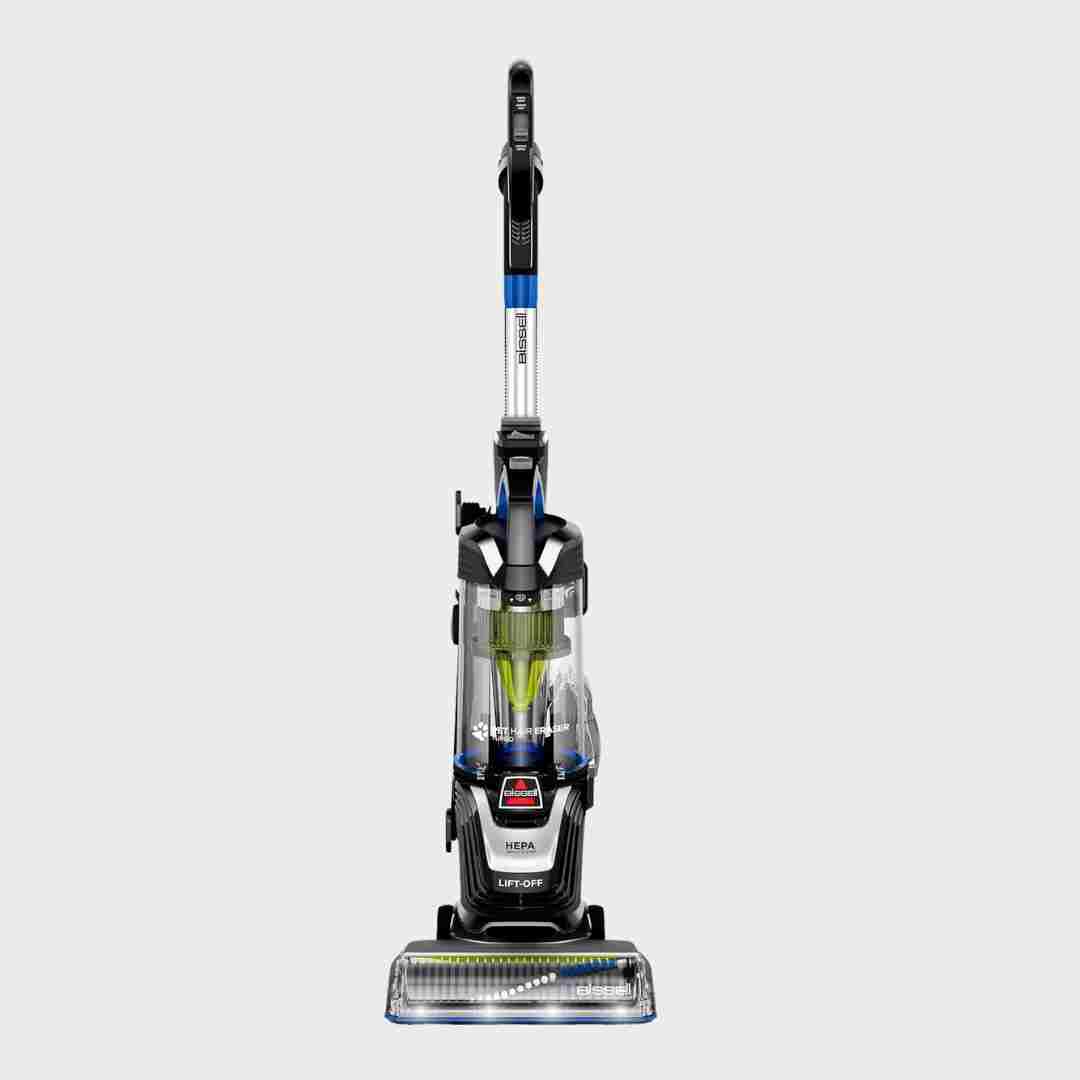
Reviewers often note an open airflow path and dustbin layout that helps prevent clogs. Hair and debris generally make it into the bin without frequent blockage, even though the brushroll may wrap long strands.
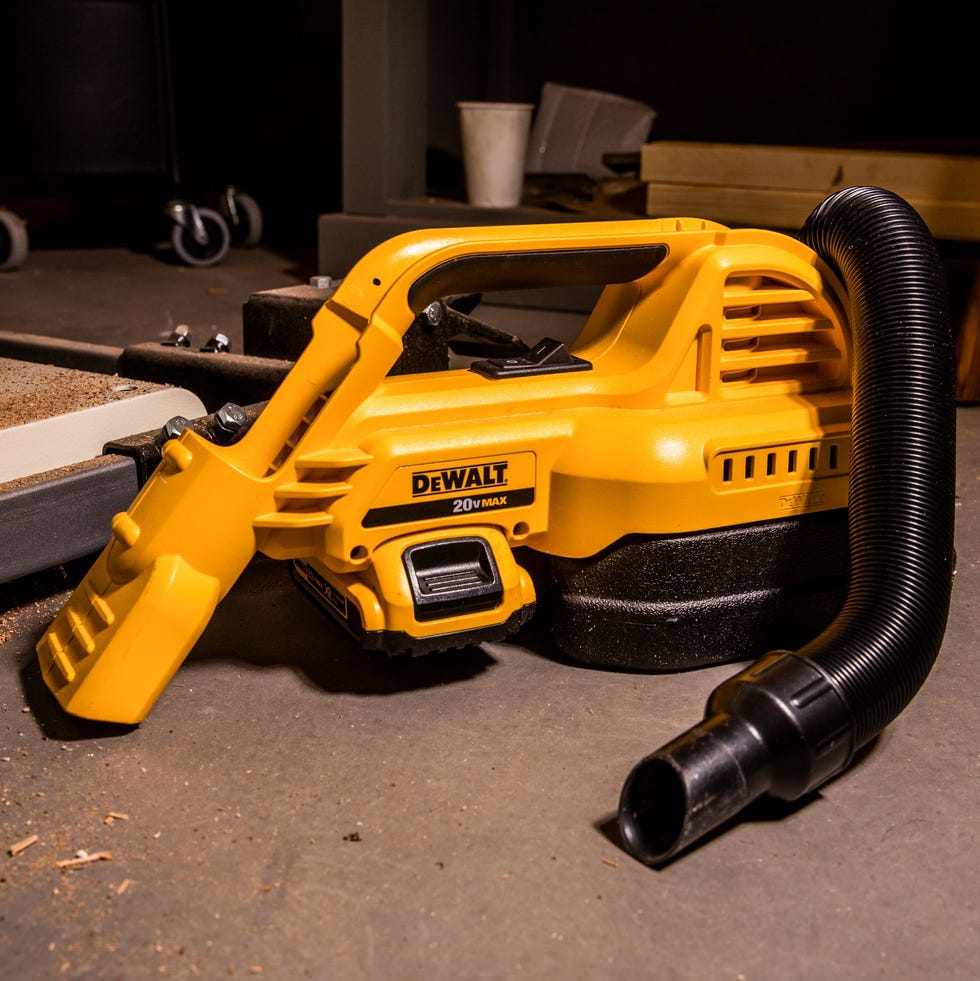
A tank flap/seal design is mentioned as helping keep debris from escaping if the vacuum tips over. No widespread clogging complaints appear, but the 1-1/4 inch intake naturally limits very large debris.
Anti-hair-wrap design reduces clogging from hair and fibers, and reviewers describe accessible paths for clearing blockages when needed. Some tests still saw larger debris get pushed or scattered, which can slow cleanup in certain scenarios.
Several reviews report no clogging issues in testing, helped by large intake gates and a design that handles mixed debris. Hair can still build up on the brush with long strands, but outright clogs are not a common complaint.
A filter-cleaning dial/knob to restore suction and reduce clogs is repeatedly mentioned, and at least one user reports few clogging issues even with pet hair.
Hair-cutting and brush-lifting behaviors are cited as practical ways to prevent gunk and tangles, especially when the robot encounters wet patches. Reviewers generally frame these as helpful for keeping the cleaning path cleaner and reducing manual cleanup.
Clogging and suction drop are described as less of an issue than some budget competitors due to separation/filtering design, though it does not eliminate overall power limitations.
Clog detection prompts and modular access for clearing blockages are appreciated; reviewers report few real-world clogs, but value the guidance when it occurs.
Clogging is rarely reported as a problem, with multiple accounts noting consistent operation over repeated runs. Some debris can stick in internal crannies, and fine dust can cake in pre-filter areas, but full clogs are not commonly cited.
Many reviews highlight reduced clogging thanks to brush and airflow design, but a few mention debris catching in side gaps or needing regular filter cleaning to prevent loss of suction.
Floorhead design is often credited with minimal snowplowing and few clogs; occasional stalls occur on very dense rugs or when a large chip/toy blocks the head, but clearing is usually straightforward.
Most reviewers report few clogging problems in normal use, including with larger debris on carpet, and praise smooth pickup. A minority note that blockages can happen (signaled by pulsing sounds), but clearing filters and pathways is usually simple.
Many testers say the airflow path resists clogs and passes debris well, but hair can still collect on brush bristles and occasionally block the nozzle.
Clogging prevention is typically strong, with many users reporting sustained suction and minimal brush roll clogging. Issues tend to appear when the small bin is overfilled, which can dirty filters faster or trap hair in the cyclone area.
Auto-empty and dirt-path design is improved versus older models and resists clogging better, but the filter and dock area still benefit from occasional manual cleaning.
Several reviews praise no-clog suction and hair/debris separation features, but also stress that pre-vacuuming is important to avoid hair clumps. Heavy debris loads can still require post-pass cleanup in tighter openings around the head or cover.