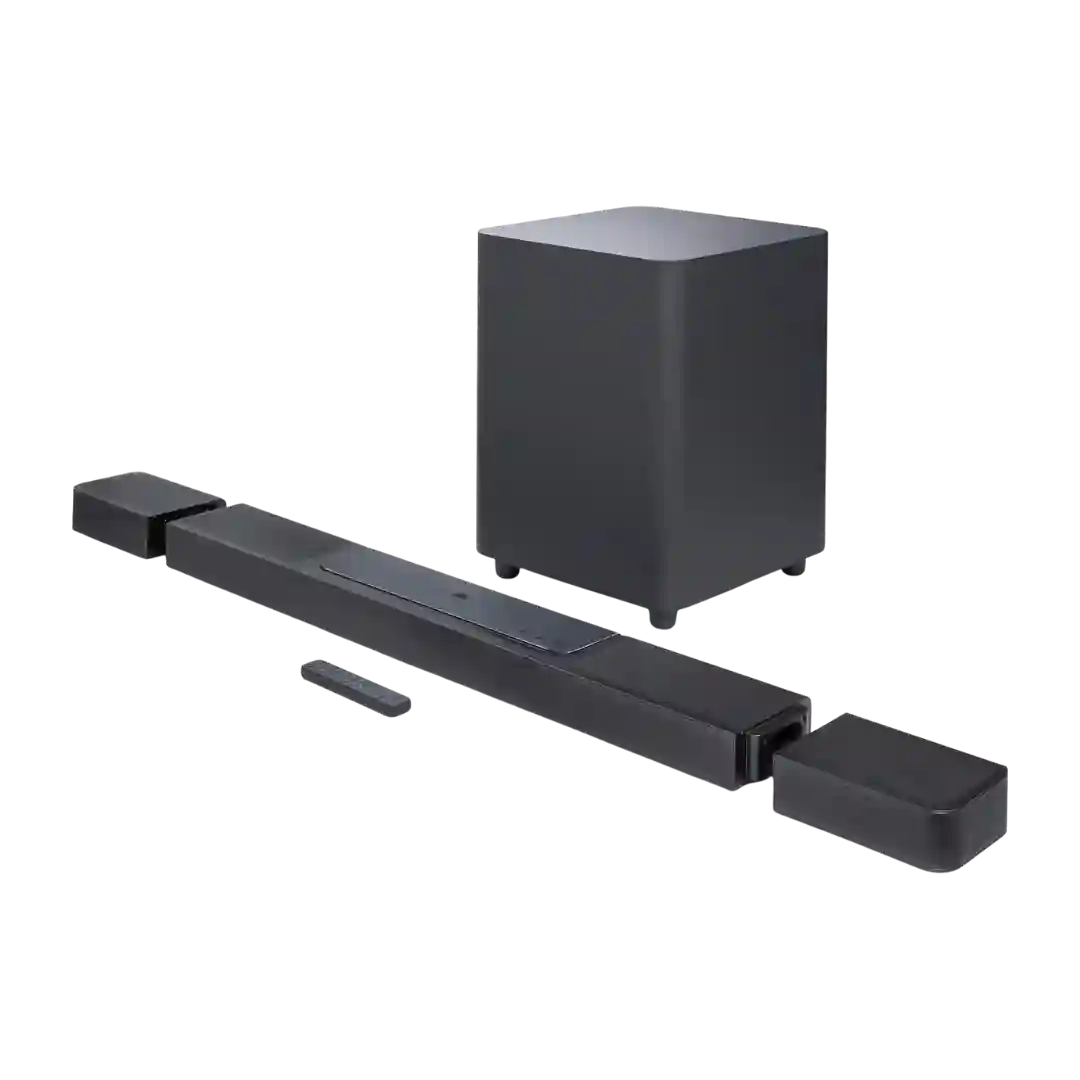
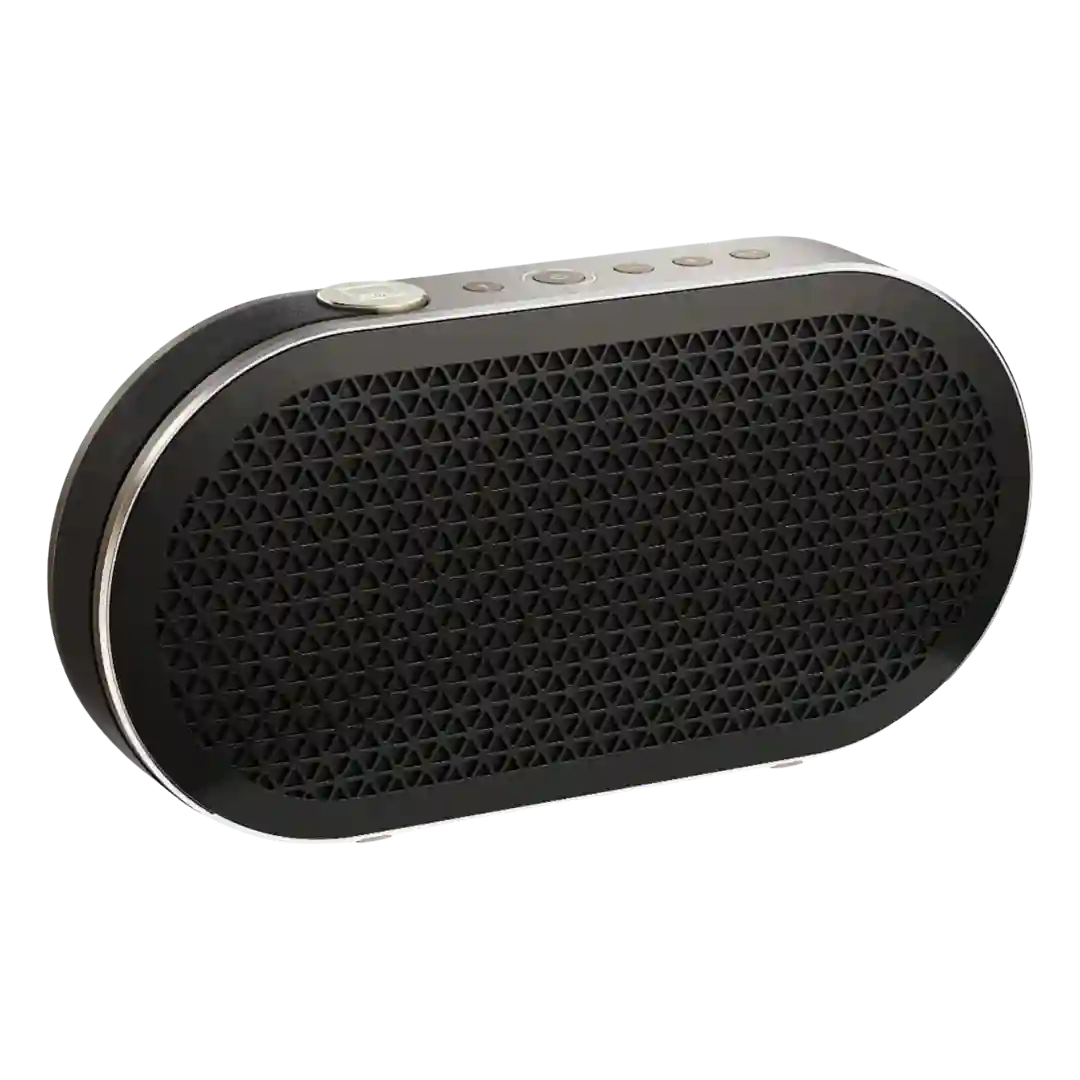
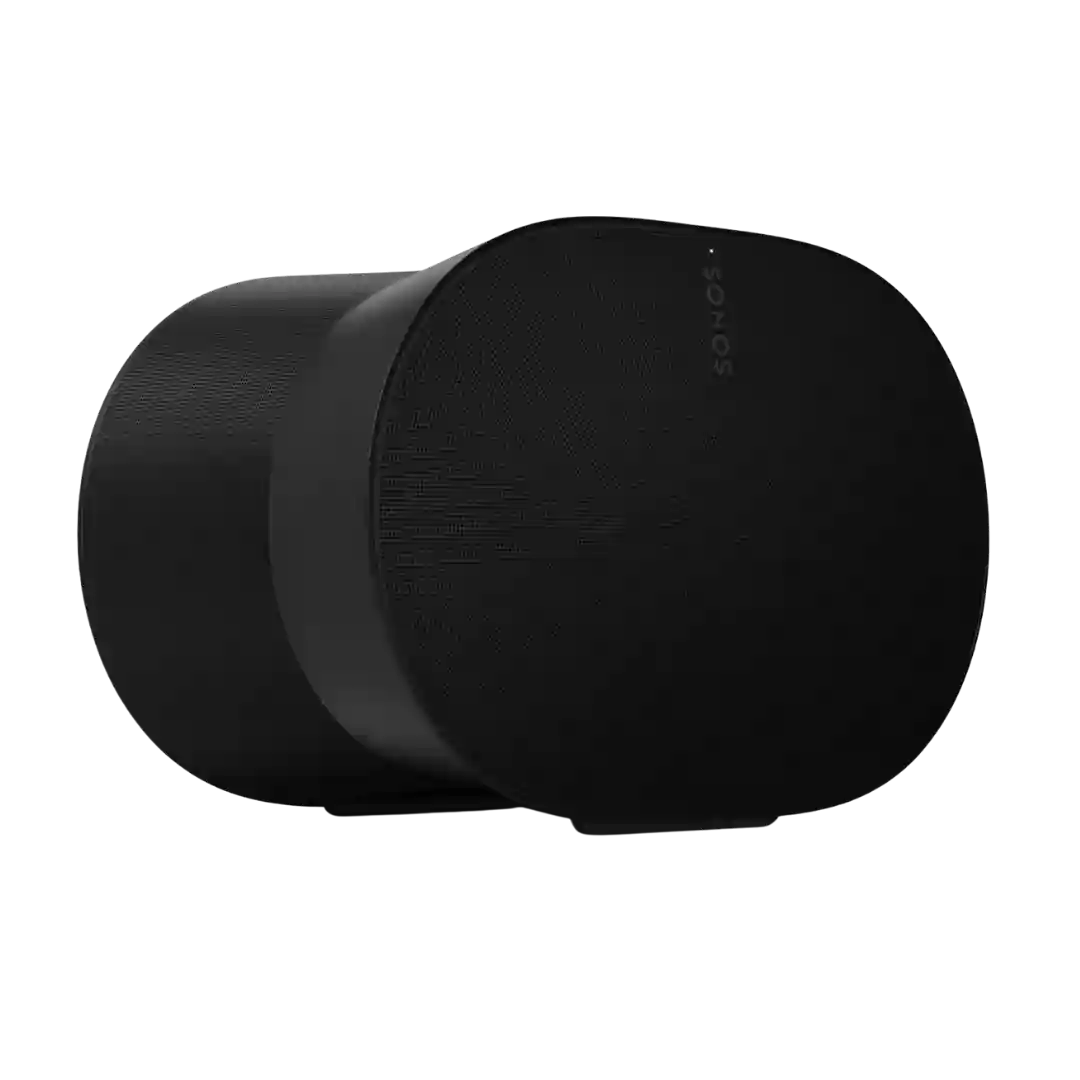
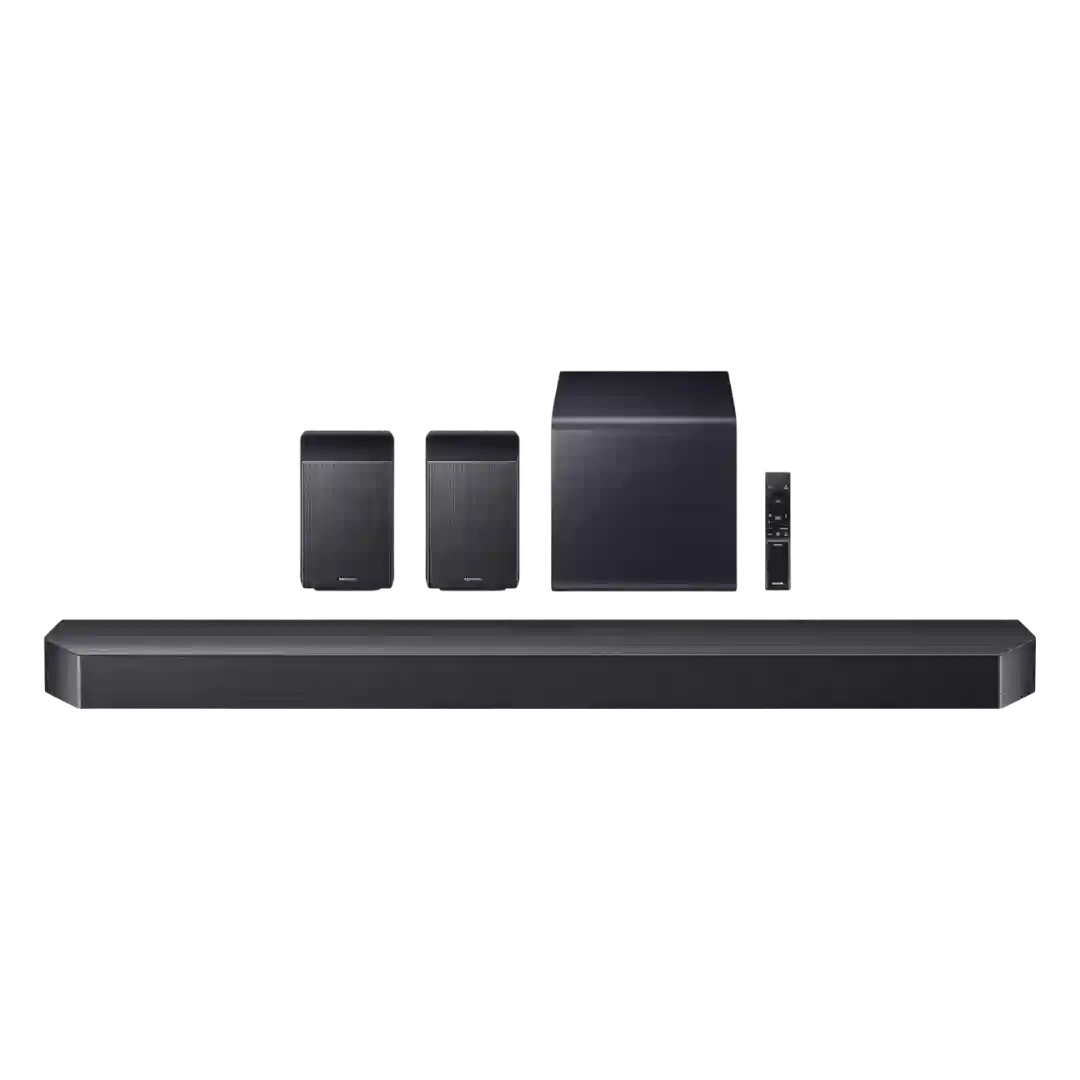
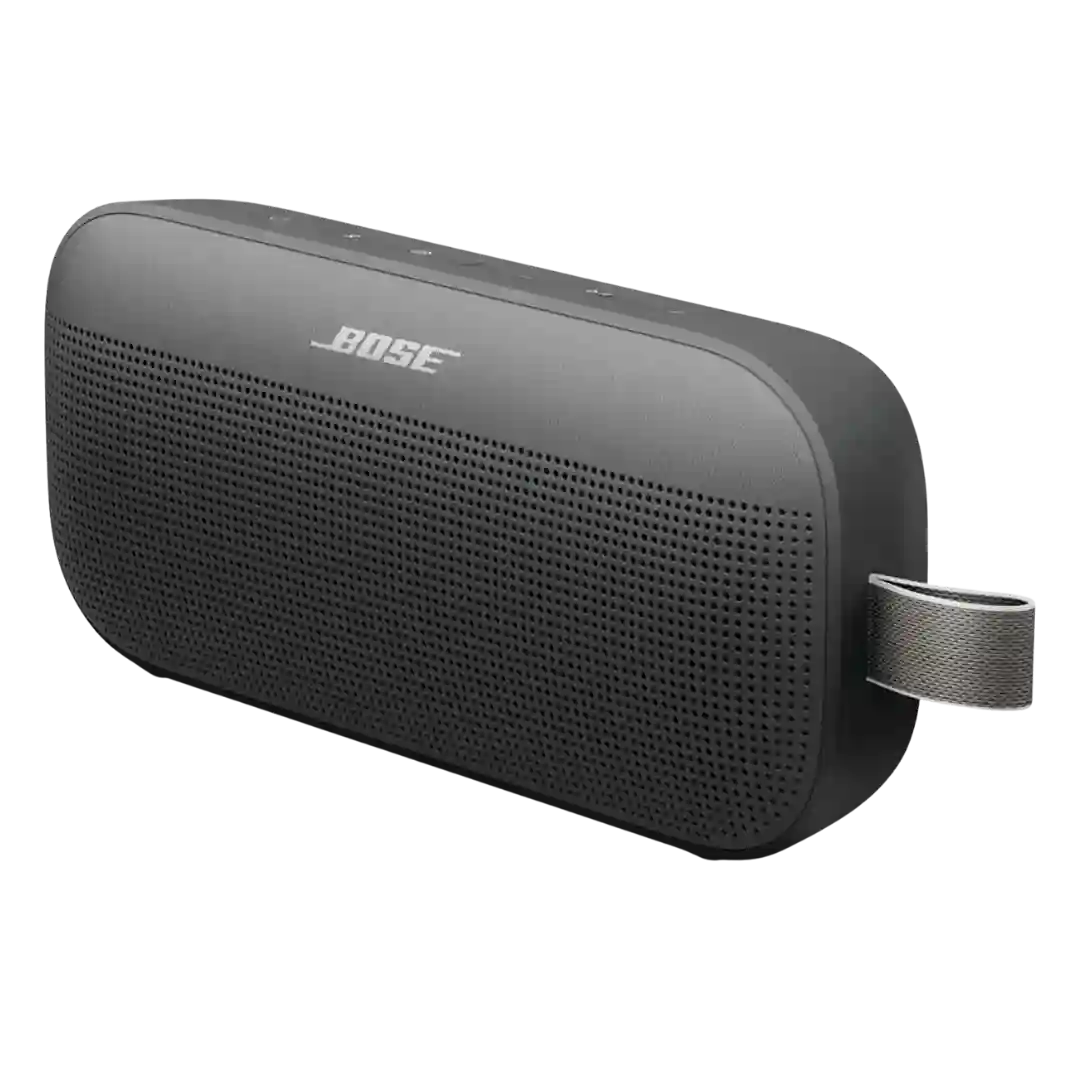
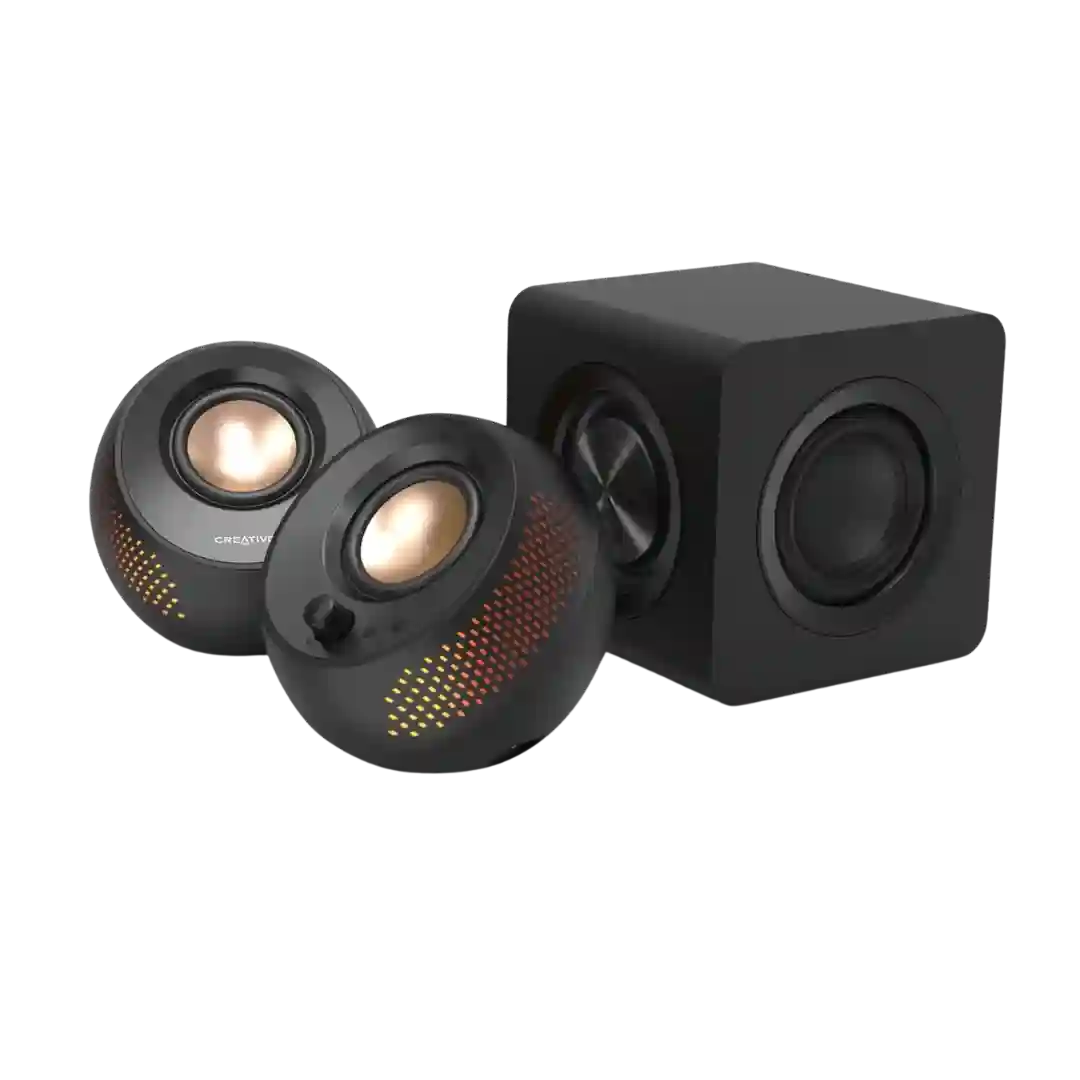
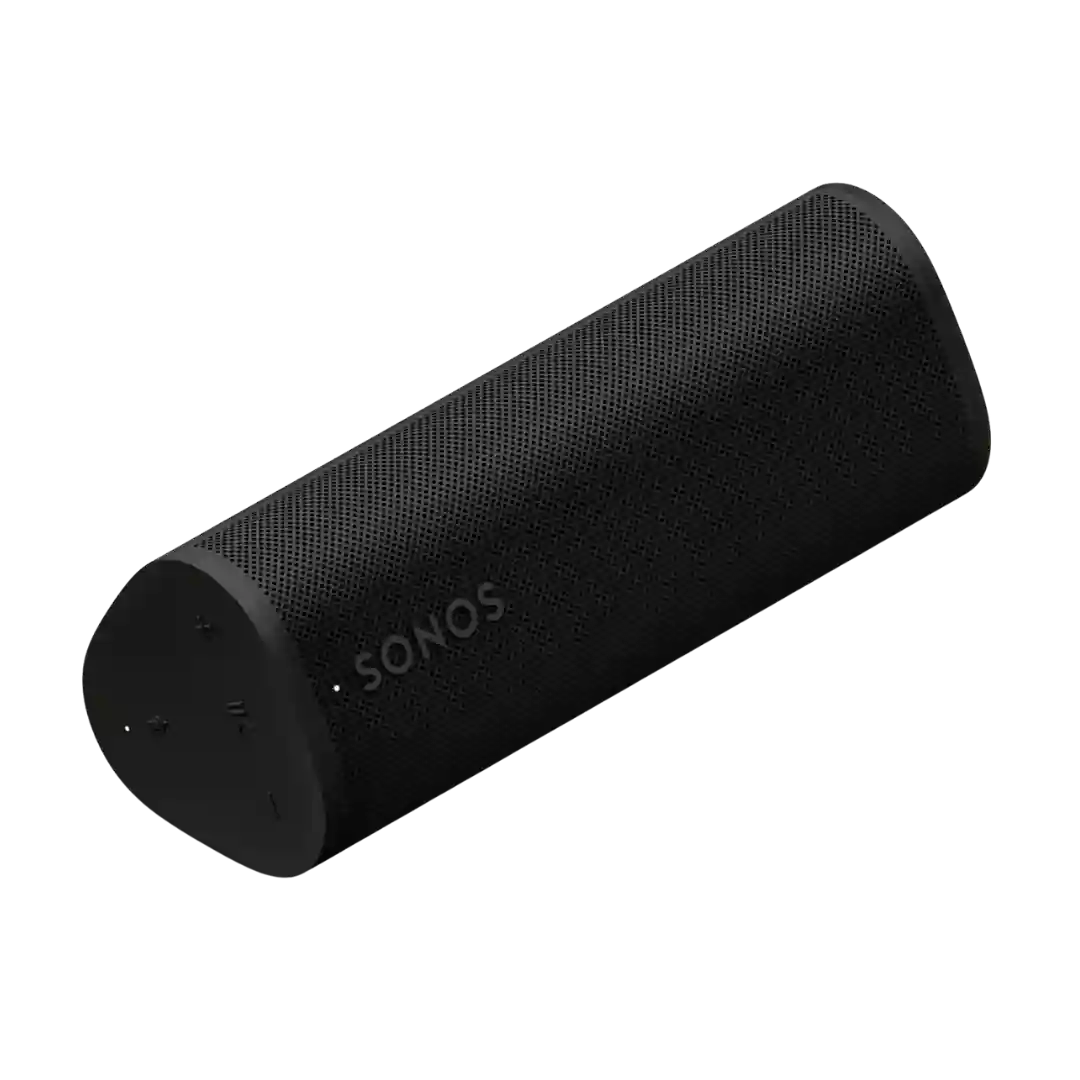
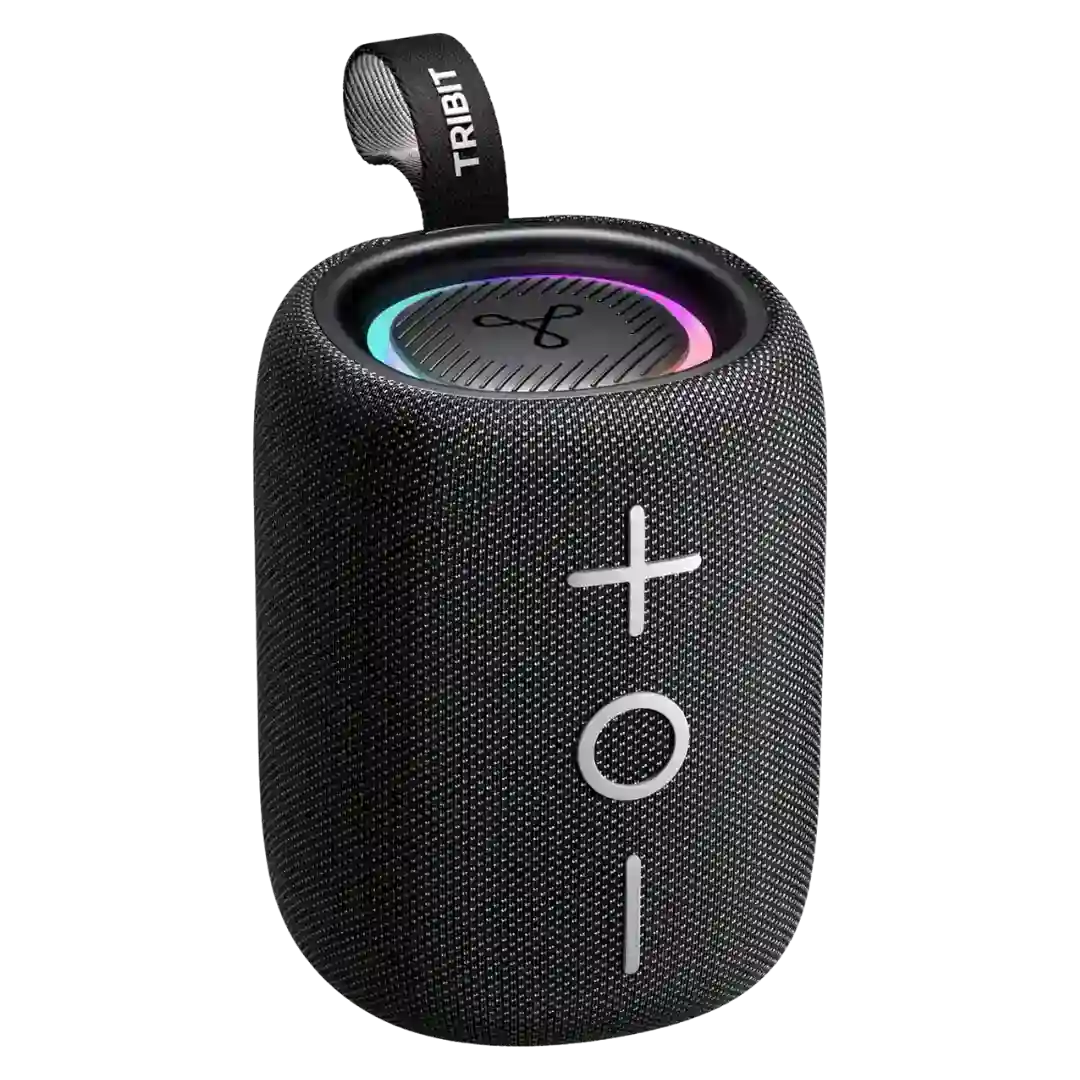
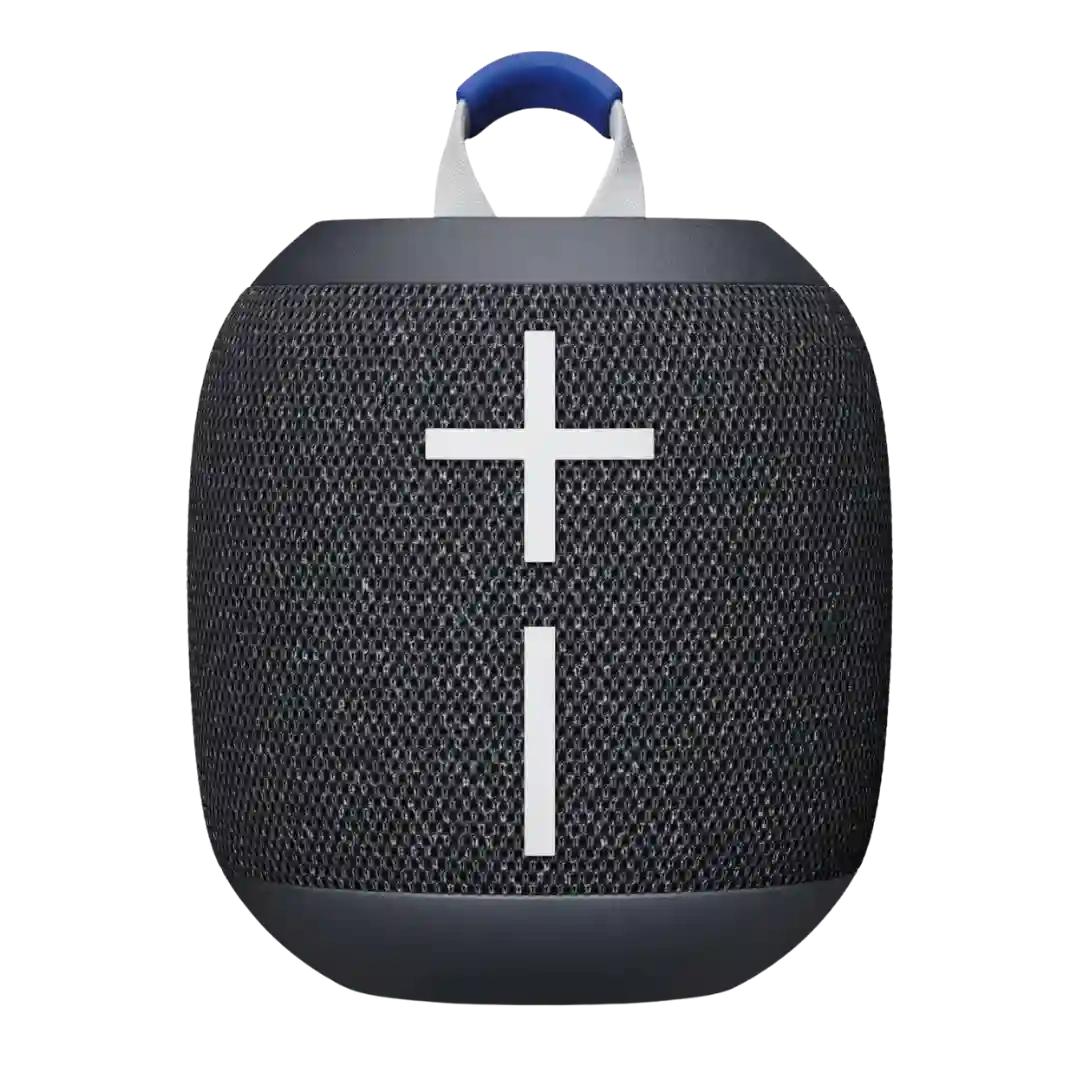
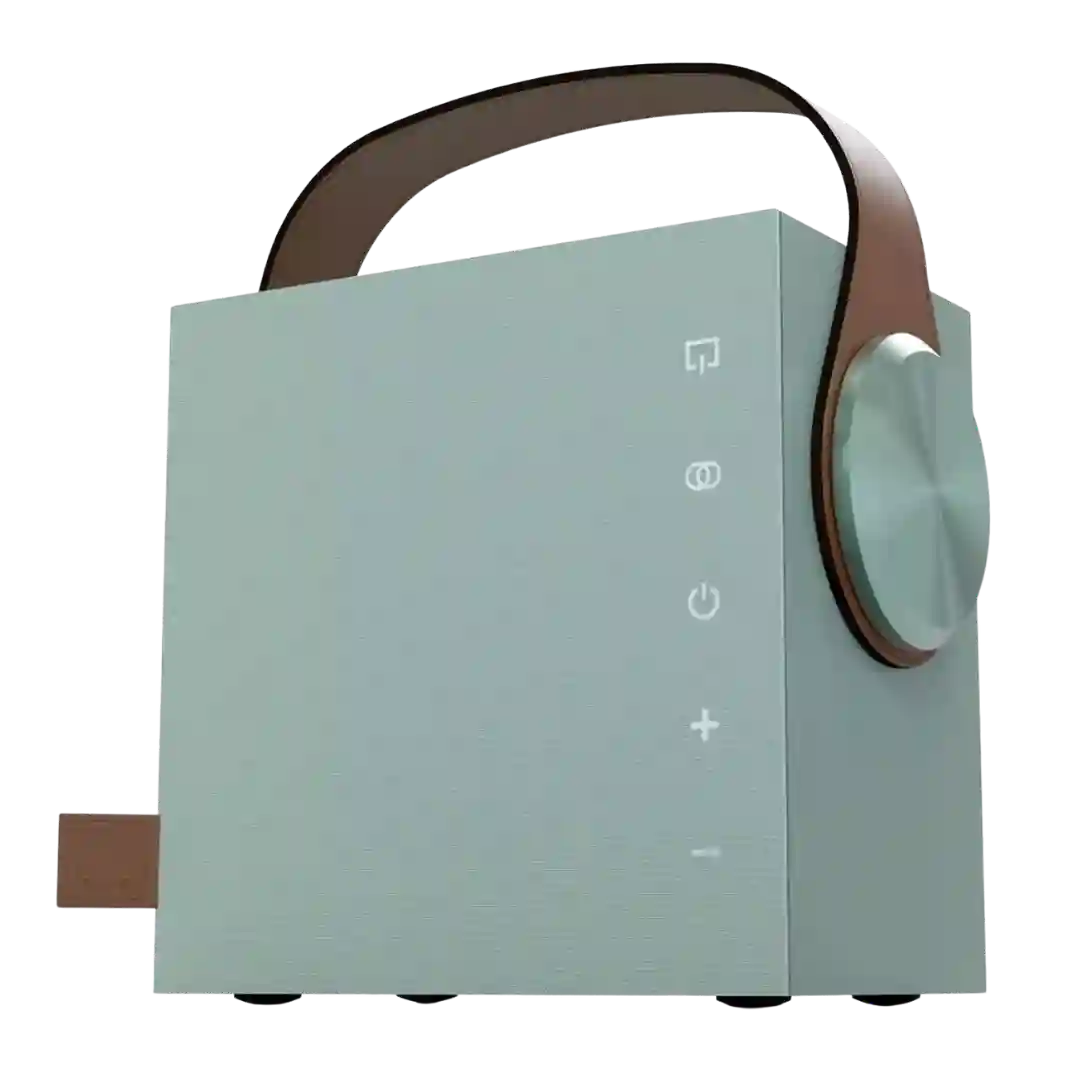
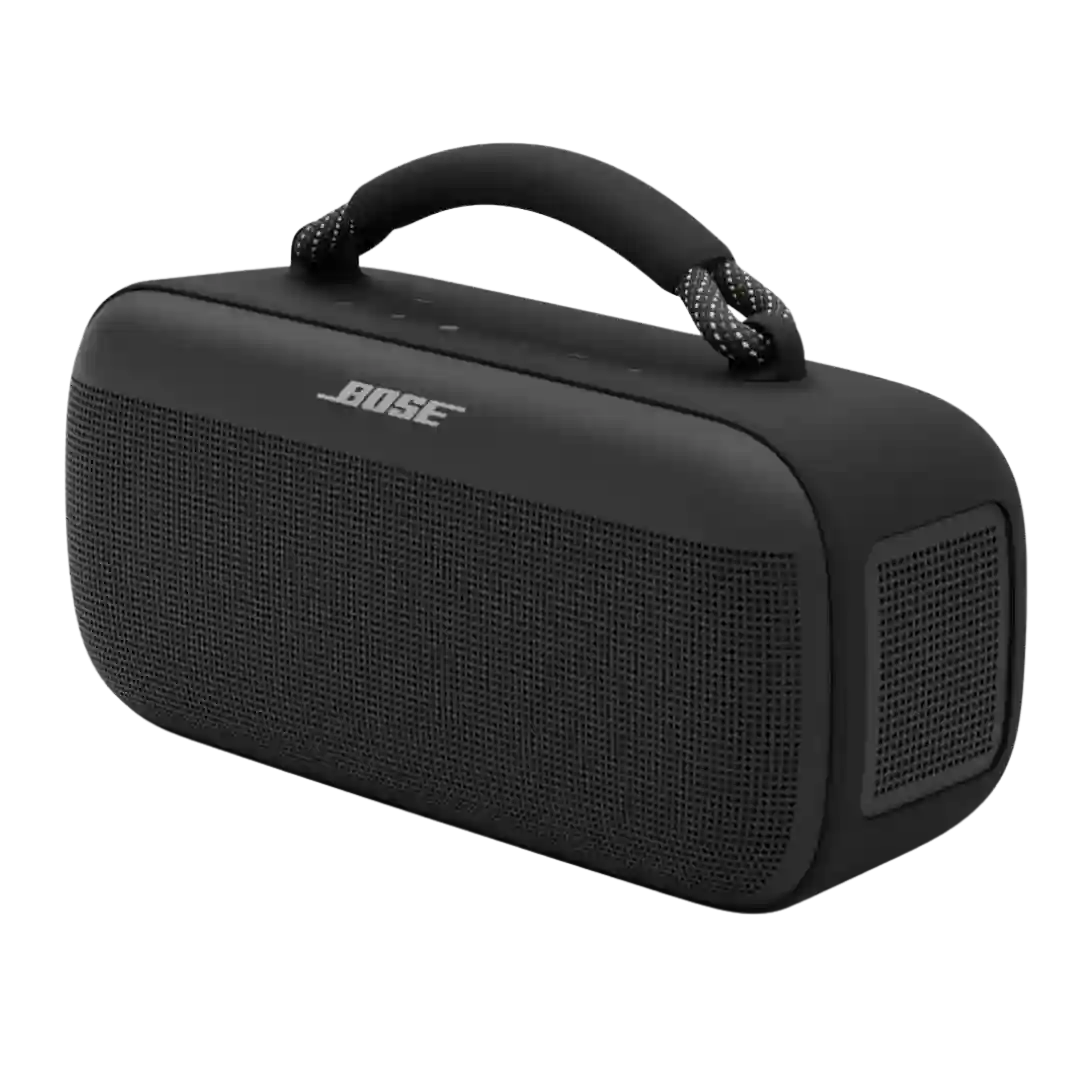
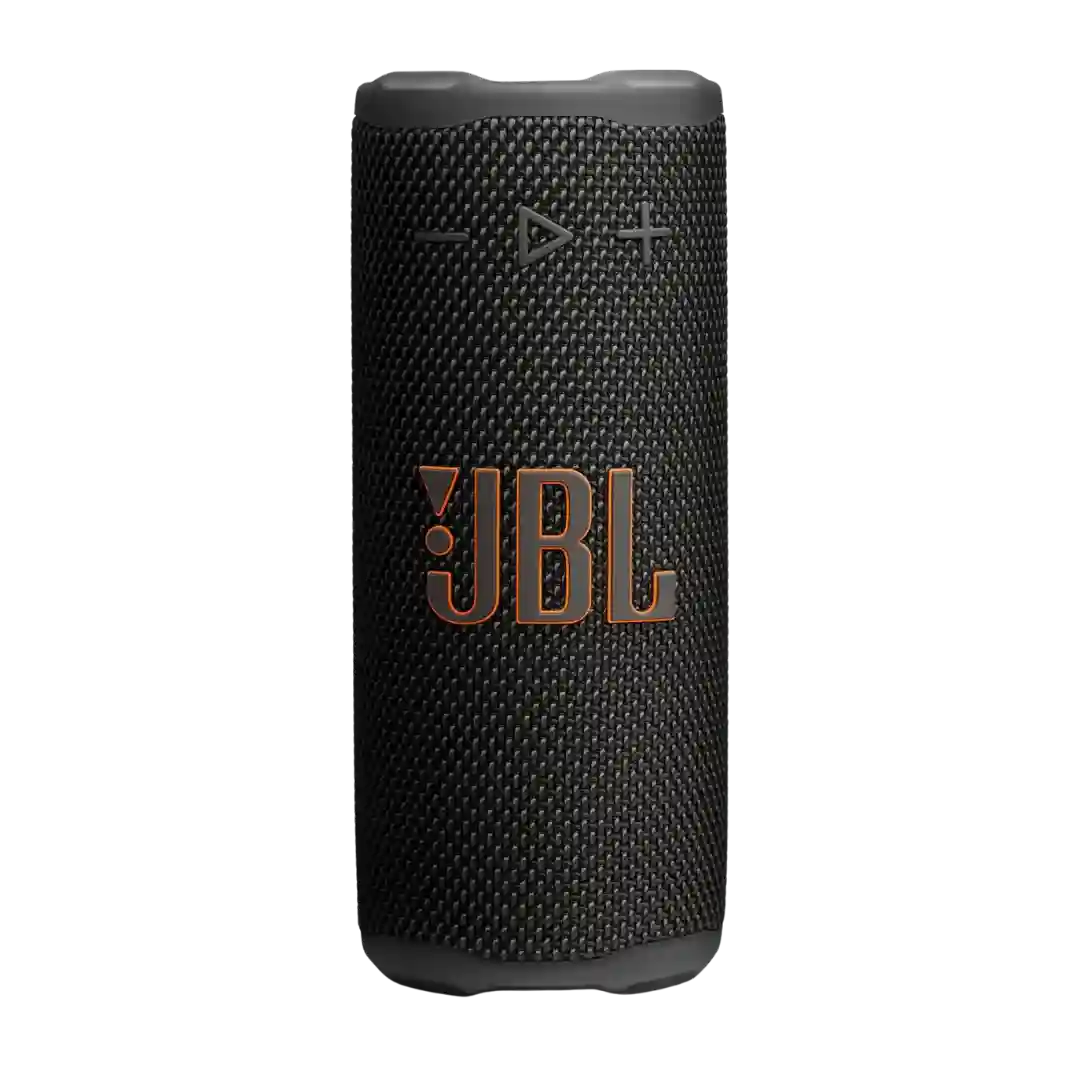
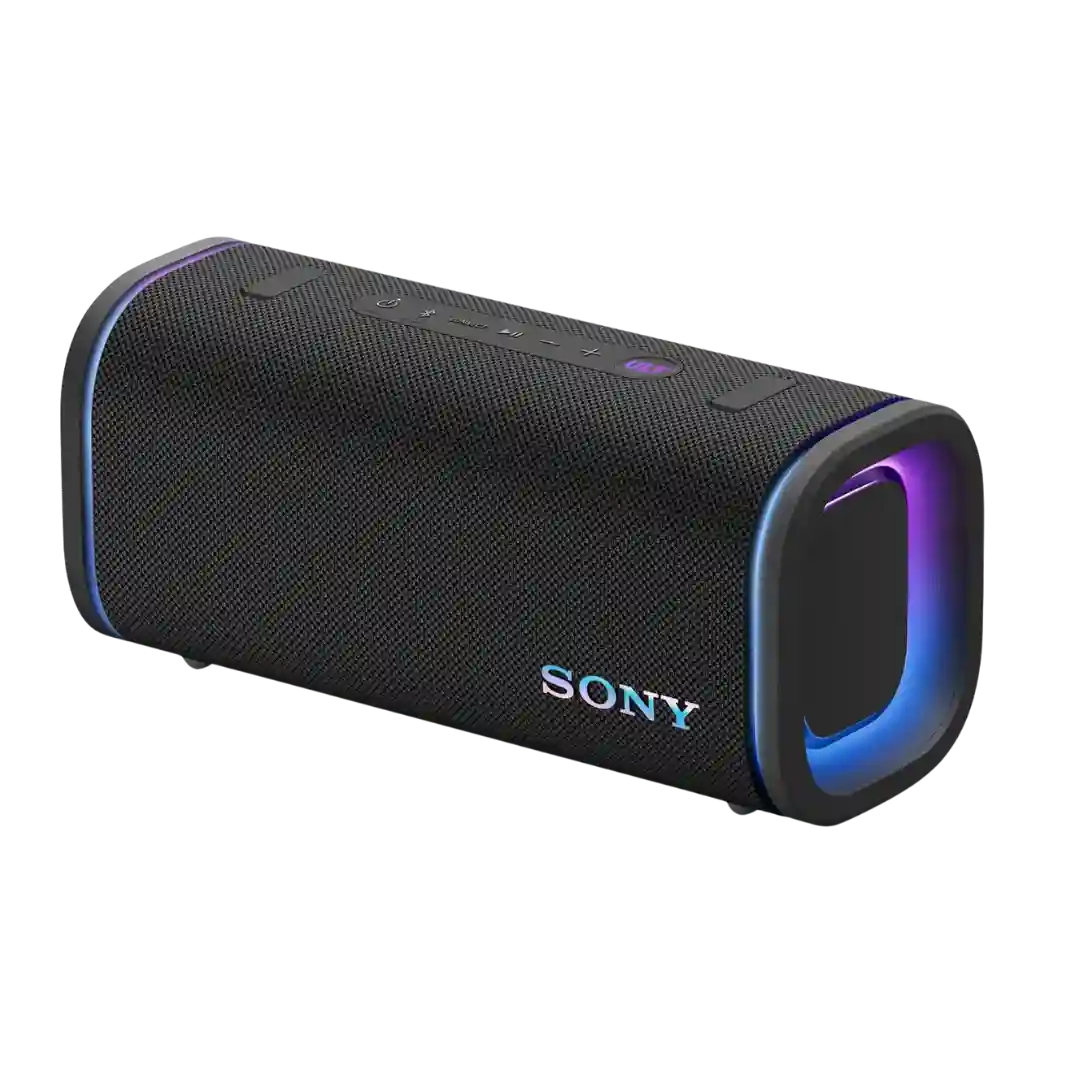
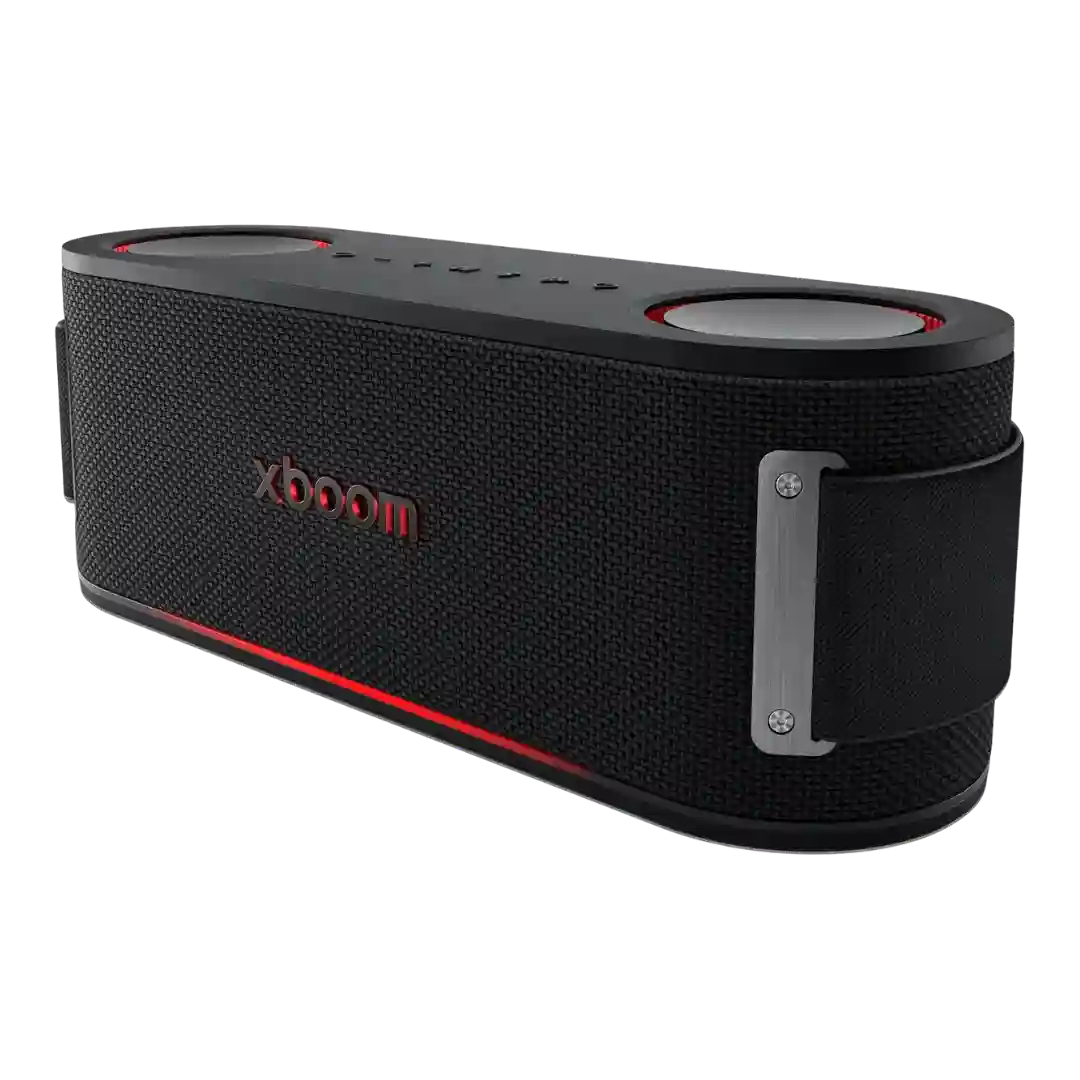
Detail and nuance were major strengths in the positive reviews, which praised the speaker's resolution, textural insight, and ability to separate musical elements clearly.
Detail retrieval is one of the most consistently praised traits, with reviewers highlighting crisp vocals, layered instruments, and strong separation. Many described it as more revealing and refined than key rivals.
Detail retrieval is a major strength. Reviews repeatedly praise how much vocal texture, instrument separation and fine nuance it extracts for such a small speaker.
Detail retrieval is strong for the class, with reviewers noting good low-level insight and clear rendering of vocals and instrumentation. A few higher-end comparisons say it stops short of pricier speakers, but it rarely sounds vague or smeared.
Detail and effects definition are repeatedly noted, especially for Atmos movie scenes and gaming, where reviewers describe convincing placement and lifelike impact cues.
Detail and micro-detail retrieval are repeatedly singled out as a standout strength, with many reviewers describing the presentation as highly resolving and revealing.
Detail retrieval is strong for the class, with reviewers regularly noting clean separation, intelligibility, and the ability to expose textures without sounding vague or blurred.
Detail retrieval is consistently highlighted as a key strength, with reviewers citing strong micro-detail, separation in complex mixes, and the ability to reveal upstream gear differences and recording quality.
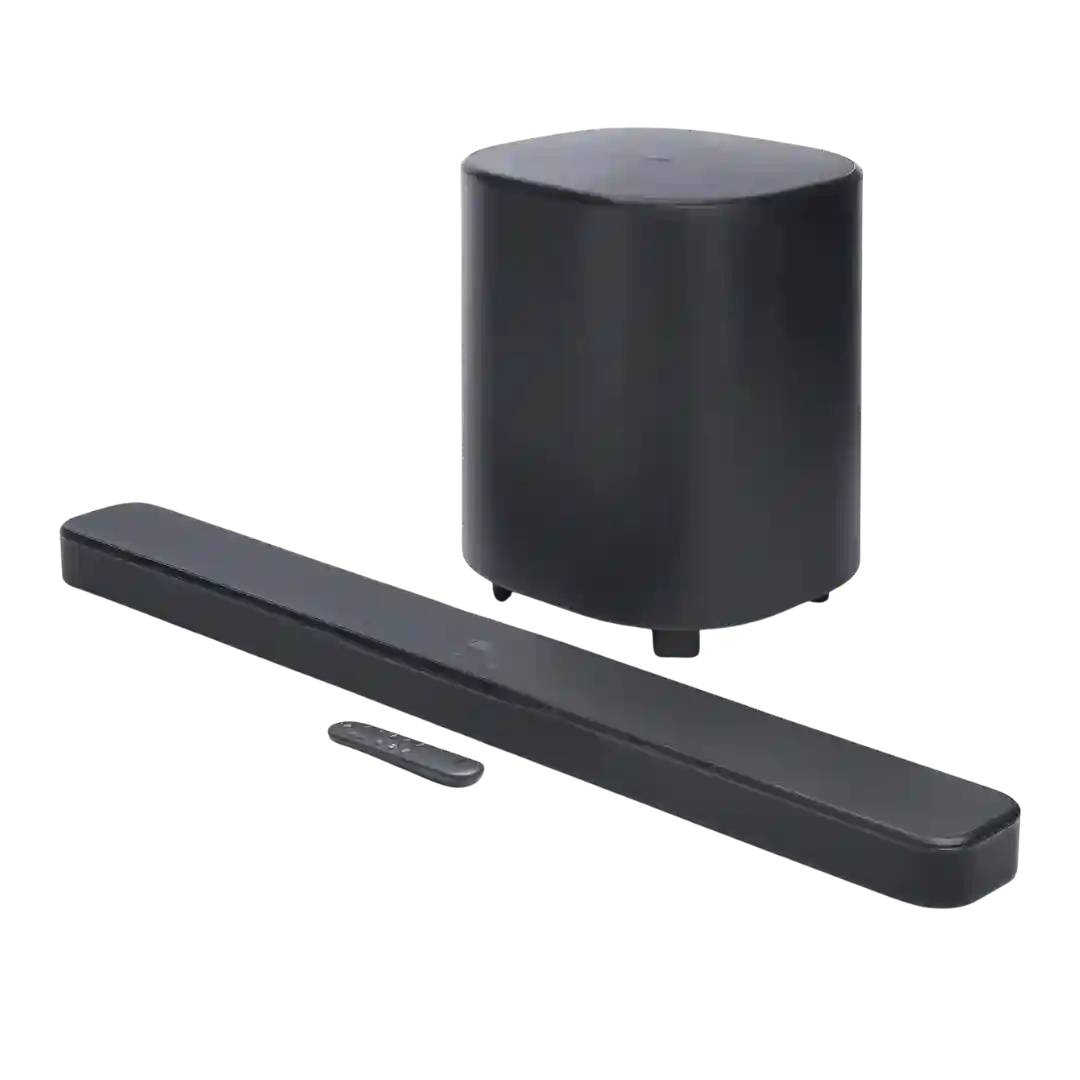
Detail retrieval is repeatedly praised for a soundbar system, with clear effects placement and good separation; a few reviewers still find ultra-premium modular systems extract slightly more microdetail.
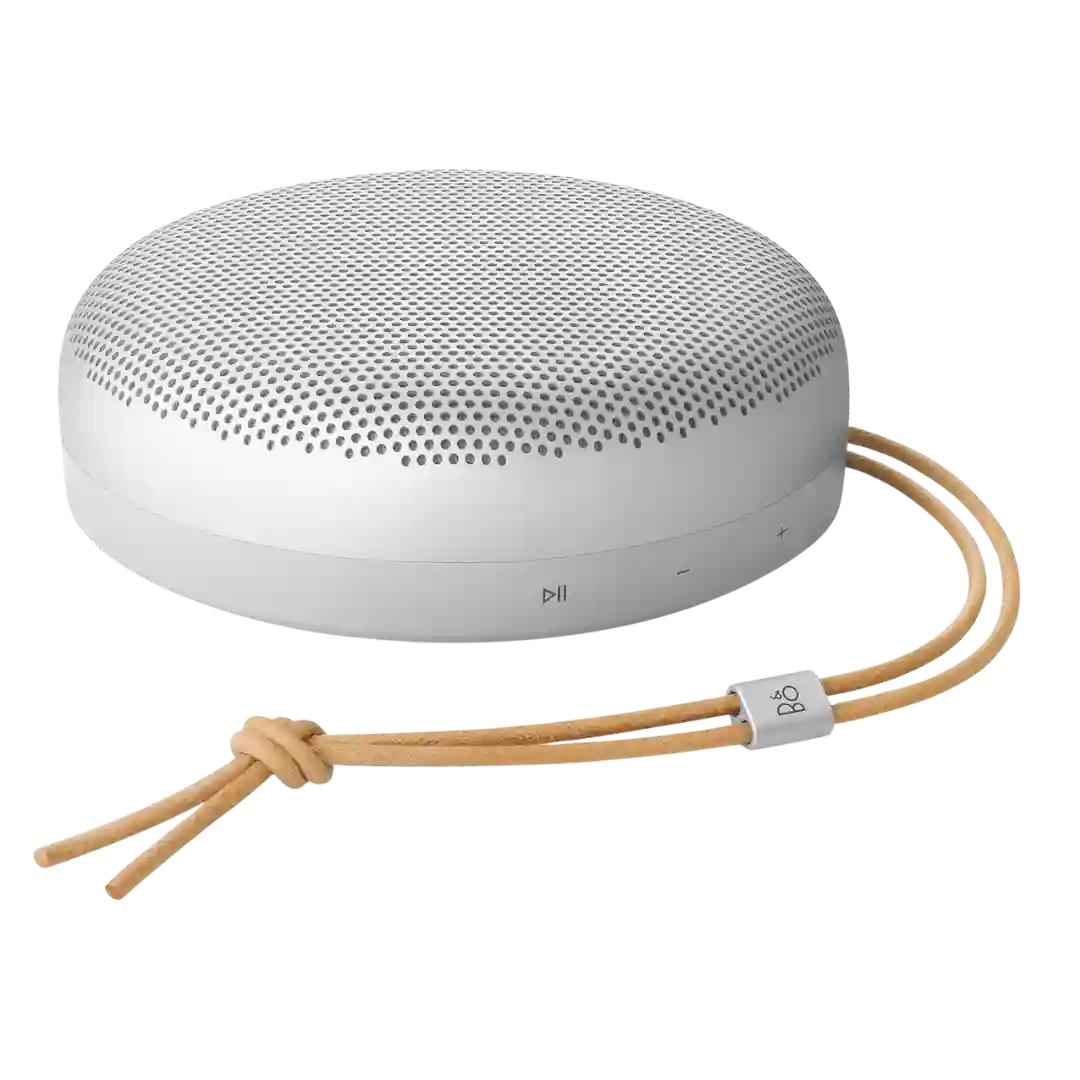
Detail is widely considered strong for a portable speaker, with good separation and clarity across genres, though some commentary suggests top-end nuance and precision can trail the very best competitors in ideal listening positions.
Across reviews the Smart Soundbar was repeatedly praised for pulling useful detail out of dialogue, effects, and acoustic material without sounding overly analytical.
Detail retrieval is strong for the class, especially through vocals, strings, and low-level film effects. Some reviewers still wanted a little more top-end definition and microdetail compared with pricier or best-in-class alternatives.
Detail retrieval is often described as better than expected for a mono portable, with clear transients and small elements in recordings coming through, especially in wired mode.
Detail is better than expected for the price, especially for dialogue and smaller-room movie playback, though some midrange congestion appears with dense mixes or processing engaged.
Reviews consistently call out strong detail for the size, with clearer vocals and better instrument separation than prior models, while acknowledging mono playback limits spaciousness.
Detail retrieval is regularly called out as a strength: reviewers mention an informative, articulate sound with good clarity and the ability to keep track of smaller soundtrack elements for the price and footprint.
Detail is good for the class rather than elite, with solid transient information and improved midrange clarity when the speaker is high-passed or paired with a subwoofer.
Detail retrieval is strong for the price in vocals and upper mids, but more critical listeners say the finest treble textures and micro-details are softened.
Detail retrieval is good for the size, with many noting clear highs and easy-to-pick-out elements, though a few critical takes say rivals deliver more subtlety and separation at the price.
Detail retrieval is commonly described as good for the price, with some reviewers impressed by how it handles vocals and lighter arrangements. Others note that top-end sparkle and fine texture can be reduced, especially at high volume or with dense mixes.
Detail and separation are frequently praised at moderate volumes, especially considering the size. At louder settings, multiple reviews note reduced detail and more aggressive DSP behavior.
Detail is decent to strong for the class, with stereo use in particular revealing subtle textures, though bass-heavy tuning can obscure finer information on some material.
Reviewers often praise clarity and the ability to surface major details, but multiple sources agree it can miss finer micro-detail and ultimate transparency. It is engaging and powerful more than it is analytical.
Detail is often praised relative to the speaker size, especially for vocals and overall clarity, though it is still seen as less nuanced than larger, higher-end portable speakers.
Detail retrieval is decent rather than elite. Supportive reviews hear layered mids and cleaner separation than some rivals, while critical ones say the highs lack enough sparkle to fully open up finer details.
Detail retrieval is respectable for the price but not a category leader. Several reviews heard clear instruments and decent separation, while others said finer detail, air, and treble nuance fall behind better speakers or get blurred at higher output.
Detail is often judged strong for a speaker this small, but several reviewers still note limited nuance and separation in busy tracks (especially orchestral/classical) compared with larger or stereo speakers.
Fine ambient cues and basic definition are acceptable for casual TV use, but treble nuance and low-level texture are limited, especially with music and complex movie mixes.
Detail performance is inconsistent: some find it separates layers well at the right volume, while others describe loss of nuance and a blended, compressed presentation. Codec limitations and tuning choices are repeatedly implied as contributors.