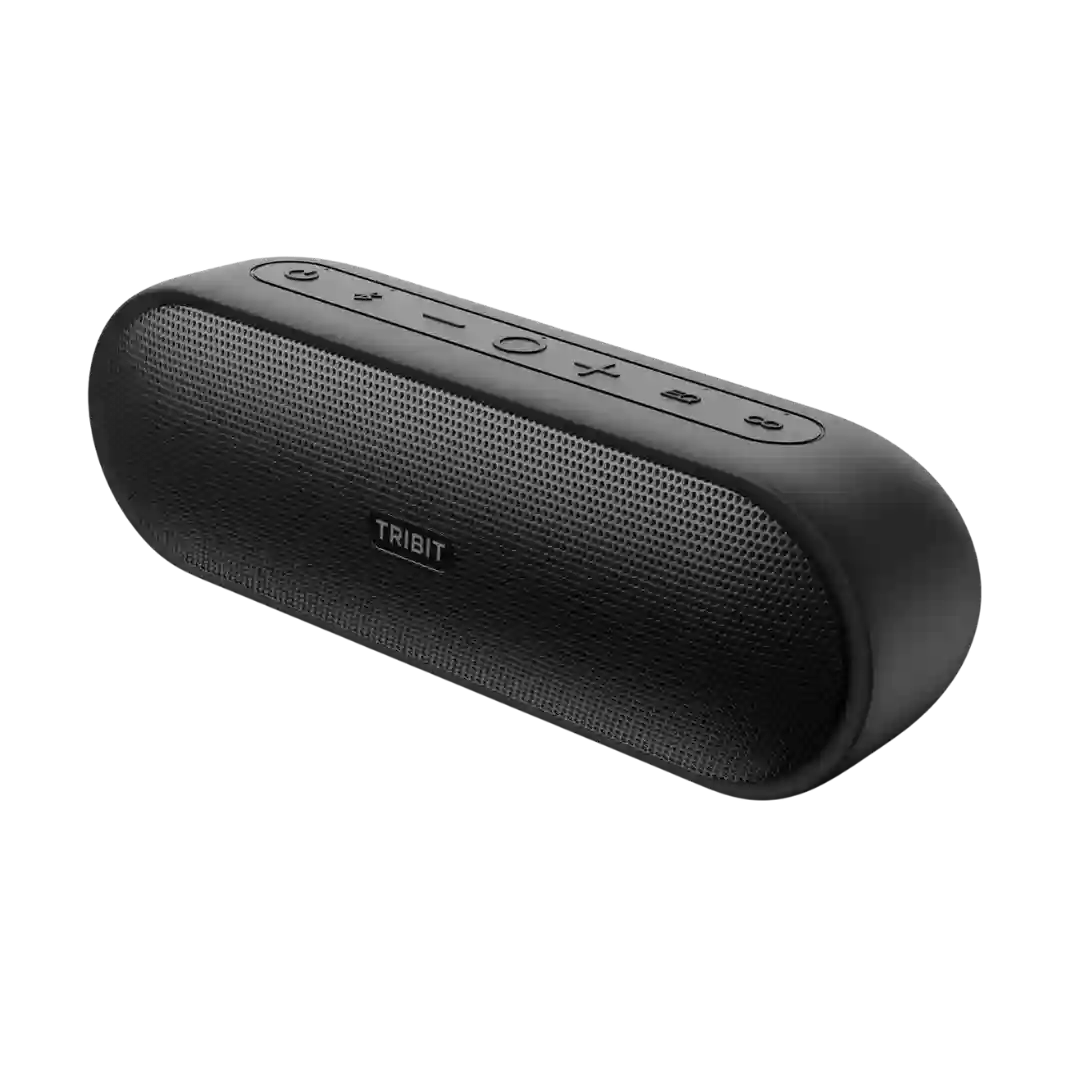
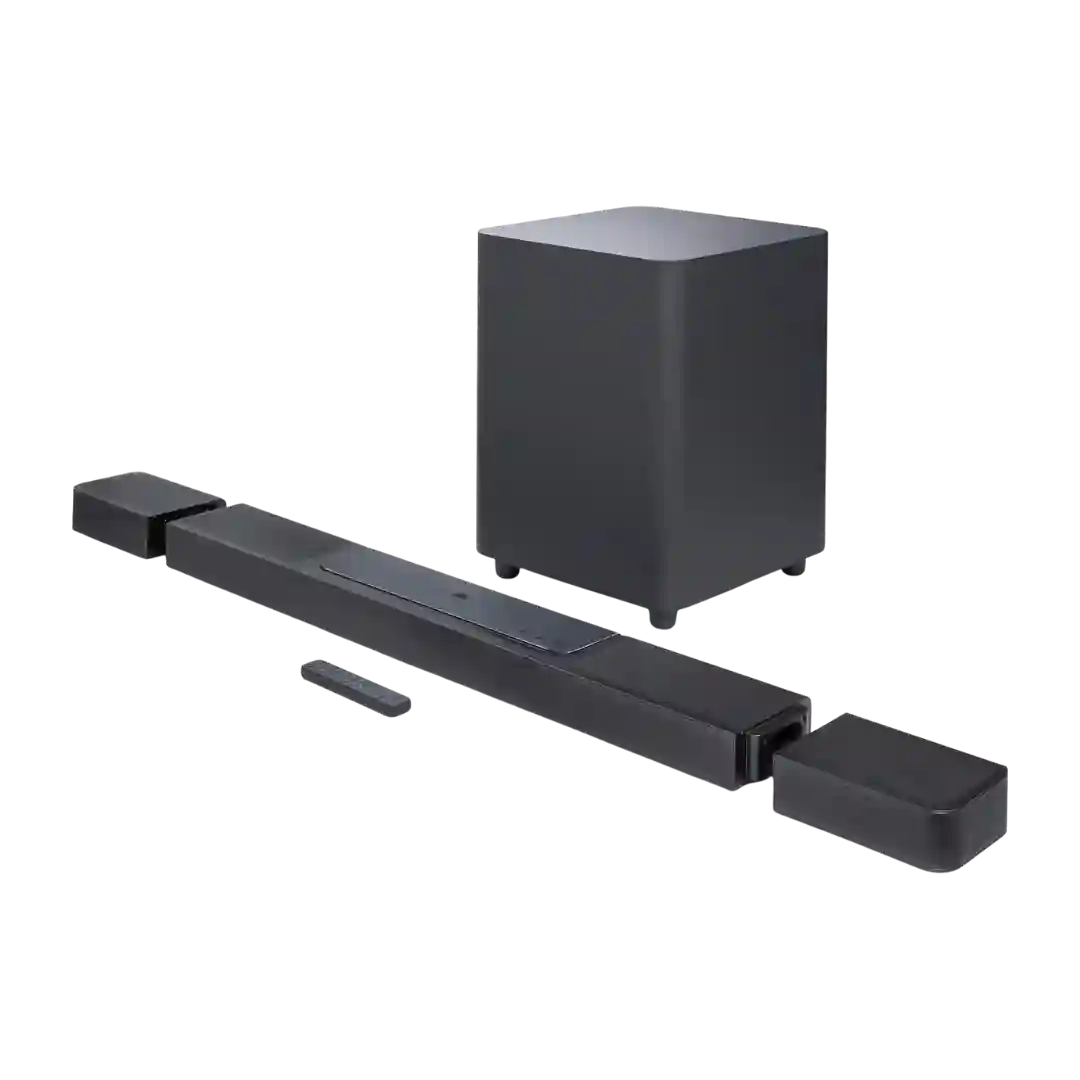
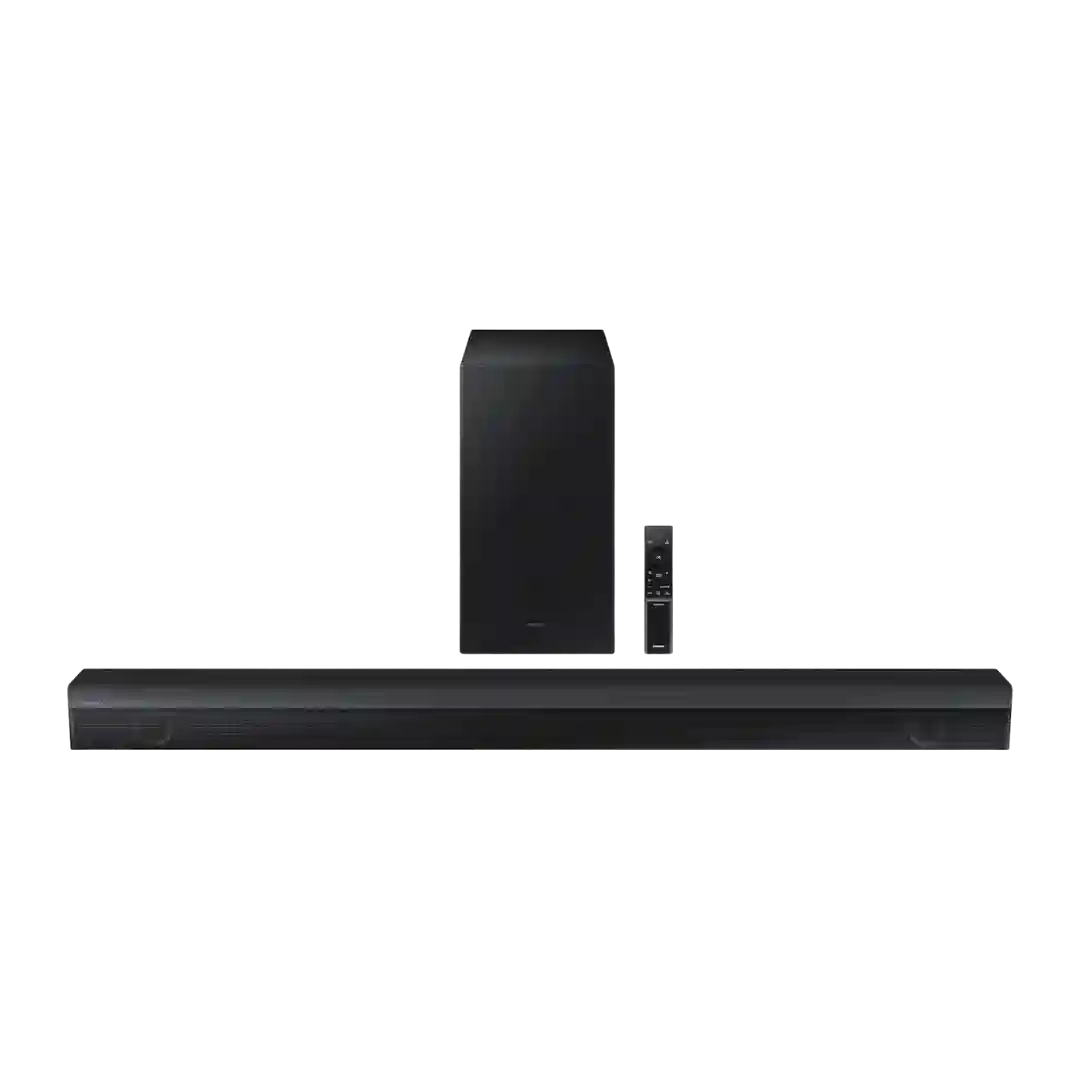
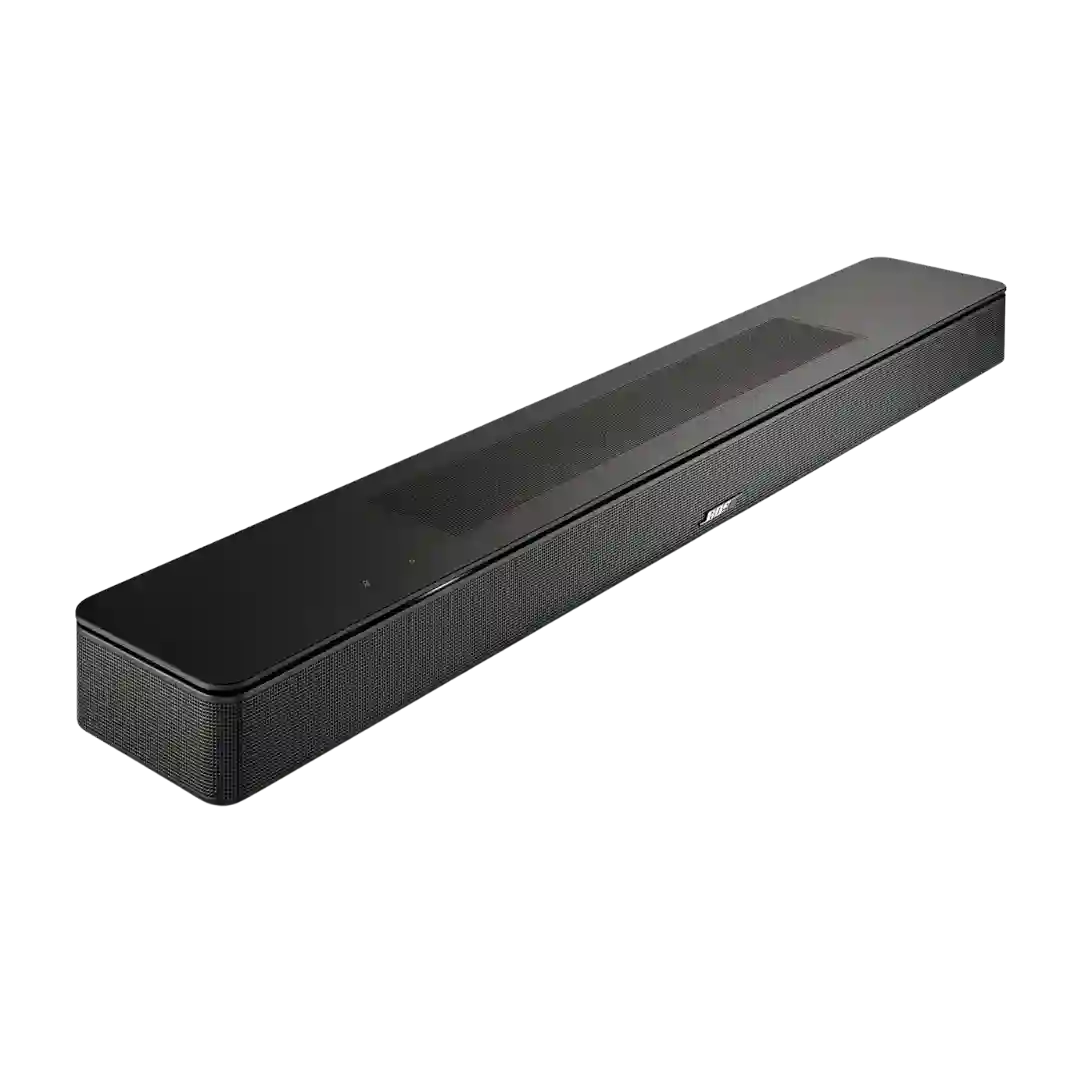
Reviews frequently praise how well it controls distortion at higher volumes, with dynamic loudness and tuning keeping the sound from getting harsh or breaking up when pushed.
At high volumes, most reviewers report clean playback with little strain; a few note the new subwoofer can creak/rattle when pushed extremely hard in certain rooms.
The system usually stays clean at high volume and avoids obvious breakup, though tonal balance can shift and bass authority can soften as output rises.
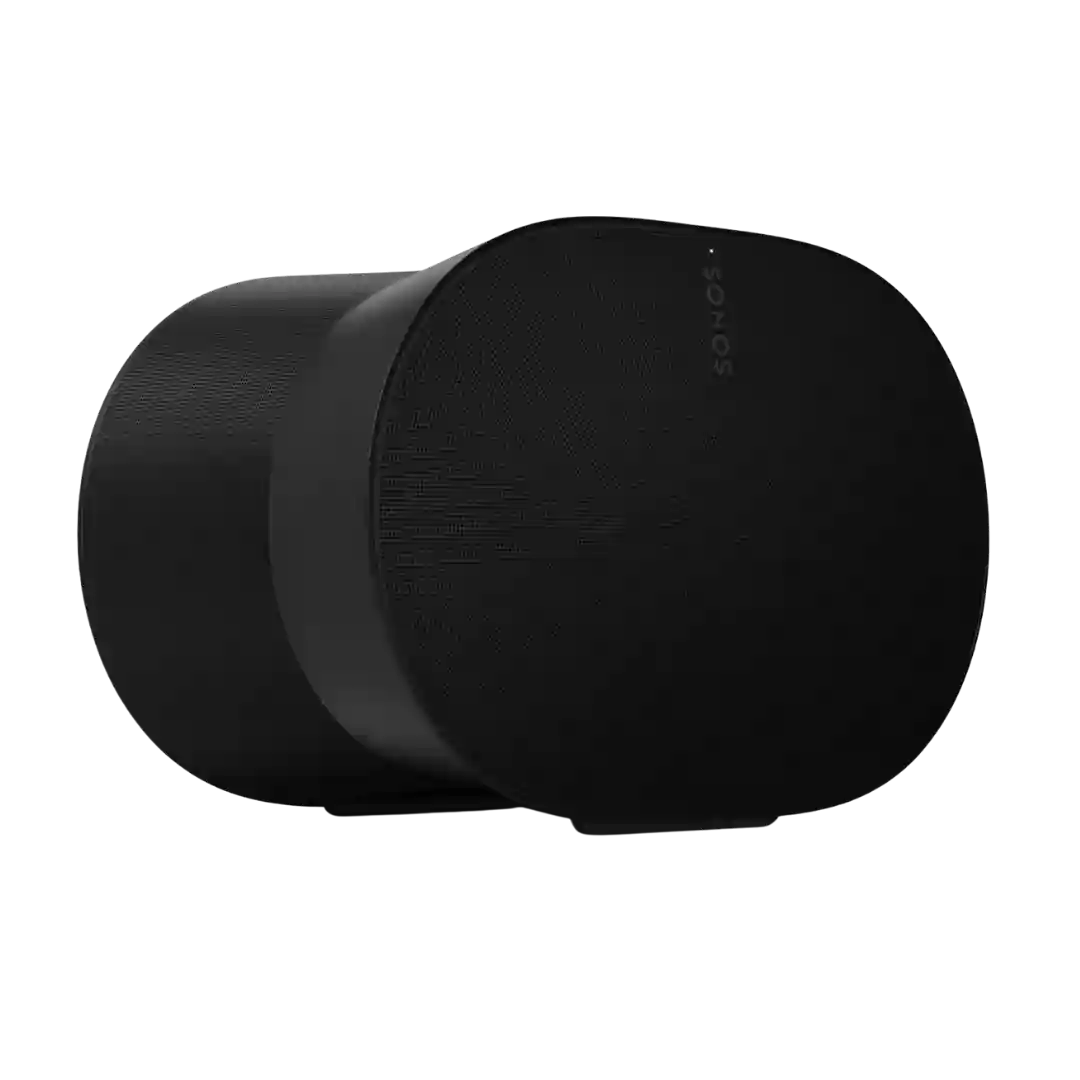
At higher volumes the Era 300 stays composed, with reviewers repeatedly praising its ability to remain clean and avoid obvious strain. A few noted that DSP reins in the deepest bass before audible distortion becomes a problem.
The A1 3rd Gen generally stays composed when pushed, with little change in character at high volume, though bass-heavy tracks and resonant surfaces can expose some strain or boom.
MAT and DSP are repeatedly credited with lowering distortion and keeping treble clean; most impressions describe the sound staying controlled when pushed, with limitations mainly tied to small-driver physics at the extremes.
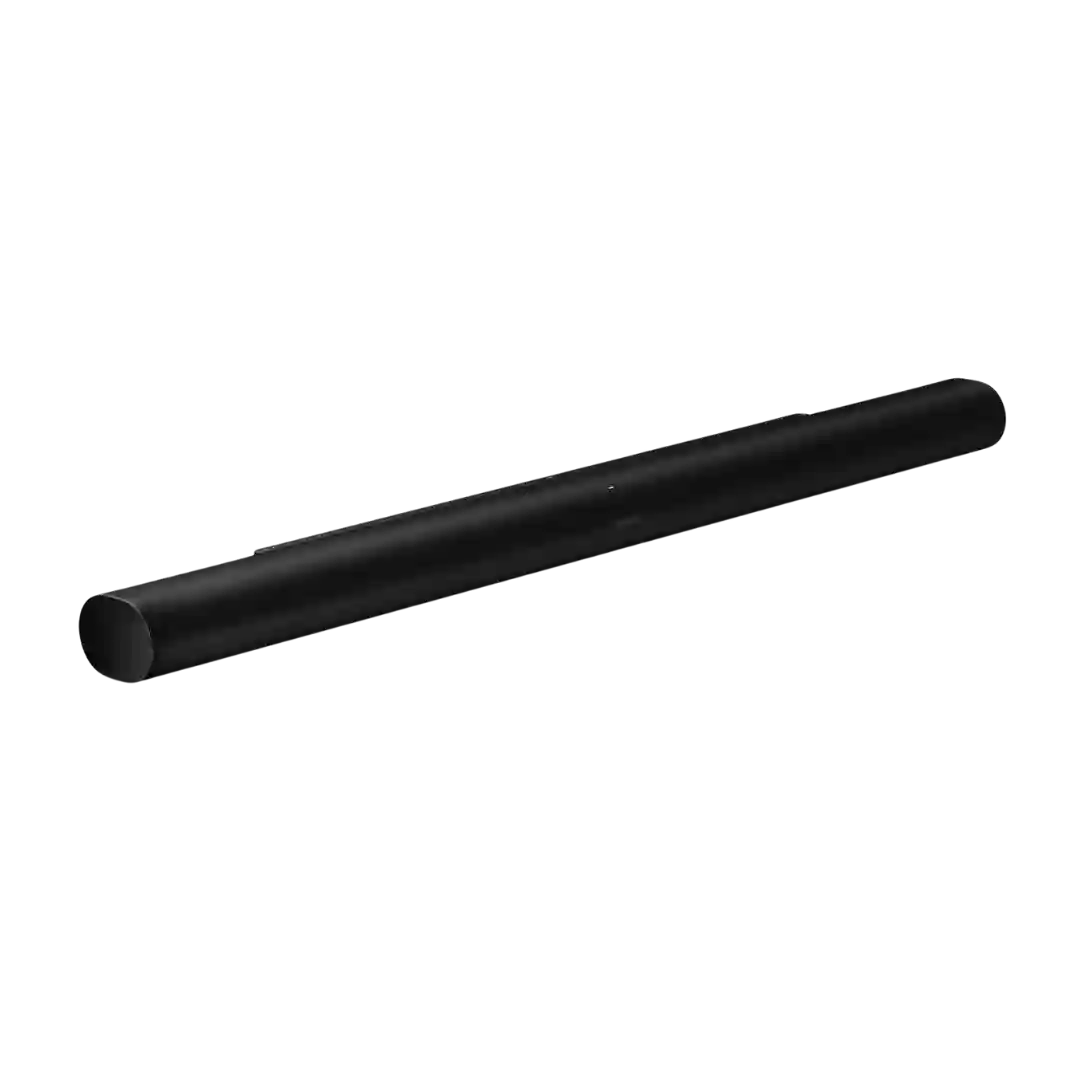
Most reviewers describe Arc as staying composed at higher volumes; distortion tends to appear only when pushed to extremes or with aggressive bass boosts.
At high volume the speaker generally avoids harsh distortion, often relying on DSP limiting instead; the tradeoff is reduced bass impact when pushed hard.
At sane volumes, the presentation stays clean and composed, with MAT frequently credited for reducing treble distortion and harshness. When driven beyond comfort zones, some listeners report treble peakiness, flattening, or compression rather than graceful scaling.
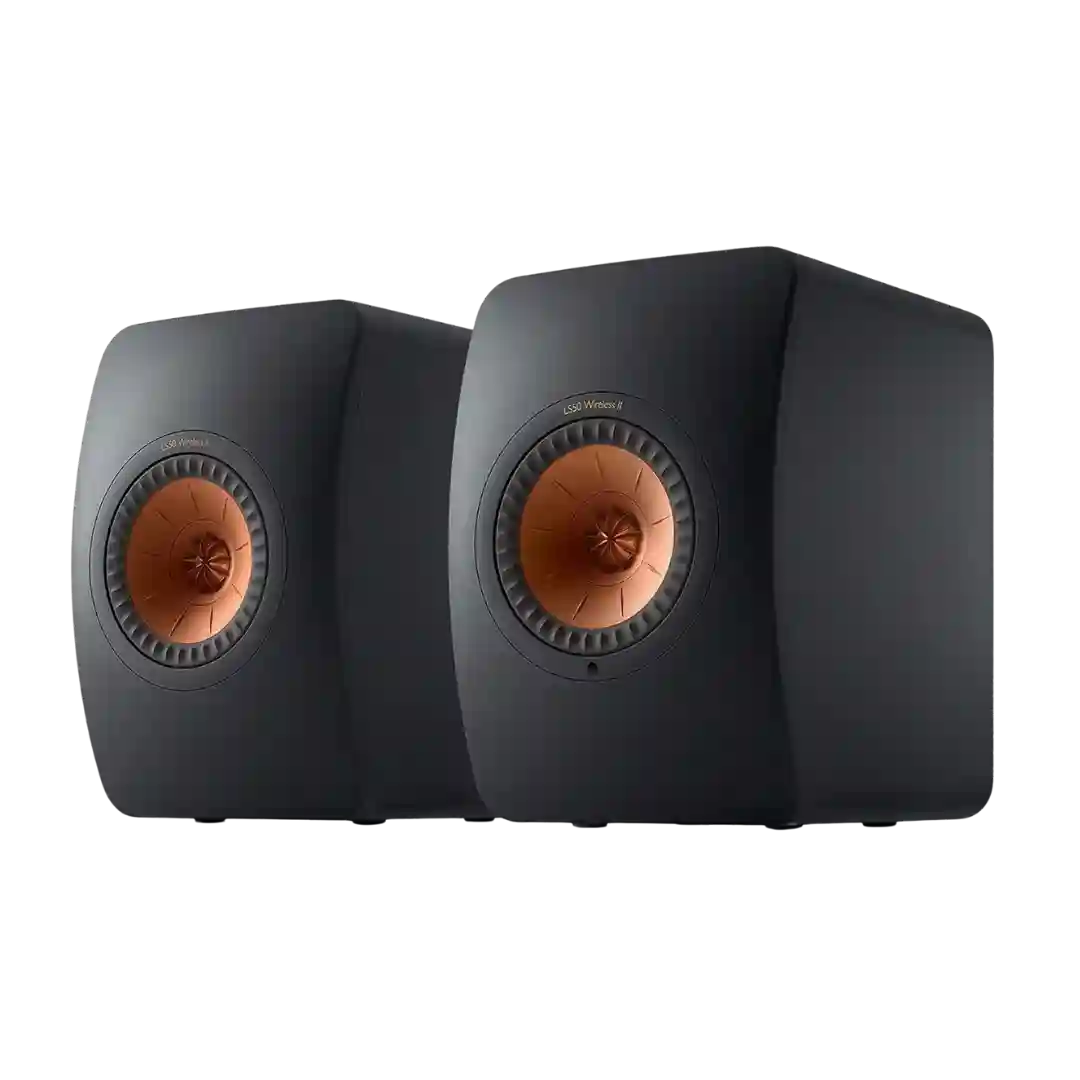
Most reviews say the speakers stay composed at high volume and avoid obvious muddiness or breakup. The main caveats are occasional treble edge on difficult recordings and some bass compression when pushed very hard without a subwoofer.
Most testers say it stays composed at high volume (often with little to no obvious distortion), though a few note treble can turn shrill or slight distortion can appear at extreme levels.
Most reviewers say it stays clean at typical listening levels, but distortion/clipping can appear in edge cases, particularly if you aggressively boost bass via the custom EQ.
The REN generally stays clean, but several reviewers noticed bass strain, port noise, or low-end looseness when it is pushed hard without a subwoofer. Using the sub output and 80Hz crossover reduces that behavior substantially.
High-volume control is mixed but respectable. Some reviewers heard little to no distortion even when pushed hard, while others reported lower-frequency strain or crackle once volume climbed past moderate levels.
Cleanliness at high volume is mixed: some reviewers report it staying composed with BassUp, while others hear high-frequency fuzz or bass/sub-bass distortion when pushed to maximum levels, especially outside.
Reviewers found it surprisingly clean for its size, with some tests showing little obvious distress, but compression and grain can emerge near its limits or when it is run full range without a subwoofer.
This is mixed across sources. Some reviewers reported clipping, crackle, and pinched treble even around medium levels, while others found the bar unexpectedly clean and controlled near maximum volume.
Most reviewers say it stays composed loudly, but deep-bass-heavy tracks at maximum volume can trigger DSP limiting or mild strain. Best results are typically reported below absolute max volume.
AI Sound Boost and the updated driver/tweeter are frequently credited with keeping distortion low, but multiple tests still note sibilance/harshness or occasional crackle when volume is pushed high.
Most reviewers report good control at high output, but a few note the highs and mids can harden or distort at maximum volume; Playtime Boost and some EQ choices can also make the sound feel thinner or harsher.
High-volume distortion reports vary: some hear audible strain or driver overdrive near the top of the dial, while others find it controlled; most agree it sounds best below max.
At sensible listening levels the bar stays controlled, but several reviewers heard hardness, pinched treble, or bass strain when volume and demanding material increased.
At extreme volume, DSP can clamp dynamics or bass and a few tests reported audible clipping above roughly 80%, though it stays cleaner than many smaller speakers.
At moderate levels it stays controlled, but multiple reviewers hear strain or sharpness at higher volumes, and one notes brief audio skipping with UHD Blu-ray playback.
High-volume behavior is mixed. Some reviewers said it stays composed better than expected, but several others heard sibilance, strain, or bass limiting and compression when the speaker is pushed hard.
Several reviews report quality loss at high volume, including bass roll-off, harsher upper mids or treble, and general collapse in fidelity when pushed hard. Some reviewers found it stays fairly clean for its size, but the overall trend is a sweet-spot below maximum.
At very high volume, several reviews note added harshness, compression, or bass control kicking in; it generally stays listenable, but peak loudness is where it sounds least refined.
High-volume performance is mixed: some reviewers hear distortion or compression as volume climbs (often around the upper range), while others report surprisingly low distortion for the size. Expect the cleanest sound at moderate listening levels.
Single-speaker listening can sound strained or boomy at louder levels in some reviews, but others say it stays composed better than expected, especially in stereo or at moderate distances.
High-volume performance is mixed: some reviewers find it holds together well, while others report harshness or fuzzing/strain when pushed near max volume. Multiple sources imply a sweet spot below maximum output.
High-volume behavior drew criticism. One review said the bass gets woolly and congested when really cranked, while another said the speaker can become unlistenable near maximum due to audible pumping.
At higher volumes, some reviews report audible distortion and subwoofer rattling, especially in bass-heavy material, indicating the system can be pushed past its comfort zone.