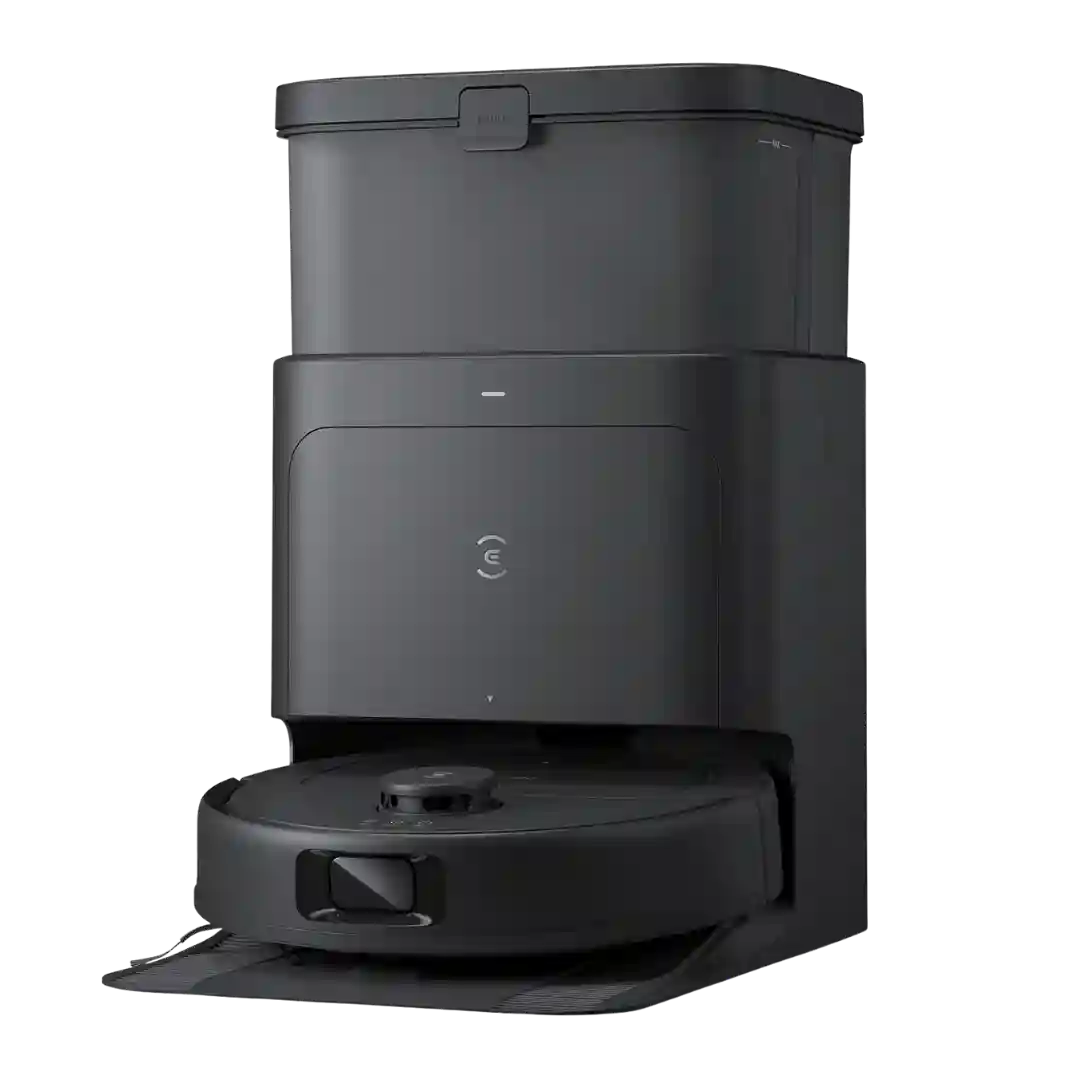
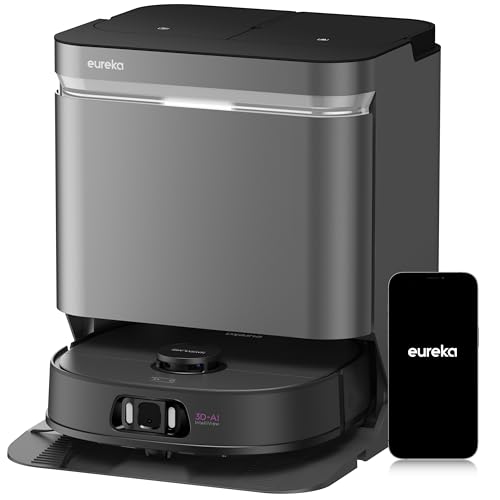
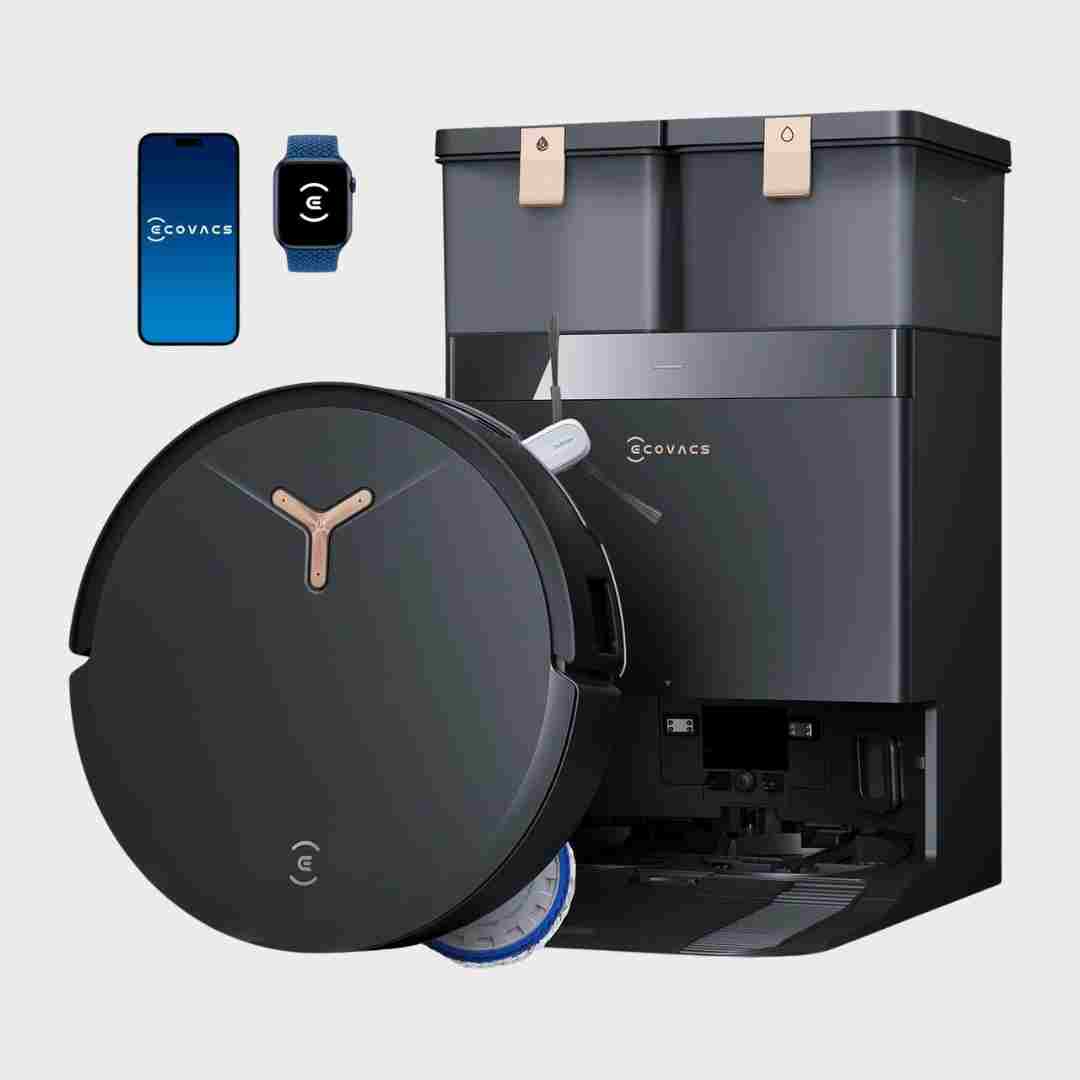
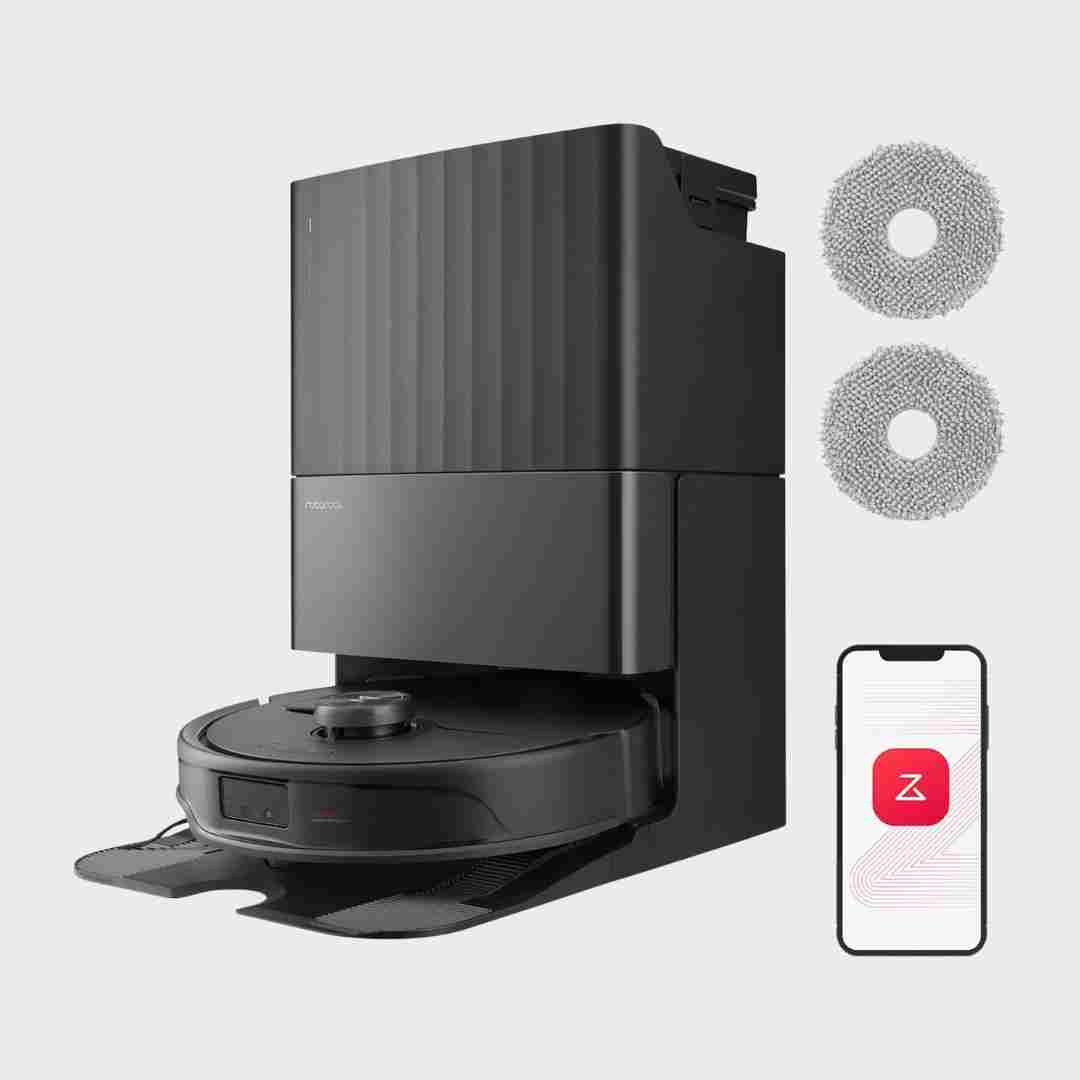
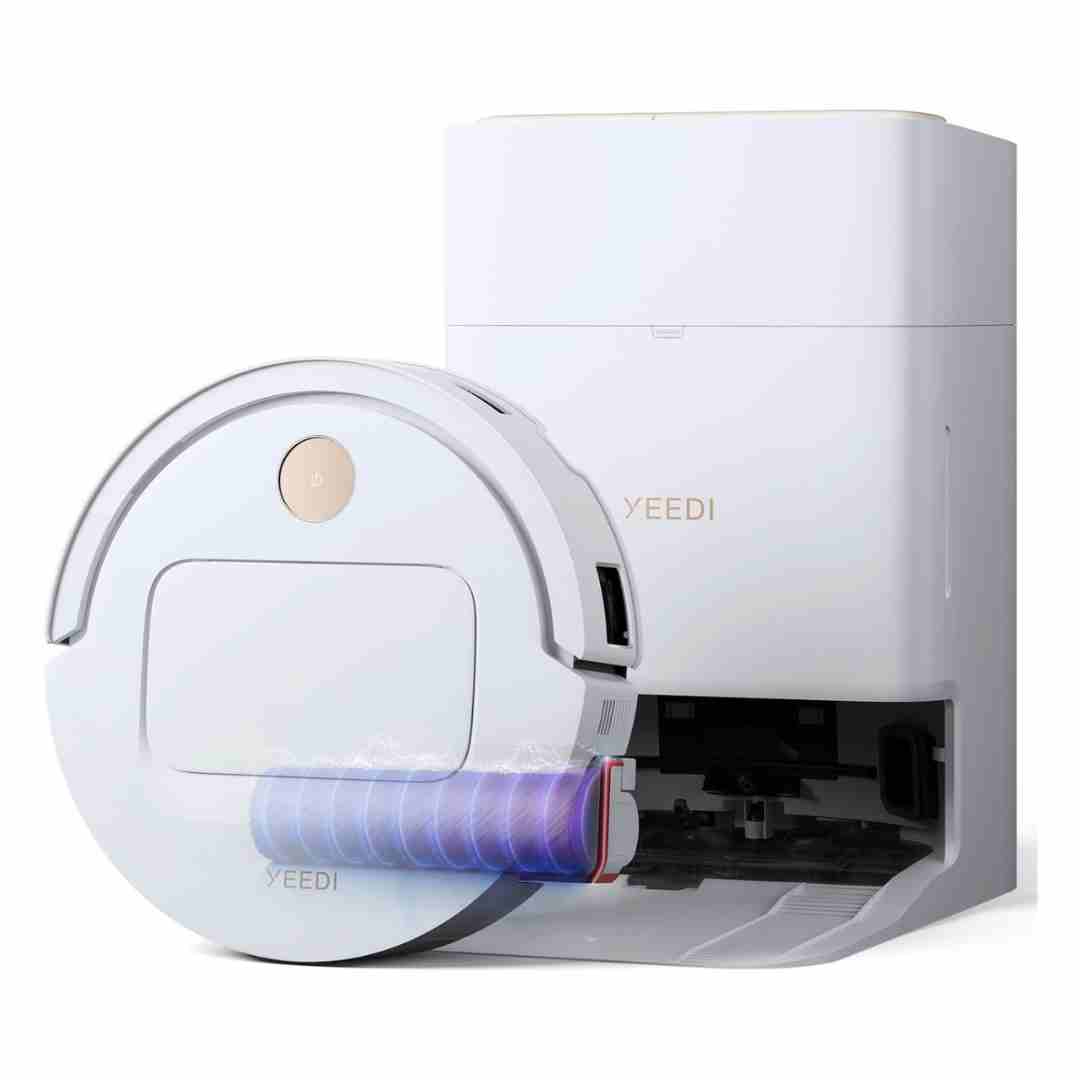
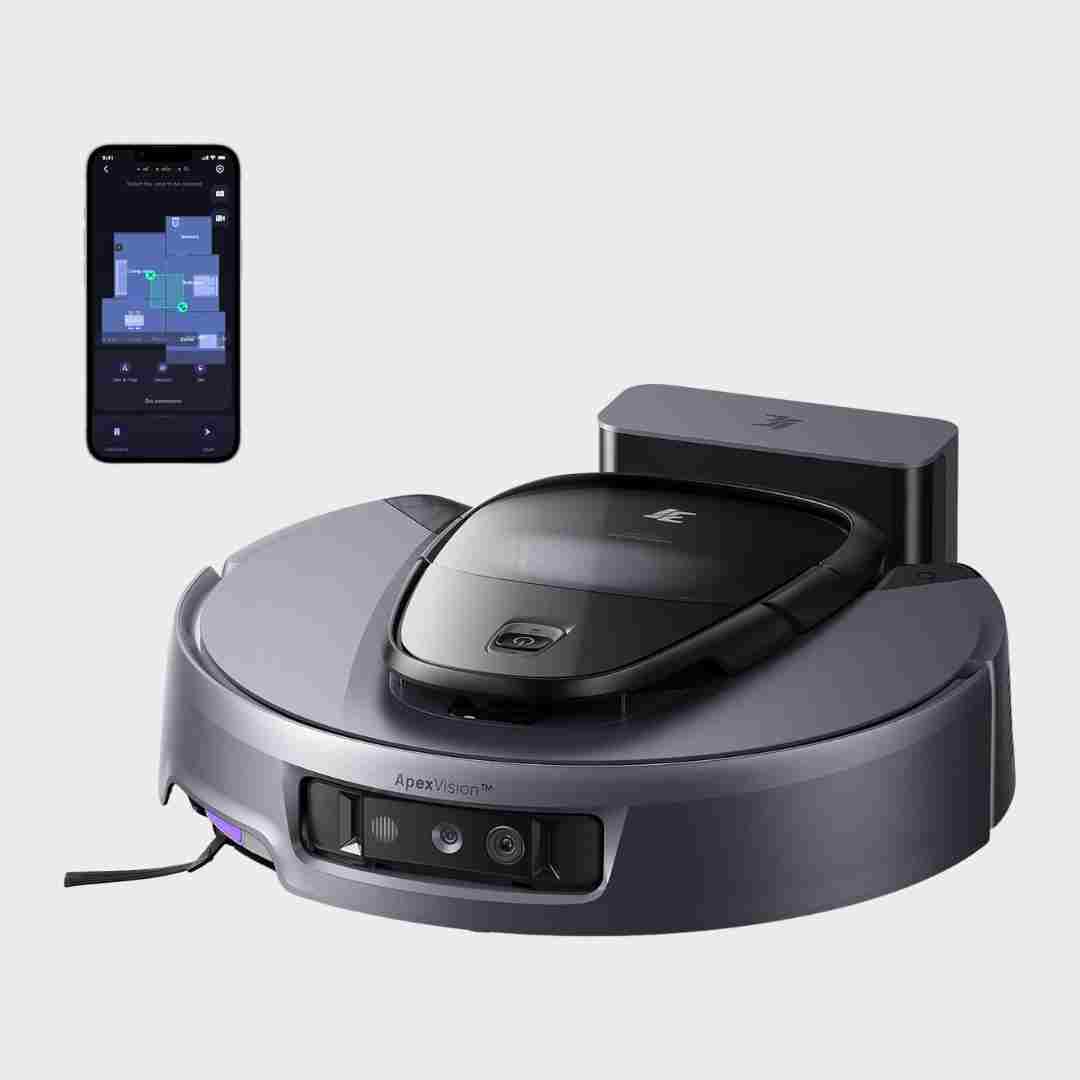
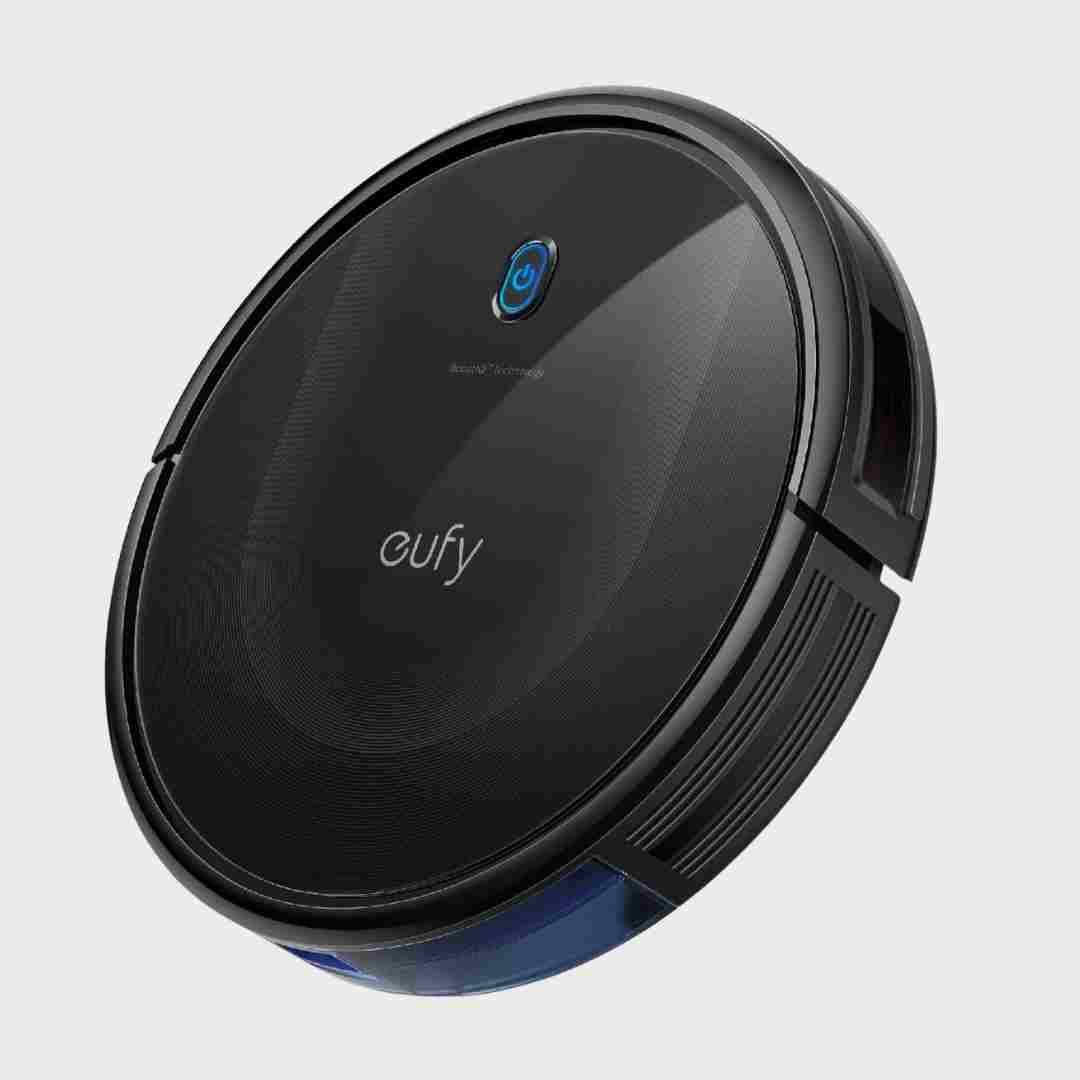
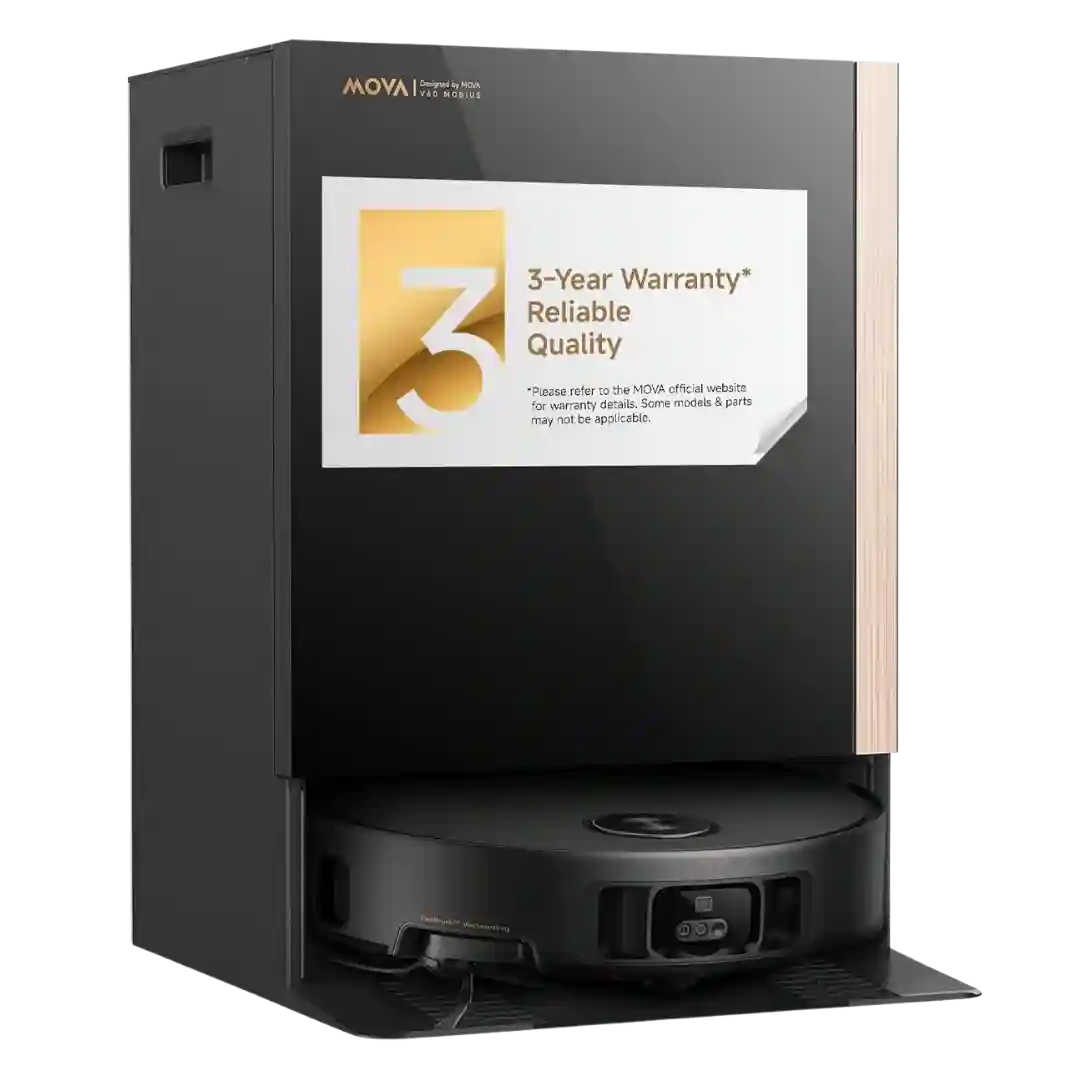
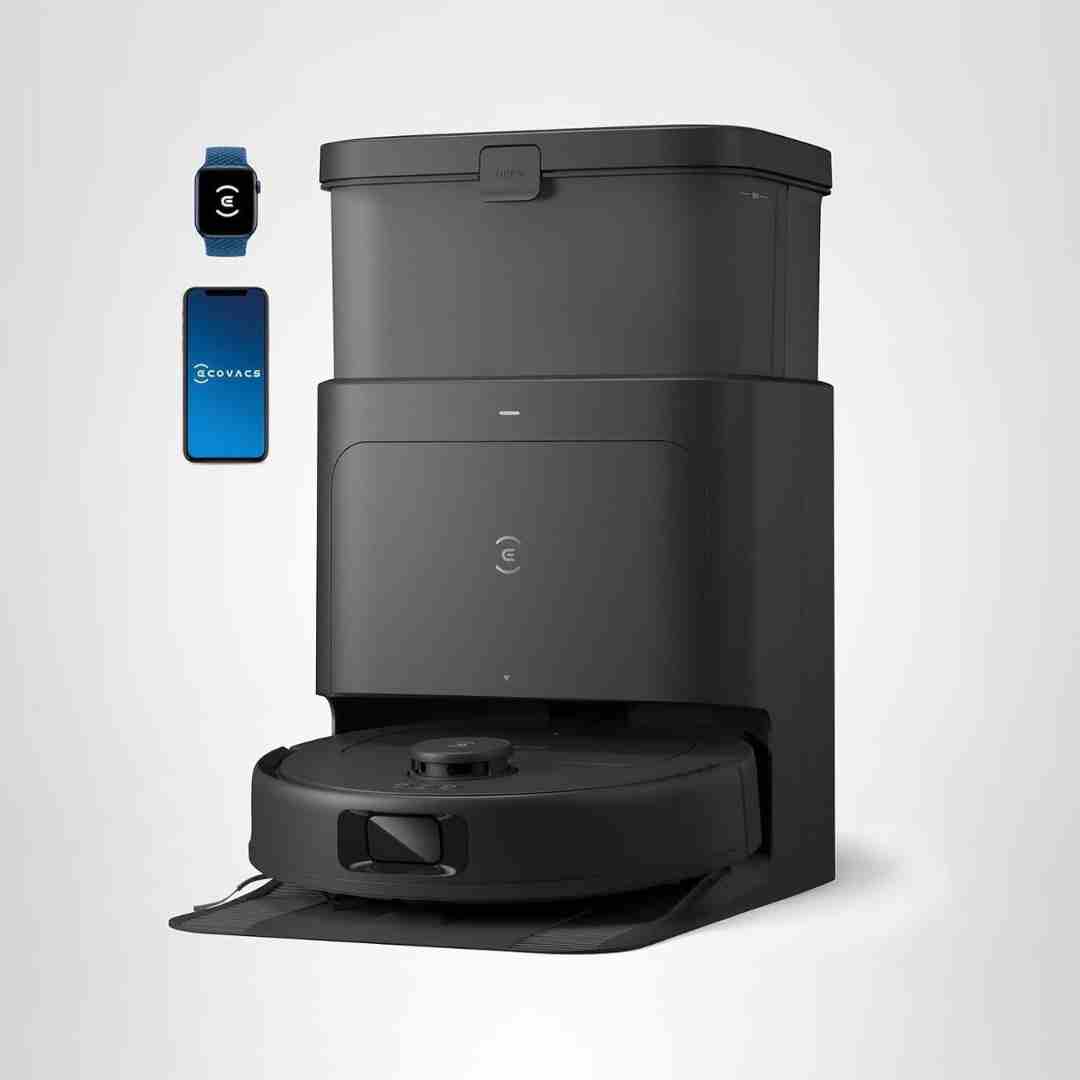
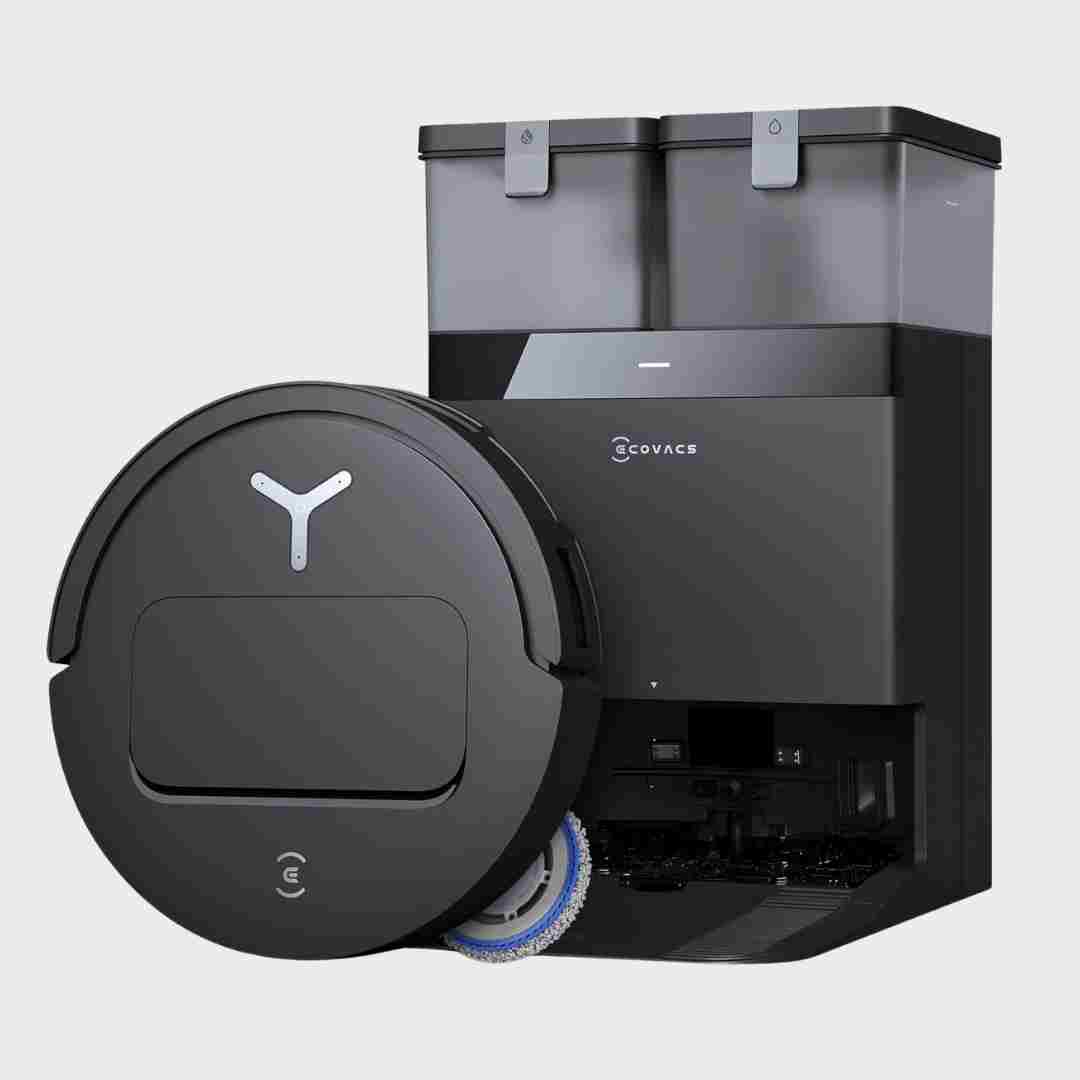
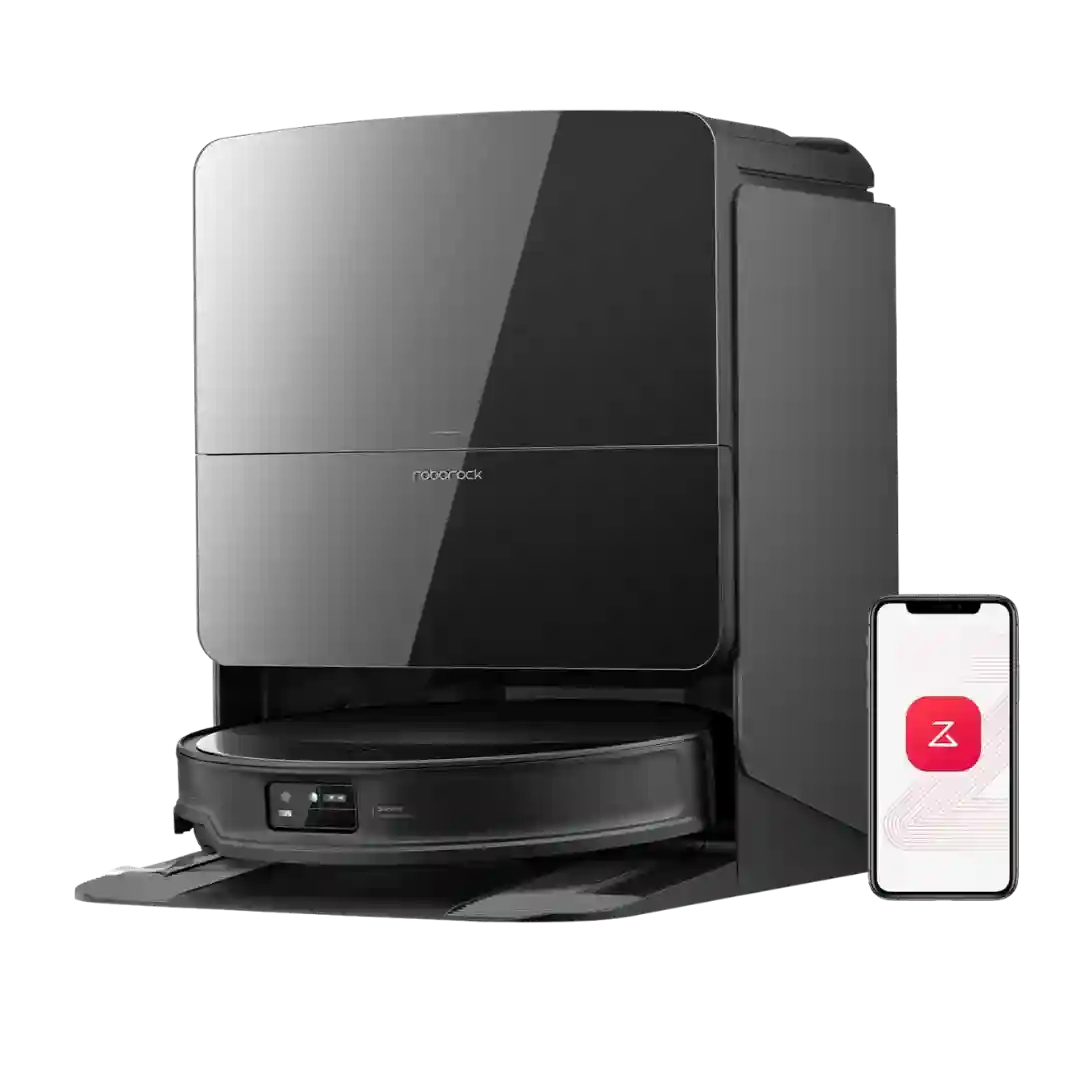
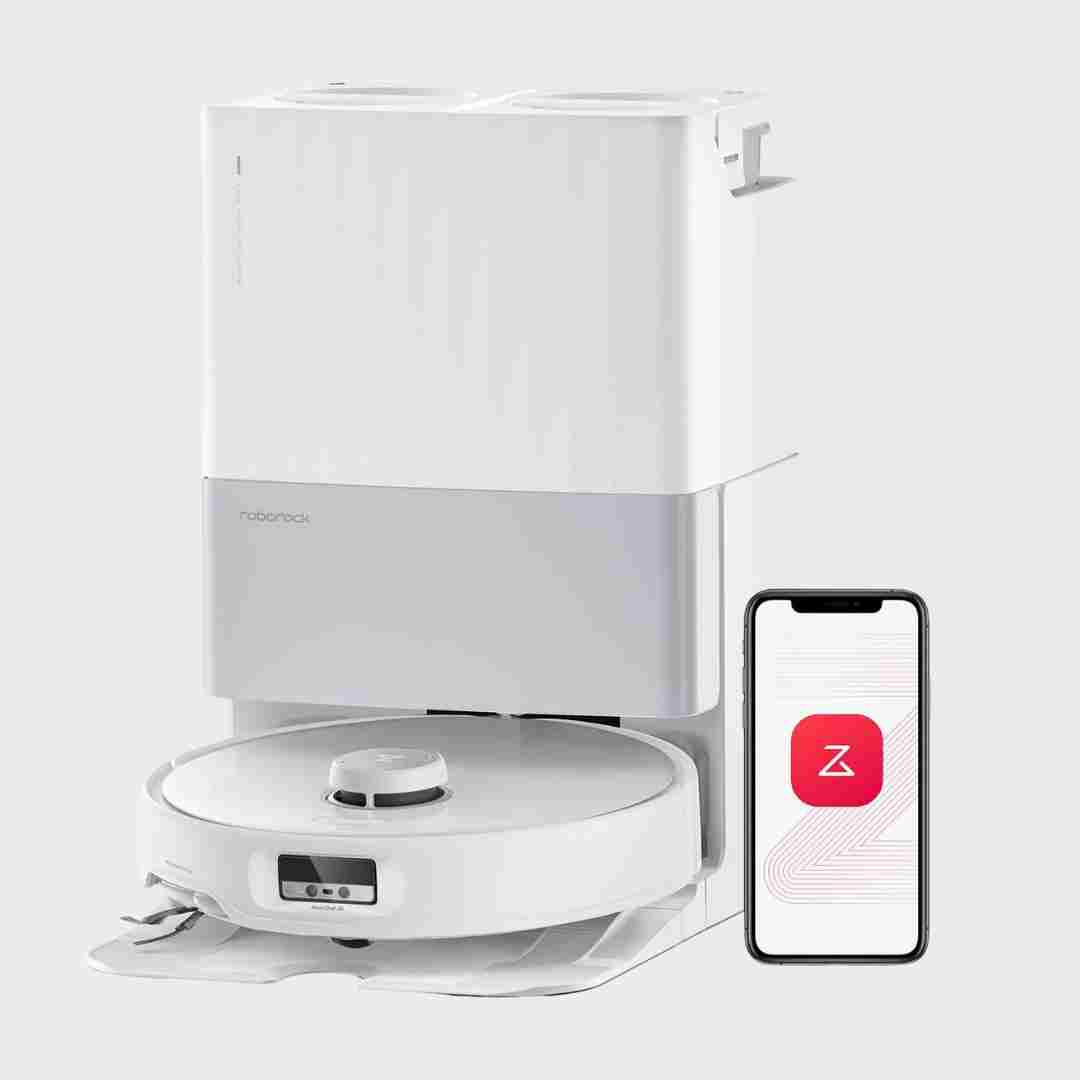
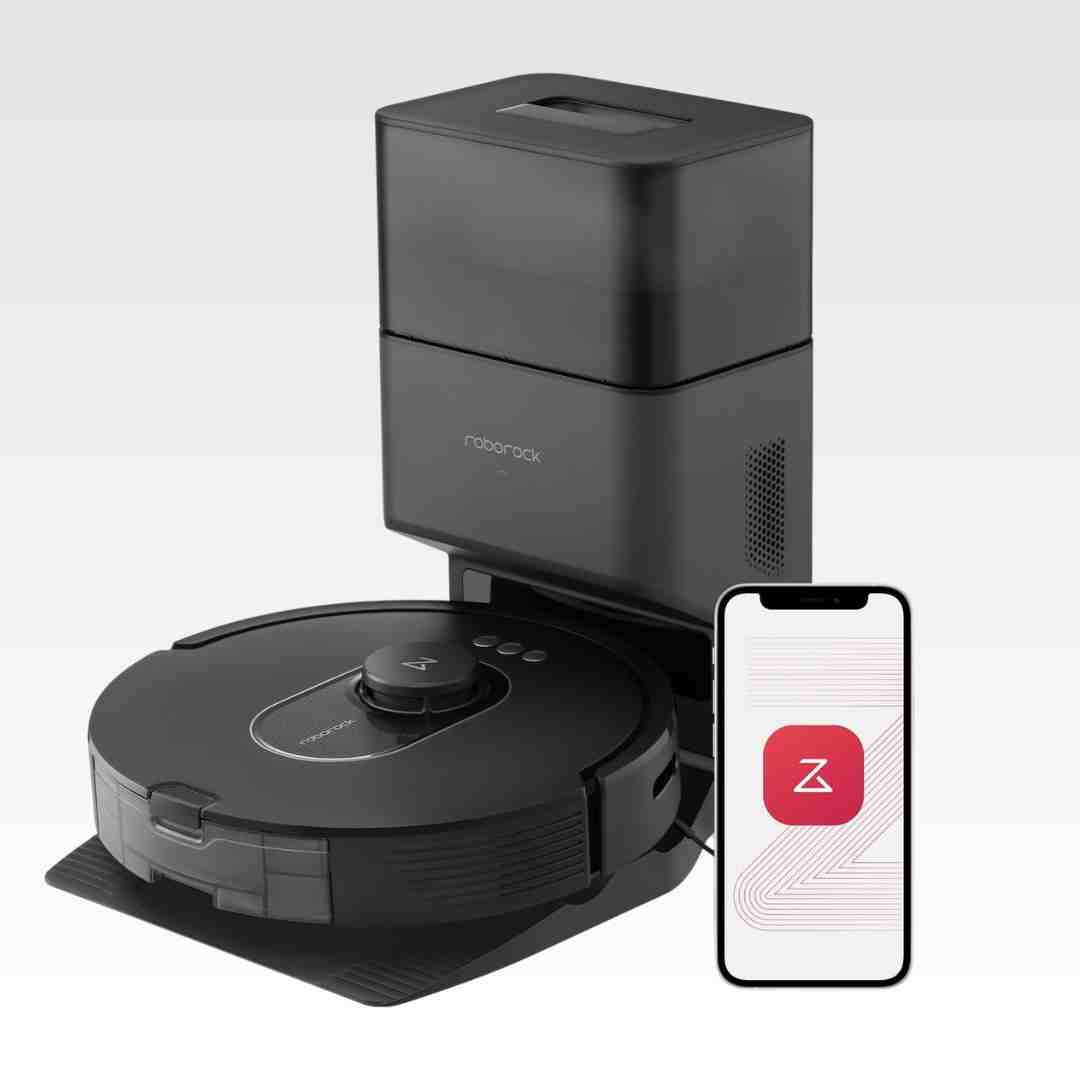
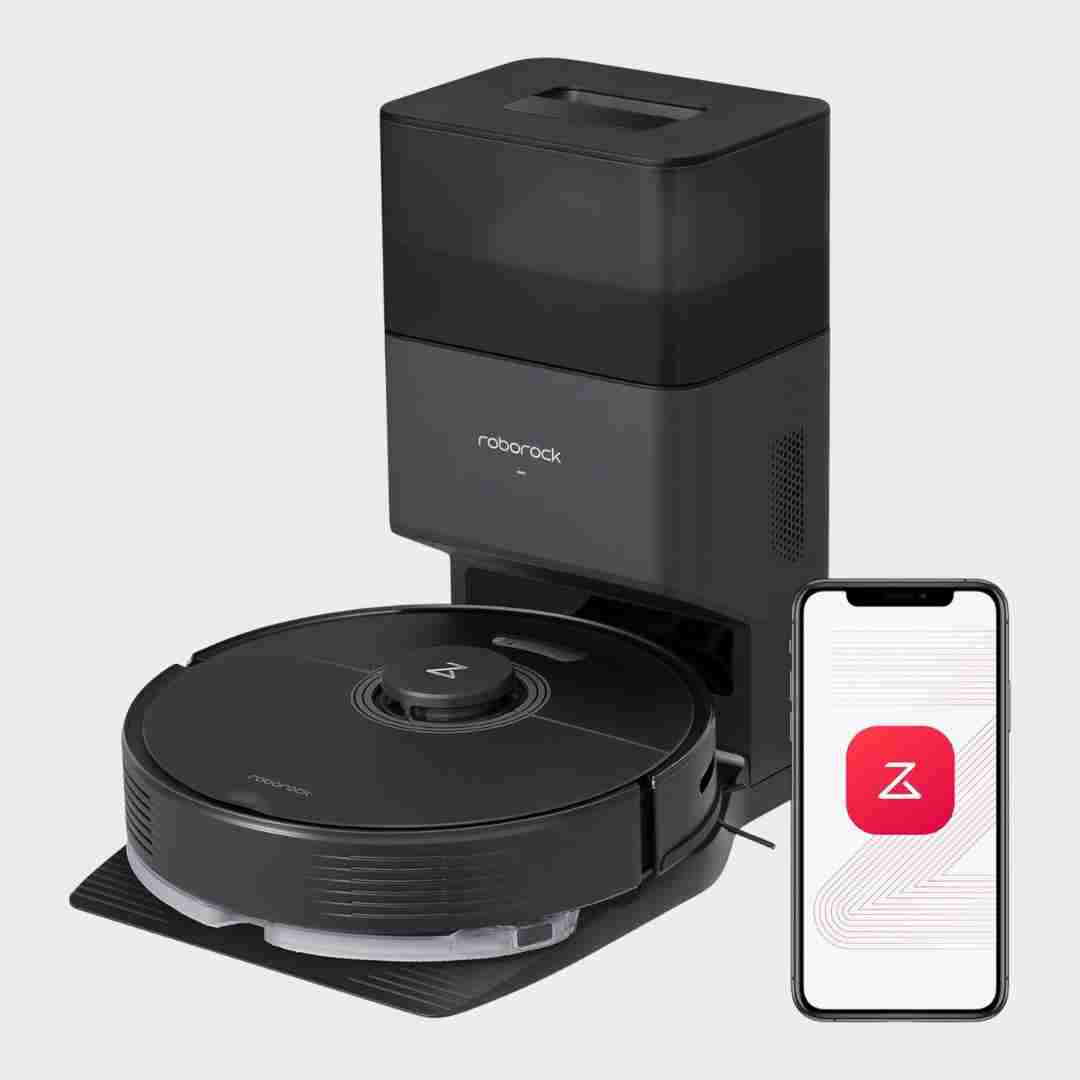
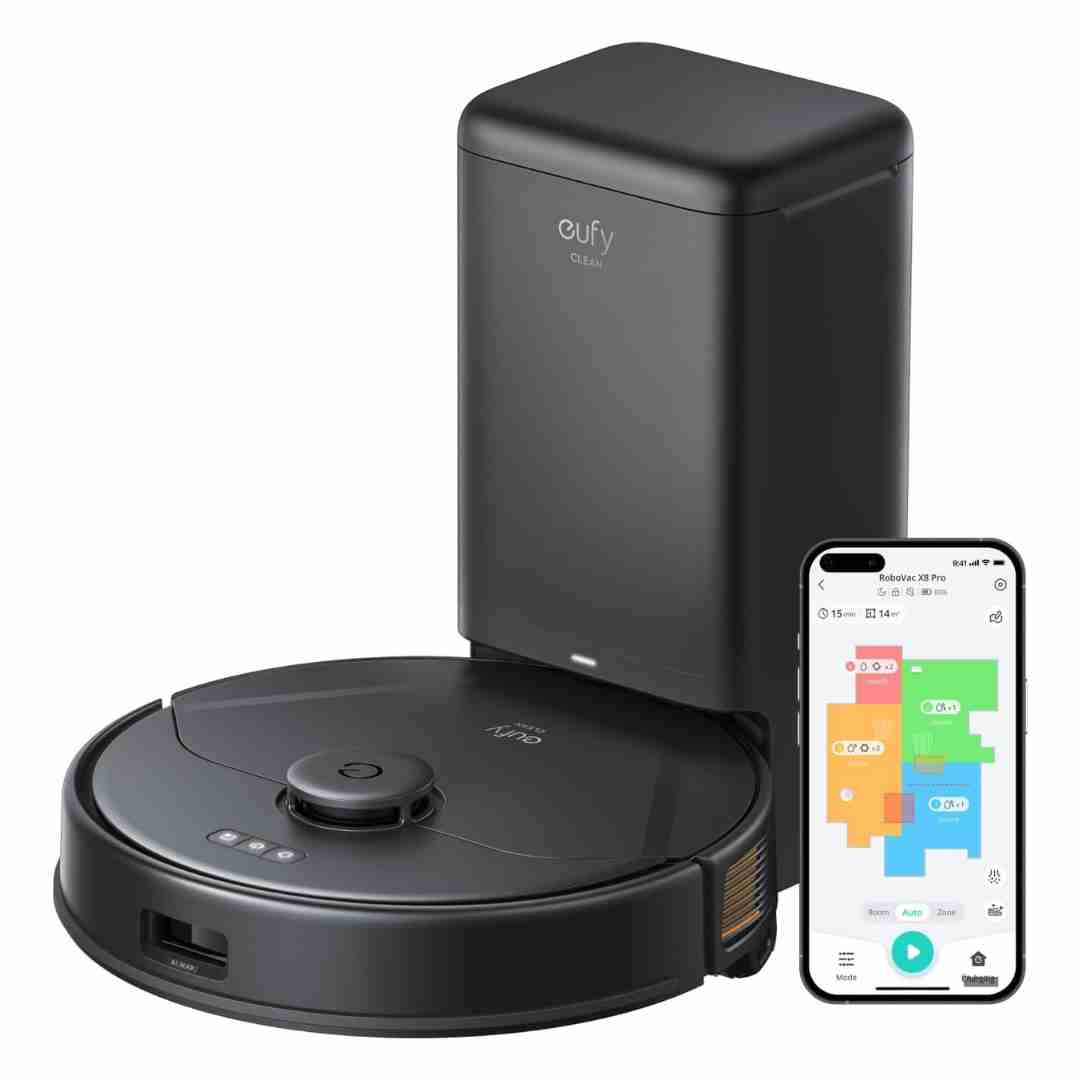
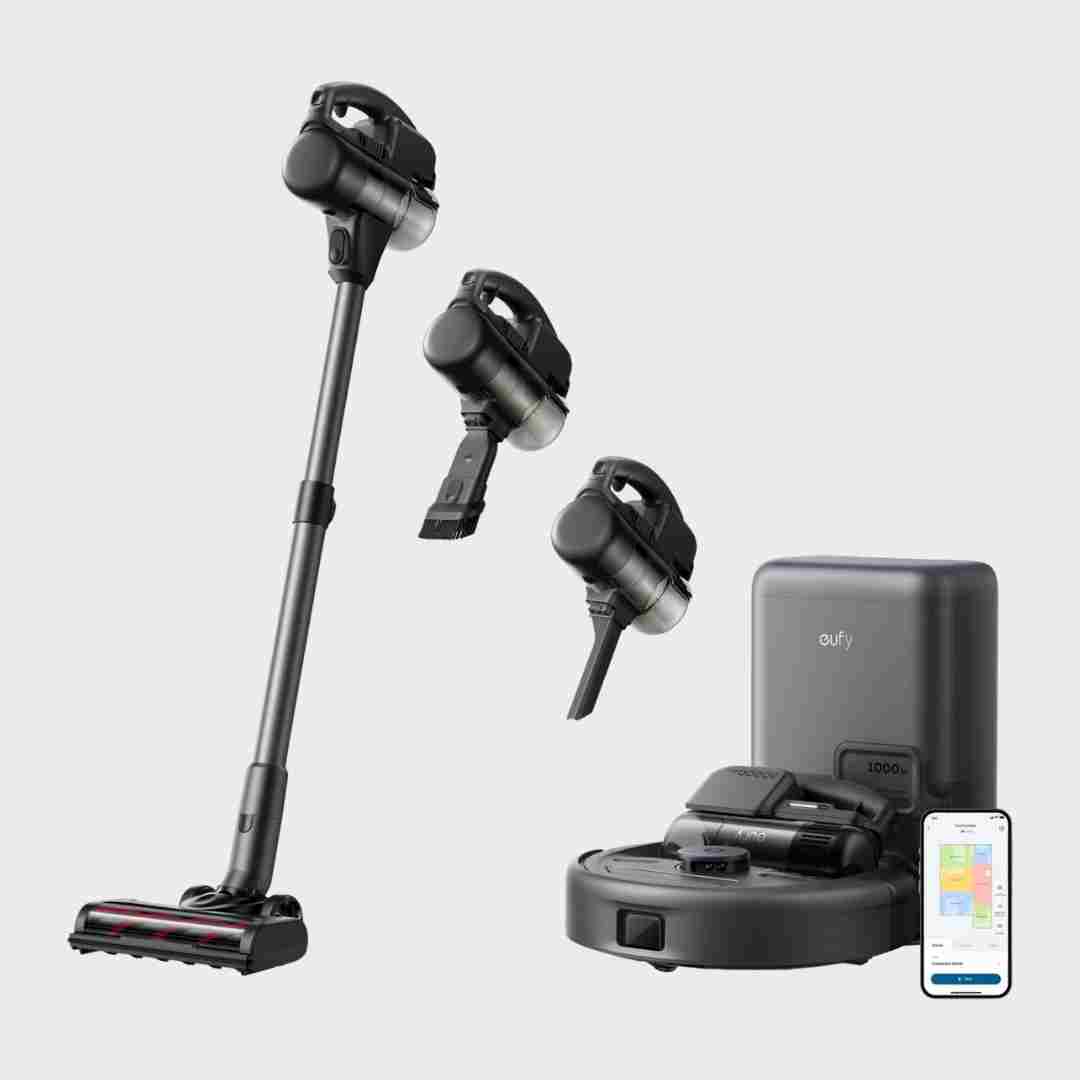
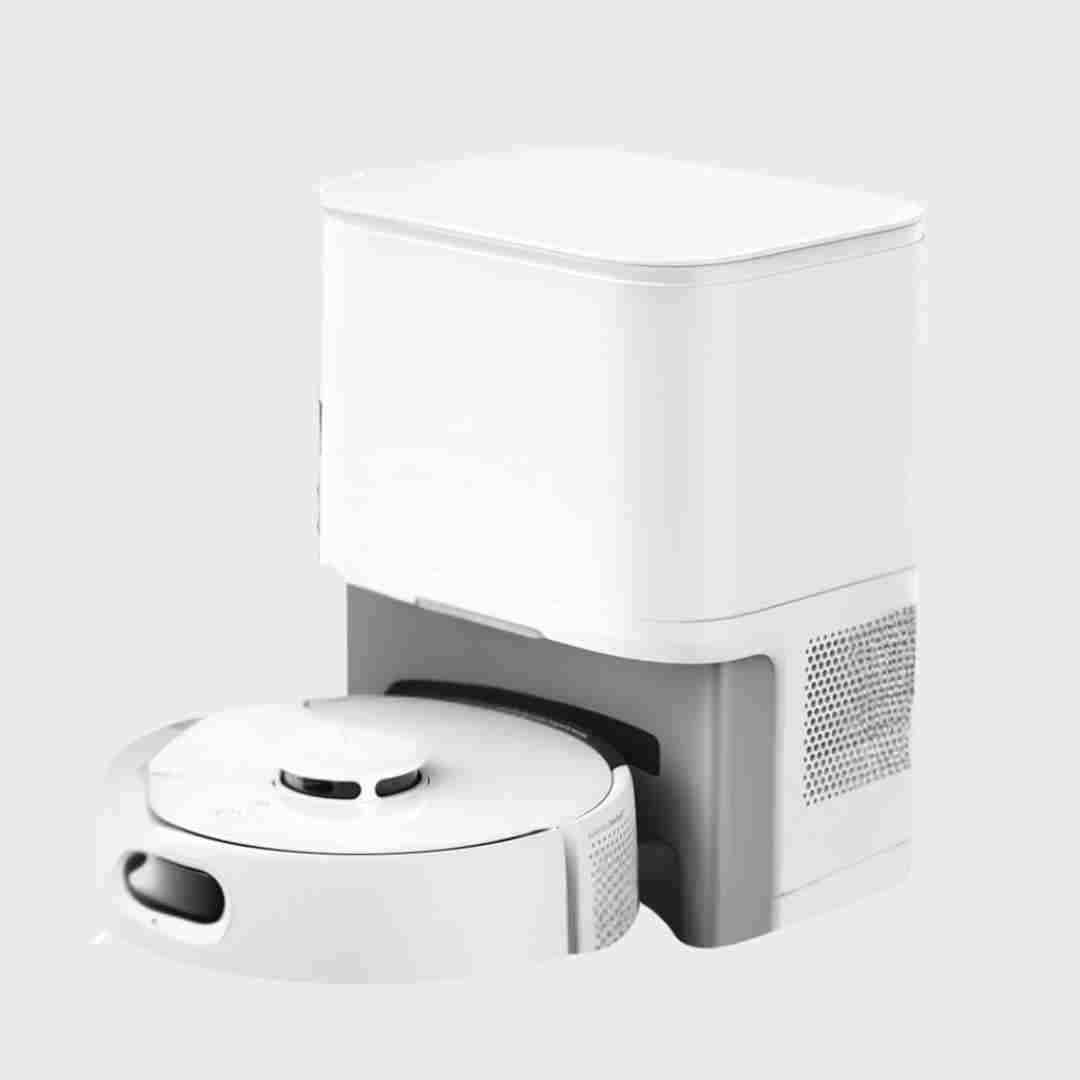
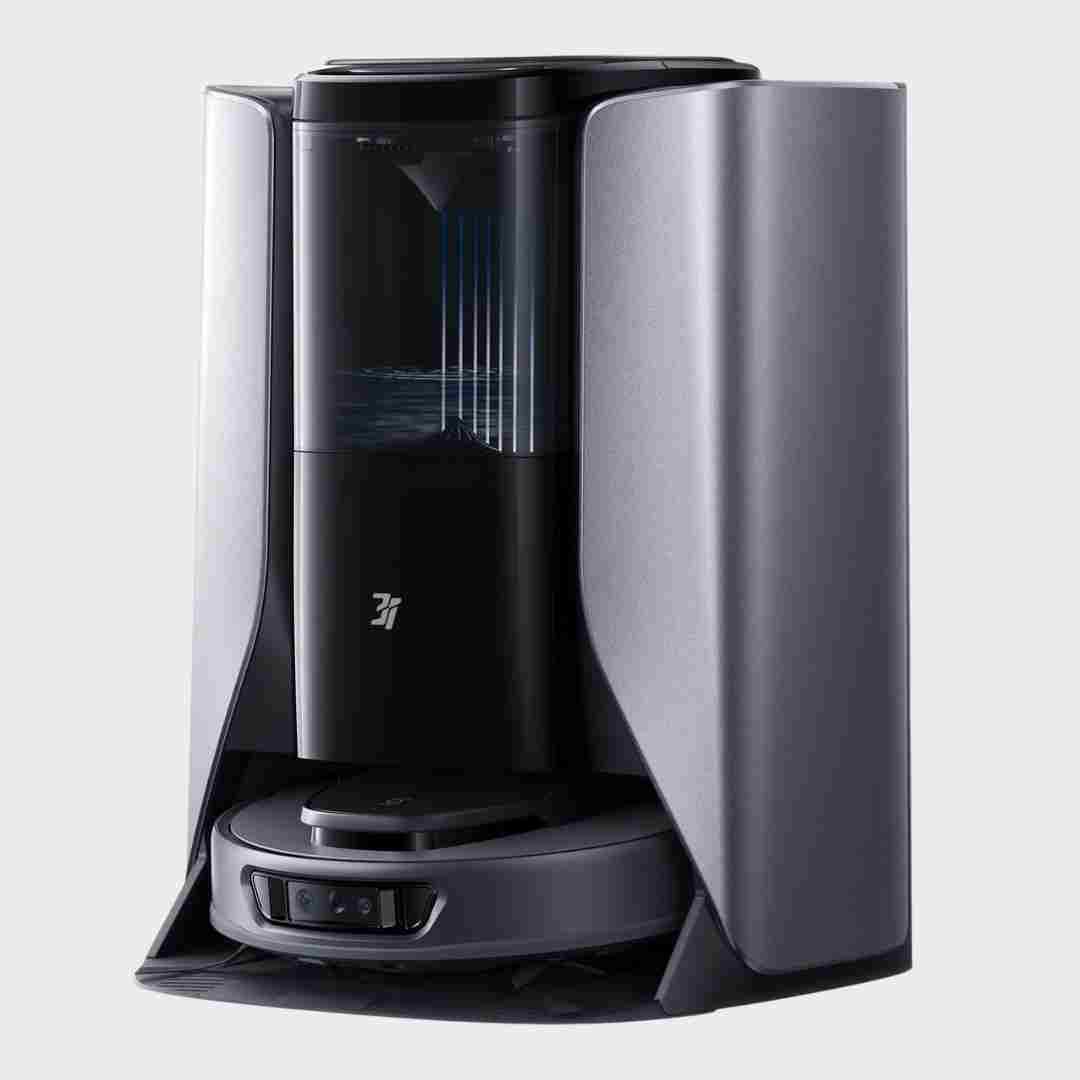
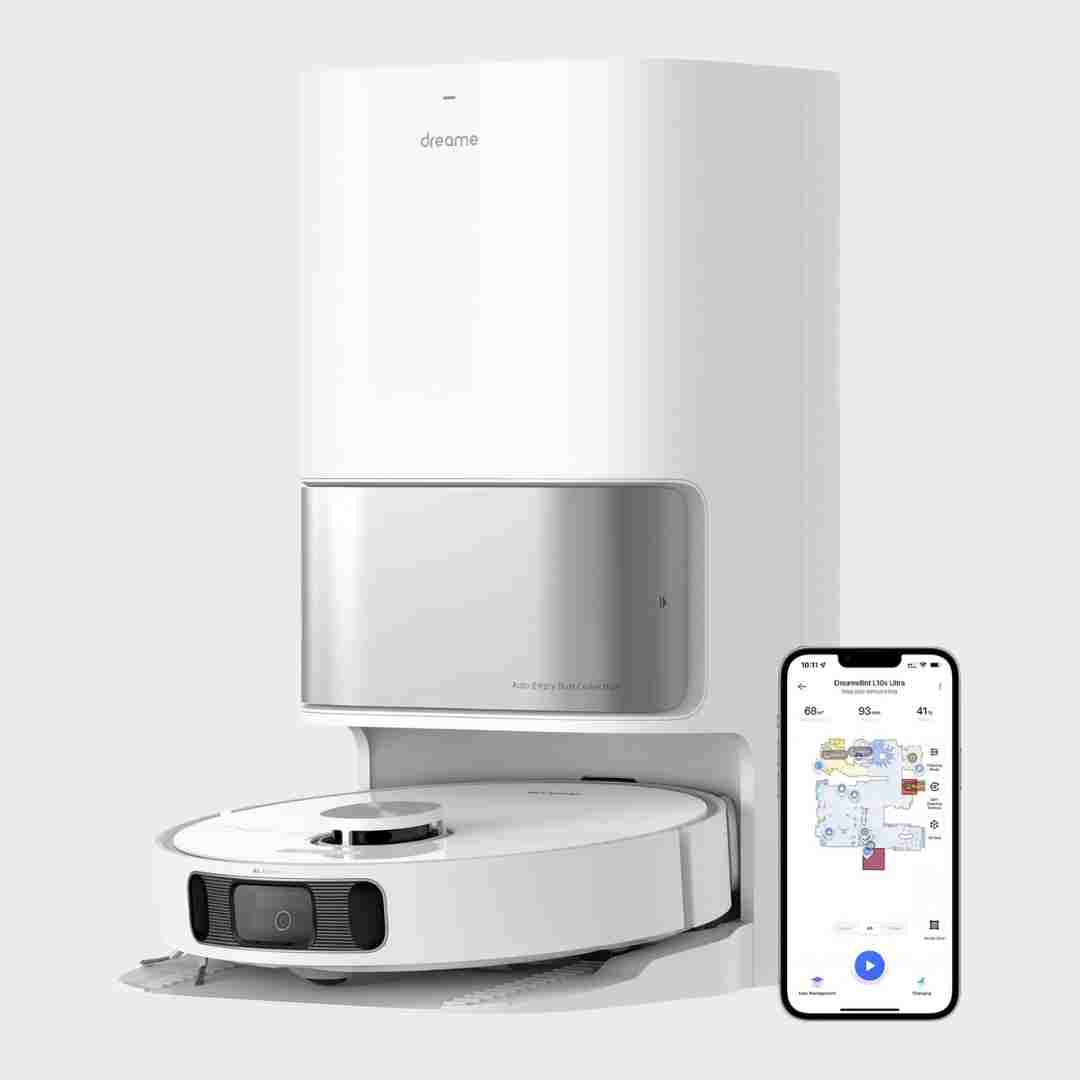
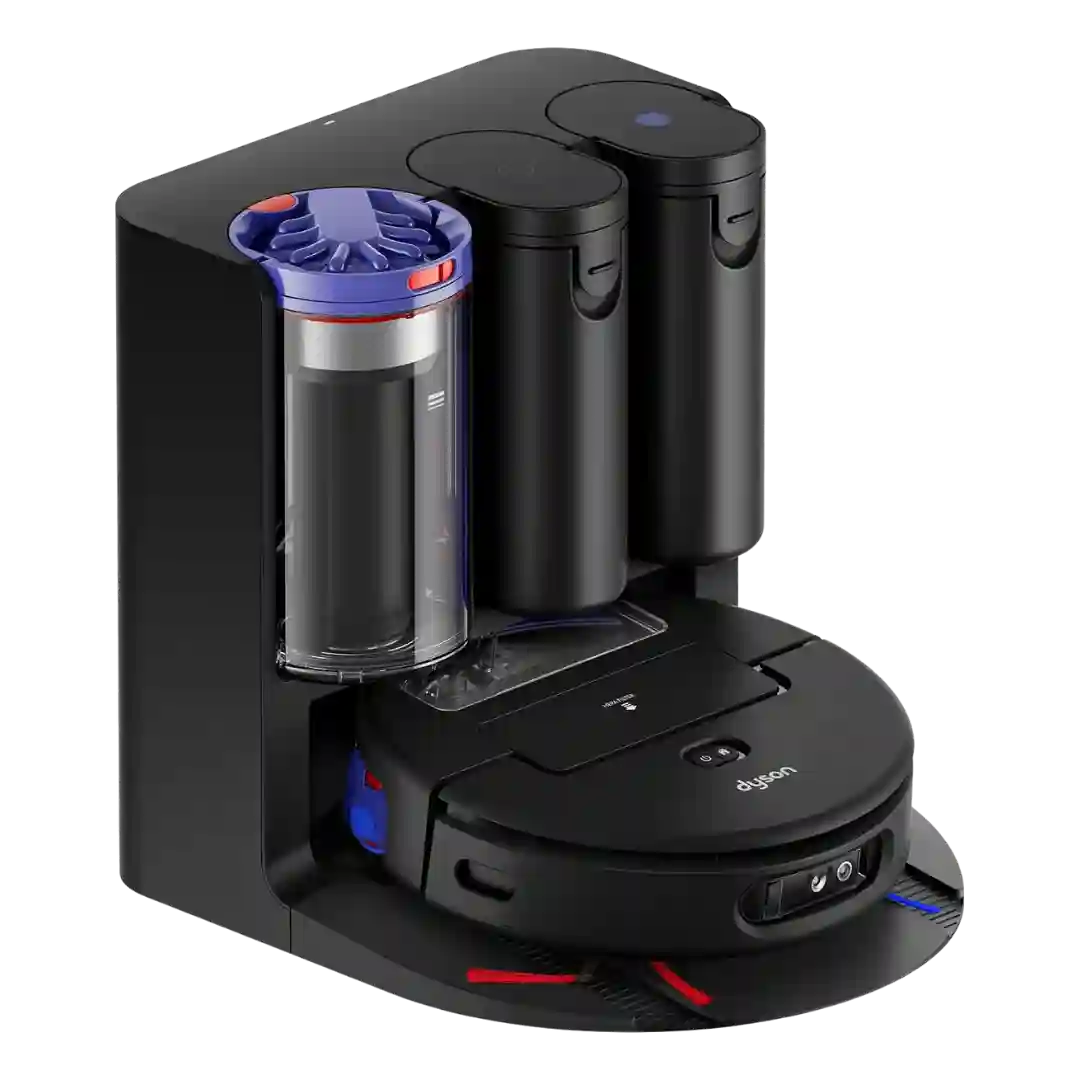
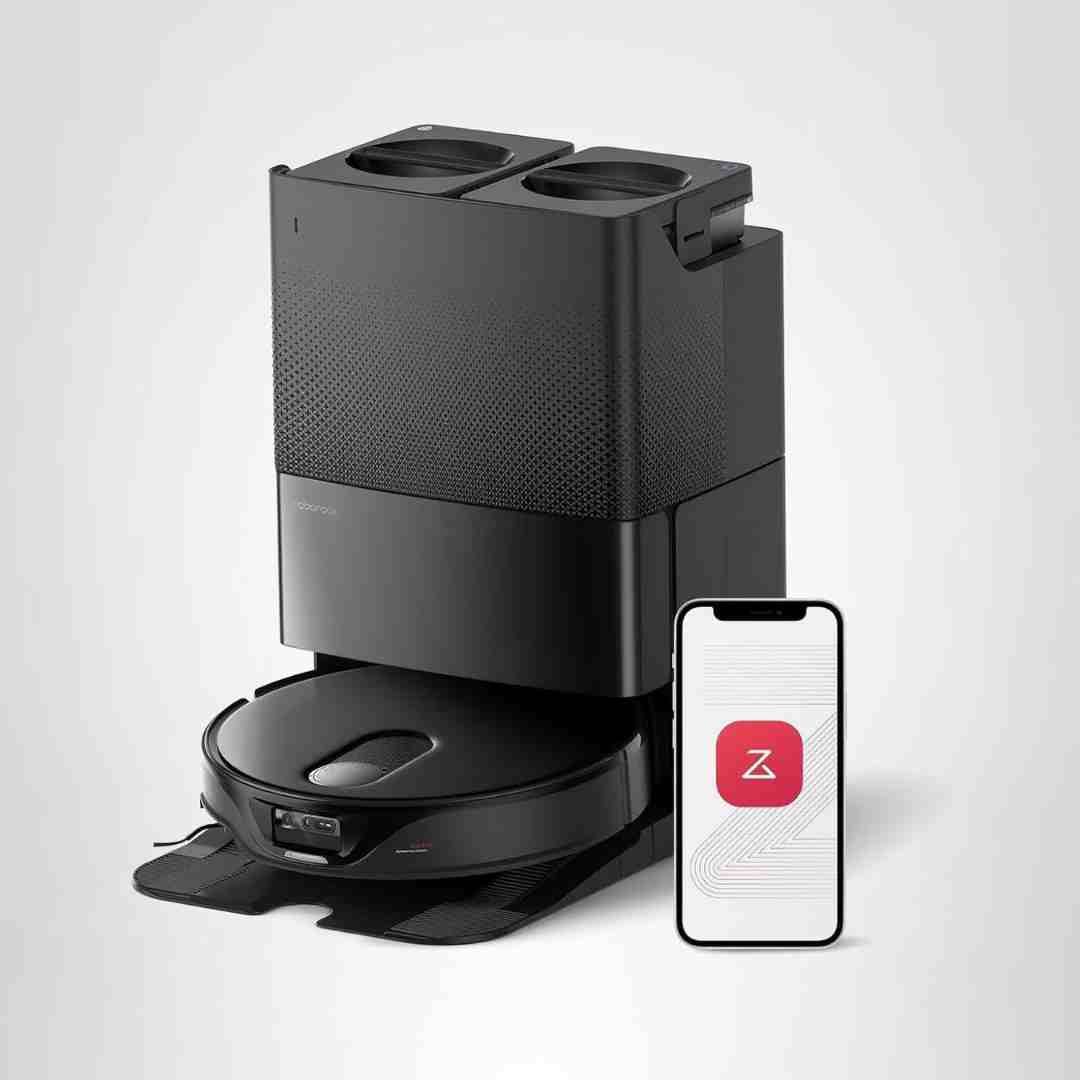
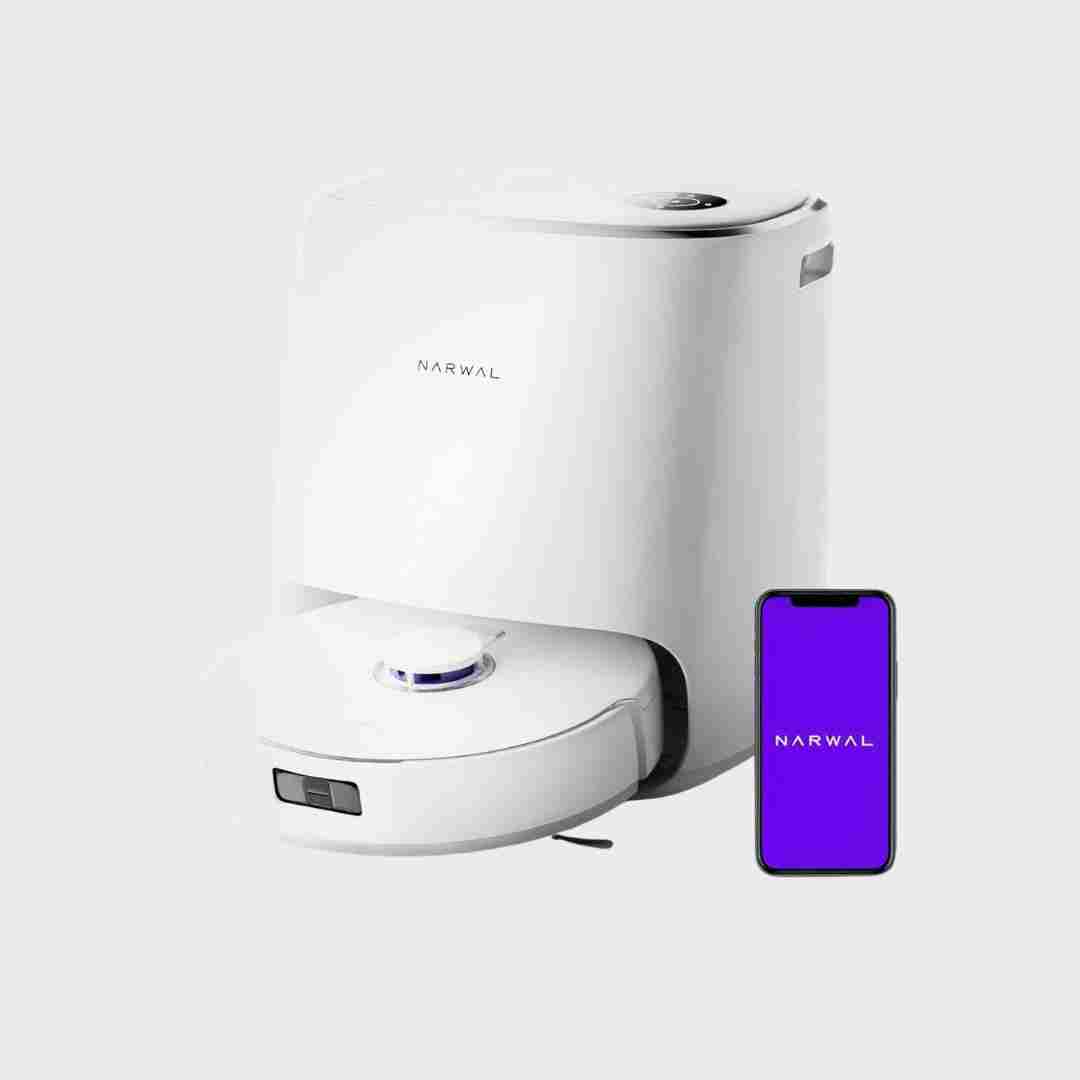
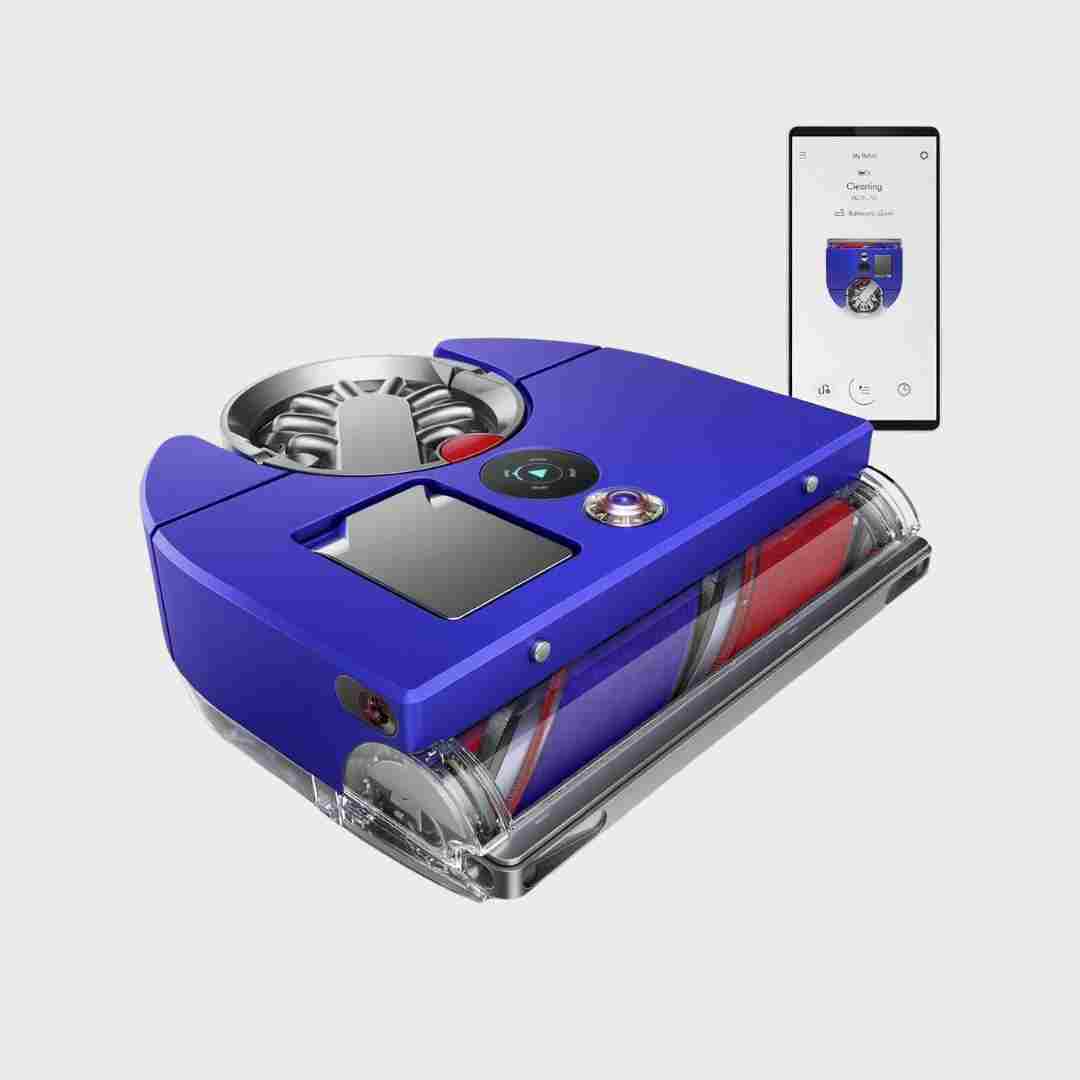
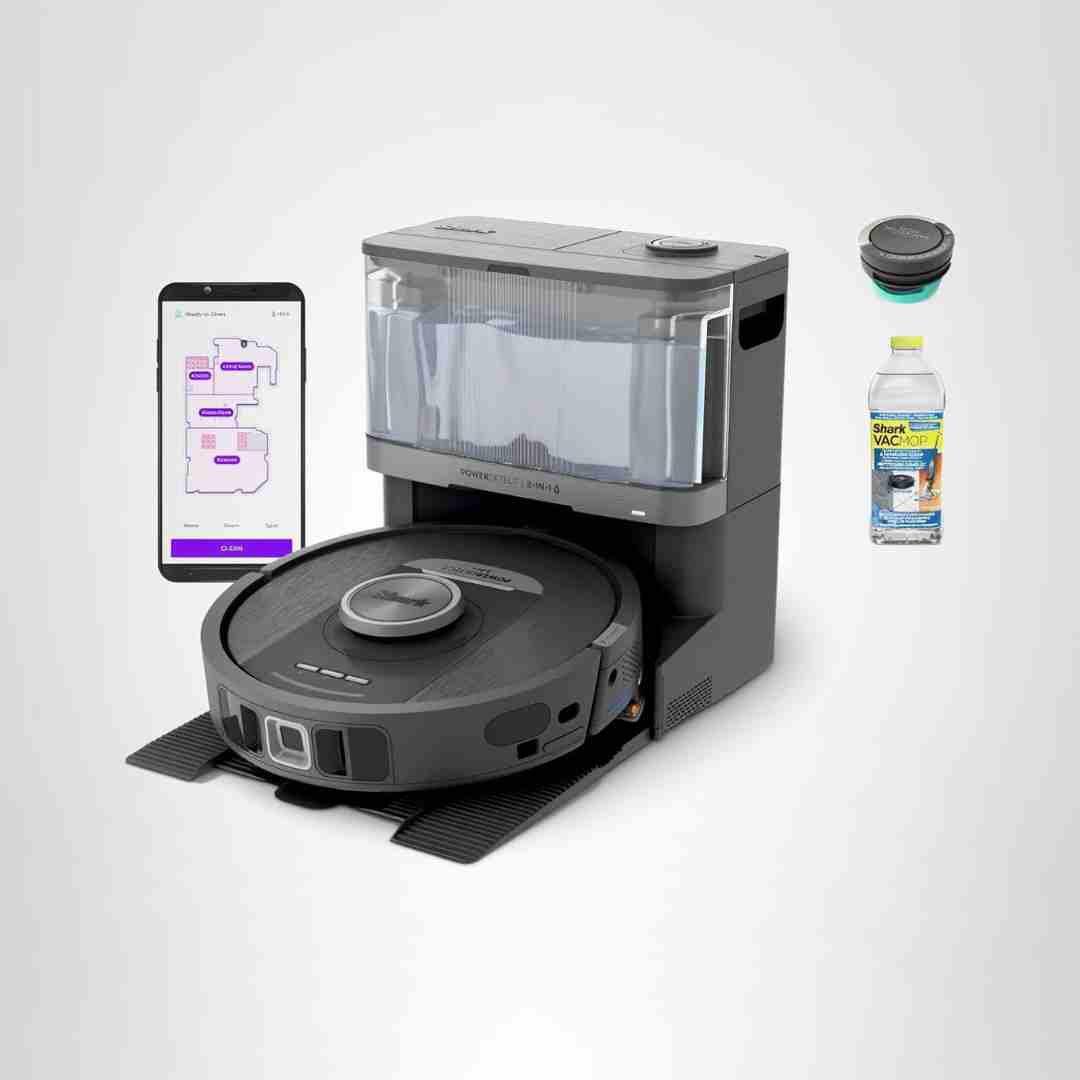
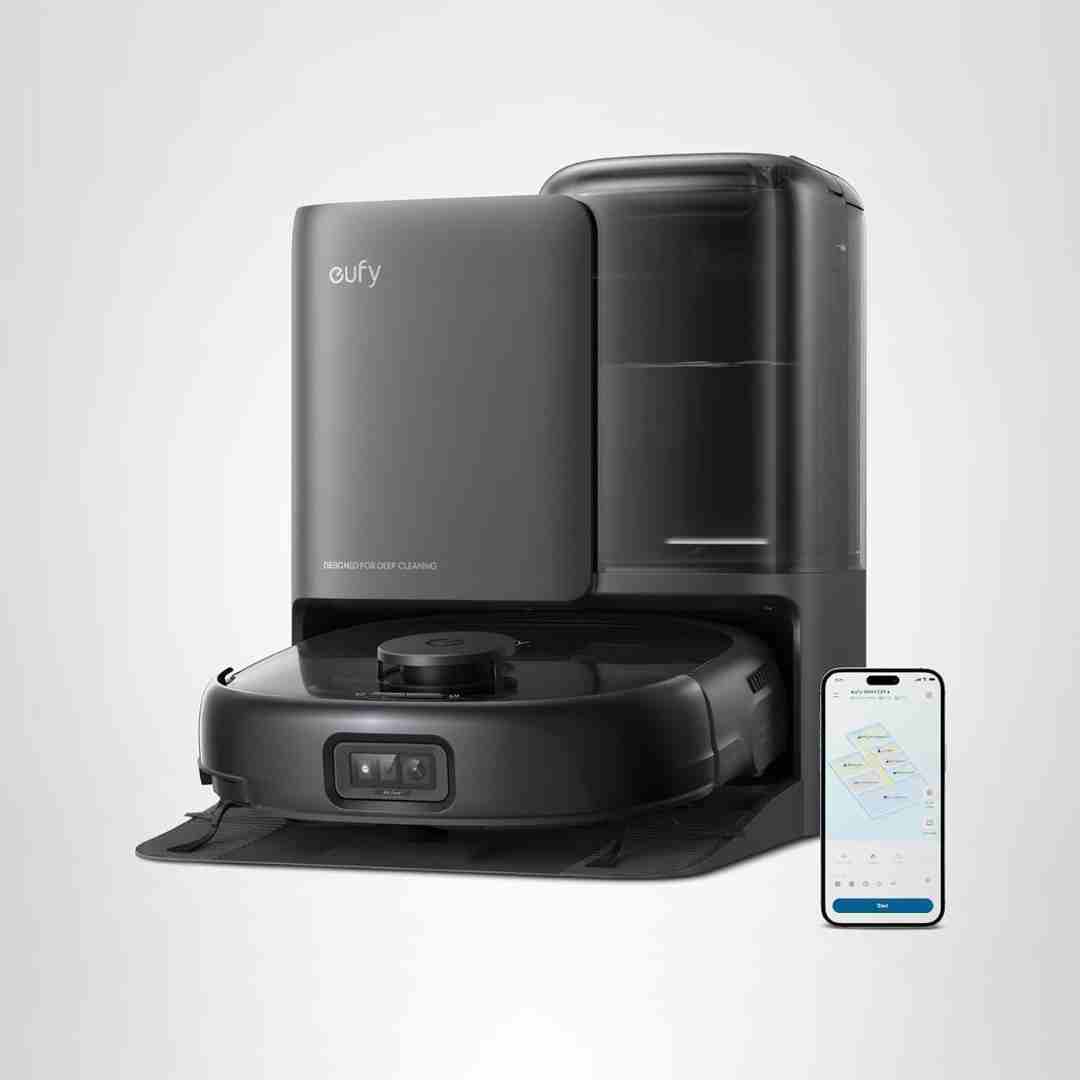
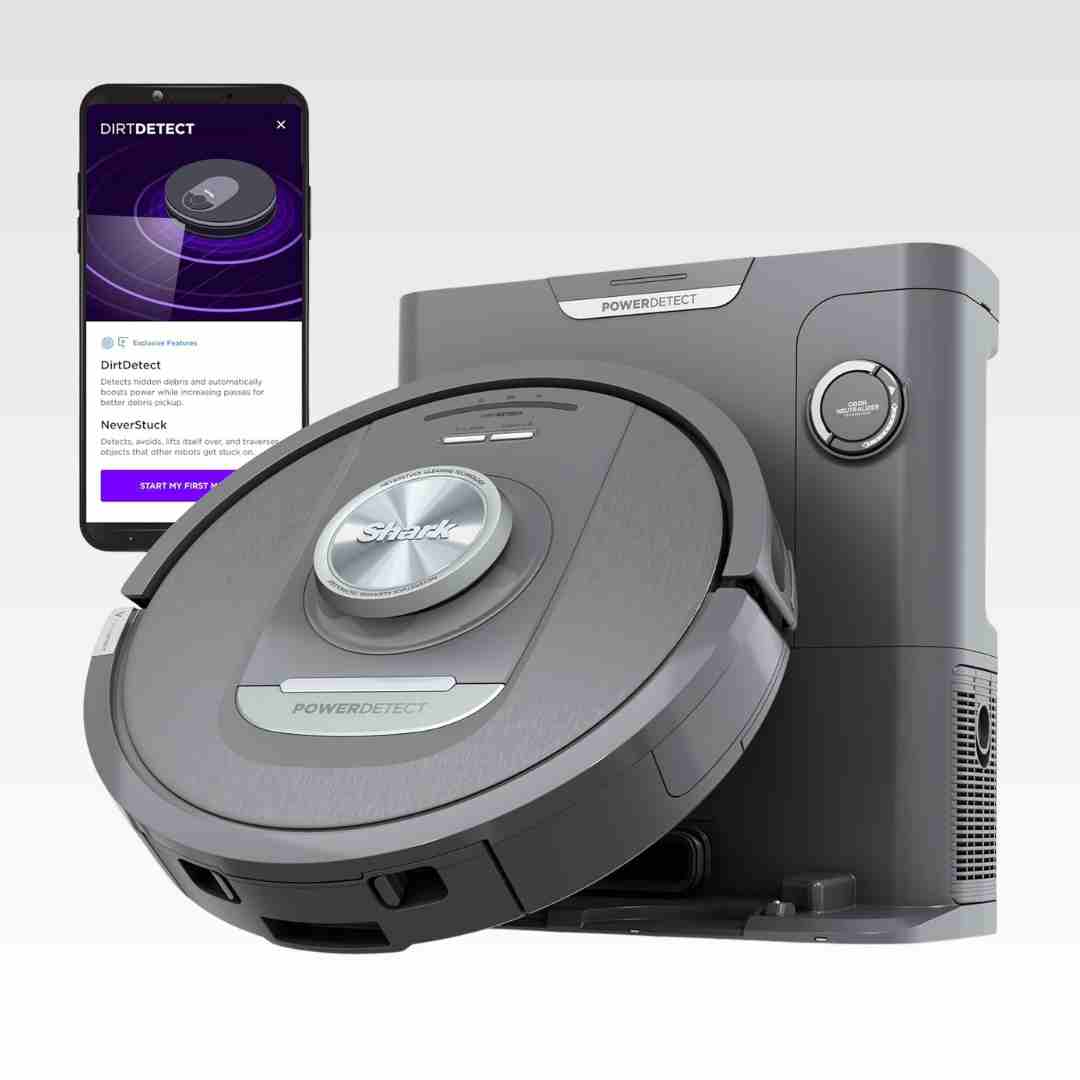
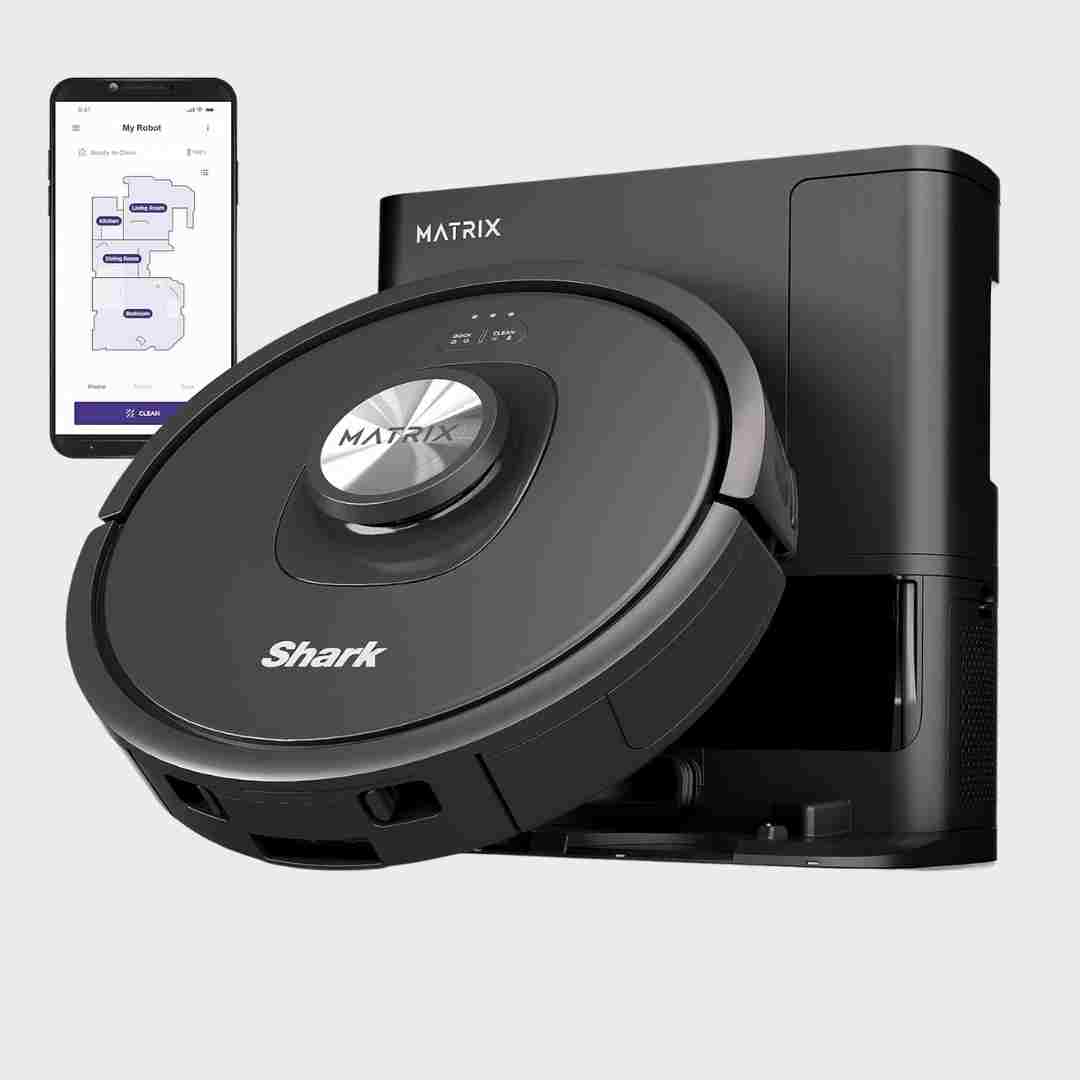
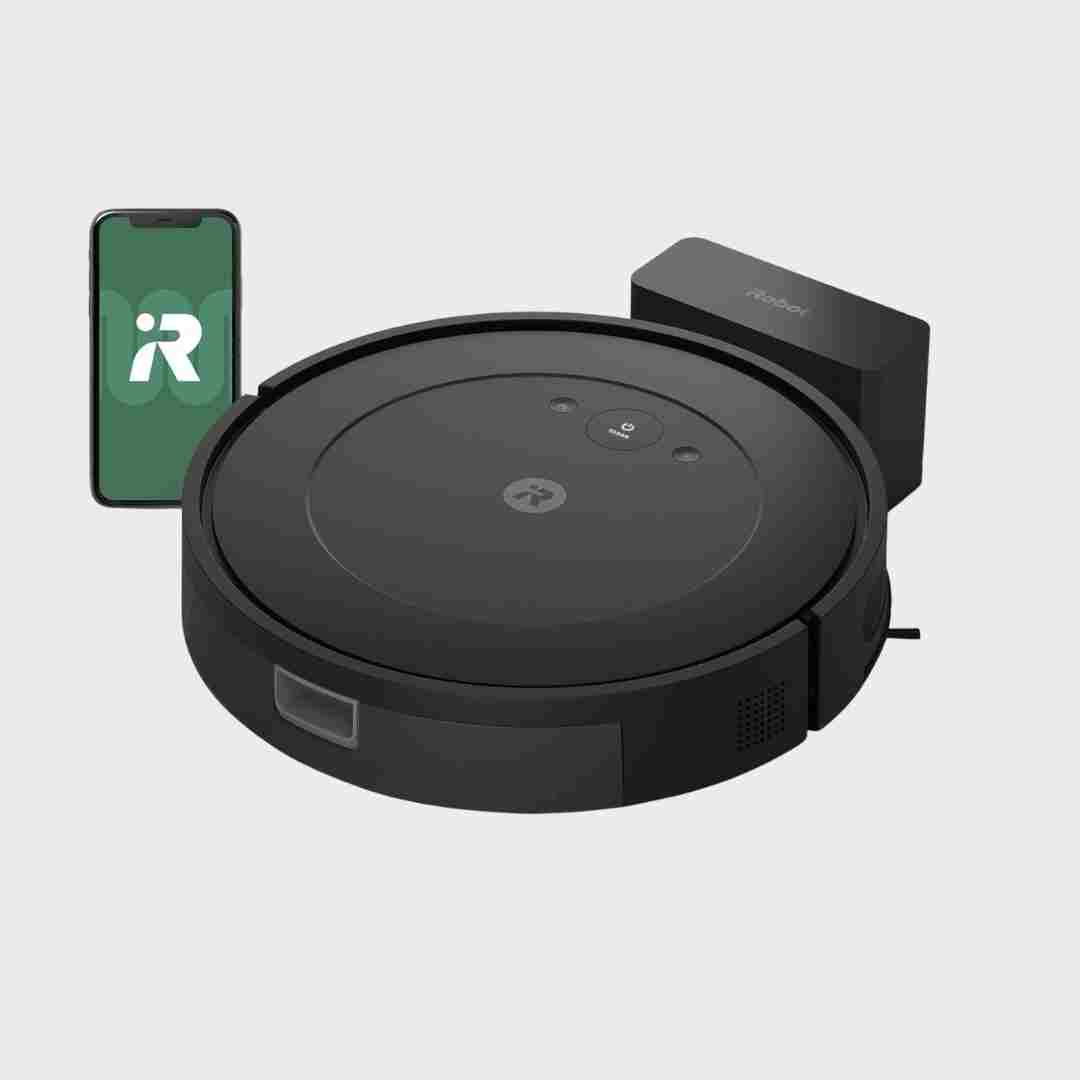
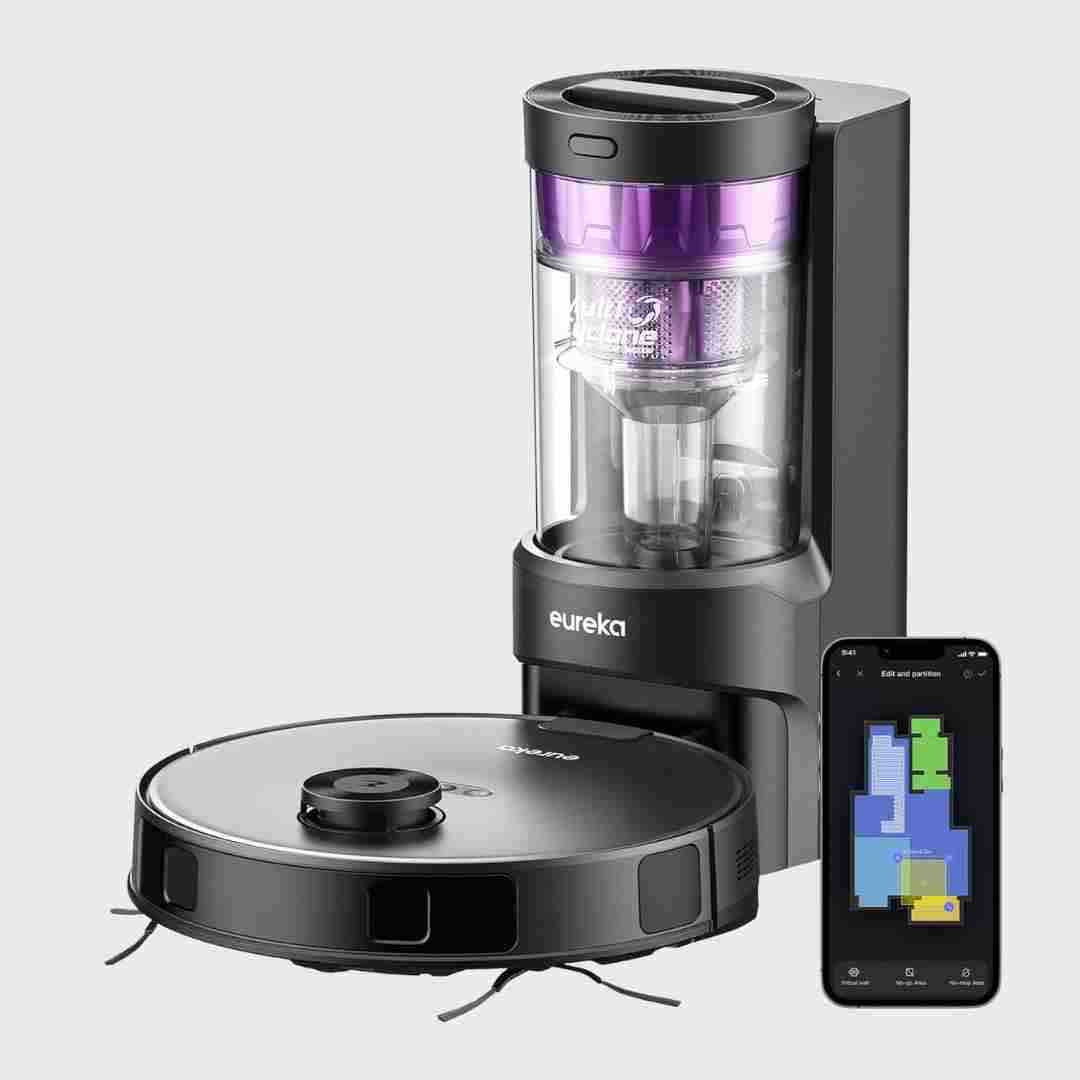
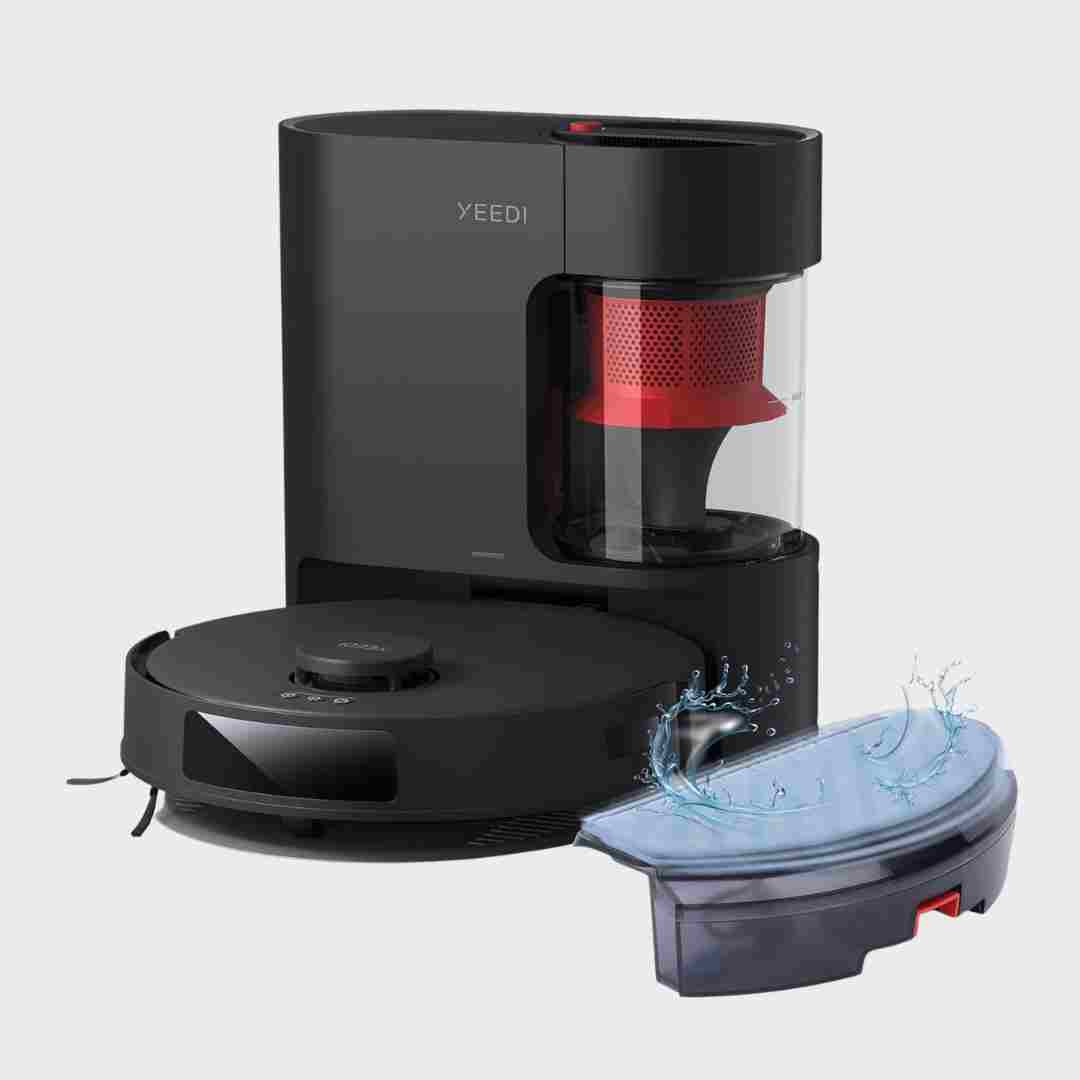
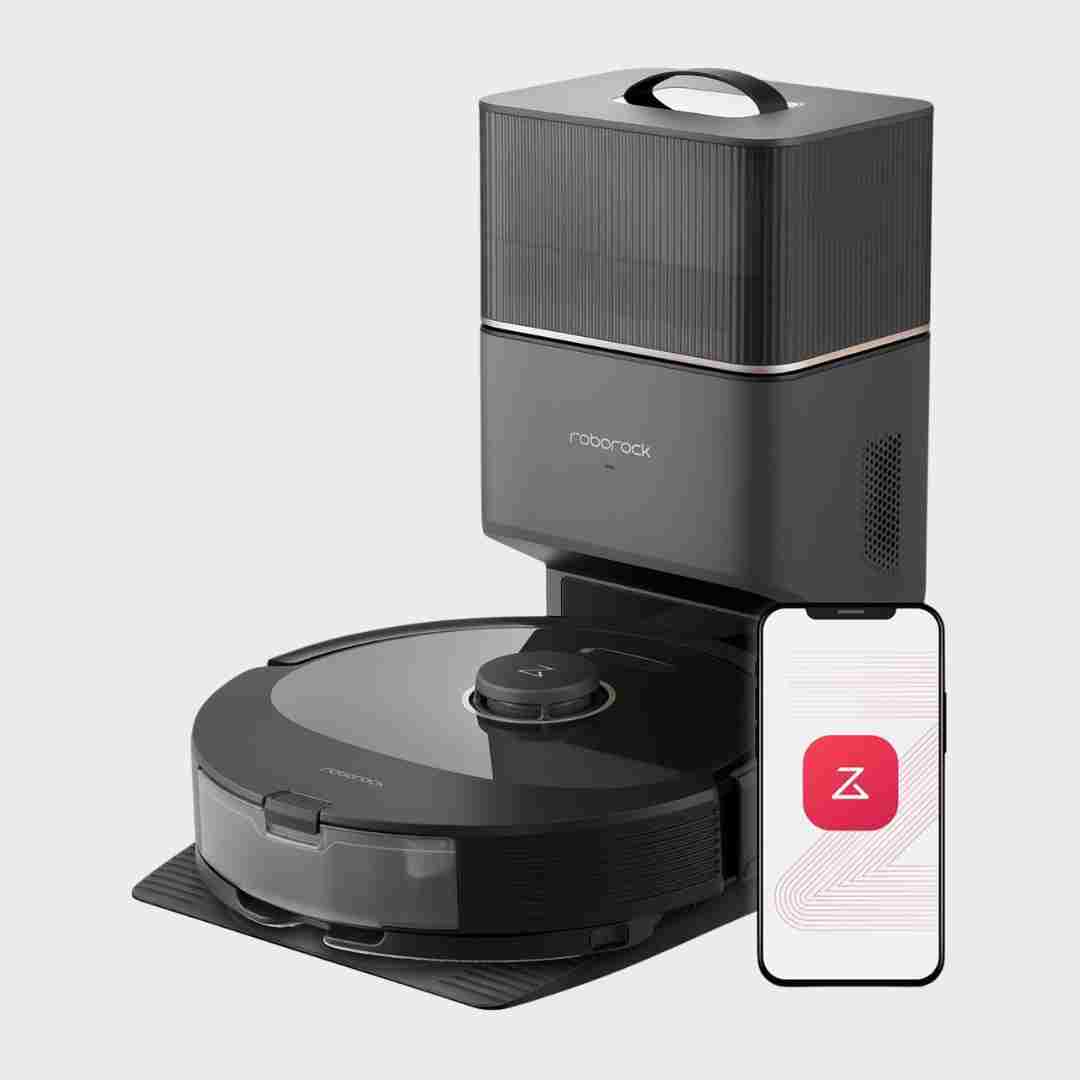
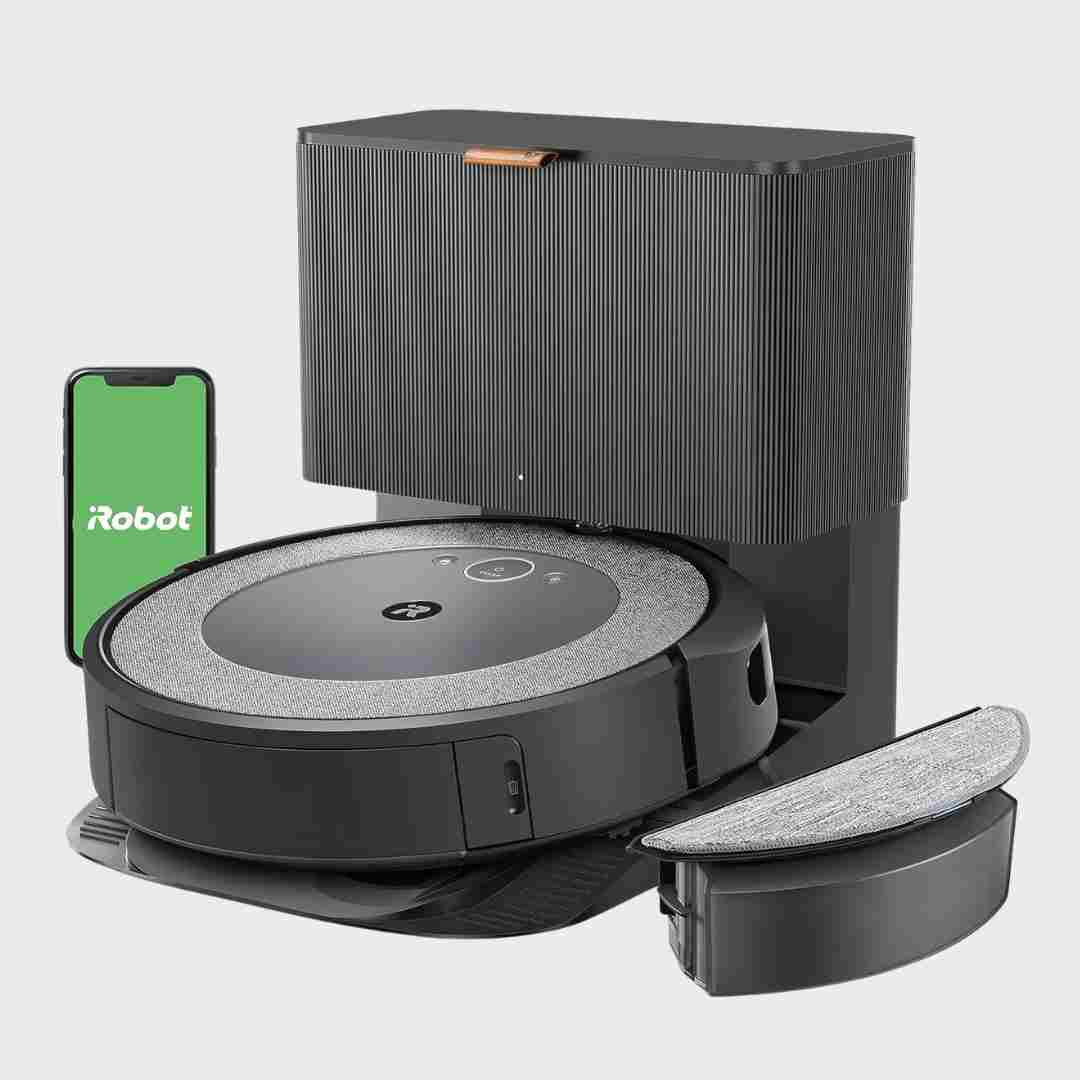
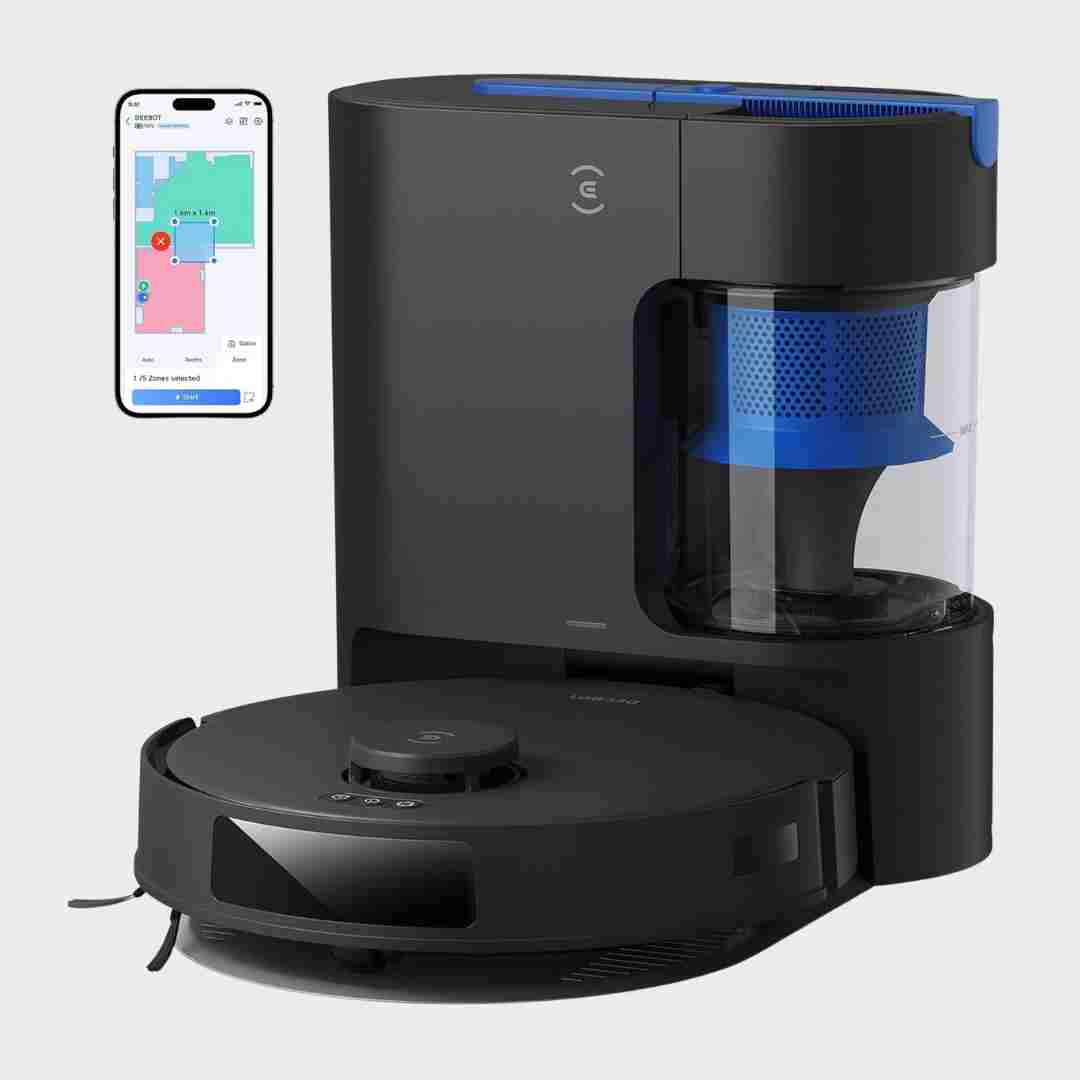
Edge-following is a standout: multiple reviews cite edge reach within roughly 15 mm and strong wall-tracking, especially when paired with the extending brush and mop pad.
Edge-following behavior is often described as precise, with the roller/brush extending to stay close to walls and work around furniture legs. This contributes to consistently strong edge and near-edge coverage in multiple reviews.
Edge-following accuracy is generally strong—tests describe the robot hugging walls closely and using repeated back-and-forth edge motions that improve perimeter pickup.
Edge-following and path control are methodical, often hugging room contours and furniture closely. A few users note corner misses can happen depending on room geometry and settings.
Edge-following behavior is commonly reported as accurate and effective, aided by edge-extension hardware that improves wall-hugging pickup and mopping coverage.
Edge-following is widely praised due to TruEdge technology and an extending roller mop that reaches baseboards more closely. This is cited as a visible improvement for edge grime and wall-line cleaning.
Edge-following is strong, with the robot staying close to walls and the mop pad reaching into baseboard lines. Reviewers often show it maintaining contact better than typical robot mops.
Edge-following behavior is generally accurate and consistent for wall lines, though performance still depends on clutter and the robot’s reliance on bump-based interactions for close passes.
Edge cleaning benefits from the extending roller mop, but accurate edge-following depends on navigation precision, which some tests say is not always perfect.
Edge-following and perimeter vacuuming are typically solid and can be improved with edge-hugging settings, but true edge mopping coverage still lags models with extending mop arms or side mops.
Edge-following accuracy is generally strong during vacuuming paths (tight wall tracking), but mopping edge reach varies because the pads don’t extend outward.
Edge following is generally decent and helped by edge-focused features, but several reviewers note it keeps a small buffer from baseboards rather than hugging edges tightly.
Edge-following accuracy is generally decent with orderly perimeter passes, but several owners report it keeps extra distance from legs/frames or avoids under-table zones, reducing true edge contact in busy rooms.
Edge-following accuracy is acceptable but inconsistent; some reviews note it does not track as tightly along edges as top robots, contributing to weaker edge results.
Edge-following is adequate but not precise: it can run close enough to edges to clear them over time, yet its turning behavior can kick debris back toward edges before later passes pick it up.
Edge performance is frequently called out as only okay, with some reviewers explicitly noting it is not great on edges/baseboards. It can miss fine debris right against walls without occasional targeted runs.
Edge-following and baseboard proximity are described as weaker than average, with one test showing low edge-cleaning pickup and comments about sensors keeping it from hugging walls. Expect some edge touch-ups.
Edge work is more bump-driven than precision-guided; some reviewers note clumsy wall interactions and potential scuffs compared with LiDAR or camera bots.