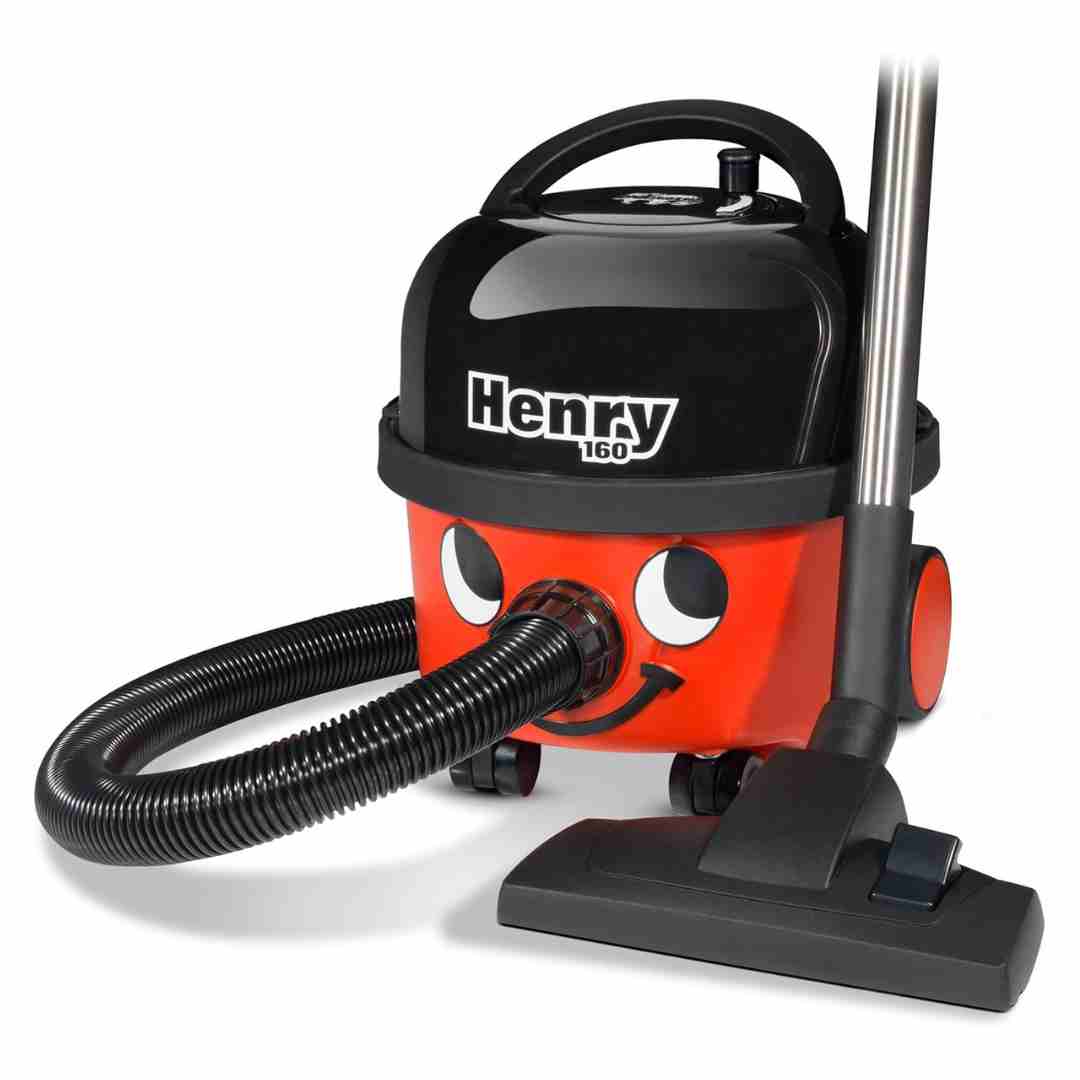
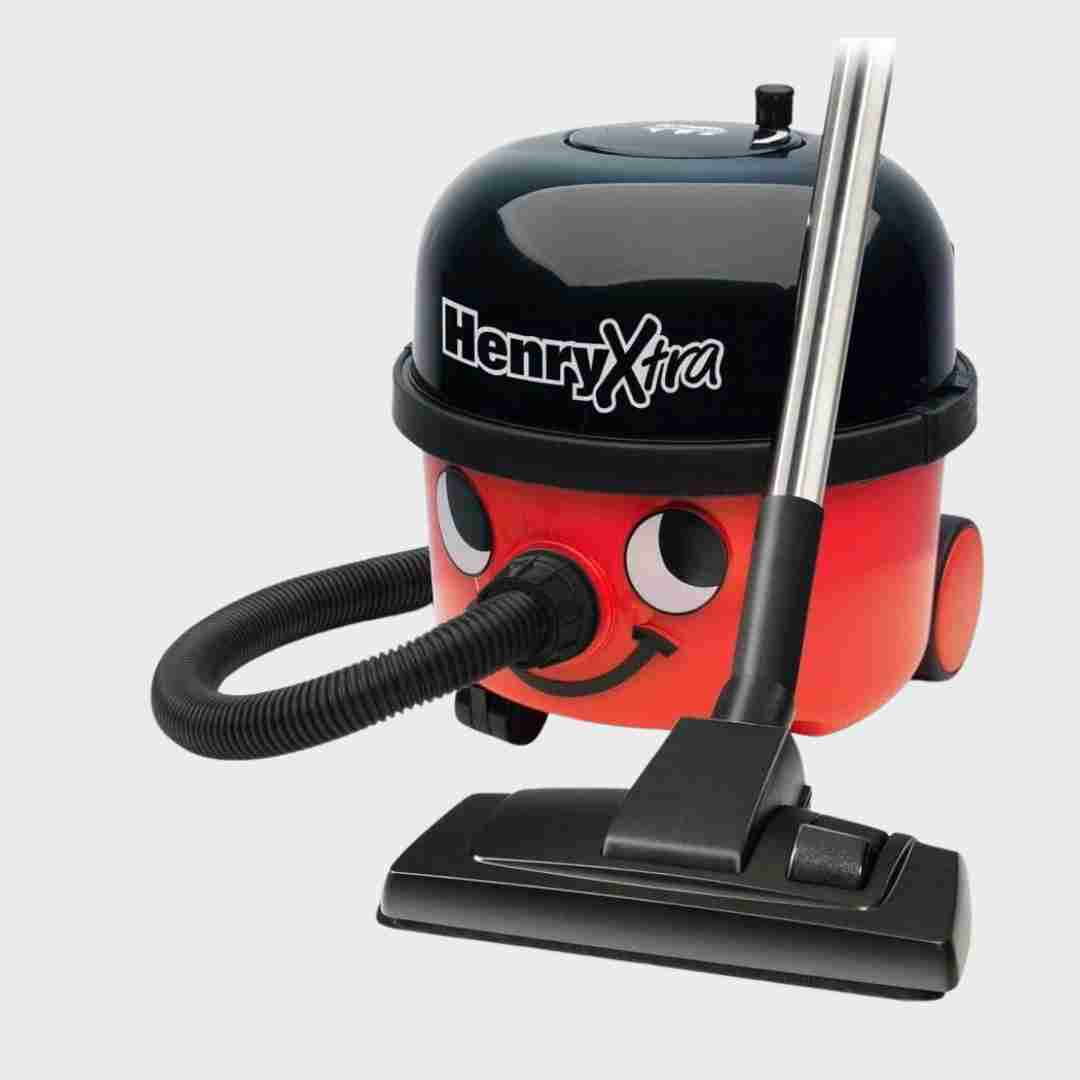
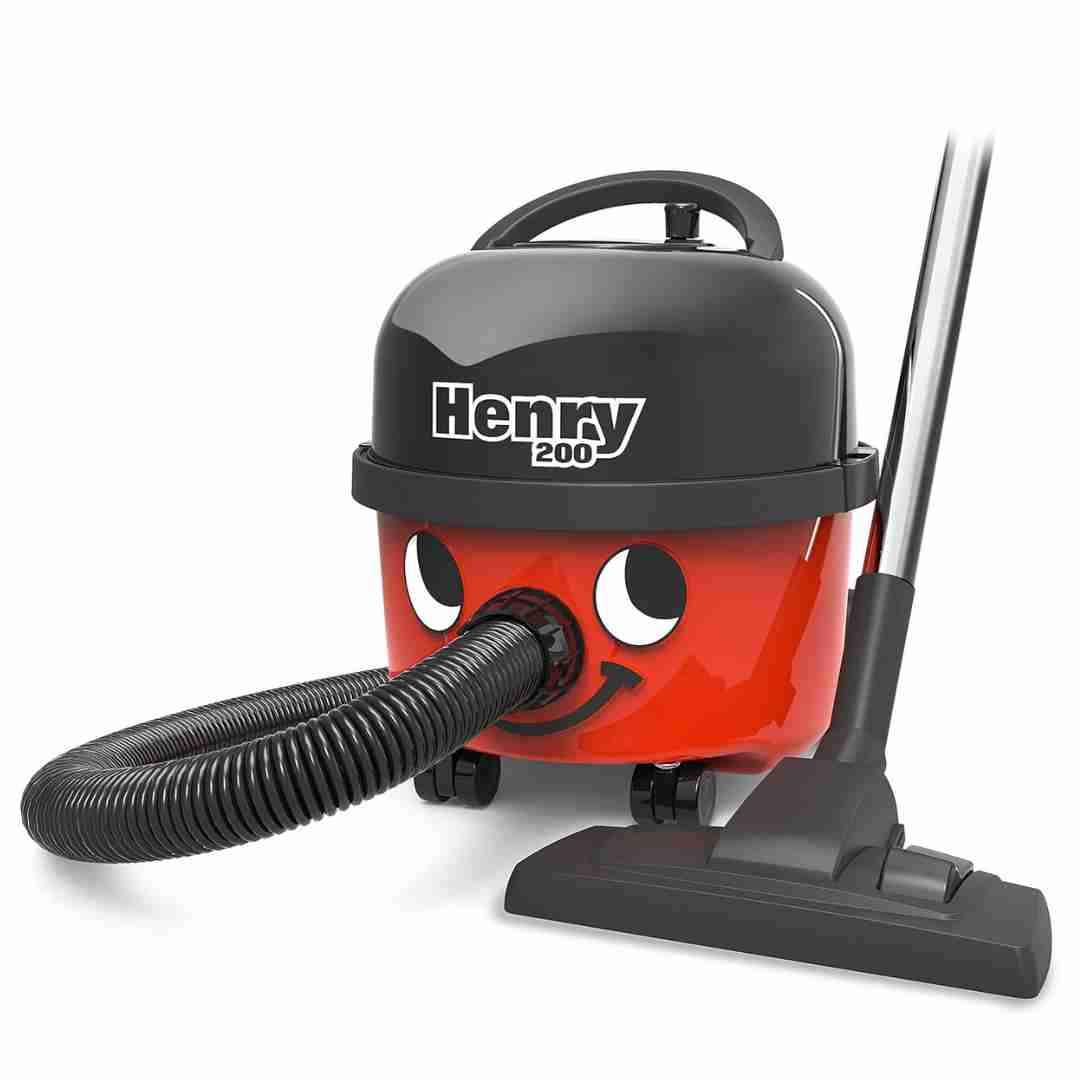
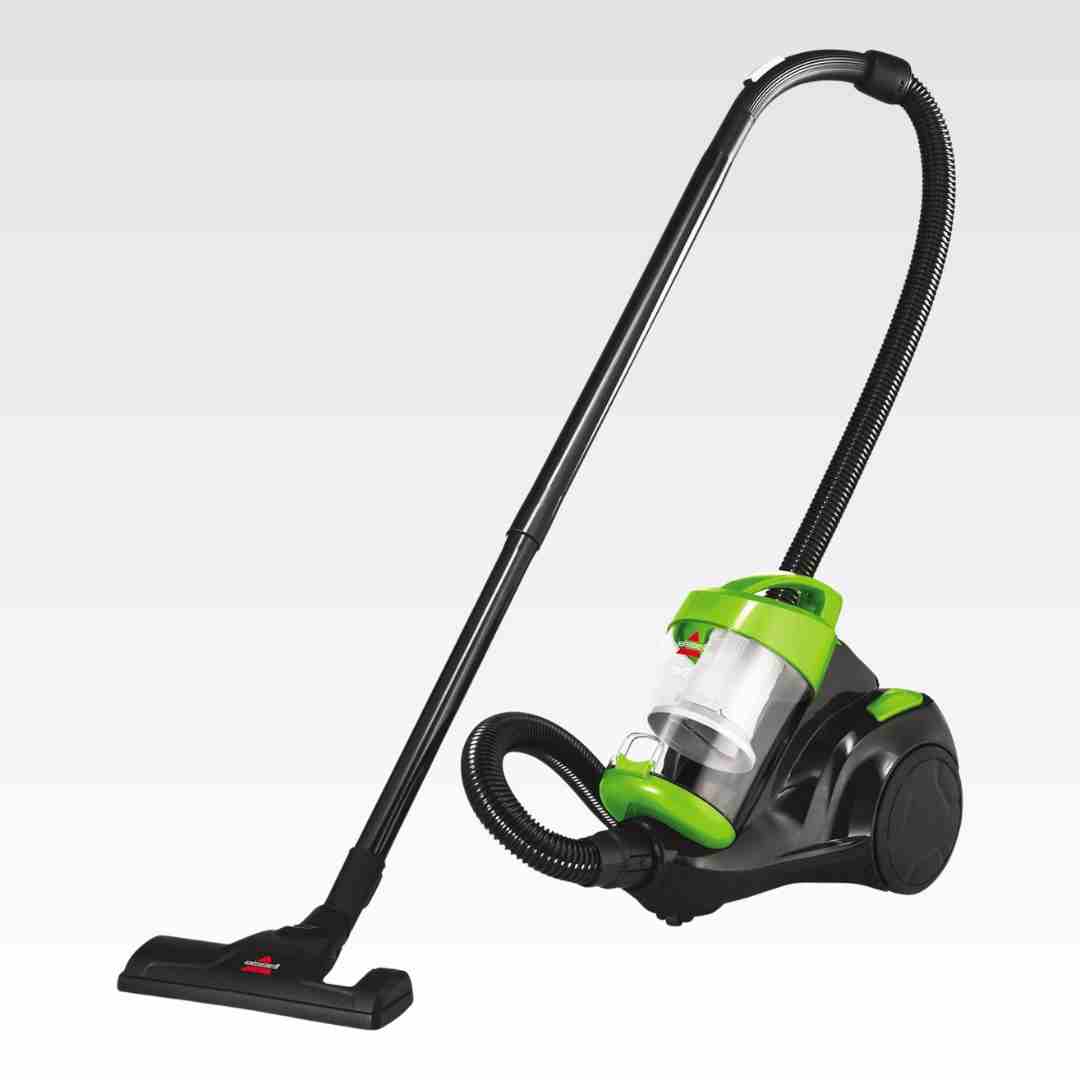
Some reviews call out the newer ~620W motor as more energy-efficient than older high-wattage Henry models, with lower running costs, though older versions may have higher headline power.
Energy use is framed as efficient for the performance, with some references to lower-watt motors maintaining strong pickup and being economical versus older high-watt designs.
Off-peak charging and energy-conscious features are highlighted as a nice touch, though most owners will notice it mainly in scheduling rather than day-to-day cleaning.
Energy efficiency is highlighted in at least one eco-oriented review, citing lower motor wattage and an efficient rating while still expecting strong cleaning when paired with the motorized head.
EU-era lower-wattage (around 620 W) versions are discussed as using less power while still cleaning effectively. Energy labels are referenced, but reviewers generally prioritize real-world pickup over the label.
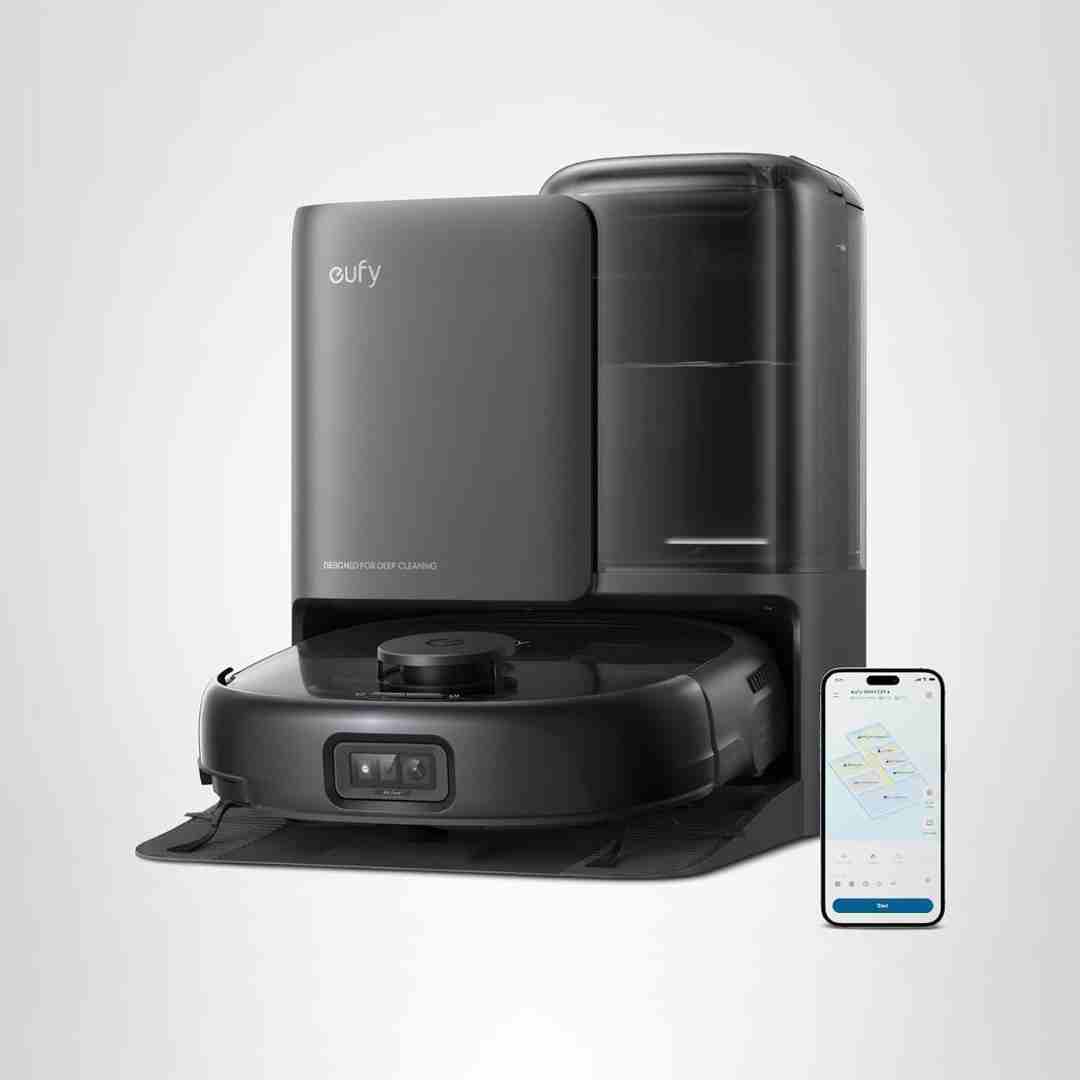
In comparative testing, energy use for mopping/drying is reported in the same ballpark as other premium robot mops (around a few tenths of a kWh for a run). No reviews flag it as unusually inefficient.
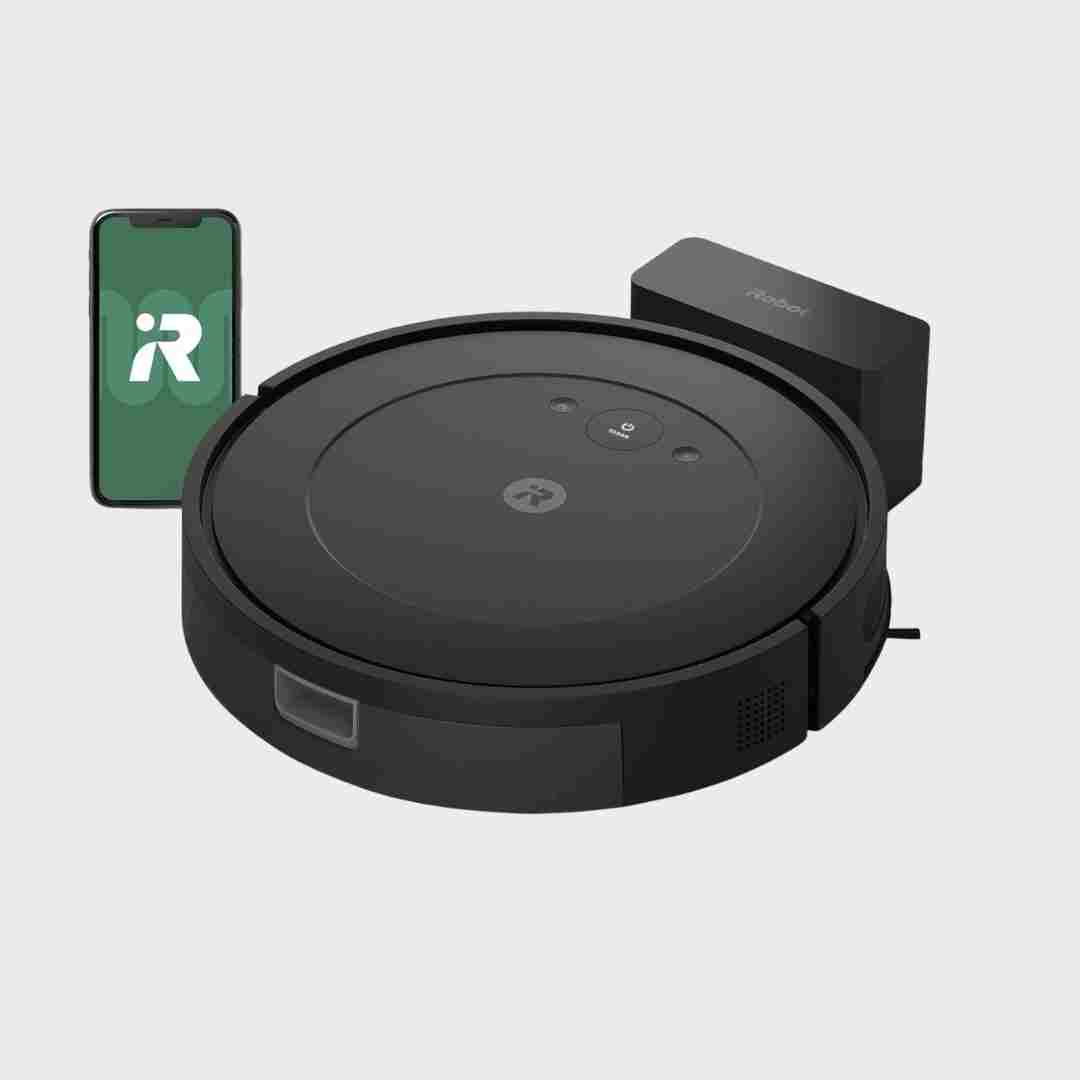
Energy efficiency is highlighted as a relative strength: it can deliver decent runtime and cleaning for a smaller battery compared with many competitors.
Measured energy use is described as typical for this class in at least one comparison, with no major efficiency red flags called out beyond normal dock drying/cleaning cycles.
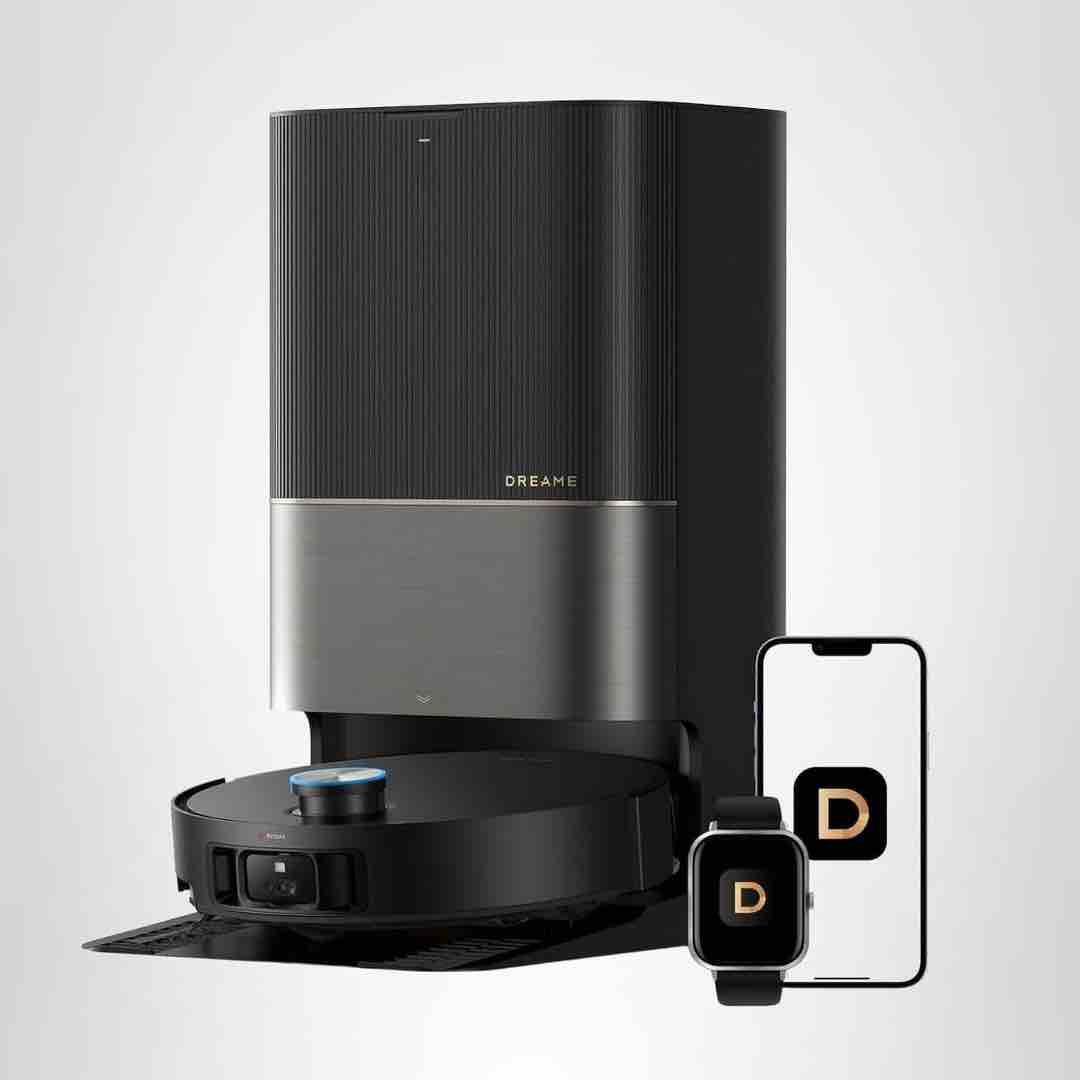
Energy use varies primarily by dock cleaning/drying choices: fast cycles can be efficient, while long quiet drying consumes more over time. Some comparisons measure similar consumption across leading competitors when normalized by cycle duration.
One test-based source measured moderate energy use for daily cleaning, with additional consumption during long charging and mop-drying cycles. Energy draw will vary with cleaning frequency, area, and drying duration settings.
Energy efficiency is not a focus for most users, but one review calls out an EU energy label showing a lower efficiency grade and around 45.9 kWh/year, reflecting higher-wattage PowerLine models.
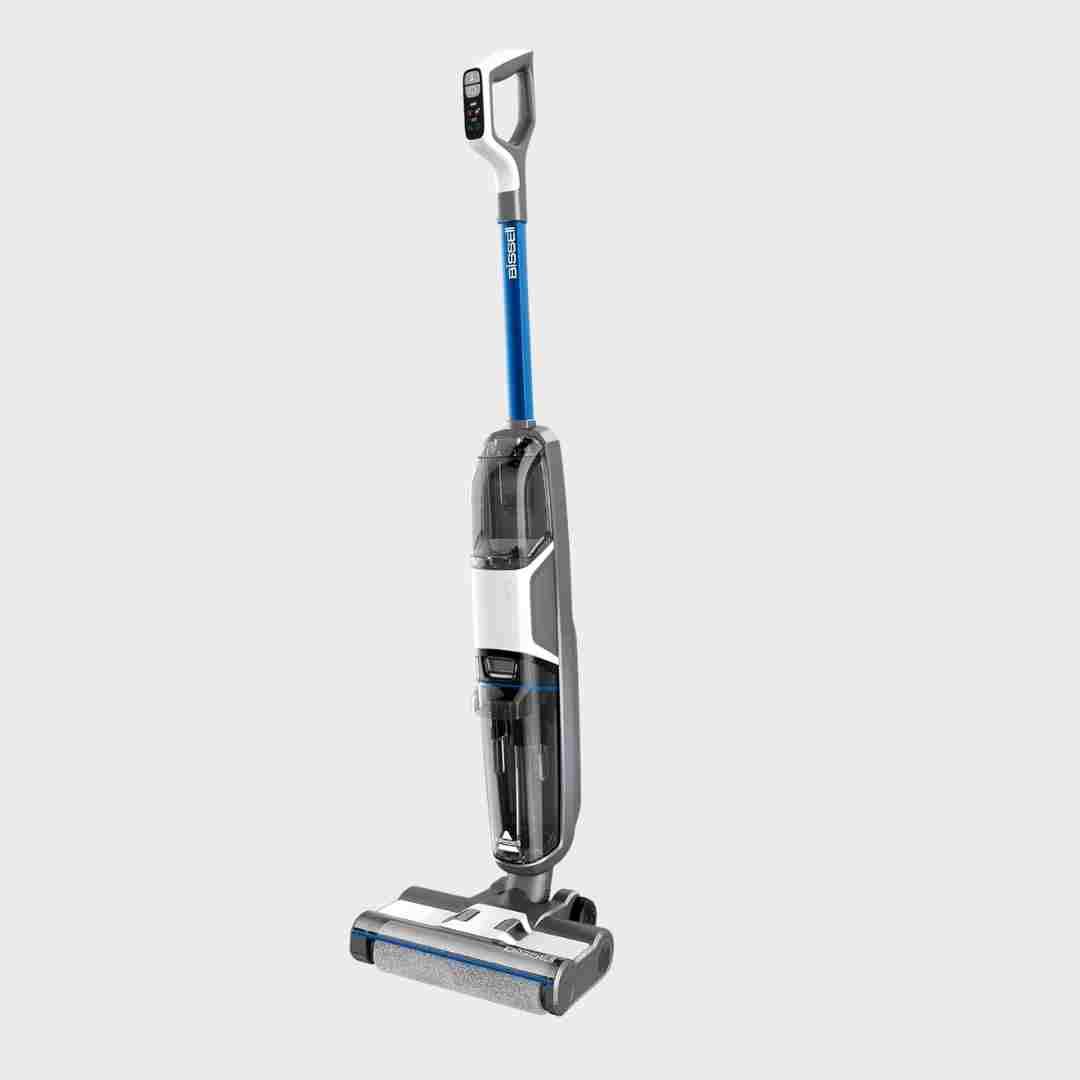
One head-to-head comparison notes the CrossWave drawing substantially more power than a competitor while delivering higher suction, implying a power-versus-efficiency tradeoff.
At least one reviewer perceives it as a power-hungry vacuum (e.g., light flicker on startup), suggesting it may draw more current than expected for its size.
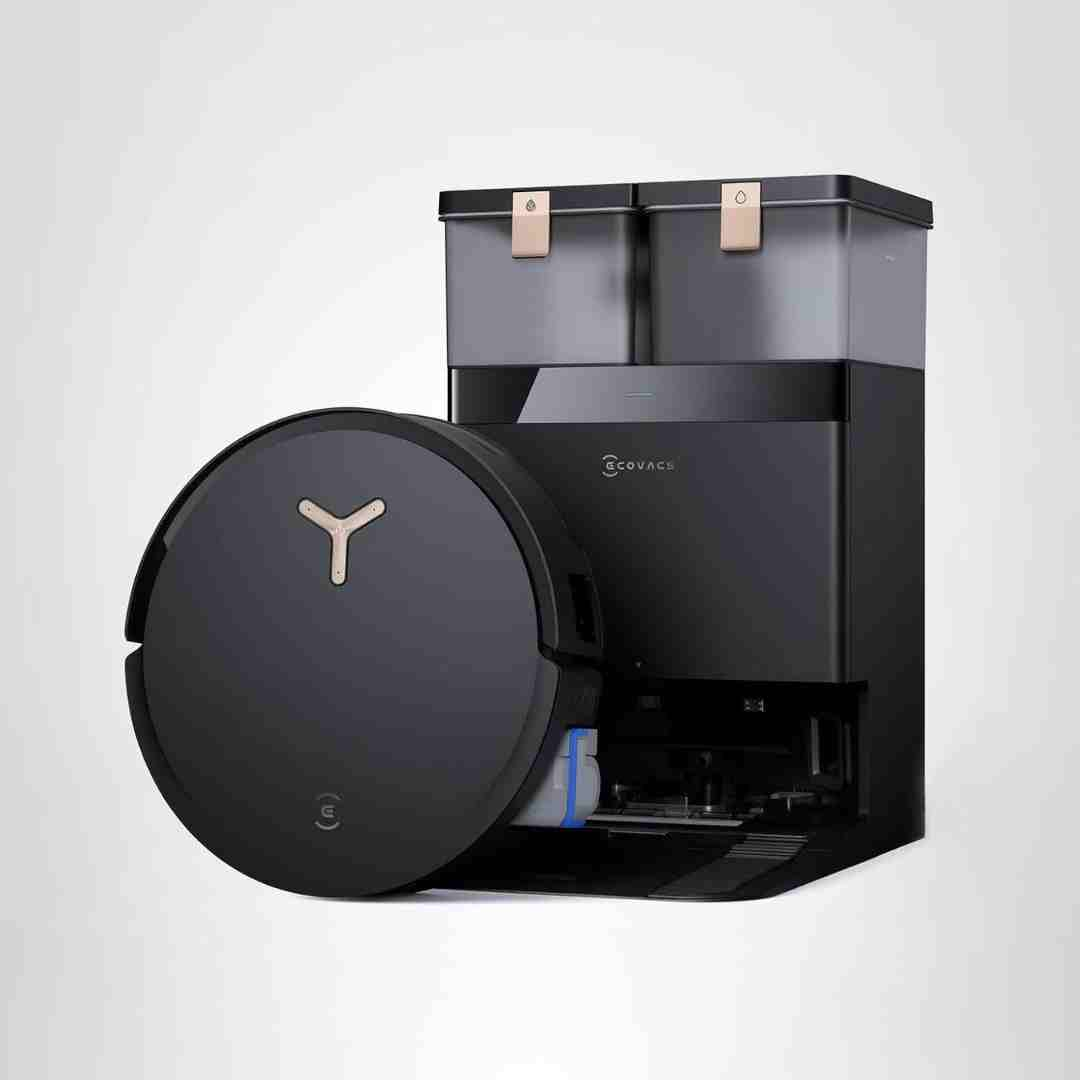
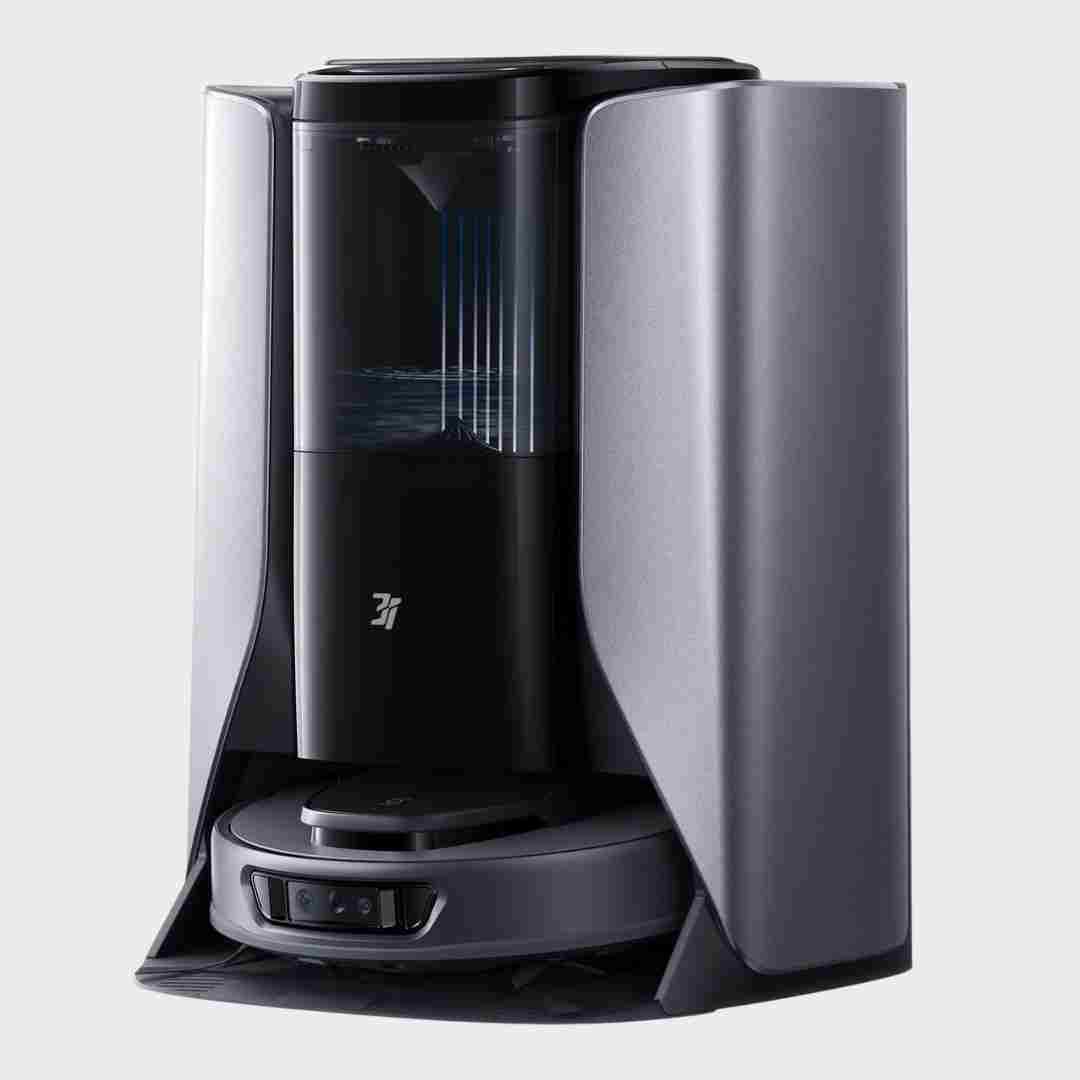
Water capture and distillation can significantly increase energy use versus typical mop docks, with one comparison measuring markedly higher kWh for a full mop-and-dry cycle.