Best for Energy efficiency (kWh)
Roborock S8 + Robot Vacuum
5.0 feature score
Highest scored product for this feature based on supporting review evidence.
Highest scored product for this feature based on supporting review evidence.
Balances feature score, supporting reviews, and overall product strength.
Has the broadest review evidence for this feature.
Strongest overall product among items with scored evidence for this feature.
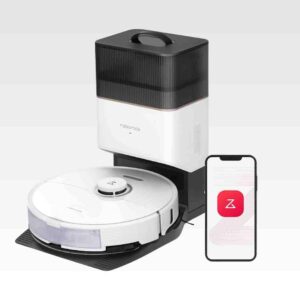
Off-peak charging is a useful app option for shifting electricity use to cheaper hours, and faster charging helps reduce downtime.
Pros: Tool-change simplicity, Aesthetic design and finish
Cons: Stair Cleaning, Crevice / Groove Pickup (Hard Floors)
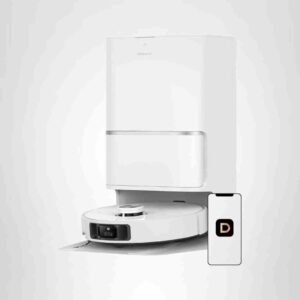
Battery efficiency was exceptional in one reviewer’s fixed-plan testing.
Pros: Energy efficiency (kWh), Stuck resistance
Cons: Support and Reliability, Streaking / Residue
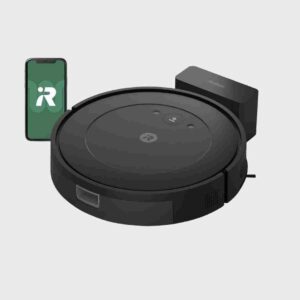
Energy efficiency was praised in benchmark comparison despite the smaller battery.
Pros: Energy efficiency (kWh), Packaging quality
Cons: Hair‑Wrap / Tangle Resistance, Stuck resistance
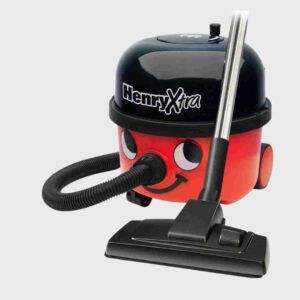
Reviewers praised the low-wattage motor for maintaining performance while reducing electricity use.
Pros: Crevice / Groove Pickup (Hard Floors), Ease of use
Cons: Odor control, Cordless convenience
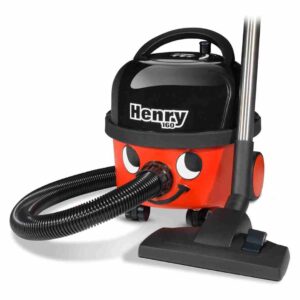
Efficiency comments were positive where mentioned, with reviewers calling the lower-watt motor efficient and noting the newer version uses much less energy.
Pros: Low-profile design, Overall durability/longevity
Cons: Bag-full indicator, Cordless convenience
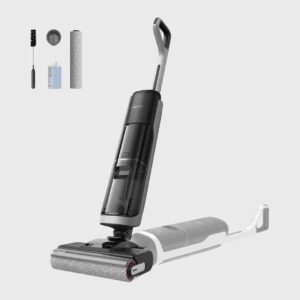
Energy evidence was limited but favorable for fast drying, which one reviewer measured as impressively low in kWh.
Pros: Convertible handheld design, Under-Furniture Pickup
Cons: Sanitizing performance, Debris illumination
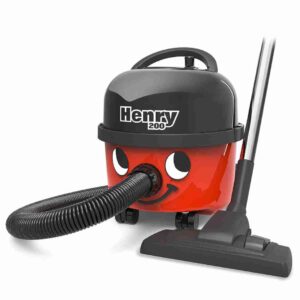
One reviewer directly praised the lower-wattage Henry for doing a better job while using about half the wattage.
Pros: Overall durability/longevity, Price and Value
Cons: Pet-Ready Features, Stair Cleaning
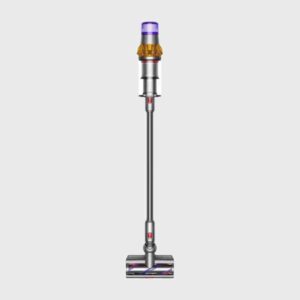
Battery efficiency earns praise because auto modes and suction adjustment help optimize power use, though this is runtime-focused rather than measured kWh evidence.
Pros: Overall durability/longevity, Crevice / Groove Pickup (Hard Floors)
Cons: Storage footprint and upright-stand stability, Carpet — High-Pile Pickup
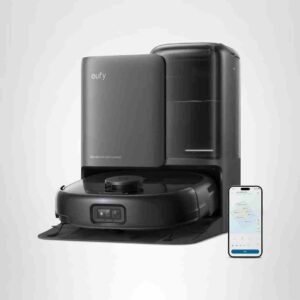
Off-peak charging drew positive attention as a useful cost-saving touch, but energy use was not deeply tested.
Pros: Wool carpet compatibility, Hair‑Wrap / Tangle Resistance
Cons: Suitability for heavy-duty use, Edge‑Following Accuracy (Robot)

Energy-related feedback was positive because off-peak charging was considered practical for reducing electricity costs.
Pros: Fresh Liquid Pickup Speed, Hard Floor — Large Debris Intake
Cons: Hair-removal channel issues, Accessories and Tools
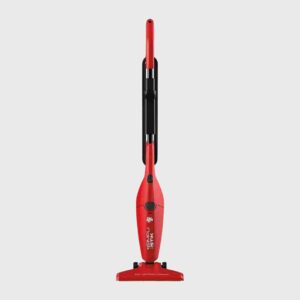
One reviewer described the vacuum as not requiring much power, giving limited positive evidence for efficiency.
Pros: Weight, Tool-change simplicity
Cons: Noise level, Suitability for heavy-duty use
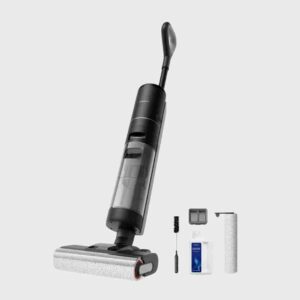
Energy use was only evaluated once, and the reviewer considered the drying-cycle consumption low.
Pros: Crevice / Groove Pickup (Hard Floors), Hair‑Wrap / Tangle Resistance
Cons: Hair Pickup — Carpets, Bin and Bag
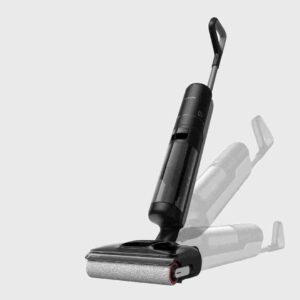
Auto mode was praised for improving power efficiency by avoiding full power when it is not needed.
Pros: Accessories and Tools, Streaking / Residue
Cons: Convertible handheld design, Clogging and debris prevention
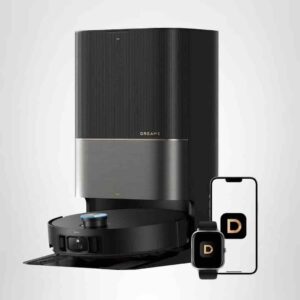
Energy evidence was limited to one comparison, where the X50 Ultra grouped with other efficient flagships rather than high-consumption outliers.
Pros: Hair Pickup — Carpets, Noise level
Cons: Crevice / Groove Pickup (Hard Floors), Edge‑Following Accuracy (Robot)
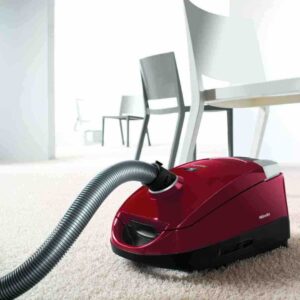
One reviewer viewed the energy-saving setting positively, though energy efficiency was not a major review theme.
Pros: Hard Floor — Fine Dust Pickup, Crevice / Groove Pickup (Hard Floors)
Cons: Floorhead Seal on Hard Floors, Ongoing ownership costs (bags
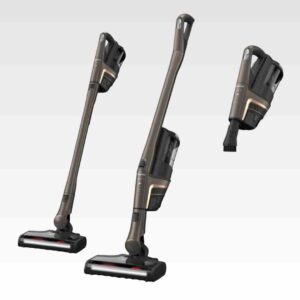
One hands-on reviewer liked that the brush motor shuts off on hard floors, framing it as a useful way to save power.
Pros: Aesthetic design and finish, Support and Reliability
Cons: Bin and Bag, Clogging and debris prevention
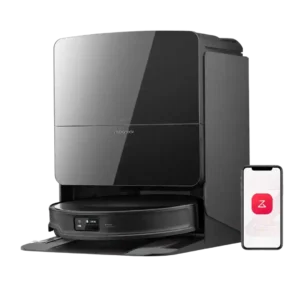
Energy use looked reasonable versus the highest-consumption alternatives in one comparison test.
Pros: Tool-change simplicity, Battery and Charging
Cons: Cord management, Support and Reliability
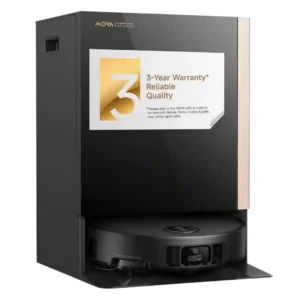
Energy evidence was limited and mildly cautious, focused on noticeable power use during heating procedures.
Pros: Obstacle Avoidance (Robot), Carpet — Medium-Pile Pickup
Cons: Dirty water sensor, Runtime
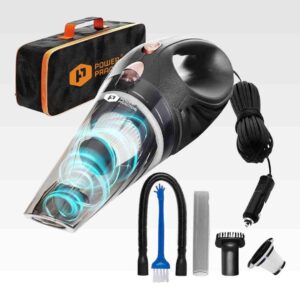
Energy evidence was limited to a corded-use downside: one reviewer noted the car may need to run, using fuel rather than household electricity.
Pros: Support and Reliability, Runtime
Cons: Suitability for heavy-duty use, Clogging and debris prevention
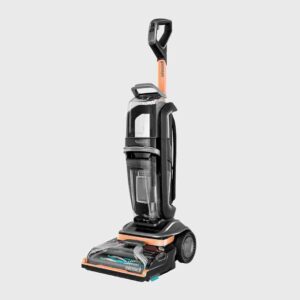
Energy evidence was negative-to-mixed because the steam heater made the HydroSteam use more electricity than a non-steam ProHeat model.
Pros: Pet-Ready Features, Tool-change simplicity
Cons: Cord length, Airflow blowback
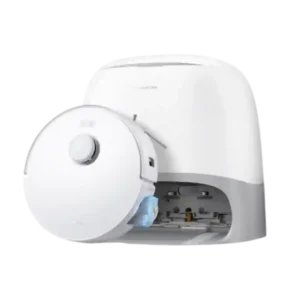
Energy use drew a caveat from Notebookcheck, which found it somewhat more energy-hungry than a related model.
Pros: Maneuverability and Handling, Versatility
Cons: Under-Furniture Pickup, Low-profile design
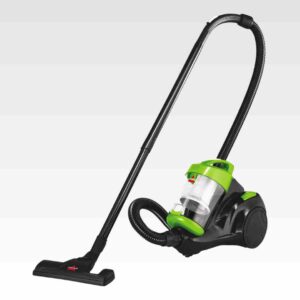
One reviewer flagged energy use as a drawback after noticing lights flicker and calling it a power hog.
Pros: Kid-friendliness, Controls and UI
Cons: Onboard tool storage, Filtration / Dust Containment
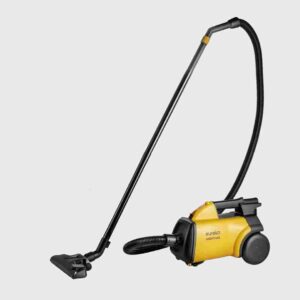
Energy use was criticized in one review as high for a straight-suction vacuum without a powered brush.
Pros: Edge and Baseboard Cleaning (Hard Floors), Comparative performance
Cons: Surface safety with attachments, Filtration / Dust Containment
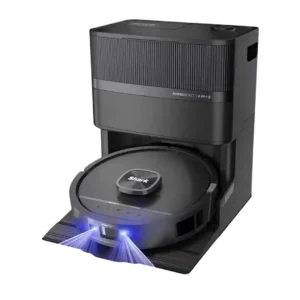
Only one opinionated review addressed energy use, criticizing the robot as energy intensive during scrubbing.
Pros: Tool-change simplicity, Versatility
Cons: Value-for-money, Support and Reliability
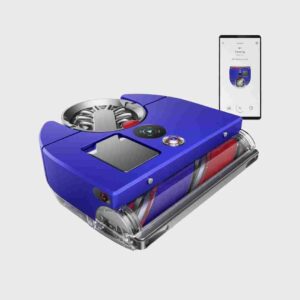
Energy efficiency is poor when high power is used, with reviewers calling out some of the worst battery-efficiency results they measured.
Pros: Automatic shutoff for obstructions, Privacy controls
Cons: Energy efficiency (kWh), Mopping performance
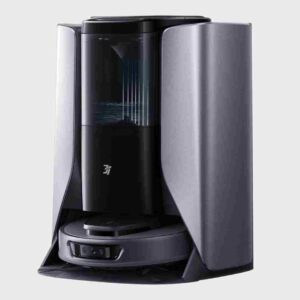
Energy use is a clear concern in one measured review, where the water-capture and distillation system consumed far more electricity than rivals.
Pros: Build quality and durability, Clogging and debris prevention
Cons: Energy efficiency (kWh), Weight