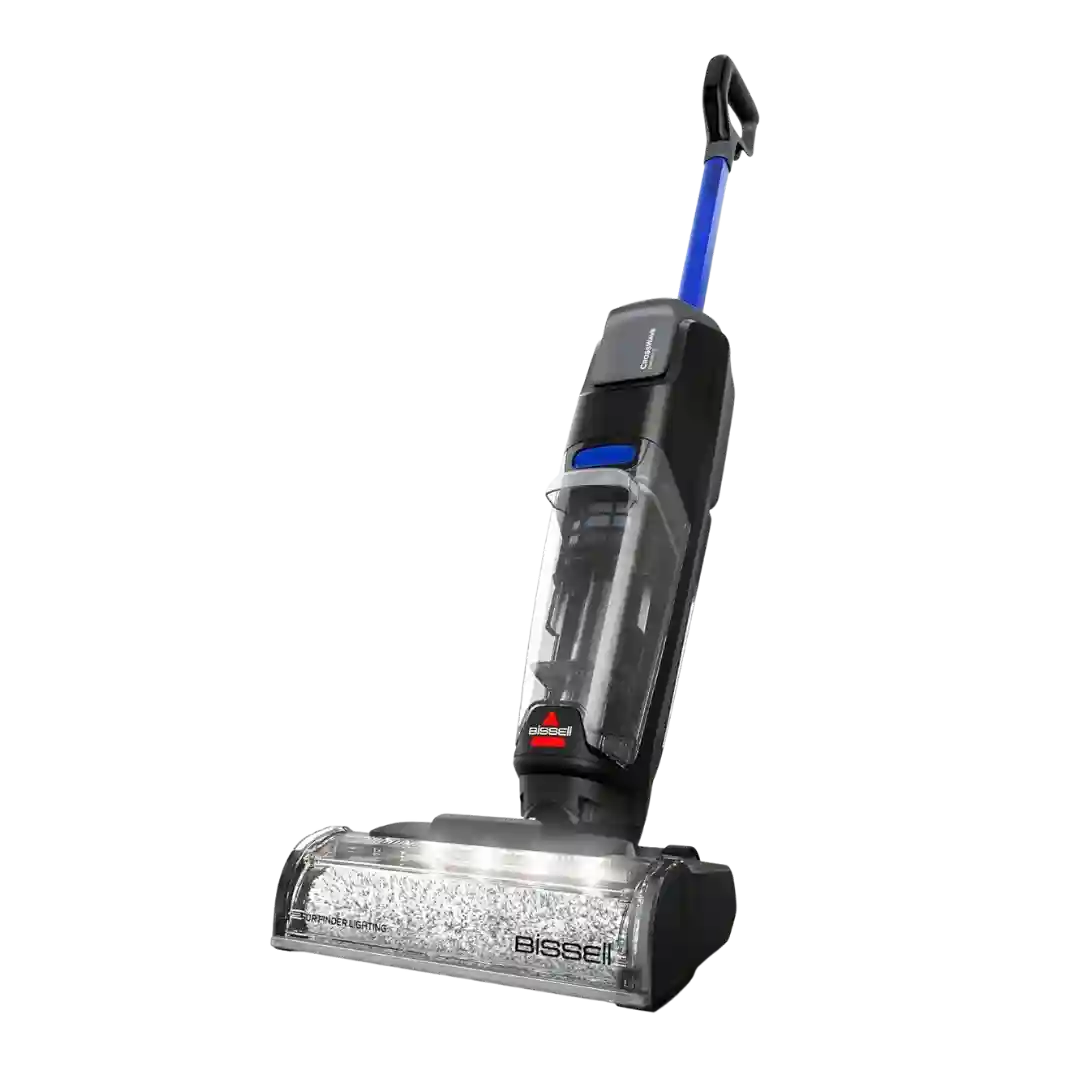
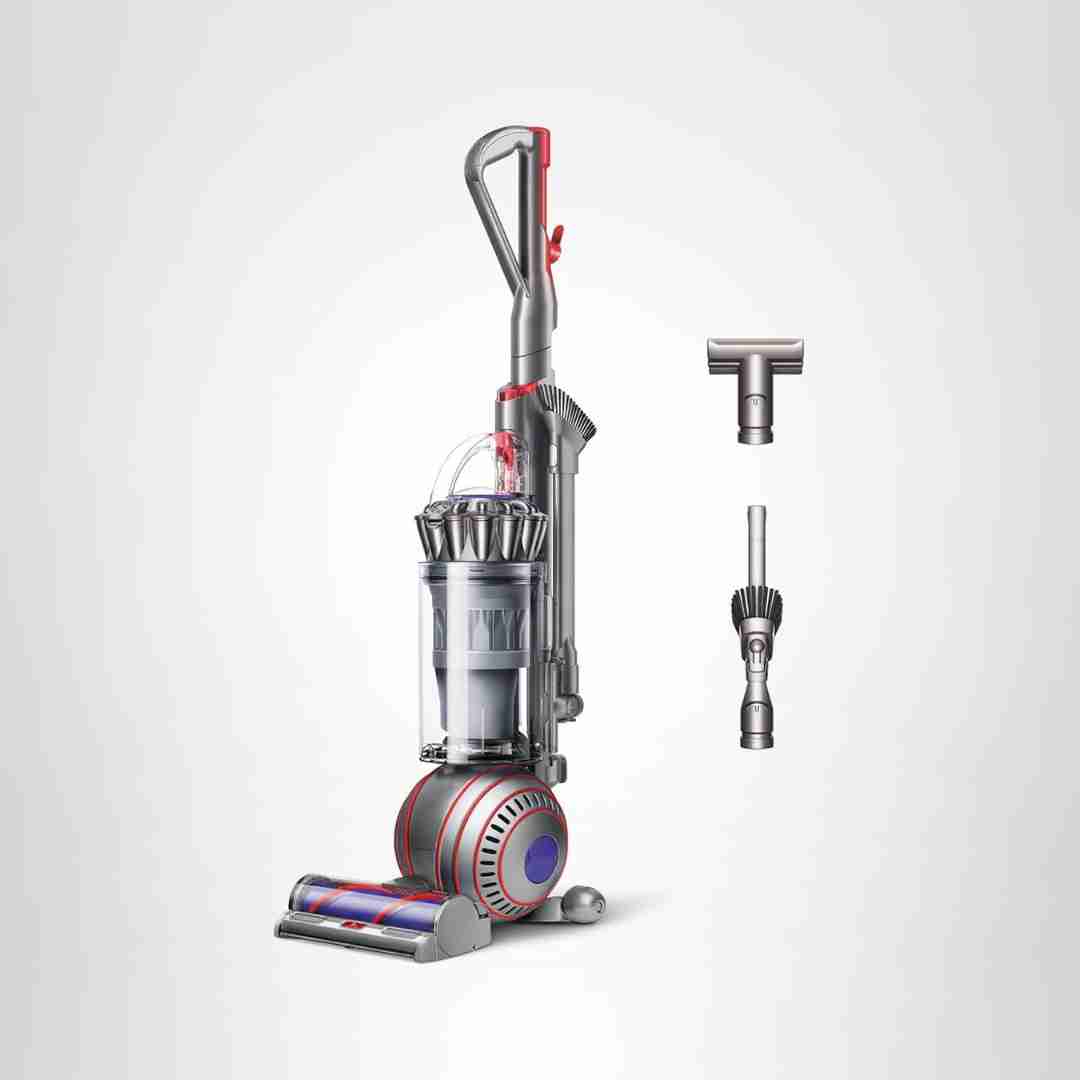
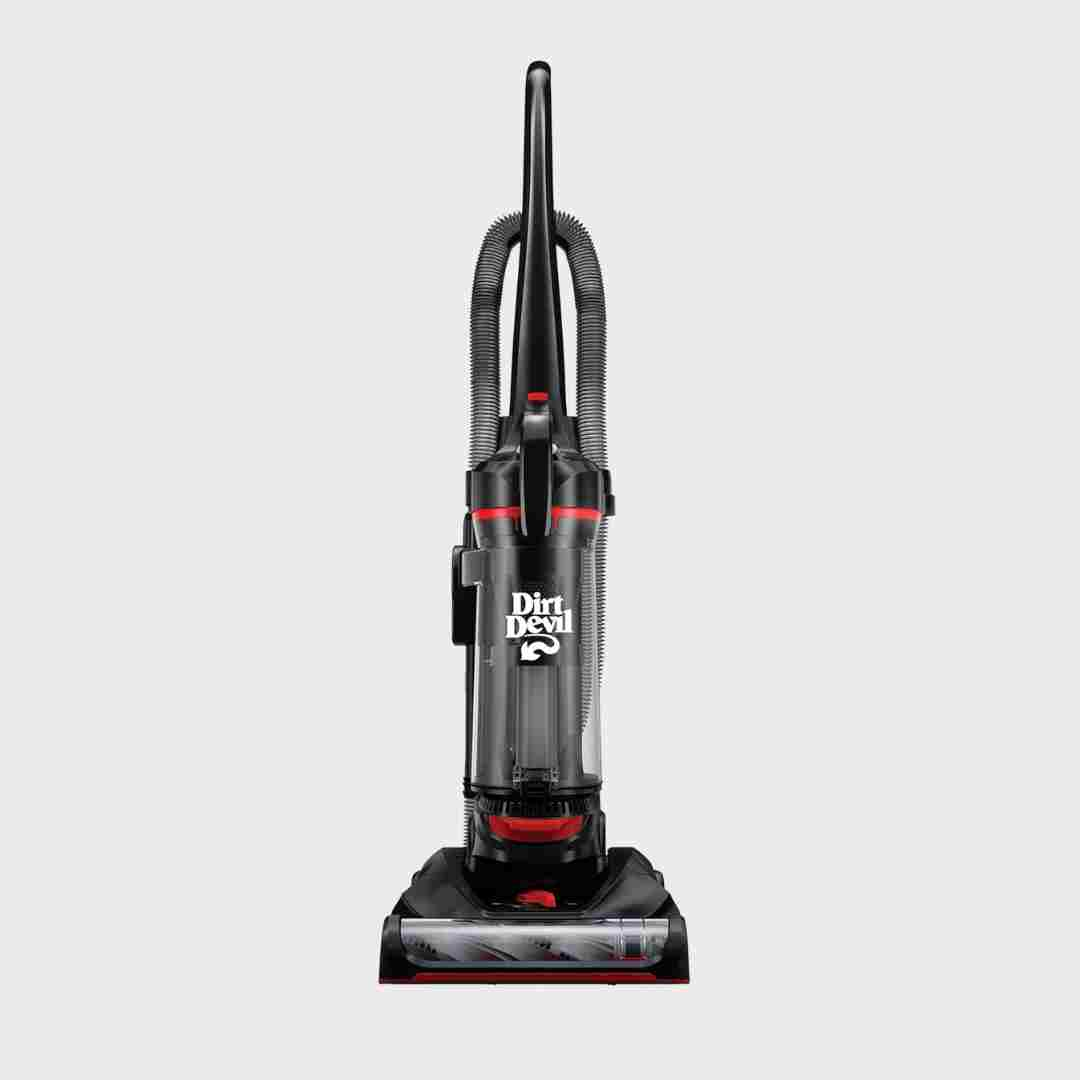
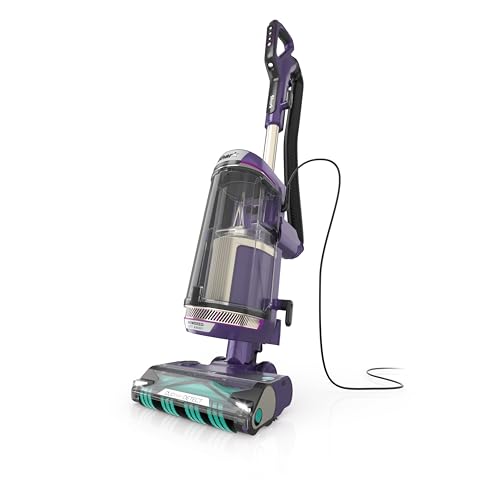
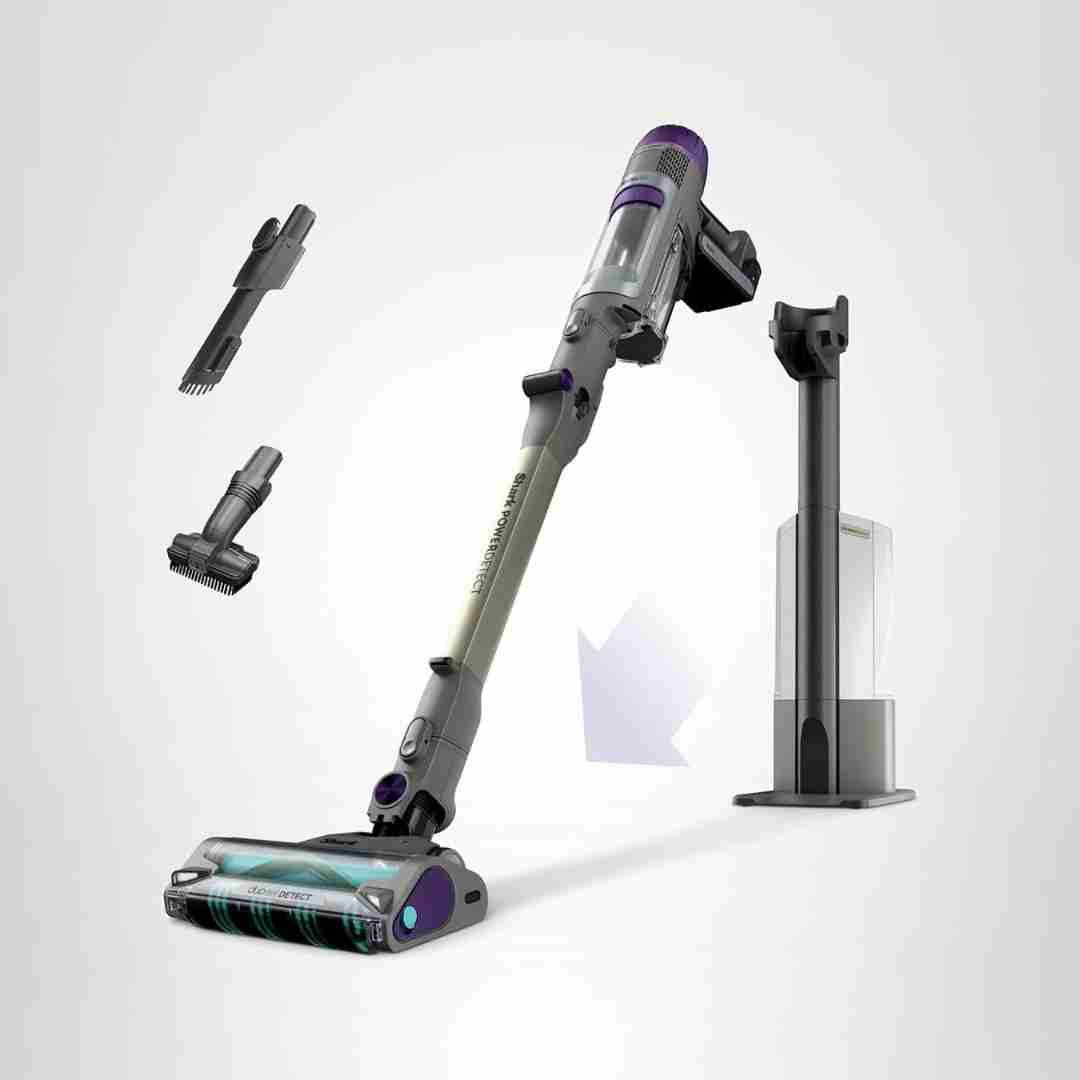
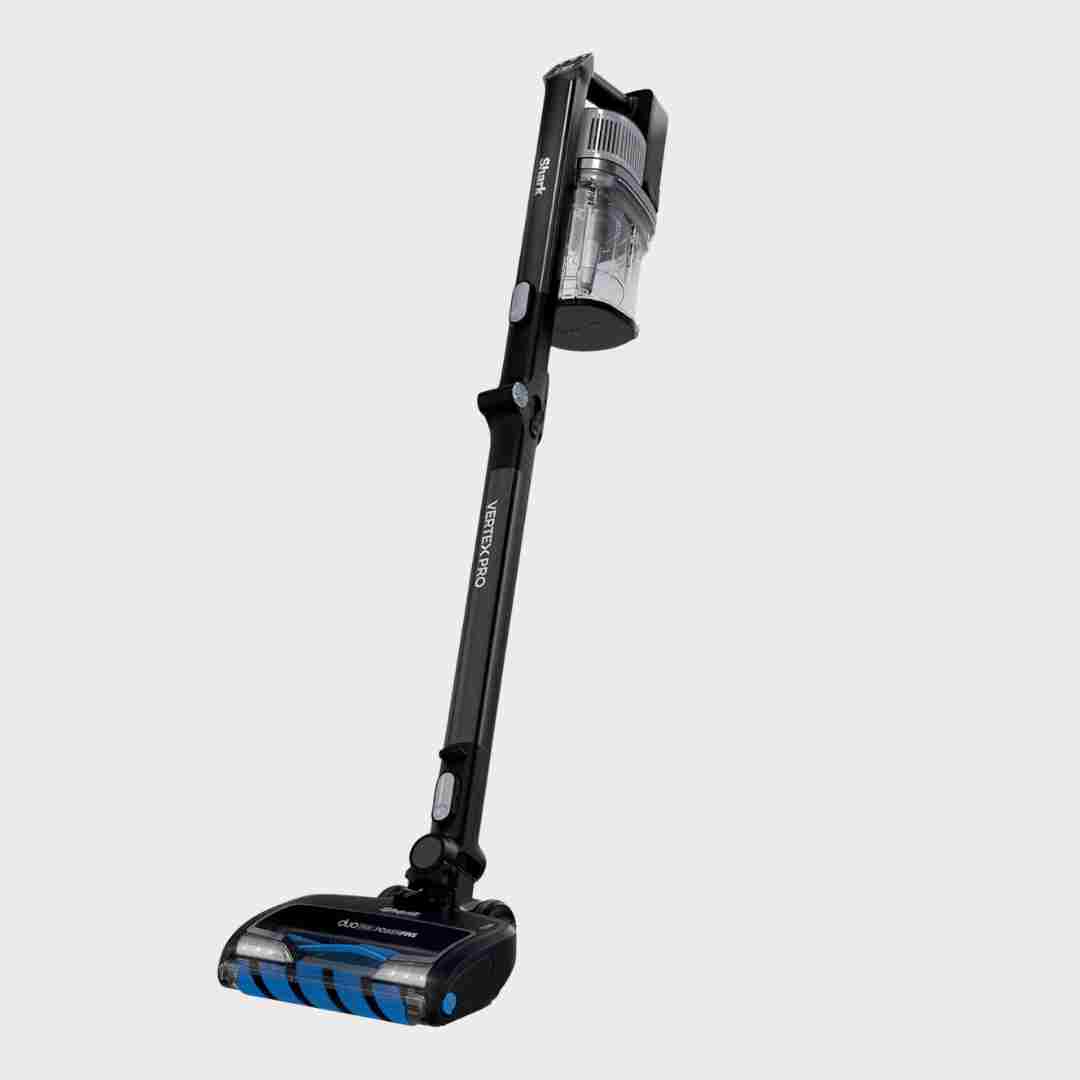
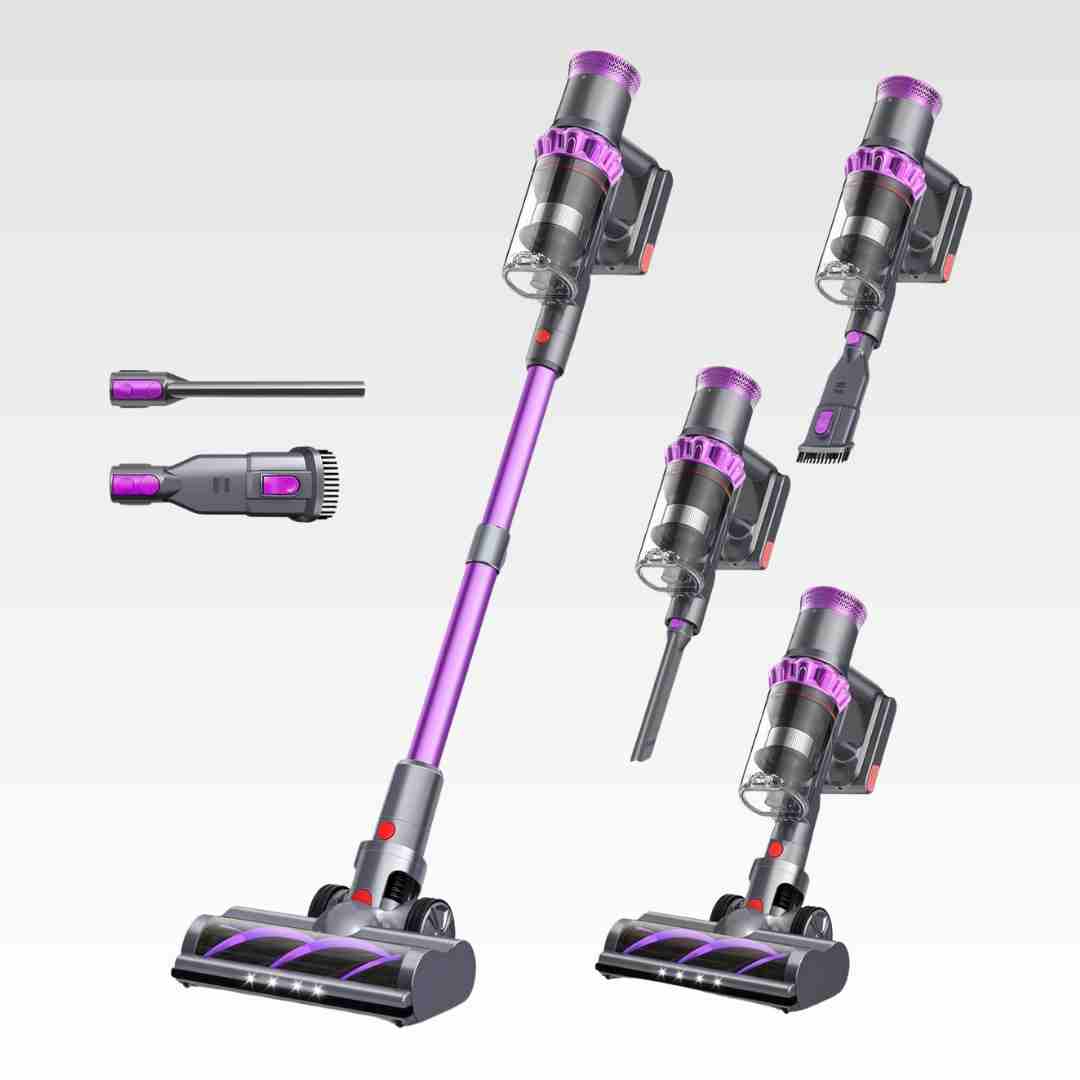
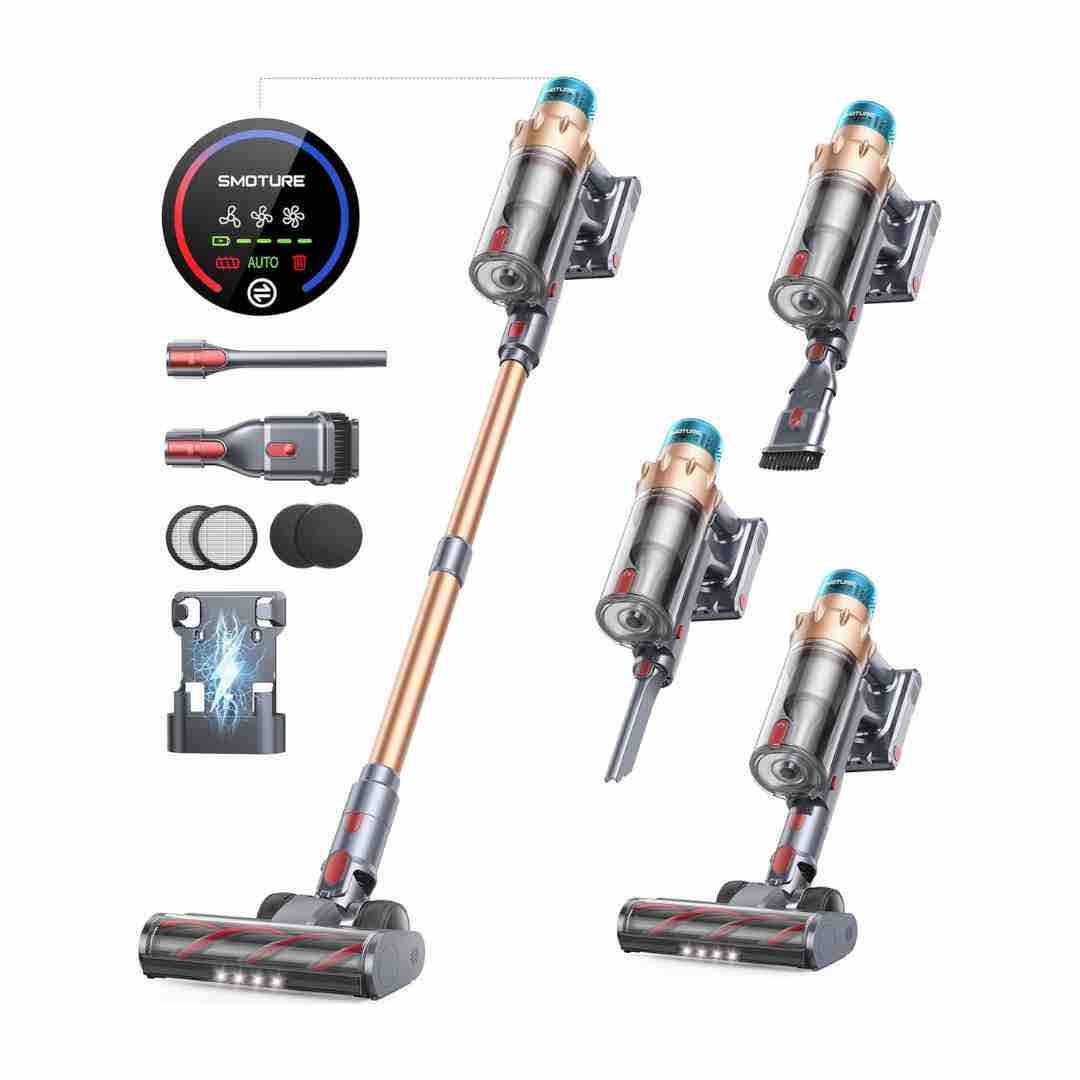
Several tests highlight a strong seal on hard floors that supports effective crevice pickup, but performance can vary with gate position and some users prefer a dedicated soft-roller head for the smoothest hard-floor results.
Several reviews credit the head design with strong sealing for hard-floor performance. Others note certain debris sizes can still be pushed around, implying seal quality doesn’t guarantee perfect intake for all debris types.
Hard-floor sealing is generally praised, especially in crevice-style pickup tests. A few reviewers note that debris scatter can happen with the wrong head or settings, so using the proper hard-floor head (when included) or adjusting the intake can improve results.
At least one detailed test credits the perimeter felt/squeegees for creating a good seal on hard floors and carpets. However, other reviewers still report hard-floor snowplowing or scattering with larger debris, suggesting sealing alone does not guarantee smooth intake.
The soft roller design is credited with maintaining good contact on hard floors, helping it handle fine dust without losing performance when moving over slightly larger debris.
Soft rollers are credited with maintaining close contact on hard floors, helping with both fine dust and scattered debris without obvious loss of seal.
Parquet-style heads that seal tightly to hard floors can deliver excellent pickup, but the stronger seal can make them feel more tiring to push compared with lighter hard-floor tools.
Hard-floor sealing and airflow focus are described as strong on the dedicated tools, with rubber blades and concentrated airflow helping pickup on smooth surfaces. This contributes to the standout hard-floor performance noted across reviews.
Hard-floor sealing is generally good with parquet and some combo heads (often helped by squeegee-like edges), improving fine-dust capture. Large debris can still be pushed around depending on the head, suggesting seal and inlet geometry vary by attachment.
Crevice and seal-related testing suggests a strong seal on hard floors, which supports efficient pickup without excessive blowback. This is cited as a factor behind its above-average crevice results.
A few reviewers highlight the rubber squeegee/seal as helping maintain contact and suction on hard floors for better debris pickup, including on the backward stroke. Most feedback focuses more on overall hard-floor pickup than the seal itself, with edge-near-wall suction being the bigger point of debate.
Hard-floor sealing and floor-brush behavior are portrayed positively when using a bristled hard-floor tool that sweeps cracks and keeps intake open for larger pieces without snagging.
Most reviews suggest the head seals well on hard floors, supporting strong pickup; however, a few note the rear wheels or head geometry can flick or push debris in certain situations.
Several tests and reviewers indicate improved sealing on hard floors versus older heads, contributing to better unsealed suction/crevice-type performance.
A full-width squeegee behind the brushroll helps maintain contact and improve hard-floor suction for tile, laminate, and hardwood. This feature is framed as a practical upgrade for hard-floor pickup.
Reviews repeatedly describe the head seal as both the superpower and the pain point: a tight seal boosts deep cleaning but can make the vacuum hard to push and can shove larger debris. Opening the gates or moving the slider increases airflow and clearance, improving debris intake and reducing sticking.
At least one review highlights better sealing on hard floors that reduces debris spit-out, but others describe limited sealing and less controlled bare-floor behavior.
Several reviews suggest the seal/airflow isn’t as concentrated when fully sealed to the floor, which can slightly reduce deep-clean or crevice performance versus top competitors. The cordless variant also notes a squeegee design that can affect sealing.
Its hard-floor seal and intake design help it collect dust and larger debris effectively on forward and backward passes, but the seal is not perfect in every test.
Several reviews describe a decent hard-floor seal aided by a fabric squeegee, reducing scatter compared with some rivals. Still, the seal is not consistently tight across all surfaces, aligning with weaker crevice results and mixed hard-floor outcomes in some testing.
At least one technical review credits the rear squeegee/brush elements with helping create a good seal on hard floors for effective suction. This supports the strong hard-floor results seen in other tests.
A few reviews suggest the floorhead does not always maintain an ideal seal or contact on hard floors, which can limit crevice and edge capture compared with expectations. Despite that, overall hard-floor pickup remains highly rated.
Floorhead sealing is good enough for strong general pickup, but performance can dip over tight crevices/grooves where the head may not form a perfect seal.
Reviews indicate the head does not seal tightly on hard floors, reducing suction concentration at edges and in grooves. This is linked to weaker crevice tests and lower unsealed suction scores.
Multiple reviews describe a looser hard-floor seal (more airflow) that hurts performance in tests requiring tight sealing, especially crevices and some fine debris scenarios. This is one of the most repeated performance compromises.
Hard-floor sealing is repeatedly criticized: reviewers cite no squeegee/poor sealing and no brush roll shutoff, contributing to scatter and weak hard-floor results.