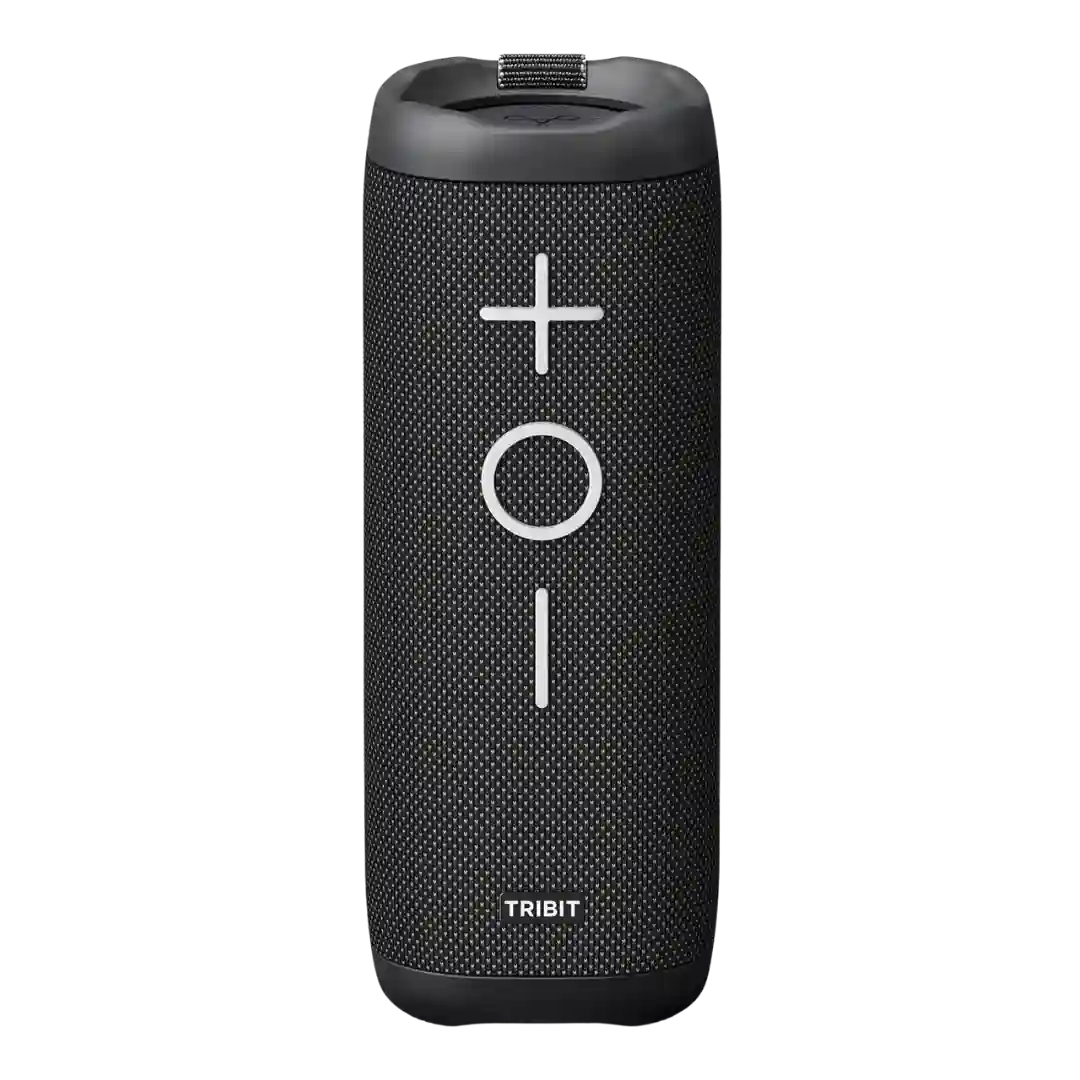
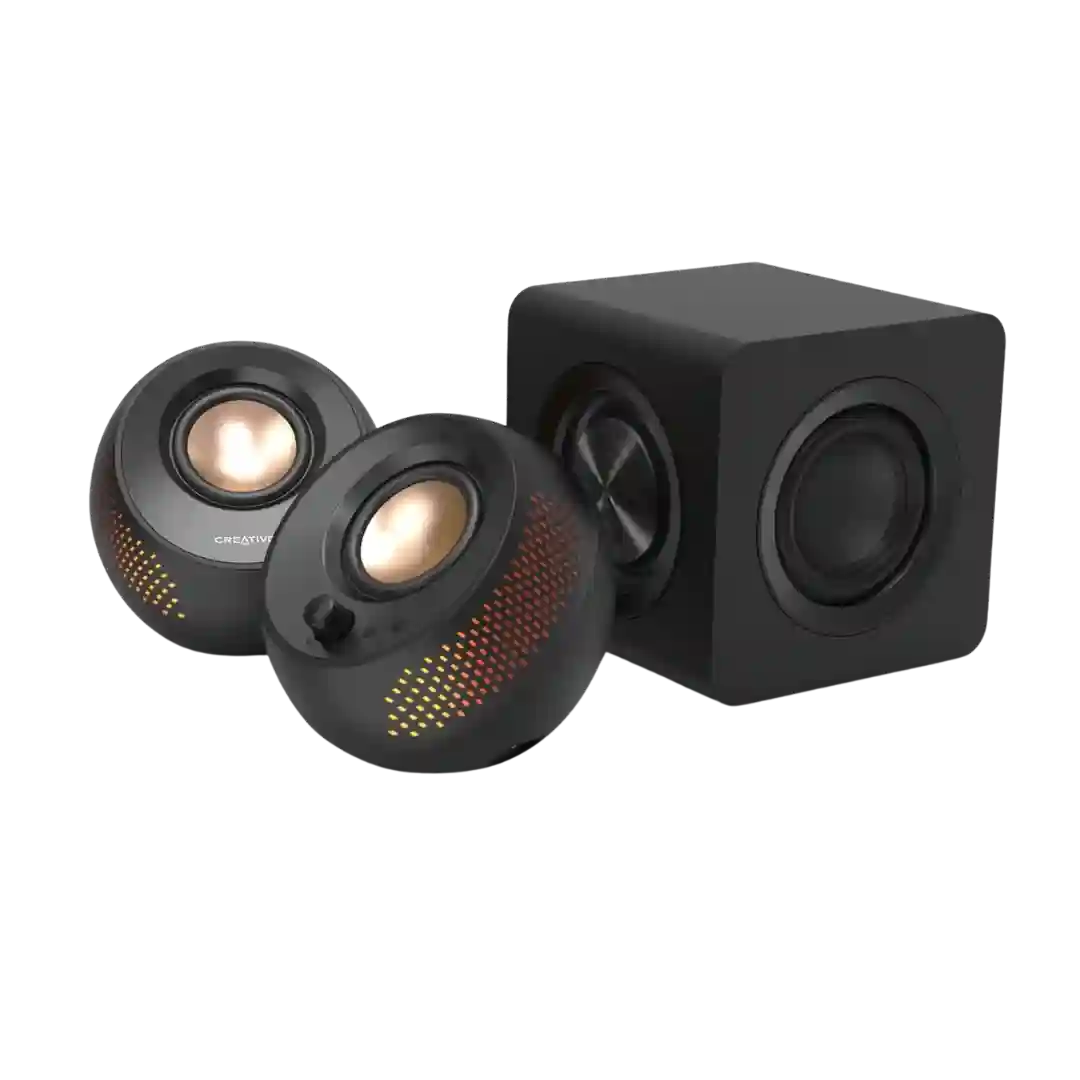
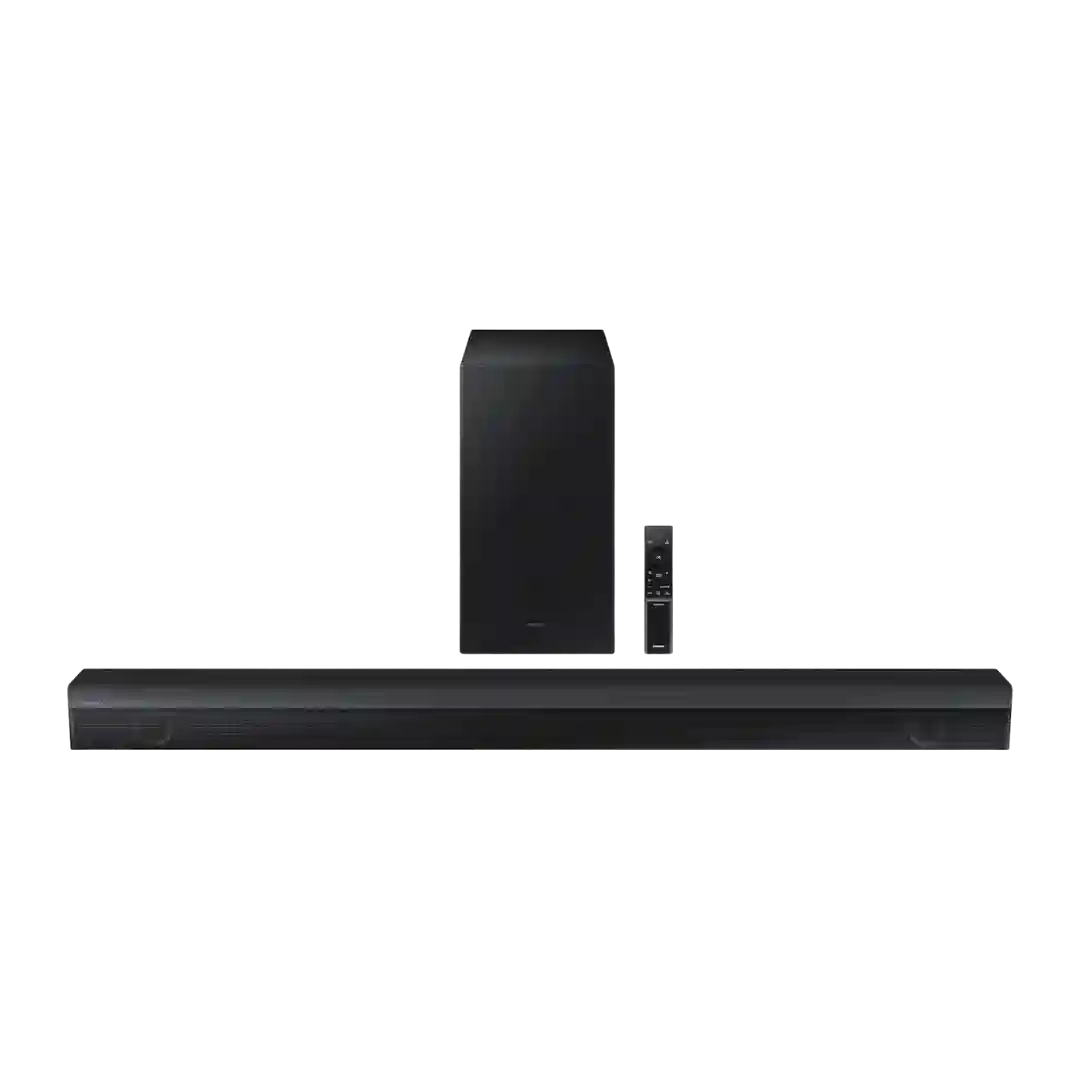
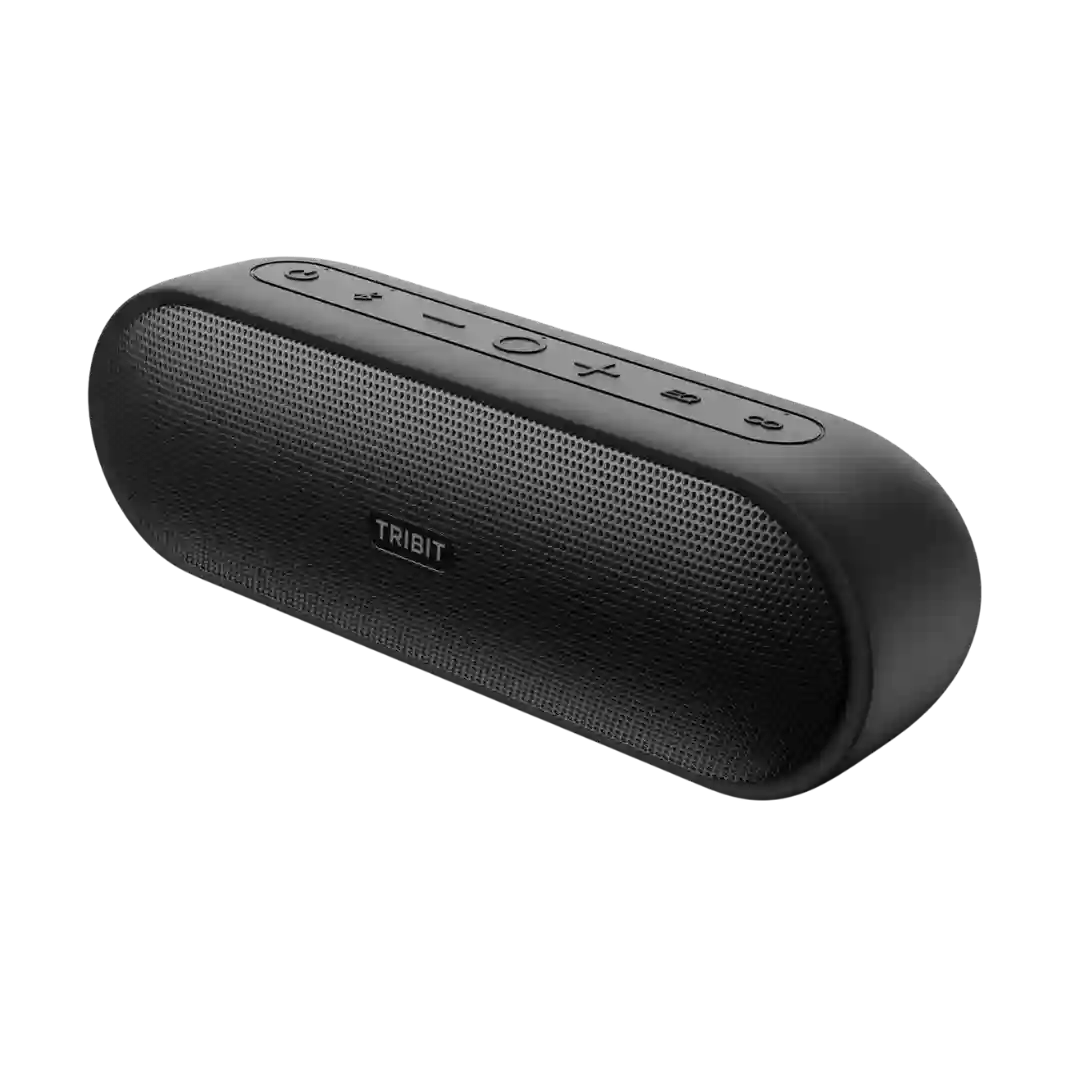
Reviews generally describe a clean midrange and detailed treble that avoids harshness, with voices and effects staying natural. Bass is often characterized as warm and weighty rather than ultra-tight and punchy.
Overall tonal balance is praised as full and engaging, with controlled bass integration after calibration; a few reviewers note genre-dependent bass timing or mids/voices that can feel less refined.
Balanced tuning is a recurring theme: weighty lows paired with clear mids/treble, though a few listeners found bass-heavy music can get a bit muddy without tweaks.
Most reviews describe the REN as balanced, neutral-leaning, and easy to listen to, with smooth treble and clear mids. The recurring caveat is the bass, which some heard as a little lumpy, boomy, or uneven depending on placement and volume.
Most coverage describes a lively, warm-leaning balance with strong bass and clear mids, though a few notes mention it can sound a bit bass-forward or have occasional mid/treble character that some listeners may want to EQ.
Its tonal balance is warm, rich and polished rather than strictly neutral, with standout mids and vocals, controlled bass and smooth highs. Some listeners wanted more treble bite or deeper sub-bass.
Most reviews describe a controlled, neutral-to-balanced tuning with tight bass and clear mids, but some listeners find it clinical or a bit lean in warmth, and bass-heads may want more sub-bass support.
Tonal balance is usually described as refined, accurate, and well judged, with the main caveat being a slightly forward or bright upper range on some material or at higher volumes.
The tonal balance is generally mature and clear, with solid bass, open mids, and crisp treble. Minor caveats recur around lighter deepest bass, occasional boom depending on placement, and an unforgiving nature with rough recordings.
Most reviews describe a balanced, full-bodied tuning with controlled bass and clear mids/treble for the size, though a few find it can sound boxed-in or less airy than key rivals.
Overall tuning is described as clean and well balanced with surprisingly strong bass for the form factor; many listeners preferred a small bass and treble lift via EQ.
Consensus points to a balanced, full-bodied, slightly smooth presentation with accurate timbre and no major frequency-band exaggeration. The main tonal caveat is that treble can sound a bit exposed, cool, or less refined depending on setup and comparison.
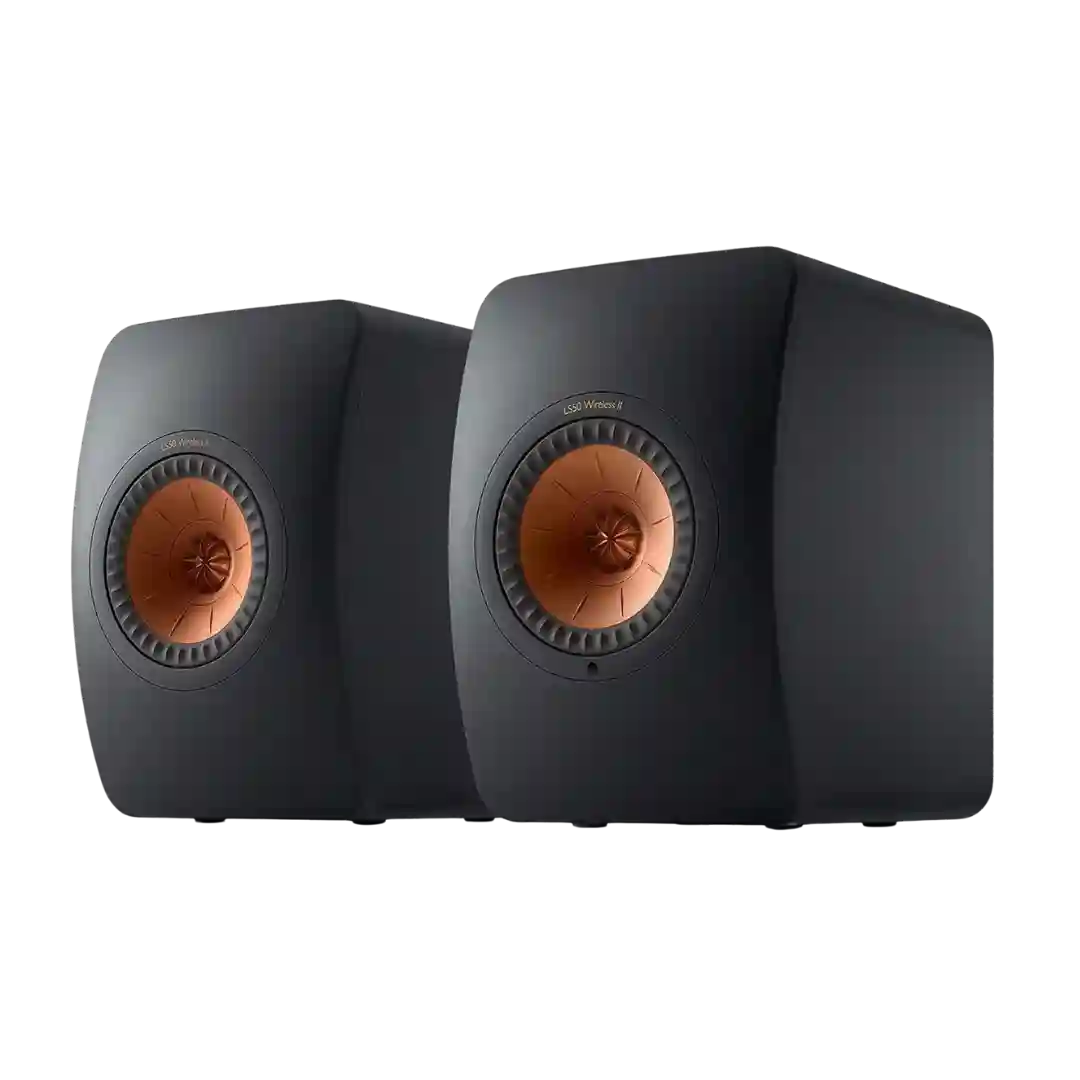
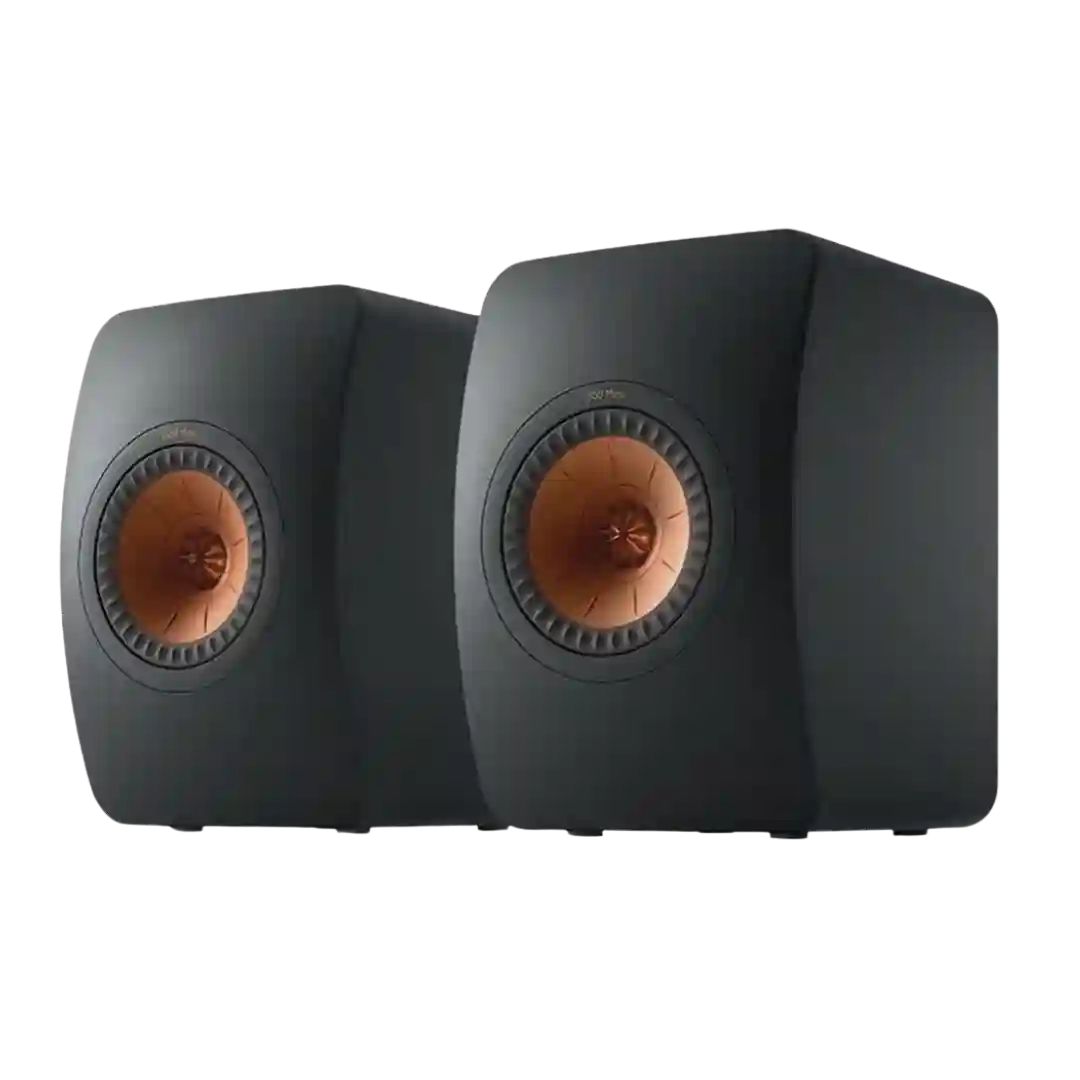
Tonality is generally described as smooth, balanced, and neutral-to-slightly-warm, with the Meta revision reducing treble glare and sibilance versus earlier LS50 versions. Bass reaches impressively low for size but does not deliver true sub-bass extension.
The overall tuning is often described as balanced and slightly warm. Bass is strong for a single bar but not subwoofer-deep, and a couple of reviewers want a more direct music presentation.
Consensus points to a balanced, near-neutral tuning with good bass weight for the size, though some listeners hear a slightly forward upper range or limited deepest bass.
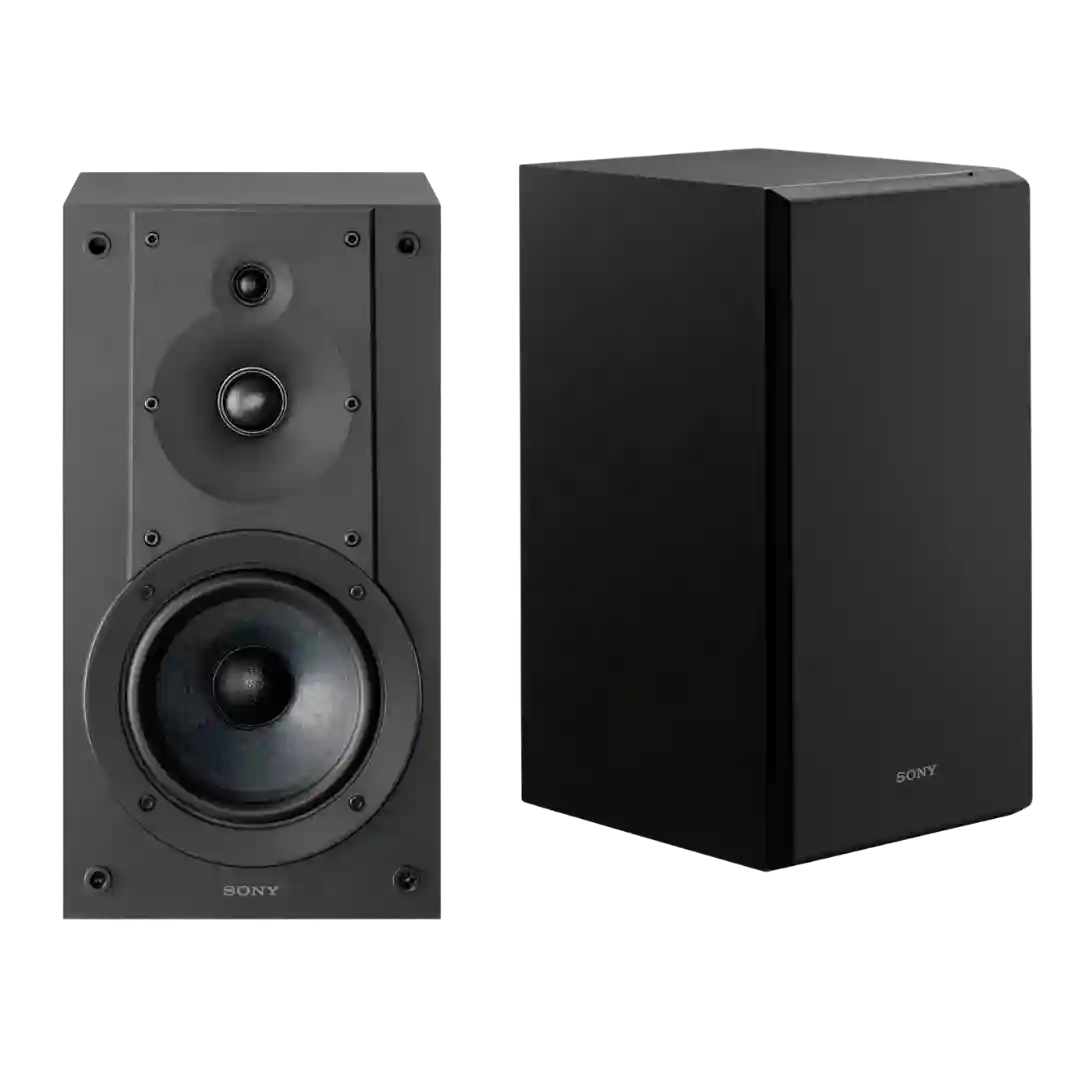
The general consensus is that the M2 is smoother and more neutral than the original SS-CS5, with tamer upper treble and respectable midrange balance, though bass remains limited and minor treble or upper-mid quirks persist.
Tuning is often described as balanced for the size, with punchy bass that does not overwhelm mids and highs at reasonable volumes. Several reviewers also note bass reduction or a thinner presentation when using outdoor-style EQ modes or pushing volume very high.
Its tonal balance is the most divisive part of the speaker. Positive reviews describe punchy bass, clear mids, and enjoyable energy, but more critical takes mention weak treble brilliance, upper-mid harshness, or track-dependent bass performance.
The tuning is generally bass-forward but fairly balanced, with some calling it slightly dark out of the box. The expanded EQ tools make it easy to restore treble presence or tame bass depending on taste.
The default tuning often reads bass-forward and crowd-pleasing, with controlled lows that usually avoid smearing the midrange. Sub-bass extension is limited, and multiple reviewers recommend small EQ tweaks for a more neutral balance.
The overall tuning is widely seen as good for a budget portable speaker, with clear mids and decent bass weight. Still, the tonal balance is not universally loved, as some reviews found the treble pinchy, the sound slightly flat, or the presentation less balanced on detail-heavy music.
The sound is usually described as warm, clear, and full for the size, but treble refinement and tonal balance remain divisive, with some reviews hearing muted highs or uneven genre matching.
Tonal balance is described as energetic and bass-capable, but not perfectly neutral; treble can sound thin or sharp on some tracks and sub-bass is limited, making EQ adjustments beneficial.
Tuning favors party impact with strong bass and a forward, energetic sound; several reviewers note the deepest sub-bass and the very top end are less refined, but EQ and BassUp let you rebalance for different genres.
Overall tuning is fairly balanced through the mids and highs, but bass depth is limited and some reviewers heard occasional brightness, artificiality, or a slightly thin presentation.
The sound signature is generally balanced and clear, with strong upper-mid intelligibility, but bass depth is limited and occasional tinniness shows through.
Some reviews praised the sound as smooth, refined, and not harsh across the range, but one critical review found it thin, bright, and brittle at higher levels.
Consensus is a warm, bass-forward tuning with crisp highs and solid mids; some reviewers find it balanced and engaging, while others think the low end overpowers subtler detail.
Most reviewers hear punchy, fun tuning with good bass for the size, but some report a V-shaped balance (boosted bass/treble), midrange that can feel recessed or shouty, and thinner sound when Playtime Boost is enabled.
Frequency balance is generally praised as even and vocal-friendly for the price, though bass depth remains the common constraint of the small enclosure. Some reviews describe punchy bass for the size, while others find it thin or absent.
The tuning is generally balanced with punchy bass and clear highs for the size, but deep bass is naturally limited and Playtime Boost reduces low-end weight noticeably.
Tuning is generally considered good for size, but opinions diverge: some hear balanced, clear audio, while others note limited bass depth, varying treble emphasis, and a more mid-forward default presentation.
Tonal balance is polarizing. Some praise strong bass that does not overwhelm and call mids/treble clear, while others hear bass-forward tuning with compressed mids/highs and an empty or dull presentation.
Tuning leans lively with boosted mids and/or highs to help clarity. It can sound bright or sharp when cranked, and SuperWide processing may trade detail for space.
Frequency balance is the core weakness. Bass can sound bloated or crackly, treble can turn thin or pinched, and the bar usually sounds most tolerable only after conservative bass settings and the right preset.
Tonal balance is commonly described as warm or full-range for the size, but some reviews note reduced sparkle/air up top and occasional bass bloat when Bass Extension is engaged. Music playback can expose the bar/sub tonal mismatch more than TV or film.