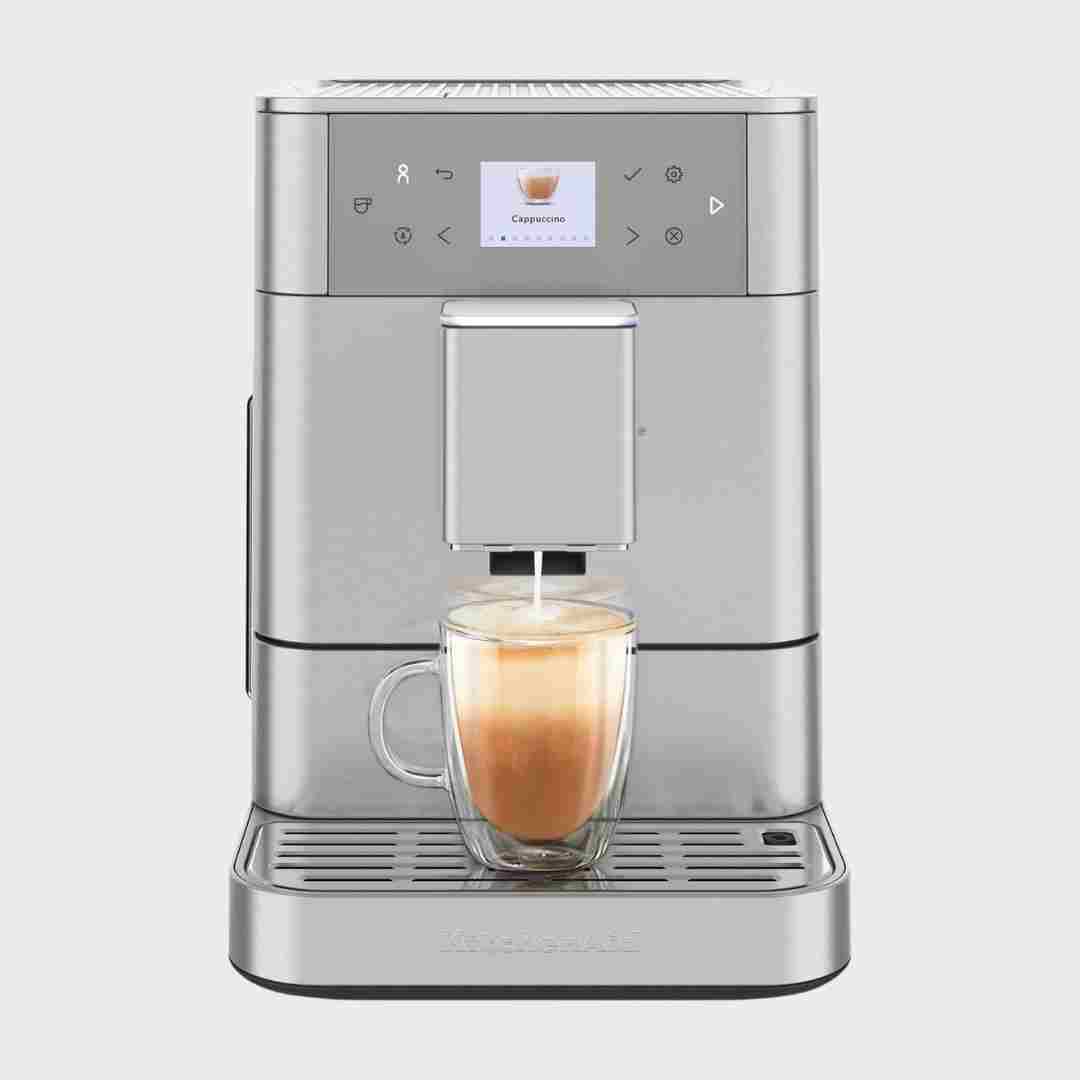
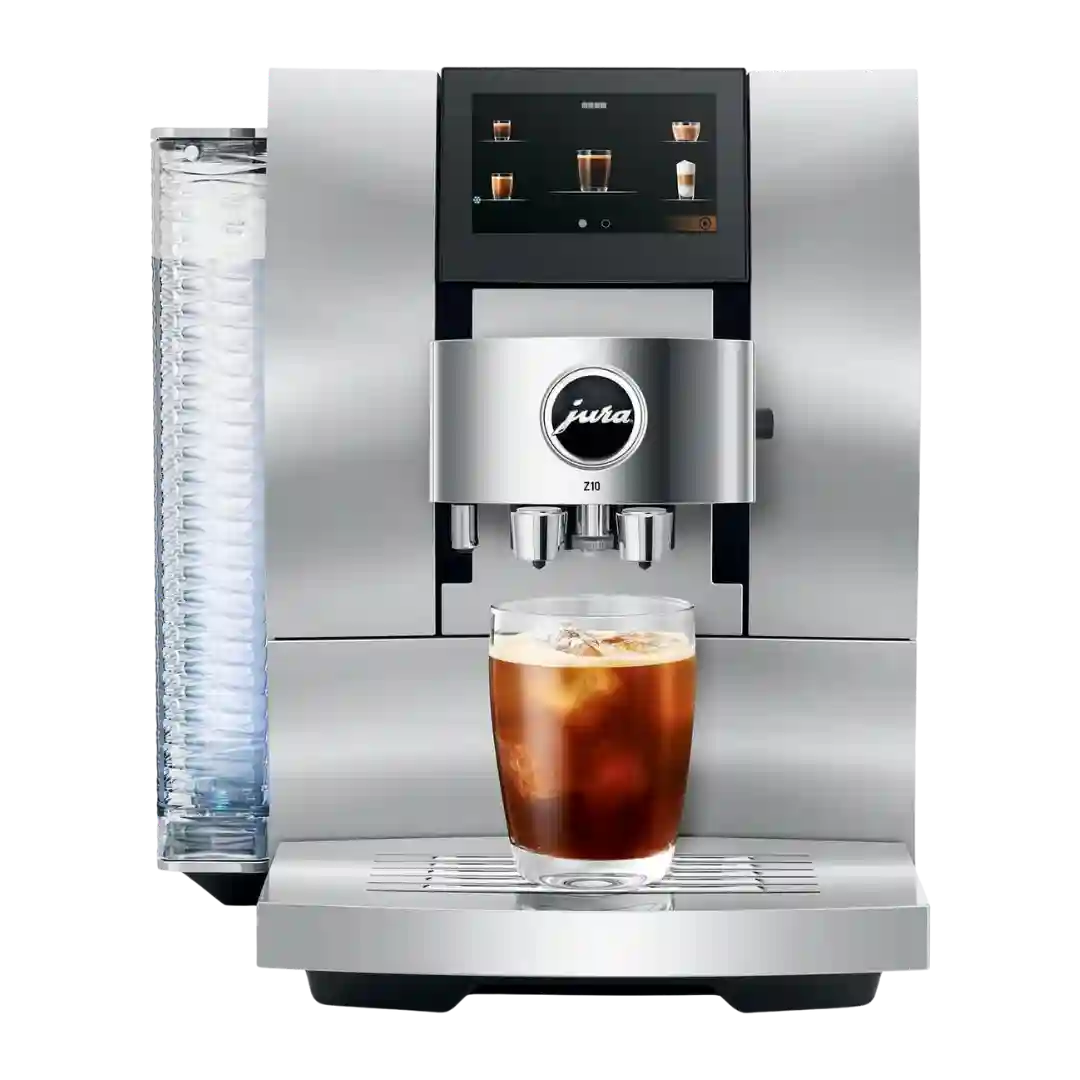
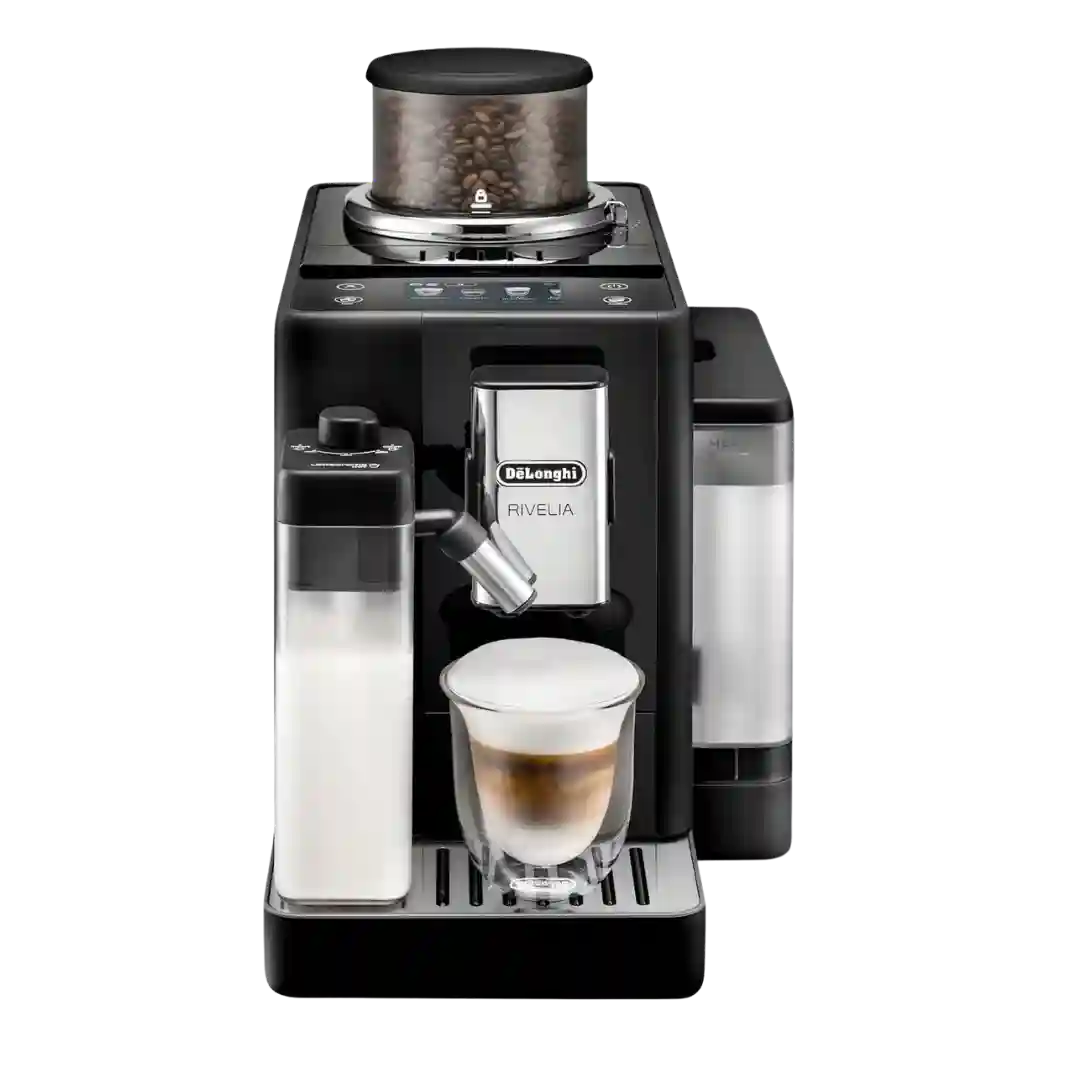
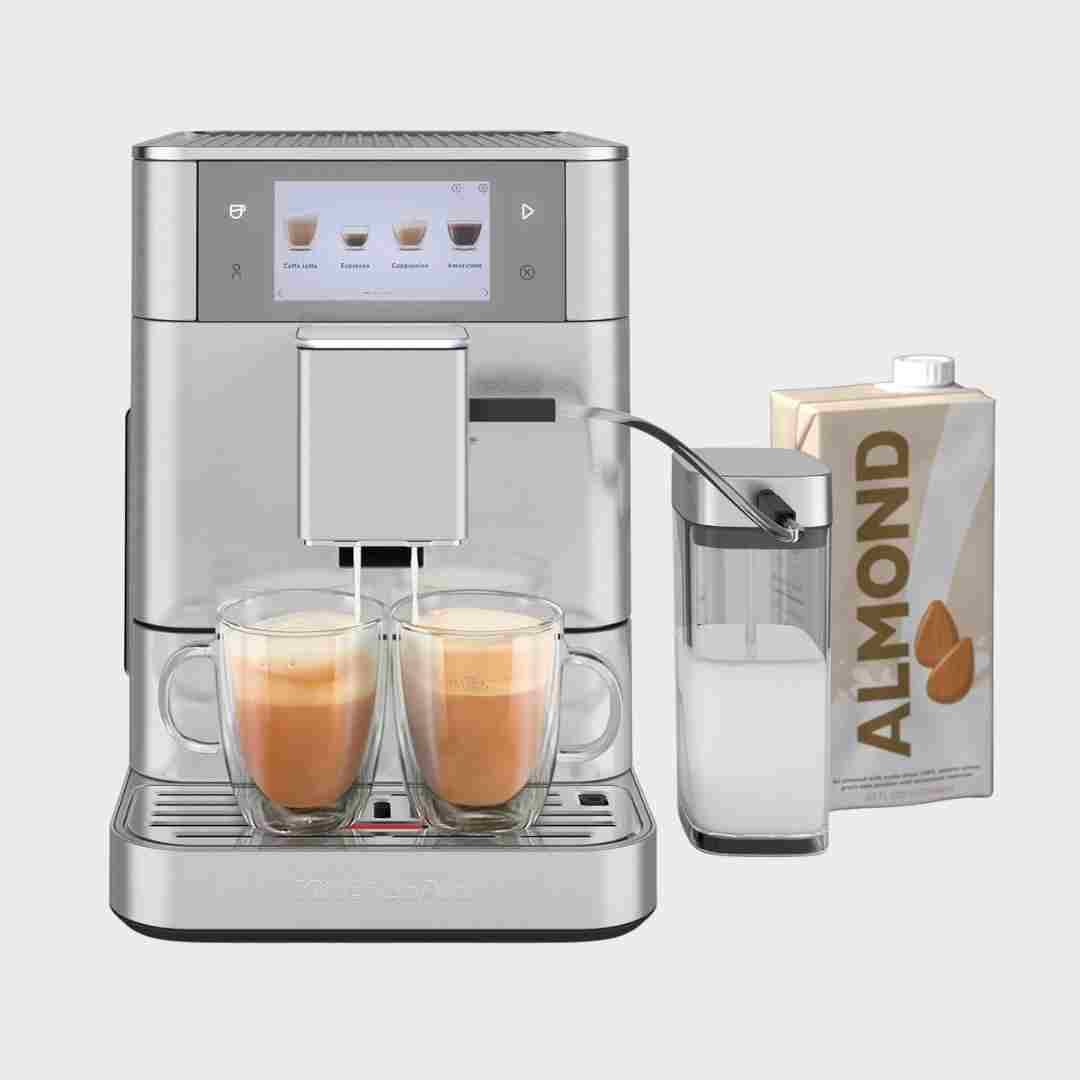
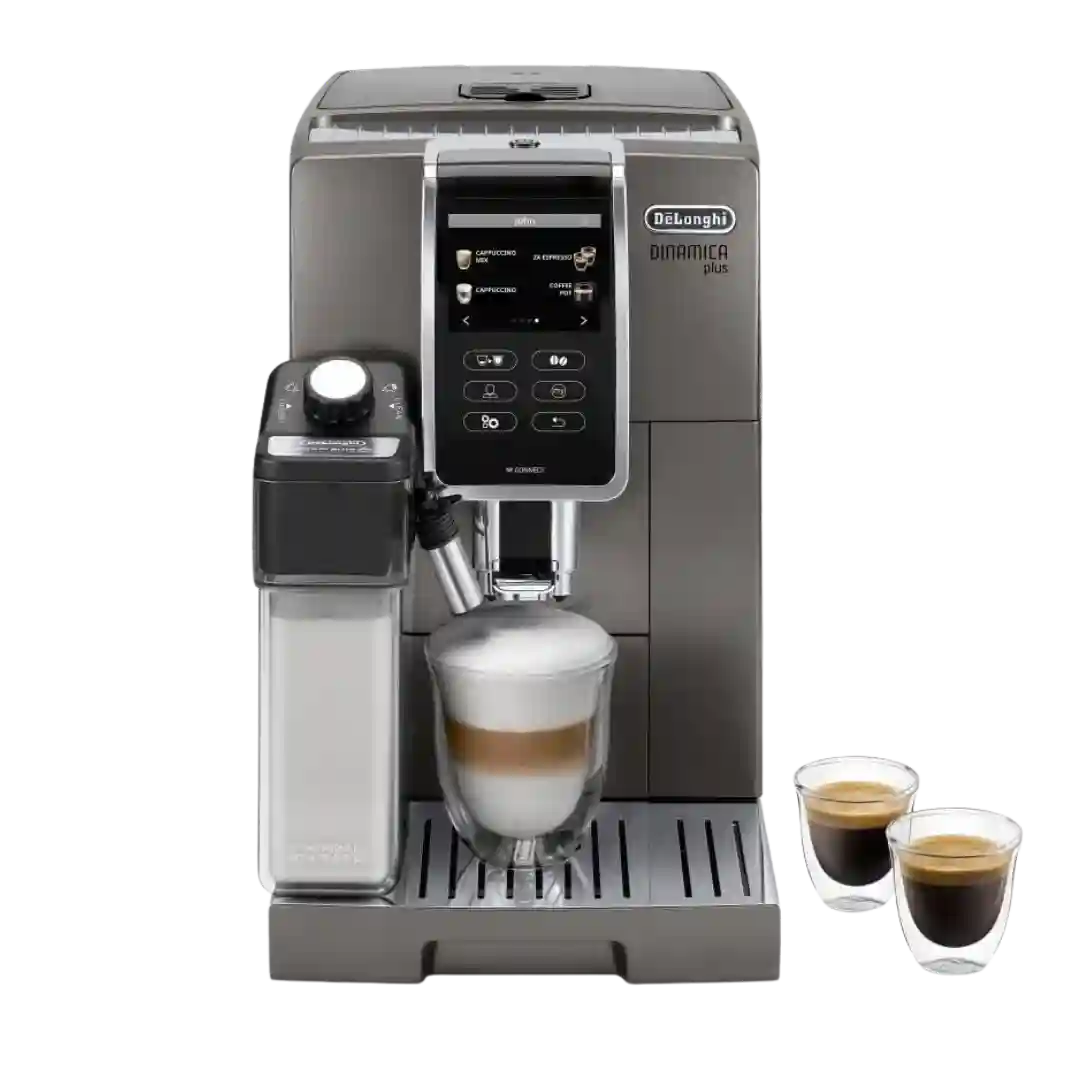
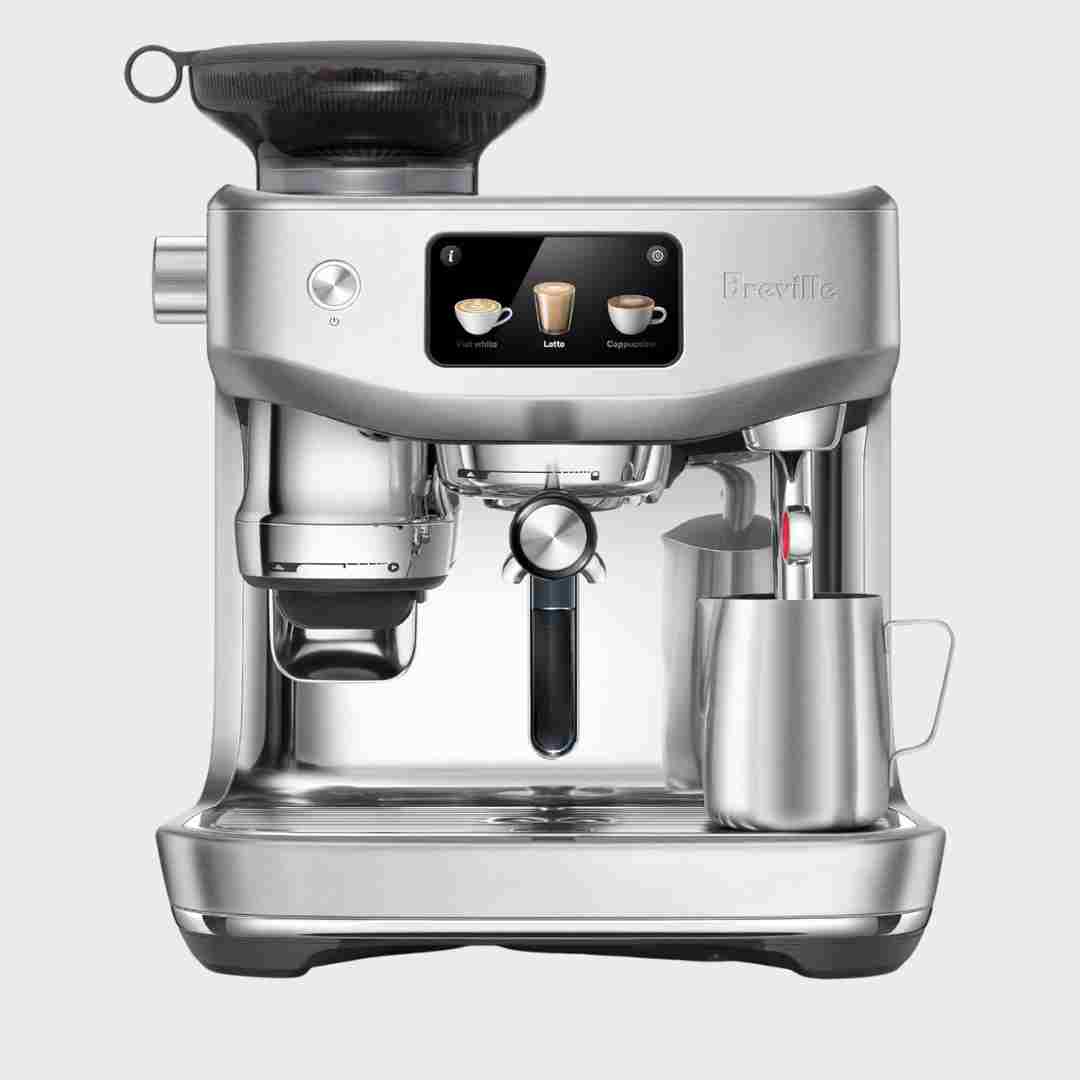
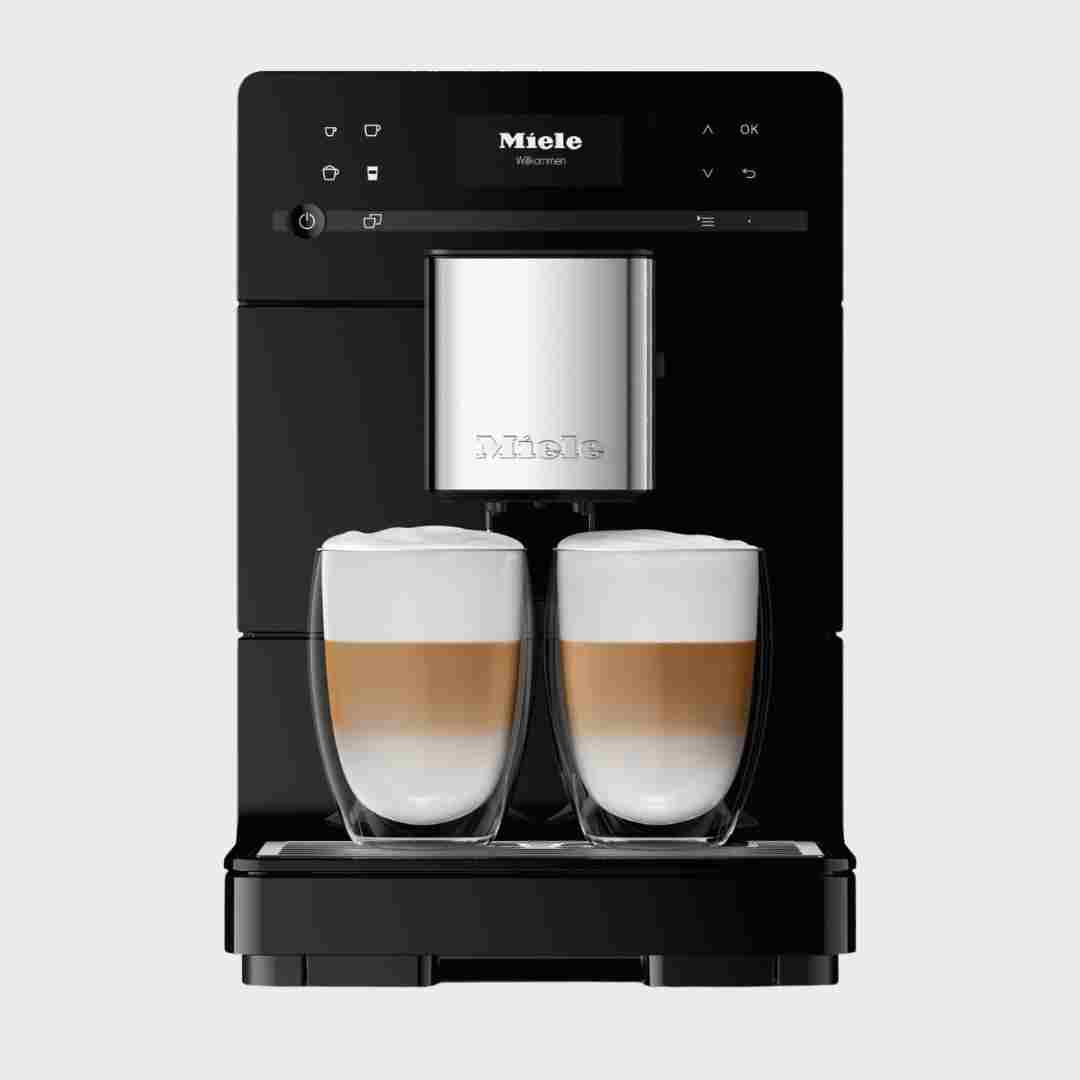
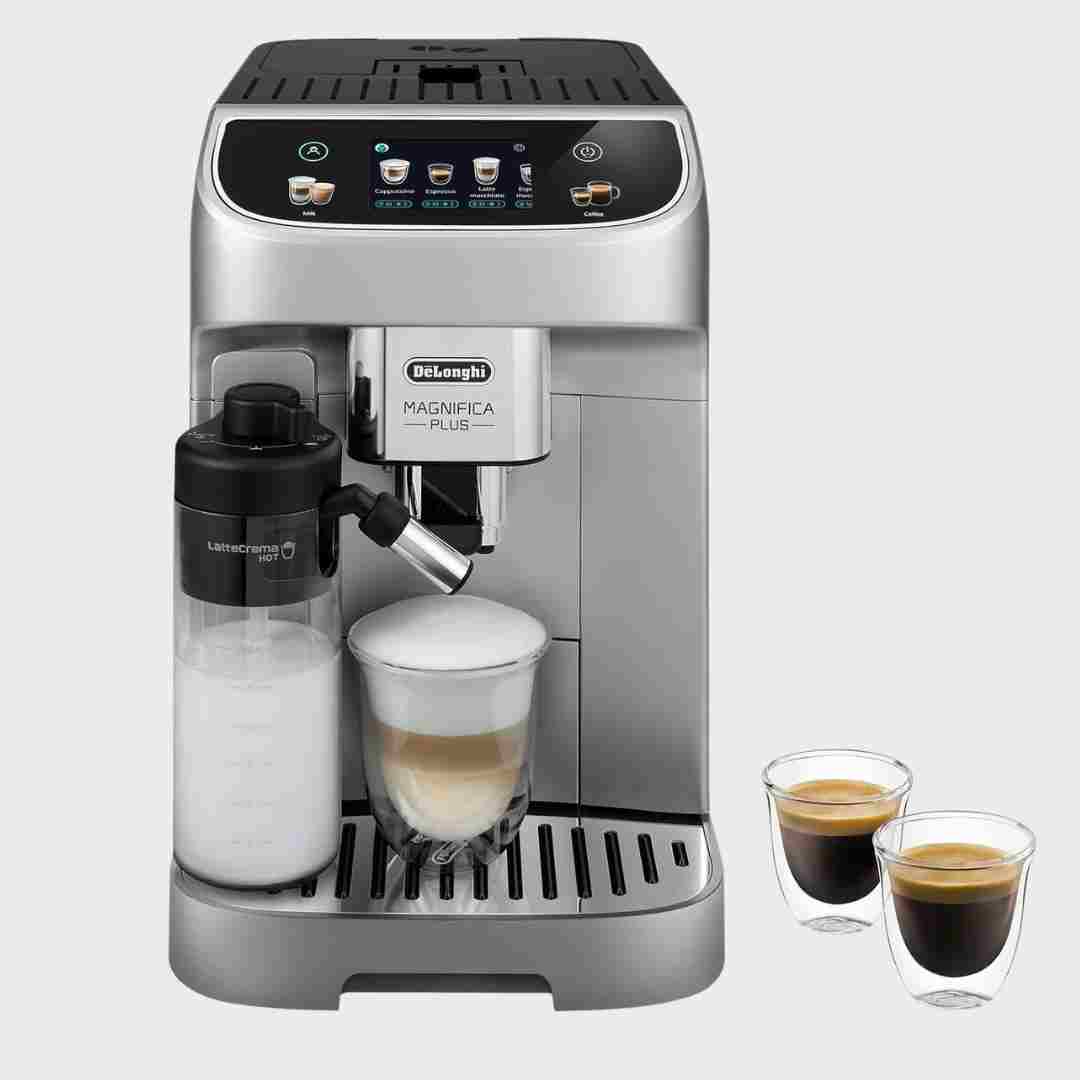
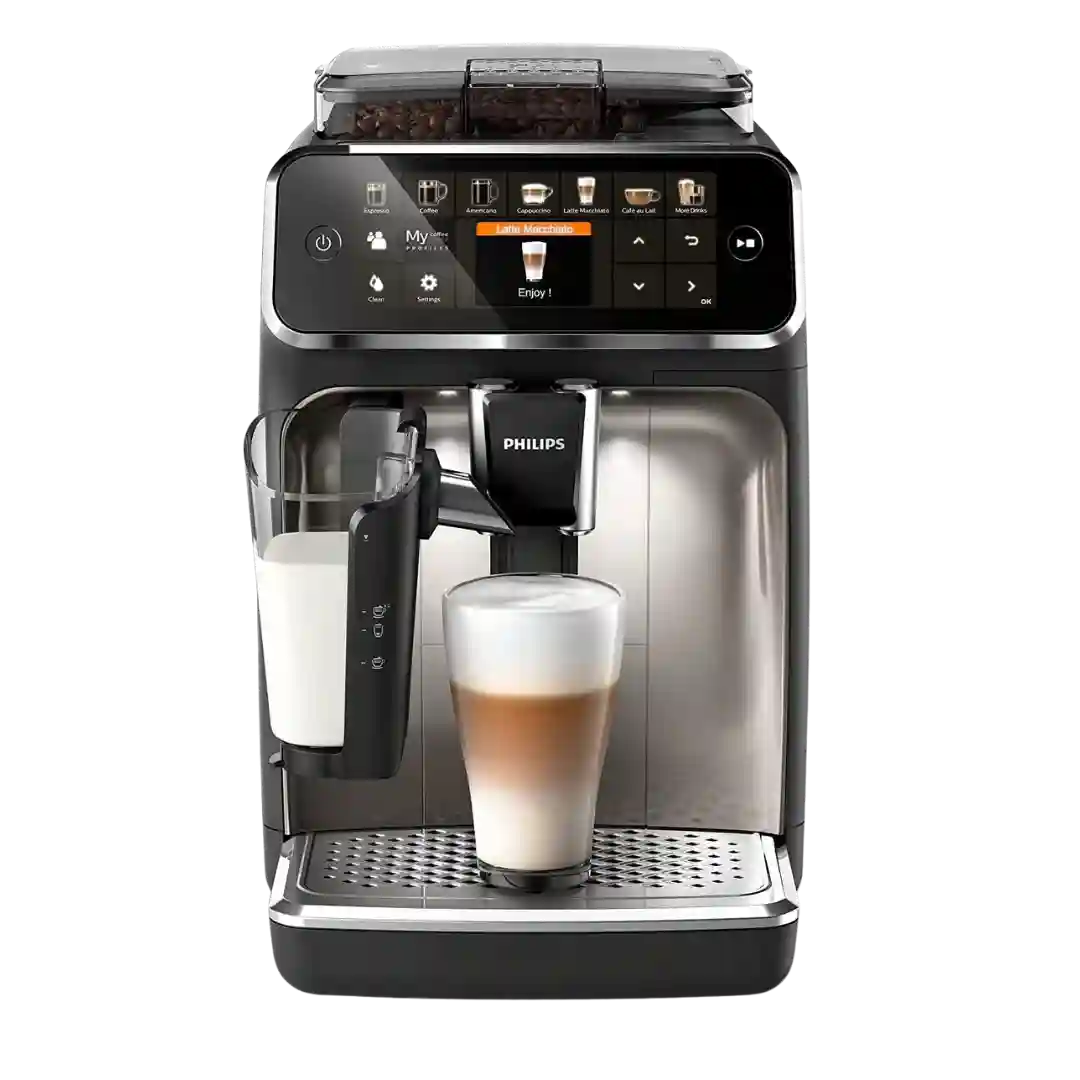
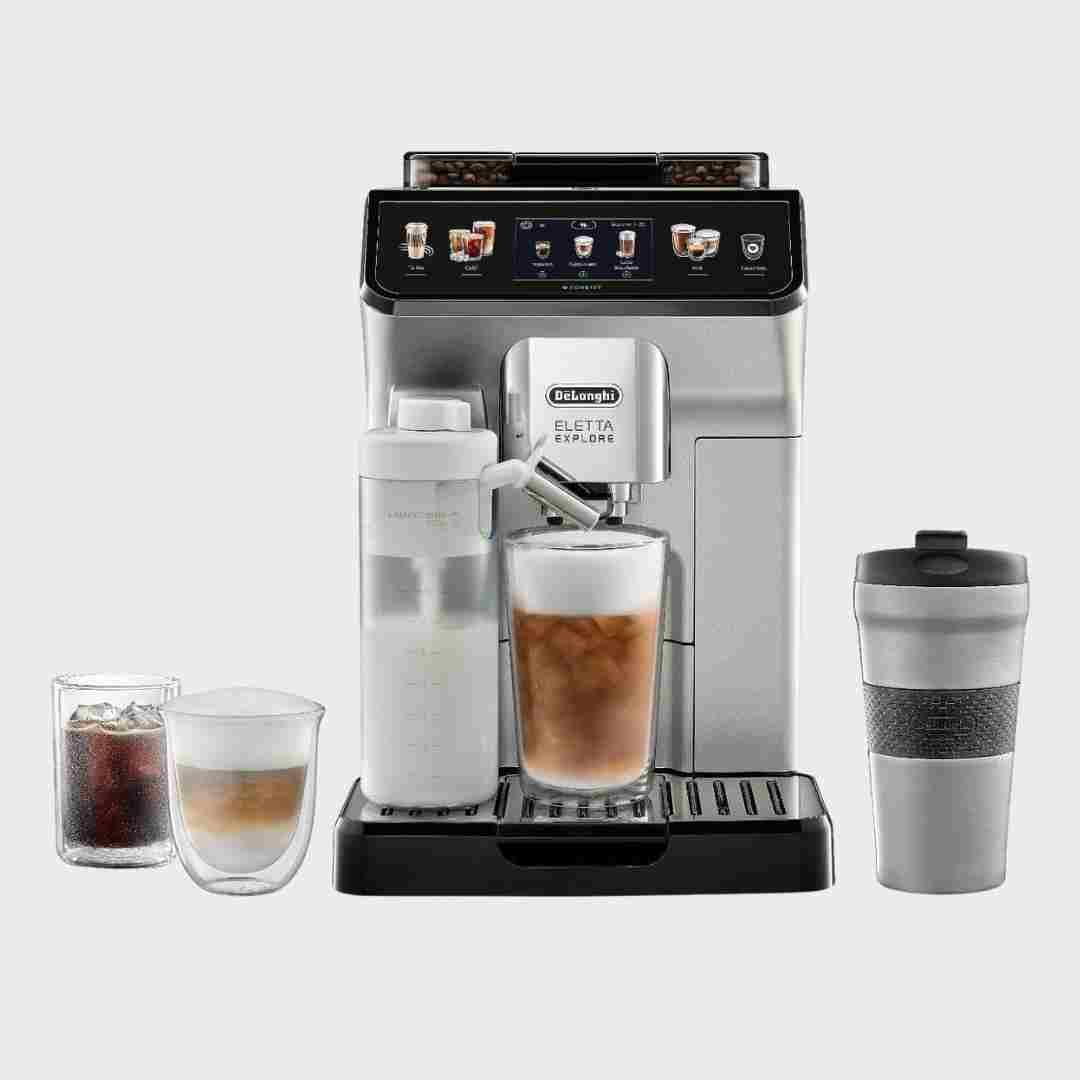
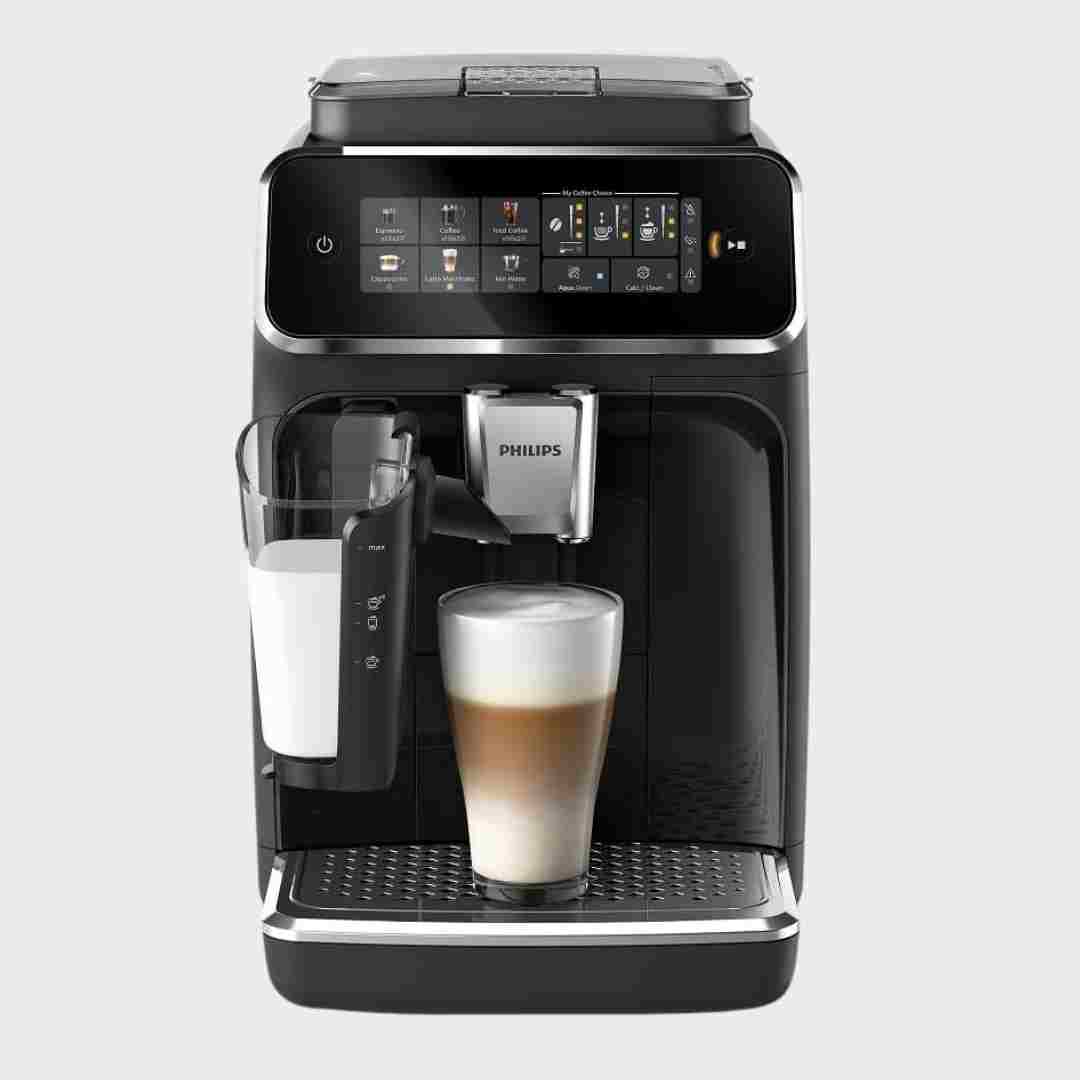
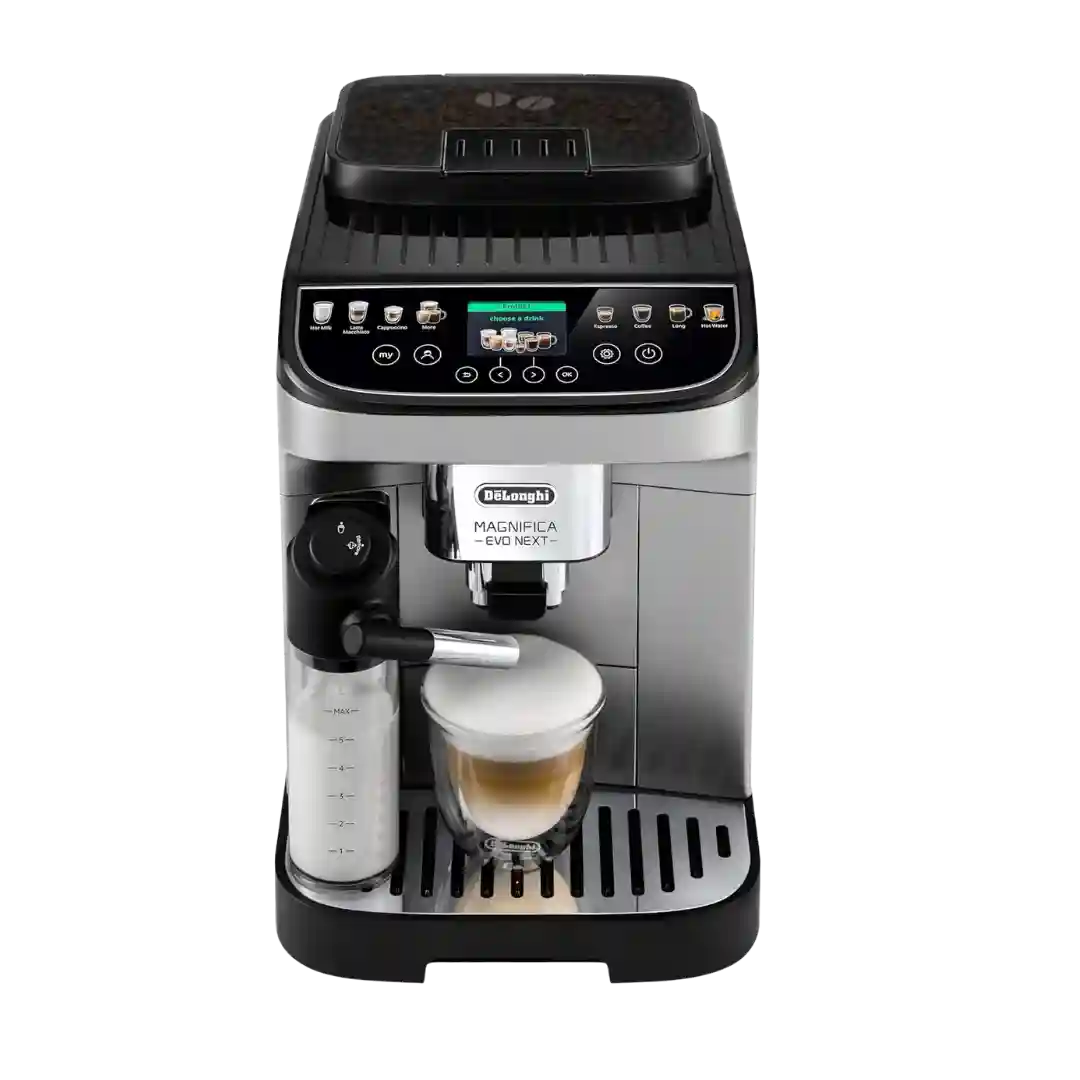
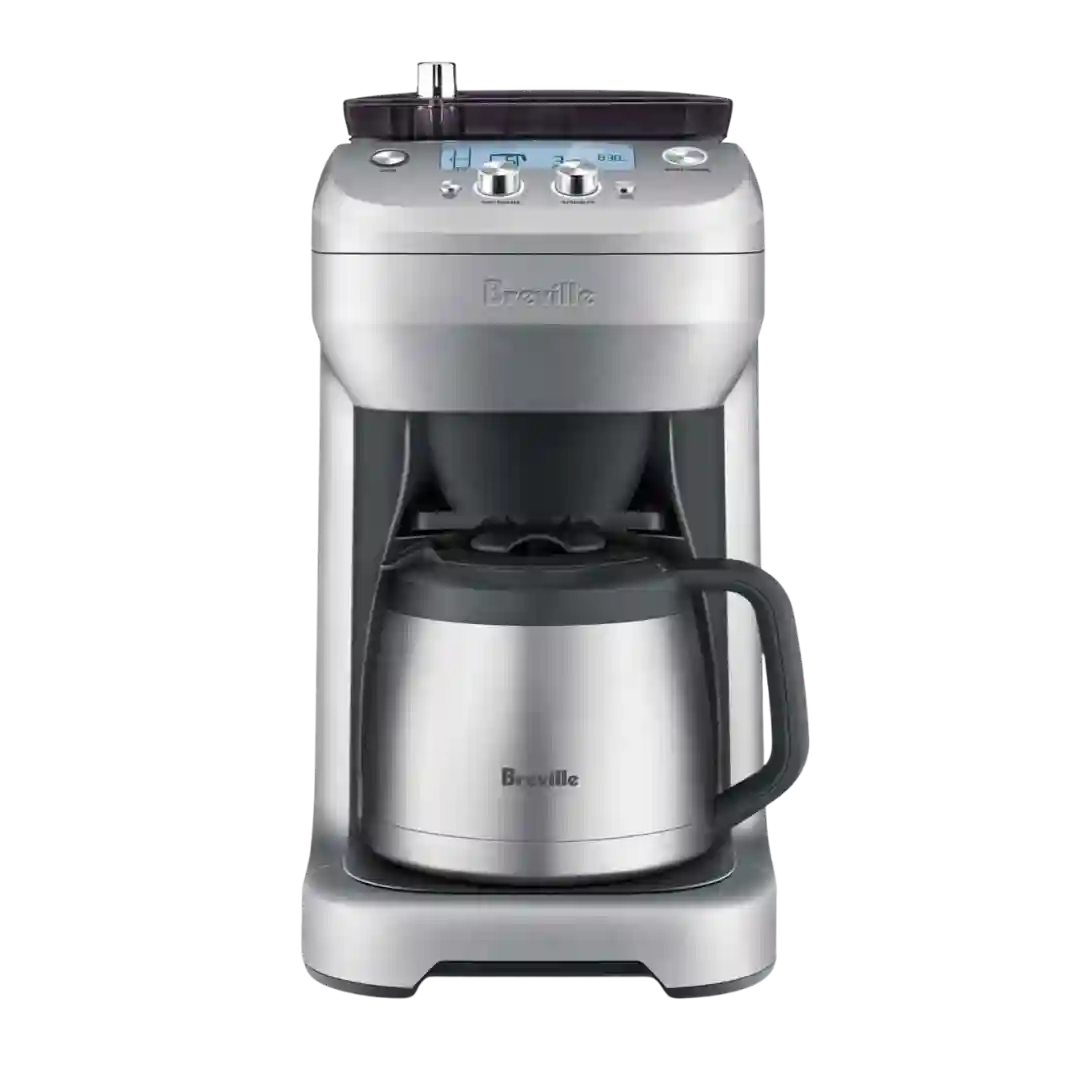
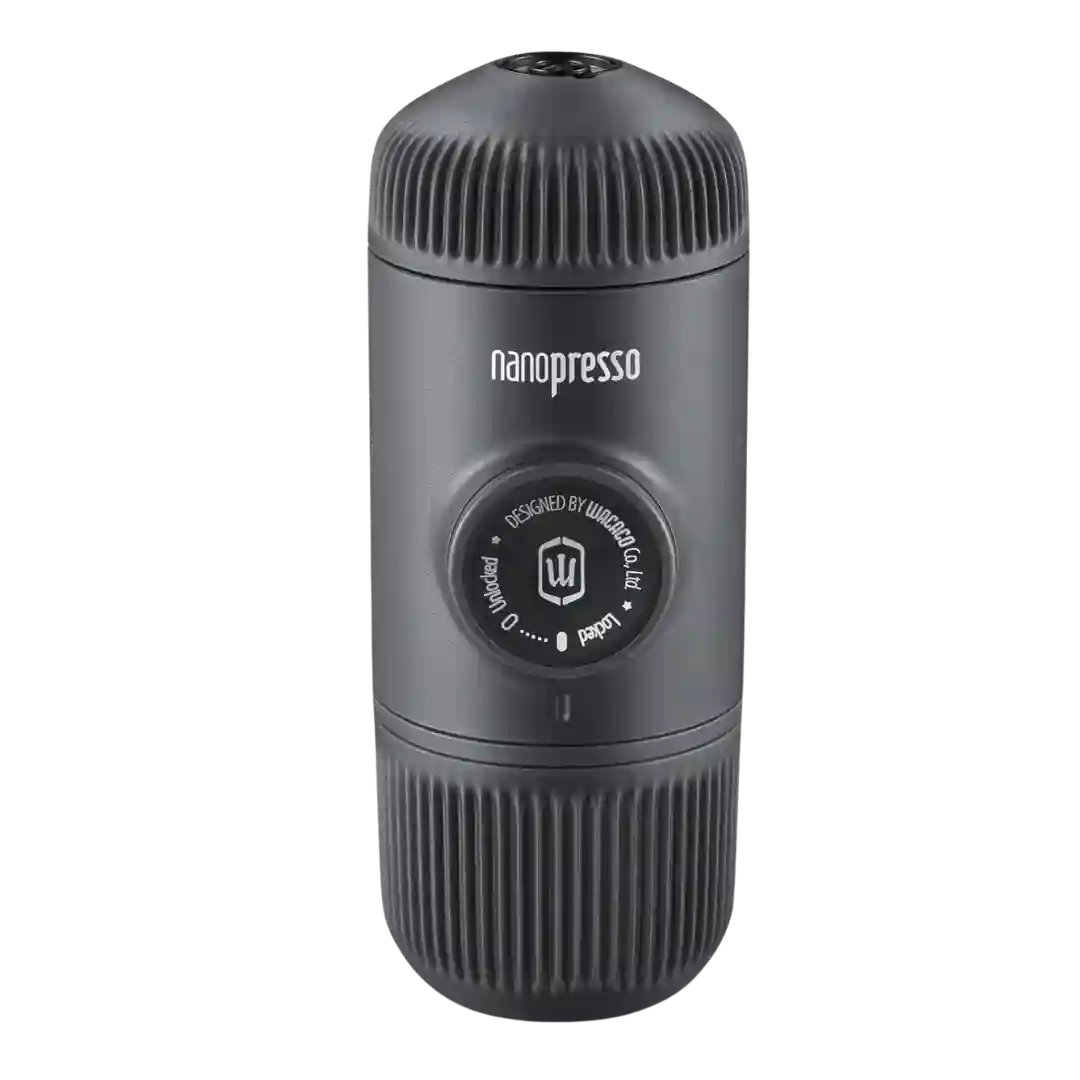
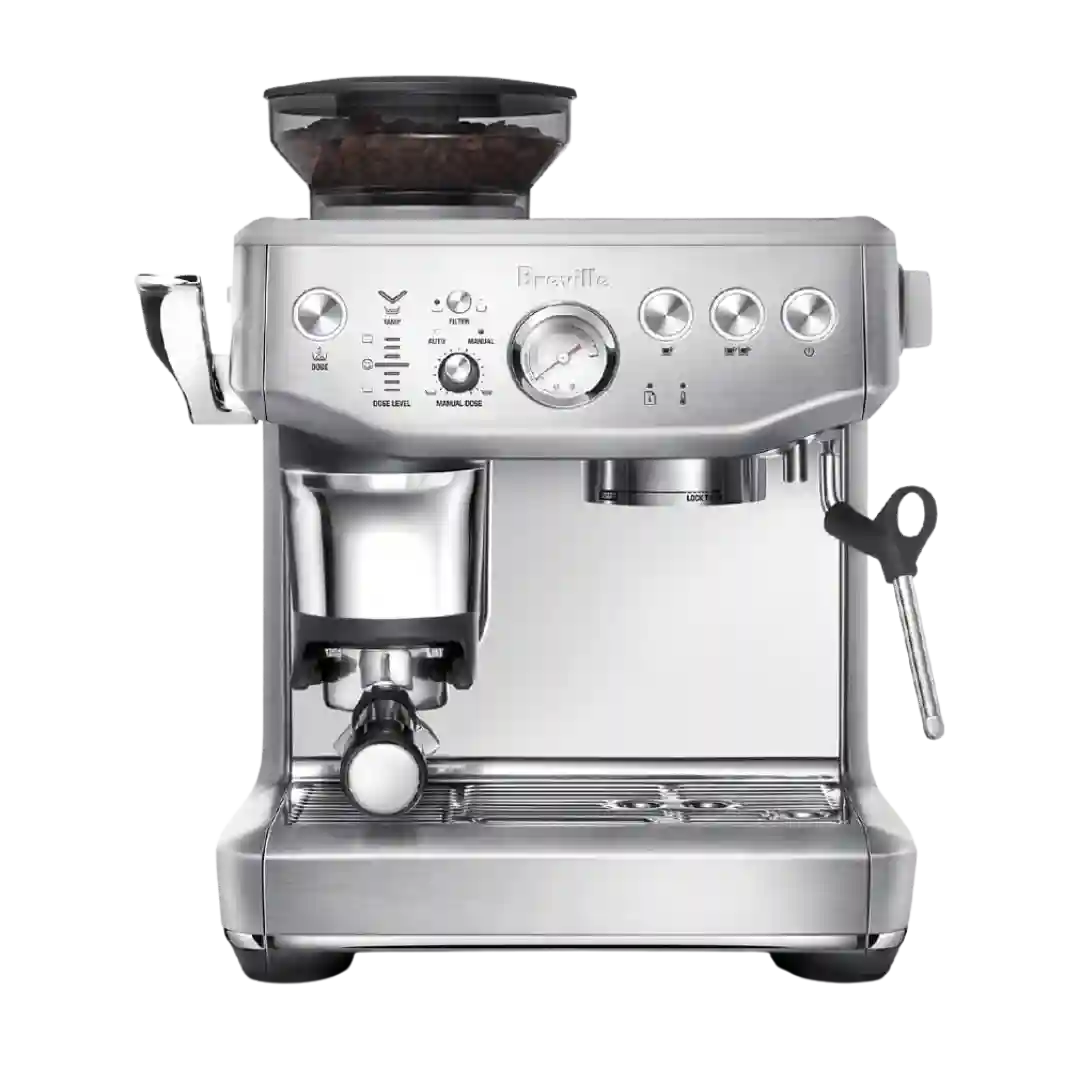
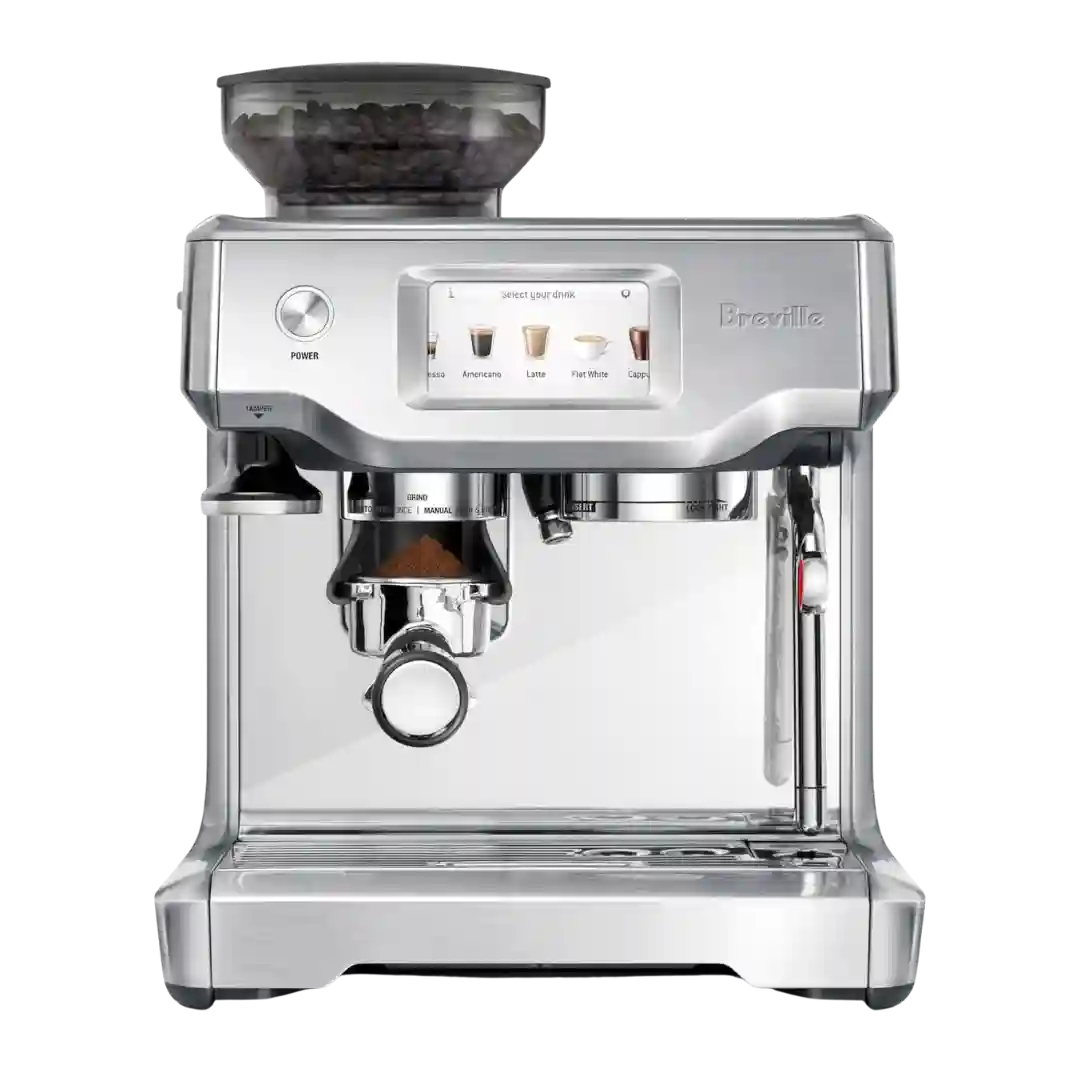
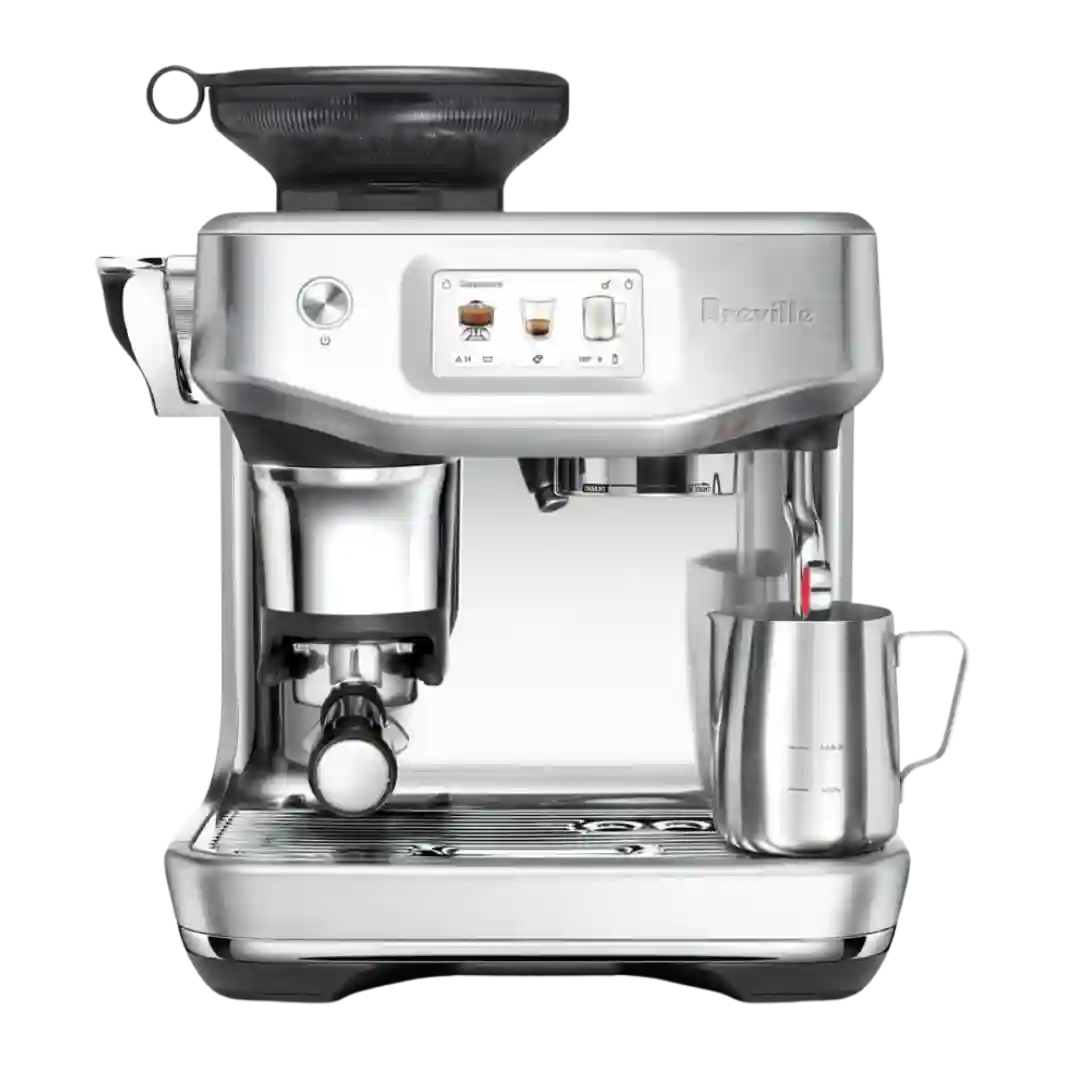
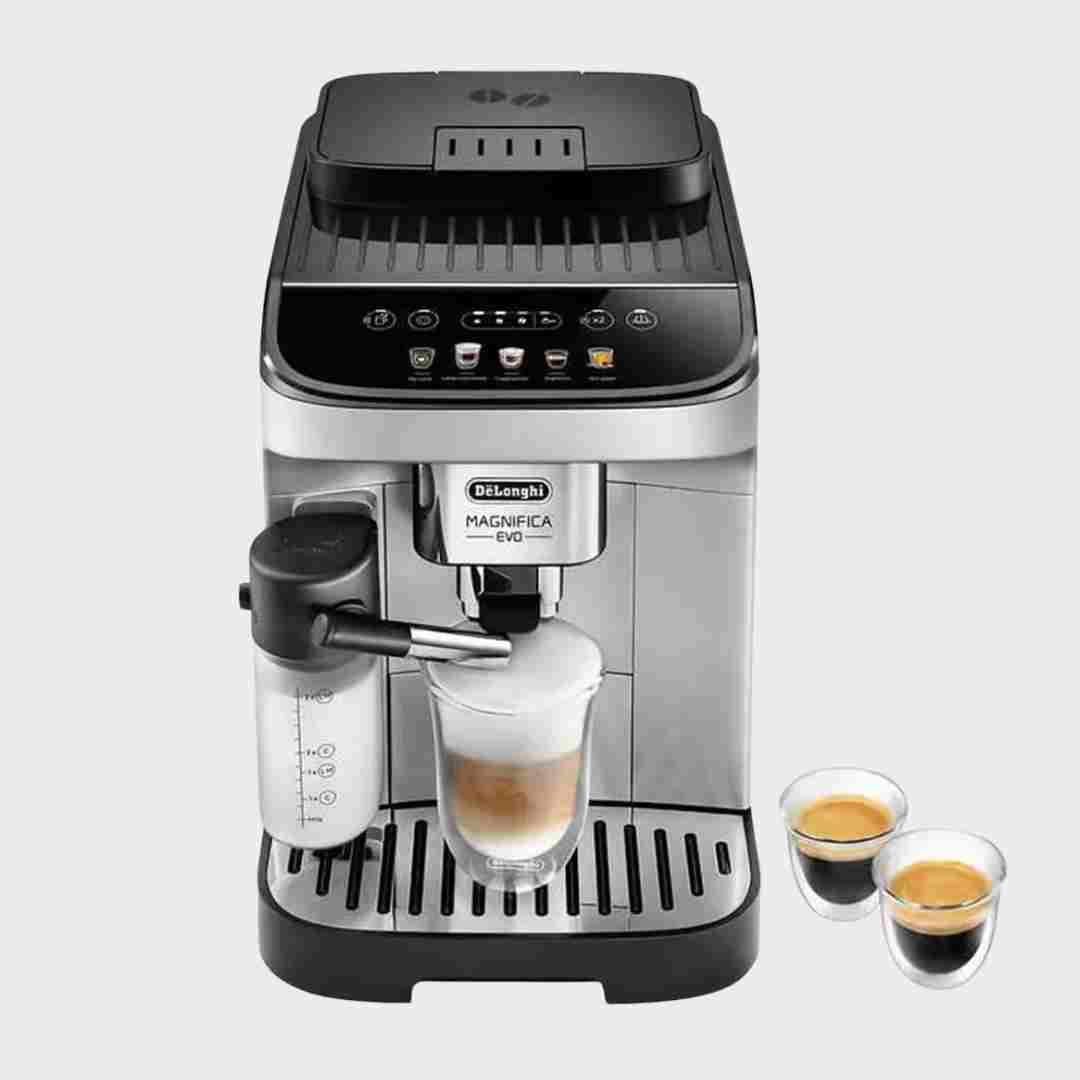
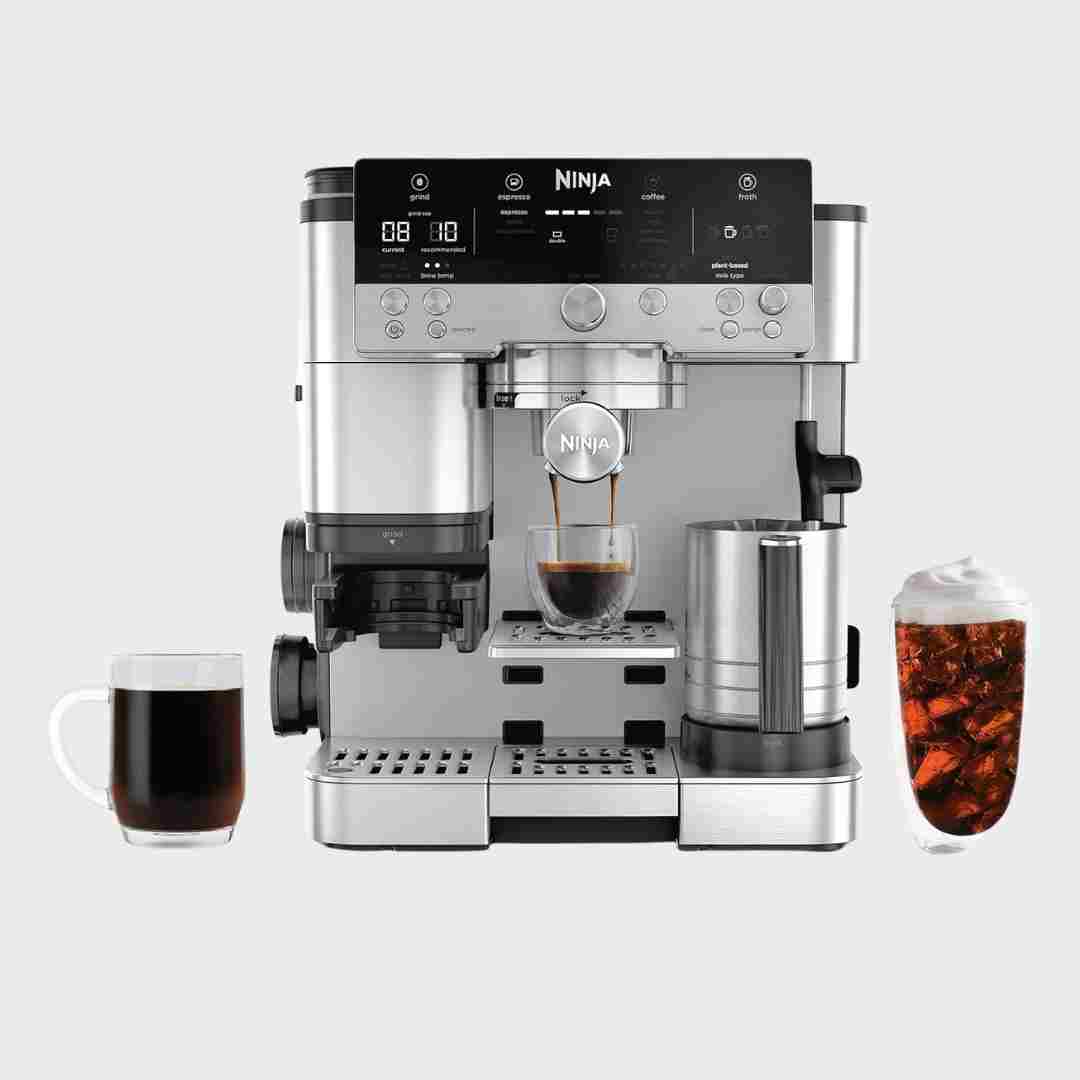
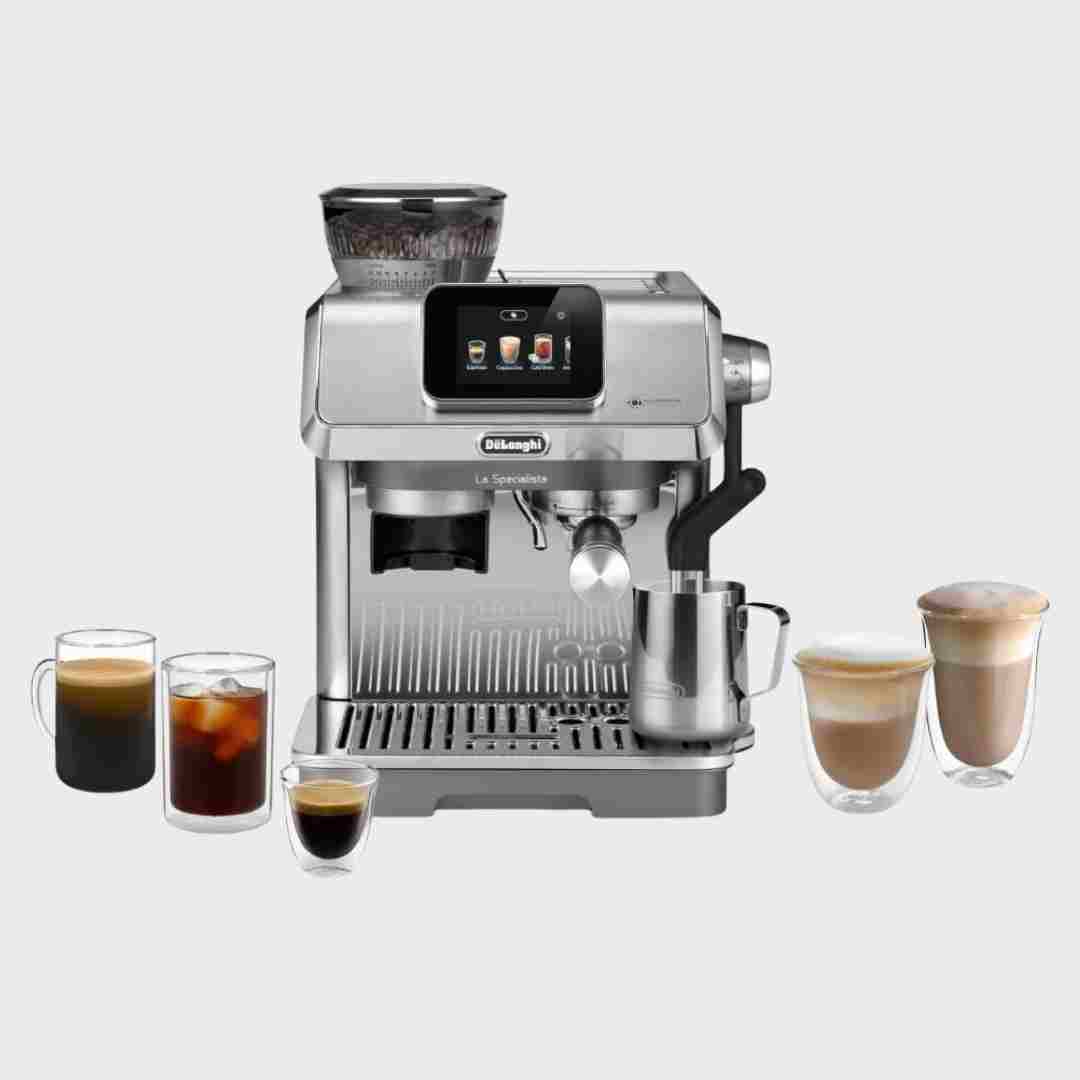
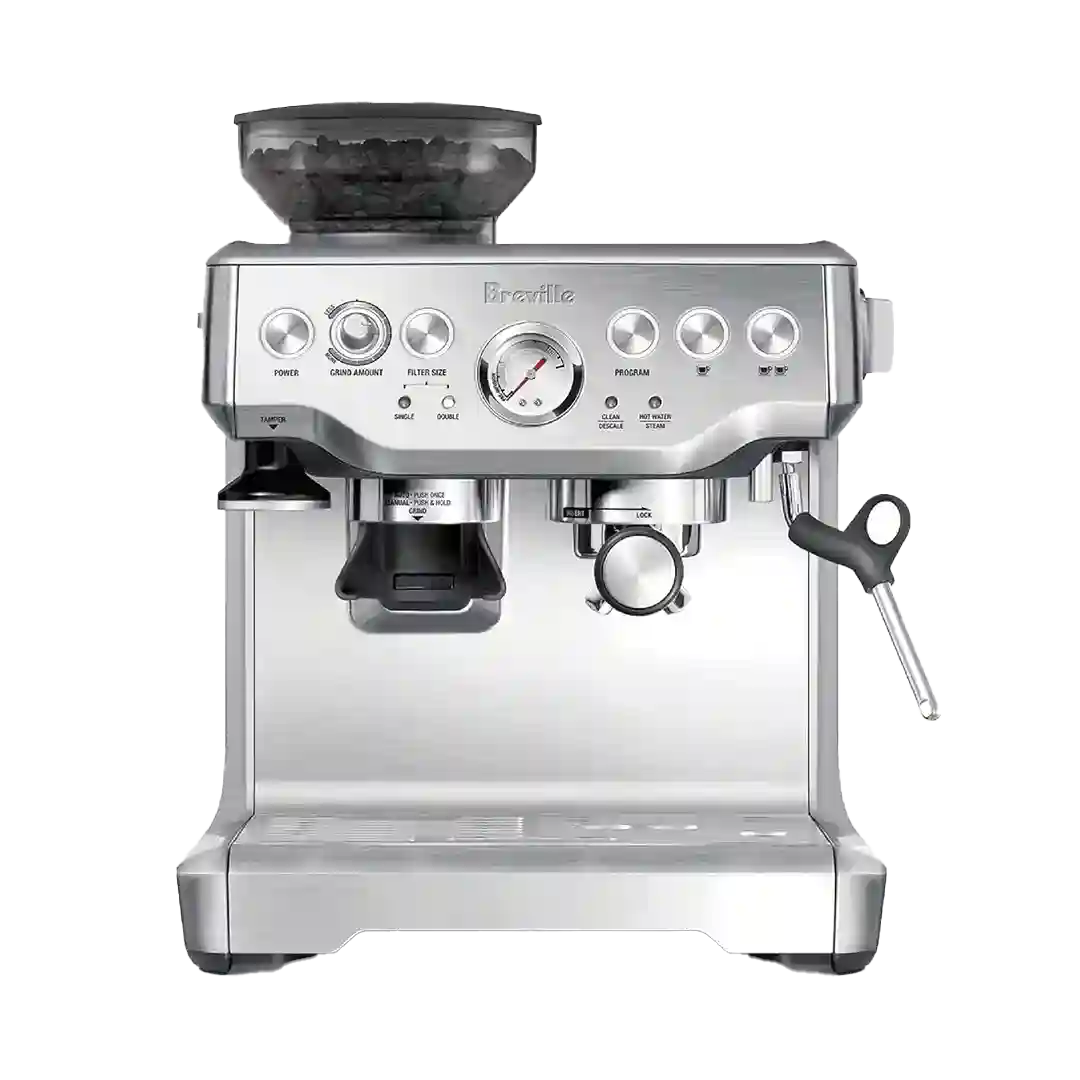
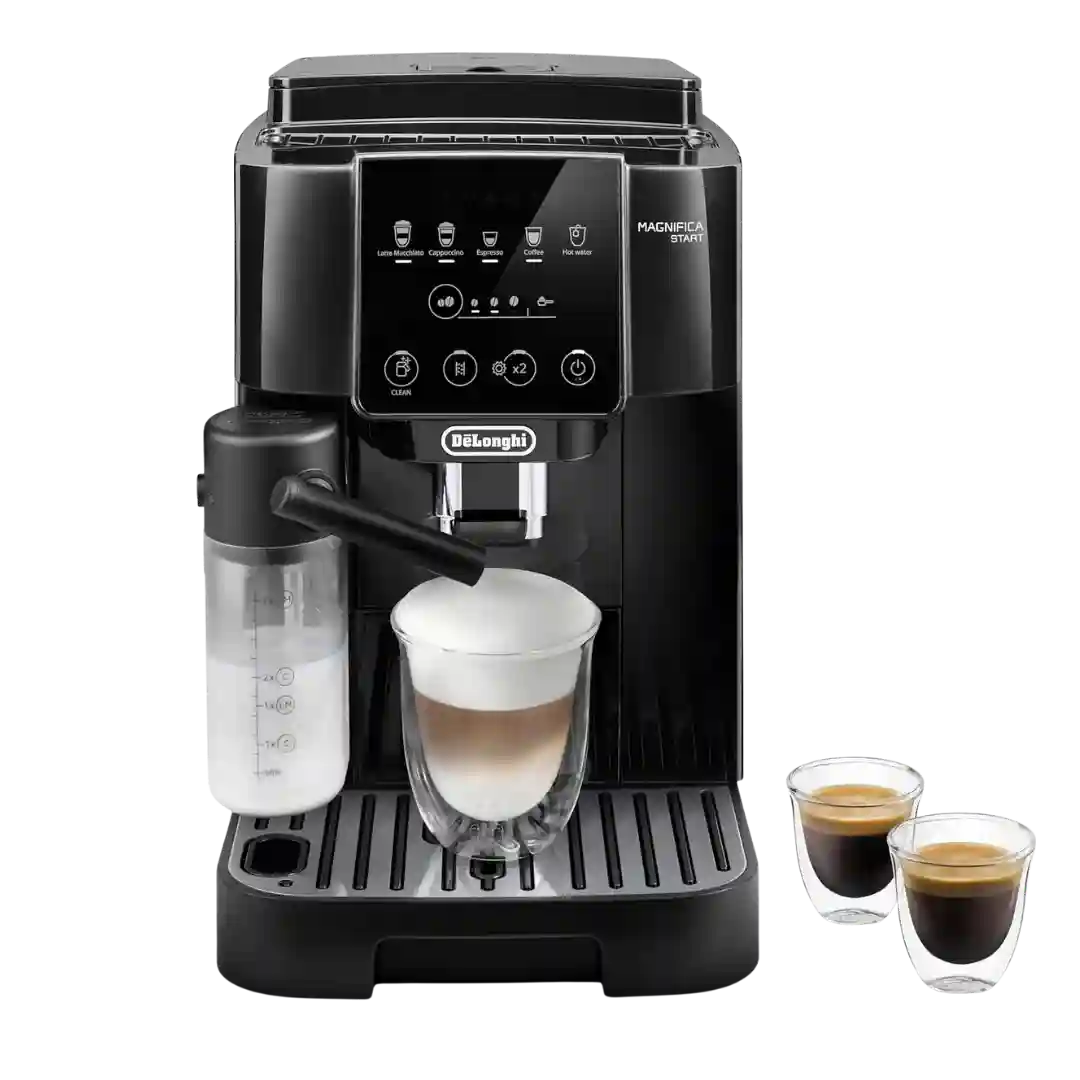
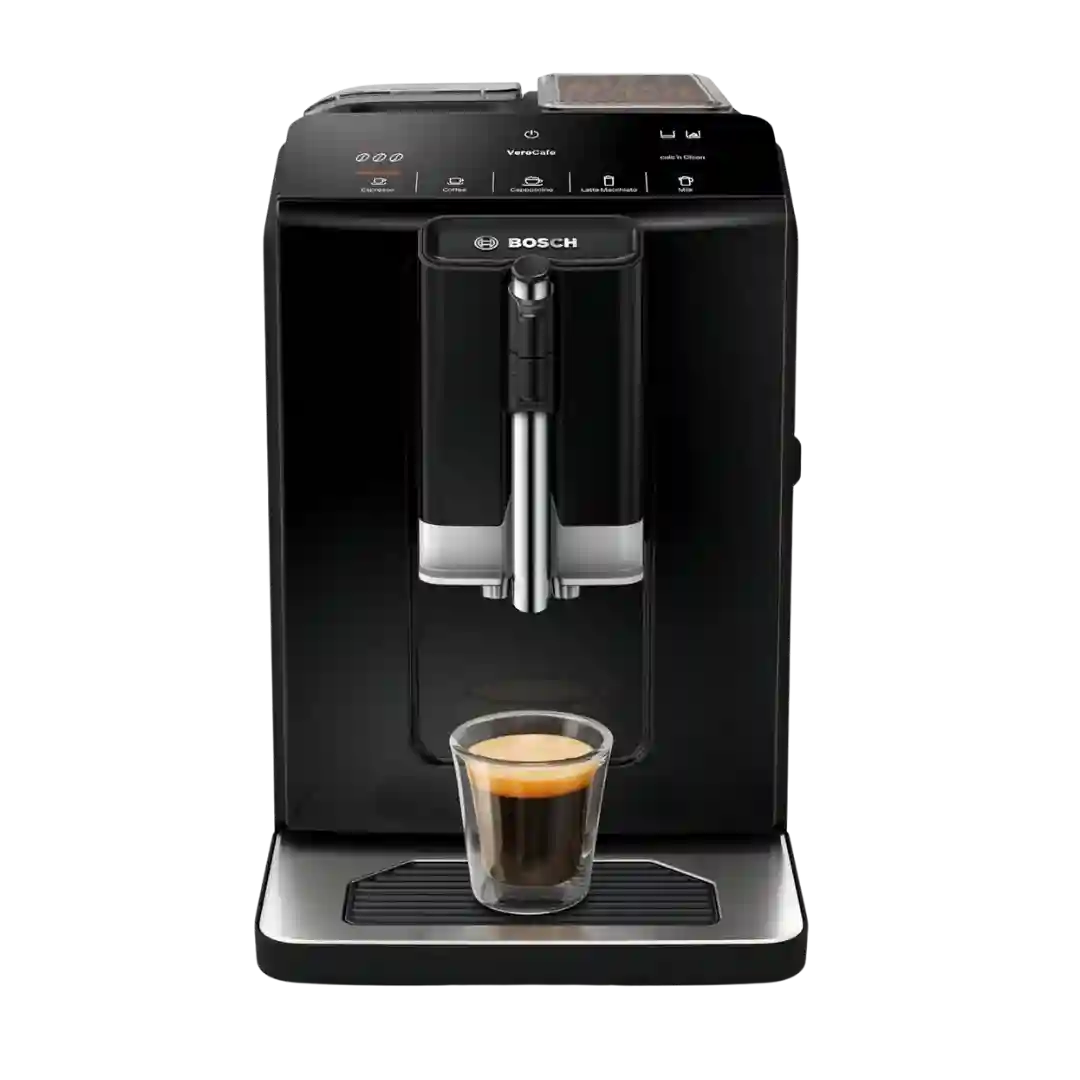
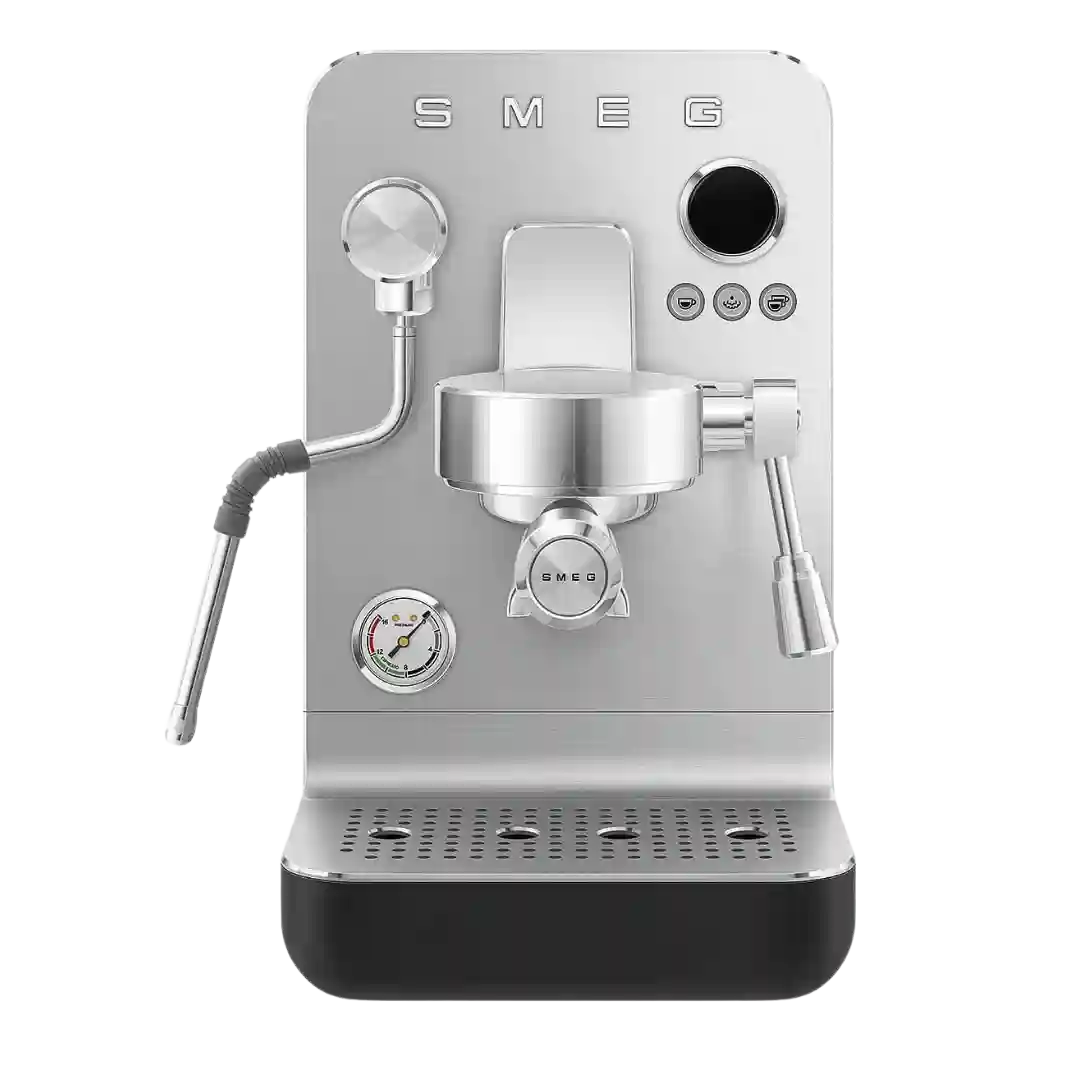
The removable bean hopper and purge system are standout differentiators, and reviewers also praise dosing flexibility, grind adjustment, and the ability to switch beans more cleanly than usual.
The grinder system is a standout: PRG-style auto adjustment and strong dosing control are repeatedly credited for improving drink-to-drink results and supporting both hot and cold profiles (426, 4050, 4057, 14546). Most reviewers describe it as smart, capable, and well-matched to the recipe menu.
The grinder and hopper system is a headline feature: interchangeable dual hoppers make regular/decaf switching simple, and reviewers mention 13-14 grind settings plus on-screen guidance. Tradeoffs include residual beans in the grinder (sometimes requiring a purge) and occasional complaints about grinder noise.
The grinder and dosing system get favorable comments for ease and repeatability, with features like quiet grinding, automatic dosing, and the removable/swappable hopper. Some reviews mention a max dose around 15g, which is good for a super-auto but still a limit for certain preferences.
The conical burr grinder (often cited as 13 settings) is praised for being quiet and capable of grinding fine enough for richer espresso, with easy strength control via the aroma/dose settings.
The integrated grinder and volume-based dosing system earns praise for convenience and helpful grind guidance. Common critiques include mess/static, limited upgradeability since the grinder is built in, and the hassle of swapping beans (for decaf or variety) with a single-hopper workflow.
The conical-burr grinder and dosing system get strong marks for consistency and (on Silence models) reduced noise via sound insulation. Grind adjustment is limited to a small number of steps, and multiple sources caution against oily beans.
The integrated conical burr grinder with 13 settings is repeatedly cited as a key upgrade, with enough range to improve espresso after adjustment. Dosing is often praised for allowing stronger drinks, but some note grinder noise, a lack of a hopper seal, and the absence of a dual-bean system for easy decaf switching.
The ceramic grinder and multiple grind settings are viewed as capable for everyday dialing-in, with some notes about noise and the limits of ultra-fine control.
The conical-burr grinder is widely praised for grinding fine enough to produce real espresso-like extraction and for offering many steps. Downsides mentioned are loud operation, a not-airtight hopper cover in one review, and potential clogging in the pre-ground chute if used.
The ceramic conical grinder with multiple settings is often viewed as durable and quieter than older Philips units; dosing is simple and consistent, with a pre-ground bypass for decaf.
The built-in steel conical burr grinder with 13 settings is widely viewed as a strong point, giving useful range and repeatability. Limitations mentioned include noise during grinding, a hopper that is not airtight or removable, and reduced success when trying to brew with very fine grinds compared with higher-end De’Longhi models.
The built-in burr grinder and removable hopper are widely praised for convenience and adjustability. The main knock is that grounds can stick due to oils/static, the chute may clog or scatter grounds, and the grinder is dedicated to this machine (not a standalone grinder).
At least one review emphasizes using a scale and paying attention to grind selection, reinforcing that dosing and grind choice still matter even with the forgiving pressurized design.
The built-in conical burr grinder with 25 settings and adaptive dosing is a major convenience win, and most reviewers find it capable for everyday espresso. Critiques focus on precision at the extremes: light-roast dialing can be finicky, and dose memory may need to re-learn after big grind changes.
The integrated grinder is widely treated as a real convenience, with reviewers noting stepped adjustments and a workable range for dialing in espresso. Tradeoffs mentioned include the limits of an all-in-one grinder (retention, static or clumping depending on beans) and that perfectionists may still prefer a separate grinder.
The built-in grinder and dosing sensor are viewed as a strong match for the guided workflow, with enough grind settings for dialing-in typical espresso. It is convenient and consistent, though not as tweakable as a dedicated standalone grinder.
The 13-step conical burr grinder is viewed as capable and quick, though often noisy; dosing can feel limited versus pricier machines, and swapping beans mid-hopper can be inconvenient.
The integrated conical burr grinder and grind-by-weight dosing are repeatedly praised for improving consistency and reducing fuss. Noise and retention come up occasionally, but overall the grinder is viewed as capable for the class.
The built-in grinder is convenient and capable for common medium roasts, but 15 grind steps are seen as limiting compared with rivals. Multiple sources note the bean hopper and burrs are difficult to access for thorough cleaning, and one reviewer reports a grinder failure.
The integrated grinder is a major value add and can produce strong results, but stepped adjustment, retention/clumping, and a bit of mess are recurring critiques as users become more advanced.
The steel conical burr grinder (often cited with 13 settings) earns praise for consistency, but it is frequently described as loud. Some notes include an unsealed hopper, a relatively small dose compared with higher-end De'Longhi machines, and very fine settings that can choke or underperform depending on beans.
The ceramic grinder is often called quiet, but grind control is frequently described as very limited (often 1-3 settings) with no pre-ground bypass, making it hard to tune for light roasts or specific tastes.
The machine expects a separate, capable grinder rather than handling grinding itself, and several reviewers frame grinder choice as important to getting the best from it.
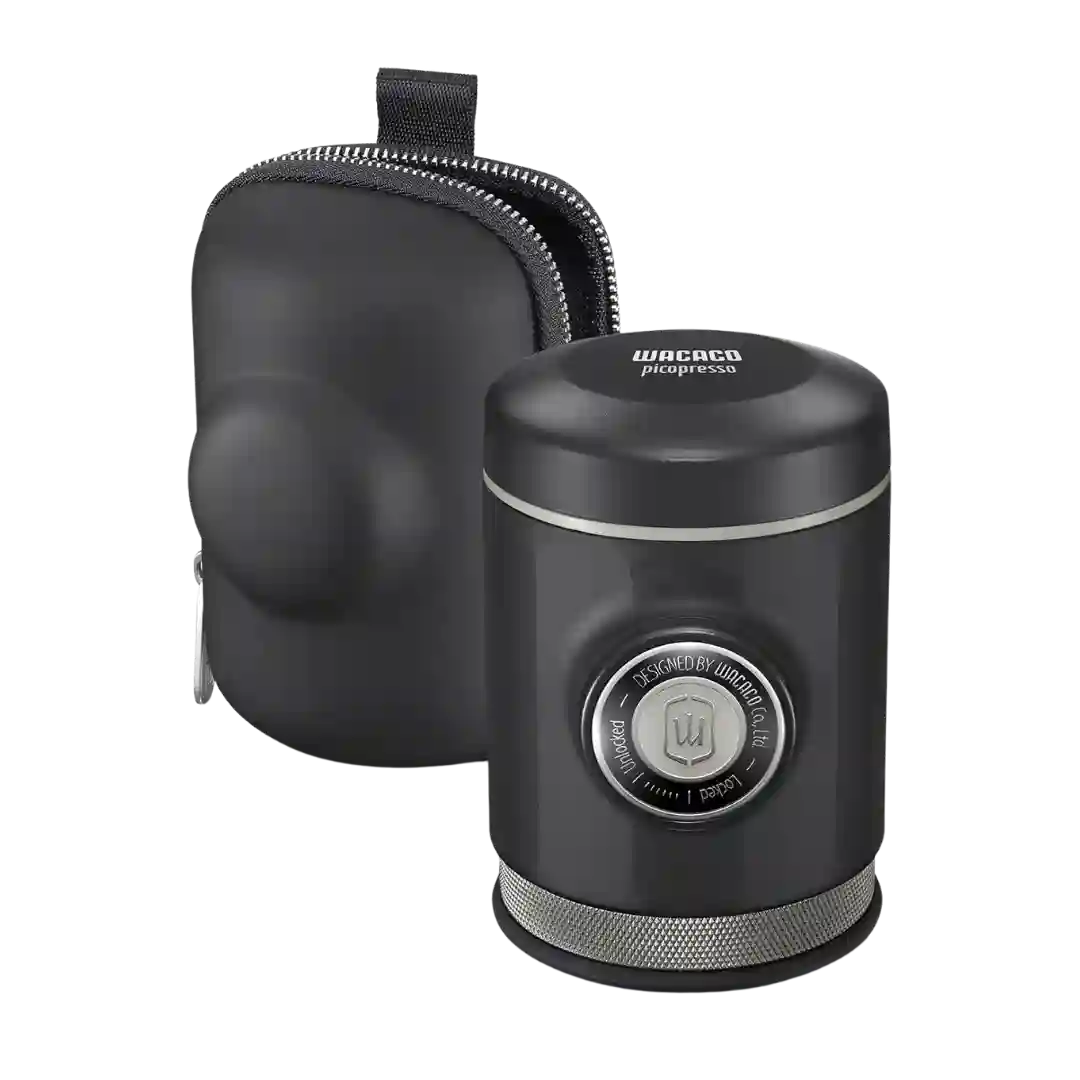
The Picopresso is highly grinder-dependent. Reviews repeatedly say a capable espresso grinder and careful dosing matter a lot, and while the included funnel and tools help, this brewer does not hide poor grind quality or sloppy puck prep.
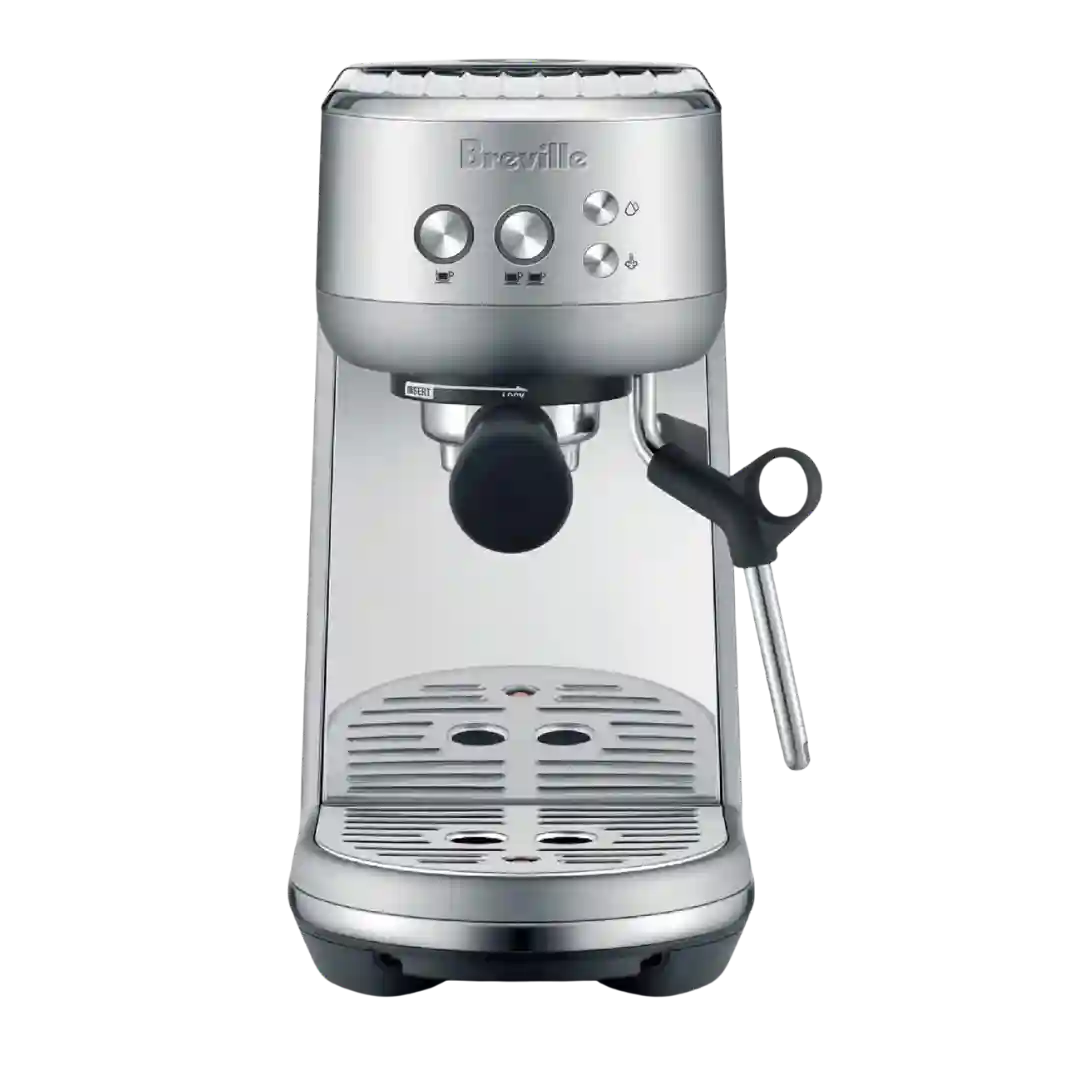
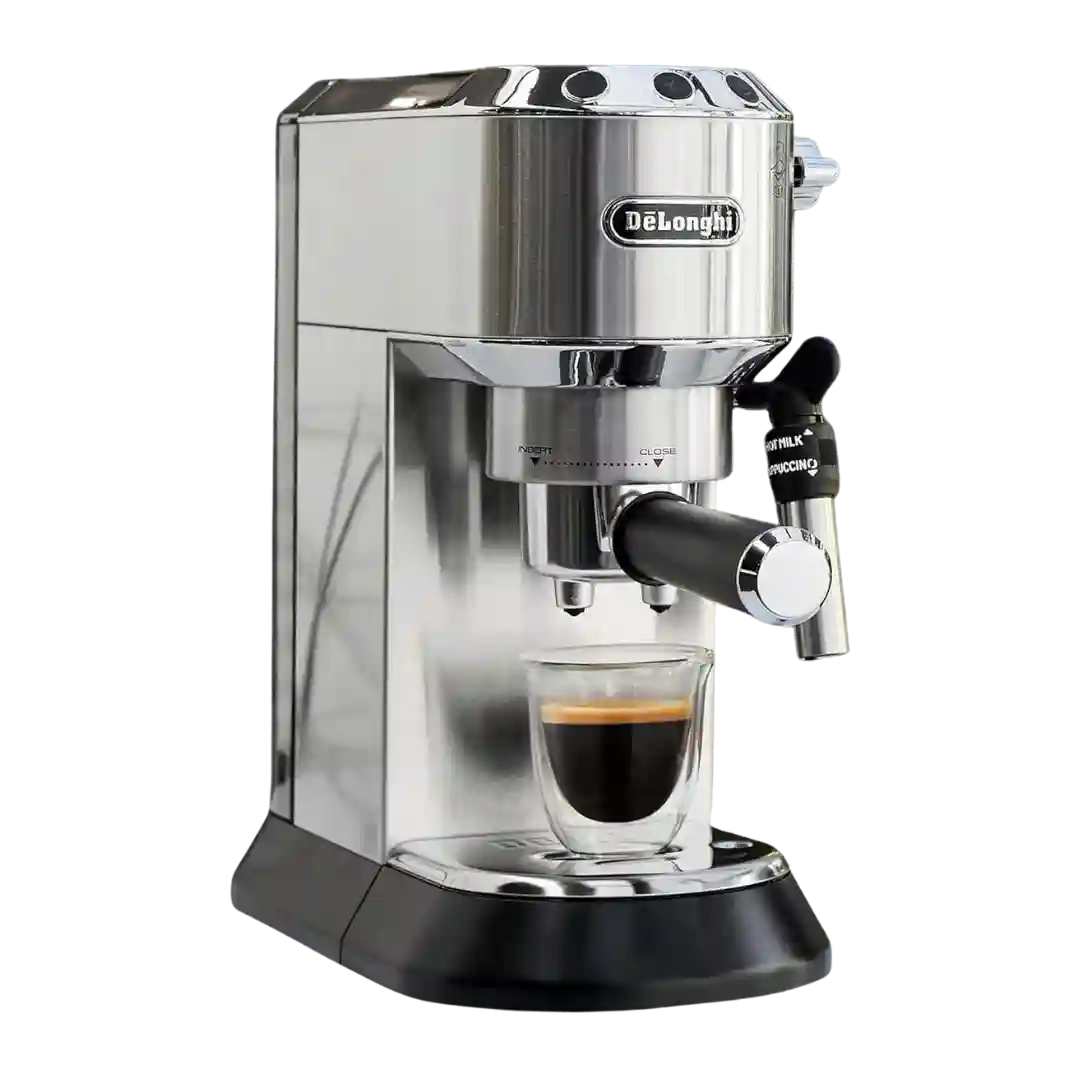
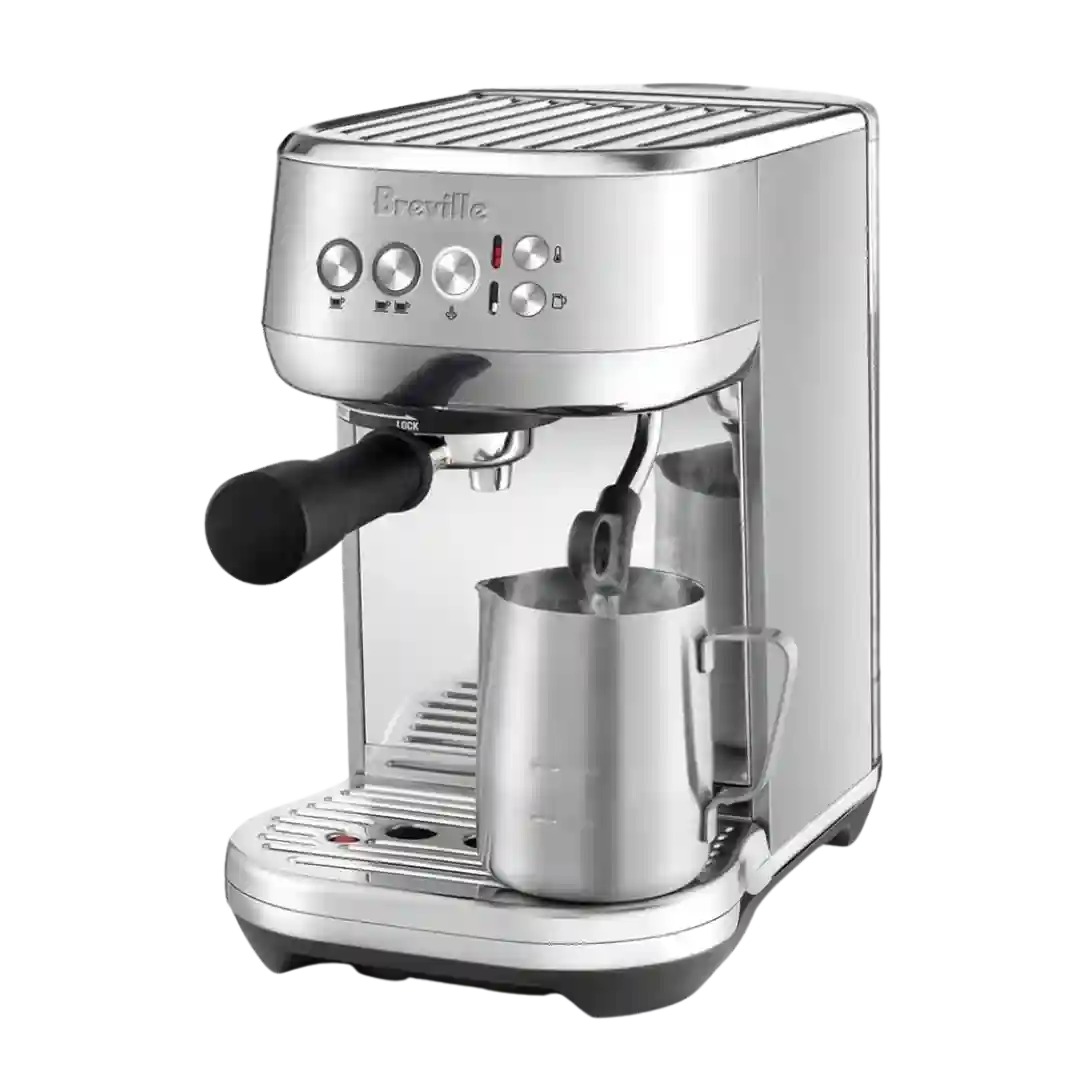
The biggest functional omission is the lack of a built-in grinder or dosing system. Reviewers consistently warn that results jump dramatically with a proper espresso grinder, though pressurized baskets can bridge the gap for pre-ground coffee.
A recurring theme is the lack of a built-in grinder: you can use pre-ground coffee with pressurized baskets, but better results and non-pressurized setups strongly benefit from an external grinder. Several reviews explicitly call the grinder upgrade essential for pushing quality higher.
The machine does not include a built-in grinder, and reviewers repeatedly emphasize pairing it with a decent grinder for best results. Pressurized baskets can work with pre-ground coffee, but they trade away some flavor and control.
There is no built-in grinder, so results hinge on your external burr grinder and fresh beans. Reviewers repeatedly frame a grinder upgrade as the biggest quality jump, especially if you want to move beyond pressurized, pre-ground-friendly workflows.
There is no built-in grinder or dosing system. Multiple reviewers emphasize that grind quality and grind size matter a lot, meaning you will get the best results only if you already have or buy a capable grinder.
A grinder is not built in, and multiple reviewers rely on pre-ground coffee or an external grinder; grind fineness is frequently linked to hitting the ideal pressure-gauge range. This adds a step for anyone who wants to improve shot quality.
Several reviews explicitly note there is no built-in grinder or hopper, so you will need pre-ground coffee or a separate grinder to take full advantage of the precision dosing.