Best for Hair-removal channel issues
Dyson Ball Animal 3 Upright Vacuum
5.0 feature score
Highest scored product for this feature based on supporting review evidence.
Highest scored product for this feature based on supporting review evidence.
Balances feature score, supporting reviews, and overall product strength.
Has the broadest review evidence for this feature.
Strongest overall product among items with scored evidence for this feature.
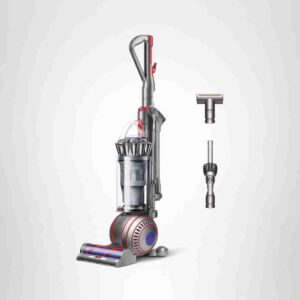
Hair-removal maintenance is strong because reviewers reported little need for cutting wrapped hair away.
Pros: Support and Reliability, Ongoing ownership costs (bags
Cons: Cordless convenience, Cord management
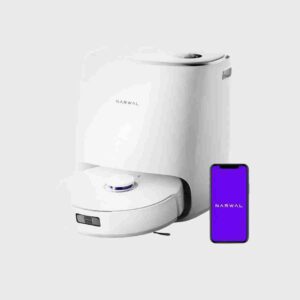
Hair-removal channel evidence is excellent because reviewers found no hair on the main brush or no clogging in tangle tests.
Pros: Accessories and Tools, Storage footprint and upright-stand stability
Cons: Heating element, Suitability for heavy-duty use
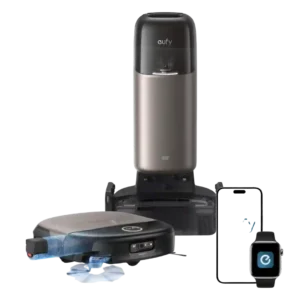
The center hair channel works as intended, directing strands toward the suction port instead of trapping them. Test rollers remained nearly free of wrapped hair.
Pros: Pet-Ready Features, Filtration / Dust Containment
Cons: Ongoing ownership costs (bags, filters
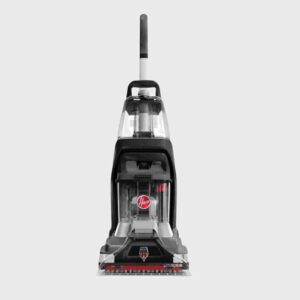
Hair cleanup around the brush/channel was praised as very easy with the included cleaning tool.
Pros: Pet-Ready Features, Tool-change simplicity
Cons: Overall durability/longevity, Build quality and durability
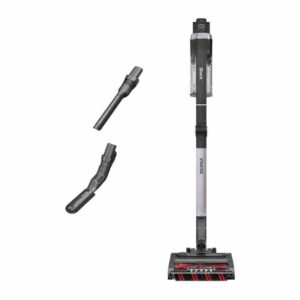
Hair-removal channel issues were minimal in a long home test, with no hair wrapped around the roller brush after weeks of use.
Pros: Filtration / Dust Containment, Build quality and durability
Cons: Support and Reliability, Suitability for heavy-duty use
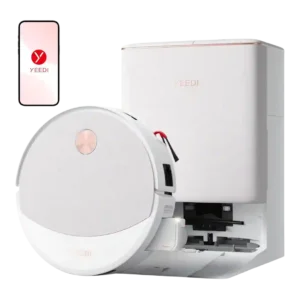
Hair-removal channel behavior was positive, with hair not getting tangled or stuck in testing.
Pros: Hair-removal channel issues, Hair‑Wrap / Tangle Resistance
Cons: Accessories and Tools, Stair Cleaning
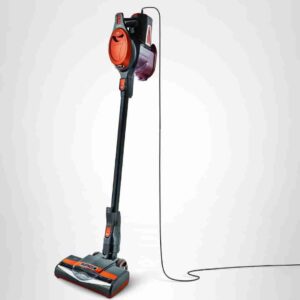
Hair removal from the brush roll was praised when grooves or removable parts made cutting and cleanup easier.
Pros: Battery and Charging, Runtime
Cons: Onboard tool storage, Stuck resistance
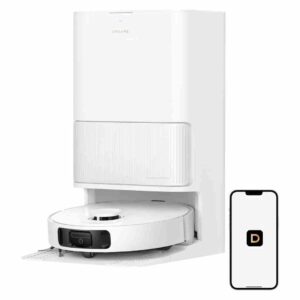
Hair-removal channel performance was positive, with hair falling off the brushes and being sucked into the dust bin.
Pros: Hair‑Wrap / Tangle Resistance, Aesthetic design and finish
Cons: Dirty water sensor, Scratch resistance
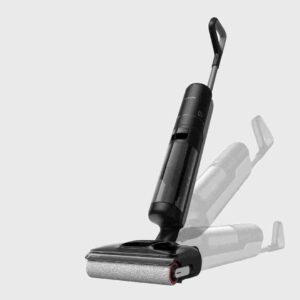
Hair-removal channel performance was praised because the roller scraper skillfully freed hair from the cleaning roller.
Pros: Accessories and Tools, Streaking / Residue
Cons: Convertible handheld design, Clogging and debris prevention
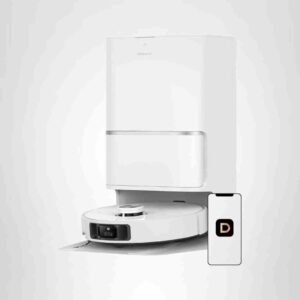
Hair-removal channel issues were addressed well by the TriCut brush preventing suction-tube blockage.
Pros: Energy efficiency (kWh), Stuck resistance
Cons: Support and Reliability, Streaking / Residue
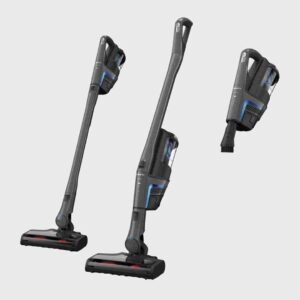
Hair-removal maintenance is viewed positively where the brush roller can be removed or cut clean, though this does not mean tangles are prevented.
Pros: Stair Cleaning, Innovation compared to competitors
Cons: Hair‑Wrap / Tangle Resistance, Bin and Bag
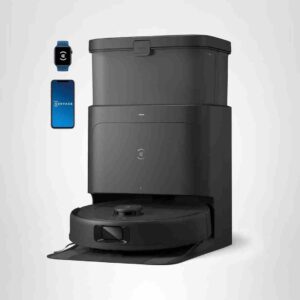
Hair-removal channel issues were minimal in one test because longer hair did not require manual removal.
Pros: Pet-Ready Features, Battery and Charging
Cons: Stair Cleaning, Emptying and Mess Control
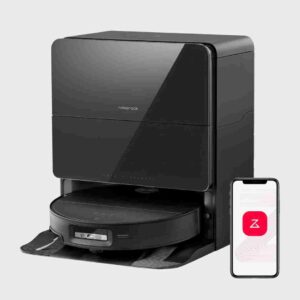
One reviewer praised the hair-removal channel design for drawing hair off the rollers and into the bin.
Pros: Noise level, Tool-change simplicity
Cons: Ongoing ownership costs (bags, filters
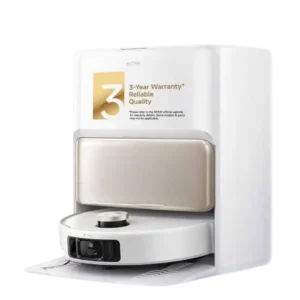
Hair-channel issues are mostly well controlled, though a few reviewers still found occasional long hairs or recommended monthly checks.
Pros: Accessories and Tools, Hard Floor — Fine Dust Pickup
Cons: Airflow blowback, Scratch resistance
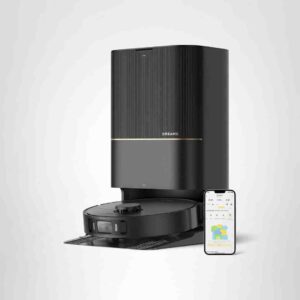
Hair-removal maintenance was mostly positive, though one reviewer still had to remove hair from roller ends.
Pros: Heating element, Floor shine after cleaning
Cons: Support and Reliability, Suitability for small spaces
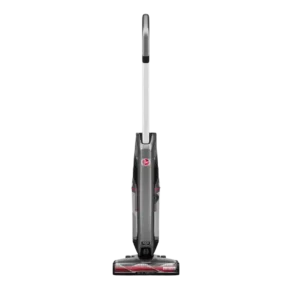
Hair-removal access is positive, with reviewers praising the brush-roll groove and tool-free access for cutting hair away.
Pros: Storage footprint and upright-stand stability, Assembly and Setup
Cons: Convertible handheld design, Upholstery / Above-Floor Pickup
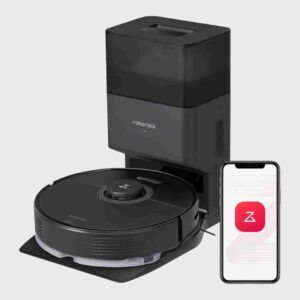
Hair-removal maintenance benefited from detachable roller ends in one review.
Pros: Privacy controls, Tool-change simplicity
Cons: Mop lifting system, Dock noise
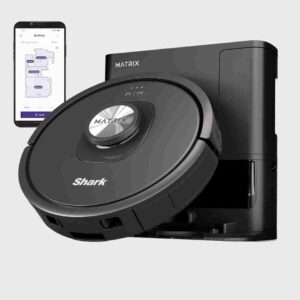
Remaining wrapped hair was described as easy to remove, keeping hair-removal maintenance manageable in that test.
Pros: Overall cleaning convenience, Crevice / Groove Pickup (Hard Floors)
Cons: Filtration / Dust Containment, Noise level
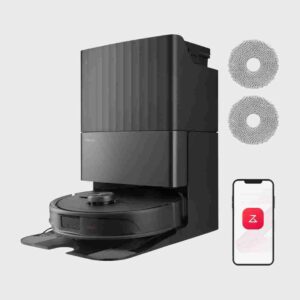
Hair-removal features may reduce maintenance, but owner evidence also showed hair accumulating in bearings and sockets.
Pros: Hair Pickup — Hard Floors, Emptying and Mess Control
Cons: Filtration / Dust Containment, Bin and Bag
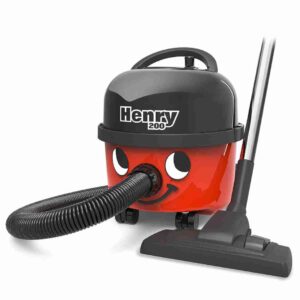
Hair-related maintenance was mixed: one reviewer liked easy wheel maintenance, while another noted pet hair sticking to lint pickers.
Pros: Overall durability/longevity, Price and Value
Cons: Pet-Ready Features, Stair Cleaning
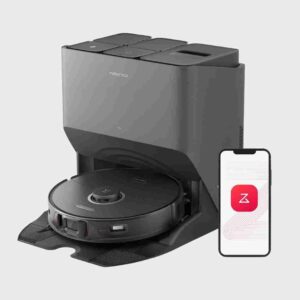
Hair removal from the brush area was easier than usual because removable brush ends let tangled hair slide off.
Pros: Ease of use, Overall cleaning convenience
Cons: Scratch resistance, Fresh Liquid Pickup Speed
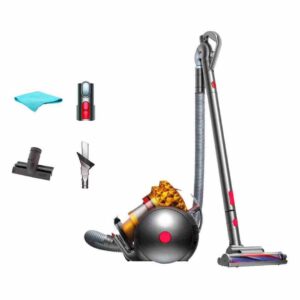
Hair-removal channel evidence is limited but positive, with the owner describing excess hair removal as easy.
Pros: Pet-Ready Features, Noise level
Cons: Hard Floor — Large Debris Intake, Area Rug Handling
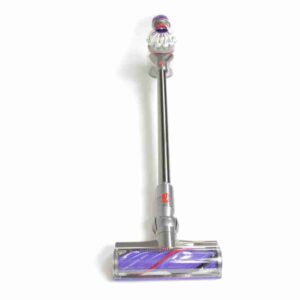
Hair removal from the brush was manageable in the one review that discussed it, taking about a minute to clear.
Pros: Suction and Airflow, Noise level
Cons: Hard Floor — Large Debris Intake, Suitability for heavy-duty use
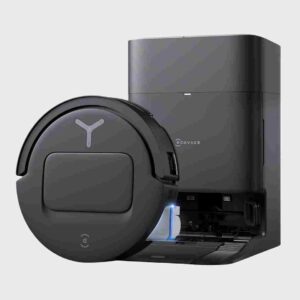
Hair-removal channel issues are minimal in the review that said intervention was barely needed.
Pros: Innovation compared to competitors, Hard Floor — Large Debris Intake
Cons: Emptying and Mess Control, Cord management
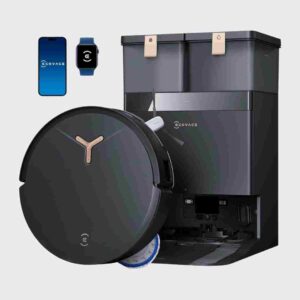
Hair-removal channel design was helpful in one review because hair gathered in a way that was easy to snip and remove.
Pros: Packaging quality, Dried-On Stain Removal
Cons: Overall durability/longevity, Support and Reliability
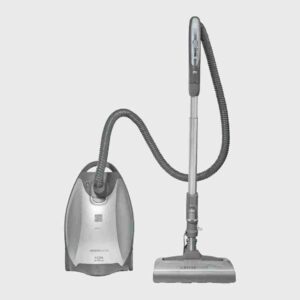
Hair-removal channel evidence is limited but positive in one review describing no-tangle pet-hair handling.
Pros: Crevice / Groove Pickup (Hard Floors), Hard Floor — Large Debris Intake
Cons: Comparative performance, Odor control
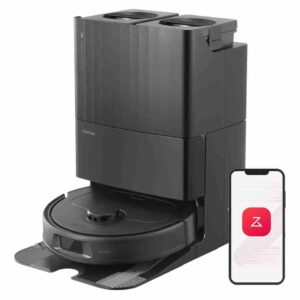
Hair-removal maintenance was positive because the roller design made wrapped hair easy to remove.
Pros: Versatility, Floor shine after cleaning
Cons: Odor control, Stuck resistance
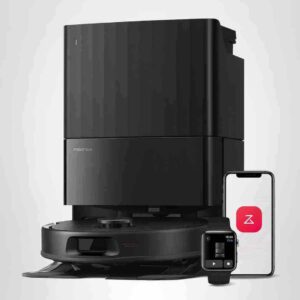
Hair-removal channel design is positive because hair that reaches the ends is described as easy to remove.
Pros: Assembly and Setup, Self-cleaning cycle
Cons: Odor control, Fresh Liquid Pickup Speed
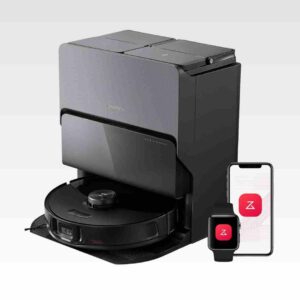
Hair-removal channel behavior improved over a prior S8 but still sometimes required roller clearing.
Pros: Filtration / Dust Containment, Bin and Bag
Cons: Price and Value, Tool-change simplicity
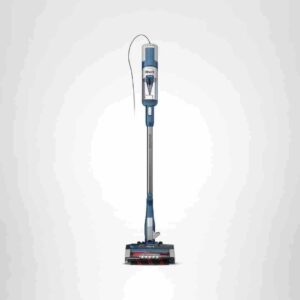
Hair-removal channel evidence is mixed-to-positive: some tangles remained in Modern Castle tests, while BestReviews reported no tangles after pet-brush use.
Pros: Carpet — High-Pile Pickup, Hair Pickup — Carpets
Cons: Cord management, Bin and Bag
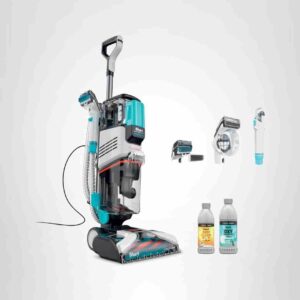
Hair-removal channels were mixed: the hair cage was praised, but another reviewer struggled to remove clumps from a narrow cover.
Pros: Pet-Ready Features, Clogging and debris prevention
Cons: Wool carpet compatibility, Noise level
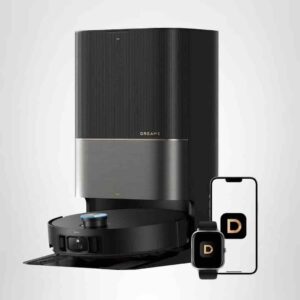
Hair-channel evidence was mixed in one synthetic-hair test: the brush had zero tangles, but hair collected on a wheel axle.
Pros: Hair Pickup — Carpets, Noise level
Cons: Crevice / Groove Pickup (Hard Floors), Edge‑Following Accuracy (Robot)
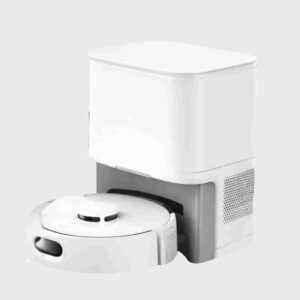
Hair removal around the roller was manageable but not perfect; hair collected at the sides even though it was easy to remove.
Pros: Edge and Baseboard Cleaning (Hard Floors), Innovation compared to competitors
Cons: Dried-On Stain Removal, Carpet — High-Pile Pickup
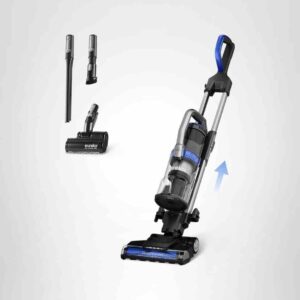
Hair-removal maintenance was mixed: removable or easy-care brushroll comments were positive, while lab testing still found hair that required cutting off.
Pros: Suitability for heavy-duty use, Surface safety with attachments
Cons: Onboard tool storage, Cord management
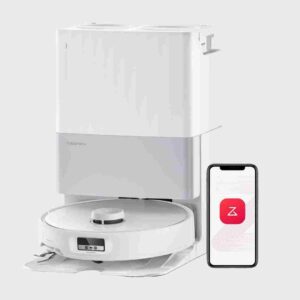
Hair-removal channeling works, but one reviewer wished the robot fully sucked hair away instead of requiring manual removal.
Pros: Assembly and Setup, Clogging and debris prevention
Cons: Solution / Liquid system, Suitability for heavy-duty use
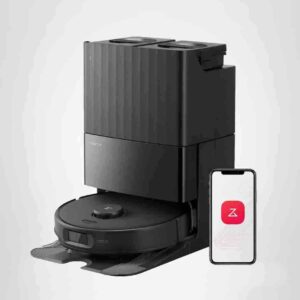
Hair-removal channel evidence was mixed: the design centralized hair and made it easy to remove, but did not fully suck it all in during a stress test.
Pros: Clogging and debris prevention, Floorhead design
Cons: Adaptive chassis lift, Solution / Liquid system
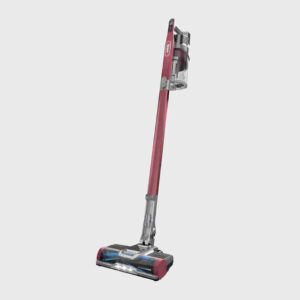
Hair-removal channel evidence was mixed because the vacuum avoided wrap but could leave long hairs around the cone that needed grabbing.
Pros: Overall durability/longevity, Build quality and durability
Cons: Packaging quality, Hard Floor — Large Debris Intake
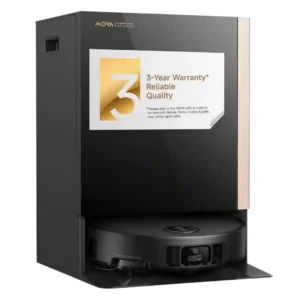
Hair-removal channel issues were mixed, with some reviewers seeing no clumping and others seeing clumps under heavier hair tests.
Pros: Obstacle Avoidance (Robot), Carpet — Medium-Pile Pickup
Cons: Dirty water sensor, Runtime
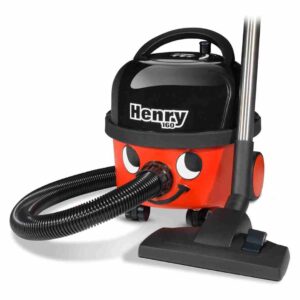
Hair-removal issues appeared occasionally: reviewers noted hair could stick to the tool or catch in an attachment even when pickup was otherwise good.
Pros: Low-profile design, Overall durability/longevity
Cons: Bag-full indicator, Cordless convenience
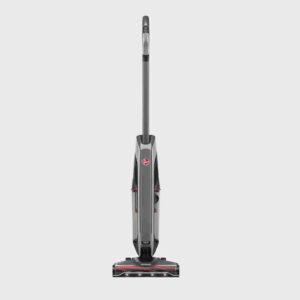
Hair-removal channel feedback was mixed, with praise for the smart Tangle Guard access but criticism that older brushroll hair buildup required cleaning.
Pros: Ease of use, Carpet — Medium-Pile Pickup
Cons: Upholstery / Above-Floor Pickup, Accessories and Tools
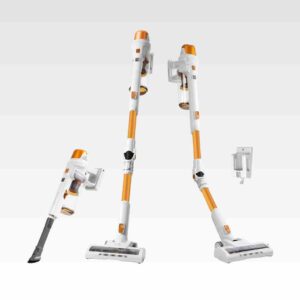
Hair-removal channel issues were mixed: one reviewer expected scissor cleanup, while another found long-hair tangling better than budget rivals.
Pros: Tool-change simplicity, Assembly and Setup
Cons: Crevice / Groove Pickup (Hard Floors), Carpet — High-Pile Pickup

Hair-removal channel performance was good but not flawless, with one reviewer noting remaining limitations.
Pros: Kid-friendliness, Reverse cleaning performance
Cons: Solution / Liquid system, Low-profile design
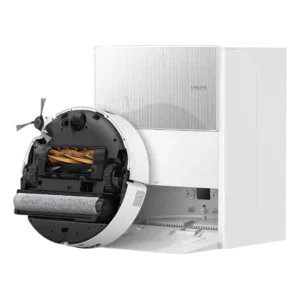
Reviewers raised notable concerns about Hair-removal channel issues, with evidence emphasizing performance, reliability, or usability drawbacks.
Pros: Hair‑Wrap / Tangle Resistance, Versatility
Cons: Stair Cleaning, Clogging and debris prevention
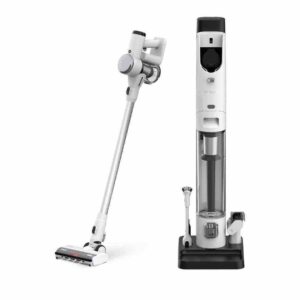
Hair-removal issues remained a caveat: long hair, string, and dust clumps could still stick or require manual clearing despite strong tangle resistance.
Pros: Innovation compared to competitors, Hair Pickup — Hard Floors
Cons: Edge and Baseboard Cleaning (Hard Floors), Dock noise
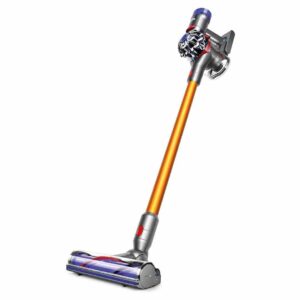
Hair-removal channel feedback was mixed to negative due to hair wrapping or needing to pull lingering hair from the bin.
Pros: Assembly and Setup, Packaging quality
Cons: AI, Smart
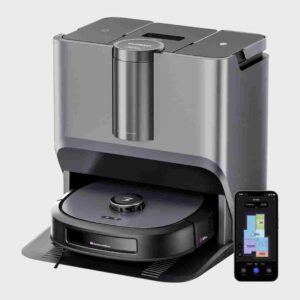
Hair-removal maintenance was mixed to negative because tools help, but reviewers still described detangling as an extra step.
Pros: Packaging quality, Versatility
Cons: Carpet — Medium-Pile Pickup, Support and Reliability
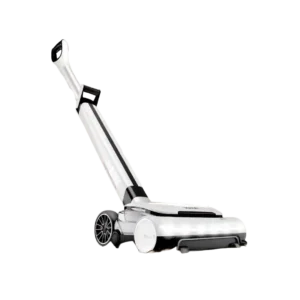
Hair-removal maintenance is mixed: the included tool was easy in one review, but another found hair or debris still trapped.
Pros: Hair Pickup — Hard Floors, Cordless convenience
Cons: Accessories and Tools, Convertible handheld design
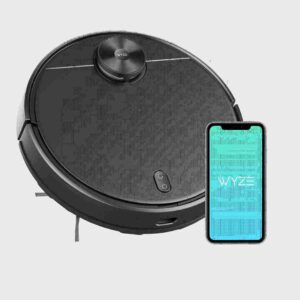
Hair-removal channel issues appeared in hair collecting around the brushroll and weaker hair-tangle resistance.
Pros: Hard Floor — Large Debris Intake, Edge and Baseboard Cleaning (Hard Floors)
Cons: Mopping performance, Clogging and debris prevention
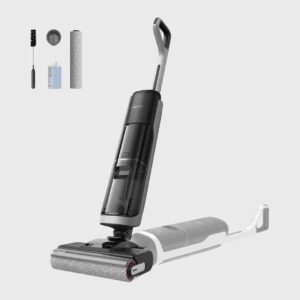
Hair-removal channel evidence was mixed because hair and fur could still get stuck, even if cleaning was manageable.
Pros: Convertible handheld design, Under-Furniture Pickup
Cons: Sanitizing performance, Debris illumination
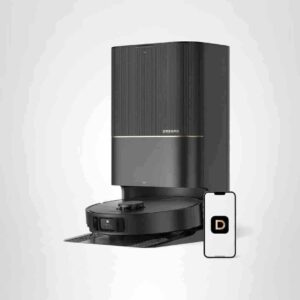
Hair can collect in a crevice near the wheelbase, though removal was manageable.
Pros: Edge‑Following Accuracy (Robot), Support and Reliability
Cons: Ongoing ownership costs (bags, filters