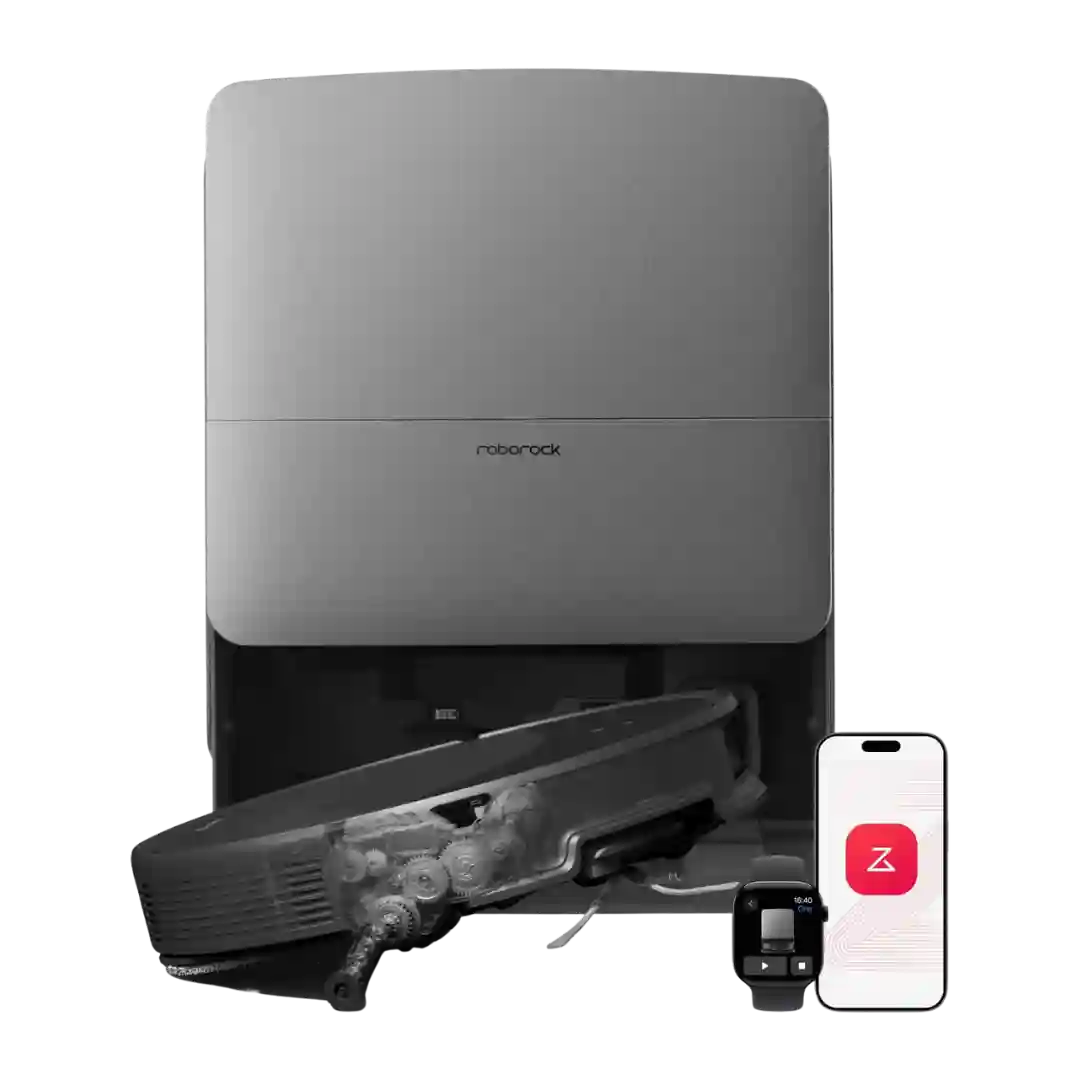
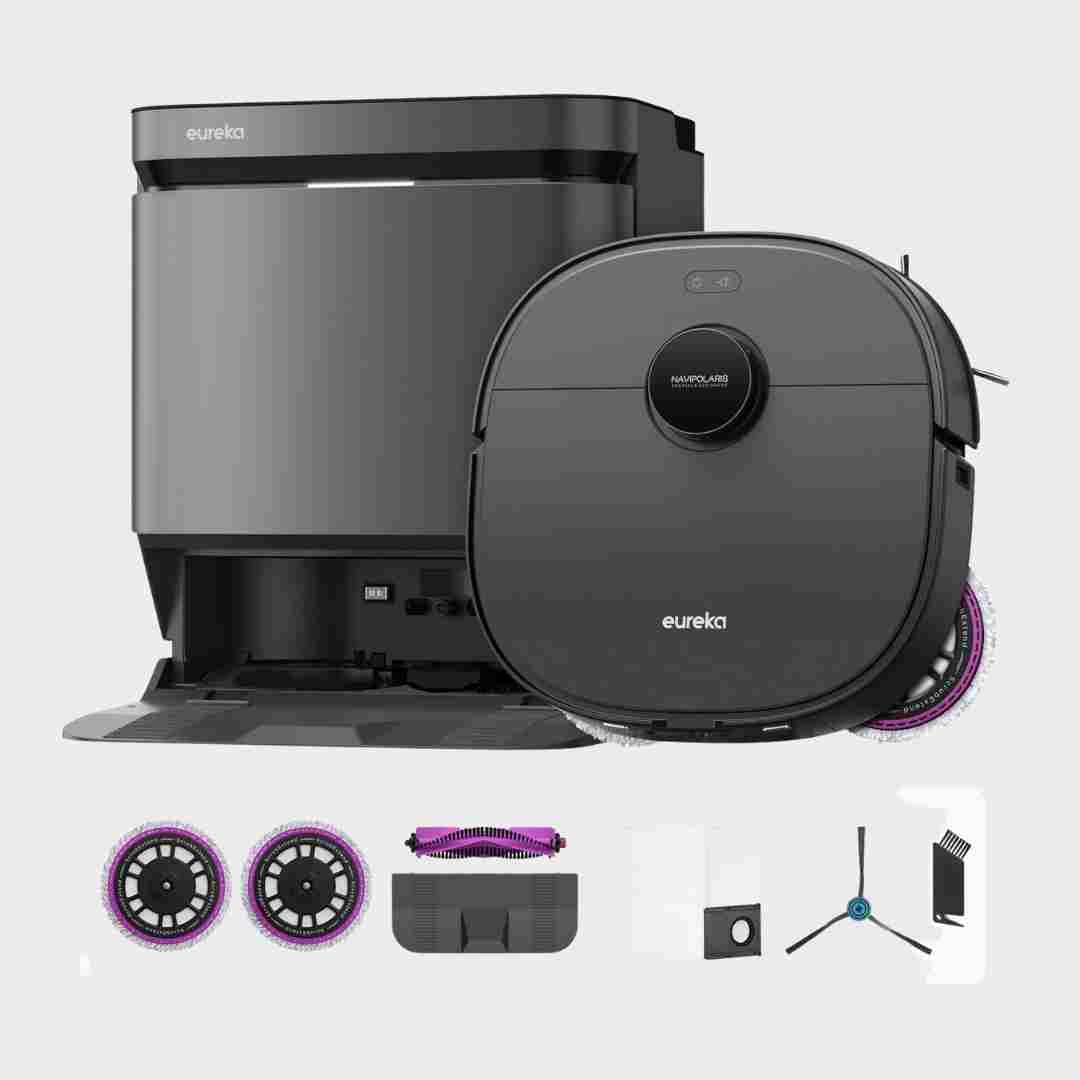
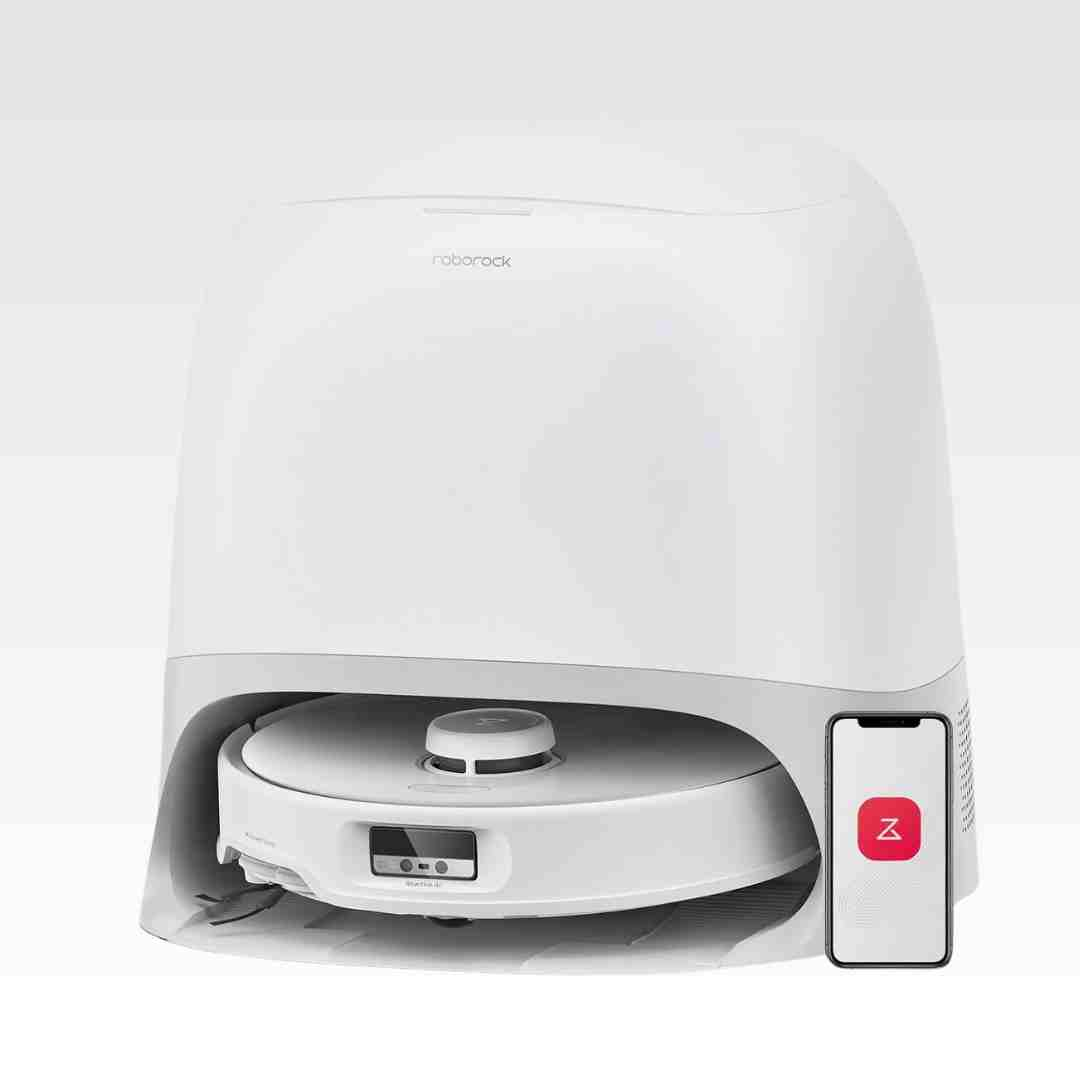
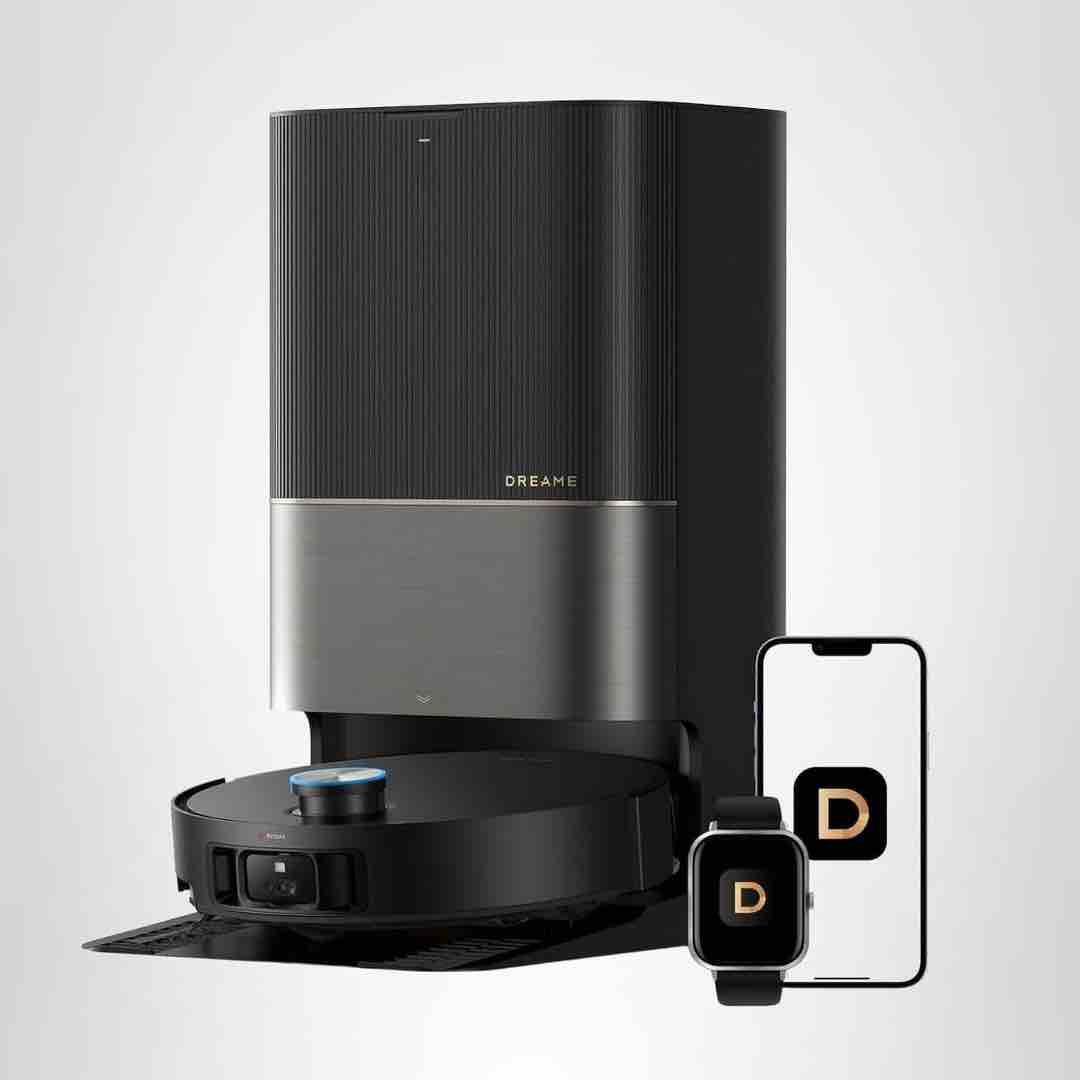
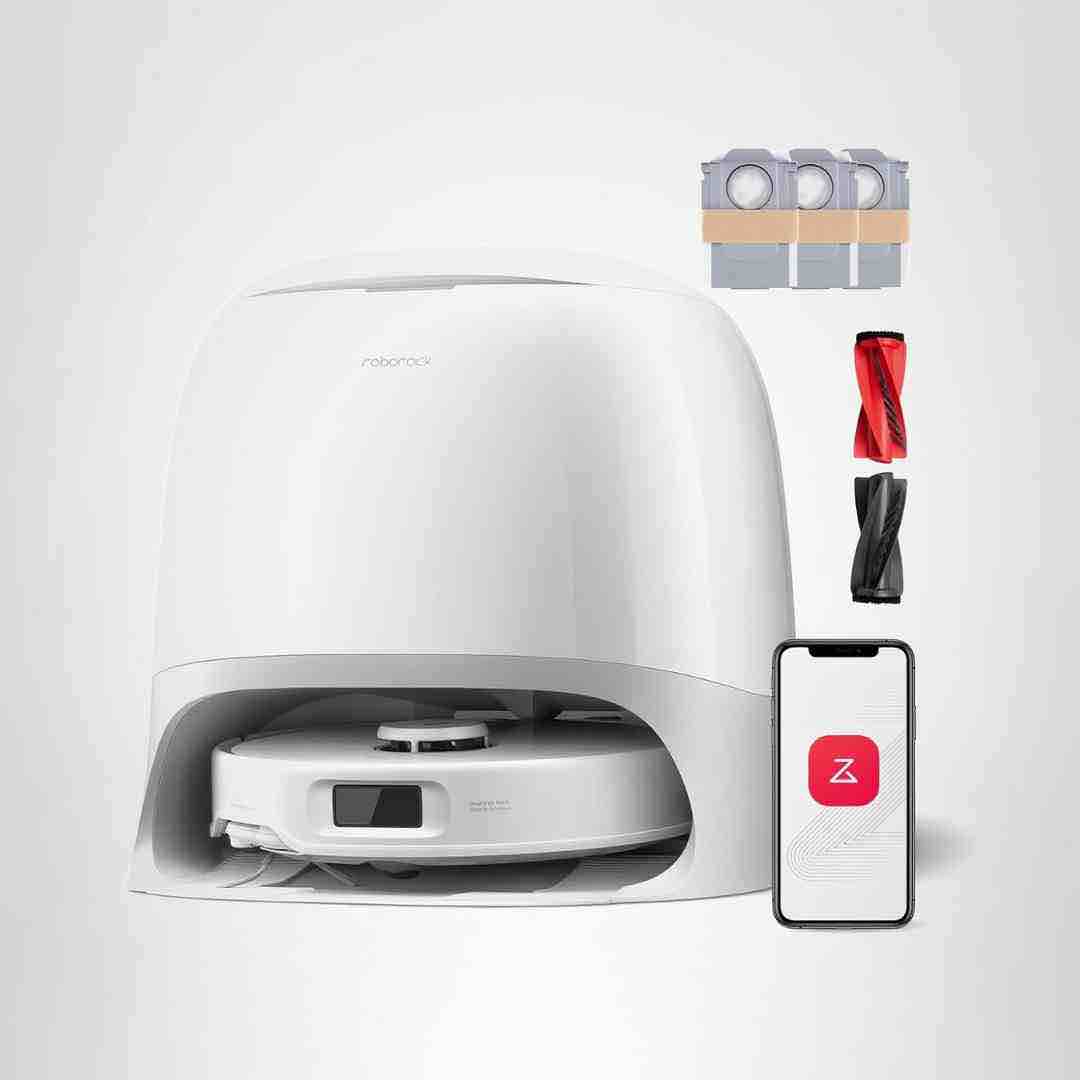
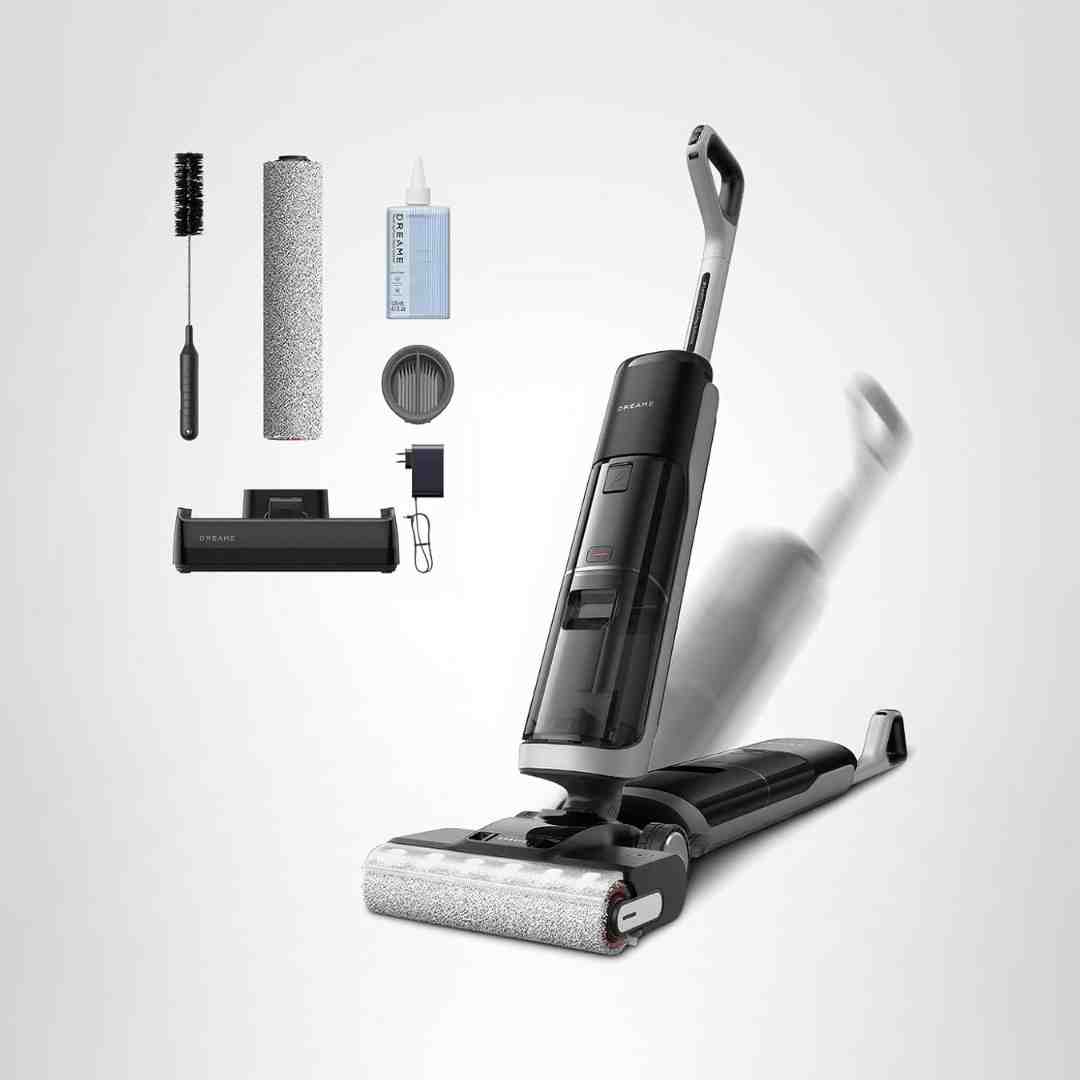
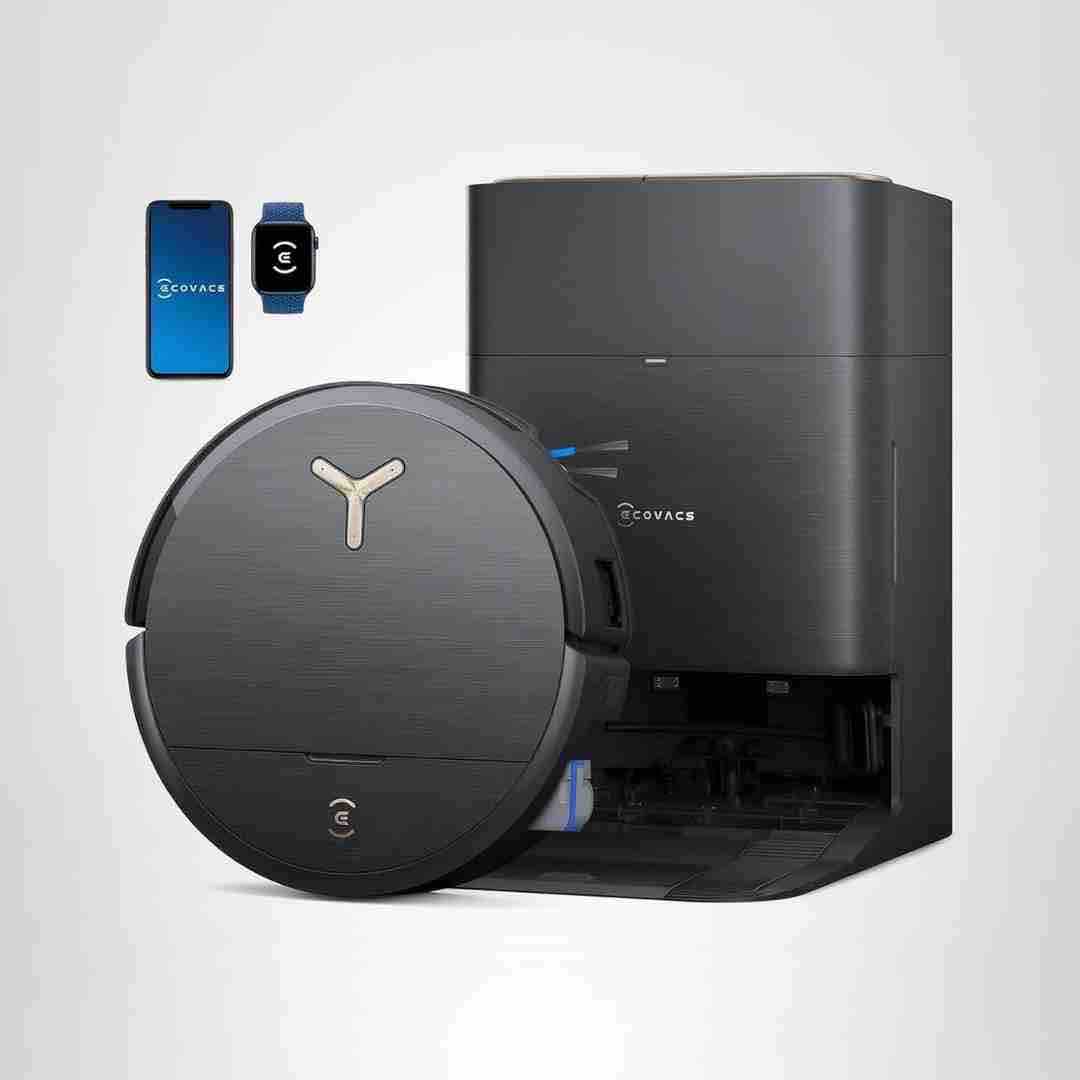
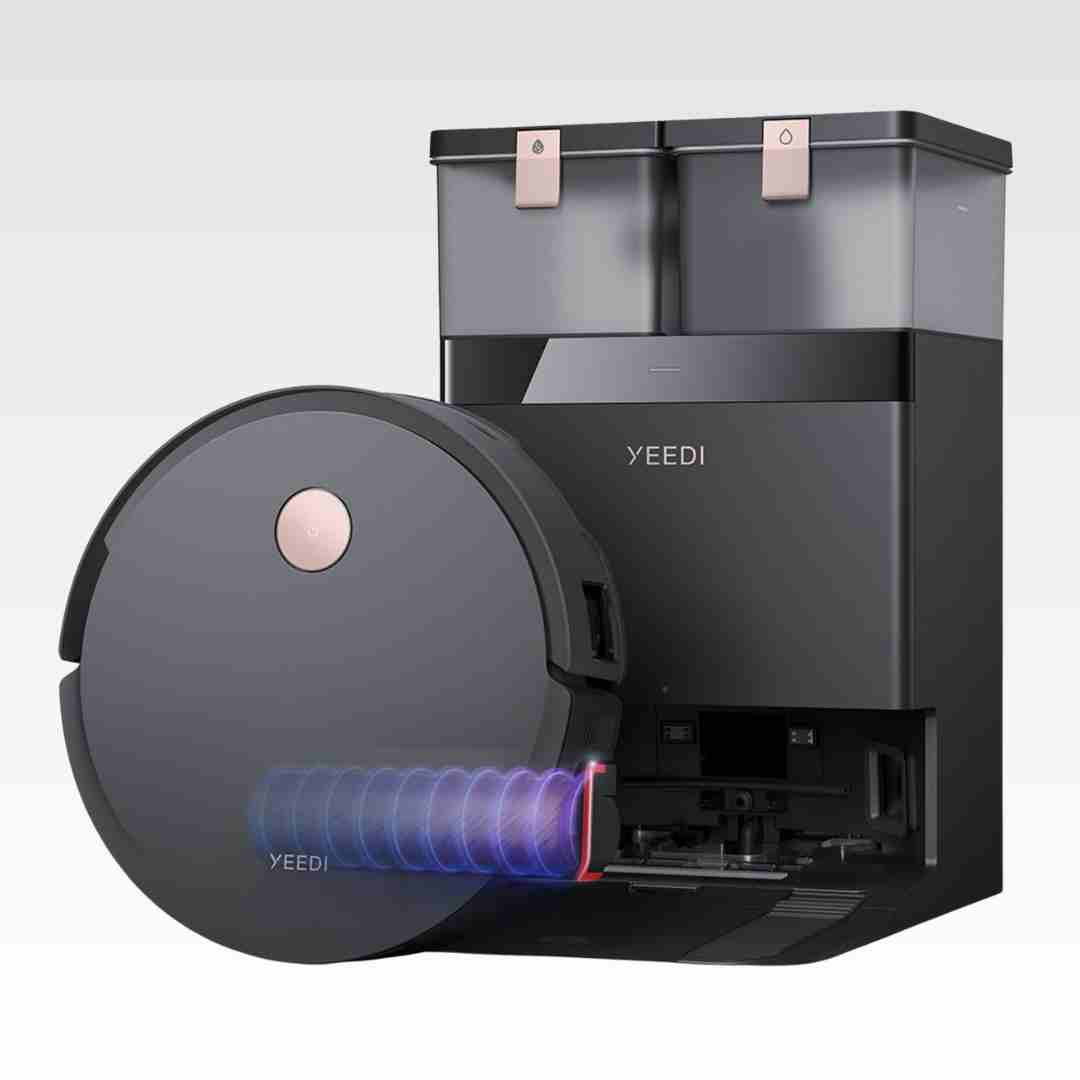
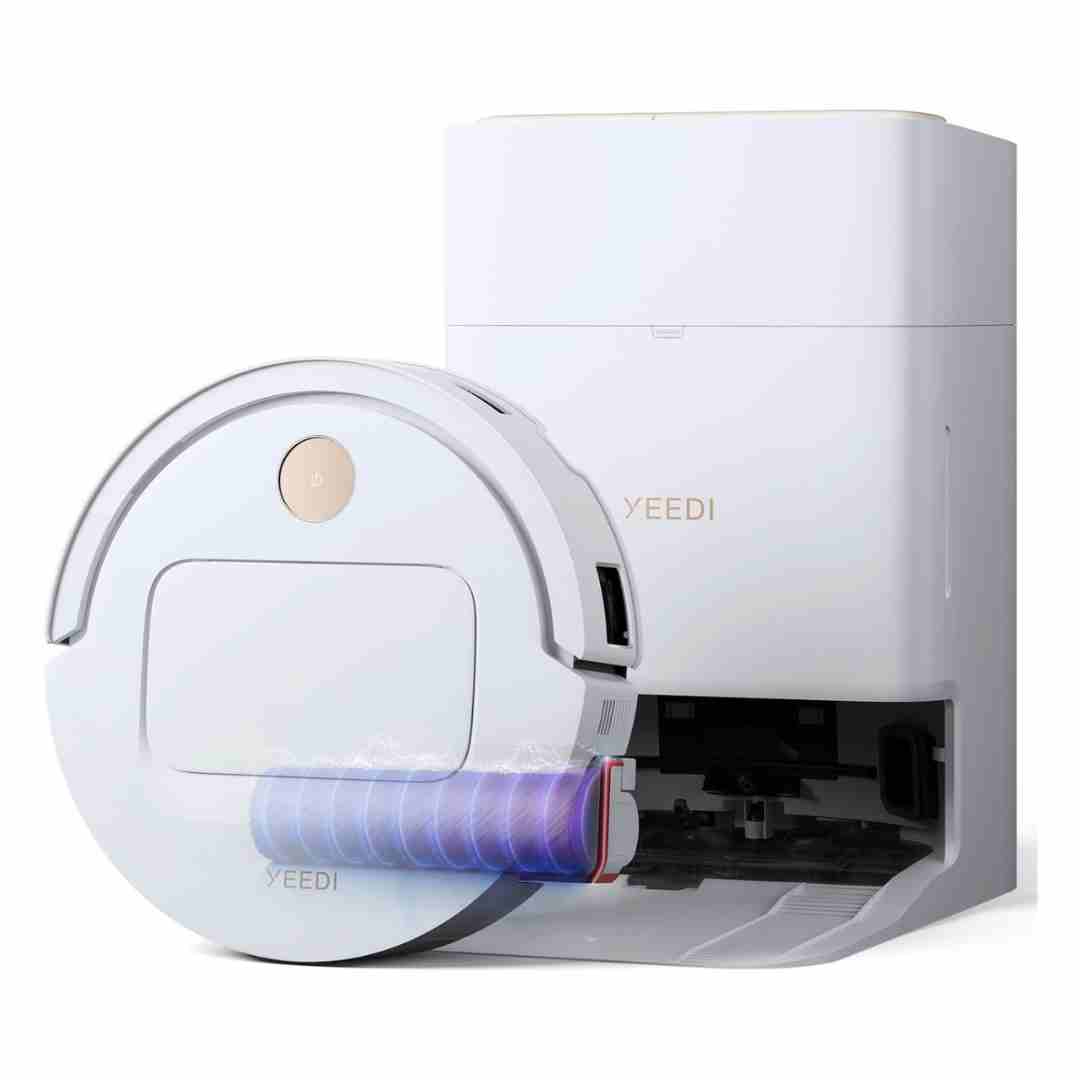
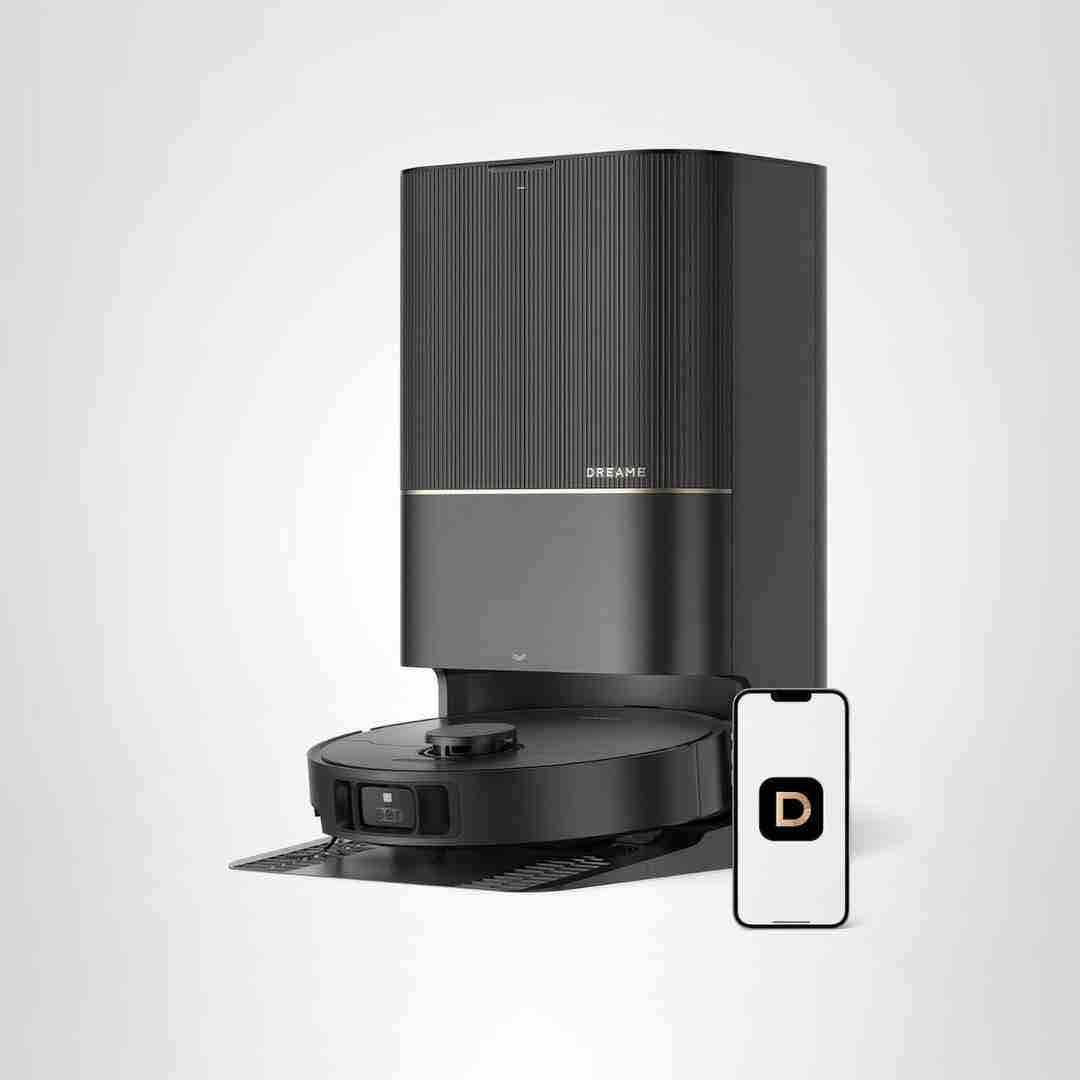
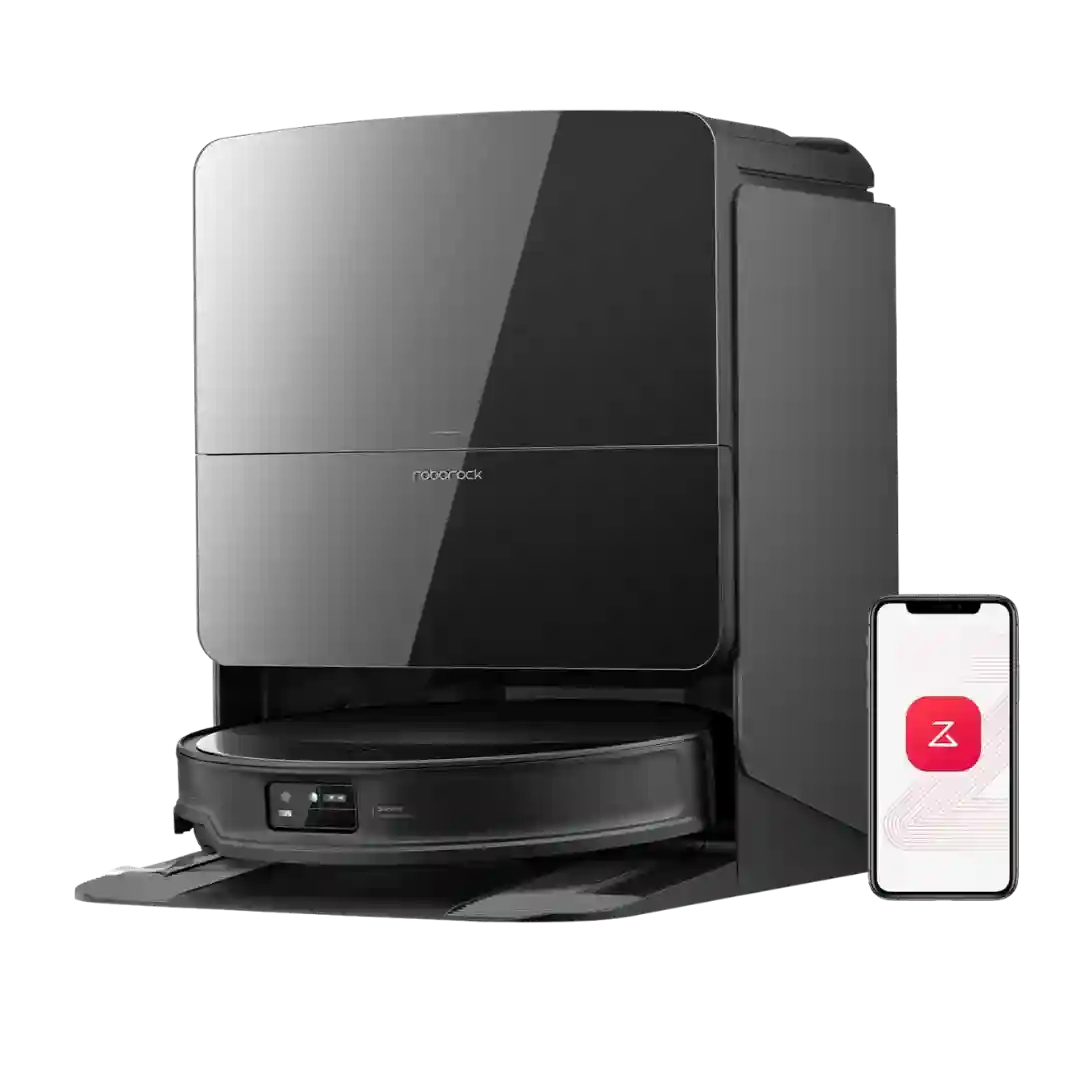
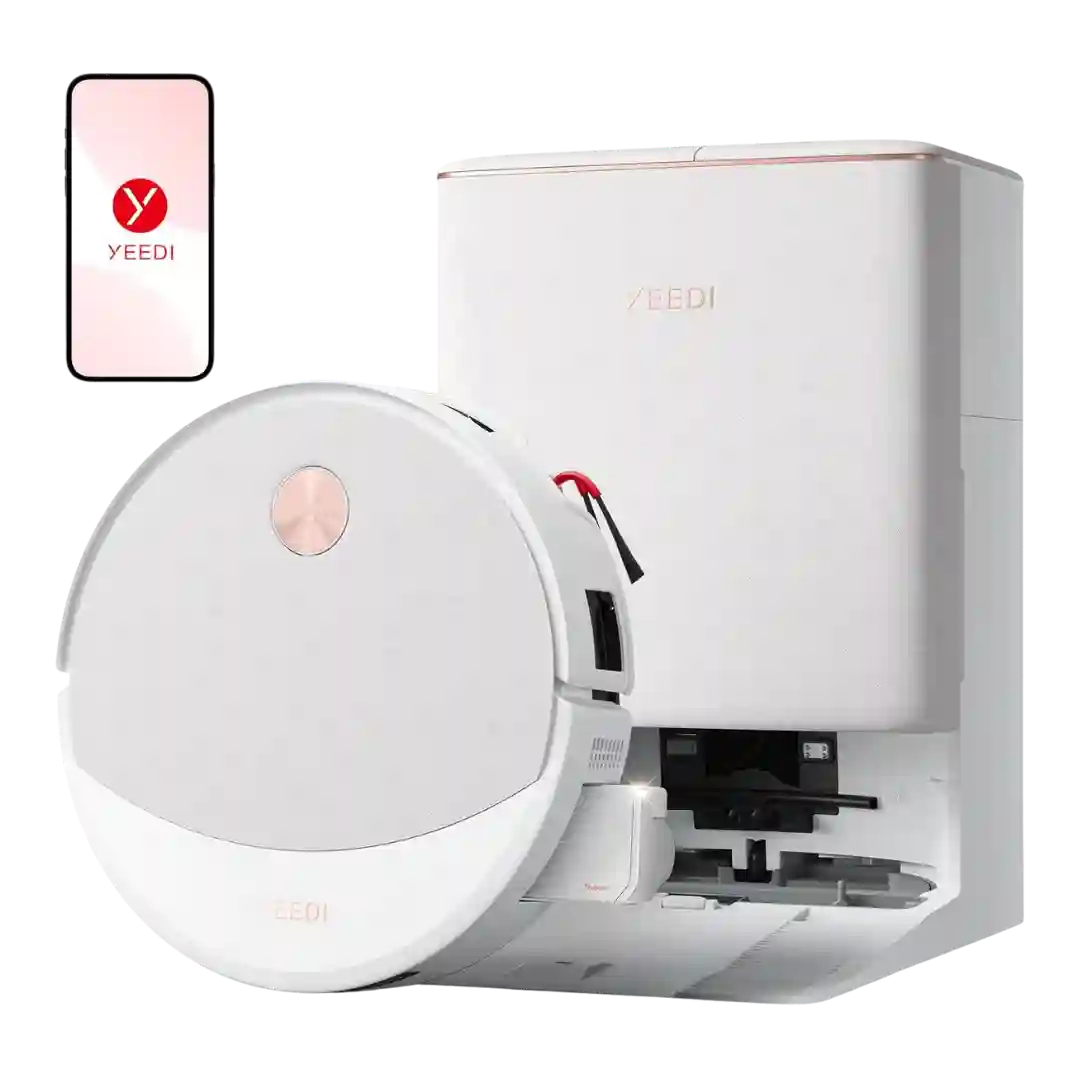
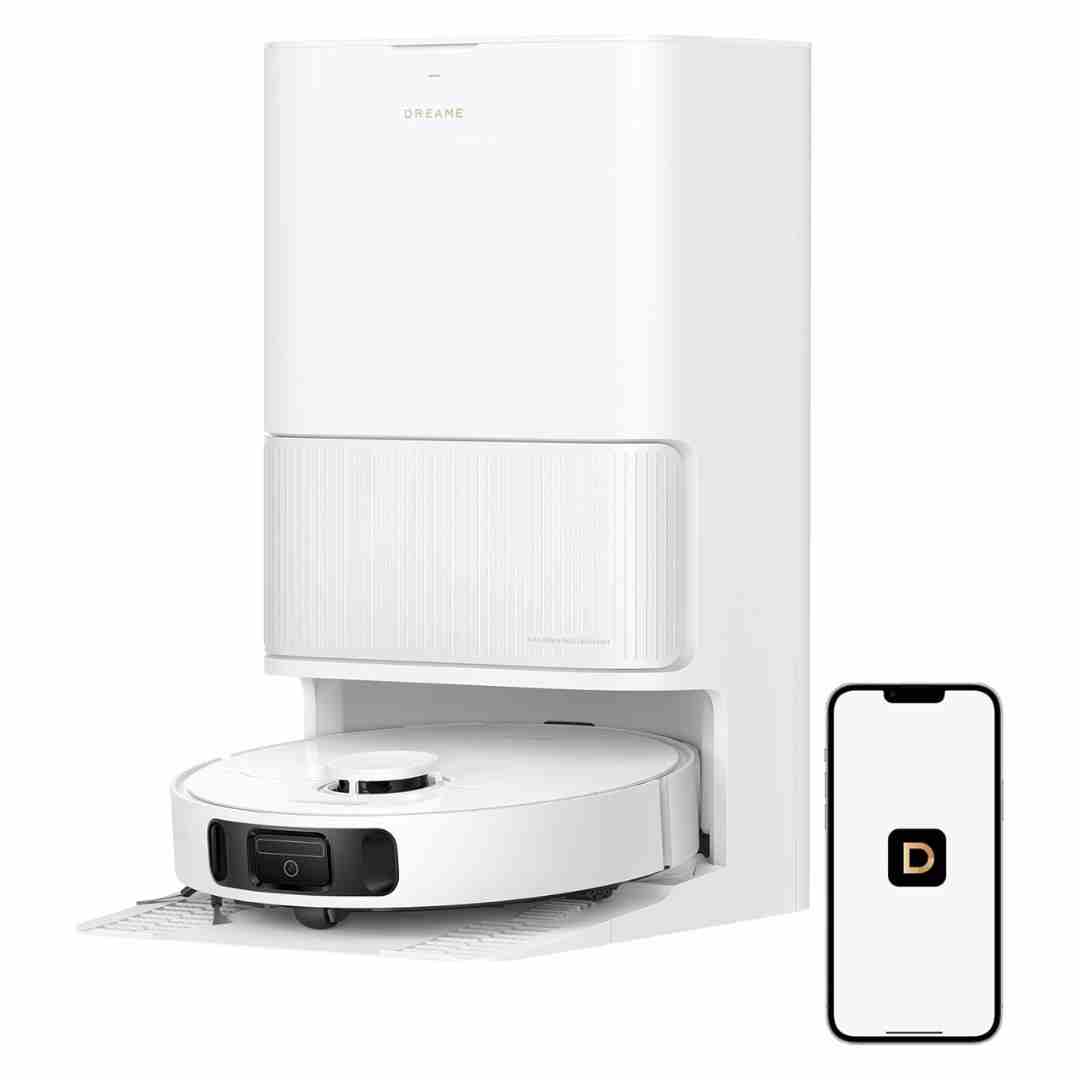
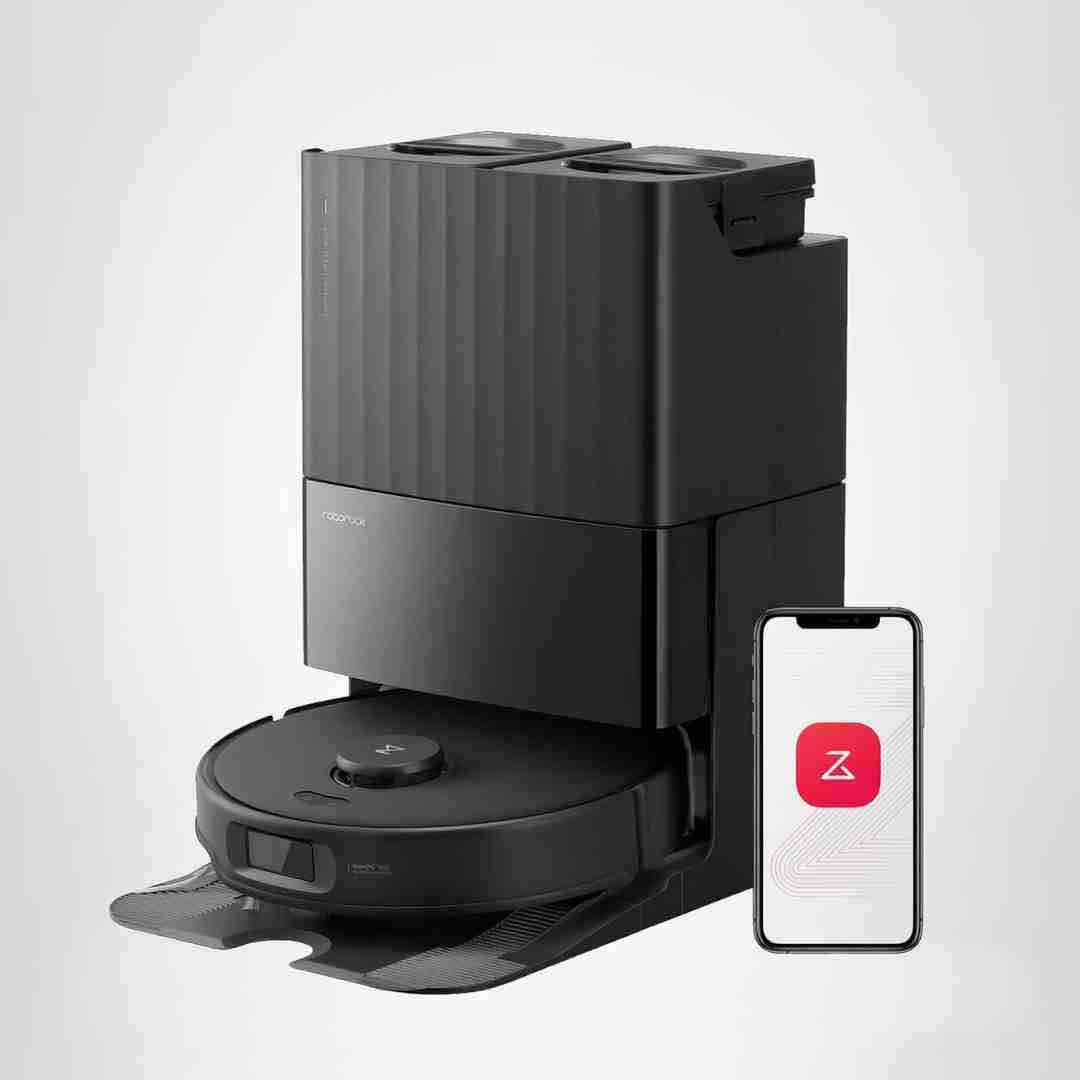
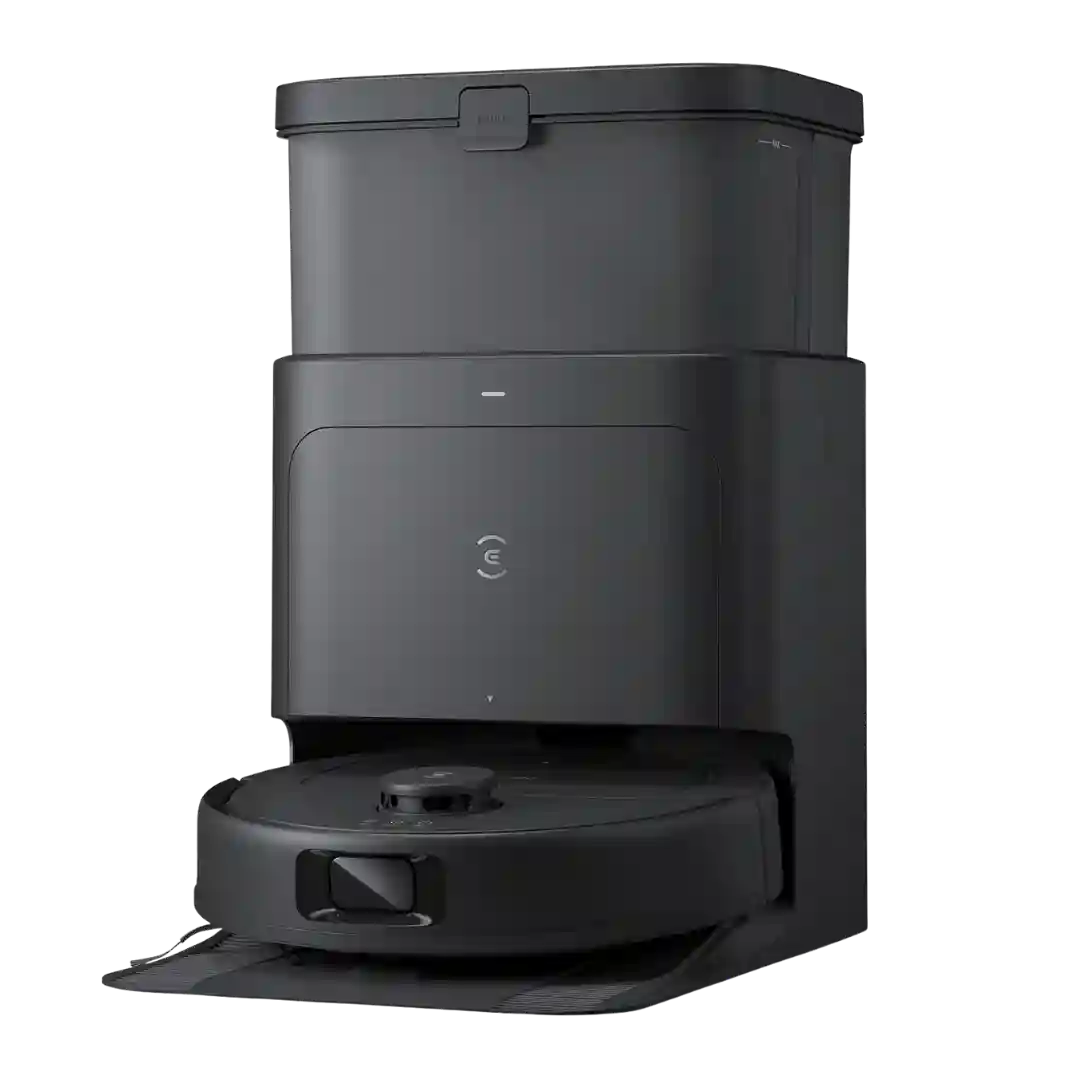
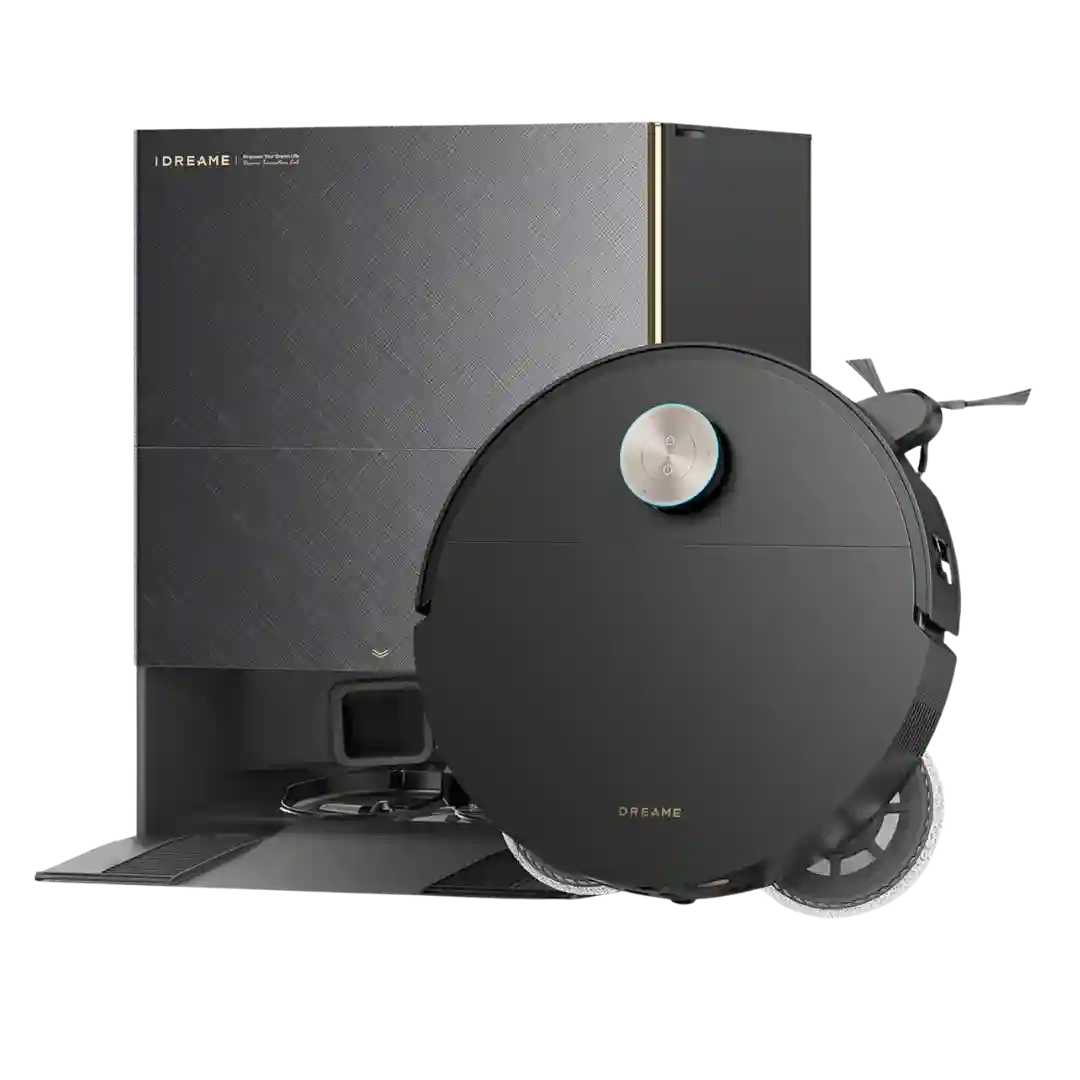
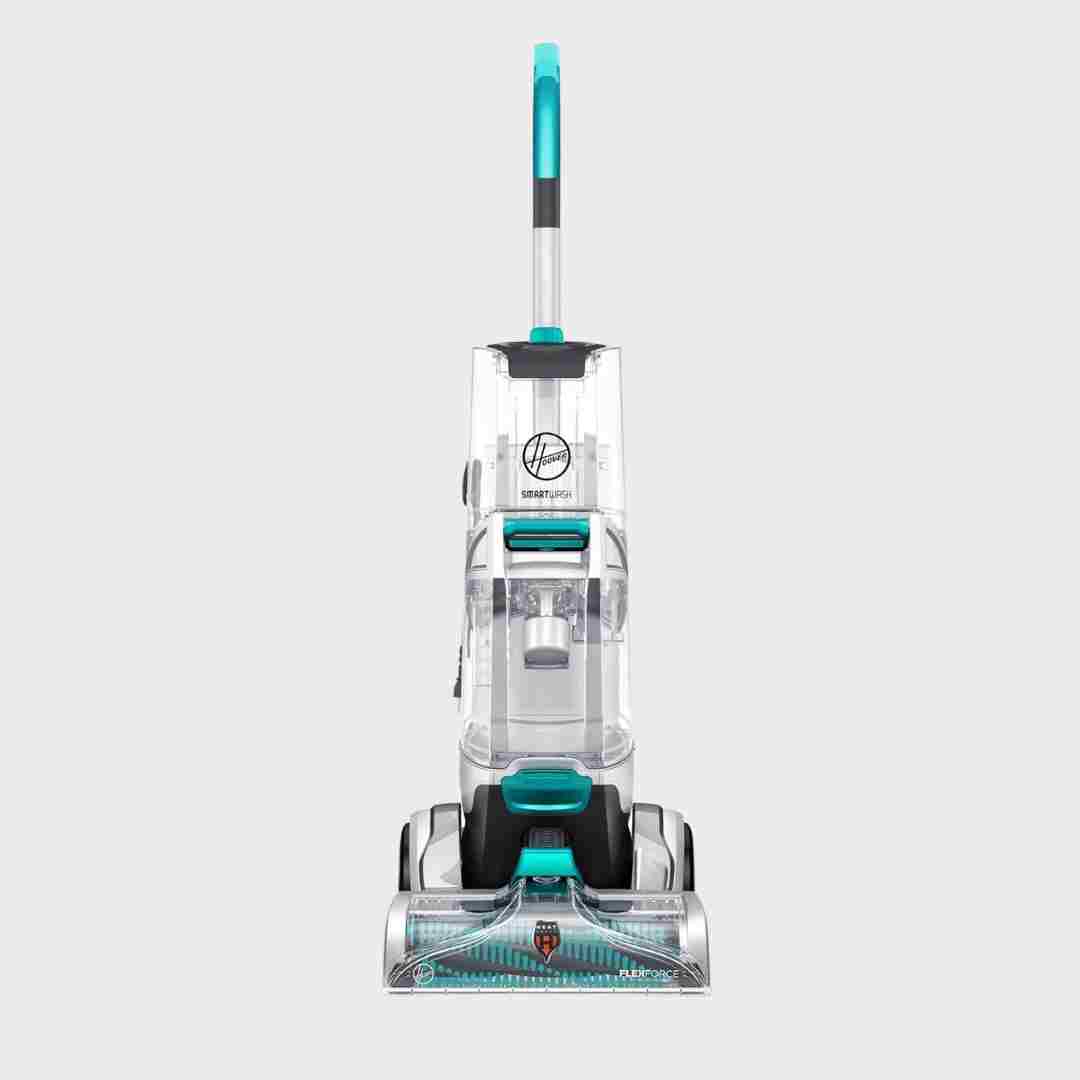
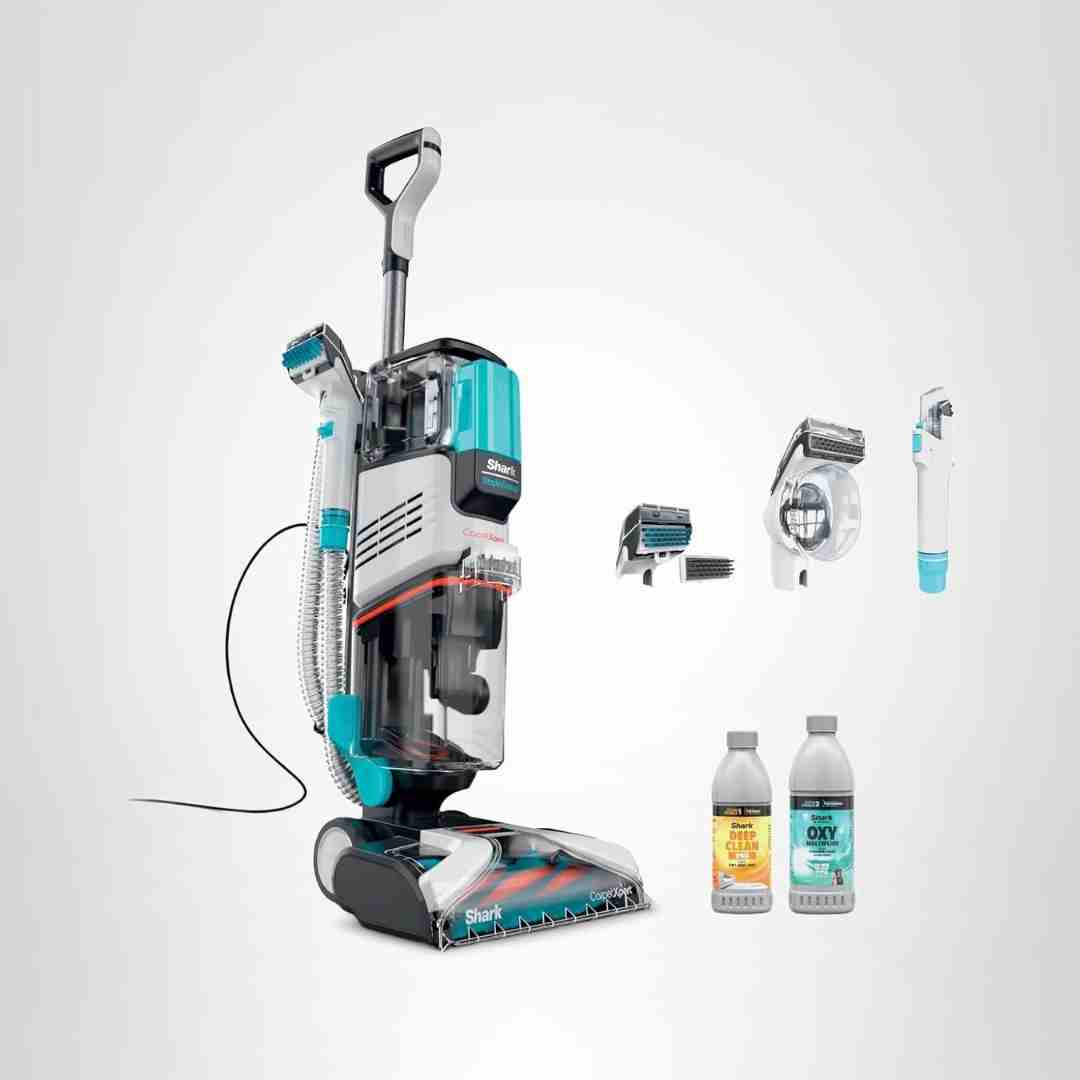
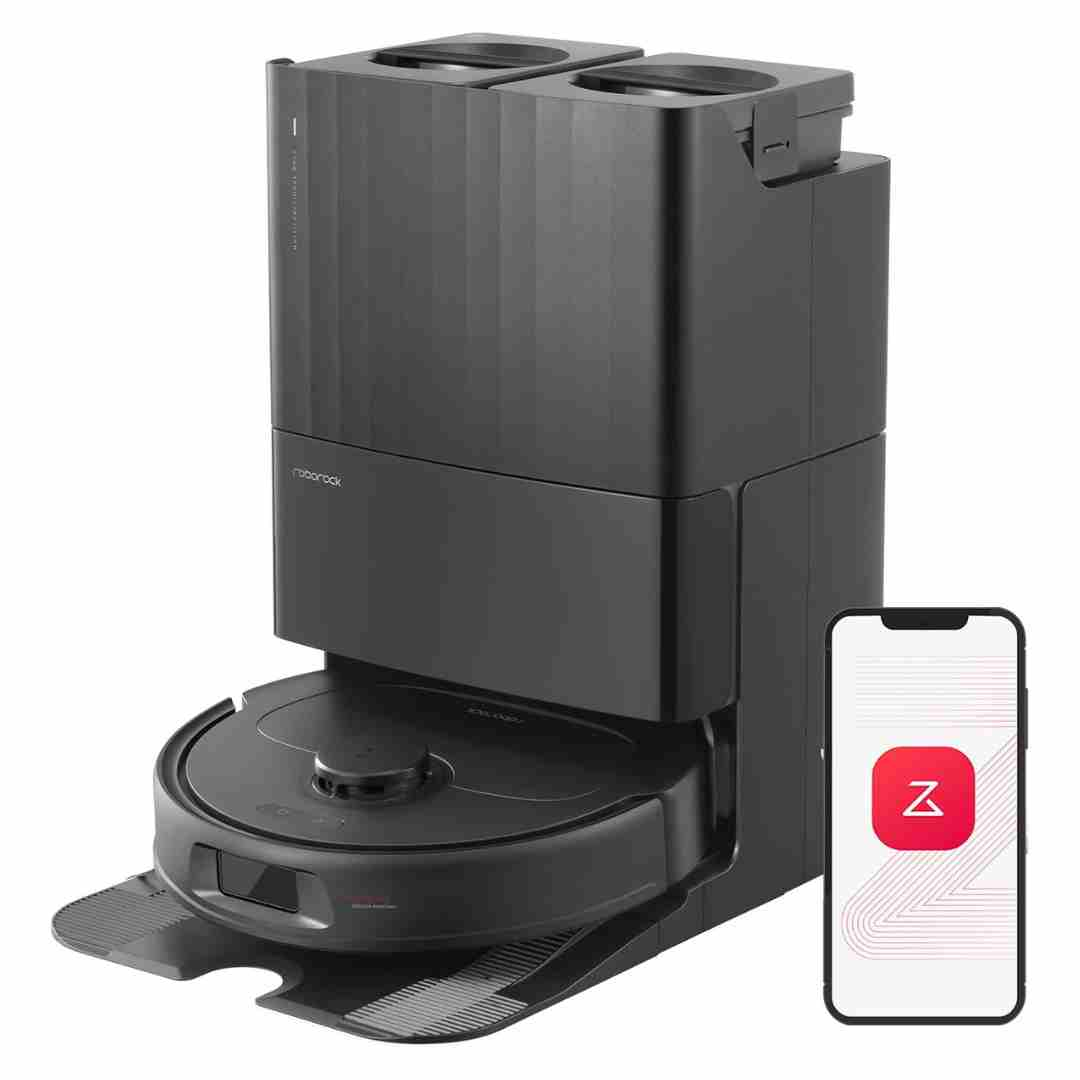
Hot water mop washing and heated drying are recurring differentiators, credited with cleaner pads and better hygiene. These heating-driven dock functions also contribute to higher dock noise during maintenance cycles.
The dock’s hot‑water mop washing and heated/active drying are repeatedly highlighted as premium features that improve hygiene and reduce odor/residue. Some sources also mention additional sanitizing touches (e.g., UV treatment) as part of the dock routine.
Heated mop-pad washing is a key point across reviews, with water heating (often referenced around 75 C) used to clean pads more effectively. This is framed as a premium dock feature that supports hygiene and reduces manual scrubbing of mop pads.
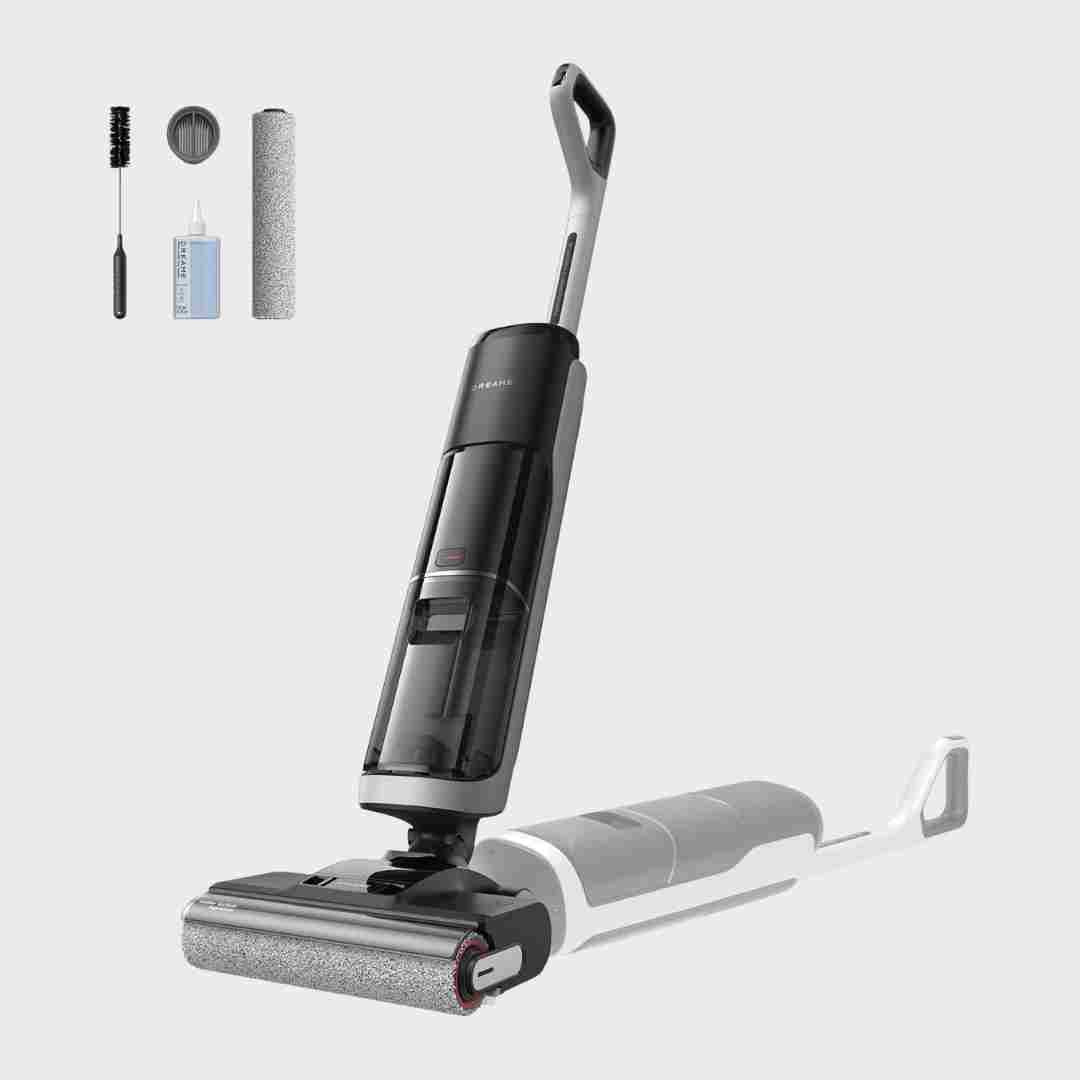
Heated 60°C (140°F) brush washing and hot-air drying are repeatedly highlighted as key benefits, enabling quick-dry cycles and a fresher roller between uses.
Heated mop washing and heated-air drying are frequently highlighted, with some reviews noting adjustable wash/dry behavior. This is repeatedly framed as a premium feature that improves hygiene and reduces damp odors.
Hot-water washing and hot-air drying in the dock are repeatedly called out as premium features that help keep the roller mop cleaner and reduce manual scrubbing.
Heating features are frequently highlighted: the dock washes the mop/roller with hot water and dries with warm/hot air. Reviewers link this to better hygiene and reduced odor/mildew buildup between runs.
A heated mop-wash is repeatedly mentioned, with hot water used in the dock to clean mop pads and the washboard. Reviewers connect the heating to better mop-pad cleanliness and reduced odor.
Hot-water mop washing (often cited around 167°F) is a standout convenience feature, improving pad cleaning and helping reduce lingering smells compared with cold-water wash systems.
The dock uses heated processes (hot water mop washing and warm/hot air drying). Some testing questions whether advertised maximum water temperature is reached, but the heating still appears effective for pad cleaning and drying.
Heated wash and heated-air drying at the dock are confirmed by multiple reviewers, with measured hot-water temps close to claims in at least one test and drying heat commonly cited around the mid-50s C / ~120s F range.
The dock’s hot-water mop washing and hot-air drying are repeatedly highlighted as premium features. Heated washing/drying is viewed as a hygiene and convenience upgrade versus basic rinse-only docks.
Heated airflow/HeatForce is repeatedly mentioned as a contributor to faster drying and a key advantage versus units without heat-assisted drying. Users describe the output as noticeably warm rather than dangerously hot.
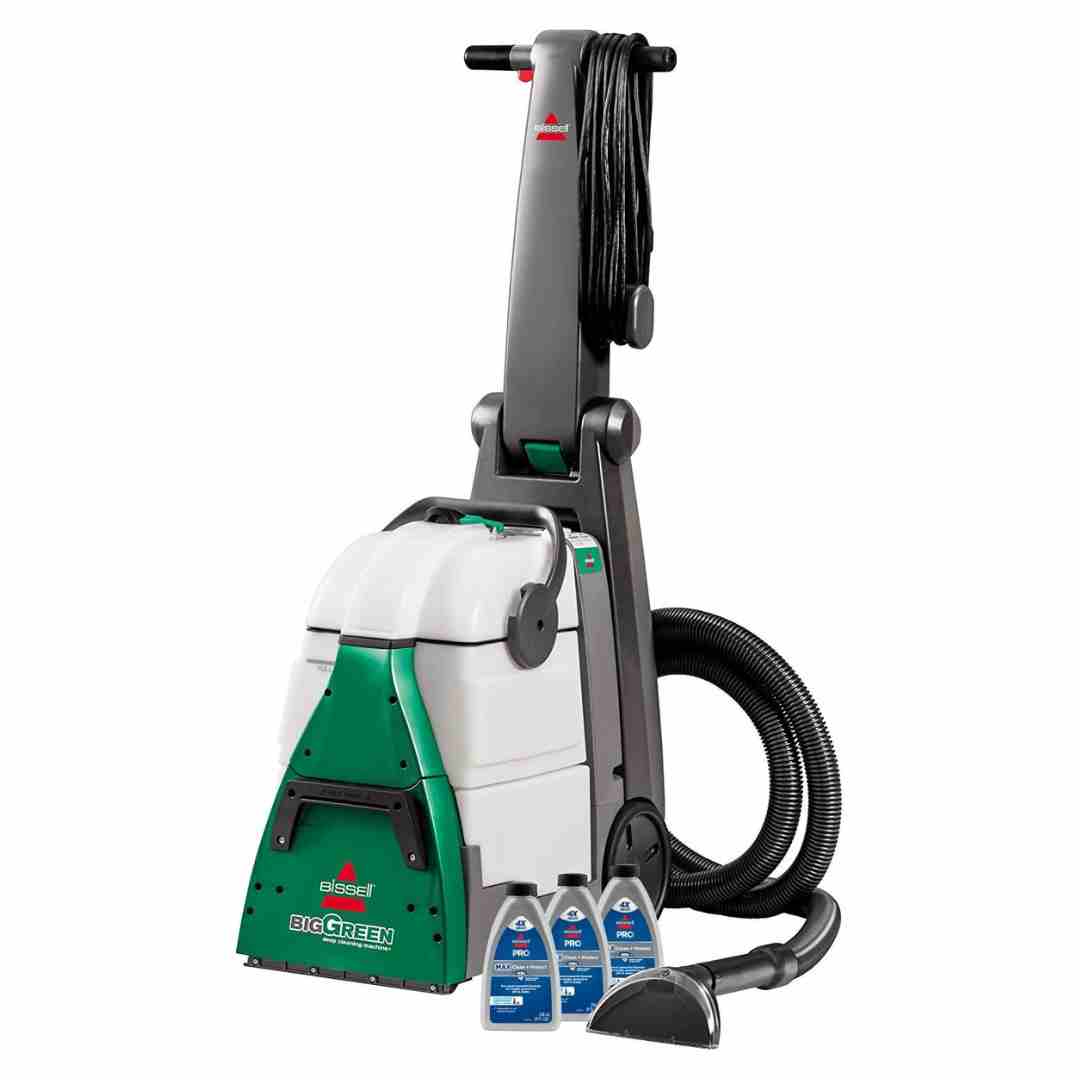
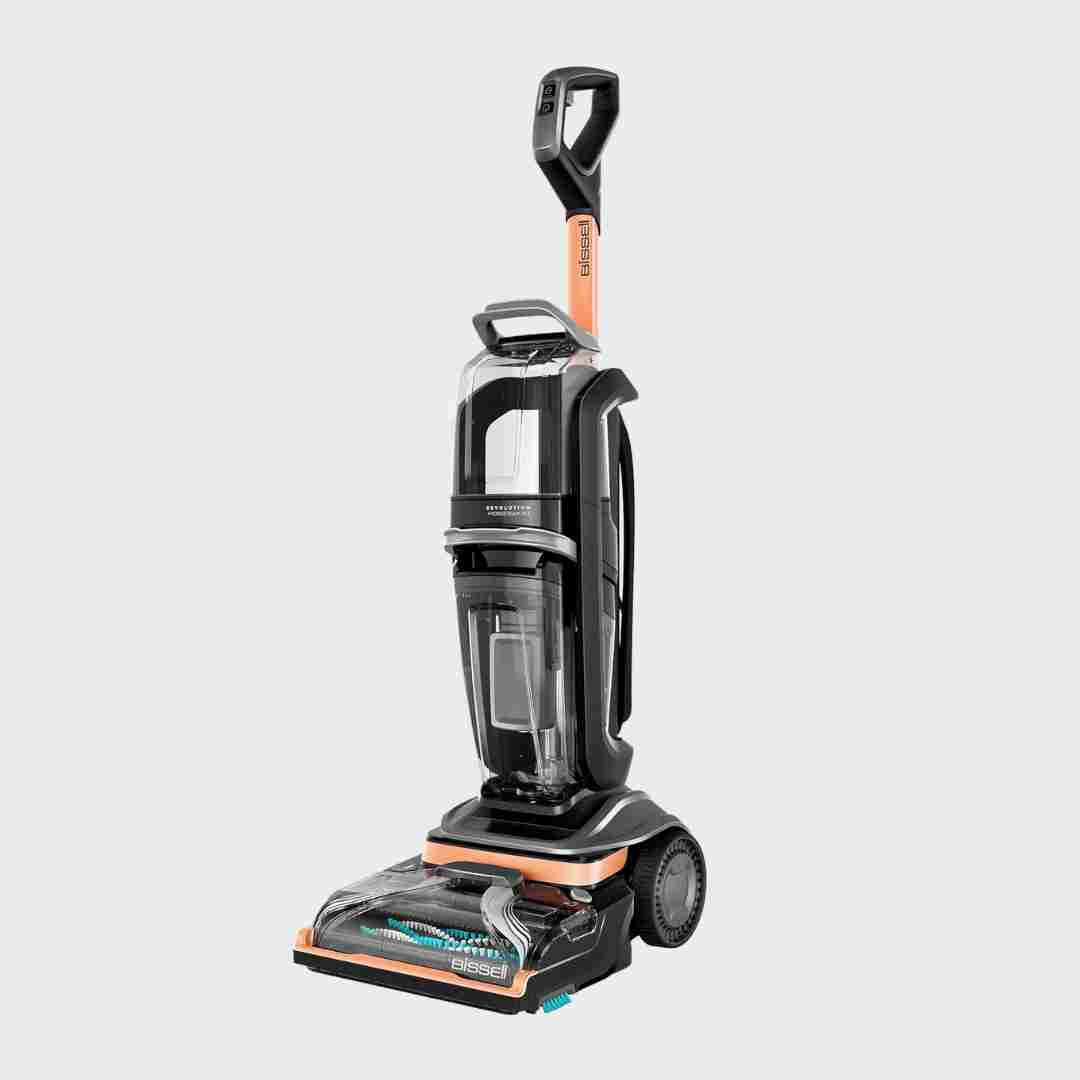
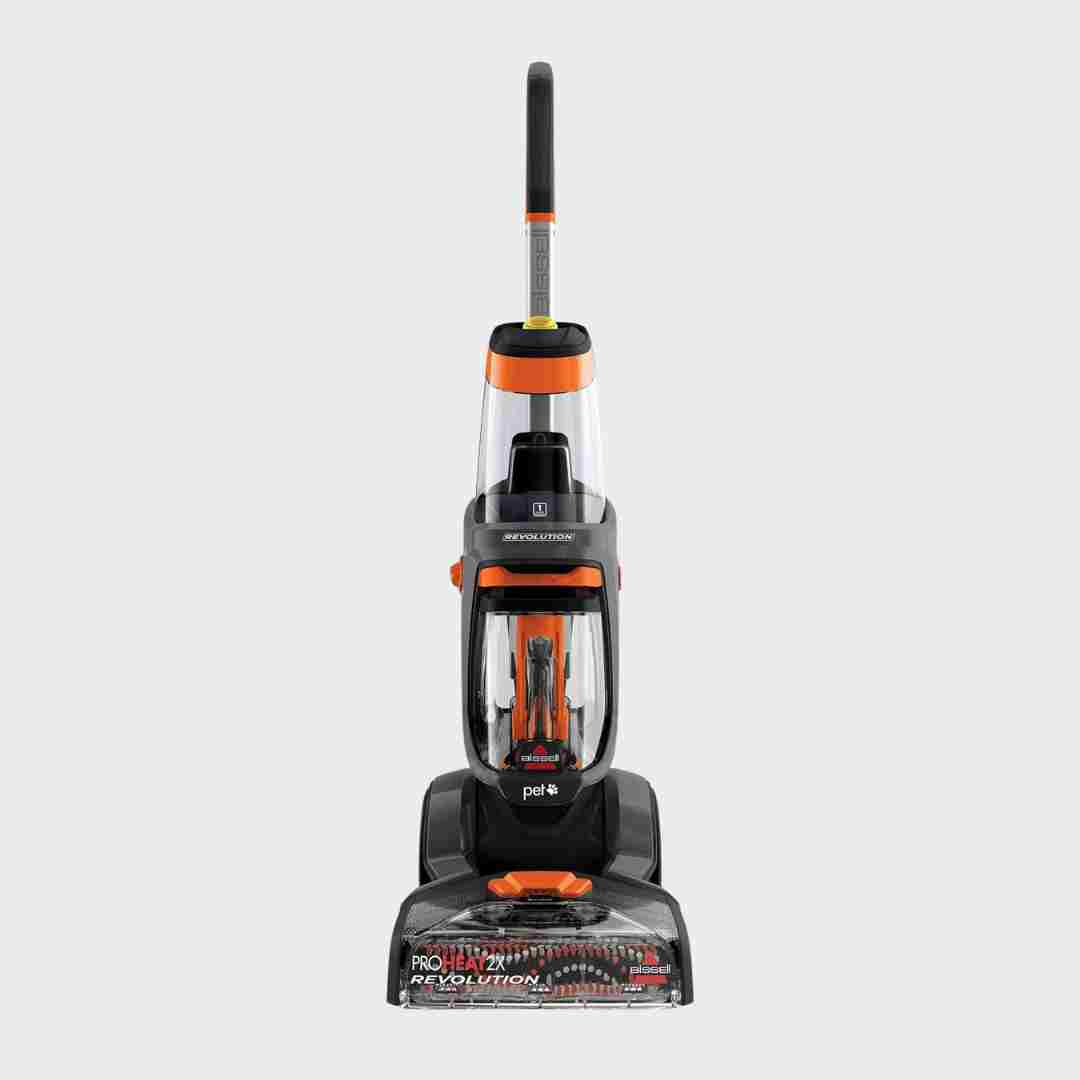
Several sources clarify that some Bissell carpet cleaners labeled with heat mainly keep warm water warm; an outlier Big Green review claims a heating unit boosts water temperature, suggesting possible model variation across sources.
The steam heater is discussed as a real add-on, with at least one review noting a short warm-up period before cleaning and others linking higher power draw to the heater. It enables steam pre-treat and steam-wash behavior rather than passive hot-water-only cleaning.
Heating behavior is disputed: some sources describe true heated washing and hot-air drying, while others claim the wash is closer to room-temperature water with heated air and question marketing around hot-water cleaning. Drying heat is more consistently reported as effective.
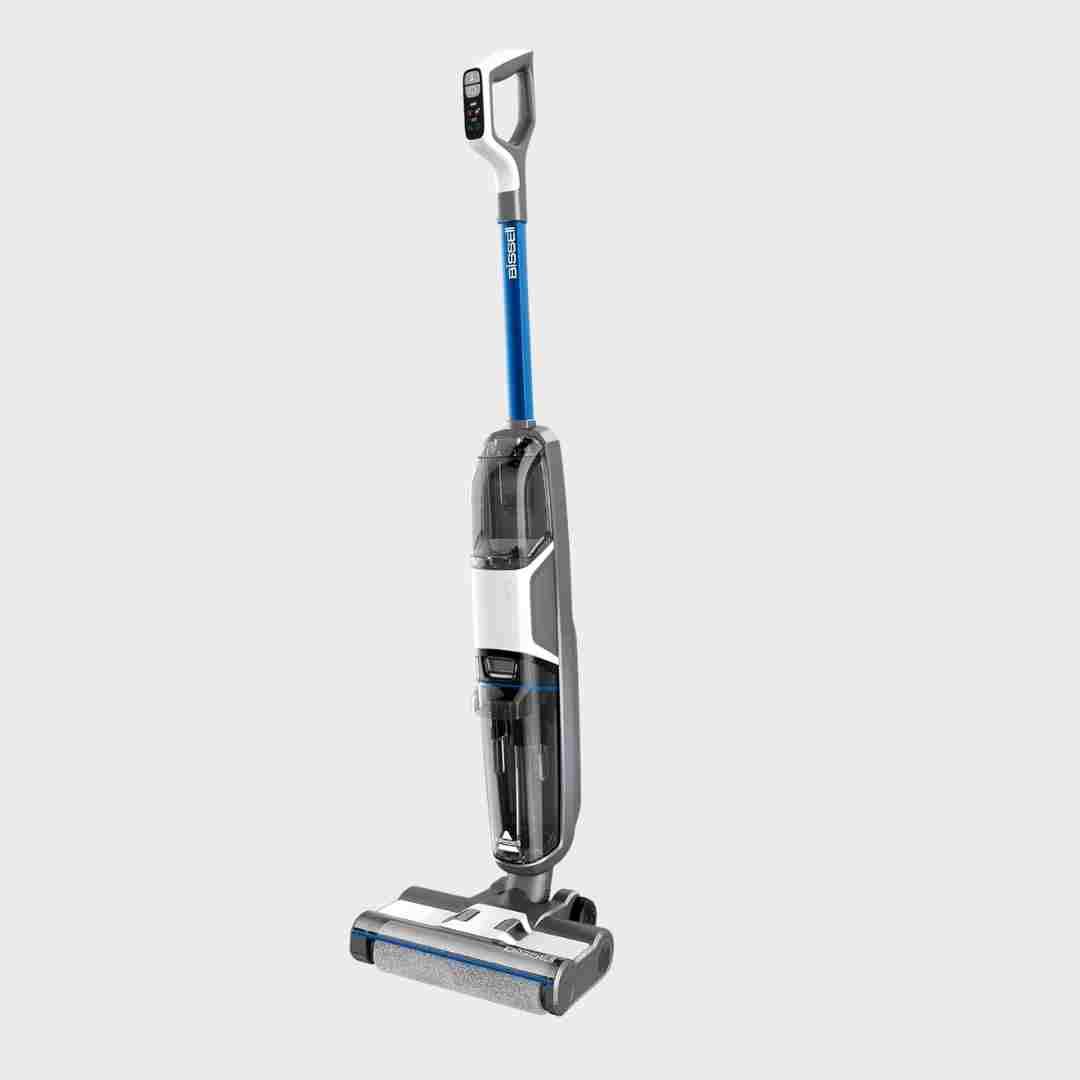
Standard CrossWave models are explicitly described as lacking a heating element, while HydroSteam variants add heat to generate steam and boost dried-on performance.
Multiple reviews clarify that ‘ProHeat/HeatWave’ helps maintain warm water temperature rather than actively heating cold water; users typically add hot tap water. Some describe warm airflow, but it’s not a true steam or boiler-style heater.
The heating story is mixed. Several reviews praised heated mopping or hot pad washing, while others said real on-floor heat is brief or falls short of the advertising.
The HeatForce feature is described as warm-air drying rather than heated water; reviewers disagree on how much it matters, but many still report faster dry times when they use Dry Only.
Multiple reviews note there is no built-in water heater, so performance depends on adding warm water yourself. Some testers cite this as a main missing feature compared with certain competitors.
Several reviews note it does not wash mops with hot or warm water, which is reserved for higher-end models; however, some reviewers mention warm/hot air drying in the dock.