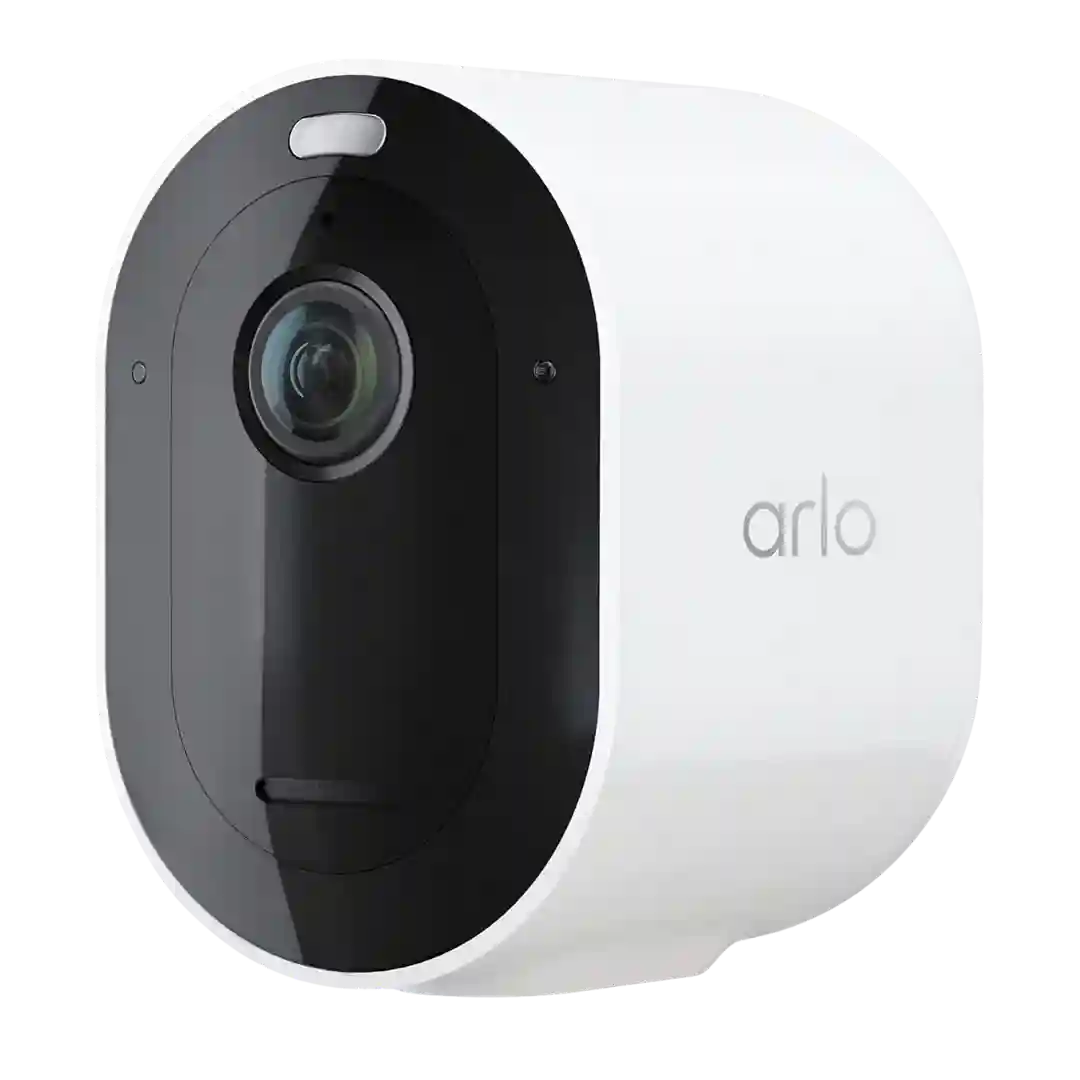
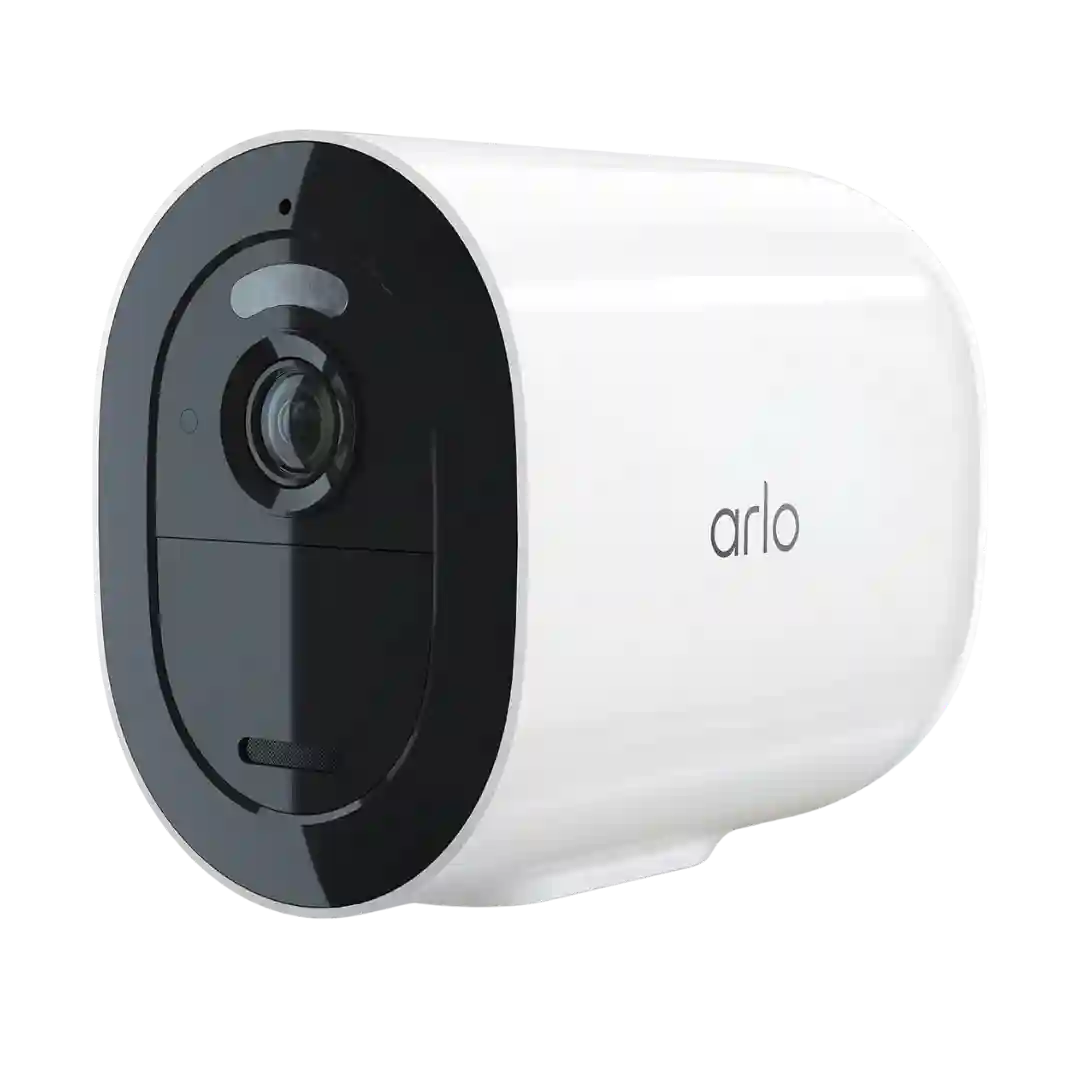
The removable rechargeable battery design is widely seen as convenient, enabling swaps or off-camera charging, though charging logistics depend on mounting height and accessory choices.
Being battery powered allows placement without running power, and multiple reviews note the option to hardwire it with a weatherproof cable for constant power and added features.
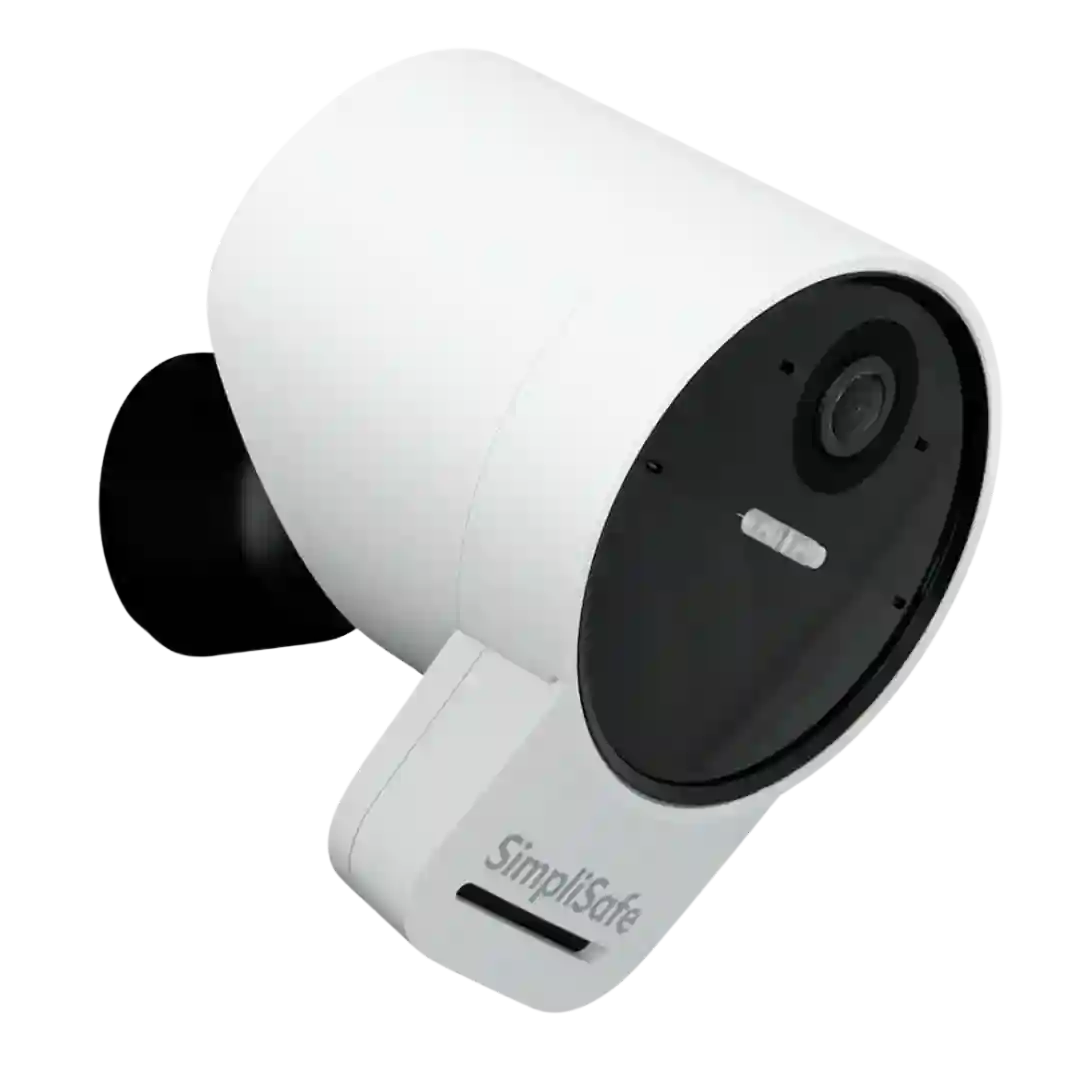
The rechargeable battery is a major selling point, and several reviews emphasize it is removable, enabling swaps in theory. Some users still find battery handling inconvenient because charging often requires removing the camera from its mount.
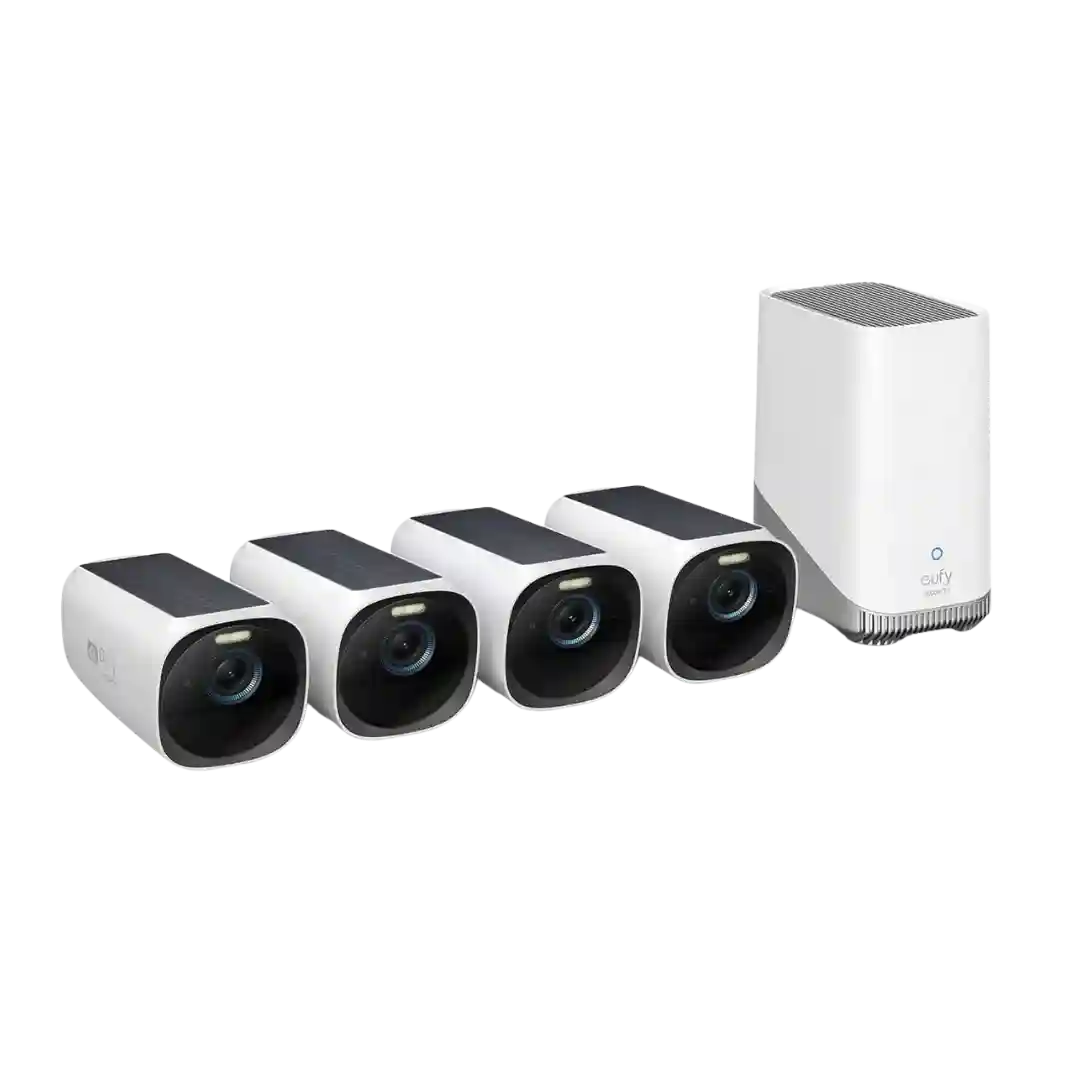
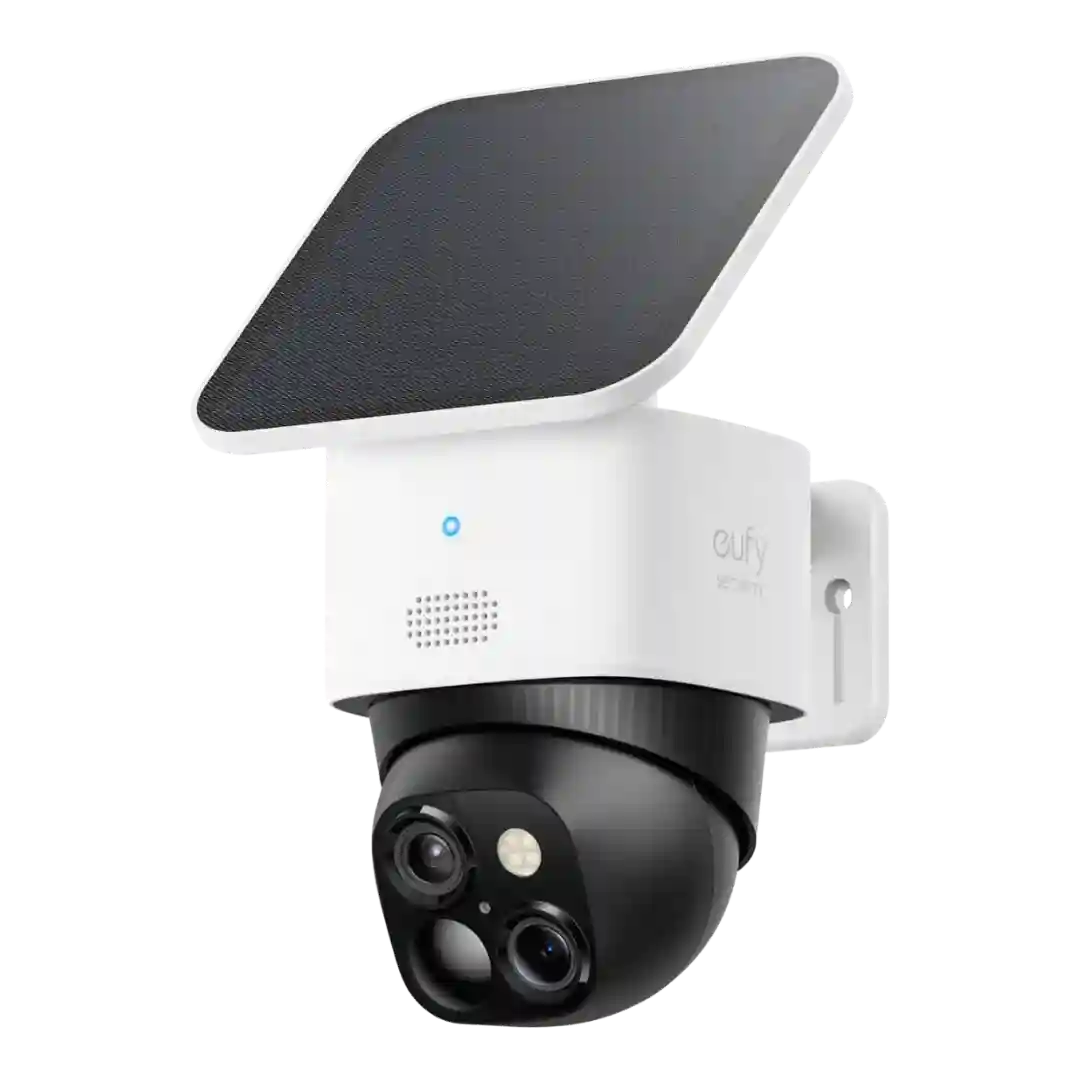
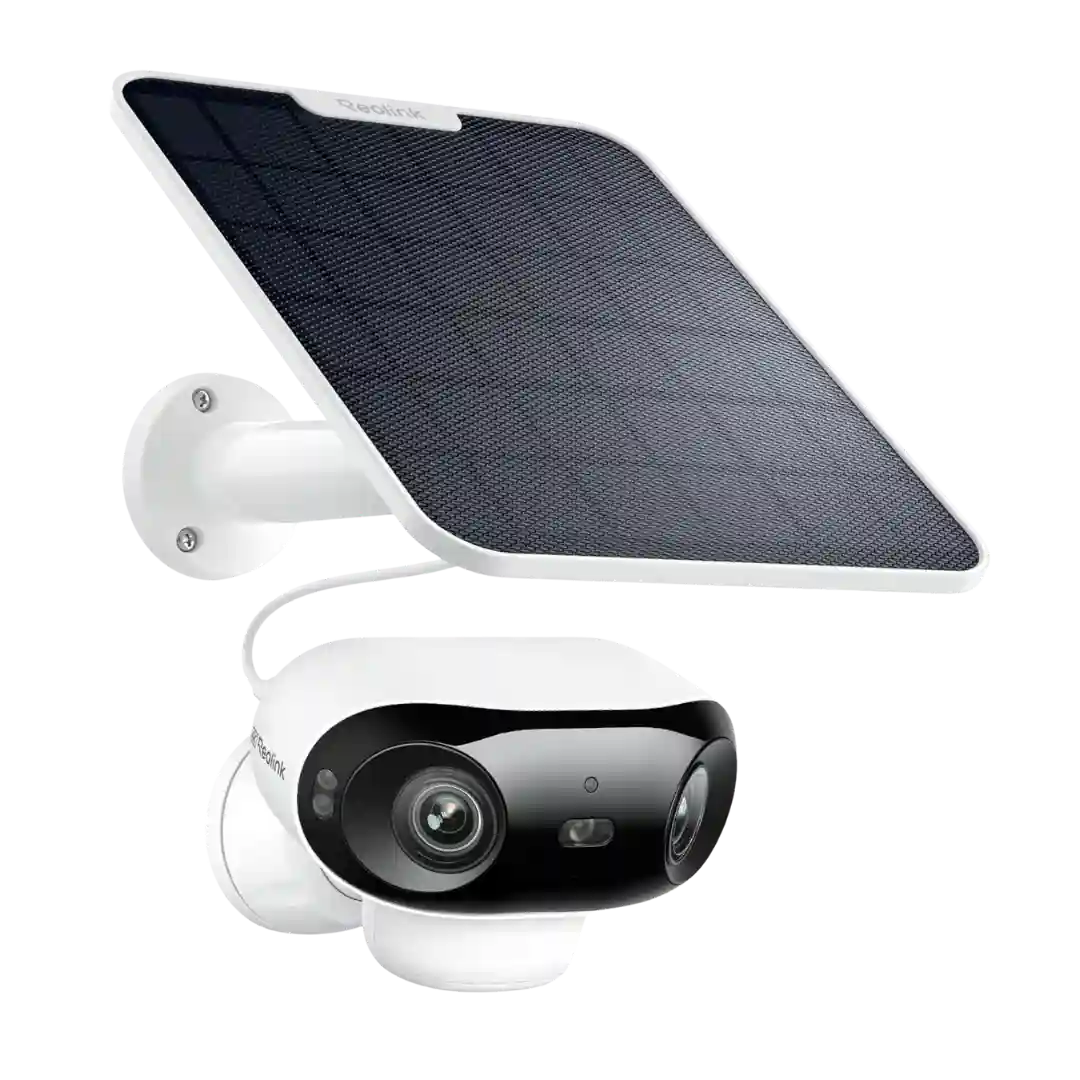
The large internal battery is repeatedly cited as key to low-maintenance use, especially paired with solar trickle charging and adjustable power modes.
Power can come from the built-in battery and USB-C charging, with battery endurance heavily influenced by detection sensitivity and scene activity; placement and charging habits matter as much as raw capacity.
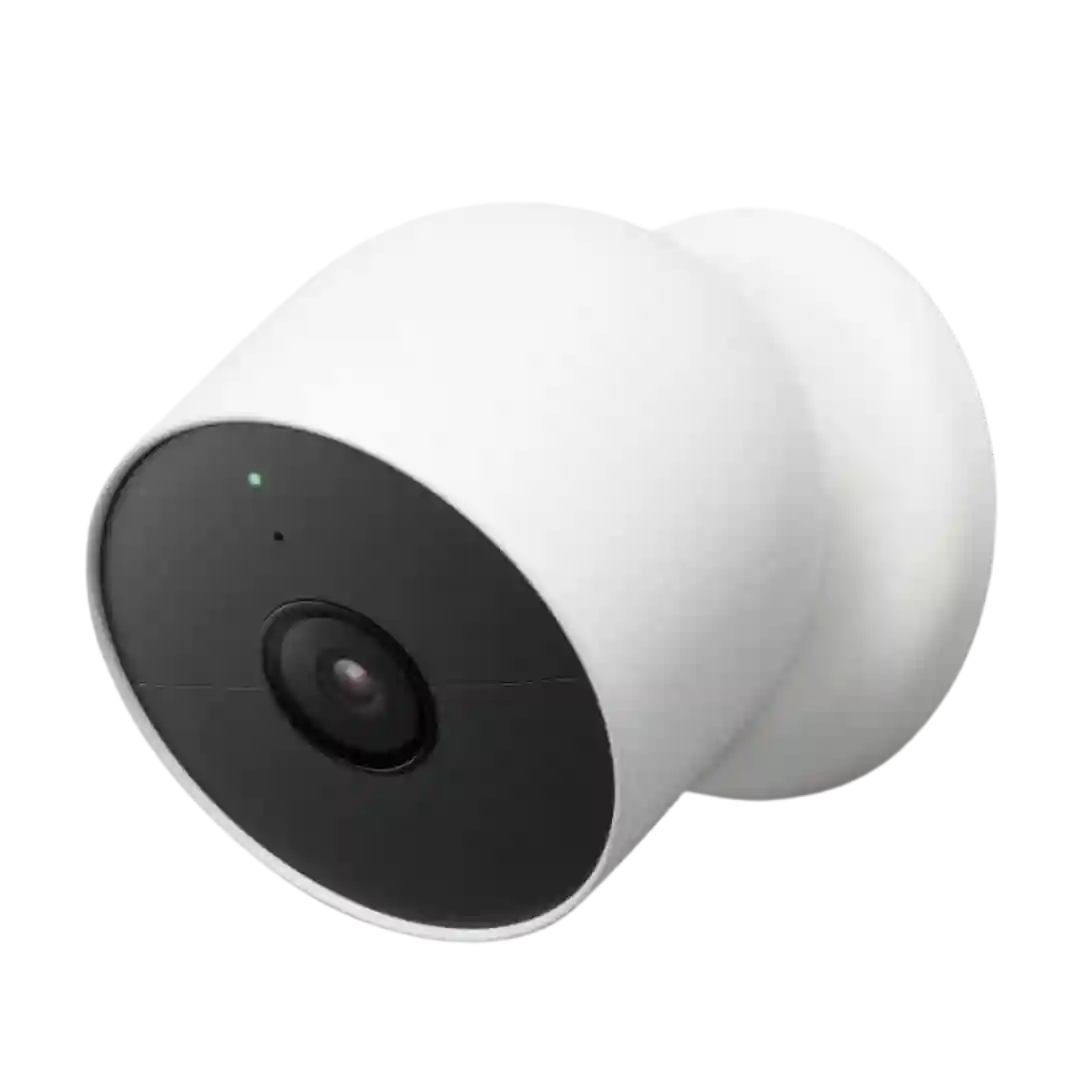
A large built-in battery enables long runtimes without wiring, but real-world longevity depends heavily on traffic, settings, and spotlight use. Recharging usually means taking the camera down, which the magnetic mount makes easier.
Power is primarily battery-based with USB-C charging and optional solar; several reviewers note there is no always-on wired power option. The huge battery enables unique recording modes, but also contributes to the camera's bulky form factor.
Battery use is a major convenience, with multi-month estimates commonly cited depending on activity. Some higher-end monitoring features are still tied to being plugged in, so battery is best for flexible placements or backup power.
The built-in battery enables easy placement but can drain quickly with heavy traffic, long spotlight use, or poor solar exposure. Some reviews mention quick top-ups via USB, but charging can be finicky with certain cables due to the recessed port.
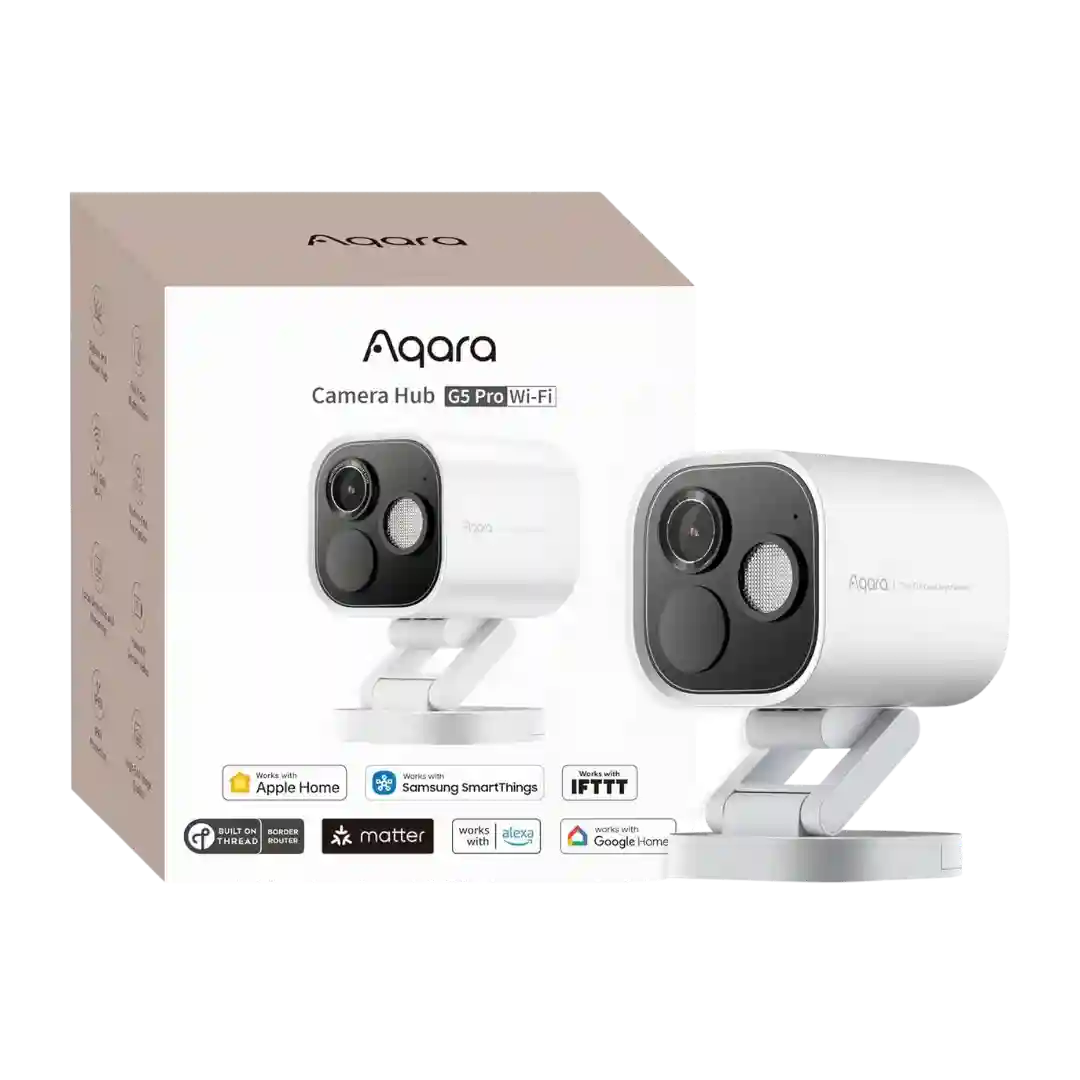
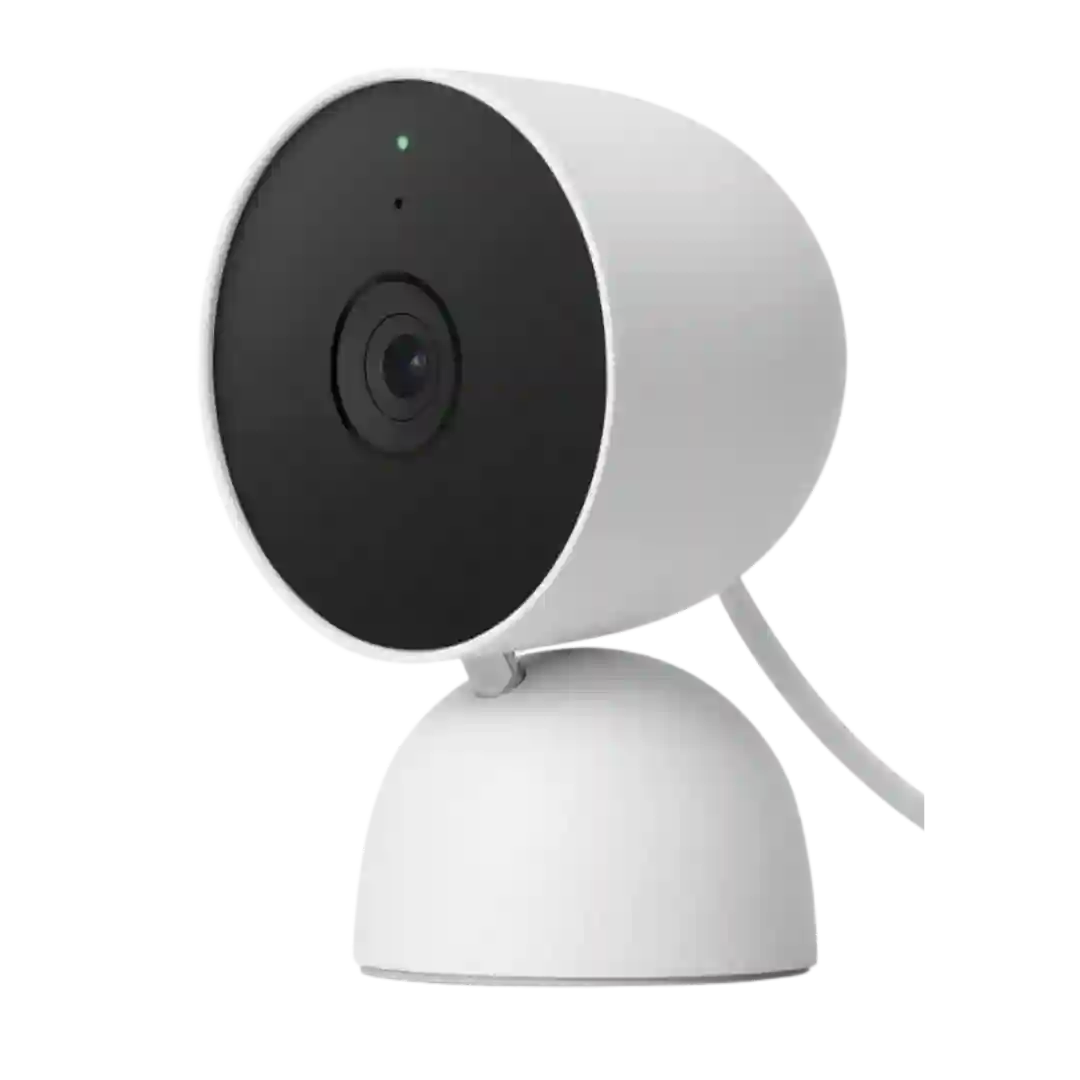
Reviewers repeatedly note there is no battery; the camera requires wired power (USB-C for Wi-Fi model or Ethernet/USB-C for PoE model), limiting placement options.