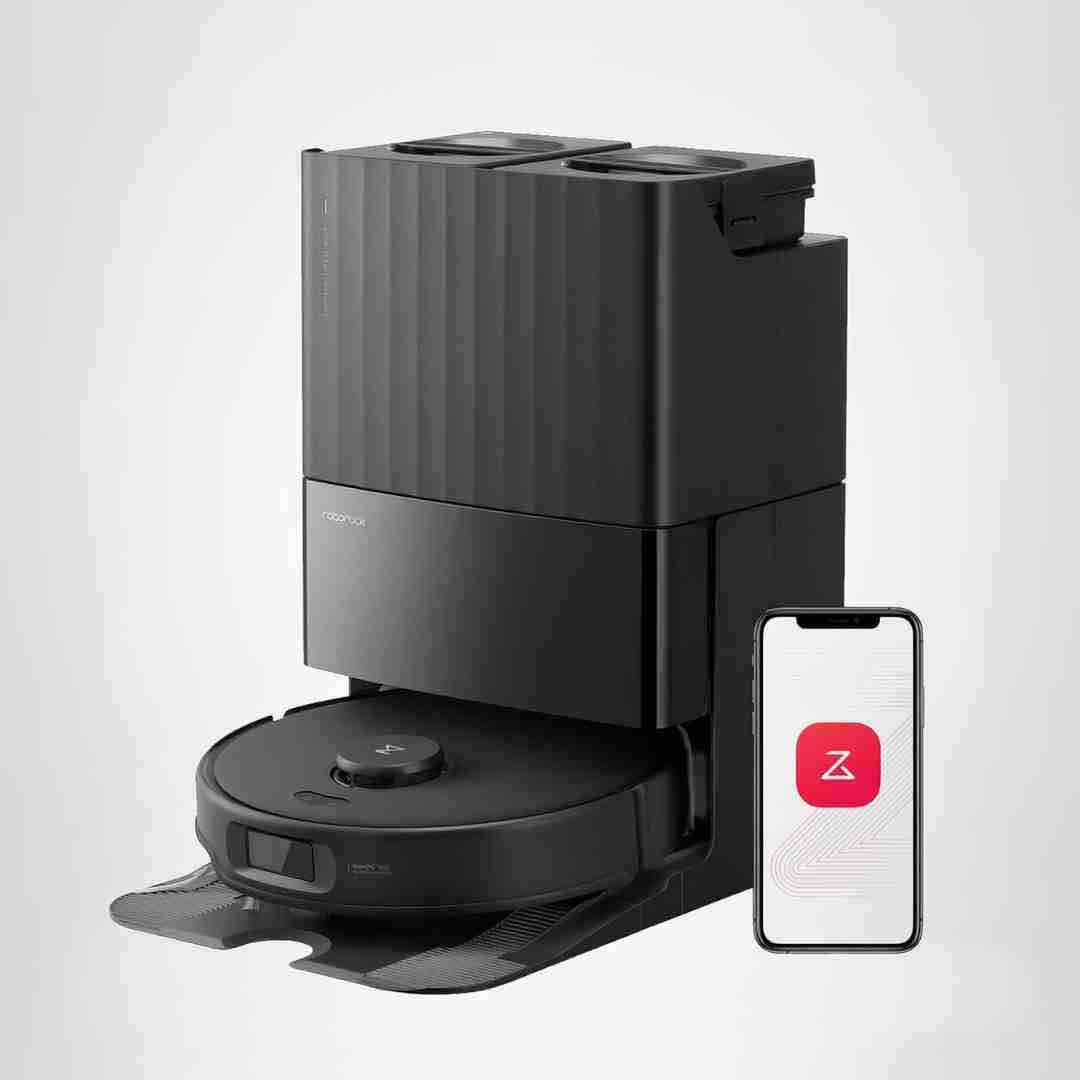
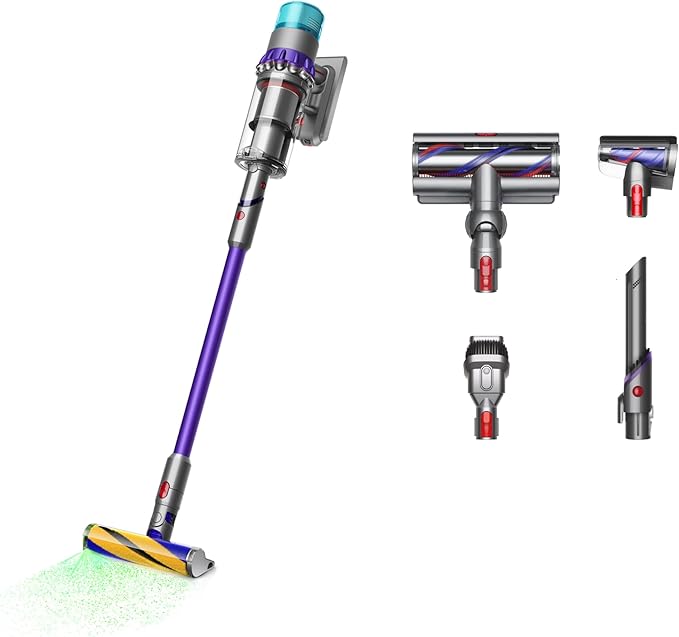
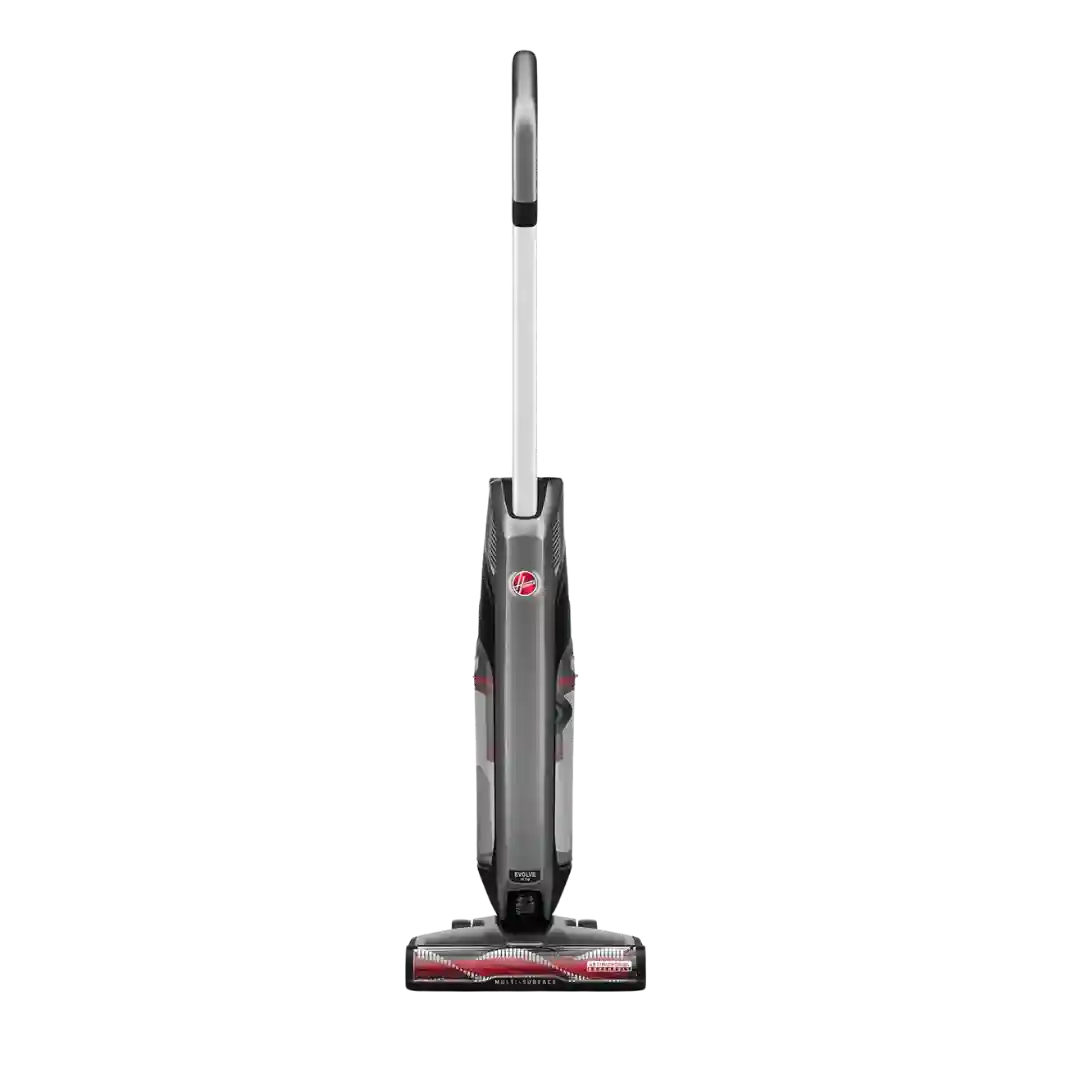
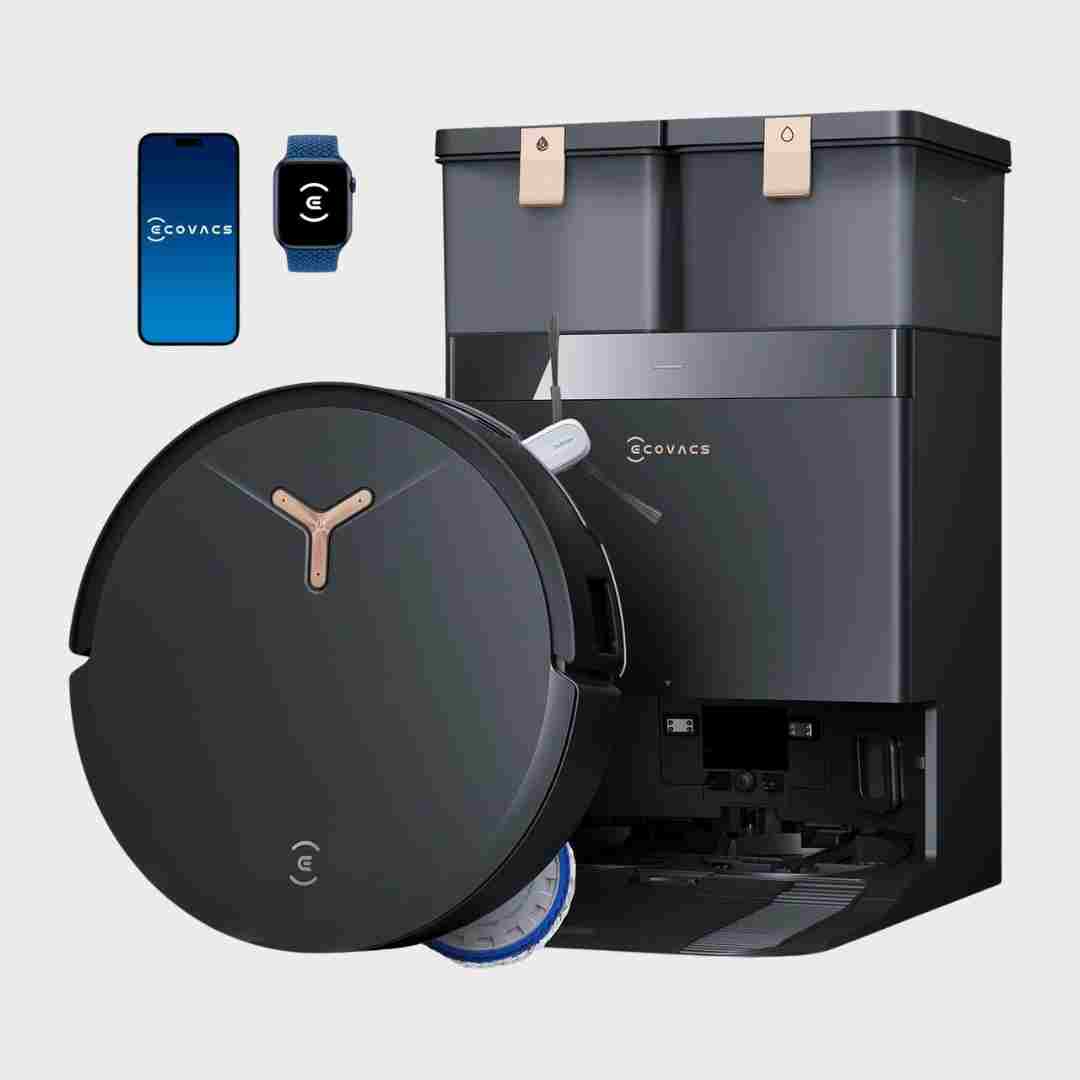
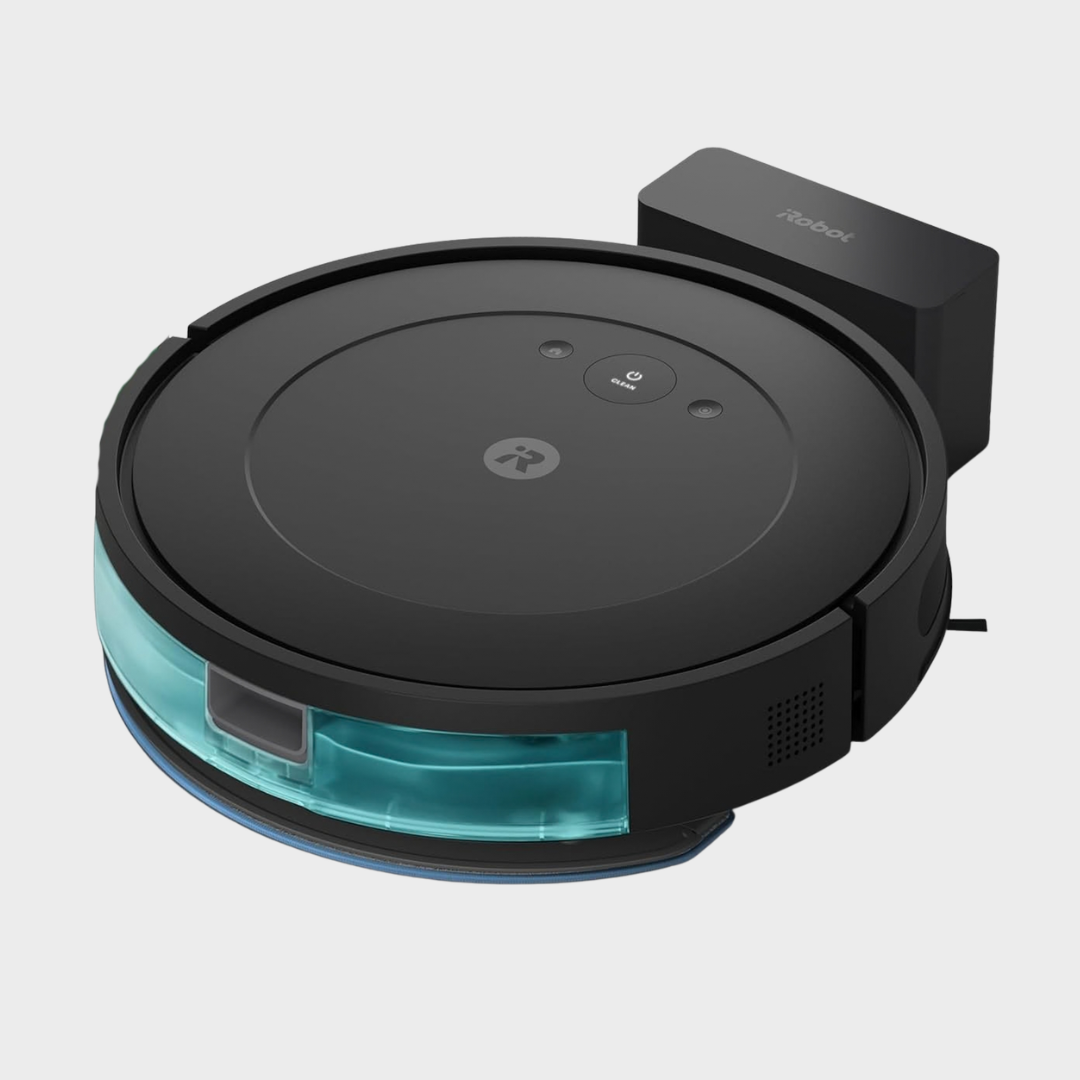
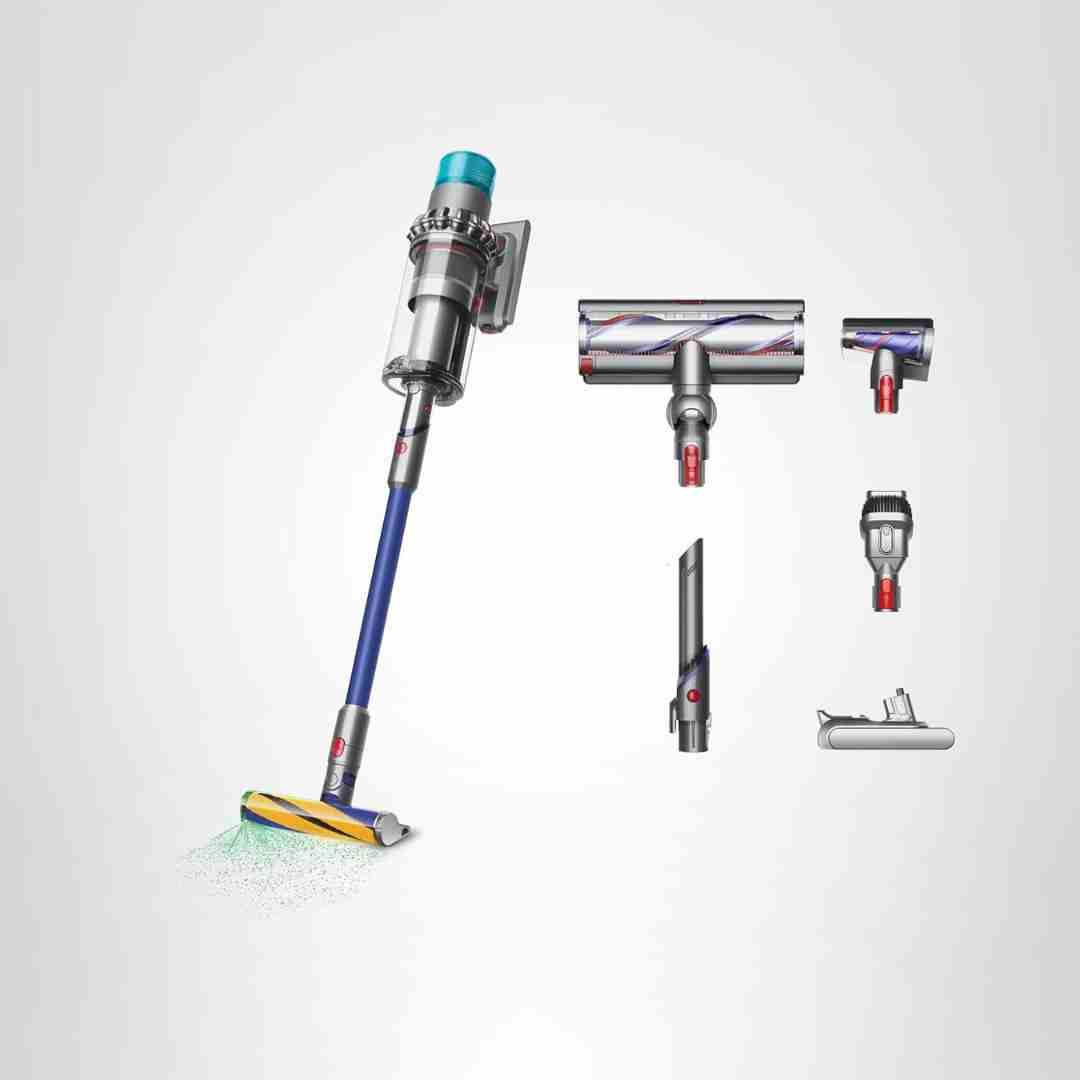
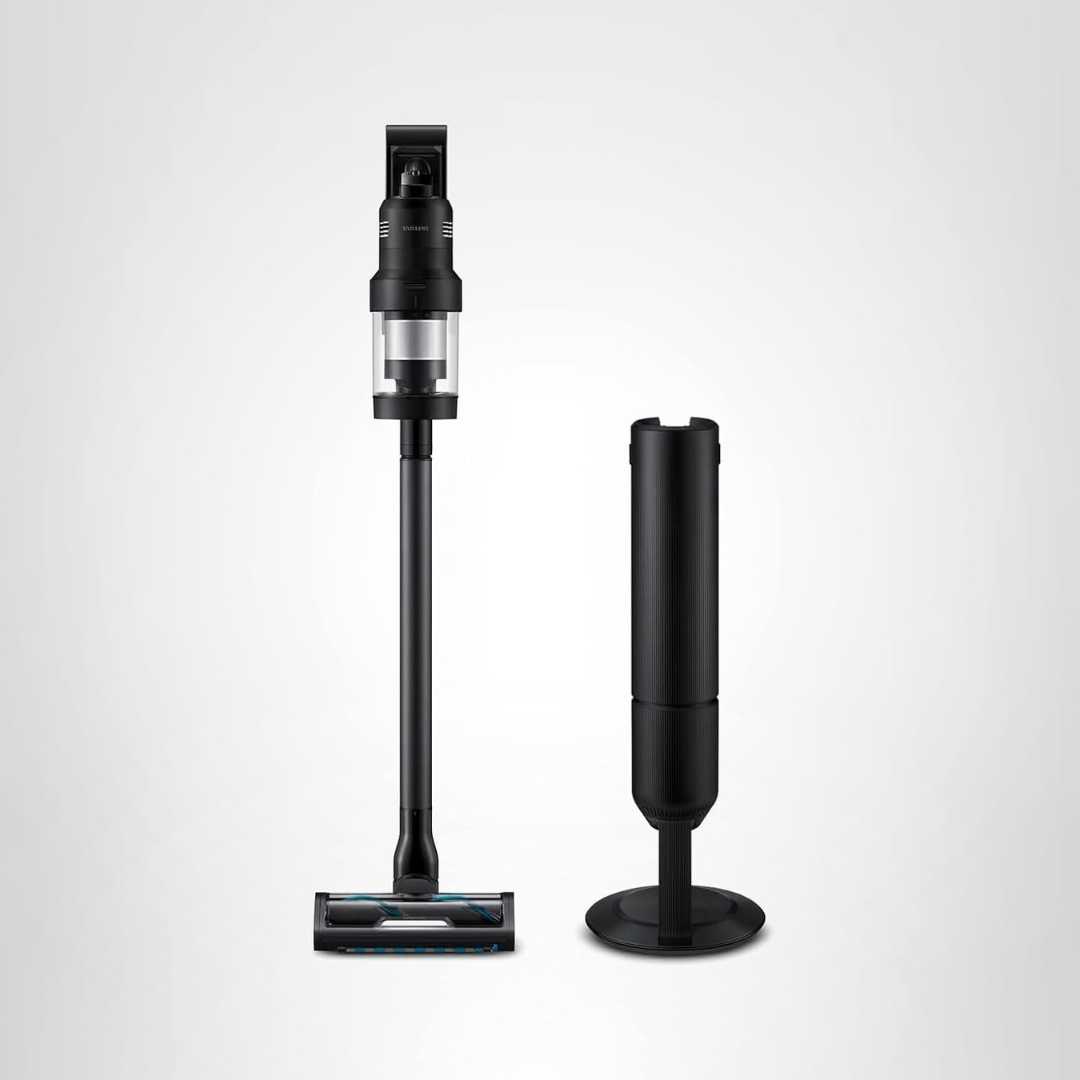
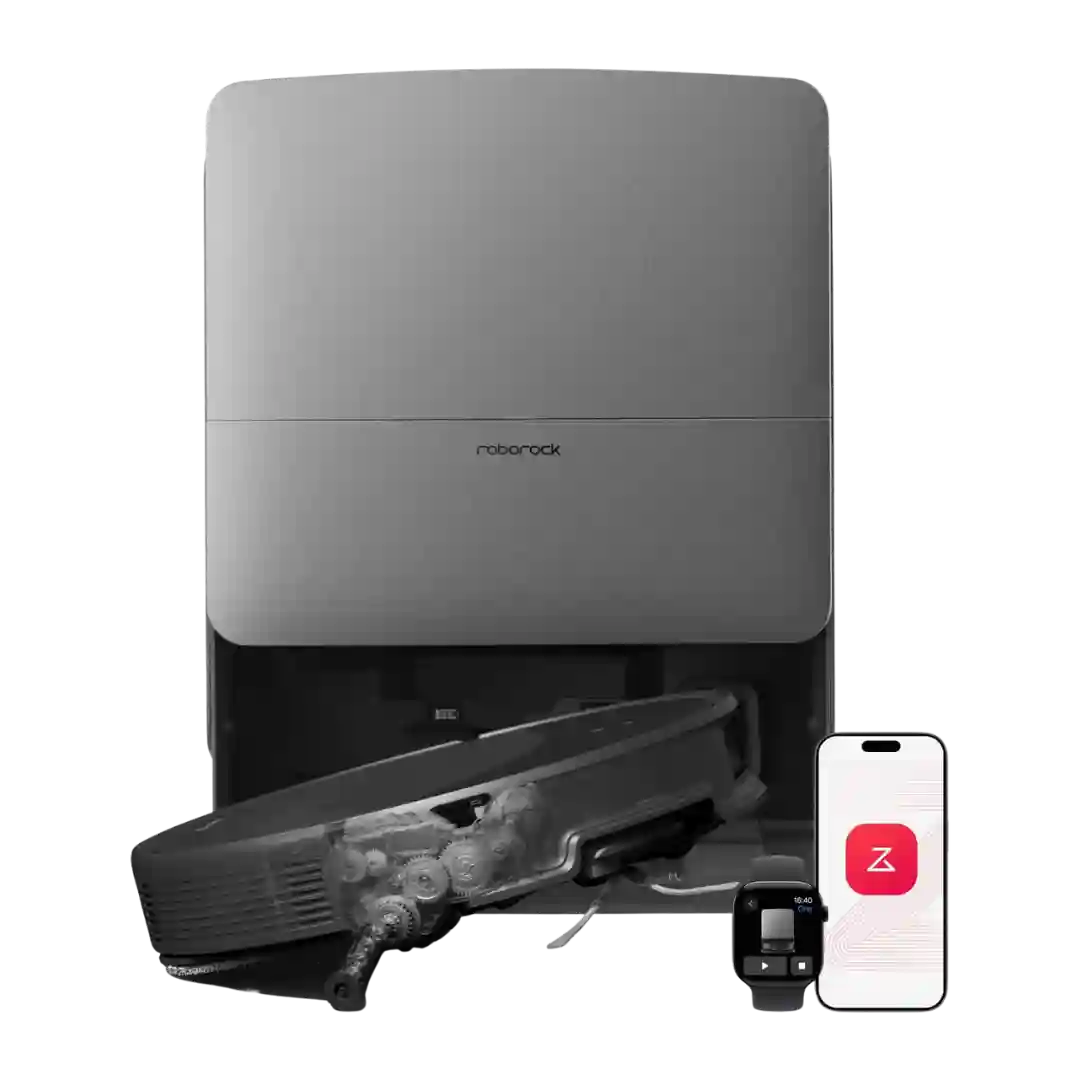
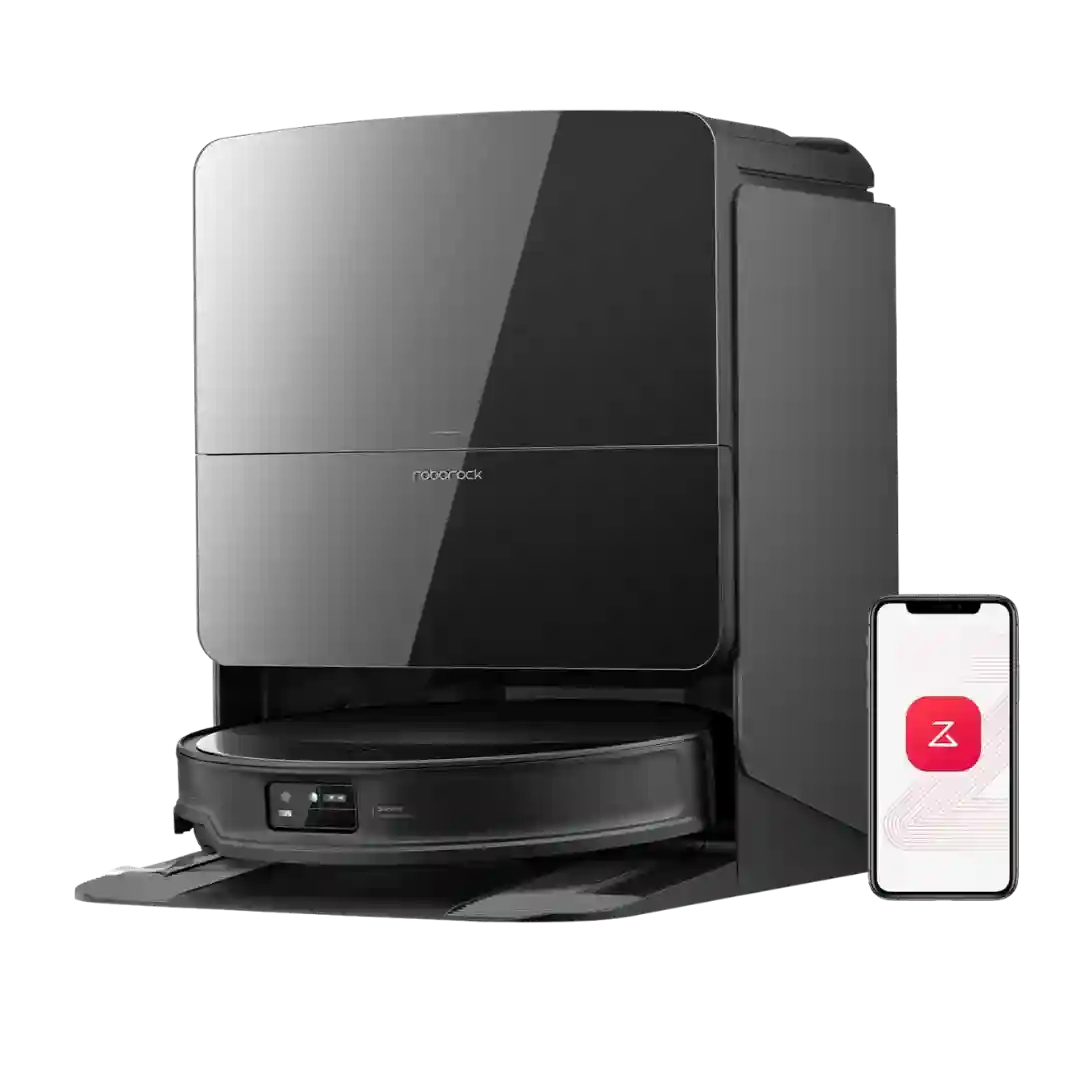
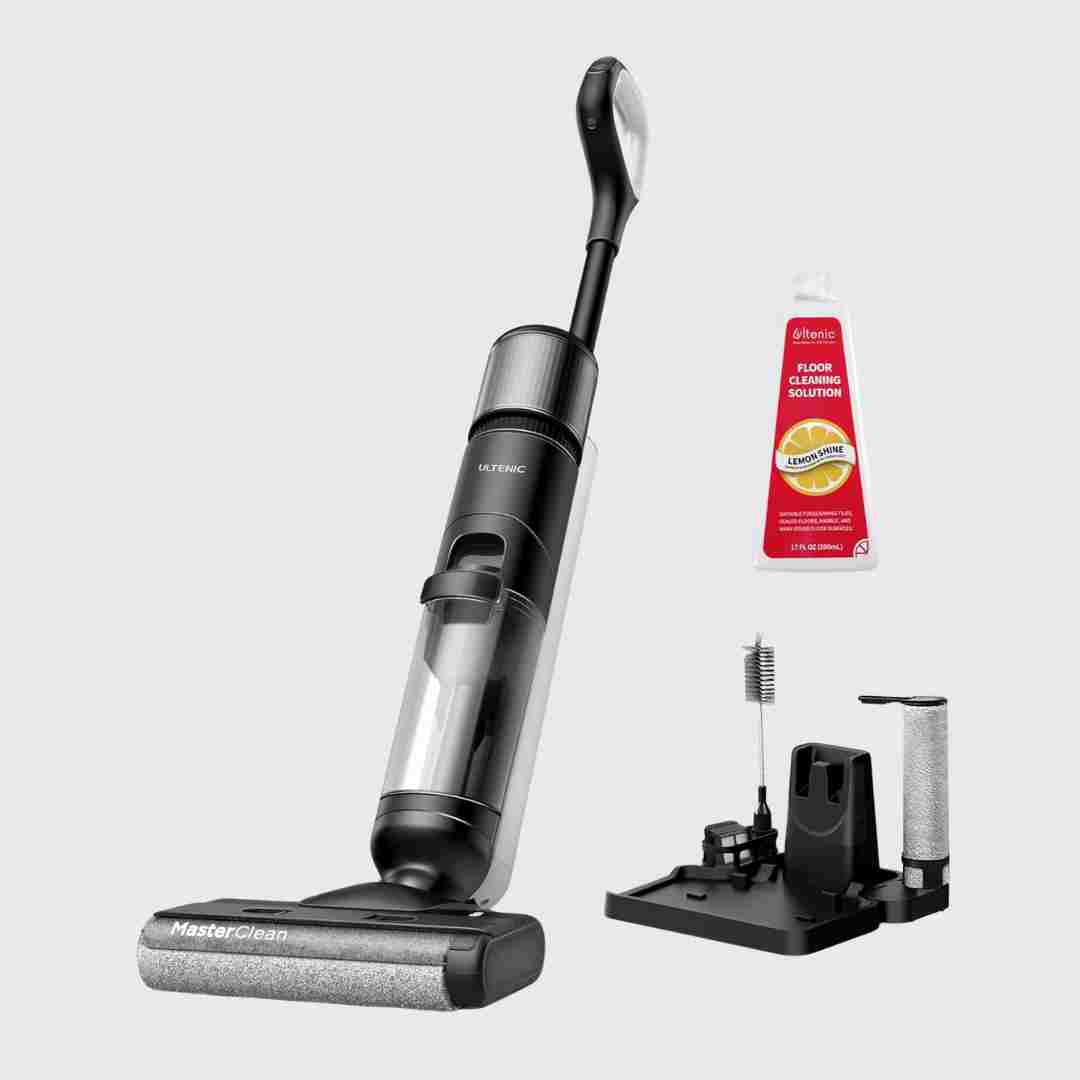
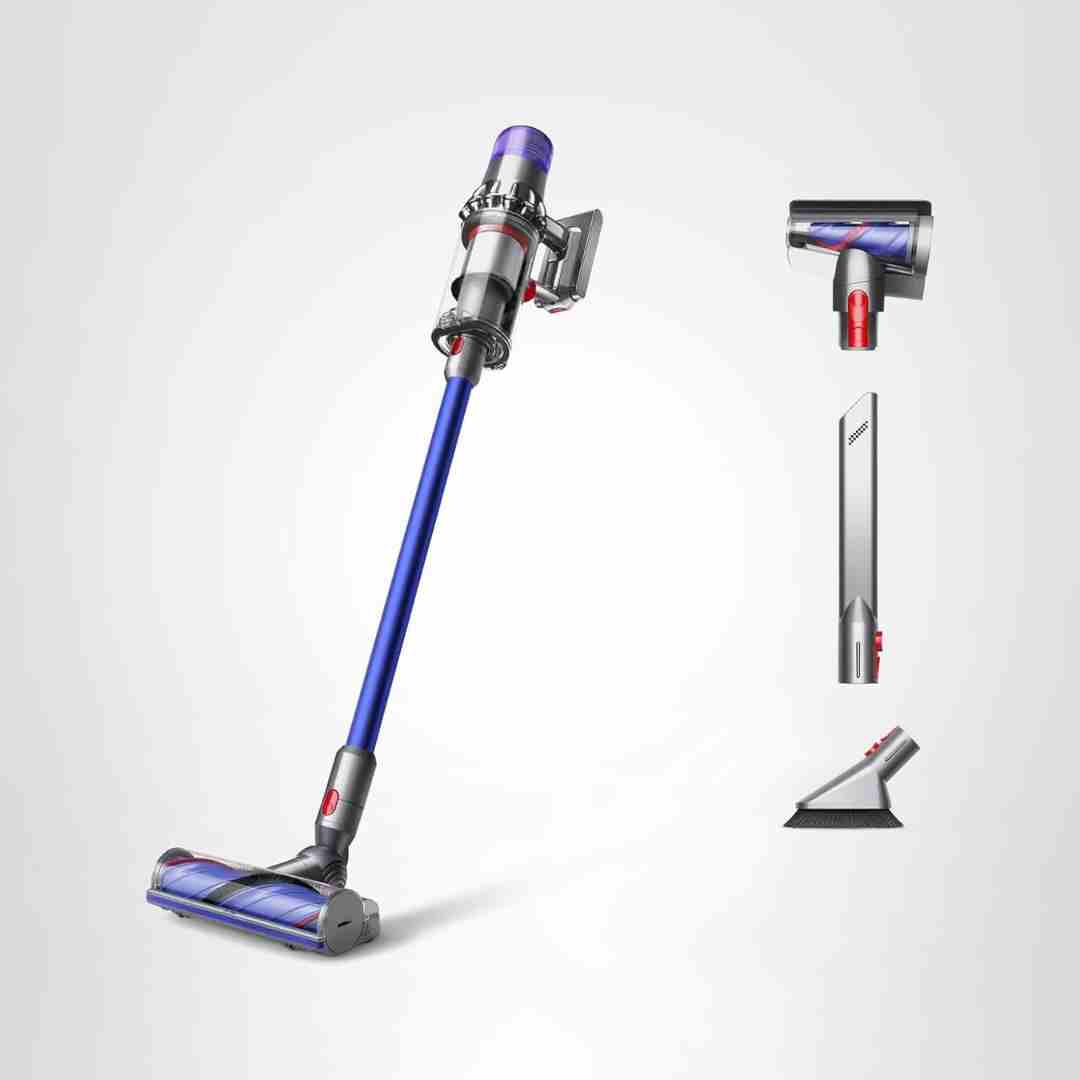
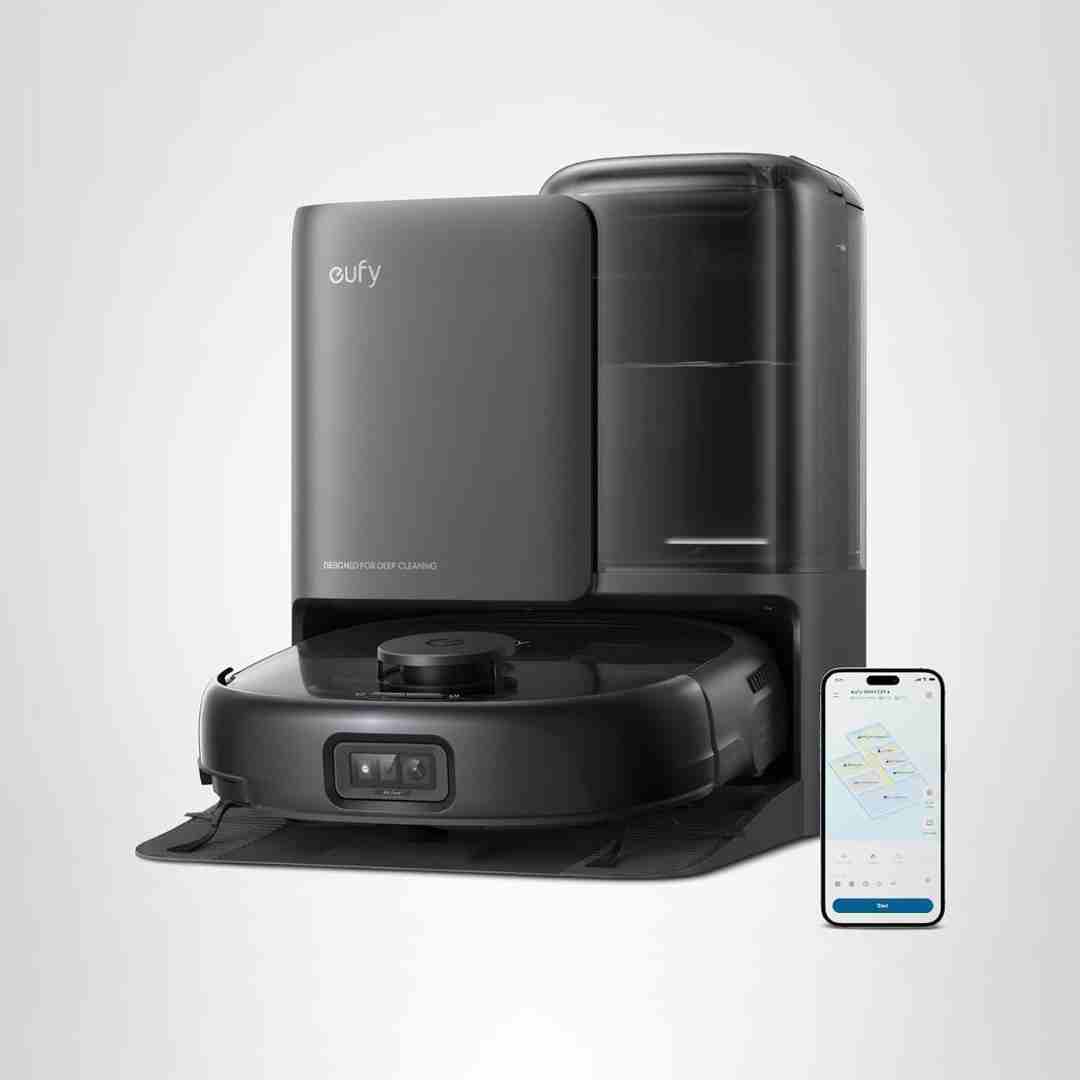
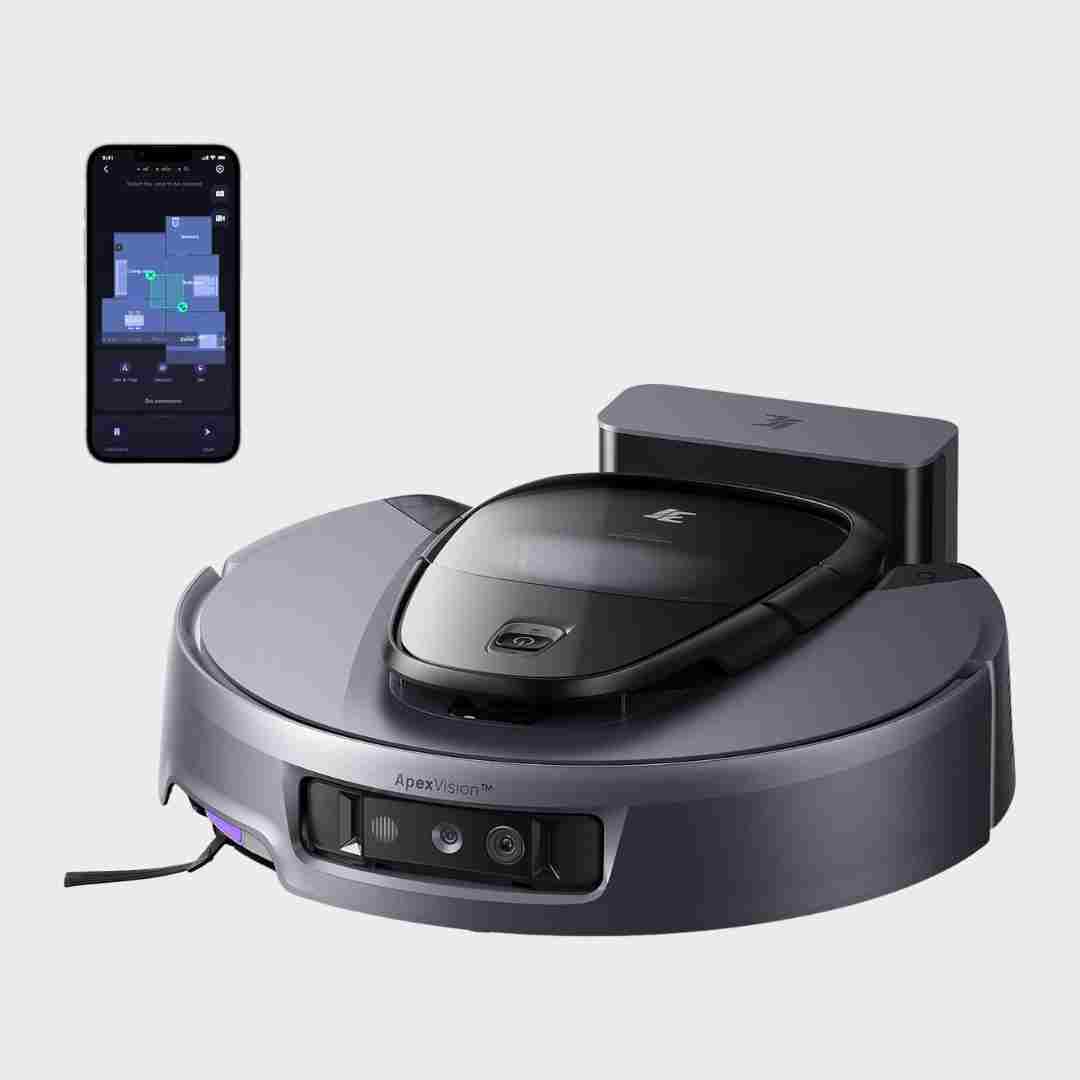
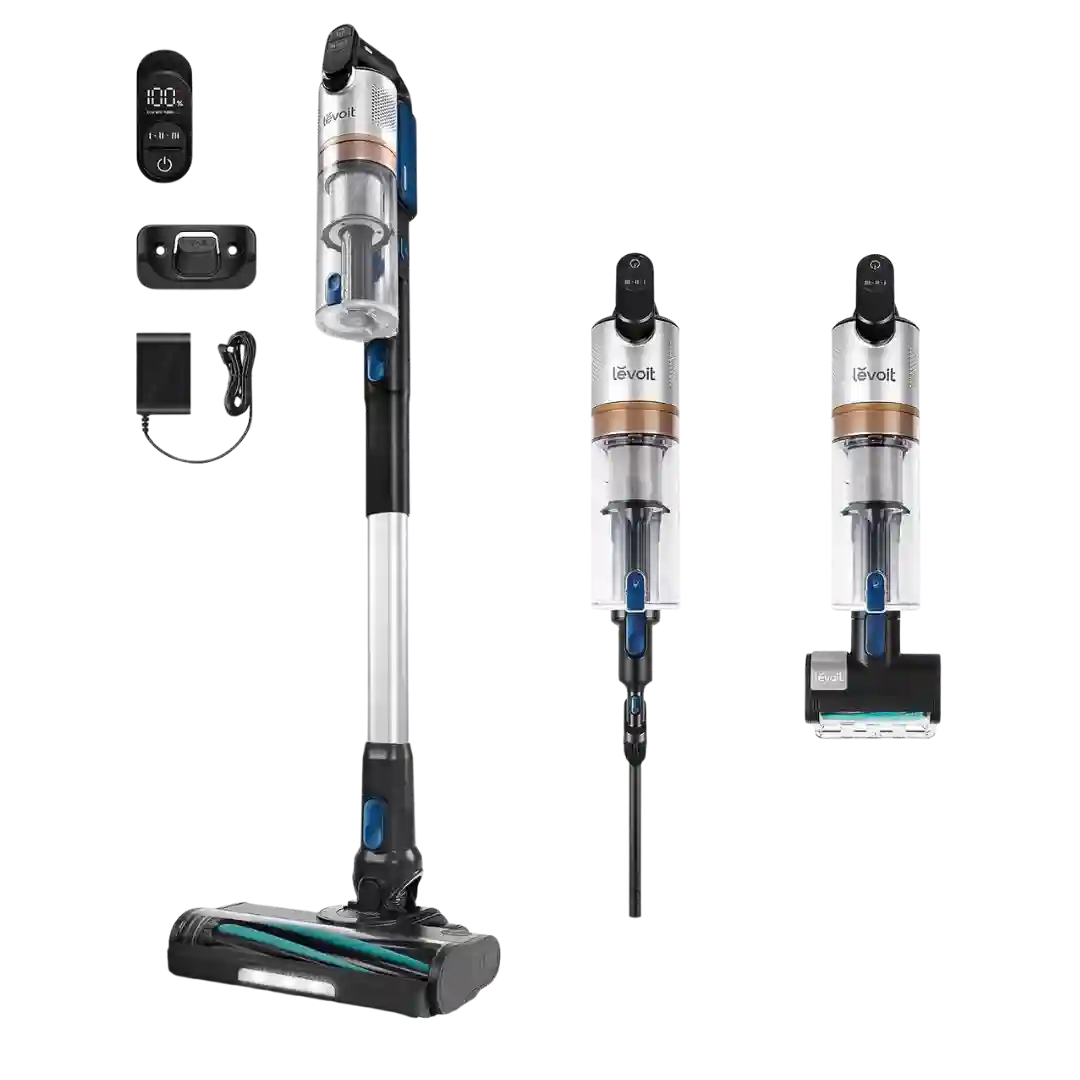
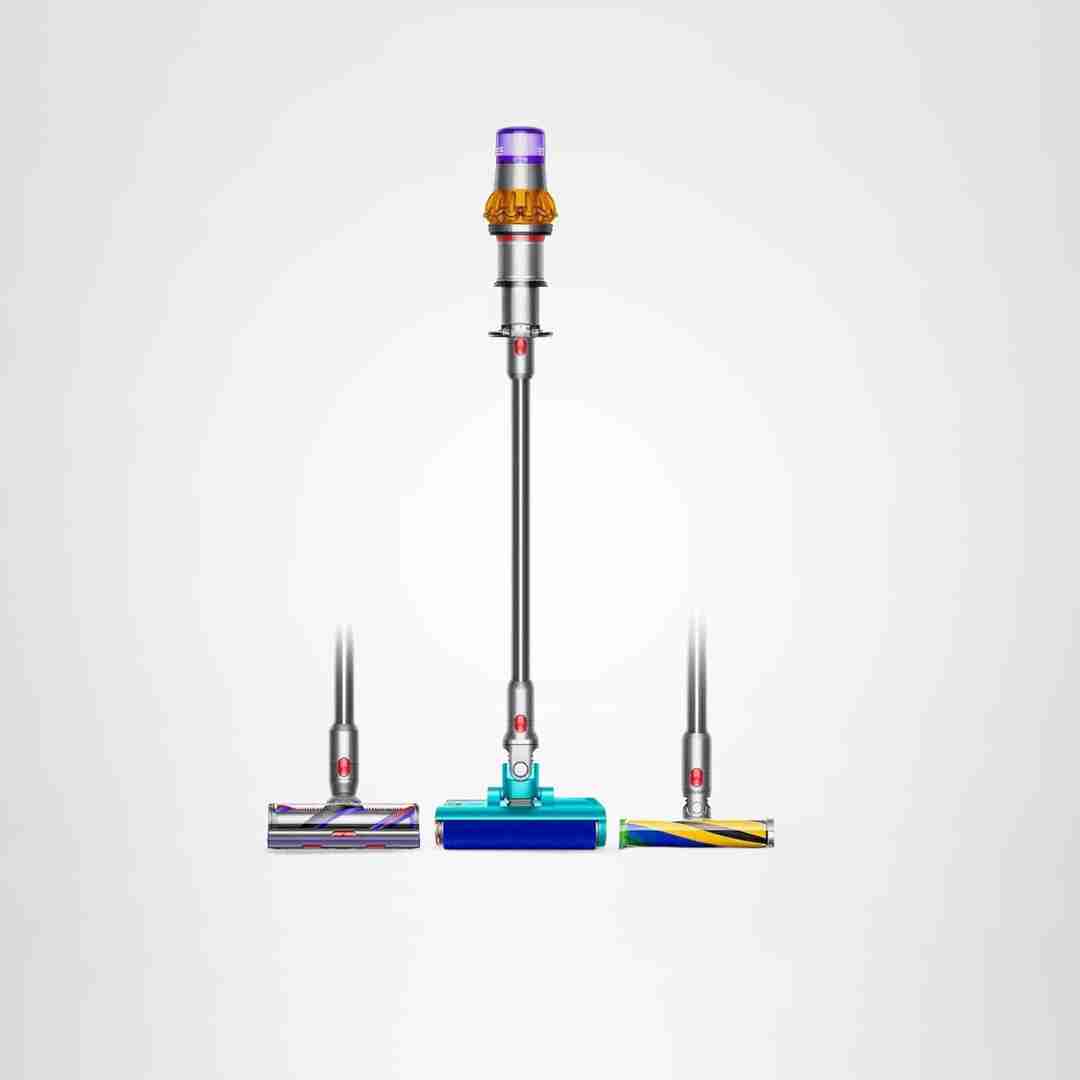
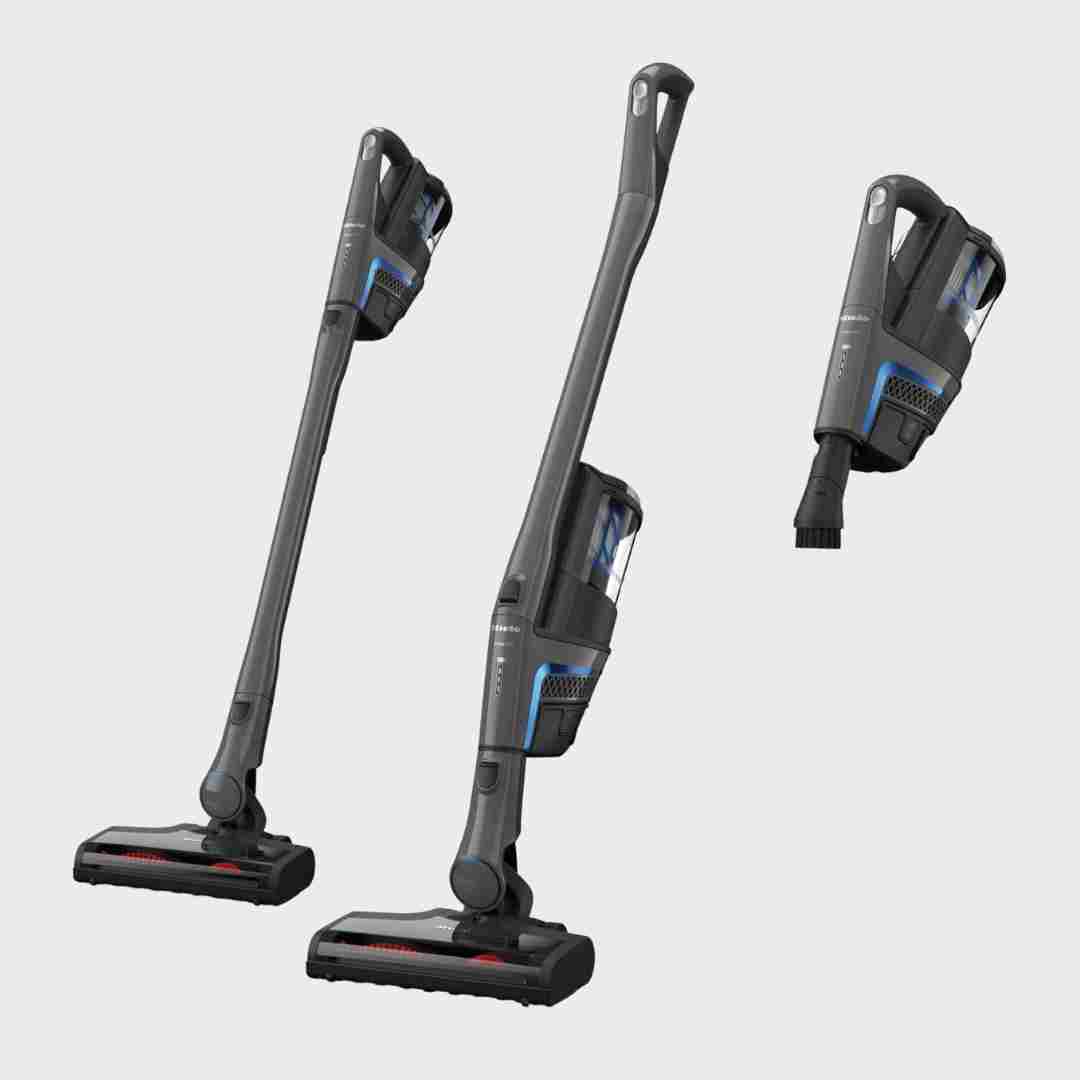
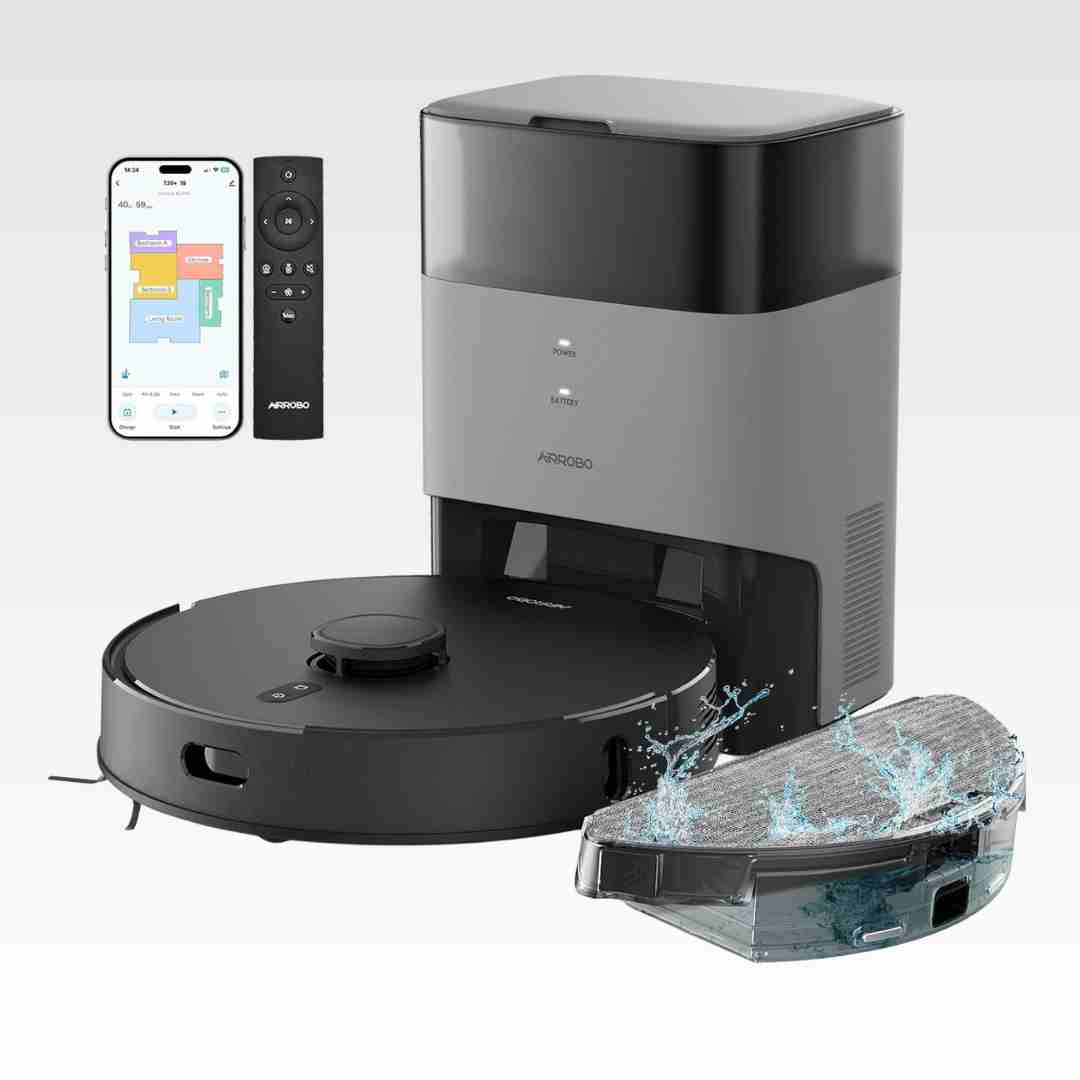
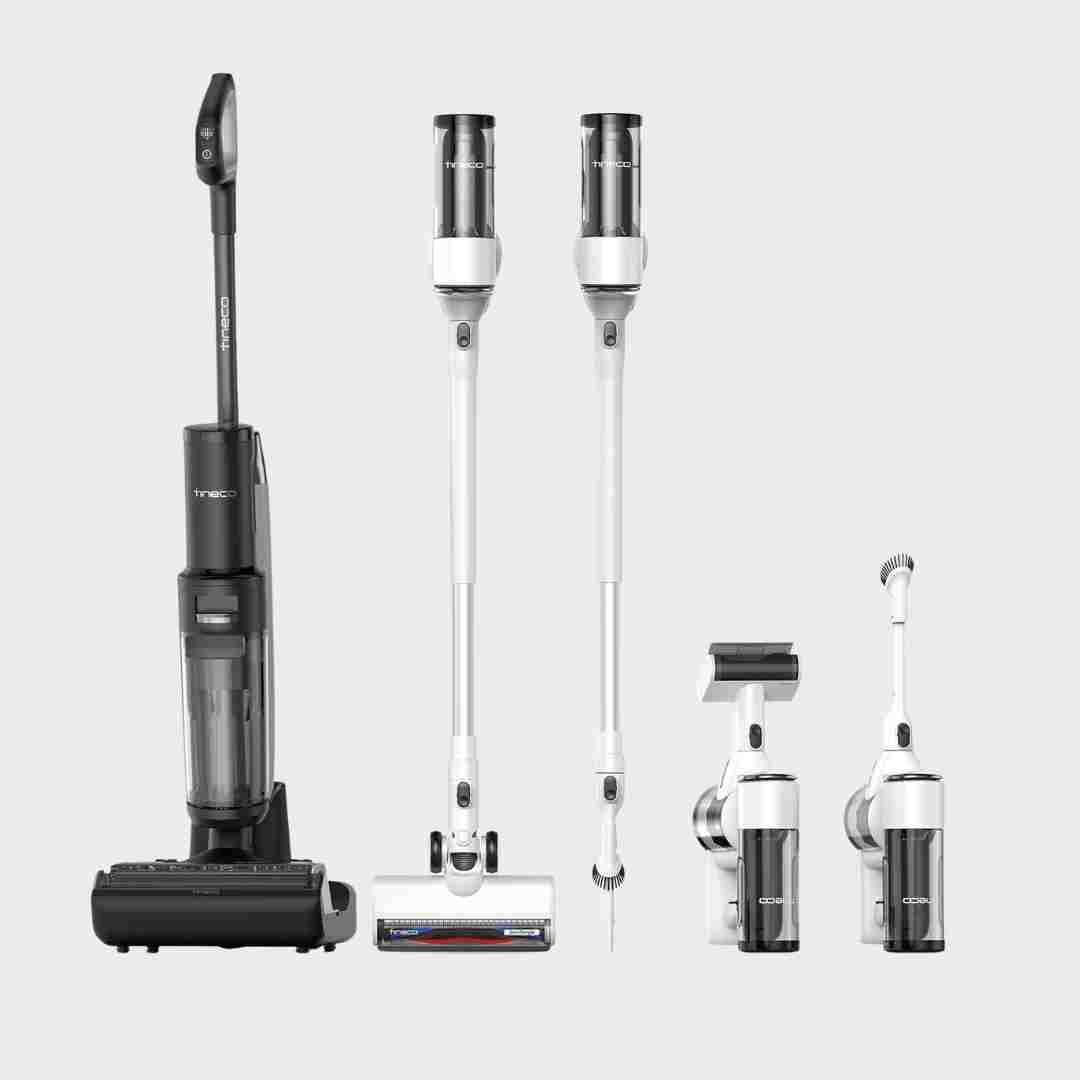
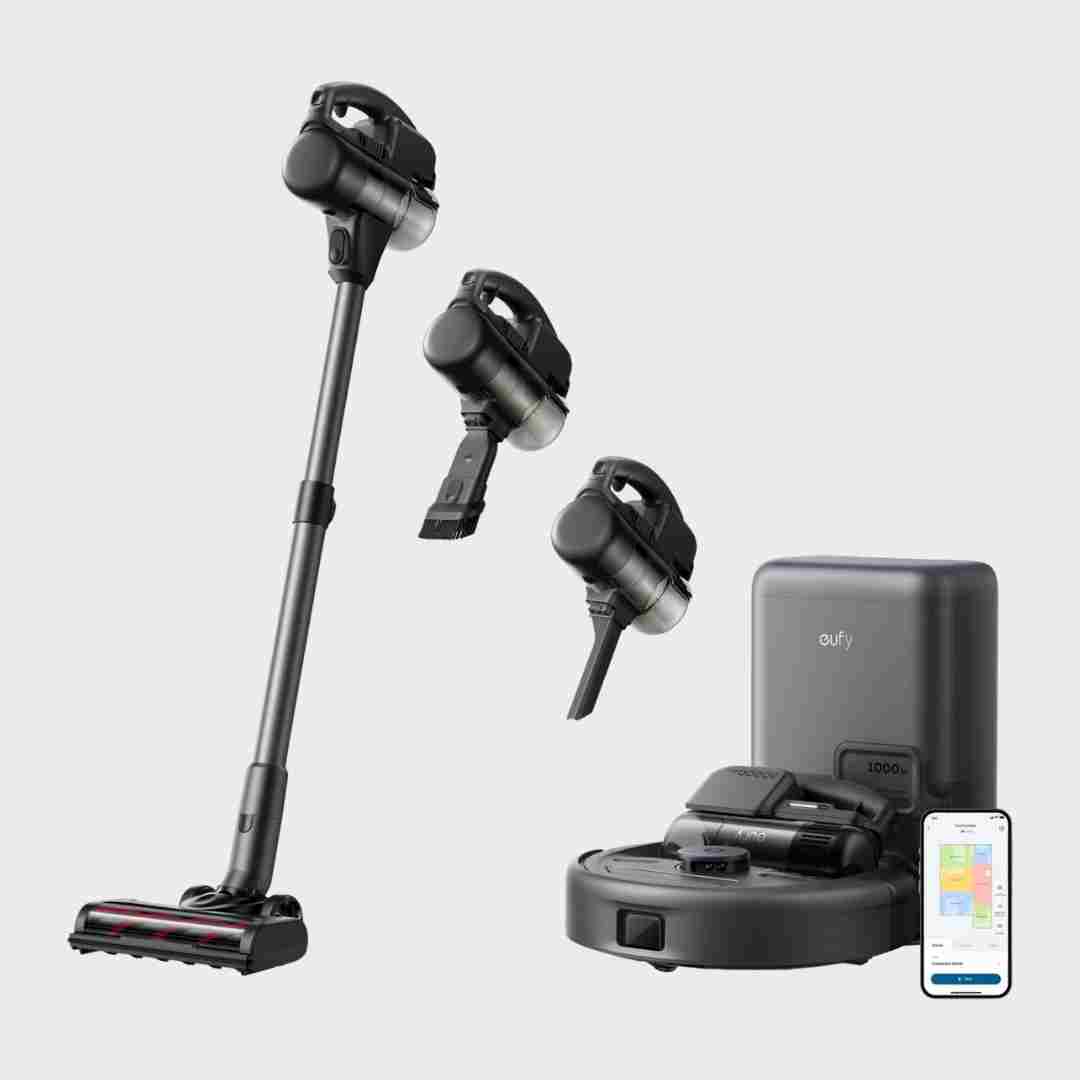
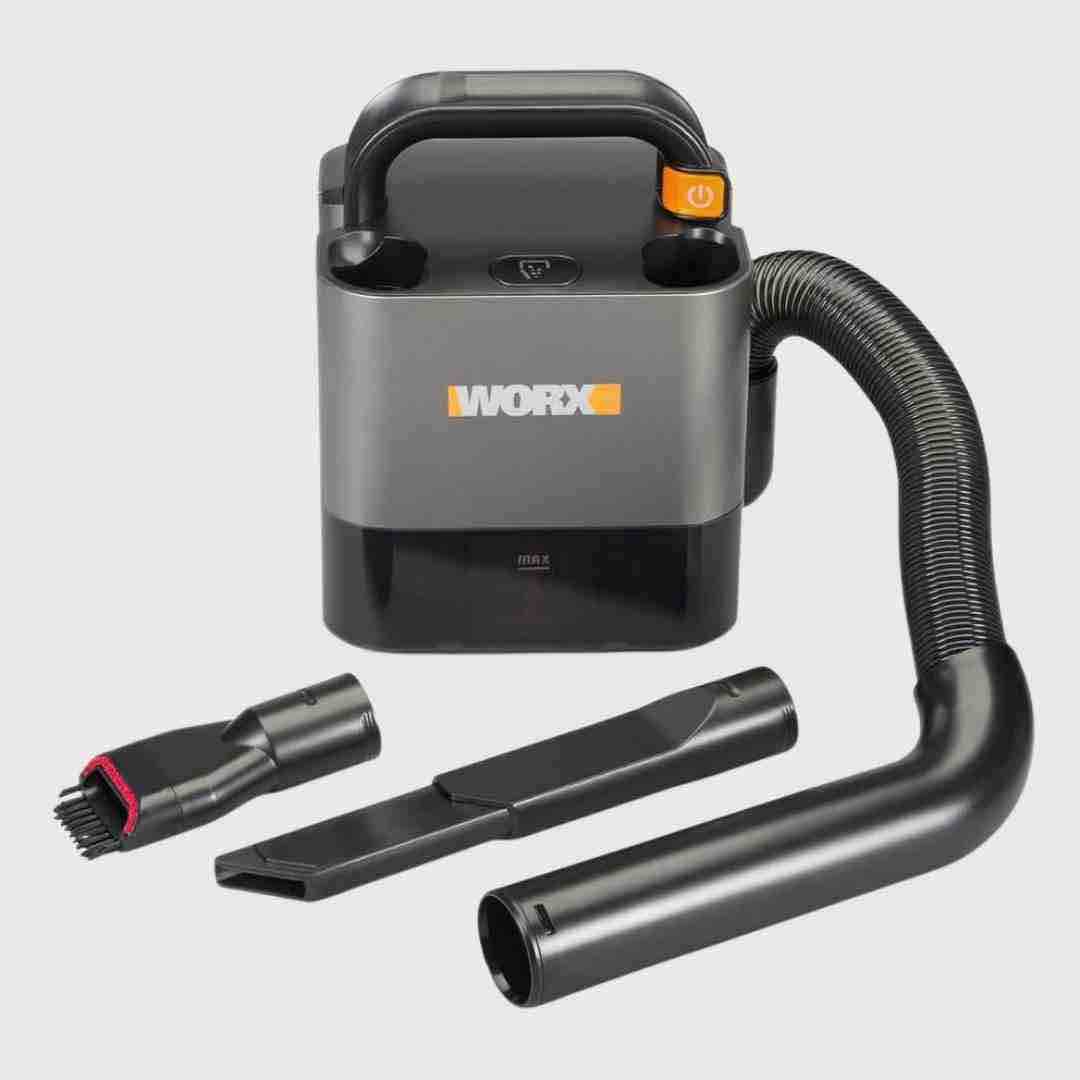
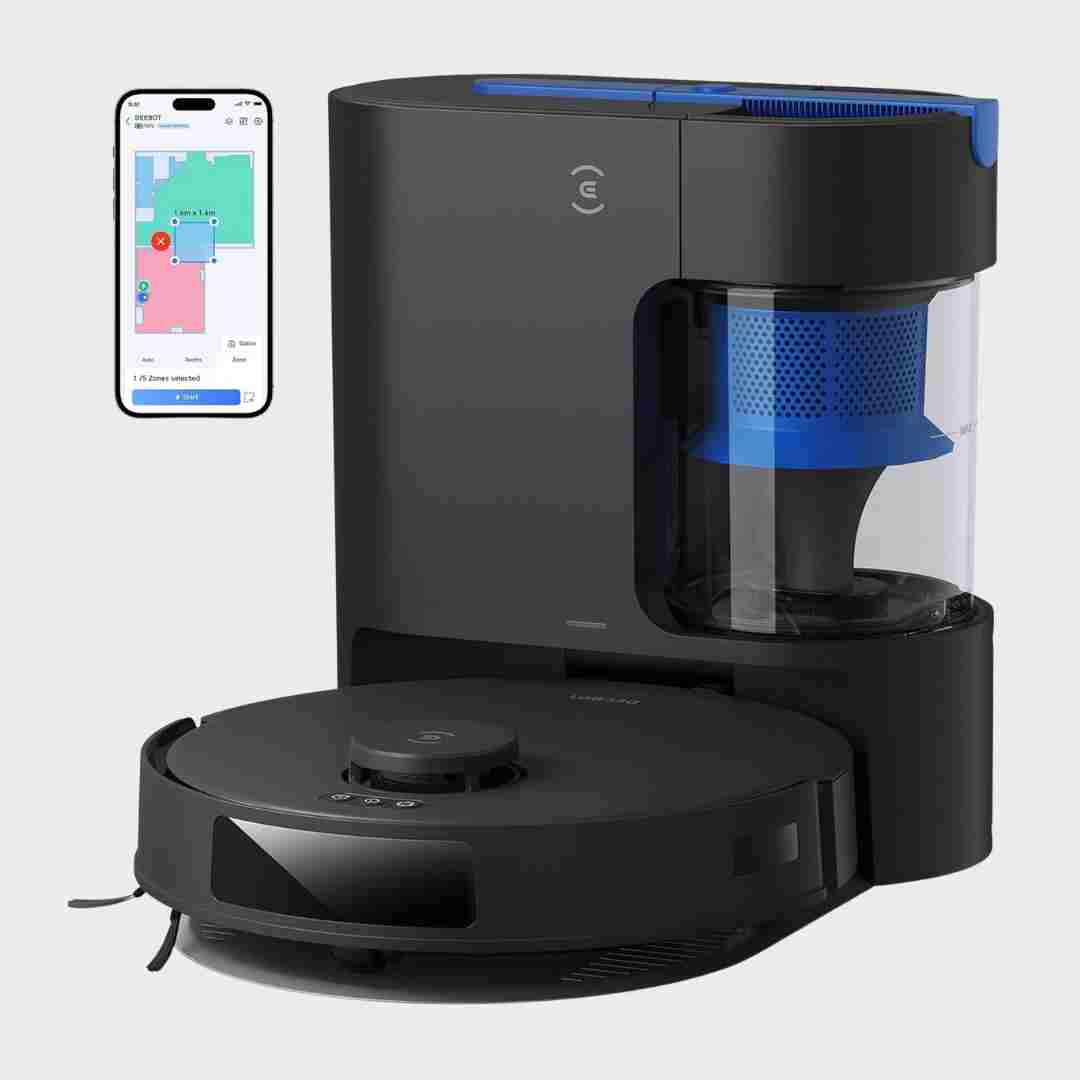
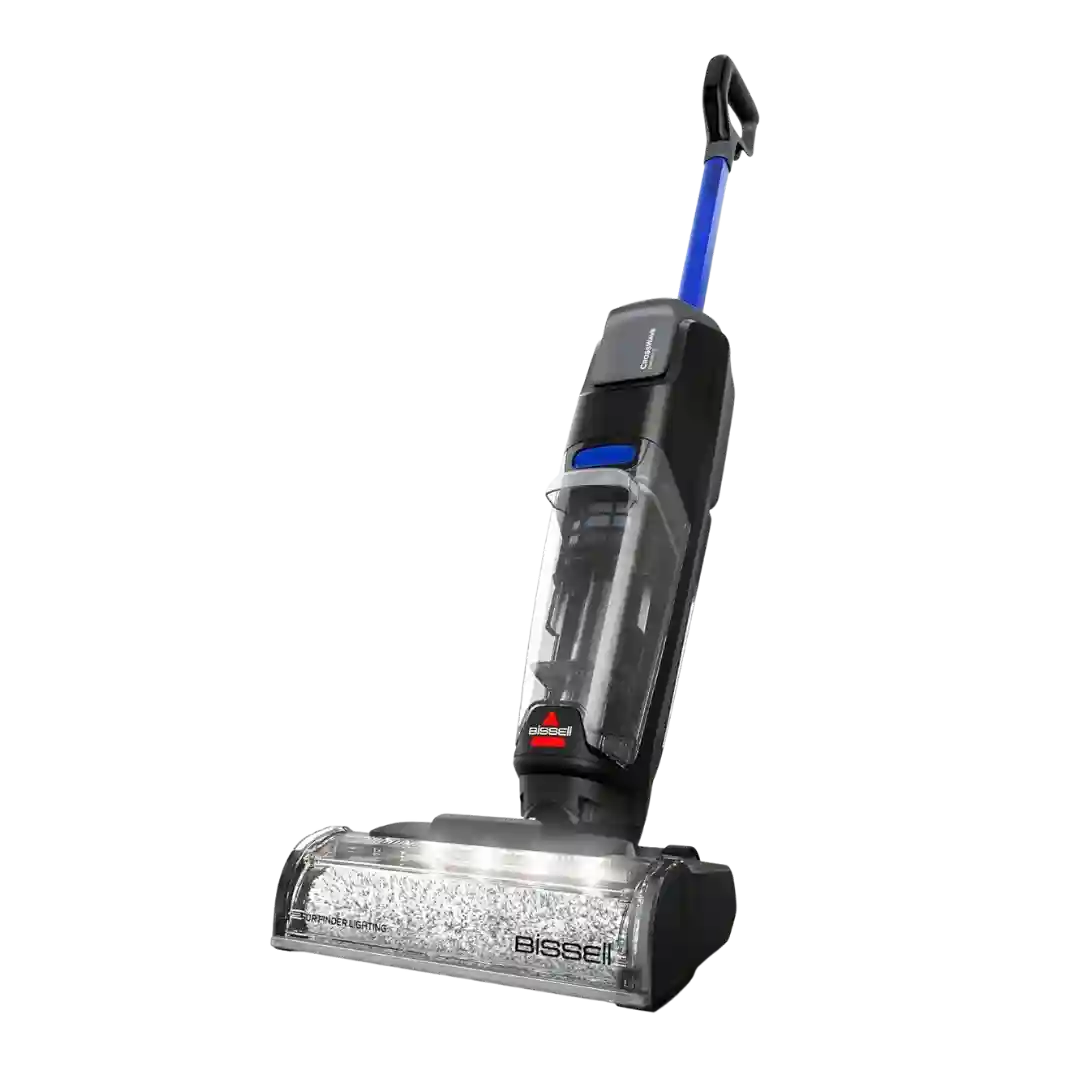
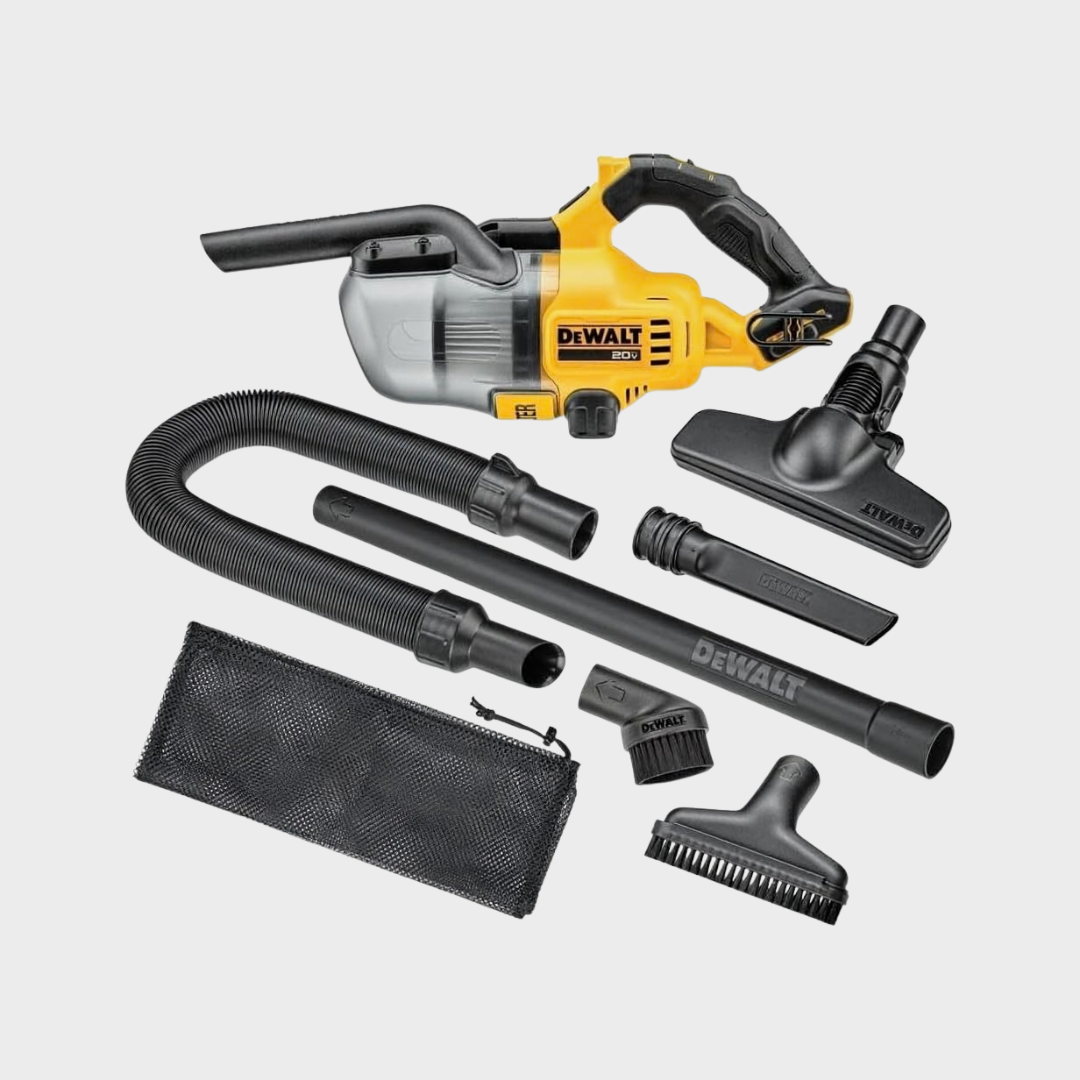
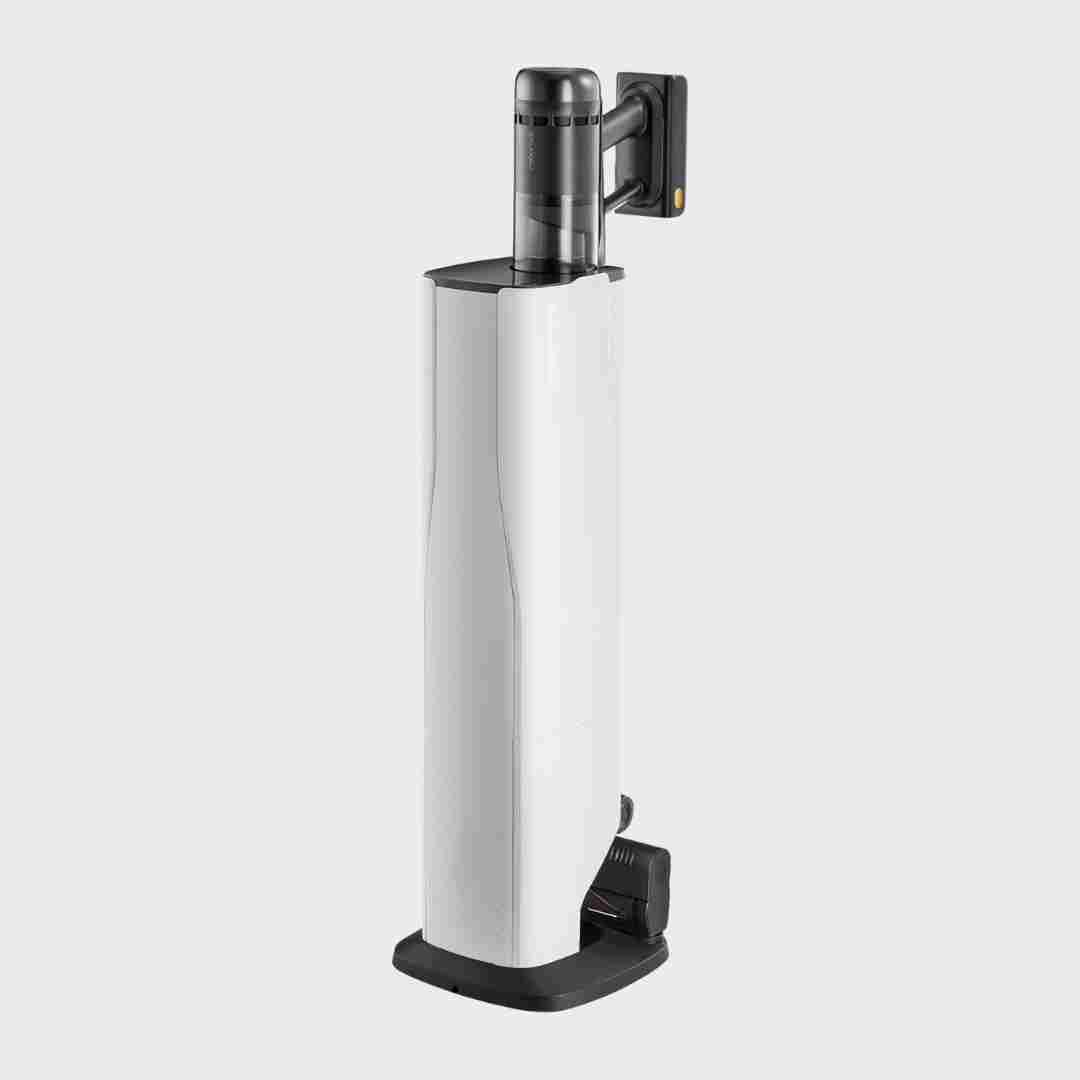
Measured low-suction runtime and coverage are impressive in testing, with the robot covering roughly 3,947 sq ft before reaching 0% battery, which is above average. Measured max-suction runtime and coverage are weaker in testing, with roughly 513 sq ft covered before depletion, which is below average. Expect significantly better results on mixed or lower suction settings.
Real-world low-power runtime is consistently positioned as a class leader, commonly cited around ~70–75 minutes on Eco depending on head and floor type, with Auto runtimes often in the mid range; multiple comparative tests also credit it as a battery-life award winner versus other cordless models.
On lower-power or hard-floor style settings, runtime is especially strong and commonly reaches roughly 35 to 40 minutes per charge. Max-mode runtime is strong for the class, commonly landing around 19 to 20 minutes per battery and stretching meaningfully further when two batteries are included. For its floor-cleaning strength, the vacuum delivers better-than-average runtime efficiency in the cordless category.
Runtime is commonly cited around 120–127 minutes, which is good for small to medium spaces. Coverage can still suffer in complex layouts because navigation inefficiency wastes runtime.
Eco/Low runtimes are commonly reported around 70–75 minutes per battery depending on head, which is excellent for a high-power cordless. With the included second battery on Outsize packages, reviewers emphasize that total cleaning time can exceed two hours for large homes. Boost/Turbo runtime is much shorter, often reported in the ~7–15 minute range per battery depending on the test and head. Several reviews suggest Boost is best reserved for occasional deep-clean bursts rather than whole-home cleaning.
On low/AI or standard modes, reviews commonly cite very long runtimes (often up to ~100 minutes on the larger battery plus a second battery). Runtime drops substantially with motorized heads and higher modes, so best results come from matching mode to task. Boost/Jet mode runtimes are the biggest runtime drawback: at least one test reports only a couple minutes at max power with certain tools. Expect to use mid/AI most of the time to balance cleaning power and endurance.
Runtime and coverage are both above average, with strong square-footage-per-charge impressions. Battery efficiency is above average in formal testing, not just raw runtime length.
Runtime in smart/default modes is typically described around 45-50 minutes and is often enough to cover a full level of hard floors in one go. Boost/max runtime is commonly cited around 25 minutes, which is adequate for spot-heavy jobs but shorter than smart mode as expected.
Default-mode runtime is commonly cited at up to about an hour in Eco/low, which reviewers say is plenty for quick 20–30 minute sessions. Some owners still prefer switching to a corded upright for full-house cleaning marathons. Boost or max-power runtime is repeatedly described as short, often only a few minutes, so it is best reserved for tough spots. This limitation is treated as normal for cordless sticks but still an important constraint.
Default-mode runtime and coverage are strong for the category, aided by efficient navigation and steady power management. Boost or max-power runtime drops as expected, but coverage remains competitive for larger homes thanks to efficient cleaning paths.
Runtime in everyday or smart-style modes is described as strong, with one measured test around 39 minutes in smart mode and multiple claims of up to about 60 minutes in quieter settings. Actual coverage depends heavily on mode choice and how dirty the floors are.
In Eco/Auto-style use, reviewers commonly report runtimes ranging from roughly 40 minutes to well over an hour per battery depending on head and surface. With two batteries, several sources describe reaching about two hours of total cleaning time. Boost/Max mode is treated as a short-burst option: many reviews cite roughly 8 to 12 minutes per battery. It is effective for deep cleaning, but reviewers agree it drains quickly compared with Auto or Eco.
Default/Auto runtimes are commonly described as long for a high-end cordless, with claims and tests around extended cleaning when not using motorized heads. Real use suggests one battery can cover a typical home, with the second extending total time. Turbo/max runtimes are repeatedly short (roughly around 9–11 minutes per battery in some tests), which is the main tradeoff for high suction. Reviewers often recommend Auto mode to balance performance and longevity.
On low power, reviewers commonly cite up to about 45 minutes per battery, and Pet+ bundles can extend total low-power cleaning time substantially with a second pack. Real-world runtime depends on floor type and power mode. High/max power runtime is repeatedly measured in the low teens, around 12-13 minutes per battery. With two batteries, that can translate to roughly mid-20 minutes of max-power cleaning if you swap packs.
Only mentioned for the cordless variant: reviewers estimate roughly 30–40 minutes in typical auto use and up to about an hour-plus on lower settings. Actual runtime varies with floor type and how often boost triggers. Only mentioned for the cordless variant: max/boost runtime is relatively short (around the low teens in minutes). It’s best treated as a spot-boost mode rather than a whole-home setting.
Default or Eco runtimes are often reported around an hour and can be longer in some tests, with Auto or normal modes commonly landing around the mid-40-minute range depending on surfaces and head used. Boost or max power runtimes are short by design: reports range from about five minutes to around ten minutes, delivering intense suction but draining the battery quickly.
Eco/low runtime is commonly around ~59–65 minutes in reviewer claims/tests, which is strong for this price tier and suits smaller homes. Turbo/Max runtime is a clear compromise: multiple reviews note it drops dramatically (often single-digit minutes on the R10, and higher-but-still-short on some Pro tests).
Reported low/medium runtimes are commonly cited around ~60 minutes (low) and ~40 minutes (medium), with at least one review mentioning up to ~70 minutes on low; many users say that’s enough for whole-home cleaning. High/turbo runtime is commonly cited around ~15 minutes, which reviewers frame as suitable for quick, intense cleanups rather than full-home sessions.
Default/Auto runtimes are repeatedly described around 40 to 60 minutes depending on conditions, with the dock keeping the vacuum topped up between sessions. Max power runtimes are usually reported in the 15 to 20 minute range, with one review suggesting it can approach around half an hour in continuous high-power use depending on conditions.
Default runtime is often cited as long and practical, enabling full-floor cleans with fewer interruptions, though real-world duration depends on suction level and layout.
Default runtime is commonly described around the ~100–120 minute class (varies by mode and suction). Reviewers generally find it adequate for small/medium spaces and routine runs.
Default/low-mode runtime is reported as high in some sources (up to 60 minutes) but measured closer to the low-40-minute range in one lab test. Real-world mixed use is commonly framed around roughly half an hour depending on settings. Boost/high-mode runtime is reported around the mid-teens in minutes, with one review near 17 minutes and another lab test around 14 minutes. This is framed as practical for targeted high-power bursts, but still a short window for whole-home cleaning on max.
Runtime is generally strong for a premium robot, commonly around two hours in everyday use, with recharge-and-resume covering larger spaces. Expect longer total job times when both vacuuming and mopping, or when using max power/two-pass settings.
Measured/real-world runtime impressions are positive overall, with multiple reviewers noting it can complete cleaning cycles in typical homes; performance varies by suction/mop settings.
Real-world runtime usually lands around 40 to 45 minutes with the floorhead in lower modes, while highest-power cleaning tends to fall around 10 to 17 minutes.
Default/Eco runtimes are often around an hour or more depending on mode, with Auto mode shortening runtime when it ramps up power. Boost/Turbo runtime is consistently short, commonly under 10 minutes in testing.
Default/low-power runtime is often cited around the hour in the most conservative mode (sometimes without powered head), with more practical floorhead use commonly referenced around the ~30-minute range on low. Boost/turbo runtime is consistently described as short (often mid-teens to mid-20 minutes depending on mode and floorhead), but some reviewers still call it competitive given the performance level.
Measured runtime varies by mode and head use: reviewers cite roughly ~35–40 minutes on hard floors and ~20–25 minutes on carpet with the main head, while non-powered tools can approach or exceed an hour. Boost/max power is available but often requires holding a lever/trigger; in max, some tests show runtimes dropping into the ~10–16 minute range.
In default mode, stated runtimes range roughly from 20 to 40 minutes depending on surface and tool, which is enough for many apartments and smaller homes. Using powered heads or higher suction shortens the usable time. Boost or max mode delivers a big suction increase but runs for only about 6 to 7 minutes in multiple reviews. It is best treated as a spot-cleaning option rather than a full-room setting.
Eco and Auto-style use is typically reported around 40–75 minutes depending on head and surface, making it realistic for routine sessions for many households. Boost delivers the strongest cleaning but usually runs only about 8–12 minutes in continuous testing (occasionally reported higher in mixed use), so it is best treated as a spot-clean mode.
On Eco/low, runtimes commonly fall in the roughly 30–50 minute range with the floorhead and longer with hand tools, often enough for whole-apartment cleaning. Turbo/max mode is consistently short (often around 6–16 minutes depending on test), making it best for quick bursts rather than whole-home deep cleans.
Claimed runtime is long, but practical runtime depends on using higher suction for carpets; most reviewers still find it sufficient for small-to-medium spaces thanks to efficient navigation.
Standard-mode runtime is generally strong for the category, with many reports clustering around ~40–50 minutes for floor washing and ~60+ minutes for vacuuming. Boost/steam modes materially reduce runtime, with some users seeing closer to ~20 minutes when pushing maximum output.
Default runtime is often described as long in robot mode, supporting whole-home maintenance on a schedule. Boost or turbo runtime is noticeably shorter, especially for handheld or max-suction sessions, which is typical but worth planning around.
On the default/low setting, multiple reviews cluster around the low-20-minute range, with at least one measured run near 24 minutes. This is generally considered enough for a full quick car clean for most users. On high/turbo, reviewers commonly cite about 10 minutes, with real-world reports in the 11–15 minute range. This is typically viewed as sufficient for quick bursts but limiting for longer high-power sessions.
Low/standard mode runtime is often reported around the 30–45 minute range for smaller homes, but varies notably with usage habits and can feel short for multi-floor cleaning. High/max mode runtime is commonly described as much shorter than low mode and best used for brief spot boosts on rugs or stubborn debris.
Default or auto-mode runtime is usually above average but varies widely by floor type and how often sensors boost power. Reported real-world figures range from roughly 40 to 60 minutes in some tests to around 80-plus minutes in others. Boost or turbo runtime is short across reviews, commonly described as roughly 7 to 15 minutes. It works best as a burst mode for carpets or spot cleaning rather than a whole-home setting.
Eco runtimes around an hour are frequently cited, while sensor/auto modes are commonly closer to the 20–30 minute range depending on surface and usage. Boost or Max runtime is short in testing (around 10–11 minutes), which is typical for high-power cordless sticks.
Its real-world runtime of about 30 minutes is enough for many flats and smaller homes, but can feel short for larger spaces or deeper whole-home cleans.
Runtime is often described as long on lower power settings, but real-world endurance varies with suction level, two-pass routines, and mixed-surface layouts.
Real-world runtime is commonly reported around ~20 minutes with mid-size packs, with at least one review noting measured time landing below an advertised figure. Larger packs are repeatedly mentioned as the way to extend sessions.
Normal-mode runtime is repeatedly cited around 40 minutes without a powered head, and roughly 25–30 minutes with powered floor tools. Most reviewers found that sufficient to finish a typical home clean without the battery dying mid-session. Max mode is commonly described as a short-burst setting, often around seven minutes, meant for spot deep-cleaning rather than whole-room runs. Reviewers like having it, but they plan around its fast battery drain.
Multiple reviewers cite about 40 minutes in low/standard mode, which suits daily maintenance cleaning or smaller homes. High/Max mode is consistently described as much shorter than default, ranging from roughly 15 minutes in one review to about 4 minutes in another comparison, so it is best reserved for quick spot jobs.