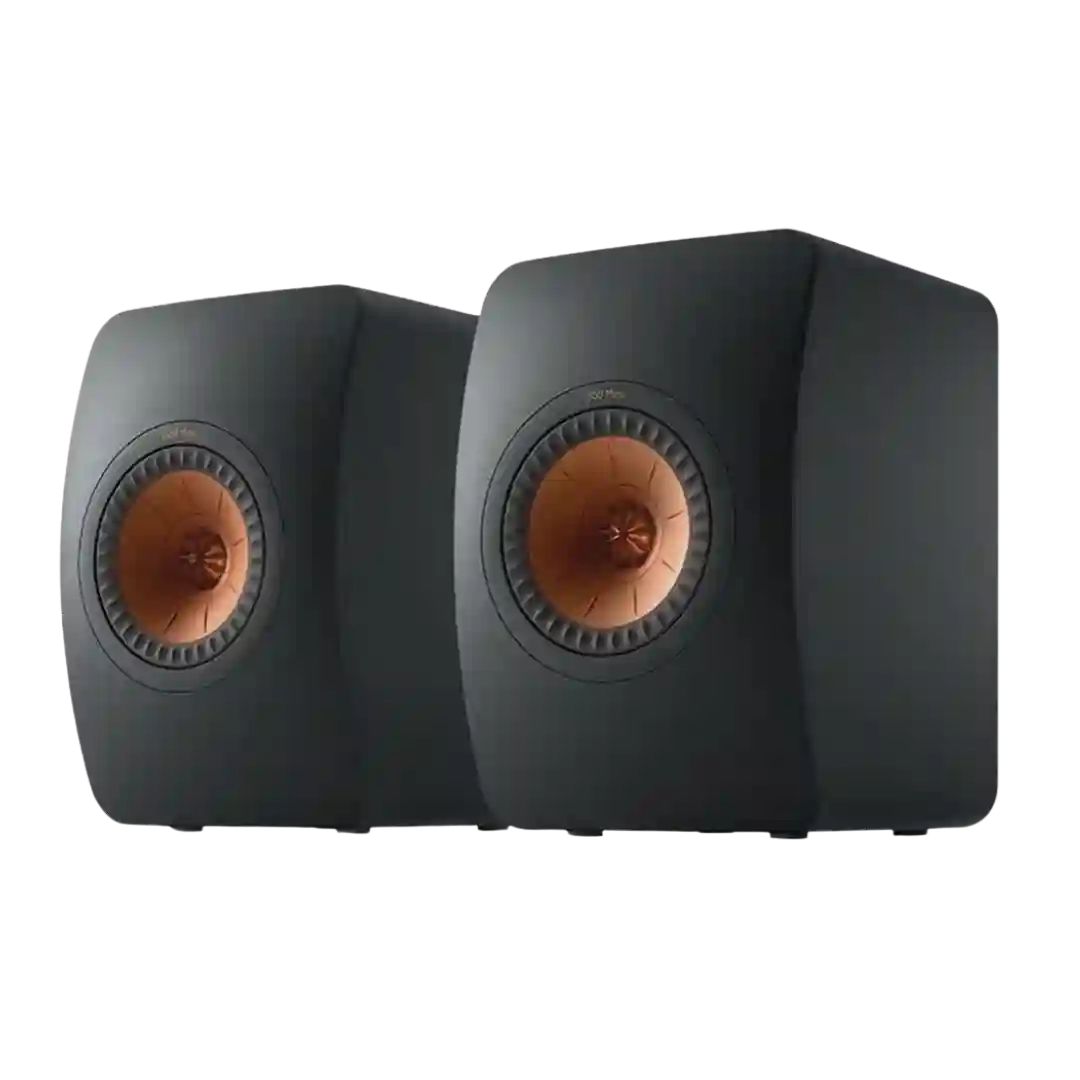
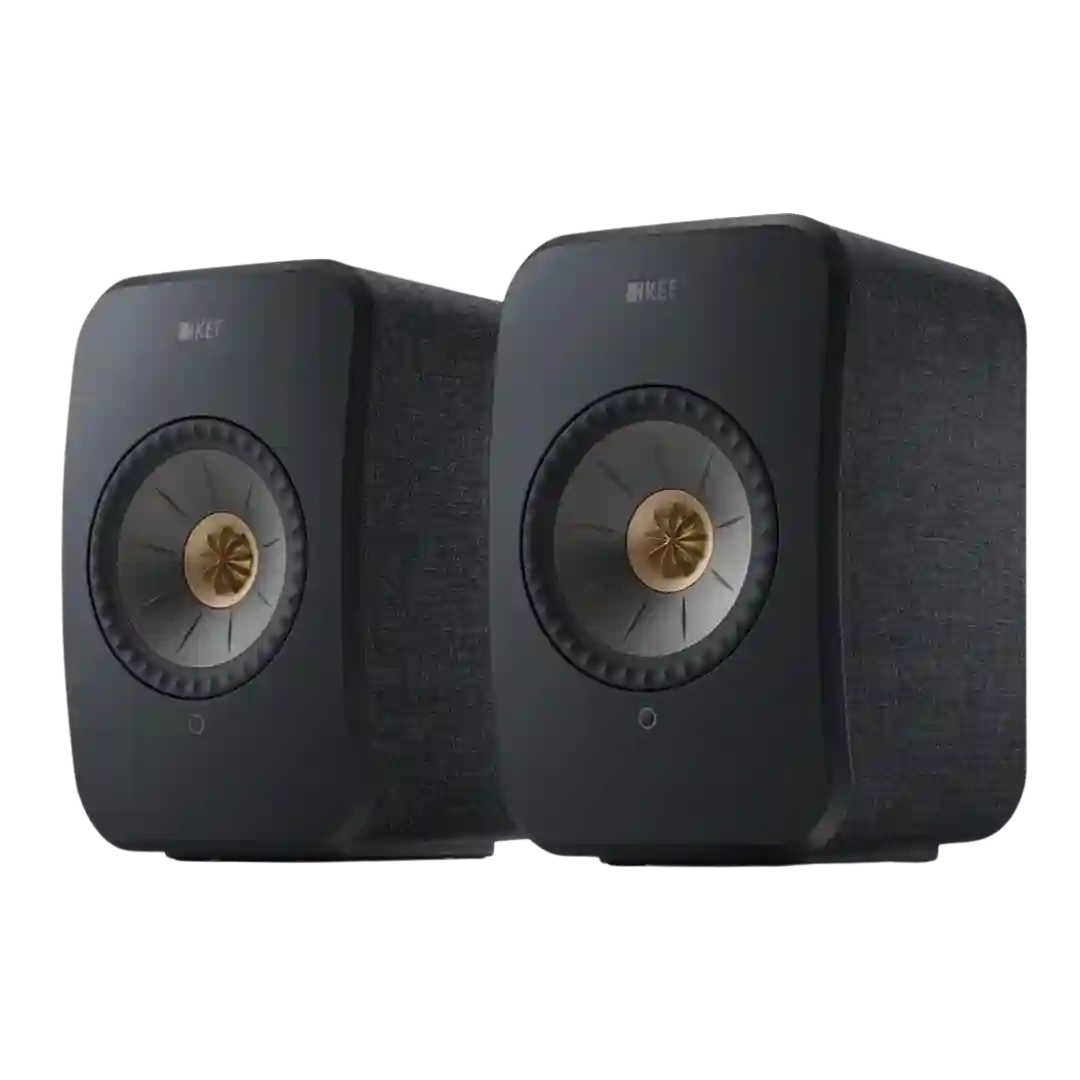
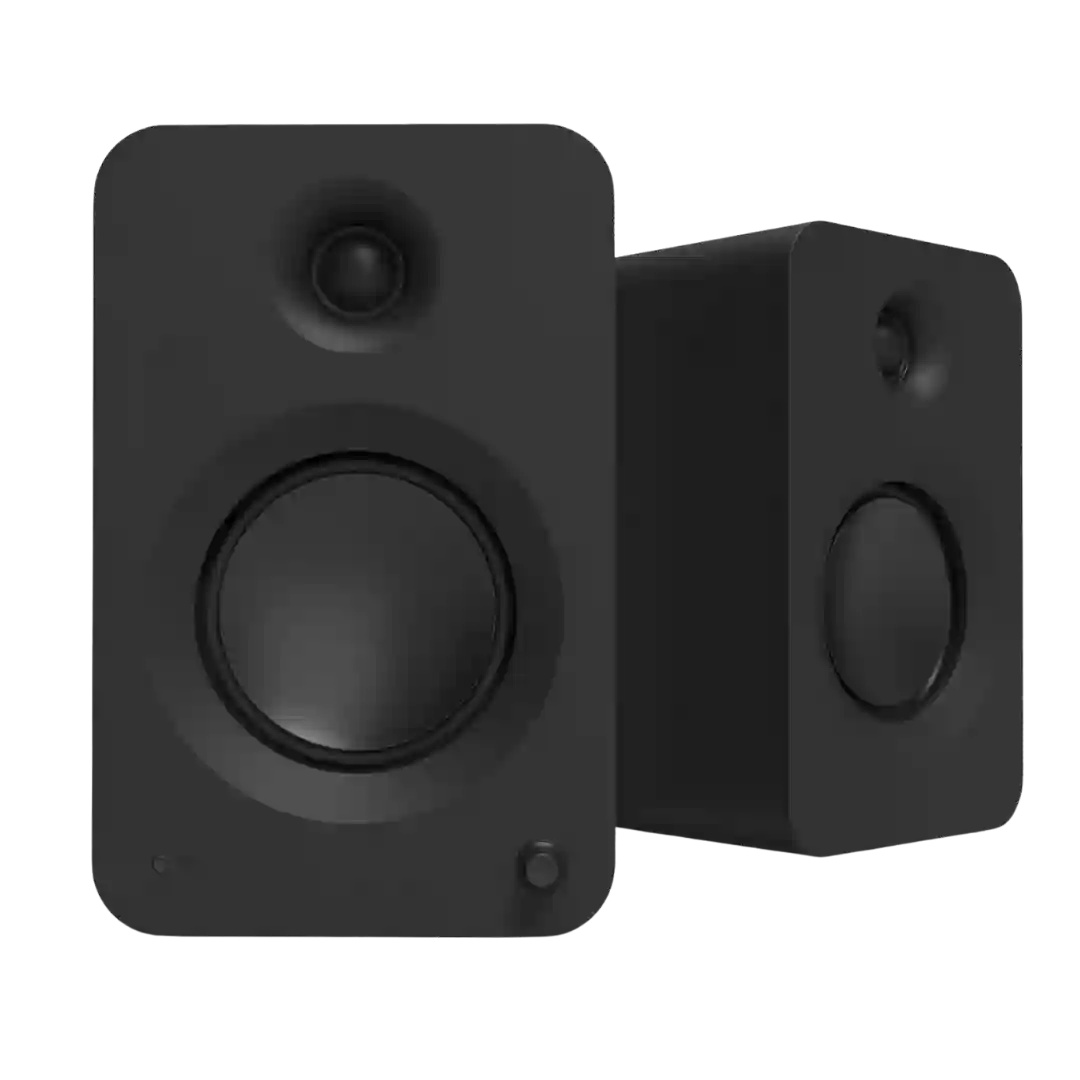
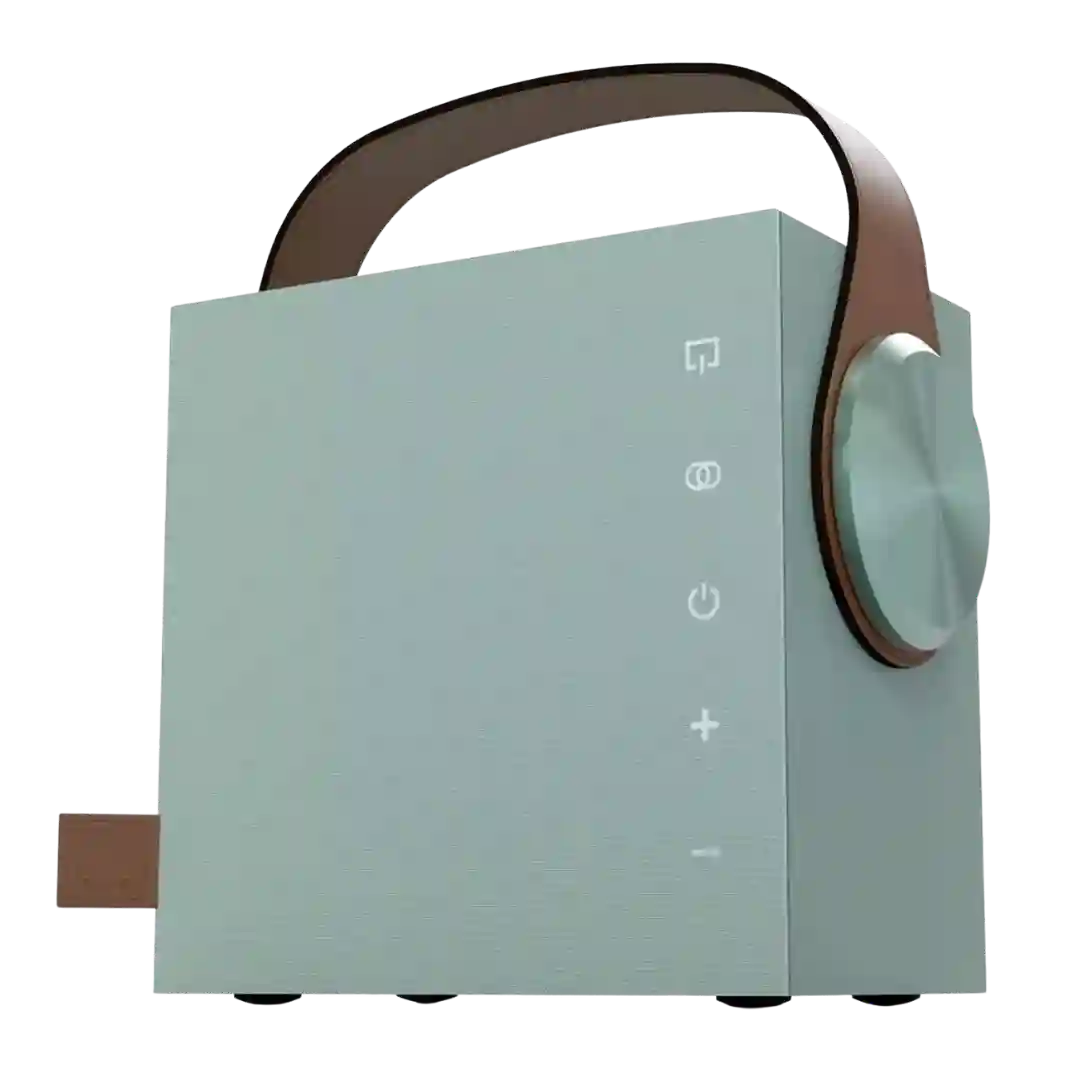
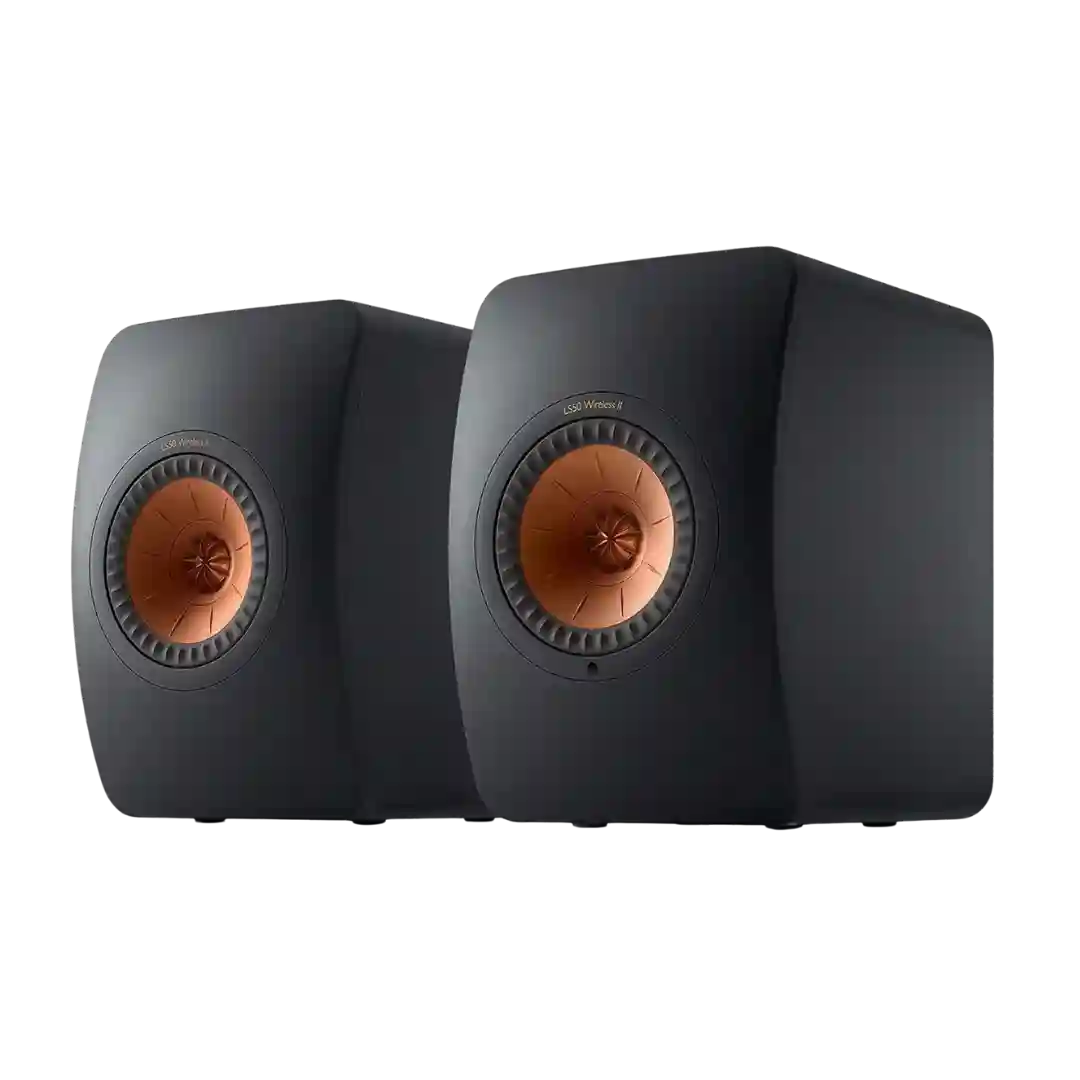
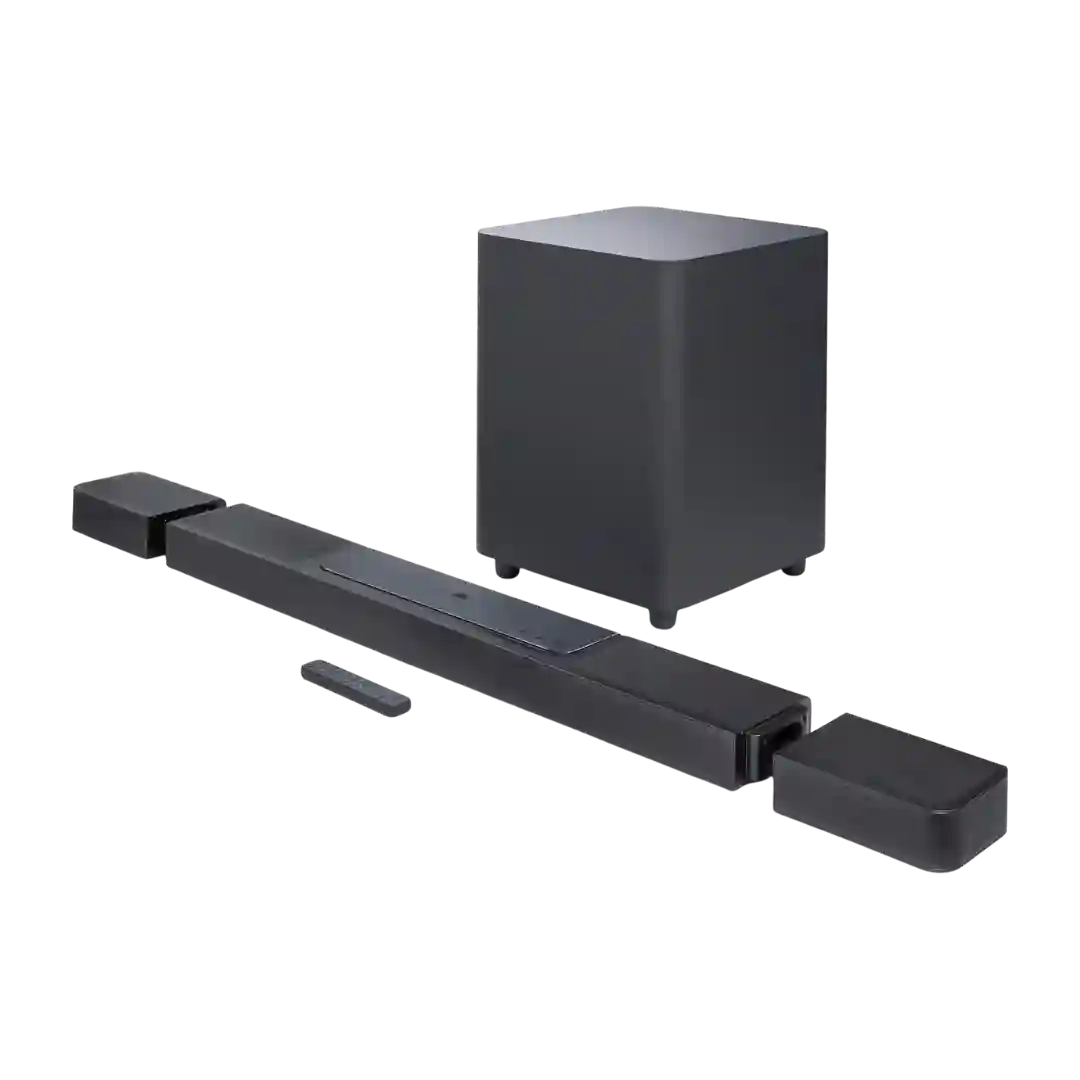
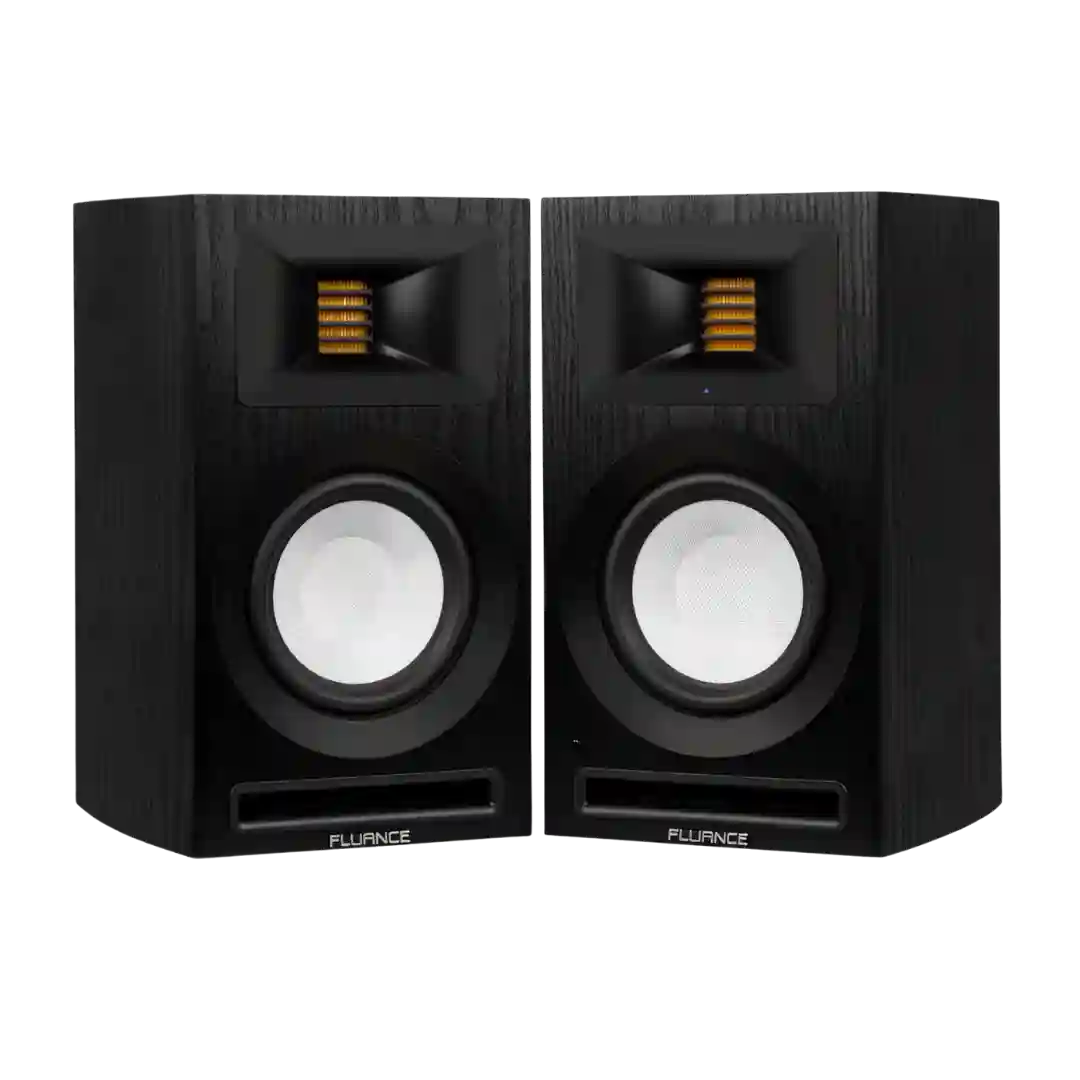
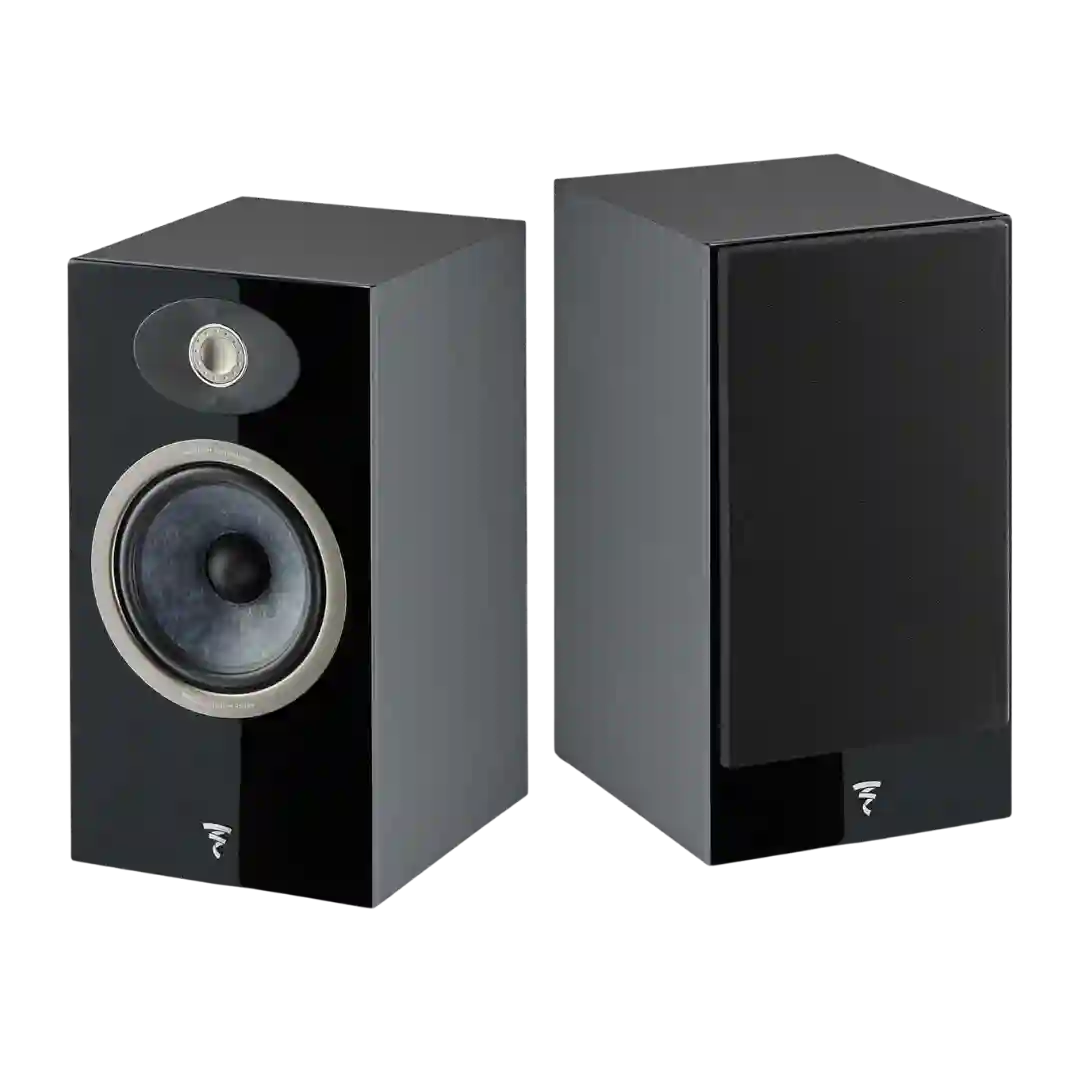
Stereo imaging accuracy is one of the most praised attributes, with a stable center image, precise placement, and strong off-axis behavior contributing to a wide, convincing soundstage.
Stereo imaging is the standout sonic trait. Across the reviews, the LSX II is repeatedly praised for pinpoint placement, broad staging, and a soundfield that feels larger than the cabinets suggest.
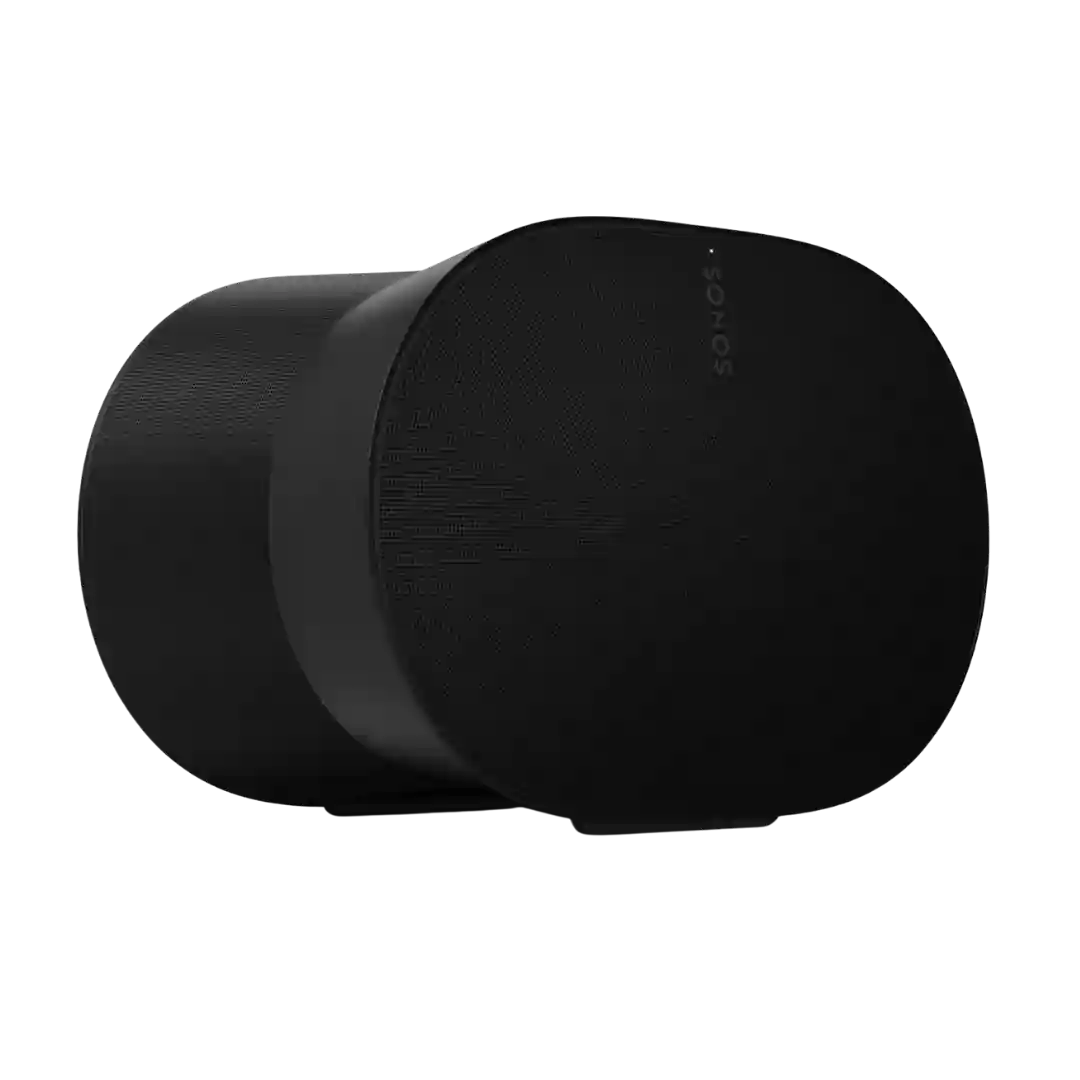
Stereo imaging is one of the REN's standout strengths. Multiple reviews call out strong left-right separation, stable center images, and a wide soundstage that makes it a convincing soundbar alternative.
Stereo imaging is a hallmark across reviews, with point-source style precision, stable center focus, and strong instrument placement cited as signature advantages of the Uni-Q design.
Imaging is one of the most consistently praised traits, with reviewers highlighting precise center focus, strong layering, and a wide, dimensional soundstage. Off-axis behavior is also widely seen as a strength when the speakers are positioned thoughtfully.
Stereo focus is commonly described as strong, with vocals and on-screen action anchored confidently at center while maintaining clear separation across the front stage.
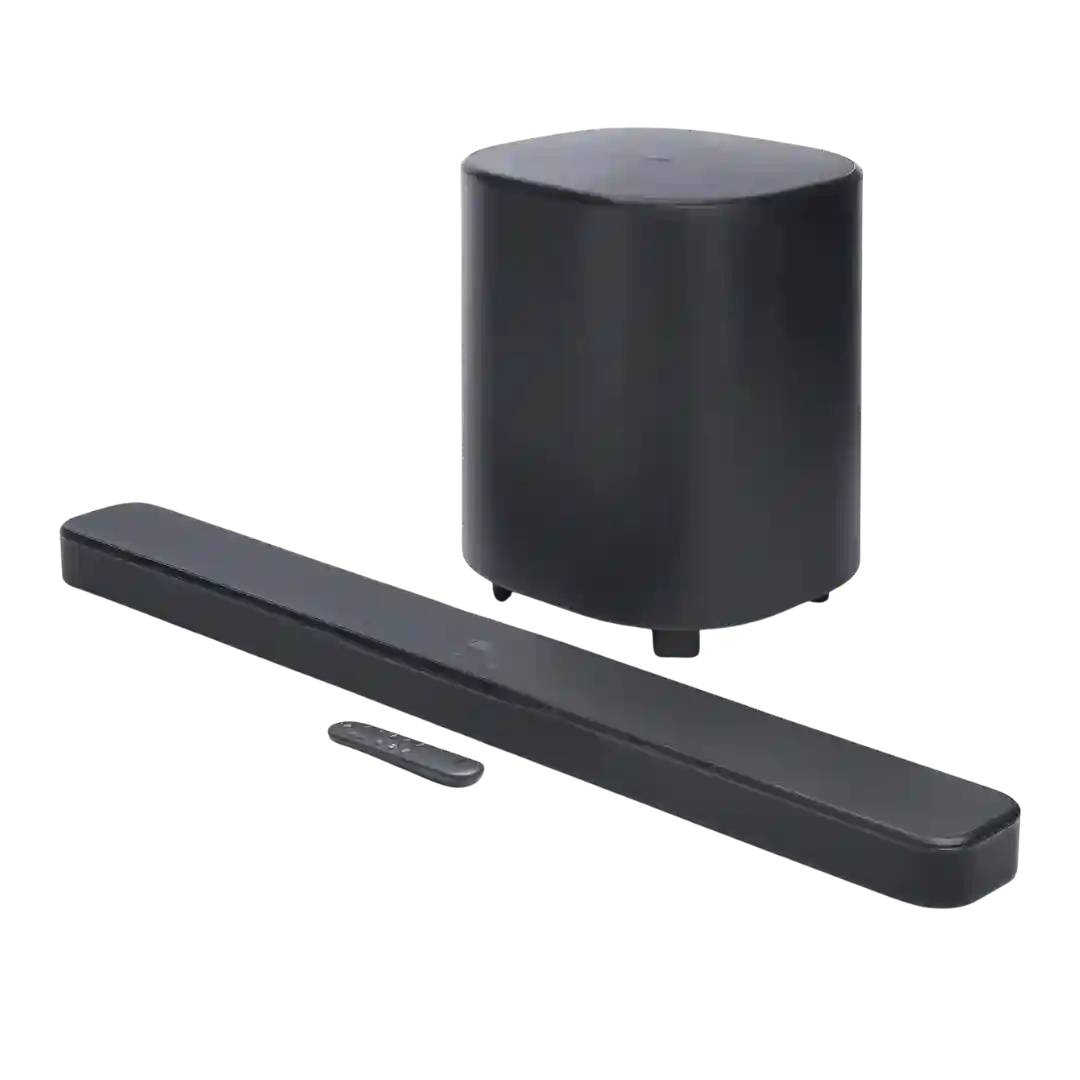
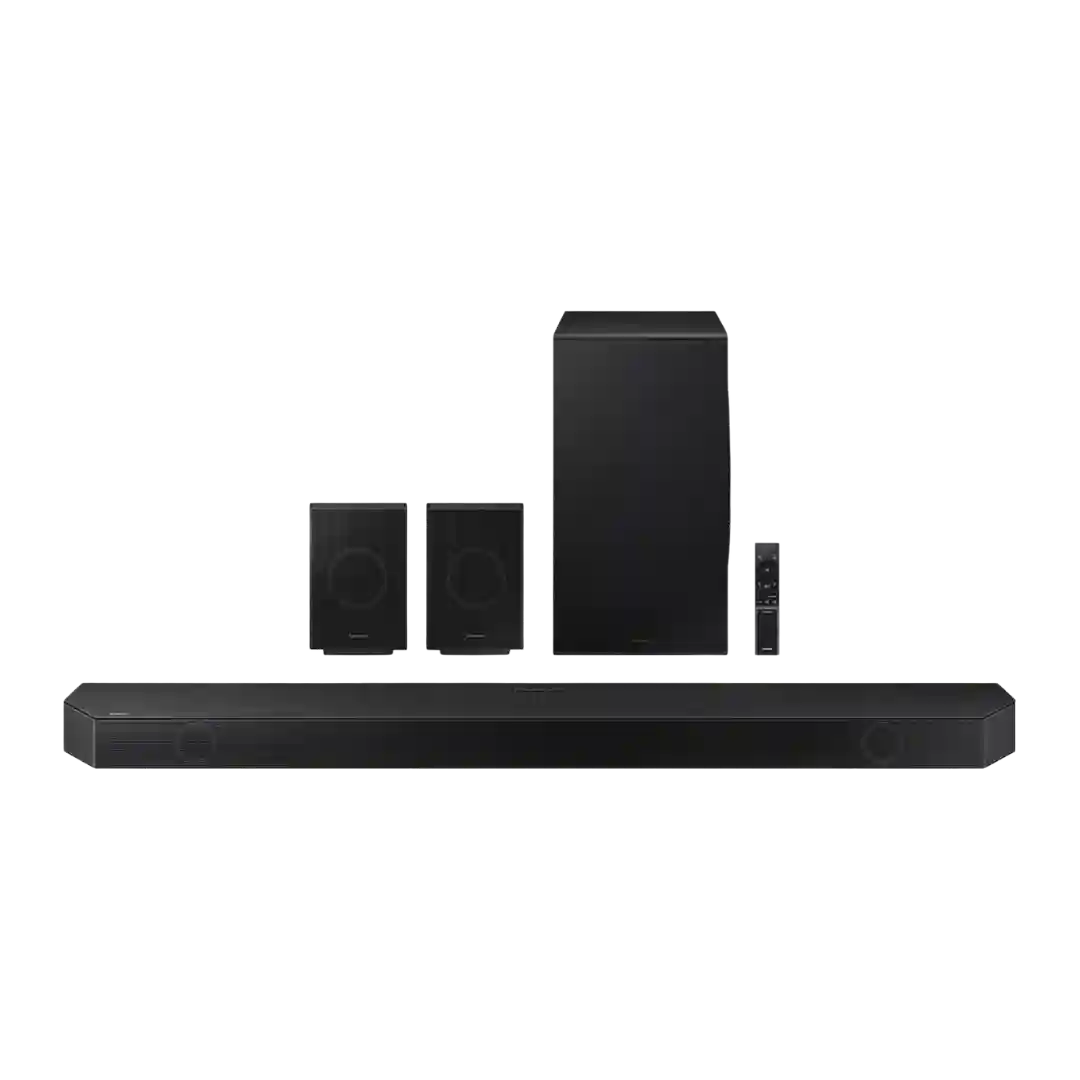
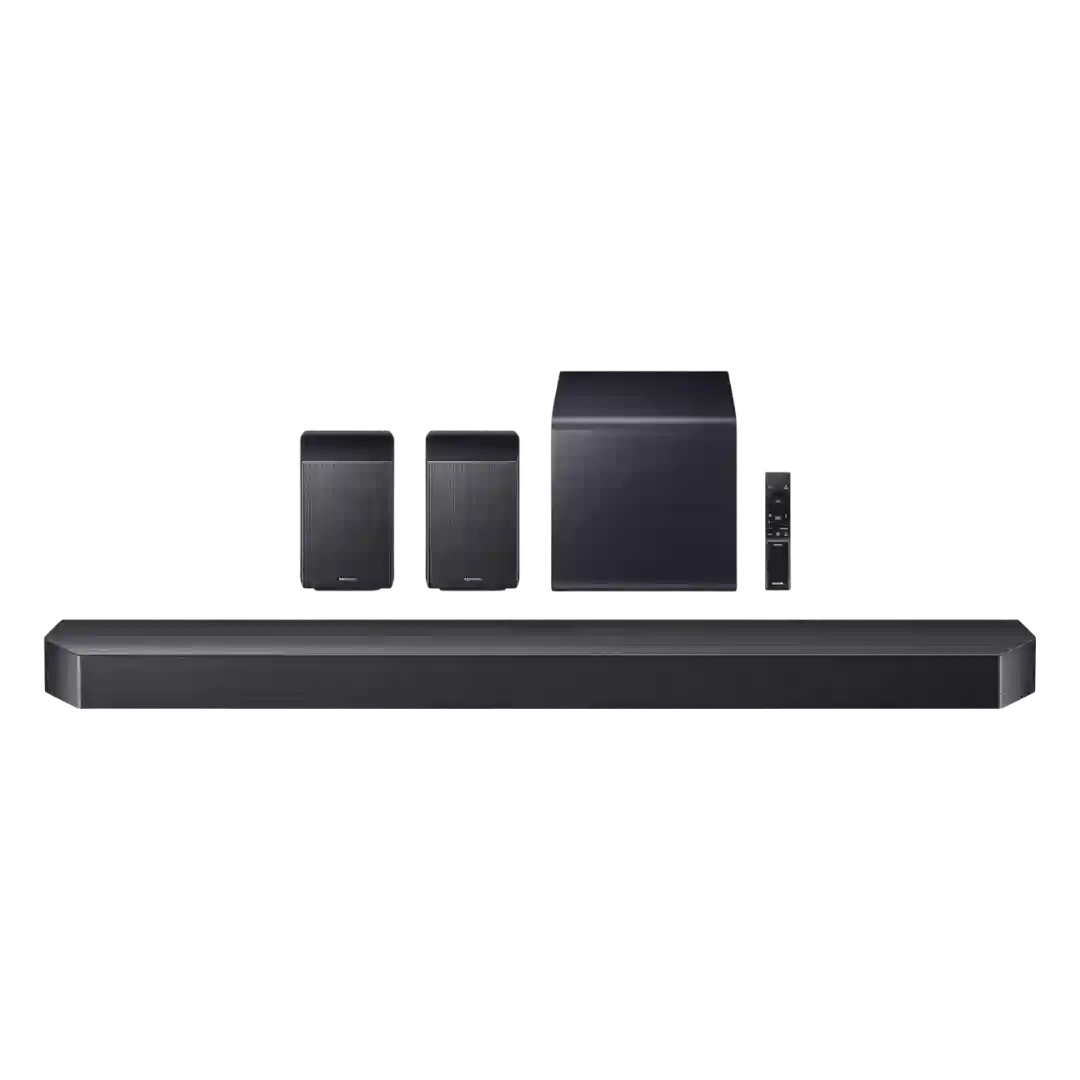
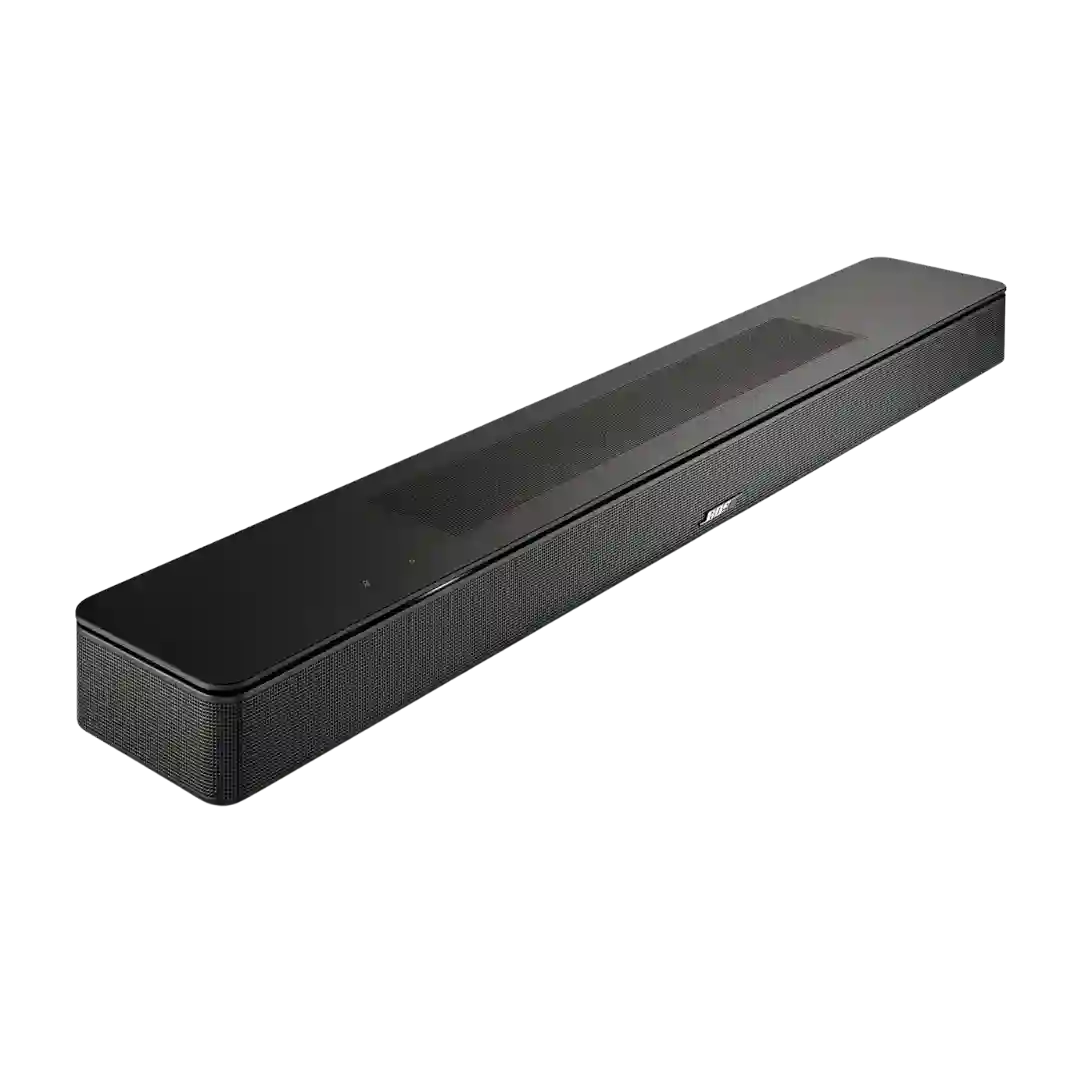
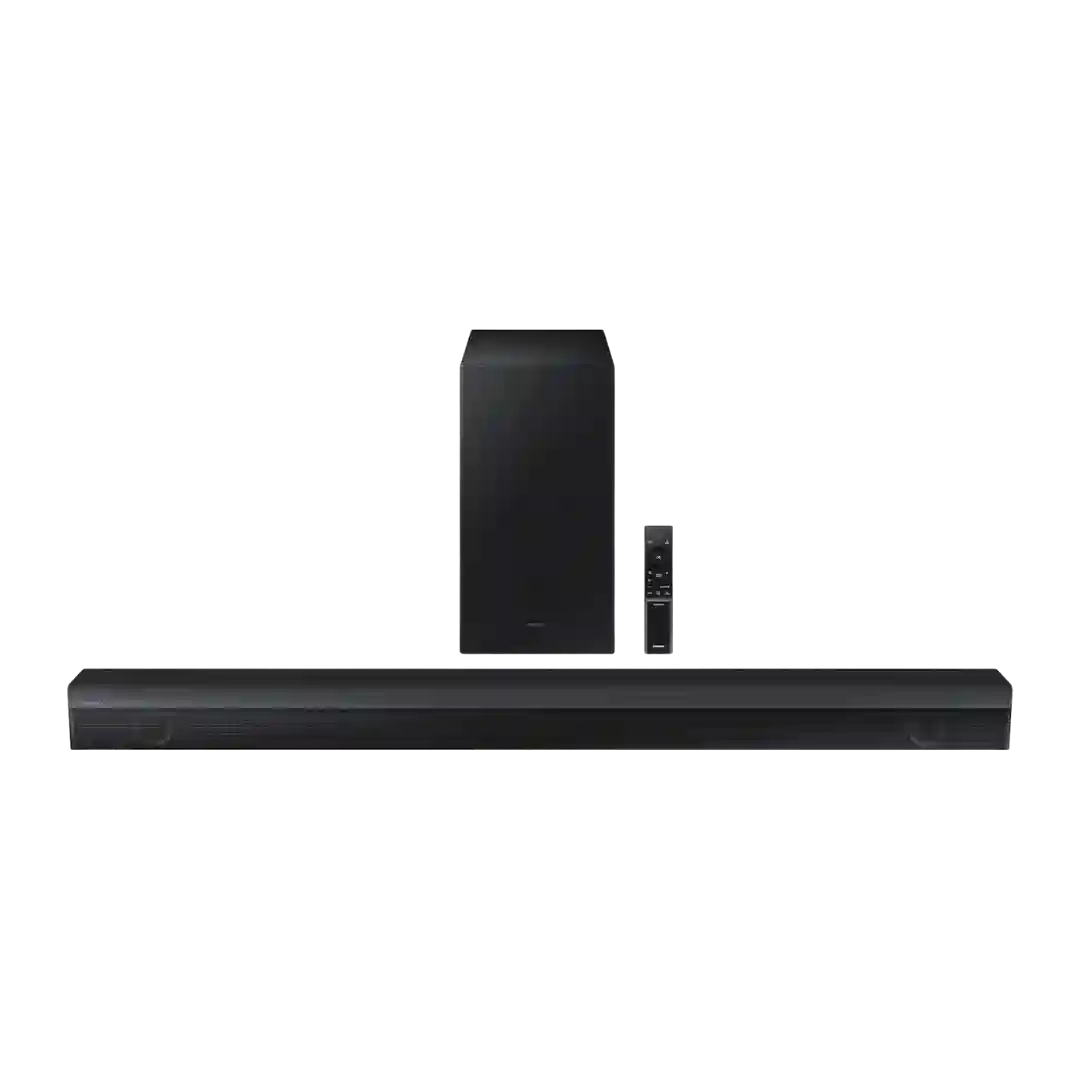
Imaging is strong for a soundbar system, with precise placement and improved width; some note it still can’t fully match the spatial organization of top modular/separates rigs.
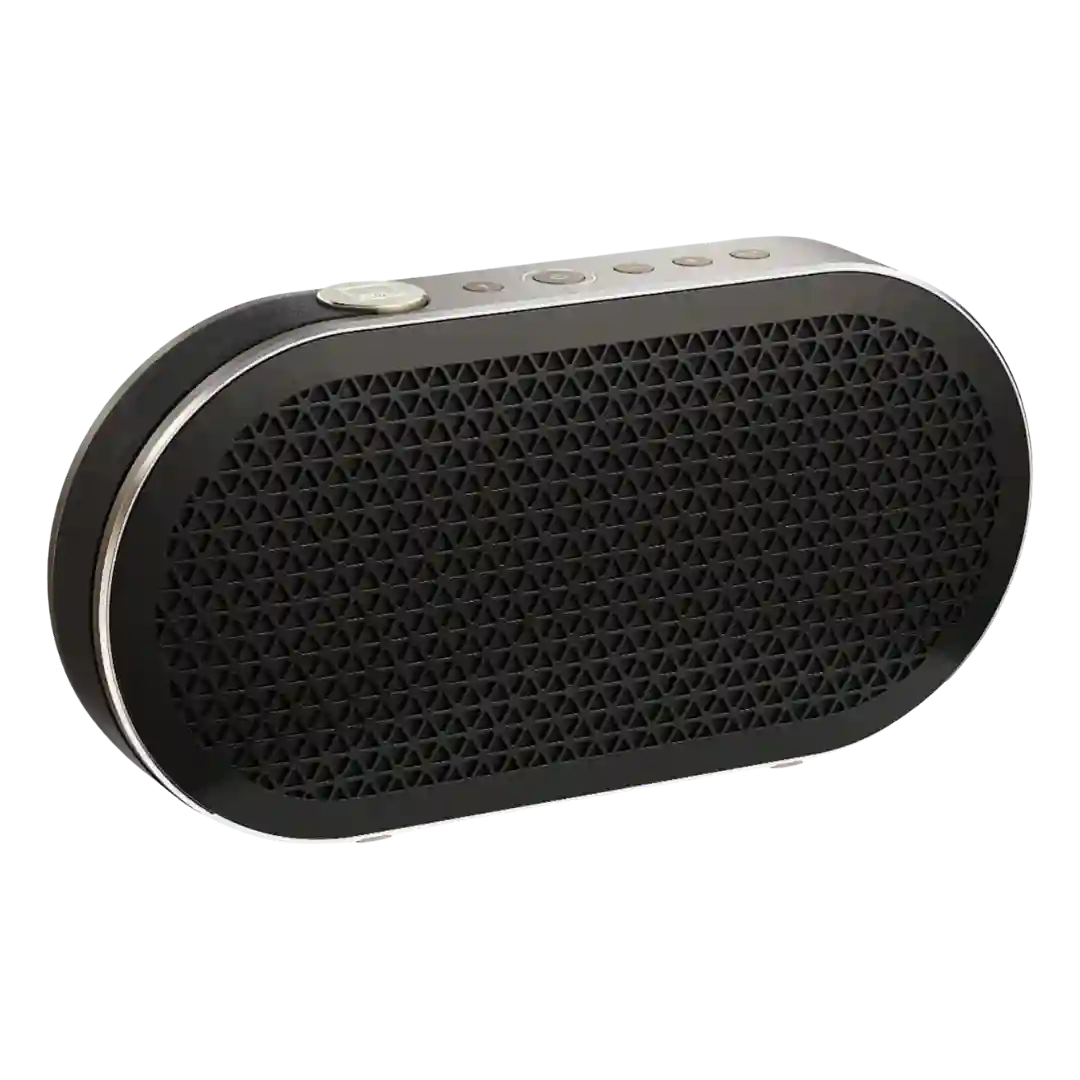
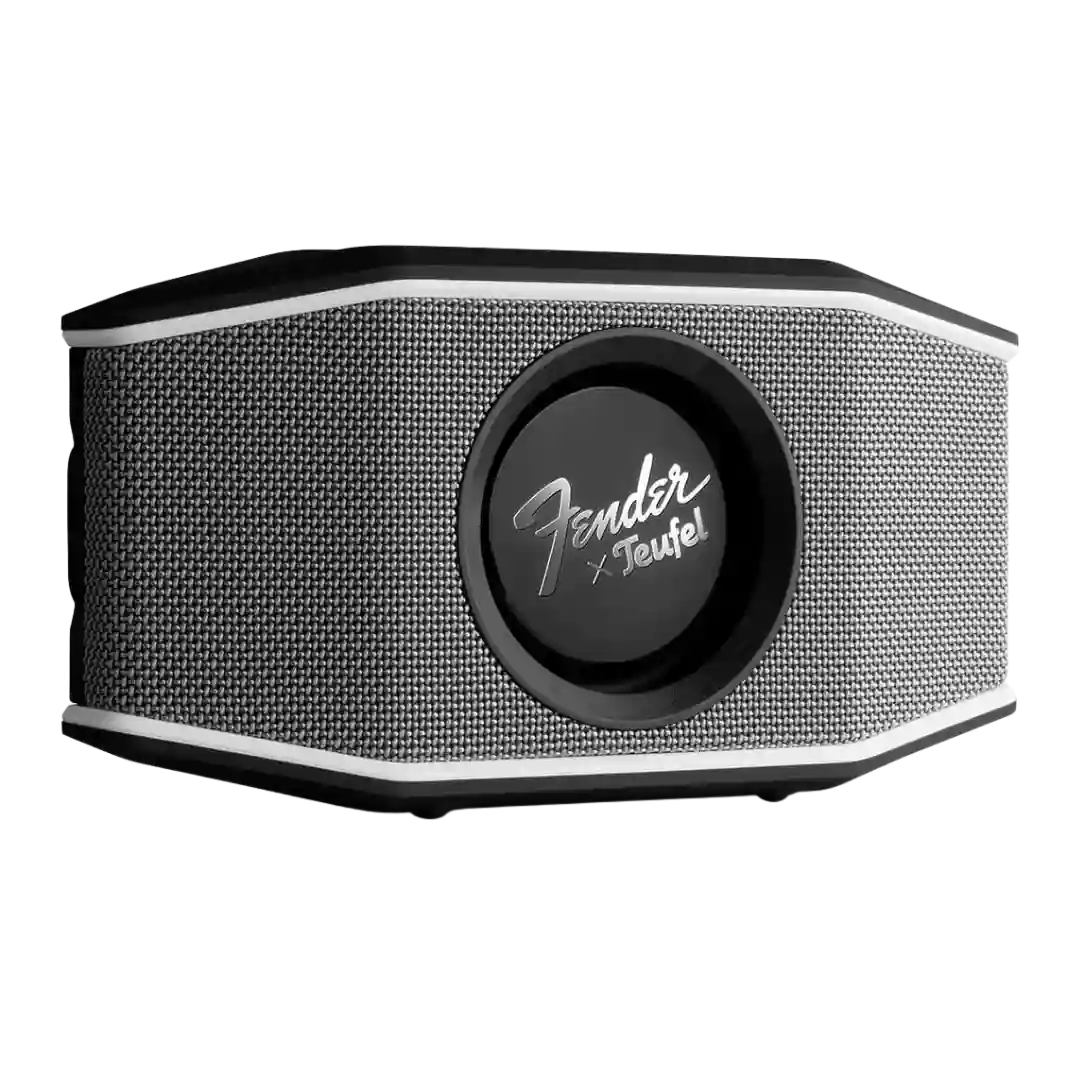
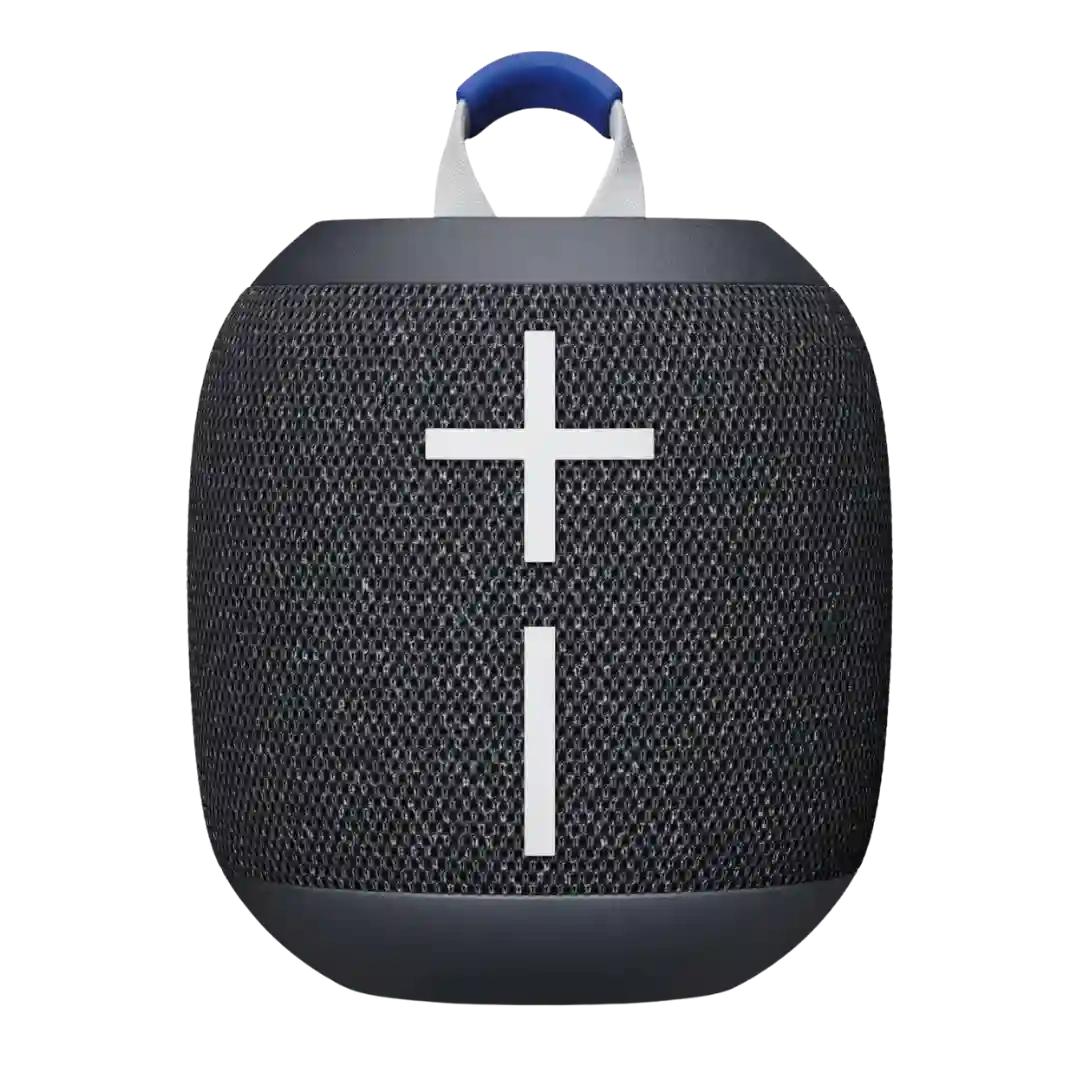
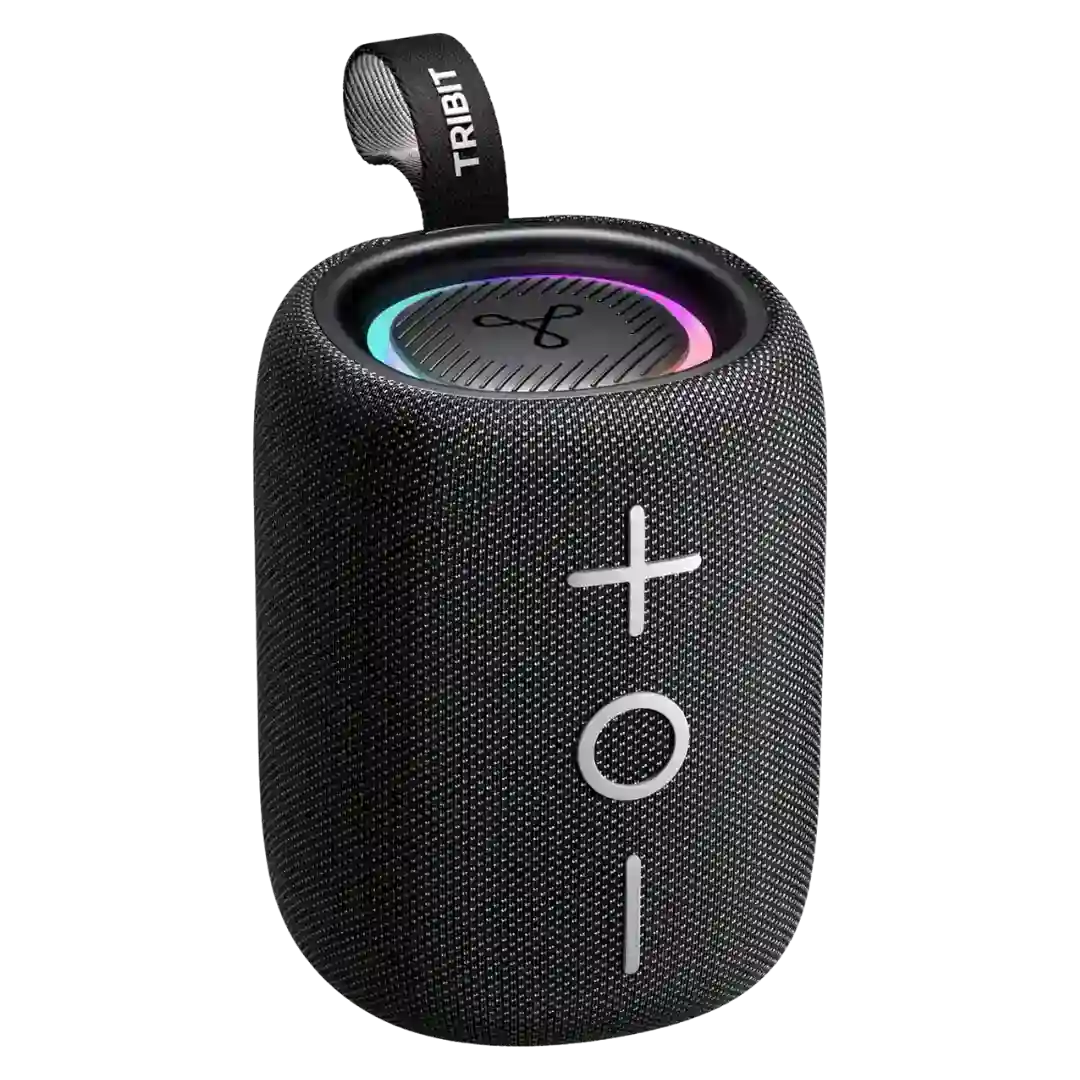
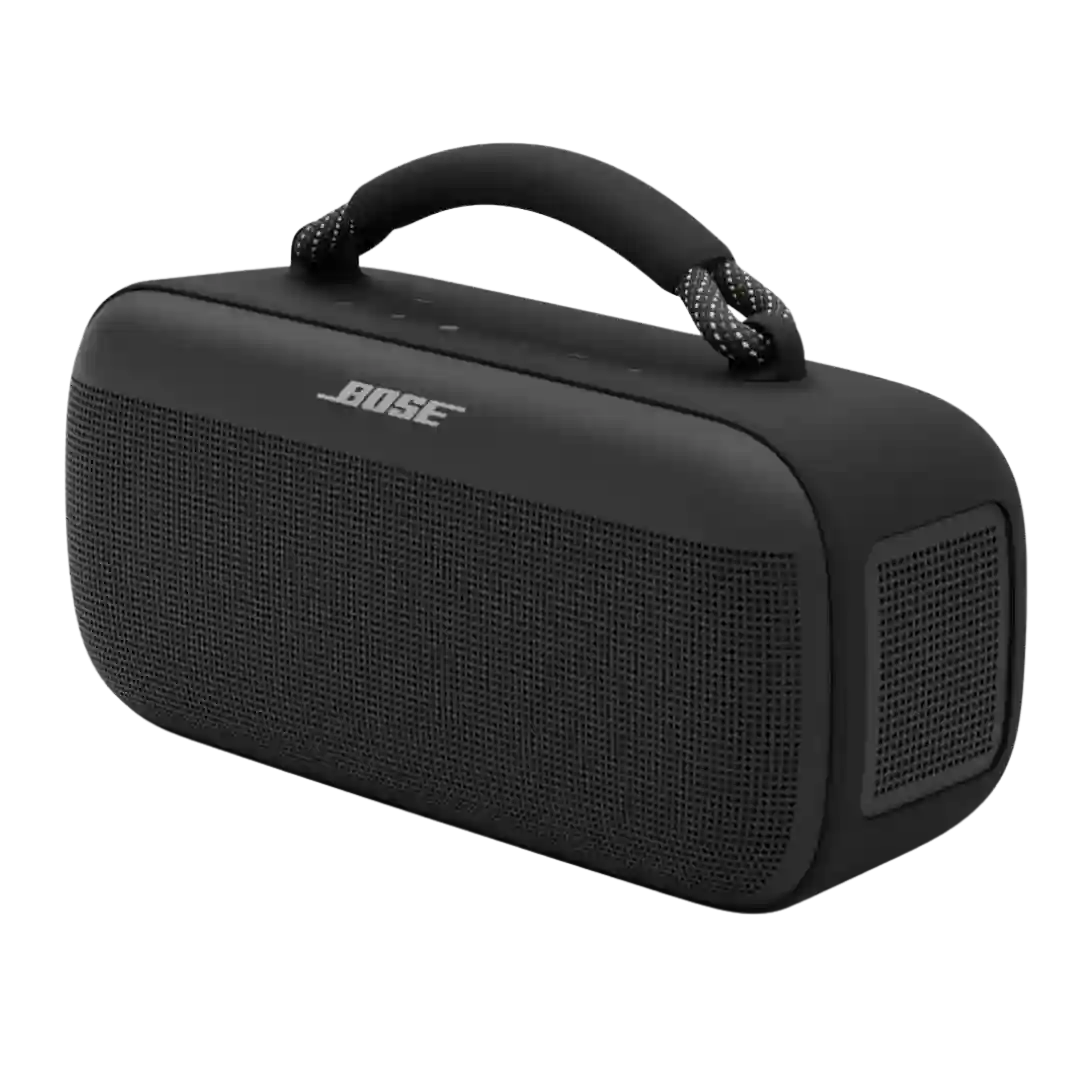
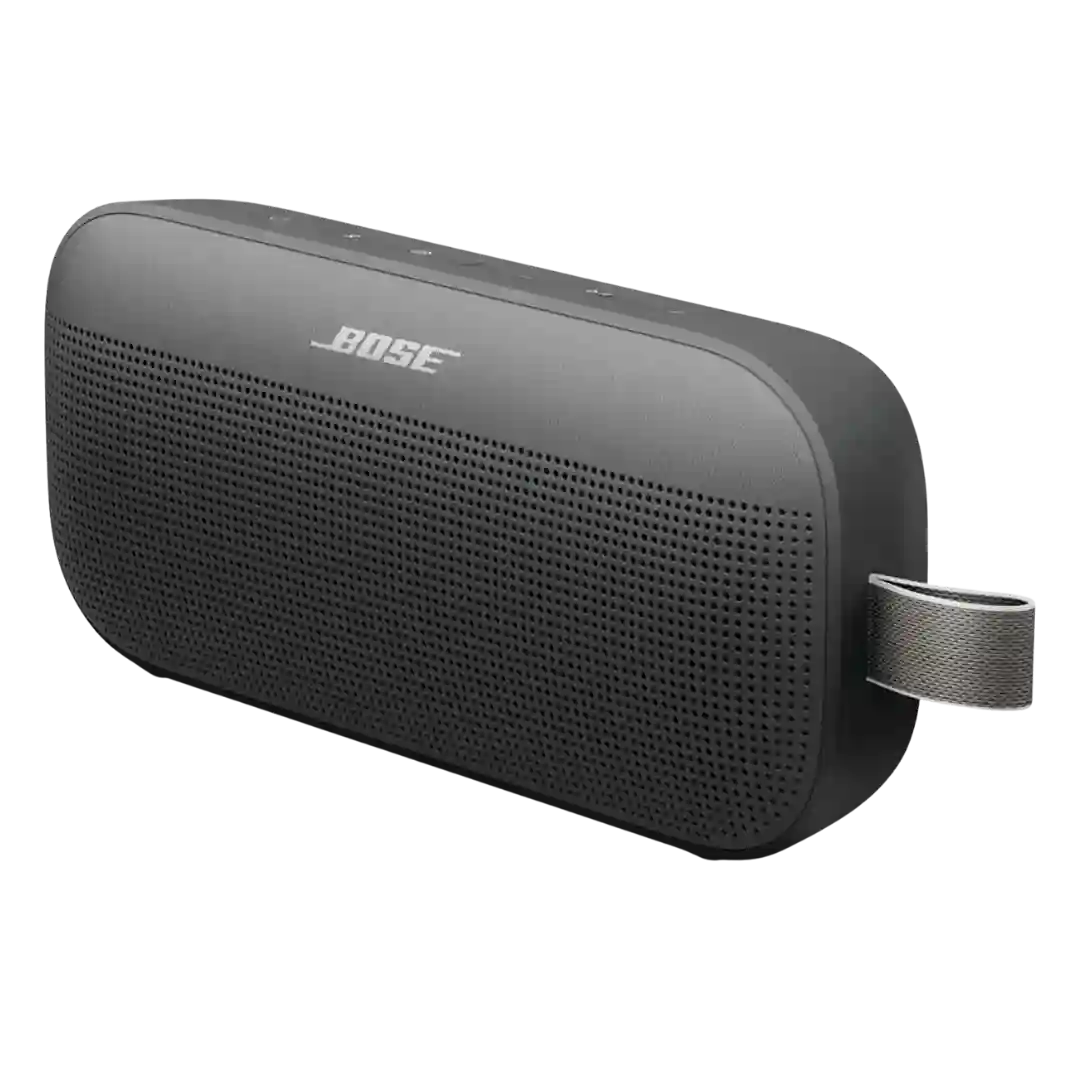
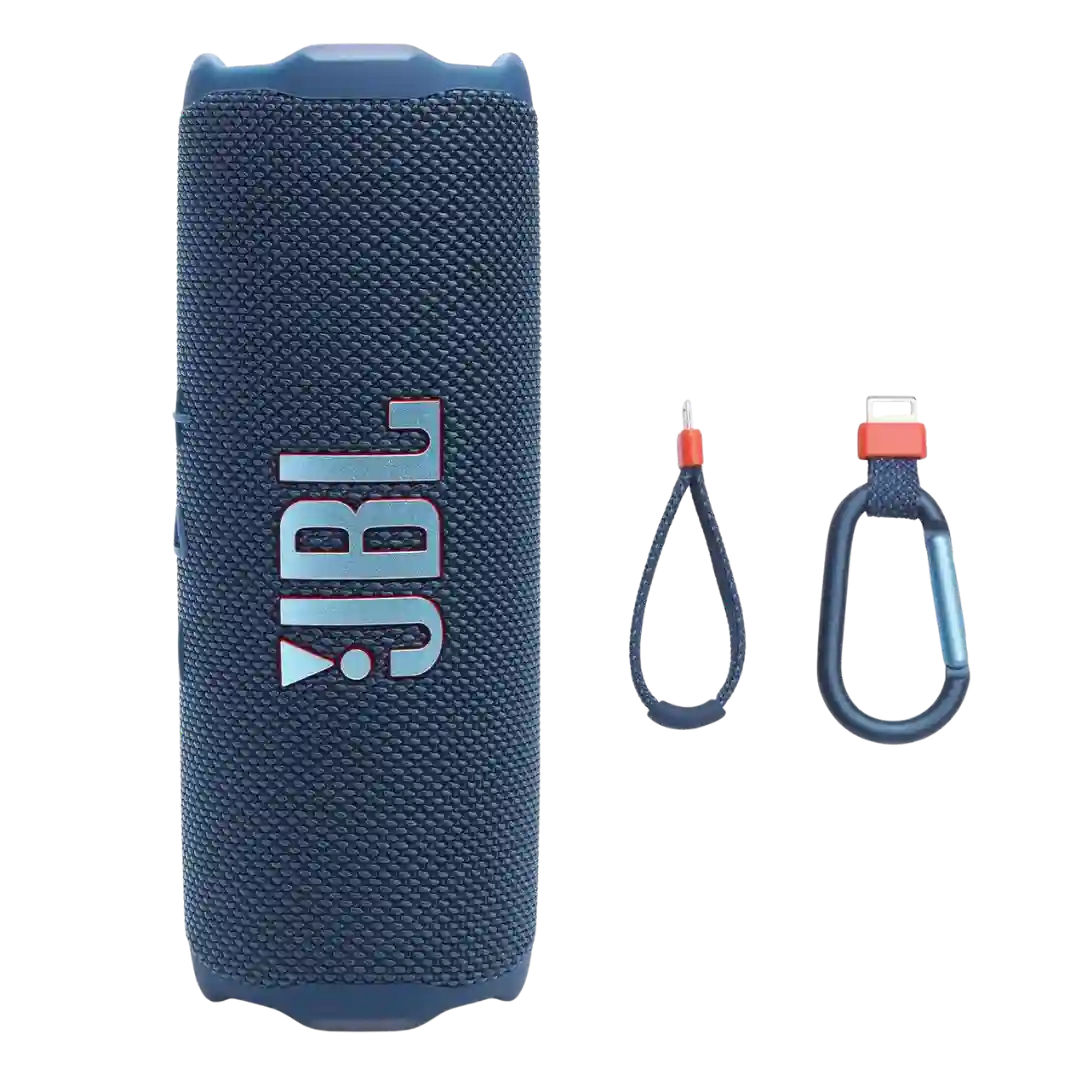
Stereo separation is better than expected for a compact portable speaker, with one reviewer specifically calling out impressive stereo spread for its size.
Imaging is typically wide and precise for a soundbar package, with stable placement across the front stage; dedicated stereo listeners may still prefer separate speakers.
Stereo imaging is a major strength, especially in pairs, with strong center focus and wide separation. As a single speaker it is still spacious, though a few reviewers found stereo less precise than Atmos playback or dedicated stereo designs.
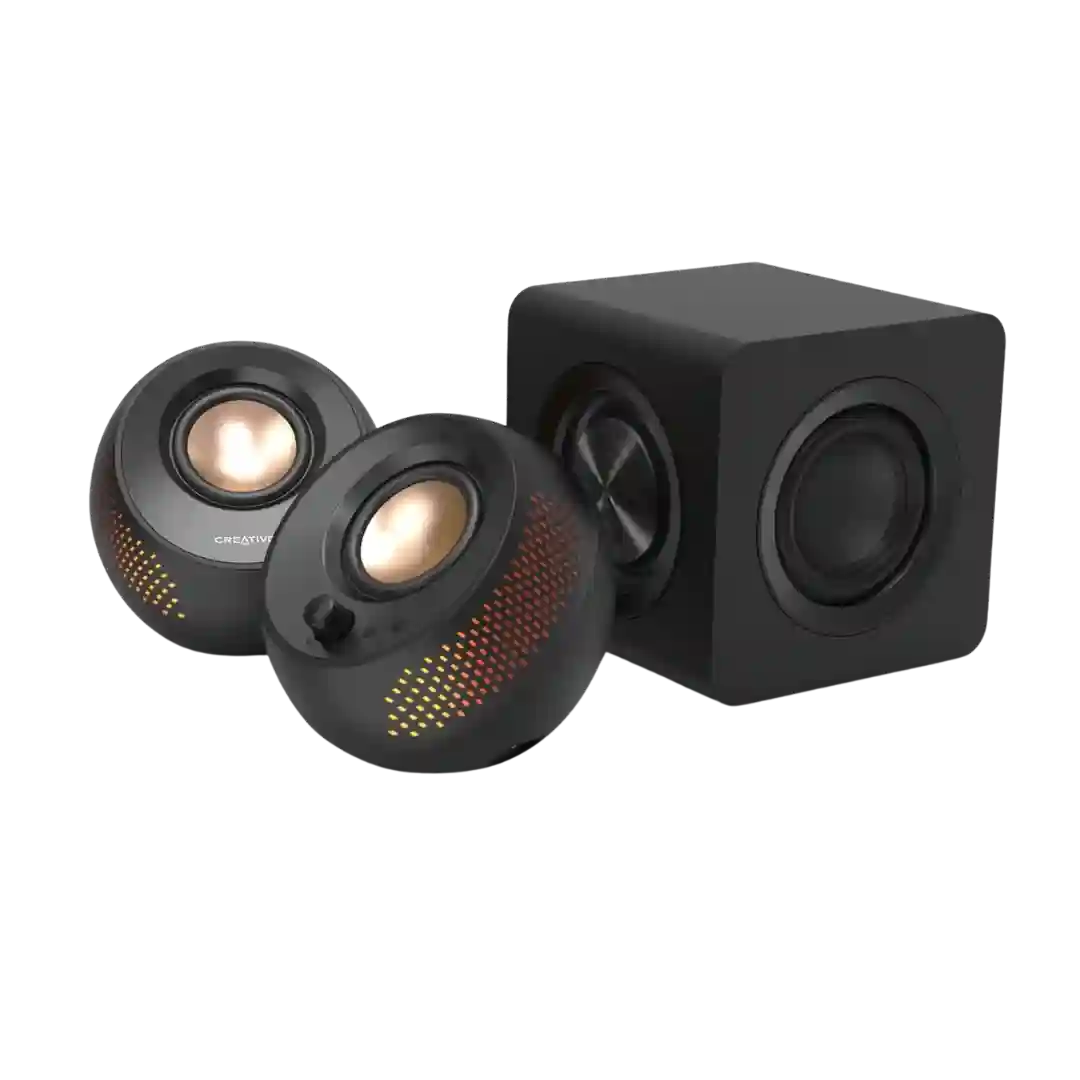
Angled drivers help the system image larger than its size suggests, creating a surprisingly wide desktop soundstage, though fixed cable length limits ultimate left-right spread.
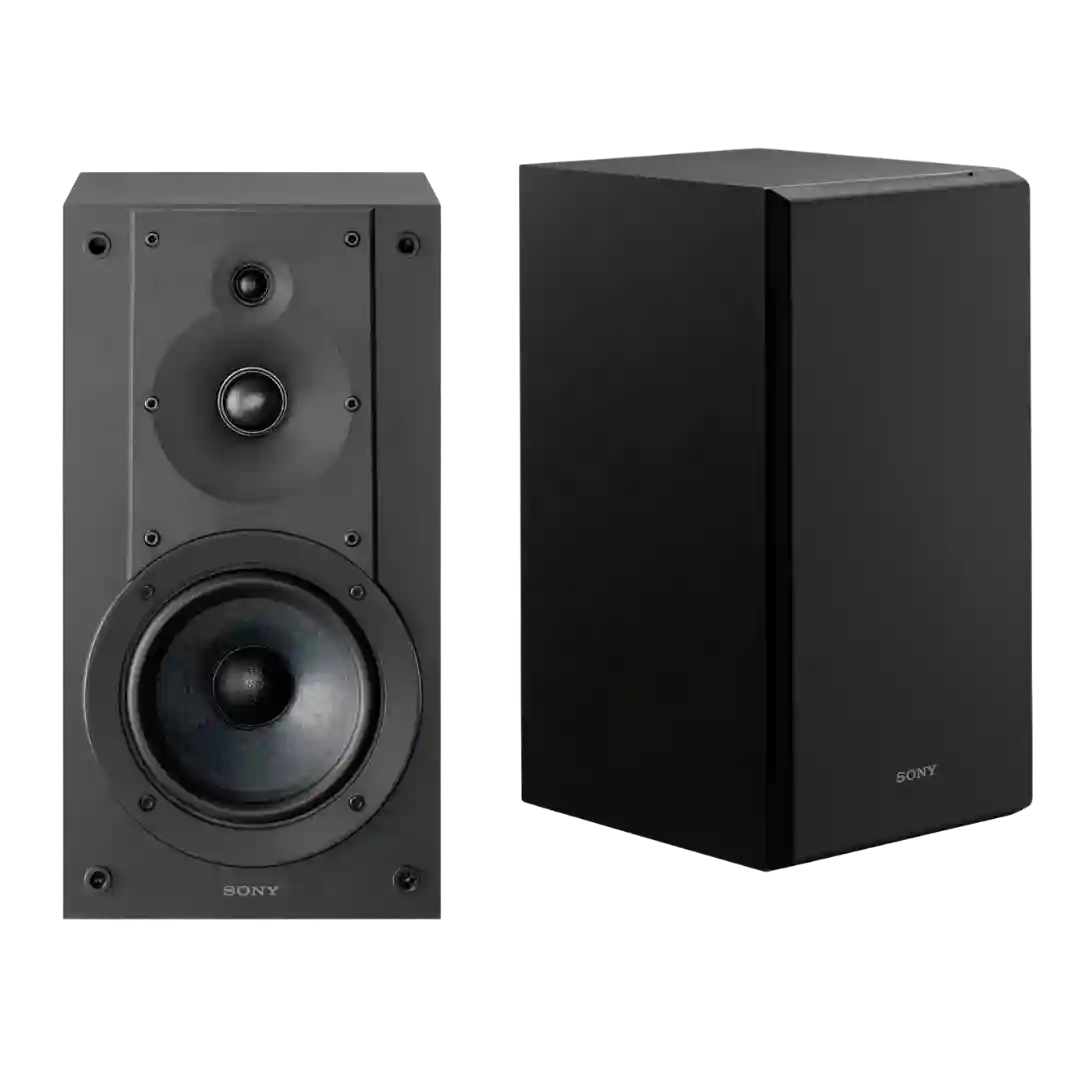
True stereo imaging depends on using two speakers in a paired configuration; multiple reviews say this makes a meaningful difference, with better scale and clearer production details than single-speaker playback.
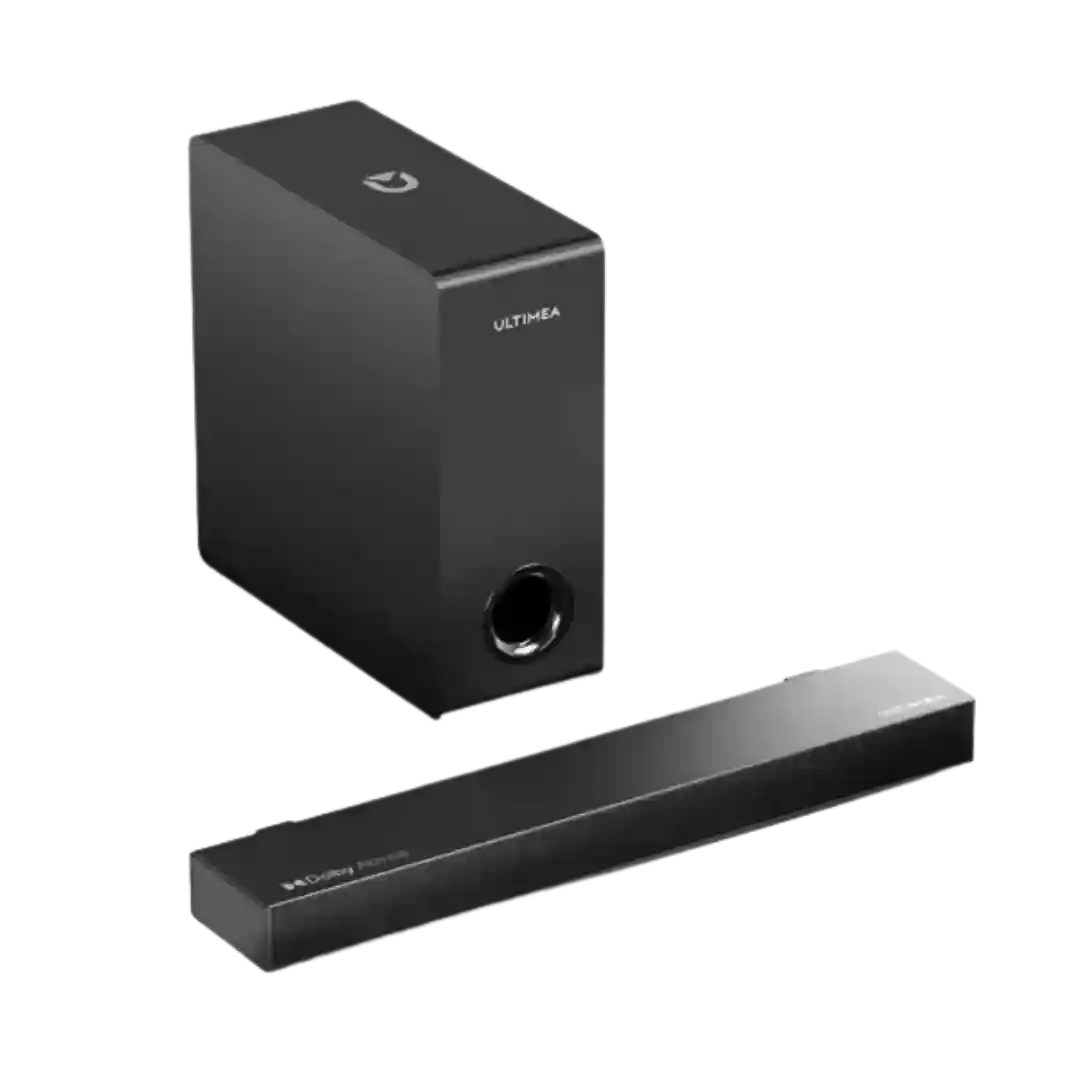
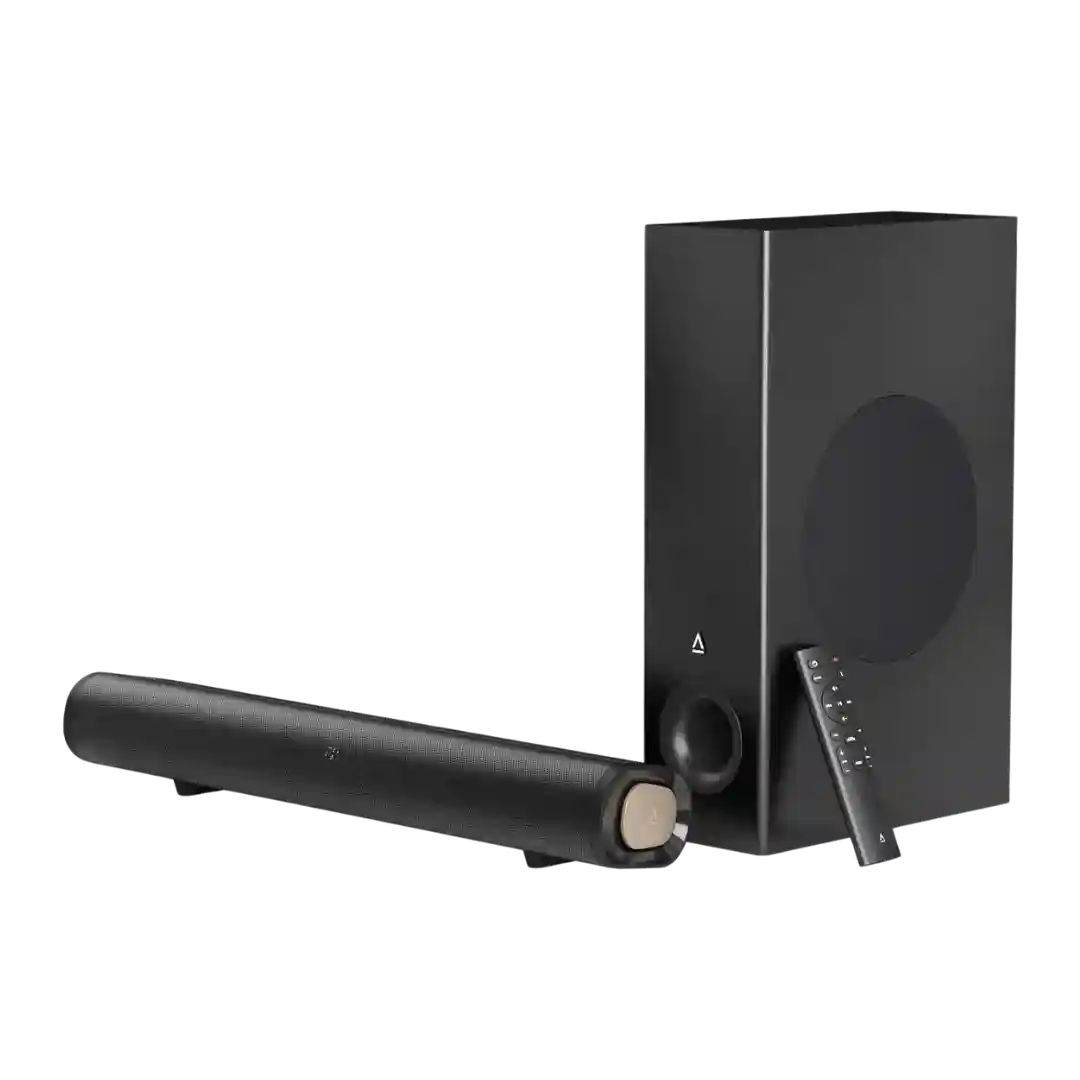
Stereo placement is better than expected for a tiny 2.1 system, with some convincing left-right motion and centered vocals or dialogue. It still cannot match the precision of larger multi-speaker soundbars.
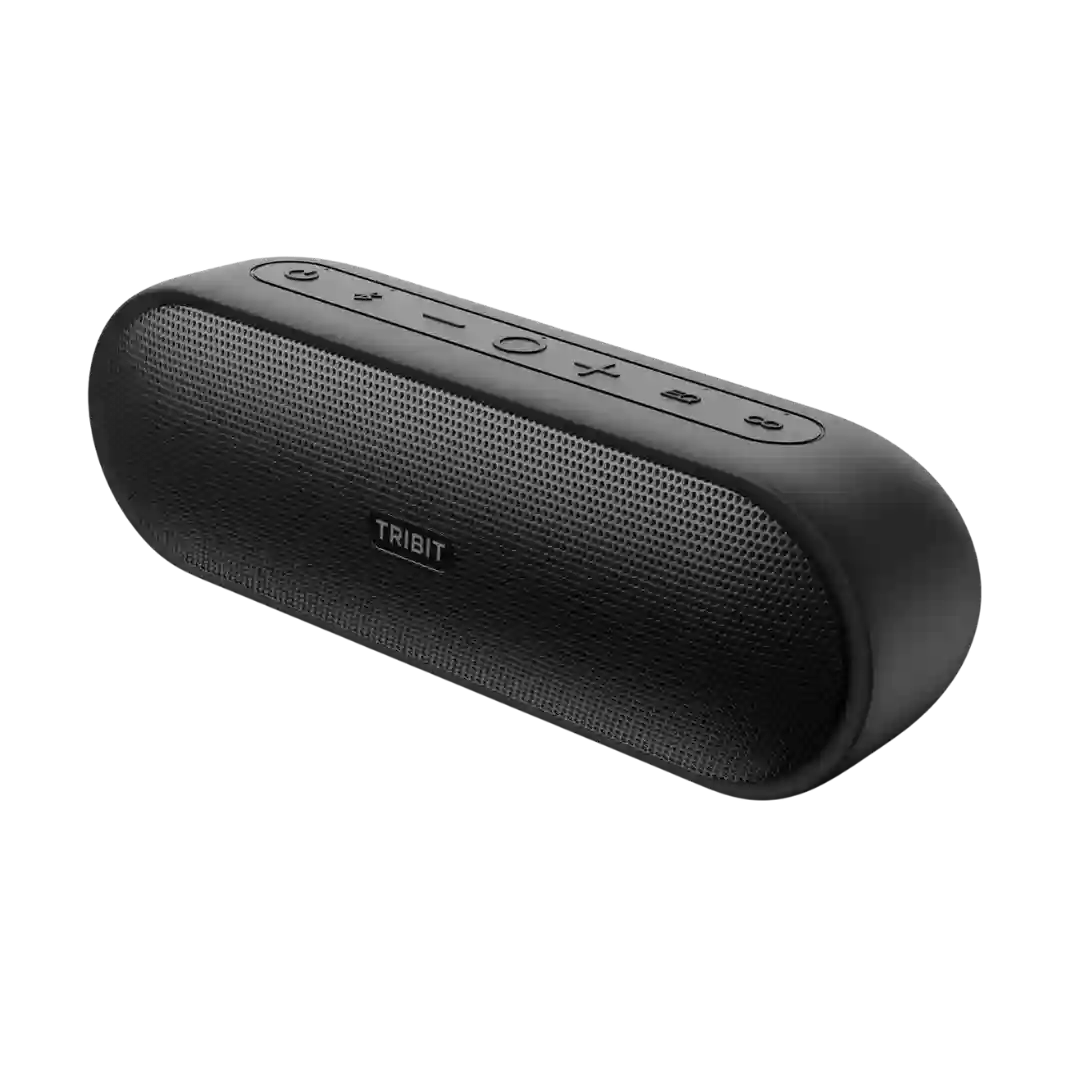
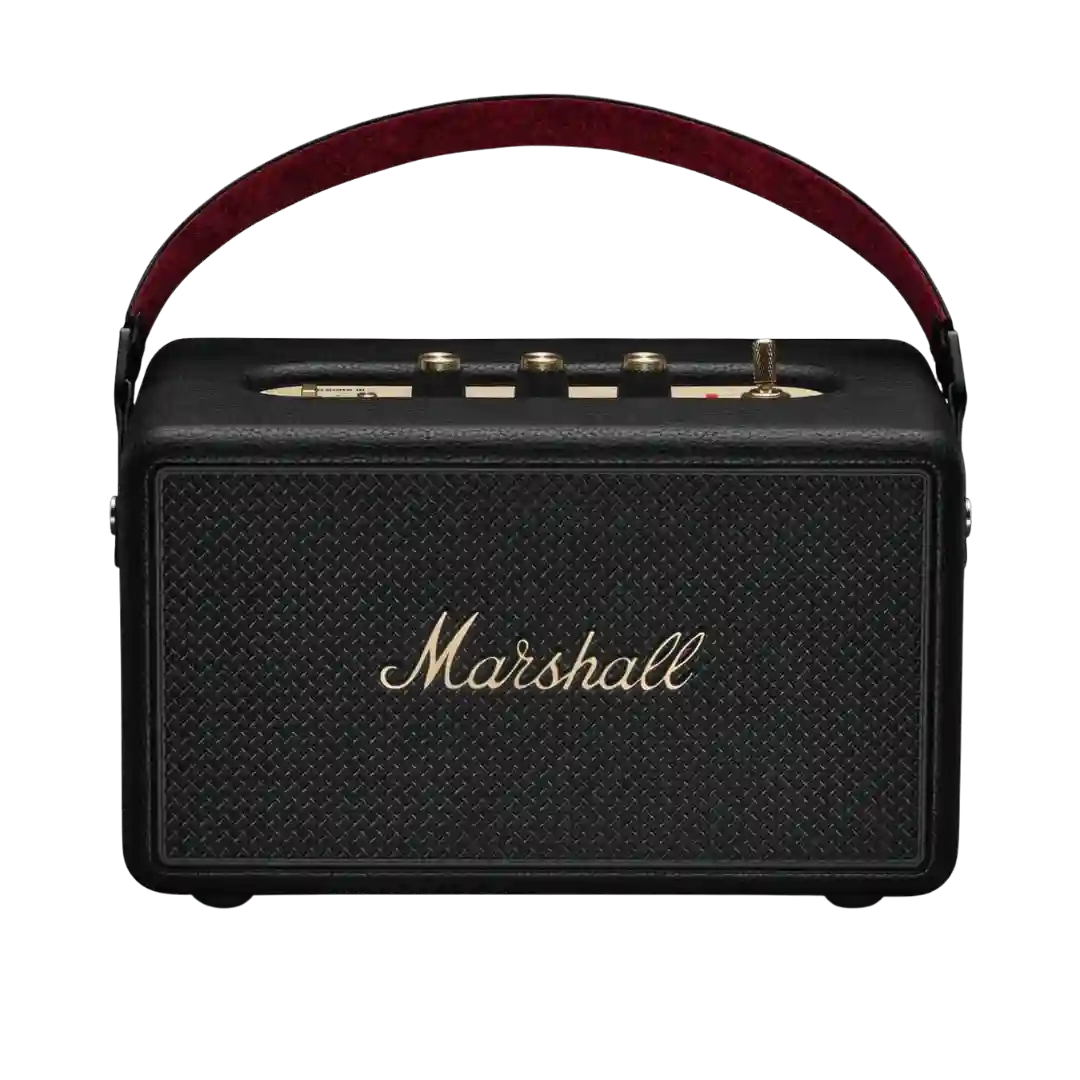
Stereo imaging is limited on a single unit because the drivers are close together, so separation can feel modest. Pairing two units for true wireless stereo is consistently reported to improve width and channel separation.
Imaging is a genuine strength for the price, with reports of precise placement, good center focus, and speakers that disappear well, even if they do not match the depth or holography of pricier models.
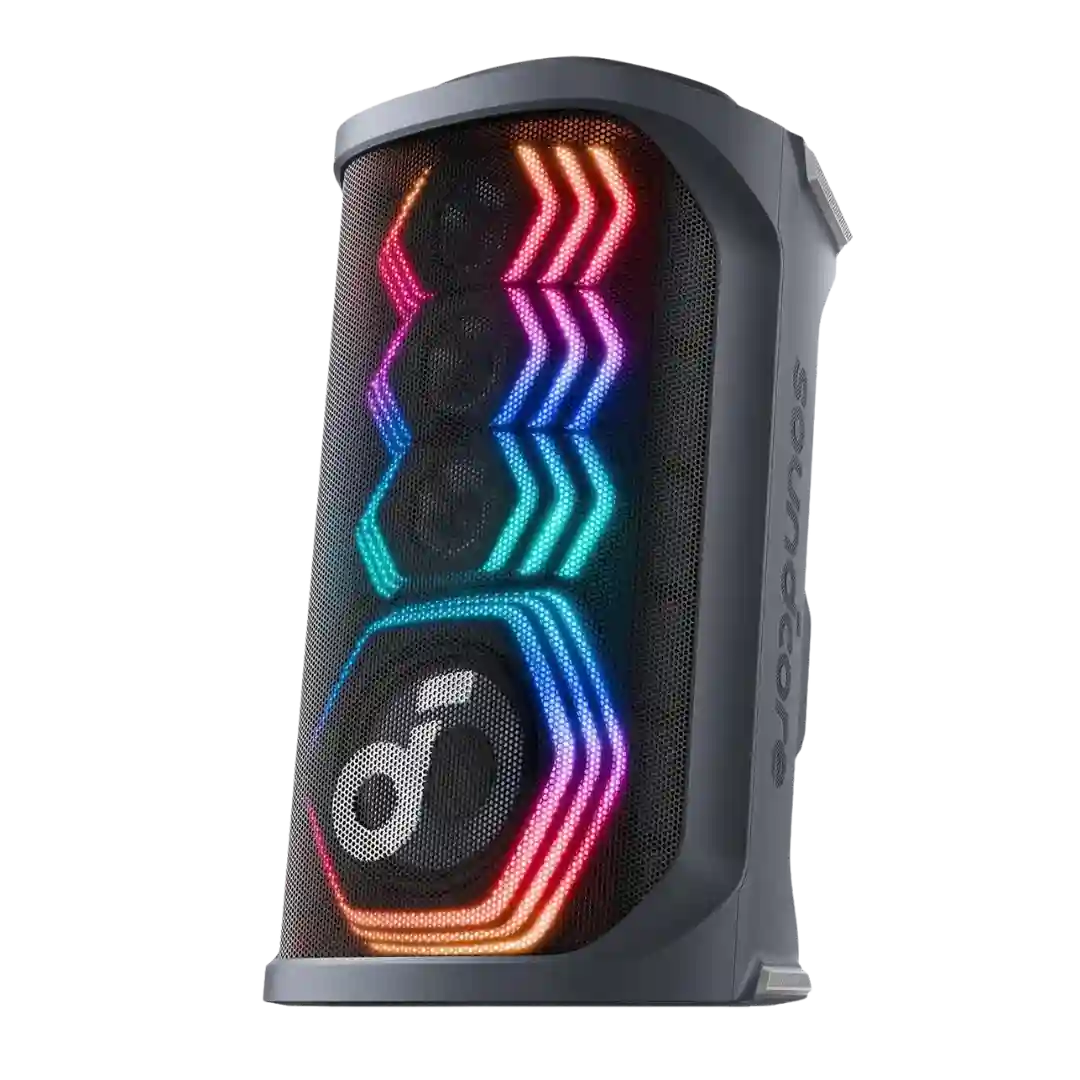
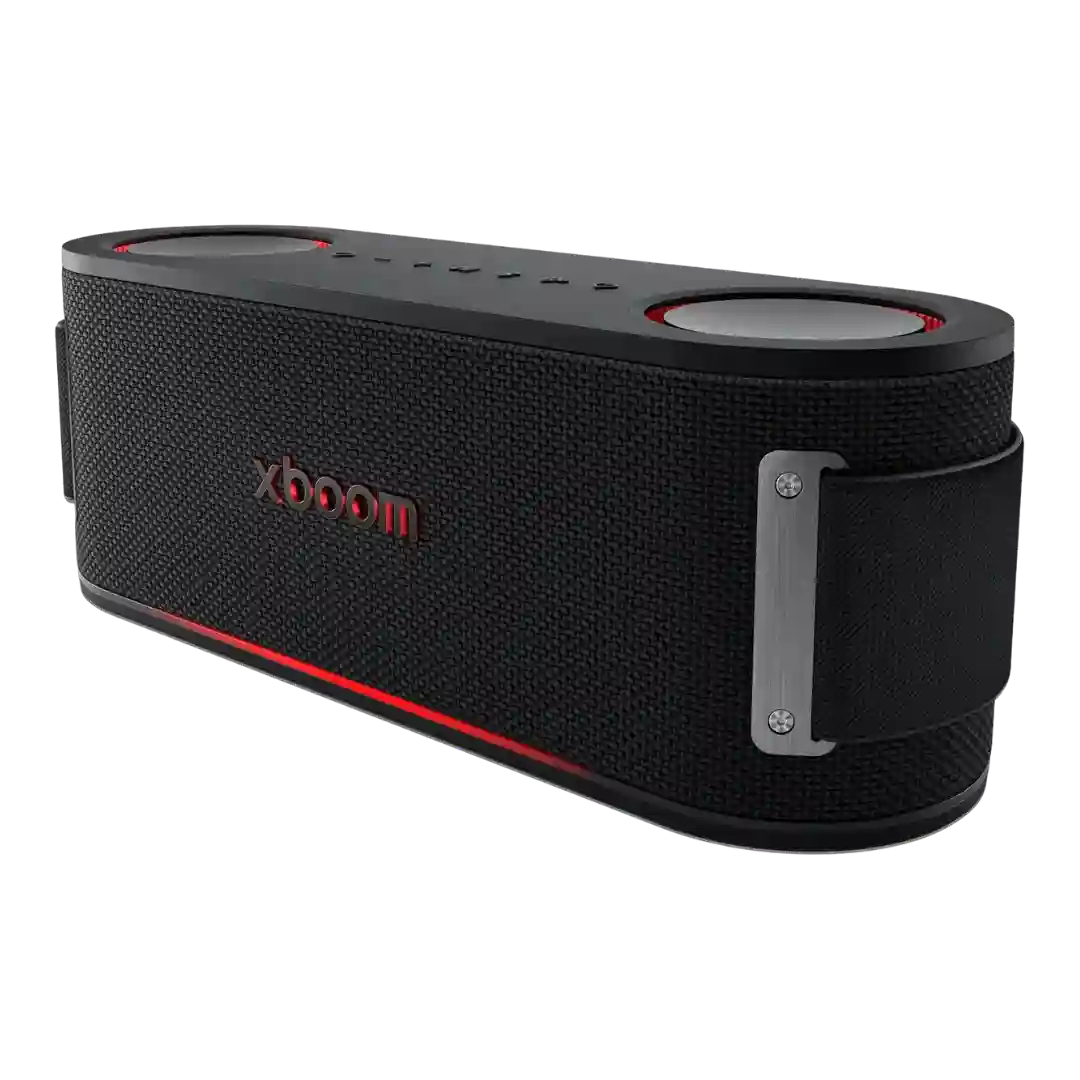
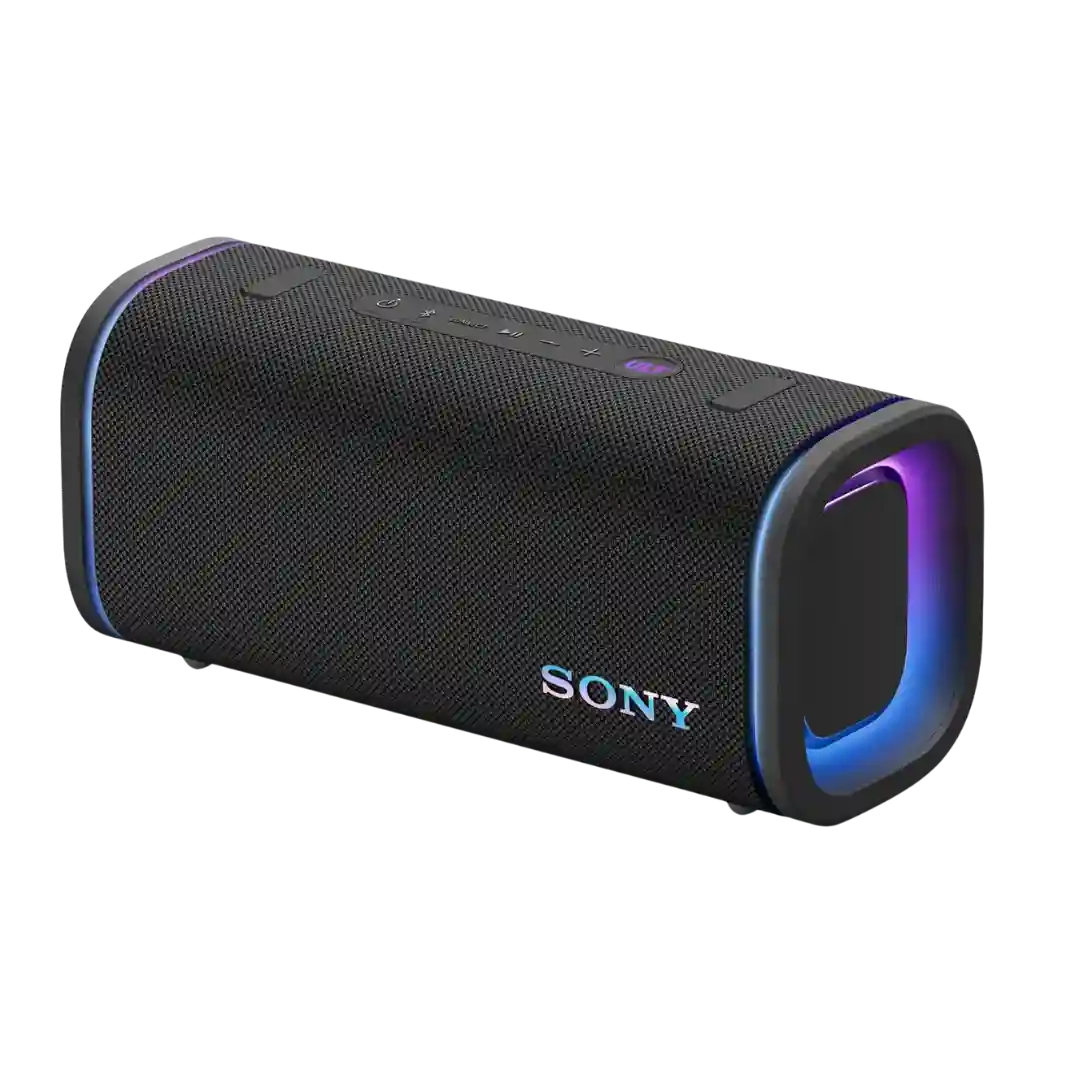
Out of the box it is primarily a mono, front-firing party speaker; laying it on its side enables a spatial mode that widens presentation, and true left/right stereo is achieved by pairing two units.
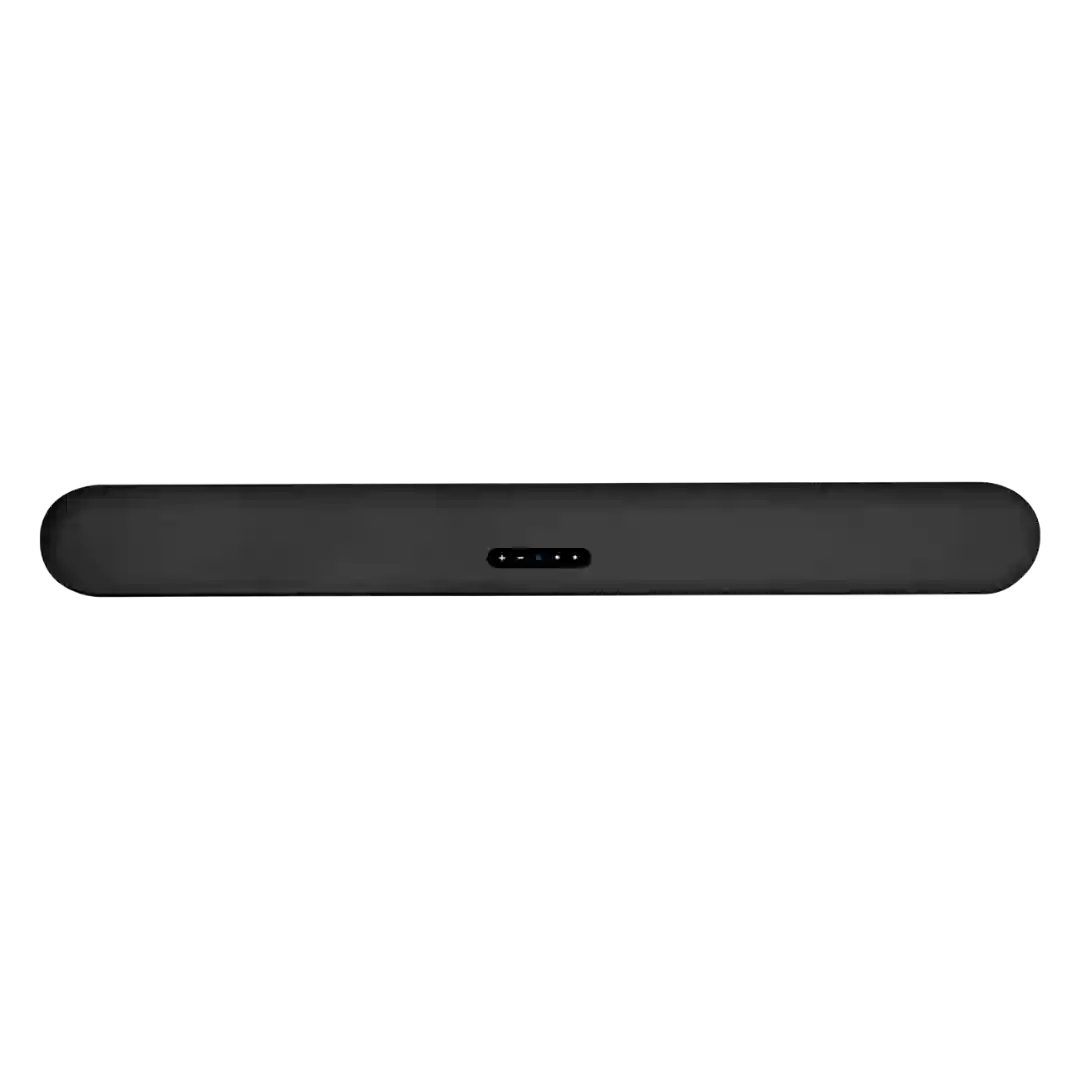
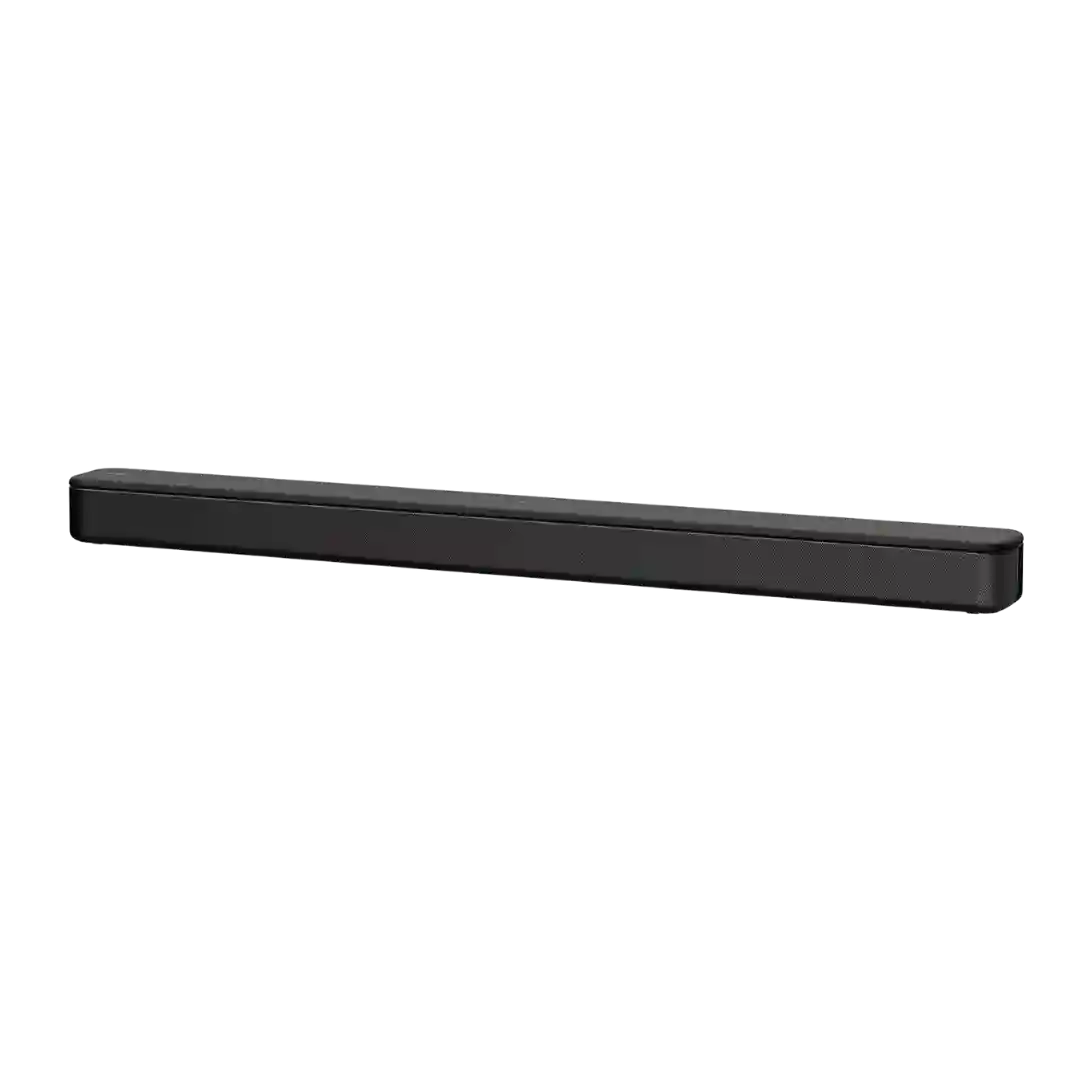
Stereo separation is decent for a compact 2.0 bar, especially with music and effects, but the image narrows off-axis and cannot match wider multi-speaker systems.
It creates a wider-than-expected stereo-like presentation for a single box, but true left-right separation remains limited compared with two discrete speakers. Some reviews explicitly call stereo separation modest.
Stereo imaging is wide for a single bar, but multiple reviews note it can feel less forward or less precise than a dedicated stereo setup, especially for music purists.
Reviews commonly note it is stereo only in a technical sense; the footprint feels wide, but true left-right separation and pinpoint imaging are limited compared to dedicated stereo pairs.
It delivers some stereo width (often described as subtle), but the stage can feel narrow or crowded compared with class leaders. Several reviewers still prefer it to mono-style portables for separation.
Stereo imaging is best when you are centered and fairly close. From a couch distance or off-axis seating, the image can feel localized and less immersive.
Single-speaker playback is more directional with a relatively narrow soundstage; stereo pairing improves width and separation but requires a second Gen 2 unit.
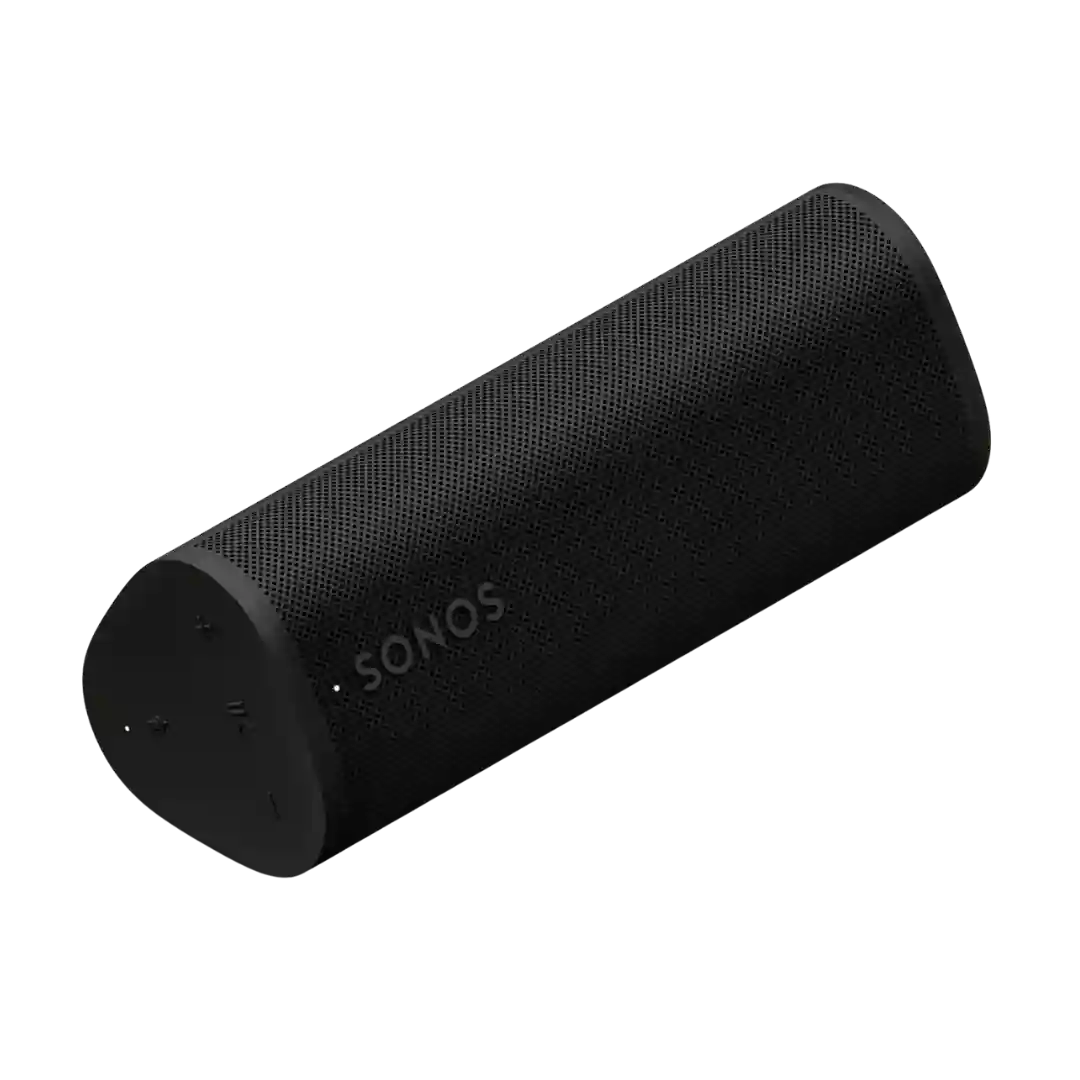
Out of the box it is mono, so left-right separation is limited; stereo imaging improves notably only when you set up a stereo pair through the Sonos app.
The speaker plays in mono by default, so imaging and separation are limited. Several sources point out you can buy a second Charge 6 to create a stereo pair and recover a wider presentation.
Out of the box it plays in mono, so left-right separation is limited; true stereo requires a second Clip 5, and multi-speaker linking can remain mono depending on mode.