#1
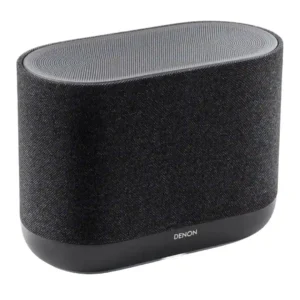
The refreshed speaker keeps working with first-generation Denon Home models, which makes system expansion feel straightforward for existing HEOS owners.
Pros: Dialogue clarity (for TV/soundbar use), Setup simplicity
Cons: Battery life (if portable), Water resistance rating
#2
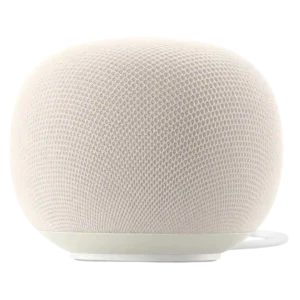
The speaker fits neatly into existing Google and Nest setups, preserving useful compatibility with older ecosystem devices.
Pros: Wi-Fi streaming reliability, Inter-speaker connectivity
Cons: Wired input, Frequency response balance
#3
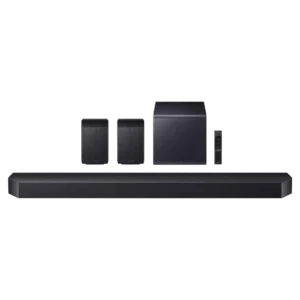
Support for older DTS and lossless disc formats keeps legacy movie collections usable.
Pros: Loudness / maximum volume, Stereo imaging accuracy
Cons: Smart assistant integration (Alexa, Status indicators
#4
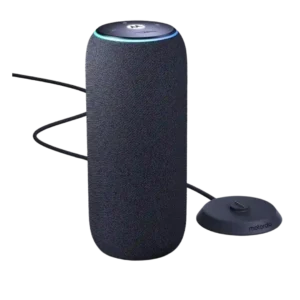
Standard Bluetooth and Wi-Fi remain useful on ordinary phones, but the most distinctive UWB features are limited by phone compatibility, especially for older Android phones and iPhones.
Pros: Setup simplicity, Design and aesthetics
Cons: Status indicators, Backwards compatibility
#5
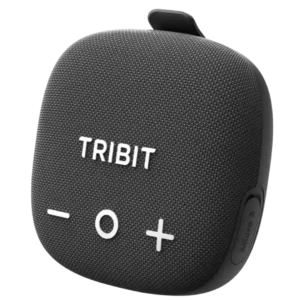
Backwards compatibility is a clear weakness because reviewers complained it cannot pair with the Micro 2 or other Tribit models.
Pros: Stereo imaging accuracy, Setup simplicity
Cons: Wired input, Backwards compatibility
#6
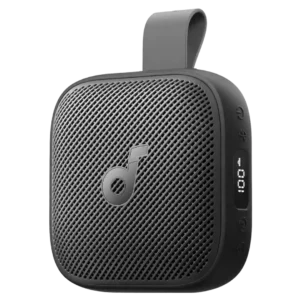
Backwards compatibility was a notable weakness because Auracast support did not help it work with older PartyCast Soundcore speakers.
Pros: Smart features, Lighting effects
Cons: Speakerphone quality, Microphone
#7

Backwards compatibility is a clear weakness because Xtreme 5 loses older PartyBoost pairing that Xtreme 4 supported.
Pros: Dust resistance rating, Low-volume performance
Cons: Speakerphone quality, Backwards compatibility