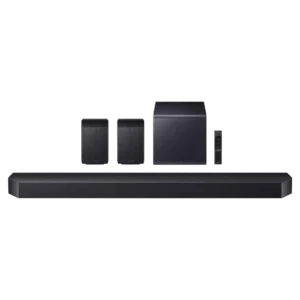
The overall tuning is crisp, balanced, and controlled, with warm vocals and tight bass rather than a muddy or boomy presentation.
Pros: Loudness / maximum volume, Stereo imaging accuracy
Cons: Smart assistant integration (Alexa, Status indicators
The overall tuning is crisp, balanced, and controlled, with warm vocals and tight bass rather than a muddy or boomy presentation.
Pros: Loudness / maximum volume, Stereo imaging accuracy
Cons: Smart assistant integration (Alexa, Status indicators
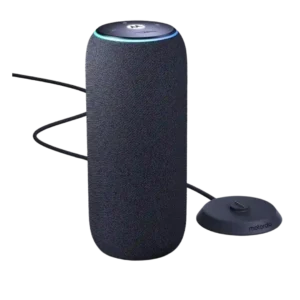
The tonal balance is praised repeatedly, with deep but controlled bass, breathable mids, and detailed audio rather than a bass-heavy portable-speaker profile.
Pros: Setup simplicity, Design and aesthetics
Cons: Status indicators, Backwards compatibility
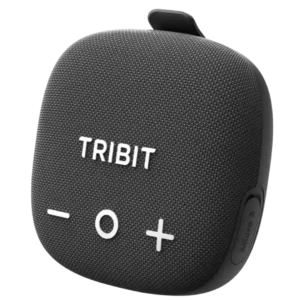
Most reviewers praised the tonal balance as fuller, punchier, and cleaner than expected from a tiny speaker, with only XBass/muffled tuning caveats.
Pros: Stereo imaging accuracy, Setup simplicity
Cons: Wired input, Backwards compatibility

The sound balance is broadly praised for stronger, deeper bass with clear mids and highs, though a few reviewers found it too booming, muffled, or less balanced indoors.
Pros: Dust resistance rating, Low-volume performance
Cons: Speakerphone quality, Backwards compatibility
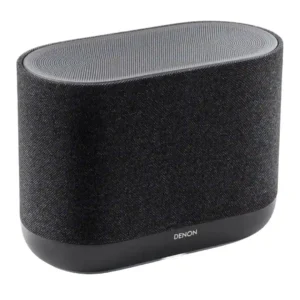
The Home 400 generally comes across as balanced, warm, clear, and smooth across the range. The main tonal caveat is bass control, which can feel a little too strong or...
Pros: Dialogue clarity (for TV/soundbar use), Setup simplicity
Cons: Battery life (if portable), Water resistance rating
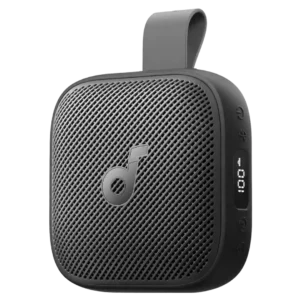
Sound balance was mostly good for size, but reviews repeatedly noted tradeoffs such as reduced bass at high volume or weaker treble/detail.
Pros: Smart features, Lighting effects
Cons: Speakerphone quality, Microphone

Critical listeners describe the tuning as dark, thin, or tinny, with exaggerated mids and subdued treble detail in some tracks.
Pros: Wi-Fi streaming reliability, Inter-speaker connectivity
Cons: Wired input, Frequency response balance