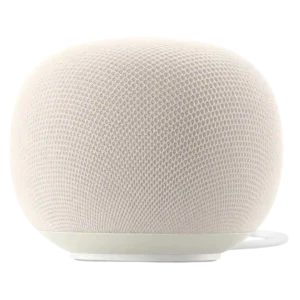
Two units can be paired with Google TV Streamer for stereo playback, giving buyers a straightforward route to a wider television soundstage.
Pros: Wi-Fi streaming reliability, Inter-speaker connectivity
Cons: Wired input, Frequency response balance
Two units can be paired with Google TV Streamer for stereo playback, giving buyers a straightforward route to a wider television soundstage.
Pros: Wi-Fi streaming reliability, Inter-speaker connectivity
Cons: Wired input, Frequency response balance
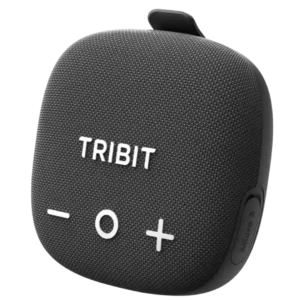
Inter-speaker connectivity was praised for fast TWS connection in testing.
Pros: Stereo imaging accuracy, Setup simplicity
Cons: Wired input, Backwards compatibility
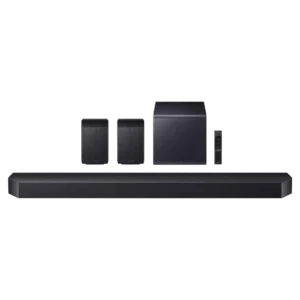
Once paired, the core bar, subwoofer, and rear speakers generally communicate reliably, with several testers reporting no dropouts.
Pros: Loudness / maximum volume, Stereo imaging accuracy
Cons: Smart assistant integration (Alexa, Status indicators
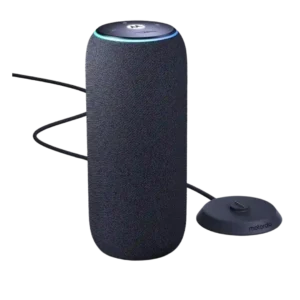
Inter-speaker UWB behavior is praised for automatic channel handling when two units are used, although this depends on owning multiple speakers and compatible hardware.
Pros: Setup simplicity, Design and aesthetics
Cons: Status indicators, Backwards compatibility
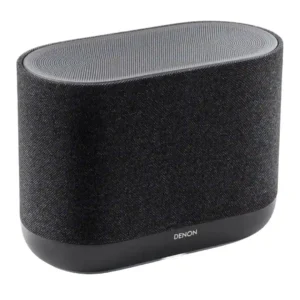
HEOS system building is a recurring strength, with support for multi-room groups, stereo pairs, and broader Denon/Marantz setups. Grouping and expansion come across as dependable and easy.
Pros: Dialogue clarity (for TV/soundbar use), Setup simplicity
Cons: Battery life (if portable), Water resistance rating

Inter-speaker connectivity is generally praised for instant or synchronized pairing, though broader compatibility is handled separately as a weakness.
Pros: Dust resistance rating, Low-volume performance
Cons: Speakerphone quality, Backwards compatibility
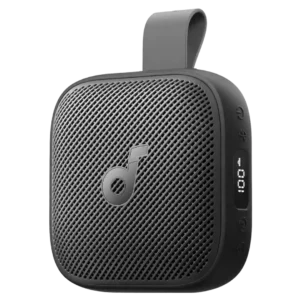
Inter-speaker connectivity was split: same-model Auracast pairing worked well in one test, while pairing with JBL or PartyCast Soundcore speakers disappointed others.
Pros: Smart features, Lighting effects
Cons: Speakerphone quality, Microphone