#1
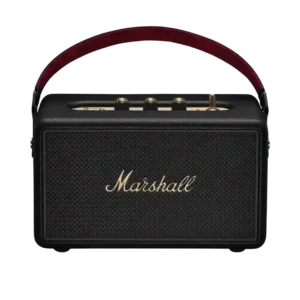
Low-volume performance is praised in the limited evidence available, especially for keeping richness, separation, and bass at modest listening levels.
Pros: Voice clarity, Bluetooth range
Cons: Multi-speaker pairing reliability, Inter-speaker connectivity
#2

Low-volume performance was praised in camping use, where the speaker stayed clear and audible at minimum volume.
Pros: Price / value for money, On-device controls
Cons: Power bank function, Wired input
#3
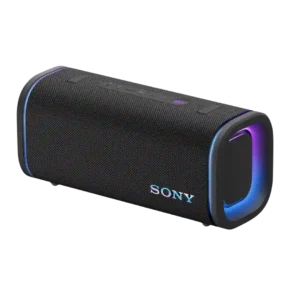
Low-volume performance gets direct praise from one reviewer who found 20% volume already sufficient at close range.
Pros: Latency with TV (lip sync), Multi-speaker pairing reliability
Cons: Energy efficiency, Amplifier power requirements
#4

Low-volume performance is mixed: one reviewer found low-level separation weak, while others praised bass presence and no-distortion behavior even at low volume.
Pros: Google, Dust resistance rating
Cons: Backwards compatibility, Stereo imaging accuracy
#5
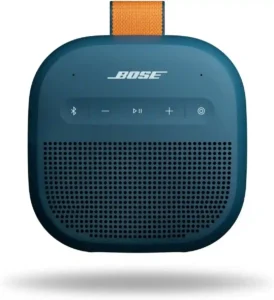
Low- and mid-volume playback is a strength in the review that assessed it, with clean, distortion-free sound at moderate levels.
Pros: Everyday usability, Bluetooth range
Cons: LED lighting effects, Lighting effects
#6
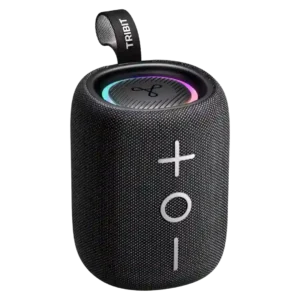
Low-volume performance was supported by TechRadar, which said keeping volume low avoids most complaints.
Pros: Multi-speaker pairing reliability, Drop resistance durability
Cons: Multipoint connectivity, Smart features
#7

Low-volume performance is divided: one review says it becomes tepid at background levels, while another praises substantial bass at low volumes.
Pros: Latency with TV (lip sync), Setup simplicity
Cons: Smart assistant integration (Alexa, Speakerphone quality
#8
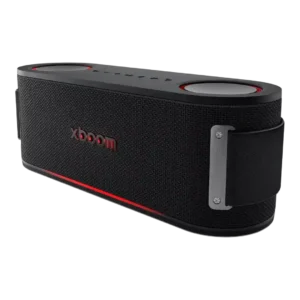
Low-volume performance was a weakness in PCMag's testing because upper-mids and treble lacked presence at lower levels.
Pros: Dynamic headroom, Drop resistance durability
Cons: Privacy and data, Wired input