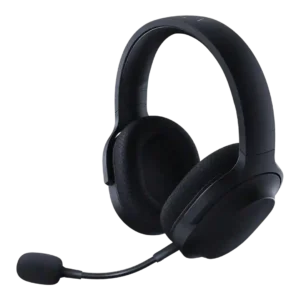
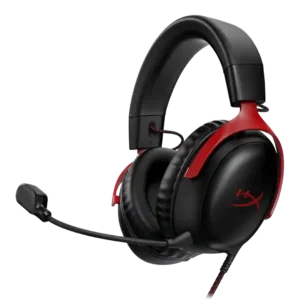
Average score
P1
Product 1: Razer Barracuda X
3.8
P2
Product 2: HyperX Cloud III
3.6
Active noise cancellation
P1
Product 1: Razer Barracuda X
2.0
Active noise cancellation was treated as an absent premium feature, with one reviewer saying buyers who need ANC should consider another model.
P2
Product 2: HyperX Cloud III
2.0
The lack of active noise cancellation was specifically criticized as a noticeable omission at the wireless model’s price tier.
Android compatibility
P1
Product 1: Razer Barracuda X
4.6
Android compatibility was consistently positive when mentioned, with reviewers appreciating USB-C or wireless use on Android phones.
P2
Product 2: HyperX Cloud III
2.5
Android compatibility was mixed-to-poor in the one direct review because unsupported Android devices behaved patchily.
App
P1
Product 1: Razer Barracuda X
3.4
App support was useful for EQ, gaming mode, lighting, or battery status, but multiple reviewers disliked separate apps, limited Synapse control, or app dependence.
P2
Product 2: HyperX Cloud III
2.8
App evidence was mixed-to-negative: a few found it straightforward, while others reported detection issues, limited features, or unusable support.
aptX
P1
Product 1: Razer Barracuda X
1.5
aptX support was explicitly criticized as absent, with one review calling the lack of AAC or aptX a letdown.
P2Product 2: HyperX Cloud III
No score yetAudio-video sync accuracy
P1
Product 1: Razer Barracuda X
4.1
Audio-video sync and response were mostly strong, with app gaming modes, low-latency wireless, and quick response praised across several reviews.
P2
Product 2: HyperX Cloud III
4.5
One review directly praised sync behavior, saying wireless audio cues stayed aligned with on-screen action.
Bass performance
P1
Product 1: Razer Barracuda X
3.8
Bass was often described as punchy, warm, or strong, but several reviewers noted limits such as less sub-bass depth, less rumble, or occasional overemphasis.
P2
Product 2: HyperX Cloud III
3.6
Bass evidence was split: some reviewers praised deep impact and oomph, while others found the low end lacking, flat, or not satisfying for music.
Battery
P1
Product 1: Razer Barracuda X
4.2
Battery life was mostly praised as long or excellent, especially 50-70 hour models, though RGB use and older models reduced that advantage.
P2
Product 2: HyperX Cloud III
4.8
Battery life was a standout strength, with many wireless reviews praising week-plus use, roughly 100-hour endurance, or 120-hour claims.
Bluetooth
P1
Product 1: Razer Barracuda X
3.7
Bluetooth was praised on newer/Chroma models for convenience, but older-model reviews missed it and one long-term 2022 review found Bluetooth switching disruptive.
P2
Product 2: HyperX Cloud III
2.5
Bluetooth evidence was sharply mixed because most wireless reviews criticized its absence, while one review praised a Bluetooth mode in its transcript.
Build quality
P1
Product 1: Razer Barracuda X
4.4
Build quality was generally solid for the price, with many reviewers praising sturdy plastic, metal reinforcement, or strong construction despite budget materials.
P2
Product 2: HyperX Cloud III
4.5
Build quality was a strong point, repeatedly described as robust, premium-feeling, sturdy, solid, or excellent.
Button control usability
P1
Product 1: Razer Barracuda X
3.8
Controls were usually easy to reach and precise, but reviewers disliked loose volume wheels, unclear mute state, or awkward volume positioning.
P2
Product 2: HyperX Cloud III
4.0
On-headset controls were usually praised for ease and convenience, though some reviewers disliked the mute location or loud mute-button noise.
Cable quality
P1
Product 1: Razer Barracuda X
5.0
Cable quality was praised where evaluated, especially the included long, high-quality charging and adapter cables.
P2
Product 2: HyperX Cloud III
3.6
Cable impressions were mixed: some liked the braided, low-noise feel, while others complained about cable noise or unwieldy length.
Carry case quality
P1
Product 1: Razer Barracuda X
2.9
Carry case support was inconsistent, with praise when a pouch or bag was included and criticism when the headset shipped without even a basic pouch.
P2
Product 2: HyperX Cloud III
2.5
Carry case quality evidence was limited and negative, with one review saying the bag did not really protect the headset.
Charging
P1
Product 1: Razer Barracuda X
4.0
Charging evidence was positive but mixed: quick charge and use-while-charging were praised, while one Chroma review called charging speed middling.
P2
Product 2: HyperX Cloud III
3.0
Charging evidence was limited, with one reviewer criticizing the included charging cable length.
Clamping force comfort
P1
Product 1: Razer Barracuda X
4.2
Clamping comfort was usually well balanced and secure without too much pressure, but one review found the clamp too weak and prone to sliding.
P2
Product 2: HyperX Cloud III
4.6
Clamping force was widely described as comfortable, light-to-medium, or well balanced for stability without pressure.
Codec support
P1
Product 1: Razer Barracuda X
2.0
Codec support was a weak point in reviews that discussed it, because Bluetooth was limited to SBC rather than higher-quality codecs.
P2Product 2: HyperX Cloud III
No score yetComfort during long use
P1
Product 1: Razer Barracuda X
4.6
Comfort over long sessions was one of the strongest areas, with repeated praise for multi-hour or all-day use and very few serious comfort complaints.
P2
Product 2: HyperX Cloud III
4.6
Comfort was one of the strongest areas, repeatedly praised for long sessions, soft padding, and an easy-to-forget fit.
Connectivity versatility
P1
Product 1: Razer Barracuda X
4.7
Connectivity versatility was one of the clearest strengths, with reviewers praising the ability to use the headset across many devices and connection types.
P2
Product 2: HyperX Cloud III
3.4
Connectivity versatility was polarized: wired models were flexible, but wireless dongle-only limits and missing wired/Bluetooth options hurt versatility.
Console compatibility limitations
P1
Product 1: Razer Barracuda X
2.6
Console limitations centered on Xbox, where reviewers repeatedly noted that wireless support was unavailable and a cable was required.
P2
Product 2: HyperX Cloud III
2.5
Console limitations centered on PC-only virtual surround/EQ behavior and reduced console-side adjustability.
Design and Aesthetics
P1
Product 1: Razer Barracuda X
4.5
Design was a major strength: reviewers repeatedly liked the subtle, understated, non-gamery look, with Chroma lighting adding style for RGB fans.
P2
Product 2: HyperX Cloud III
4.4
Design was generally well liked, with reviewers praising the sleeker, premium, simple, or all-black look.
Detachable cable convenience
P1
Product 1: Razer Barracuda X
4.5
The detachable analog cable was useful for broad compatibility, especially for wired fallback on devices without wireless support.
P2
Product 2: HyperX Cloud III
2.9
Detachable-cable convenience was mostly a weakness, with several wired or wireless reviews wishing for removability or wired fallback.
Detachable microphone convenience
P1
Product 1: Razer Barracuda X
4.3
The detachable microphone was usually praised for convenience, easy removal, stable positioning, or making the headset work better as everyday headphones.
P2
Product 2: HyperX Cloud III
3.8
Detachable microphone convenience was mostly positive for flexibility, though one review warned the detachable mic could be misplaced.
Dongle
P1
Product 1: Razer Barracuda X
3.2
The dongle enabled broad USB-C wireless use, but reviewers frequently criticized its width, port blocking, storage issues, or occasional reconnection problems.
P2
Product 2: HyperX Cloud III
2.0
Dongle reliance was a common concern because reviewers disliked patchy behavior, easy loss, and dependence on one connection method.
Ear cup padding quality
P1
Product 1: Razer Barracuda X
4.2
Ear cup padding was mostly praised for memory foam, fabric, breathability, and softness, though a few reviewers found it thin, shallow, or slightly harsh.
P2
Product 2: HyperX Cloud III
4.1
Earcup padding was generally praised as plush, thick, soft, or spacious, though pleather warmth and spicy ears were noted.
Ear cup swivel/rotation range
P1
Product 1: Razer Barracuda X
2.5
Ear cup swivel and rotation were a recurring annoyance because several reviewers felt the cups folded or rotated the wrong way.
P2
Product 2: HyperX Cloud III
2.4
Swivel and rotation range was a repeated weakness, with reviewers wishing HyperX had added more swivel.
Earpad noise
P1
Product 1: Razer Barracuda X
2.5
Earpad noise was a limited but negative finding, with one reviewer noting audible skin-versus-material contact noise.
P2Product 2: HyperX Cloud III
No score yetEarpad replacement ease
P1Product 1: Razer Barracuda X
No score yet
P2
Product 2: HyperX Cloud III
4.3
Earpad replacement ease was positive in video evidence, with removable cups or compatible universal pads mentioned approvingly.
Equalizer customization
P1
Product 1: Razer Barracuda X
3.3
Equalizer customization was mixed: mobile or Synapse EQ could be useful, but some models lacked PC EQ or any meaningful equalizer support.
P2
Product 2: HyperX Cloud III
3.5
EQ customization was useful for tailoring sound, but reviewers criticized broken toggles, bad custom EQ behavior, missing onboard EQ, and poor presets.
Fit/seal reliability
P1
Product 1: Razer Barracuda X
3.5
Fit and seal reliability was mixed, ranging from good self-adjusting fit to weak clamp that slid forward when leaning over.
P2
Product 2: HyperX Cloud III
4.8
Fit and seal were strong in the few direct mentions, supporting comfort, glasses use, and noise blocking.
Frequency response accuracy
P1
Product 1: Razer Barracuda X
3.5
Frequency response evidence was limited to one measured-style review, which found it acceptable for gaming with some bass and treble deviations.
P2
Product 2: HyperX Cloud III
3.5
Frequency-response impressions leaned neutral or refined in some reviews, but distortion and a less exciting tonal balance appeared as caveats.
Headband adjustability
P1
Product 1: Razer Barracuda X
3.9
Headband adjustability and padding were generally solid and secure, though a few reviewers wanted plusher or thicker padding.
P2
Product 2: HyperX Cloud III
3.3
Headband adjustability was usable, but the evidence was mixed because one reviewer found notches somewhat flimsy.
Hinge durability
P1
Product 1: Razer Barracuda X
5.0
Hinge and structural durability were praised in the limited evidence, with reviewers noting no rattles, weak feeling, or cracking concerns.
P2
Product 2: HyperX Cloud III
5.0
Hinge durability evidence was positive where discussed, emphasizing the Cloud line’s tank-like construction reputation.
Included accessories
P1
Product 1: Razer Barracuda X
4.4
Included accessories were usually well received, especially the generous cables, adapters, setup guide, and complete-feeling package.
P2
Product 2: HyperX Cloud III
2.8
Included accessories were mixed-to-negative, especially where reviewers missed a pouch, velour pads, longer cable, or extra pads.
Instrument separation
P1
Product 1: Razer Barracuda X
3.9
Instrument and sound separation was mostly positive, especially in busy game and music mixes, with only one review saying small details were hard to hear.
P2
Product 2: HyperX Cloud III
4.0
Layering and separation were positively noted in a few game and music examples, though this was not a major theme across the evidence.
Integrated microphone
P1
Product 1: Razer Barracuda X
2.5
The integrated microphone evidence was limited to the non-X Barracuda-style review and was negative compared with the rest of the headset.
P2Product 2: HyperX Cloud III
No score yetMaximum volume clarity
P1
Product 1: Razer Barracuda X
4.3
At high volume, reviewers usually reported clean playback with little or no distortion, supporting good maximum-volume clarity.
P2
Product 2: HyperX Cloud III
4.3
A few reviewers said the headset kept detail or held up well at higher gain/volume, supporting good maximum-volume behavior.
Microphone
P1
Product 1: Razer Barracuda X
3.8
Microphone performance varied by model and reviewer: Chroma and several X reviews were positive, while some older or integrated mic reviews were merely passable or poor.
P2
Product 2: HyperX Cloud III
4.1
Microphone quality was one of the most commonly praised attributes, though a few reviews found it merely fine, flat, or lacking body.
Microphone noise reduction
P1
Product 1: Razer Barracuda X
3.7
Microphone noise handling was mixed-positive: several reviewers praised voice focus or rejected background noise, while others heard background noise or quality drops with processing.
P2
Product 2: HyperX Cloud III
4.3
Microphone noise reduction was a strength overall, with several reviewers saying background noise, keyboard sounds, or distractions were reduced well.
Microphone quality for calls
P1
Product 1: Razer Barracuda X
4.0
Call and chat microphone quality was often clear enough for Discord, Zoom, voice calls, or streaming in a pinch, but a few reviews found it merely serviceable.
P2
Product 2: HyperX Cloud III
3.8
Call and chat voice quality was generally clear enough, though a few reviewers mentioned flat tone or low gain concerns.
Midrange clarity
P1
Product 1: Razer Barracuda X
3.9
Midrange clarity was usually strong for voices, melodies, and game detail, with isolated criticism that bass could bleed into the mids or leave them recessed.
P2
Product 2: HyperX Cloud III
3.4
Midrange performance was usually clear enough for dialogue and vocals, but some reviewers heard recessed or weak mids that hurt music fullness.
Multi-platform compatibility
P1
Product 1: Razer Barracuda X
4.8
Multi-platform compatibility was one of the strongest consensus positives, with repeated praise for PC, PlayStation, Switch, Android, Mac, iOS, and wired fallback.
P2
Product 2: HyperX Cloud III
3.6
Multi-platform compatibility was broad but imperfect: reviewers praised wide platform support while repeatedly noting dongle-only or Xbox gaps.
Multipoint connectivity reliability
P1
Product 1: Razer Barracuda X
4.0
SmartSwitch and dual-wireless behavior were praised when they worked quickly, but one long-term reviewer reported unreliable reconnection and tiresome dongle reseating.
P2Product 2: HyperX Cloud III
No score yetNoise isolation (passive)
P1
Product 1: Razer Barracuda X
3.4
Passive isolation was useful in quiet rooms and some home settings, but reviewers repeatedly warned that voices, traffic, or travel noise still came through.
P2
Product 2: HyperX Cloud III
4.1
Passive isolation was consistently useful, with earcups and cushioning blocking or shutting out outside noise without active cancellation.
Packaging quality
P1
Product 1: Razer Barracuda X
3.7
Packaging impressions ranged from simple and easy to nicely presented, with one reviewer comparing the budget box to Amazon Basics.
P2Product 2: HyperX Cloud III
No score yetPortability/foldability
P1
Product 1: Razer Barracuda X
3.6
Portability was mixed: light weight, flat cups, and removable mic helped, but odd swivel behavior, no case, and dongle storage issues hurt travel convenience.
P2
Product 2: HyperX Cloud III
2.3
Portability was weak because the headset was described as bulky, non-folding, or less suited for travel.
Positional audio accuracy
P1
Product 1: Razer Barracuda X
4.3
Positional audio was frequently praised for footsteps, shots, direction, and game awareness, with only a few caveats about imperfect precision.
P2
Product 2: HyperX Cloud III
3.8
Positional audio was mixed: several reviewers heard precise placement, while others struggled with directionality and in-game localization.
Preset EQ profile quality
P1
Product 1: Razer Barracuda X
3.3
Preset EQ profiles were mixed, with useful game/music options offset by hit-or-miss tuning and some presets pushing bass or highs too far.
P2
Product 2: HyperX Cloud III
1.5
Preset EQ evidence was strongly negative in the one direct review, which called the included presets junk.
Replaceable earpads
P1Product 1: Razer Barracuda X
No score yet
P2
Product 2: HyperX Cloud III
4.3
Replaceable earpads received positive evidence from reviews noting removable earcups or compatible replacement pads.
RGB lighting customization
P1
Product 1: Razer Barracuda X
4.3
RGB customization was a Chroma strength, with reviewers liking the look and options, though some disliked app dependence or limited interactivity.
P2Product 2: HyperX Cloud III
No score yetSidetone adjustment quality
P1
Product 1: Razer Barracuda X
2.5
Sidetone and mic monitoring were weak overall: one review valued sidetone, but others criticized delay or lack of adjustment.
P2
Product 2: HyperX Cloud III
3.0
Sidetone and mic monitoring were highly inconsistent, ranging from useful or best-ever sidetone to non-working monitoring toggles.
Smudge resistance
P1
Product 1: Razer Barracuda X
3.3
Smudge resistance was mixed, with one Chroma review praising fingerprint resistance while another Barracuda review found the finish fingerprint-prone.
P2Product 2: HyperX Cloud III
No score yetSoftware/setup simplicity
P1
Product 1: Razer Barracuda X
3.8
Setup simplicity was often praised as plug-and-play, but app requirements, missing controls, and a long-term reconnection problem kept it from being universally simple.
P2
Product 2: HyperX Cloud III
3.1
Setup simplicity varied, ranging from easy plug-and-play to painful setup or USB sound-card issues.
Sound leakage
P1
Product 1: Razer Barracuda X
4.5
Sound leakage evidence was limited but positive, with one reviewer finding leakage barely audible even at high volume.
P2
Product 2: HyperX Cloud III
3.5
Sound leakage evidence was limited and mixed, with one review praising low leakage while another noted audible leakage outside the headset.
Sound quality
P1
Product 1: Razer Barracuda X
4.2
Reviewers generally found the headset's sound good to excellent for gaming and everyday listening, though a few budget-model reviews called it merely fine or not class-leading.
P2
Product 2: HyperX Cloud III
3.9
Reviewers broadly found the Cloud III clear and enjoyable for gaming, but several described the sound as merely serviceable or flawed for music and higher-end listening.
Soundstage width
P1
Product 1: Razer Barracuda X
3.6
Soundstage and spatial width were mixed: some reviewers praised immersion and spaciousness, while others found it closed or less wide than pricier headsets.
P2
Product 2: HyperX Cloud III
3.0
Soundstage was a recurring limitation, with multiple reviewers calling it narrow, confined, or one-dimensional despite a few acceptable impressions.
Spatial audio
P1
Product 1: Razer Barracuda X
3.8
Spatial audio was useful for directionality and immersion in supported setups, though some reviewers found it less precise, app-dependent, or not worth the hassle.
P2
Product 2: HyperX Cloud III
3.3
Spatial audio was divisive: some praised precision and immersion, while others found DTS subtle, bad-sounding, or PC-limited.
Stability
P1
Product 1: Razer Barracuda X
3.5
Stability was mixed: several reviewers praised solid wireless or secure wear, but others reported drops, sliding, or 2022 connection problems.
P2
Product 2: HyperX Cloud III
4.0
Stability evidence was limited but positive, with one review noting the fit remained stable despite light clamping pressure.
Treble clarity
P1
Product 1: Razer Barracuda X
3.8
Treble was commonly called crisp or clean without harshness, though some presets or use cases made upper frequencies airy, thin, or less detailed.
P2
Product 2: HyperX Cloud III
3.6
Treble drew mixed reactions, ranging from crisp and detailed to bright, tinny, piercing, or overly high depending on the review and model.
USB-C
P1
Product 1: Razer Barracuda X
4.2
USB-C was praised for broad dongle and charging convenience, but a few reviews noted limitations such as port blocking or no USB-C audio data mode.
P2
Product 2: HyperX Cloud III
4.4
USB-C support was viewed positively, especially when paired with included USB-A adapters and broader platform use.
Value for money
P1
Product 1: Razer Barracuda X
4.6
Value for money was strongly positive, with many reviewers calling it a bargain, no-brainer, winner, or strong performer at its price.
P2
Product 2: HyperX Cloud III
3.9
Value opinions ranged from excellent budget value and home-run pricing to complaints that the wireless version needed more features for its price.
Volume output
P1
Product 1: Razer Barracuda X
4.1
Volume output was generally strong, with several reviewers saying it got loud or had enough power, although one review found USB-C wireless quieter.
P2
Product 2: HyperX Cloud III
4.0
Volume was usually loud enough, but some PlayStation and out-of-box experiences were called lower or underwhelming.
Weight comfort
P1
Product 1: Razer Barracuda X
4.6
Weight comfort was strongly praised; reviewers repeatedly described the headset as light, weightless, or easy to wear for long sessions.
P2
Product 2: HyperX Cloud III
4.0
Weight comfort was mostly positive thanks to lightness, though a few reviewers found the wireless model heavier or fatiguing over time.
Wireless latency
P1
Product 1: Razer Barracuda X
4.2
Wireless latency was usually low enough for gaming, with several reviews calling it lag-free or well synced, though one cloud-gaming case and one range test were weaker.
P2
Product 2: HyperX Cloud III
4.9
Wireless latency was consistently praised where tested, with reviewers reporting low or nonexistent lag.
Xbox compatibility
P1
Product 1: Razer Barracuda X
2.6
Xbox compatibility was consistently limited: reviewers said Xbox required a 3.5mm cable or lacked native wireless support.
P2
Product 2: HyperX Cloud III
1.5
Xbox compatibility was a clear weakness for wireless reviews, repeatedly called absent or disappointing.