Average score
P1
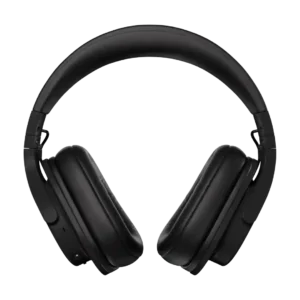
Product 1: Yamaha YH-L500A Headphones
3.7
P2
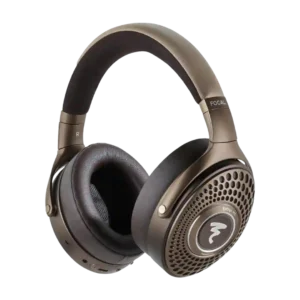
Product 2: Focal Bathys MG Wireless Headphones
4.1
Active noise cancellation
P1
Product 1: Yamaha YH-L500A Headphones
1.0
Across the L500A-focused reviews, active noise cancellation is simply not included, so outside noise is handled only by the earcup seal. Because there is no ANC system in the L500A coverage, there is nothing to adjust beyond passive isolation.
P2
Product 2: Focal Bathys MG Wireless Headphones
4.0
ANC is good to very good and clearly improved over the original, but the consensus is that Sony and Bose still cancel more noise overall, especially in the mids. The three-mode ANC system gives useful control with Silent, Soft, and Transparency options, even though there is no true ANC-off mode.
Android compatibility
P1
Product 1: Yamaha YH-L500A Headphones
4.5
Android users benefit from Google Fast Pair in the coverage, making initial setup quick and straightforward.
P2
Product 2: Focal Bathys MG Wireless Headphones
4.0
Android support is straightforward, with repeated references to Android compatibility in specs, pairing, and app support.
App
P1
Product 1: Yamaha YH-L500A Headphones
3.8
The Yamaha control app is described as straightforward for switching modes and adjusting EQ, without being overwhelming.
P2
Product 2: Focal Bathys MG Wireless Headphones
3.9
The Focal & Naim app is useful for basics like ANC, EQ, personalization, lighting, and battery view, but several reviewers find it limited or occasionally glitchy.
aptX
P1
Product 1: Yamaha YH-L500A Headphones
4.5
aptX Adaptive support is a key highlight and is credited with improving sound quality when paired with compatible devices.
P2
Product 2: Focal Bathys MG Wireless Headphones
4.2
aptX support is a clear plus and is repeatedly listed as part of the headphone's strong everyday wireless feature set.
Audio-video sync accuracy
P1
Product 1: Yamaha YH-L500A Headphones
4.8
Low-latency performance is a standout across sources: the L500A includes a gaming mode aimed at reducing AV lag, and WL500-focused reviews emphasize near-imperceptible sub-5ms latency for instrument monitoring.
P2Product 2: Focal Bathys MG Wireless Headphones
No score yetBass performance
P1
Product 1: Yamaha YH-L500A Headphones
3.9
Bass response is generally controlled rather than booming; Wired notes limited low-end impact for bassheads, while other sources describe punchy but restrained bass and WL500 content highlights strong low-end for playing.
P2
Product 2: Focal Bathys MG Wireless Headphones
4.4
Bass is generally praised for depth, slam, texture, and control, though several reviewers note the default tuning can run a little warm, boomy, or heavy before EQ.
Battery
P1
Product 1: Yamaha YH-L500A Headphones
3.6
Battery life is consistently described as about 20 hours, seen as adequate for long sessions but short versus many similarly priced competitors; WL500 users report rarely worrying about charge during studio days. Battery replacement is a weak point in the L500A commentary, with one review warning the headphones cannot operate without power and will effectively be unusable when the internal battery fails.
P2
Product 2: Focal Bathys MG Wireless Headphones
4.3
Battery life is solid rather than class-leading, with the commonly cited 30-hour Bluetooth figure generally holding up well in real use. Battery replacement appears possible through Focal service rather than as a user-swappable design, offering some serviceability without true end-user replaceability.
Bluetooth
P1
Product 1: Yamaha YH-L500A Headphones
3.2
Bluetooth performance is generally portrayed as reliable, though WL500 range tests mention crackles when moving far from the transmitter/receiver setup.
P2
Product 2: Focal Bathys MG Wireless Headphones
4.3
Bluetooth performance is usually stable with fast pairing and dependable everyday use, but a few reports mention quirks rather than flawless behavior.
Build quality
P1
Product 1: Yamaha YH-L500A Headphones
4.4
Build quality is generally praised as solid and premium-feeling, with smooth-moving joints; the main nit is occasional cheap-feeling button rattle in one review.
P2
Product 2: Focal Bathys MG Wireless Headphones
4.8
Build quality is one of the strongest consensus positives, with premium materials, excellent finishing, and solid construction throughout.
Built-in DAC and hi-res playback
P1Product 1: Yamaha YH-L500A Headphones
No score yet
P2
Product 2: Focal Bathys MG Wireless Headphones
4.8
The built-in DAC and hi-res USB playback are among the headphone's clearest differentiators, and many reviewers treat DAC mode as a headline feature.
Button control usability
P1
Product 1: Yamaha YH-L500A Headphones
3.8
Controls are described as mostly intuitive with good tactile response and glove-friendly usability, though one reviewer mentions slight rattling that feels less premium.
P2
Product 2: Focal Bathys MG Wireless Headphones
4.5
Physical controls are a strength, with tactile buttons and switches that are generally easier to trust than touch panels.
Cable quality
P1
Product 1: Yamaha YH-L500A Headphones
2.5
Cable quality gets a minor ding in WL500 coverage due to a short USB power cable for the receiver base, prompting some users to replace it with a longer one.
P2
Product 2: Focal Bathys MG Wireless Headphones
4.3
The included cables are generally described as acceptable to durable, even if they are not luxurious extras.
Carry case quality
P1
Product 1: Yamaha YH-L500A Headphones
1.0
Multiple sources mention the absence of a carry case or pouch, which hurts protection and travel convenience.
P2
Product 2: Focal Bathys MG Wireless Headphones
4.4
The carry case is repeatedly praised as protective, slim, and premium, even if a few users still find it bulky in a bag.
Charging
P1
Product 1: Yamaha YH-L500A Headphones
3.6
USB-C charging is noted as convenient and reasonably quick, but one review flags a major limitation: the L500A cannot be used while charging and needs power to operate.
P2
Product 2: Focal Bathys MG Wireless Headphones
4.4
Fast charging is a practical plus, with the widely repeated 15-minute top-up for roughly five hours of playback.
Clamping force comfort
P1
Product 1: Yamaha YH-L500A Headphones
4.2
Clamping force is repeatedly called gentle and even soothing on the L500A, supporting long sessions without fatigue; fit pressure varies more in WL500 commentary.
P2
Product 2: Focal Bathys MG Wireless Headphones
4.5
Clamp is generally better judged than on the original Bathys, feeling secure without being overly oppressive for most listeners.
Codec support
P1
Product 1: Yamaha YH-L500A Headphones
4.0
Overall codec support is framed as modern enough for the category, with aptX Adaptive and standard Bluetooth operation being the main emphasis.
P2
Product 2: Focal Bathys MG Wireless Headphones
3.3
Codec support is serviceable rather than cutting-edge: aptX and aptX Adaptive are welcome, but multiple reviews call out the lack of broader premium codec coverage.
Comfort during long use
P1
Product 1: Yamaha YH-L500A Headphones
4.5
Comfort is the biggest strength in the L500A reviews thanks to low weight, plush pads, and gentle pressure for multi-hour wear; WL500 comfort is more mixed, with some headband hot spots after an hour.
P2
Product 2: Focal Bathys MG Wireless Headphones
4.6
Long-session comfort is one of the Bathys MG's most consistent wins, with many reviewers praising fatigue-free wear over flights, workdays, or extended listening.
Design and Aesthetics
P1
Product 1: Yamaha YH-L500A Headphones
4.0
The design is described as understated and studio-like, leaning matte black and workhorse aesthetics rather than flashy styling.
P2
Product 2: Focal Bathys MG Wireless Headphones
4.7
Design is a major selling point, with the chestnut finish, leather, metal accents, and illuminated logo giving the Bathys MG a clearly luxurious identity.
Detachable cable convenience
P1
Product 1: Yamaha YH-L500A Headphones
4.1
A wired 3.5mm-style connection is mentioned as a useful fallback for conserving battery or using external mics/interfaces, adding flexibility beyond wireless use.
P2
Product 2: Focal Bathys MG Wireless Headphones
4.4
The included 3.5mm and USB-C wired options add real convenience for travel, desk use, and higher-quality listening beyond Bluetooth.
Dongle
P1
Product 1: Yamaha YH-L500A Headphones
4.2
A recurring theme is external hardware options: one reviewer uses a USB-C Bluetooth adapter to improve codec performance, while WL500 coverage centers on a dedicated dock/transmitter system.
P2Product 2: Focal Bathys MG Wireless Headphones
No score yetEar cup padding quality
P1
Product 1: Yamaha YH-L500A Headphones
4.6
Earcup padding is described as soft, plush, and spacious, with a fatigue-free feel; the L500A cushions are also noted as replaceable.
P2
Product 2: Focal Bathys MG Wireless Headphones
4.7
Softer, more supple pads are a meaningful upgrade, improving comfort, seal, and overall premium feel.
Ear cup swivel/rotation range
P1Product 1: Yamaha YH-L500A Headphones
No score yet
P2
Product 2: Focal Bathys MG Wireless Headphones
3.5
The cups offer enough articulation to sit comfortably and fold flat, but the headphone is not especially compact and does not fold into a tighter travel shape.
Equalizer customization
P1
Product 1: Yamaha YH-L500A Headphones
3.9
EQ customization is available via the app, including user presets; one reviewer appreciates the flexibility but notes the Sound Field effects can override EQ choices.
P2
Product 2: Focal Bathys MG Wireless Headphones
3.9
EQ is helpful and usable, but the five-band structure is repeatedly described as limited compared with fuller parametric options.
Frequency response accuracy
P1Product 1: Yamaha YH-L500A Headphones
No score yet
P2
Product 2: Focal Bathys MG Wireless Headphones
4.7
Reviewers consistently describe the tonal balance as natural, balanced, or close to reference in the better presets, with cleaner frequency relationships than the original Bathys.
Headband adjustability
P1
Product 1: Yamaha YH-L500A Headphones
2.8
Fit range is a minor concern: one reviewer warns very small heads may not get an ideal seal/positioning, while WL500 feedback mentions the tightest setting can still feel loose for some.
P2
Product 2: Focal Bathys MG Wireless Headphones
4.2
The headband and slider system is easy to adjust and feels premium, helping users dial in fit without fuss.
Hinge durability
P1Product 1: Yamaha YH-L500A Headphones
No score yet
P2
Product 2: Focal Bathys MG Wireless Headphones
4.5
The yokes and hinge-related hardware are widely described as sturdy, well finished, and built to last.
Included accessories
P1
Product 1: Yamaha YH-L500A Headphones
3.6
Accessories vary by model coverage: L500A mentions a wired cable but no case, while WL500 reviews emphasize a large accessory bundle and docking station for studio use.
P2
Product 2: Focal Bathys MG Wireless Headphones
4.2
The included bundle is straightforward but useful, typically covering the hard case plus 3.5mm and USB-C cables.
Instrument separation
P1
Product 1: Yamaha YH-L500A Headphones
4.6
Separation is repeatedly highlighted, with dialogue and vocals staying distinct from bass and effects, especially when Sound Field modes are engaged.
P2
Product 2: Focal Bathys MG Wireless Headphones
4.8
Instrument separation is frequently singled out as excellent, with strong channel separation, precise placement, and the ability to keep dense mixes organized.
Integrated microphone
P1Product 1: Yamaha YH-L500A Headphones
No score yet
P2
Product 2: Focal Bathys MG Wireless Headphones
4.2
The built-in mic setup is a practical part of the package, handling calls, assistants, and ANC duties without standing out as a weak point.
LDAC
P1Product 1: Yamaha YH-L500A Headphones
No score yet
P2
Product 2: Focal Bathys MG Wireless Headphones
1.5
LDAC is a notable omission and one of the most commonly cited feature complaints at this price.
Maximum volume clarity
P1Product 1: Yamaha YH-L500A Headphones
No score yet
P2
Product 2: Focal Bathys MG Wireless Headphones
4.0
At louder playback levels the Bathys MG generally stays composed and detailed, but some reviewers still hear treble edge on bright material, so max-volume behavior is good rather than perfect.
Microphone noise reduction
P1
Product 1: Yamaha YH-L500A Headphones
3.5
Background noise reduction for calls is described as helpful indoors, with acceptable suppression of ambient noise for voice pickup.
P2
Product 2: Focal Bathys MG Wireless Headphones
4.2
The microphone array does a respectable job suppressing background noise and keeping speech intelligible, though wind and harsher noise are not fully erased.
Microphone quality for calls
P1
Product 1: Yamaha YH-L500A Headphones
3.0
Call mic pickup is described as decent, but the lack of transparency or sidetone makes calls feel fatiguing because you cannot hear your own voice clearly.
P2
Product 2: Focal Bathys MG Wireless Headphones
4.2
Call quality is generally solid, with voices coming through clearly and naturally even if the very best Sony-style call performance is still a step ahead.
Midrange clarity
P1
Product 1: Yamaha YH-L500A Headphones
4.2
Midrange is consistently portrayed as clean and articulate, supporting clear vocals and dialogue.
P2
Product 2: Focal Bathys MG Wireless Headphones
4.6
Midrange performance is a major strength, delivering clear, rich, weighty instruments and improved vocal/instrument resolution over the original, even if a few reviewers wanted vocals pushed further forward.
Multi-platform compatibility
P1
Product 1: Yamaha YH-L500A Headphones
4.2
Compatibility is broad across phones, tablets, and computers via Bluetooth; WL500 content adds instrument and studio compatibility through its transmitter base.
P2
Product 2: Focal Bathys MG Wireless Headphones
4.4
The Bathys MG works broadly across phones, computers, tablets, and wired sources, making it easy to use across mixed-device setups.
Multipoint connectivity reliability
P1
Product 1: Yamaha YH-L500A Headphones
4.2
Multipoint support is repeatedly called out as a practical perk, letting users stay connected to two devices and switch smoothly.
P2
Product 2: Focal Bathys MG Wireless Headphones
4.2
Multipoint is supported and often works well, though several reviewers mention occasional switching quirks that keep it from feeling completely polished.
Noise isolation (passive)
P1
Product 1: Yamaha YH-L500A Headphones
3.5
The large pads and good seal deliver meaningful passive isolation for home use, but traffic, construction, and other louder sounds still cut through.
P2
Product 2: Focal Bathys MG Wireless Headphones
4.1
Passive isolation benefits from the over-ear seal and softer pads, though seal sensitivity with glasses is noted by at least one reviewer and total isolation still leans on ANC.
Portability/foldability
P1
Product 1: Yamaha YH-L500A Headphones
2.0
Portability is limited by the L500A’s non-folding design and missing travel case, and WL500’s dock-centric approach adds bulk for travel.
P2
Product 2: Focal Bathys MG Wireless Headphones
4.2
Portability is decent for a premium over-ear: the headphone folds flat and the revised case is slimmer, but it still is not a truly compact travel design.
Preset EQ profile quality
P1
Product 1: Yamaha YH-L500A Headphones
2.5
Preset EQ options get mixed feedback, with one reviewer finding the stock profiles did not provide the desired tonal tweaks.
P2
Product 2: Focal Bathys MG Wireless Headphones
4.4
Preset profiles, especially Dynamic, are viewed positively and can materially improve tonal balance depending on listener taste.
Replaceable earpads
P1
Product 1: Yamaha YH-L500A Headphones
4.5
Replaceable earpads are explicitly noted on the L500A, extending comfort and longevity versus sealed-pad designs.
P2
Product 2: Focal Bathys MG Wireless Headphones
4.3
Replaceable earpads are explicitly mentioned and add welcome long-term serviceability.
Sensors
P1Product 1: Yamaha YH-L500A Headphones
No score yet
P2
Product 2: Focal Bathys MG Wireless Headphones
2.0
Convenience sensors are sparse, with at least one reviewer specifically calling out the lack of wear detection.
Sidetone adjustment quality
P1Product 1: Yamaha YH-L500A Headphones
No score yet
P2
Product 2: Focal Bathys MG Wireless Headphones
3.9
Sidetone adjustment is present in the app, but it is not explored deeply enough in reviews to suggest anything beyond basic usefulness.
Software/setup simplicity
P1
Product 1: Yamaha YH-L500A Headphones
3.8
Setup is usually described as easy (especially with Fast Pair), though WL500 users note occasional pairing retries and a short reconnect delay after undocking.
P2
Product 2: Focal Bathys MG Wireless Headphones
4.0
Setup is usually straightforward, but the app and feature set are not always as polished or flexible as the best consumer-audio ecosystems.
Sound quality
P1
Product 1: Yamaha YH-L500A Headphones
4.2
Sound quality is described as detailed and clear with strong home-theater immersion; some WL500 commentary calls the sound good but less open than trusted wired reference headphones.
P2
Product 2: Focal Bathys MG Wireless Headphones
4.7
Across the file, the Bathys MG is repeatedly described as one of the best-sounding wireless headphones available, with standout refinement, detail, dynamics, and realism. Wired listening is a real strength, especially in USB-DAC mode, with reviewers repeatedly hearing cleaner, higher-resolution playback than over standard Bluetooth.
Soundstage width
P1
Product 1: Yamaha YH-L500A Headphones
4.2
Soundstage benefits from Yamaha’s Sound Field processing, with Music mode especially adding air and space; WL500 descriptions also mention a more three-dimensional, semi-open presentation.
P2
Product 2: Focal Bathys MG Wireless Headphones
4.5
For a closed-back wireless design, the Bathys MG earns unusually strong soundstage marks, with convincing width, layering, and better spatial openness than most ANC rivals.
Spatial audio
P1
Product 1: Yamaha YH-L500A Headphones
4.2
Spatial audio here is Yamaha’s Sound Field Cinema/Music processing rather than head-tracked surround; reviews find it convincingly spacious overall, with Cinema mode effectiveness varying by content.
P2
Product 2: Focal Bathys MG Wireless Headphones
1.5
Spatial audio is absent, and several reviewers explicitly note that Focal prioritized core sound over that feature.
Stability
P1
Product 1: Yamaha YH-L500A Headphones
3.7
Stability is strong in the L500A home-viewing use case, with reports of minimal shifting; WL500 comments include occasional slipping forward when tilting the head.
P2
Product 2: Focal Bathys MG Wireless Headphones
3.6
Fit stability is mostly good for seated use and commuting, but a few comments suggest movement-related thumping or shifting during more active use.
Sustainability materials
P1Product 1: Yamaha YH-L500A Headphones
No score yet
P2
Product 2: Focal Bathys MG Wireless Headphones
4.5
The packaging and material story show some environmental consideration, including recycled or FSC-style materials in the box and presentation.
Touch control responsiveness
P1Product 1: Yamaha YH-L500A Headphones
No score yet
P2
Product 2: Focal Bathys MG Wireless Headphones
1.5
There are no touch controls here, so anyone wanting swipe gestures or tap controls will not find them.
Transparency mode quality
P1
Product 1: Yamaha YH-L500A Headphones
1.0
Several reviewers miss a transparency mode for quick conversations, describing voices as muffled and requiring the headphones to be moved off the ears.
P2
Product 2: Focal Bathys MG Wireless Headphones
4.3
Transparency mode is considered effective and natural enough for conversations and situational awareness without removing the headphones.
Treble clarity
P1
Product 1: Yamaha YH-L500A Headphones
3.7
Treble is often praised for clarity and detail, but at least one review finds the tuning overly bright or edgy in the highest frequencies.
P2
Product 2: Focal Bathys MG Wireless Headphones
4.3
Treble is mostly clear, smooth, and detailed, but a few reviewers hear some edge or heat up top, especially on bright recordings or at louder levels.
USB-C
P1
Product 1: Yamaha YH-L500A Headphones
4.2
USB-C is used for power/charging in the coverage (including the WL500 dock), making it easy to plug into common chargers.
P2
Product 2: Focal Bathys MG Wireless Headphones
4.7
USB-C is central to the product experience, handling charging and the high-value DAC mode for higher-resolution wired playback.
Voice assistant integration
P1
Product 1: Yamaha YH-L500A Headphones
4.0
Voice assistant or voice control support is mentioned as part of the feature set for hands-free use.
P2
Product 2: Focal Bathys MG Wireless Headphones
4.3
Voice assistant access is built in and works as expected through the dedicated button and supported platforms.
Weight comfort
P1
Product 1: Yamaha YH-L500A Headphones
5.0
At roughly 9.3 ounces, the L500A is highlighted as very light for an over-ear wireless model, which contributes heavily to long-wear comfort.
P2
Product 2: Focal Bathys MG Wireless Headphones
4.2
At about 350g the Bathys MG is not especially light, but most reviewers still find the weight well managed and comfortable in practice.