If you want better Portability/foldability
Choose Marshall Major V. It scores 4.9 vs 2.0 for Portability/foldability, with a 3.9 overall score.
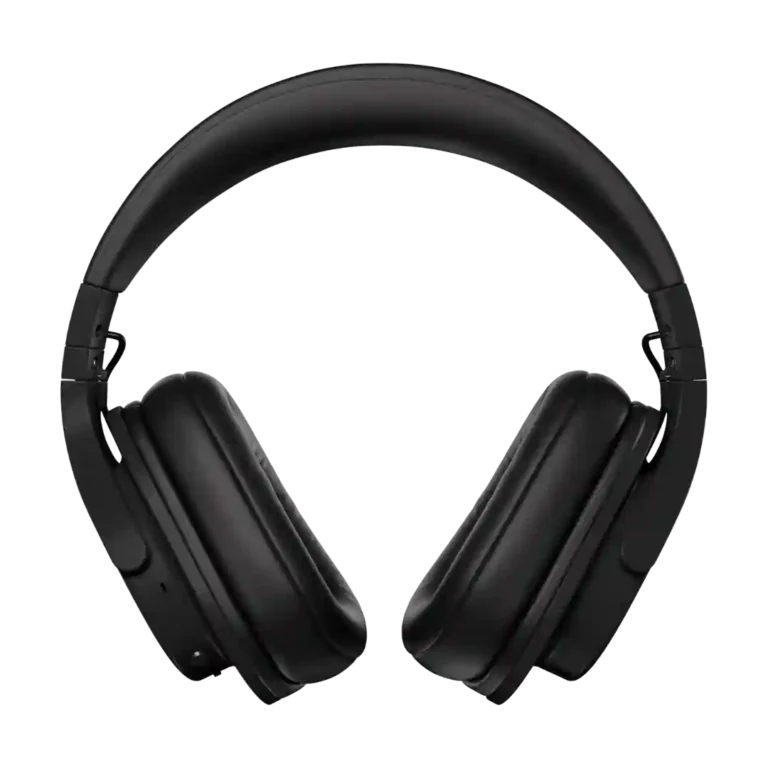
Choose the Yamaha YH-L500A if comfort, immersive home viewing, detailed sound, or low-latency wireless use matter most. Skip it for travel ANC, transparency, strong bass, mixing accuracy, or a complete accessory package.
Best for home-theater listeners, long-session viewers, and cable-averse musicians who value comfort, spacious presentation, and low-latency wireless convenience over a full travel feature set.
Not for frequent travelers, callers who need transparency/sidetone, bass-heavy gym listeners, or mixing engineers who need flatter sound and more secure fit consistency.
Reviewers most consistently praise Yamaha’s over-ear approach for plush comfort, spacious presentation, and clear, detailed audio. Home-theater coverage highlights Cinema and Music processing as unusually convincing for private movie watching, while musician-focused transcripts praise the WL500-style low-latency wireless workflow as freeing and responsive. The tradeoff is narrow usefulness: the strongest L500A review notes no ANC, no transparency mode, no travel case, limited bass impact, and battery behavior that can interrupt listening. Fit also depends on the listener, with one reviewer loving the gentle clamp while another found the headband thin and loose. The result is a focused, comfort-first headphone story with standout immersion, but not a fully featured travel or studio-monitoring all-rounder.
Compared with other Over-Ear Headphones, this product is above average in Clamping force comfort, aptX, Soundstage width, near average in Overall recommendation, Value for money, below average in Transparency mode quality, Sustainability and repairability, Carry case quality.
| Attribute | This product | Category average | Difference |
|---|---|---|---|
| Transparency mode quality | 1.5 | 3.9 | -2.4 |
| Sustainability and repairability | 1.5 | 3.8 | -2.3 |
| Carry case quality | 1.8 | 3.7 | -2.0 |
| Active noise cancellation | 2.0 | 3.9 | -1.9 |
| Travel friendliness | 2.0 | 3.8 | -1.8 |
| Headband adjustability | 2.5 | 4.2 | -1.7 |
| Portability/foldability | 2.0 | 3.6 | -1.6 |
| Preset EQ profile quality | 2.0 | 3.6 | -1.6 |
Choose Marshall Major V. It scores 4.9 vs 2.0 for Portability/foldability, with a 3.9 overall score.
Choose OneOdio Studio Max 2. It scores 4.5 vs 1.8 for Carry case quality, with a 3.8 overall score.
Choose 1MORE SonoFlow-Pro Headphones. It scores 4.5 vs 2.0 for Travel friendliness, with a 3.8 overall score.
Choose SonoFlow SE HQ31 Wireless Headphones. It scores 4.5 vs 2.5 for Features at launch, with a 3.9 overall score.
Products reviewers directly compared with this model, grouped into quick takeaways.
Yes. The L500A-focused reviews praise Cinema Mode and Sound Field processing for spacious, layered, private-theater listening with clear dialogue.
Mostly yes. Several reviewers praise the light weight, plush pads, and gentle clamp, though one supplied musician-focused review found the headband less comfortable after about an hour.
The L500A reviews emphasize that ANC and transparency are missing. That makes them less useful for travel, commuting, quick conversations, and some call situations.
Reviewers describe the sound as detailed, clear, and spacious. The main caveats are conservative bass, potentially bright highs, and limited suitability for mixing or reference work.
The supplied reviews are very positive on latency, with multiple reviewers reporting no perceptible or discernible delay in gaming or musician-focused wireless use.
Battery impressions are mixed. Some reviewers found runtime worry-free, while one L500A review called 20 hours low for modern wireless headphones and disliked that they cannot be used while charging.
These are a few of the reviews included in our analysis.


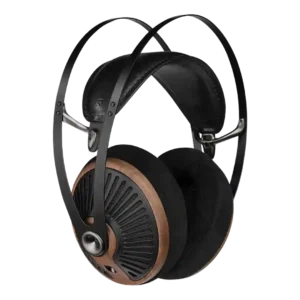
Choose the 105 Silva for beautiful, repairable construction, superb comfort, easy driveability, and an engaging spacious sound. Skip it if you need isolation, balanced connectivity, heavy sub-bass, or consistently smooth...
Pros: Volume output, Carry case quality
Cons: Connectivity options, Noise isolation (passive)
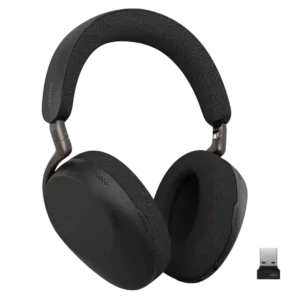
Choose it if your workday revolves around calls and you want exceptional mic isolation, huge battery life, all-day comfort, and a slim travel-friendly design. Skip it if music fidelity, class-leading...
Pros: Frequency response accuracy, Clamping force comfort
Cons: Volume output, aptX
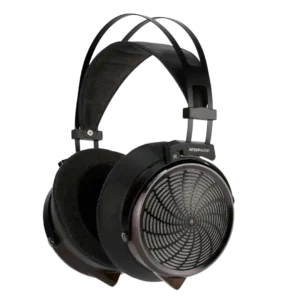
Best for spacious, detailed home listening, excellent comfort, and premium construction. Skip it for commuting, private shared-space use, built-in voice chat, or subwoofer-like bass impact.
Pros: Overall satisfaction, Glasses and hat compatibility
Cons: Travel friendliness, Sound leakage
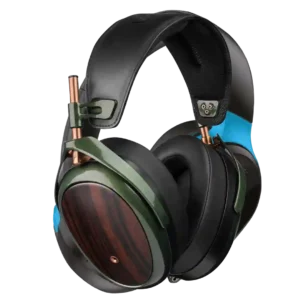
Choose the Strada for premium build, long-session comfort, strong isolation and an unusually spacious closed-back presentation. Skip it if you have a small head, dislike energetic treble, or want consistently...
Pros: Hinge durability, Durability over time
Cons: Ear cup swivel/rotation range, Portability/foldability