Average score
P1
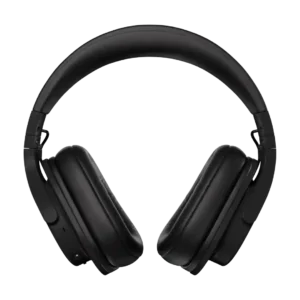
Product 1: Yamaha YH-L500A Headphones
3.7
P2
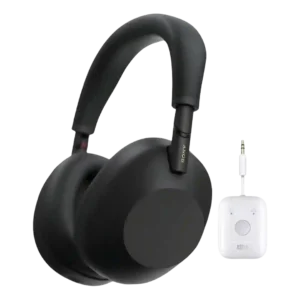
Product 2: SONY WH-1000XM6 Headphones
3.9
3.5mm analog input availability
P1Product 1: Yamaha YH-L500A Headphones
No score yet
P2
Product 2: SONY WH-1000XM6 Headphones
4.3
The XM6 retains a 3.5mm analog input/cable option, useful for wired listening, even as USB-C audio is missing.
Active noise cancellation
P1
Product 1: Yamaha YH-L500A Headphones
1.0
Across the L500A-focused reviews, active noise cancellation is simply not included, so outside noise is handled only by the earcup seal. Because there is no ANC system in the L500A coverage, there is nothing to adjust beyond passive isolation.
P2
Product 2: SONY WH-1000XM6 Headphones
4.8
Reviewers consistently describe the XM6 as elite or class-leading for ANC, especially for travel, commuting, offices, and broad environmental noise.
Advanced software features
P1Product 1: Yamaha YH-L500A Headphones
No score yet
P2
Product 2: SONY WH-1000XM6 Headphones
4.4
Advanced features are broad and powerful, including smart listening, spatial modes, gestures, app controls, and ecosystem conveniences.
Aesthetics / discreet profile
P1Product 1: Yamaha YH-L500A Headphones
No score yet
P2
Product 2: SONY WH-1000XM6 Headphones
3.6
The profile is generally clean and wearable, though some find the earcups less sleek or wish they were lower-profile.
ANC background noise level
P1Product 1: Yamaha YH-L500A Headphones
No score yet
P2
Product 2: SONY WH-1000XM6 Headphones
4.3
ANC background artifacts are generally low, with low hiss/pressure noted, though high-frequency noise remains challenging.
ANC effect on sound signature
P1Product 1: Yamaha YH-L500A Headphones
No score yet
P2
Product 2: SONY WH-1000XM6 Headphones
3.6
ANC’s influence on sound signature is noted through its effect on frequency response and perceived sound quality.
ANC sound impact on audio
P1Product 1: Yamaha YH-L500A Headphones
No score yet
P2
Product 2: SONY WH-1000XM6 Headphones
3.6
ANC can affect measured sound quality because reviewers note it changes frequency response.
Android compatibility
P1
Product 1: Yamaha YH-L500A Headphones
4.5
Android users benefit from Google Fast Pair in the coverage, making initial setup quick and straightforward.
P2
Product 2: SONY WH-1000XM6 Headphones
4.0
Android compatibility is helped by LDAC and hi-res support, though one review notes possible high-bitrate LDAC instability.
App
P1
Product 1: Yamaha YH-L500A Headphones
3.8
The Yamaha control app is described as straightforward for switching modes and adjusting EQ, without being overwhelming.
P2
Product 2: SONY WH-1000XM6 Headphones
3.7
The app enables deep customization but draws criticism for clutter, complexity, or needing a redesign.
aptX
P1
Product 1: Yamaha YH-L500A Headphones
4.5
aptX Adaptive support is a key highlight and is credited with improving sound quality when paired with compatible devices.
P2
Product 2: SONY WH-1000XM6 Headphones
2.1
aptX support is absent, which reviewers treat as a limitation even though LDAC covers many Android hi-res needs.
Audio-video sync accuracy
P1
Product 1: Yamaha YH-L500A Headphones
4.8
Low-latency performance is a standout across sources: the L500A includes a gaming mode aimed at reducing AV lag, and WL500-focused reviews emphasize near-imperceptible sub-5ms latency for instrument monitoring.
P2Product 2: SONY WH-1000XM6 Headphones
No score yetAuto-play/wear detection
P1Product 1: Yamaha YH-L500A Headphones
No score yet
P2
Product 2: SONY WH-1000XM6 Headphones
4.8
Wear detection and auto-play behavior are praised for immediate pause and resume behavior.
Auto on/off reliability
P1Product 1: Yamaha YH-L500A Headphones
No score yet
P2
Product 2: SONY WH-1000XM6 Headphones
4.0
Auto power-off exists after inactivity, but reviewers do not deeply test reliability.
Award recognition
P1Product 1: Yamaha YH-L500A Headphones
No score yet
P2
Product 2: SONY WH-1000XM6 Headphones
4.5
Award and recognition evidence is strong, with reviewers naming the XM6 best overall, king, or best headphone of 2025.
Bass performance
P1
Product 1: Yamaha YH-L500A Headphones
3.9
Bass response is generally controlled rather than booming; Wired notes limited low-end impact for bassheads, while other sources describe punchy but restrained bass and WL500 content highlights strong low-end for playing.
P2
Product 2: SONY WH-1000XM6 Headphones
4.4
Bass is strong, punchy, and adjustable; most reviewers like the control, though some find the low end prominent.
Battery
P1
Product 1: Yamaha YH-L500A Headphones
3.6
Battery life is consistently described as about 20 hours, seen as adequate for long sessions but short versus many similarly priced competitors; WL500 users report rarely worrying about charge during studio days. Battery replacement is a weak point in the L500A commentary, with one review warning the headphones cannot operate without power and will effectively be unusable when the internal battery fails.
P2
Product 2: SONY WH-1000XM6 Headphones
4.2
Battery life is usually seen as solid at around 30 hours with ANC, but not record-setting versus some competitors.
Bluetooth
P1
Product 1: Yamaha YH-L500A Headphones
3.2
Bluetooth performance is generally portrayed as reliable, though WL500 range tests mention crackles when moving far from the transmitter/receiver setup.
P2
Product 2: SONY WH-1000XM6 Headphones
4.5
Bluetooth connectivity is modern and broadly capable, with Bluetooth 5.3/5.4 claims and multipoint support.
Bluetooth version
P1Product 1: Yamaha YH-L500A Headphones
No score yet
P2
Product 2: SONY WH-1000XM6 Headphones
4.6
Bluetooth version support is modern, with multiple reviews citing Bluetooth 5.3.
Build quality
P1
Product 1: Yamaha YH-L500A Headphones
4.4
Build quality is generally praised as solid and premium-feeling, with smooth-moving joints; the main nit is occasional cheap-feeling button rattle in one review.
P2
Product 2: SONY WH-1000XM6 Headphones
3.8
Build quality is mixed: redesigned hinges and fit improvements help, but plastic materials feel less premium to some reviewers.
Button control usability
P1
Product 1: Yamaha YH-L500A Headphones
3.8
Controls are described as mostly intuitive with good tactile response and glove-friendly usability, though one reviewer mentions slight rattling that feels less premium.
P2
Product 2: SONY WH-1000XM6 Headphones
4.4
Physical button usability improves because the power and ANC buttons are easier to distinguish by feel.
Cable quality
P1
Product 1: Yamaha YH-L500A Headphones
2.5
Cable quality gets a minor ding in WL500 coverage due to a short USB power cable for the receiver base, prompting some users to replace it with a longer one.
P2
Product 2: SONY WH-1000XM6 Headphones
1.8
Cable quality is criticized in one review as too cheap for a premium headphone.
Carry case quality
P1
Product 1: Yamaha YH-L500A Headphones
1.0
Multiple sources mention the absence of a carry case or pouch, which hurts protection and travel convenience.
P2
Product 2: SONY WH-1000XM6 Headphones
4.6
The redesigned magnetic case earns strong praise for protection, compactness, quick access, and ditching the zipper.
Channel matching
P1Product 1: Yamaha YH-L500A Headphones
No score yet
P2
Product 2: SONY WH-1000XM6 Headphones
4.4
Channel matching is supported by lab testing that checked both sides before trusting measurements.
Charging
P1
Product 1: Yamaha YH-L500A Headphones
3.6
USB-C charging is noted as convenient and reasonably quick, but one review flags a major limitation: the L500A cannot be used while charging and needs power to operate.
P2
Product 2: SONY WH-1000XM6 Headphones
4.5
Charging is strong, with quick-charge support and the ability to listen while charging.
Clamping force comfort
P1
Product 1: Yamaha YH-L500A Headphones
4.2
Clamping force is repeatedly called gentle and even soothing on the L500A, supporting long sessions without fatigue; fit pressure varies more in WL500 commentary.
P2
Product 2: SONY WH-1000XM6 Headphones
4.2
Clamping force is generally manageable and often comfortable, though one reviewer notes solid pressure.
Codec support
P1
Product 1: Yamaha YH-L500A Headphones
4.0
Overall codec support is framed as modern enough for the category, with aptX Adaptive and standard Bluetooth operation being the main emphasis.
P2
Product 2: SONY WH-1000XM6 Headphones
4.5
Codec support is strong for Sony/Android users with LDAC, LC3, AAC, and SBC, but aptX is missing.
Comfort during long use
P1
Product 1: Yamaha YH-L500A Headphones
4.5
Comfort is the biggest strength in the L500A reviews thanks to low weight, plush pads, and gentle pressure for multi-hour wear; WL500 comfort is more mixed, with some headband hot spots after an hour.
P2
Product 2: SONY WH-1000XM6 Headphones
4.1
Comfort is mostly praised for long sessions and travel, though a few reviewers report headband, earcup heat, or fit-pressure issues.
Design and Aesthetics
P1
Product 1: Yamaha YH-L500A Headphones
4.0
The design is described as understated and studio-like, leaning matte black and workhorse aesthetics rather than flashy styling.
P2
Product 2: SONY WH-1000XM6 Headphones
4.4
Design is widely seen as clean, modern, travel-friendly, and improved by the blue finish, folding design, and case changes.
Detachable cable convenience
P1
Product 1: Yamaha YH-L500A Headphones
4.1
A wired 3.5mm-style connection is mentioned as a useful fallback for conserving battery or using external mics/interfaces, adding flexibility beyond wireless use.
P2Product 2: SONY WH-1000XM6 Headphones
No score yetDongle
P1
Product 1: Yamaha YH-L500A Headphones
4.2
A recurring theme is external hardware options: one reviewer uses a USB-C Bluetooth adapter to improve codec performance, while WL500 coverage centers on a dedicated dock/transmitter system.
P2Product 2: SONY WH-1000XM6 Headphones
No score yetEar cup padding quality
P1
Product 1: Yamaha YH-L500A Headphones
4.6
Earcup padding is described as soft, plush, and spacious, with a fatigue-free feel; the L500A cushions are also noted as replaceable.
P2
Product 2: SONY WH-1000XM6 Headphones
3.8
Earpads are soft and cushioned, but comfort can suffer from warmth, sweat, or long-term material concerns.
Ear cup swivel/rotation range
P1Product 1: Yamaha YH-L500A Headphones
No score yet
P2
Product 2: SONY WH-1000XM6 Headphones
4.4
Evidence across the cited reviews supports ear cup swivel/rotation range with an average score of 4.4.
Ecosystem integration
P1Product 1: Yamaha YH-L500A Headphones
No score yet
P2
Product 2: SONY WH-1000XM6 Headphones
3.3
Ecosystem integration is mixed: Sony is flexible across platforms, but AirPods Max still wins for Apple-only users.
Equalizer customization
P1
Product 1: Yamaha YH-L500A Headphones
3.9
EQ customization is available via the app, including user presets; one reviewer appreciates the flexibility but notes the Sound Field effects can override EQ choices.
P2
Product 2: SONY WH-1000XM6 Headphones
4.5
EQ support is a standout, with 10-band and guided/preset customization repeatedly praised for tailoring the sound.
Find My
P1Product 1: Yamaha YH-L500A Headphones
No score yet
P2
Product 2: SONY WH-1000XM6 Headphones
4.0
Find My Device support is mentioned alongside Google Fast Pair.
Frequency response accuracy
P1Product 1: Yamaha YH-L500A Headphones
No score yet
P2
Product 2: SONY WH-1000XM6 Headphones
4.2
Frequency-response discussion is favorable overall, with measured response considered reasonable for tuning and EQ.
Gaming preset EQ profiles
P1Product 1: Yamaha YH-L500A Headphones
No score yet
P2
Product 2: SONY WH-1000XM6 Headphones
4.0
Gaming EQ appears in the app for casual gamers, though gaming performance itself is not a major strength.
Headband adjustability
P1
Product 1: Yamaha YH-L500A Headphones
2.8
Fit range is a minor concern: one reviewer warns very small heads may not get an ideal seal/positioning, while WL500 feedback mentions the tightest setting can still feel loose for some.
P2
Product 2: SONY WH-1000XM6 Headphones
4.0
Evidence across the cited reviews supports headband adjustability with an average score of 4.0.
Headband padding quality
P1Product 1: Yamaha YH-L500A Headphones
No score yet
P2
Product 2: SONY WH-1000XM6 Headphones
3.3
Headband comfort is mixed, with improved width/thickness but some criticism of thin padding or digging over time.
Head gestures
P1Product 1: Yamaha YH-L500A Headphones
No score yet
P2
Product 2: SONY WH-1000XM6 Headphones
4.4
Head gestures are supported for call actions such as nodding to answer or shaking to reject.
Hinge durability
P1Product 1: Yamaha YH-L500A Headphones
No score yet
P2
Product 2: SONY WH-1000XM6 Headphones
3.8
Hinge feedback is mixed: Sony improved durability, but at least one reviewer remains concerned about long-term folding-joint durability.
Immersive audio quality
P1Product 1: Yamaha YH-L500A Headphones
No score yet
P2
Product 2: SONY WH-1000XM6 Headphones
3.6
Immersive and upmix modes are context-dependent, working better for movies or background listening than for music.
Included accessories
P1
Product 1: Yamaha YH-L500A Headphones
3.6
Accessories vary by model coverage: L500A mentions a wired cable but no case, while WL500 reviews emphasize a large accessory bundle and docking station for studio use.
P2
Product 2: SONY WH-1000XM6 Headphones
4.1
Included accessories cover the basics with charging and analog audio cables, but quality and modern cable choices are criticized.
Instrument separation
P1
Product 1: Yamaha YH-L500A Headphones
4.6
Separation is repeatedly highlighted, with dialogue and vocals staying distinct from bass and effects, especially when Sound Field modes are engaged.
P2
Product 2: SONY WH-1000XM6 Headphones
4.2
Instrument separation is generally good, though AirPods Max comparisons sometimes place Sony behind.
LDAC
P1Product 1: Yamaha YH-L500A Headphones
No score yet
P2
Product 2: SONY WH-1000XM6 Headphones
4.6
LDAC support is repeatedly noted as a high-quality Bluetooth advantage, especially for Android users.
LE Audio readiness
P1Product 1: Yamaha YH-L500A Headphones
No score yet
P2
Product 2: SONY WH-1000XM6 Headphones
4.4
LE Audio and related readiness are mentioned positively, though availability and device compatibility remain emerging.
Microphone noise reduction
P1
Product 1: Yamaha YH-L500A Headphones
3.5
Background noise reduction for calls is described as helpful indoors, with acceptable suppression of ambient noise for voice pickup.
P2
Product 2: SONY WH-1000XM6 Headphones
4.7
Microphone noise reduction is consistently praised for separating speech from surrounding noise, including traffic and wind.
Microphone quality for calls
P1
Product 1: Yamaha YH-L500A Headphones
3.0
Call mic pickup is described as decent, but the lack of transparency or sidetone makes calls feel fatiguing because you cannot hear your own voice clearly.
P2
Product 2: SONY WH-1000XM6 Headphones
4.6
Call quality is a strength, with reviewers citing clearer voices, beamforming mics, and strong performance in noisy settings.
Midrange clarity
P1
Product 1: Yamaha YH-L500A Headphones
4.2
Midrange is consistently portrayed as clean and articulate, supporting clear vocals and dialogue.
P2
Product 2: SONY WH-1000XM6 Headphones
4.6
Midrange and vocal clarity are a clear strength, repeatedly described as clearer, fuller, and natural.
Multi-platform compatibility
P1
Product 1: Yamaha YH-L500A Headphones
4.2
Compatibility is broad across phones, tablets, and computers via Bluetooth; WL500 content adds instrument and studio compatibility through its transmitter base.
P2
Product 2: SONY WH-1000XM6 Headphones
3.4
Multi-platform use is generally good, but one reviewer criticizes poor integration with Sony’s own PlayStation ecosystem.
Multipoint connectivity reliability
P1
Product 1: Yamaha YH-L500A Headphones
4.2
Multipoint support is repeatedly called out as a practical perk, letting users stay connected to two devices and switch smoothly.
P2
Product 2: SONY WH-1000XM6 Headphones
4.4
Multipoint support is consistently positive for switching between two devices.
Noise isolation (passive)
P1
Product 1: Yamaha YH-L500A Headphones
3.5
The large pads and good seal deliver meaningful passive isolation for home use, but traffic, construction, and other louder sounds still cut through.
P2
Product 2: SONY WH-1000XM6 Headphones
4.4
Passive isolation is strong, aided by seal and physical blocking before ANC processing.
Overall recommendation
P1Product 1: Yamaha YH-L500A Headphones
No score yet
P2
Product 2: SONY WH-1000XM6 Headphones
4.6
Overall recommendations are strongly positive, with most reviewers calling the XM6 a top-tier or best-in-class ANC headphone.
Portability/foldability
P1
Product 1: Yamaha YH-L500A Headphones
2.0
Portability is limited by the L500A’s non-folding design and missing travel case, and WL500’s dock-centric approach adds bulk for travel.
P2
Product 2: SONY WH-1000XM6 Headphones
4.7
Portability is a major upgrade thanks to returning foldability, rotating earcups, and a smaller case.
Premium feel
P1Product 1: Yamaha YH-L500A Headphones
No score yet
P2
Product 2: SONY WH-1000XM6 Headphones
3.0
Premium feel is weaker than the price suggests for some reviewers because the mostly plastic construction does not always feel luxurious.
Preset EQ profile quality
P1
Product 1: Yamaha YH-L500A Headphones
2.5
Preset EQ options get mixed feedback, with one reviewer finding the stock profiles did not provide the desired tonal tweaks.
P2Product 2: SONY WH-1000XM6 Headphones
No score yetReplaceable earpads
P1
Product 1: Yamaha YH-L500A Headphones
4.5
Replaceable earpads are explicitly noted on the L500A, extending comfort and longevity versus sealed-pad designs.
P2
Product 2: SONY WH-1000XM6 Headphones
3.6
Replaceable earpad evidence is conflicting: one source says pads are easier to remove, while another claims they are not removable.
Replaceable pads/headband
P1Product 1: Yamaha YH-L500A Headphones
No score yet
P2
Product 2: SONY WH-1000XM6 Headphones
3.1
Repair/replaceability is mixed, with evidence for easier pad replacement but continued concern about broader maintenance.
Sensors
P1Product 1: Yamaha YH-L500A Headphones
No score yet
P2
Product 2: SONY WH-1000XM6 Headphones
4.4
Sensor support includes ear-detection sensors and gesture-aware controls.
Sidetone adjustment quality
P1Product 1: Yamaha YH-L500A Headphones
No score yet
P2
Product 2: SONY WH-1000XM6 Headphones
2.4
Sidetone/own-voice handling is weak for one reviewer because Sony amplifies the user’s voice too much.
Smart listening features
P1Product 1: Yamaha YH-L500A Headphones
No score yet
P2
Product 2: SONY WH-1000XM6 Headphones
4.3
Smart listening features such as Adaptive Sound Control, Speak to Chat, and quick transparency are repeatedly useful.
Smart Pause performance
P1Product 1: Yamaha YH-L500A Headphones
No score yet
P2
Product 2: SONY WH-1000XM6 Headphones
4.8
Smart pause is supported by wear sensors that pause and resume playback quickly.
Smudge resistance
P1Product 1: Yamaha YH-L500A Headphones
No score yet
P2
Product 2: SONY WH-1000XM6 Headphones
2.1
Smudge resistance is weak on darker finishes, with reviewers noting visible grease or heavy smudging.
Software/setup simplicity
P1
Product 1: Yamaha YH-L500A Headphones
3.8
Setup is usually described as easy (especially with Fast Pair), though WL500 users note occasional pairing retries and a short reconnect delay after undocking.
P2
Product 2: SONY WH-1000XM6 Headphones
2.8
Setup/software simplicity is mixed, with useful features offset by confusing or over-involved setup and app layout.
Sound quality
P1
Product 1: Yamaha YH-L500A Headphones
4.2
Sound quality is described as detailed and clear with strong home-theater immersion; some WL500 commentary calls the sound good but less open than trusted wired reference headphones.
P2
Product 2: SONY WH-1000XM6 Headphones
4.7
Sound quality is widely praised as detailed, dynamic, rich, and well tuned, though some comparisons still prefer AirPods Max for spaciousness.
Soundstage width
P1
Product 1: Yamaha YH-L500A Headphones
4.2
Soundstage benefits from Yamaha’s Sound Field processing, with Music mode especially adding air and space; WL500 descriptions also mention a more three-dimensional, semi-open presentation.
P2
Product 2: SONY WH-1000XM6 Headphones
3.5
Soundstage is mixed: some praise the presentation, while others find it narrower than AirPods Max or weak for gaming.
Spatial audio
P1
Product 1: Yamaha YH-L500A Headphones
4.2
Spatial audio here is Yamaha’s Sound Field Cinema/Music processing rather than head-tracked surround; reviews find it convincingly spacious overall, with Cinema mode effectiveness varying by content.
P2
Product 2: SONY WH-1000XM6 Headphones
3.6
Spatial audio exists through Sony 360/upmix/head tracking, but evidence is mixed and service/support limitations matter.
Stability
P1
Product 1: Yamaha YH-L500A Headphones
3.7
Stability is strong in the L500A home-viewing use case, with reports of minimal shifting; WL500 comments include occasional slipping forward when tilting the head.
P2Product 2: SONY WH-1000XM6 Headphones
No score yetStreaming service integration
P1Product 1: Yamaha YH-L500A Headphones
No score yet
P2
Product 2: SONY WH-1000XM6 Headphones
3.0
Streaming integration is mixed because Auto-play supports services, but 360 Reality Audio lost Tidal support and depends on niche services.
Sustainability and repairability
P1Product 1: Yamaha YH-L500A Headphones
No score yet
P2
Product 2: SONY WH-1000XM6 Headphones
1.8
Repairability is a weak point, with reviewers asking for better maintenance options and replaceable battery support.
Touch control responsiveness
P1Product 1: Yamaha YH-L500A Headphones
No score yet
P2
Product 2: SONY WH-1000XM6 Headphones
3.2
Touch controls are divisive: some reviewers find them reliable, while others strongly prefer physical controls and call them finicky.
Transparency mode quality
P1
Product 1: Yamaha YH-L500A Headphones
1.0
Several reviewers miss a transparency mode for quick conversations, describing voices as muffled and requiring the headphones to be moved off the ears.
P2
Product 2: SONY WH-1000XM6 Headphones
4.3
Transparency mode is generally improved and natural, with a few reviewers still placing AirPods Max slightly ahead.
Travel friendliness
P1Product 1: Yamaha YH-L500A Headphones
No score yet
P2
Product 2: SONY WH-1000XM6 Headphones
4.7
Travel friendliness is a major strength because ANC, comfort, folding, weight, and case design all help.
Treble clarity
P1
Product 1: Yamaha YH-L500A Headphones
3.7
Treble is often praised for clarity and detail, but at least one review finds the tuning overly bright or edgy in the highest frequencies.
P2
Product 2: SONY WH-1000XM6 Headphones
4.4
Treble is described as clear, detailed, and extended, with some peaks that sensitive listeners may want to EQ.
USB-C
P1
Product 1: Yamaha YH-L500A Headphones
4.2
USB-C is used for power/charging in the coverage (including the WL500 dock), making it easy to plug into common chargers.
P2
Product 2: SONY WH-1000XM6 Headphones
2.6
USB-C is useful for charging and fast charging, but multiple reviewers criticize the lack of wired USB-C audio playback.
Value for money
P1Product 1: Yamaha YH-L500A Headphones
No score yet
P2
Product 2: SONY WH-1000XM6 Headphones
3.4
Value is mixed because performance is high, but the higher launch price and missing USB-C audio make the purchase more conditional.
Voice assistant integration
P1
Product 1: Yamaha YH-L500A Headphones
4.0
Voice assistant or voice control support is mentioned as part of the feature set for hands-free use.
P2
Product 2: SONY WH-1000XM6 Headphones
3.3
Voice assistant integration exists, but evidence is mixed because one reviewer found Sony’s own assistant inconsistent.
Voice prompts/feedback
P1Product 1: Yamaha YH-L500A Headphones
No score yet
P2
Product 2: SONY WH-1000XM6 Headphones
4.3
Voice feedback is useful through Voice Cue and battery level readouts.
Water/sweat resistance rating
P1Product 1: Yamaha YH-L500A Headphones
No score yet
P2
Product 2: SONY WH-1000XM6 Headphones
1.7
Water and sweat resistance is a limitation because reviews note no IP rating.
Wear detection auto-pause
P1Product 1: Yamaha YH-L500A Headphones
No score yet
P2
Product 2: SONY WH-1000XM6 Headphones
4.8
Wear detection auto-pause is described as immediate and reliable in the cited review.
Weight comfort
P1
Product 1: Yamaha YH-L500A Headphones
5.0
At roughly 9.3 ounces, the L500A is highlighted as very light for an over-ear wireless model, which contributes heavily to long-wear comfort.
P2
Product 2: SONY WH-1000XM6 Headphones
4.6
The low 254-gram weight is a consistent comfort advantage versus heavier premium rivals.
Wind noise handling
P1Product 1: Yamaha YH-L500A Headphones
No score yet
P2
Product 2: SONY WH-1000XM6 Headphones
4.7
Wind handling is strong for calls, with the mic system rejecting unwanted noise including wind.