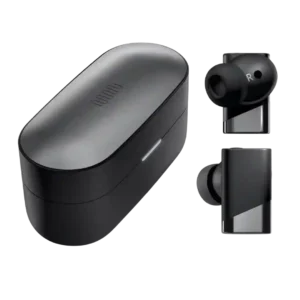
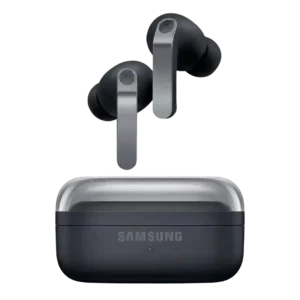
Average score
P1
Product 1: Status Pro X Wireless Earbuds
4.0
P2
Product 2: Samsung Galaxy Buds 4 Pro
3.9
Active noise cancellation
P1
Product 1: Status Pro X Wireless Earbuds
4.1
ANC is usually praised as strong or flagship-adjacent, but wind handling is the repeated weakness and some reviewers rate it behind the very best.
P2
Product 2: Samsung Galaxy Buds 4 Pro
4.2
ANC drew mostly positive reactions, from useful to very strong, but several reviewers still found it behind the best competitors or dependent on fit.
Android compatibility
P1
Product 1: Status Pro X Wireless Earbuds
4.5
Android compatibility is a strength thanks to easy pairing, LDAC, Fast Pair, and generally Android-friendly positioning.
P2
Product 2: Samsung Galaxy Buds 4 Pro
3.3
Android and Samsung compatibility was strong for Galaxy owners but weaker for non-Samsung Android users because many advanced features are locked down.
App
P1
Product 1: Status Pro X Wireless Earbuds
4.0
The app is usually praised as clean and useful, though feature limitations, wind-setting behavior, and a prelaunch firmware failure create some mixed evidence.
P2
Product 2: Samsung Galaxy Buds 4 Pro
4.1
The app and software feature set was considered robust and useful, but some reviewers found the app bare-bones or ecosystem-gated.
aptX
P1Product 1: Status Pro X Wireless Earbuds
No score yet
P2
Product 2: Samsung Galaxy Buds 4 Pro
1.5
aptX support was scored negatively because reviewers explicitly criticized the lack of compatibility with formats like AptX outside Samsung’s codec path.
Audio-video sync accuracy
P1
Product 1: Status Pro X Wireless Earbuds
3.9
Audio-video sync is mostly good for video, with one reviewer reporting no lip-sync delay, though some note no dedicated low-latency gaming mode or slight latency.
P2
Product 2: Samsung Galaxy Buds 4 Pro
3.5
Latency evidence was mixed: Android latency and gaming mode were praised, while one reviewer warned that a high-quality audio setting could affect lip sync.
Auracast support
P1
Product 1: Status Pro X Wireless Earbuds
3.5
Auracast support is mixed because some reviewers praise future-proof support while others say it was not enabled or supported at review time.
P2
Product 2: Samsung Galaxy Buds 4 Pro
4.3
Auracast was treated as a useful, forward-looking feature for public and shared broadcasts.
Bass performance
P1
Product 1: Status Pro X Wireless Earbuds
4.5
Bass is widely praised as clean, punchy, controlled, and deep, though a few reviewers found the stock tuning slightly light or warm depending on EQ.
P2
Product 2: Samsung Galaxy Buds 4 Pro
4.4
Bass was usually described as deep, energetic, controlled, and not boomy, but one reviewer found the low end too strong on some songs.
Battery
P1
Product 1: Status Pro X Wireless Earbuds
3.5
Battery life is the most consistent compromise: some reviewers call it adequate or solid, but many report merely average or short ANC/LDAC endurance.
P2
Product 2: Samsung Galaxy Buds 4 Pro
3.0
Battery life was consistently a caveat: it often met claims or felt average, but multiple reviewers called it short or disappointing versus rivals.
Bluetooth
P1
Product 1: Status Pro X Wireless Earbuds
4.3
Bluetooth reliability is a strength overall, with reviewers reporting reliable connections, stable pairing, and good range.
P2
Product 2: Samsung Galaxy Buds 4 Pro
4.1
Bluetooth performance was mostly positive, with future-proofing and no disconnection issues noted, but one reviewer experienced a few dropouts.
Build quality
P1
Product 1: Status Pro X Wireless Earbuds
4.1
Build quality is generally strong, with reviewers noting a solid feel, improved fit and finish, and premium construction.
P2
Product 2: Samsung Galaxy Buds 4 Pro
4.4
Build quality impressions were positive, with reviewers noting a more premium metallic look and a case that felt more durable.
Built-in DAC and hi-res playback
P1
Product 1: Status Pro X Wireless Earbuds
4.4
Hi-res playback is a strong differentiator in the evidence, with reviewers praising LDAC and high-res wireless certification rather than a built-in DAC specifically.
P2
Product 2: Samsung Galaxy Buds 4 Pro
4.4
Hi-res playback was praised as detailed and audibly better on Galaxy devices, but several reviewers stressed that it is Samsung-gated.
Button control usability
P1
Product 1: Status Pro X Wireless Earbuds
3.5
Button controls are useful and tactile, but reviewers criticize the physical buttons for limited or missing customization.
P2
Product 2: Samsung Galaxy Buds 4 Pro
3.9
Button and pinch controls were mixed: several reviewers liked the redesigned stems, while others found the controls awkward or slow to learn.
Carry case quality
P1
Product 1: Status Pro X Wireless Earbuds
3.6
Case quality is mostly strong, with praise for build, magnets, hinge, and charging convenience, offset by one hard-to-open complaint and one charging-contact issue.
P2
Product 2: Samsung Galaxy Buds 4 Pro
4.1
Case quality was generally praised for style, pocketability, easier bud placement, and wireless charging, though some found it blocky or less ergonomic.
Charging
P1
Product 1: Status Pro X Wireless Earbuds
4.3
Charging is well regarded for USB-C, wireless charging, and quick top-ups, though one reviewer had a failed case contact.
P2
Product 2: Samsung Galaxy Buds 4 Pro
4.4
Charging was praised for convenience, especially wireless charging and the inclusion of USB-C.
Codec support
P1
Product 1: Status Pro X Wireless Earbuds
4.0
Codec support receives positive but limited evidence, mainly for the inclusion of newer wireless audio technologies.
P2
Product 2: Samsung Galaxy Buds 4 Pro
2.0
Codec support was strong for Samsung owners but criticized for proprietary lock-in and lack of open hi-res formats.
Comfort during long use
P1
Product 1: Status Pro X Wireless Earbuds
4.6
Long-use comfort is a standout, with reviewers repeatedly wearing the buds for hours without pain or pressure.
P2
Product 2: Samsung Galaxy Buds 4 Pro
4.8
Comfort was a major strength across many reviews, with several reviewers wearing the buds for hours without fatigue or pain.
Design and Aesthetics
P1
Product 1: Status Pro X Wireless Earbuds
4.2
Design is a strength for reviewers who like its distinctive premium look, smaller body, and more refined styling.
P2
Product 2: Samsung Galaxy Buds 4 Pro
4.4
Design and aesthetics were widely praised as sleeker, more premium, more distinctive, and better than the previous generation.
Eartips fit
P1
Product 1: Status Pro X Wireless Earbuds
4.1
Eartip fit is mostly positive once the right size is chosen, though stock silicone tips can feel full or require swapping for comfort.
P2
Product 2: Samsung Galaxy Buds 4 Pro
3.5
Eartips fit was highly subjective: some reviewers got a fantastic or secure seal, while others could not get a firm fit.
Ear tip size options
P1
Product 1: Status Pro X Wireless Earbuds
3.0
Ear tip size options are a weakness at the price because reviewers note only three sizes and wish extra-small or extra-large were included.
P2
Product 2: Samsung Galaxy Buds 4 Pro
2.3
Ear tip options were a recurring concern because the proprietary design limits third-party swaps and included sizes did not solve fit for everyone.
Equalizer customization
P1
Product 1: Status Pro X Wireless Earbuds
3.8
EQ customization is powerful overall, with 8-band and dynamic options, but some reviewers dislike technical sliders or automatic EQ normalization.
P2
Product 2: Samsung Galaxy Buds 4 Pro
4.4
Equalizer customization was praised for giving users strong control over the sound and for rescuing or tailoring the tuning.
Find My
P1
Product 1: Status Pro X Wireless Earbuds
4.3
Find My features are useful, with reviewers praising loud beeps and app/location-based tracking for misplaced earbuds.
P2Product 2: Samsung Galaxy Buds 4 Pro
No score yetFrequency response accuracy
P1
Product 1: Status Pro X Wireless Earbuds
4.3
Frequency balance is generally strong and close to preference targets, though some reviewers note underemphasized mids, midbass bloat, or tuning tradeoffs.
P2
Product 2: Samsung Galaxy Buds 4 Pro
3.0
Frequency response evidence was mixed, with one lab-style reviewer saying the mids were fine but the bass balance was somewhat off.
Head gestures
P1Product 1: Status Pro X Wireless Earbuds
No score yet
P2
Product 2: Samsung Galaxy Buds 4 Pro
3.5
Head gestures were treated as modern and mildly useful, though not a breakthrough feature.
Instrument separation
P1
Product 1: Status Pro X Wireless Earbuds
4.5
Instrument separation is consistently praised, with reviewers saying individual elements are easy to locate and separated clearly in dense mixes.
P2
Product 2: Samsung Galaxy Buds 4 Pro
4.5
Instrument separation and detail were praised through references to clear placement, textural insight, and good separation between instruments.
Integrated microphone
P1Product 1: Status Pro X Wireless Earbuds
No score yet
P2
Product 2: Samsung Galaxy Buds 4 Pro
4.0
The integrated microphone array received positive hardware-level comments, even though call quality varied across reviews.
LDAC
P1
Product 1: Status Pro X Wireless Earbuds
4.3
LDAC support is repeatedly praised as a meaningful audiophile and Android-friendly upgrade, though iPhone users cannot benefit from it.
P2
Product 2: Samsung Galaxy Buds 4 Pro
1.5
LDAC support was scored negatively because reviewers explicitly criticized the lack of compatibility with formats like LDAC outside Samsung’s codec path.
Lossless audio support
P1Product 1: Status Pro X Wireless Earbuds
No score yet
P2
Product 2: Samsung Galaxy Buds 4 Pro
4.0
Lossless and high-res support received positive evidence, but the strongest benefits depend on Samsung’s own codec path.
Maximum volume clarity
P1
Product 1: Status Pro X Wireless Earbuds
4.8
Maximum-volume clarity is a clear positive where tested, with one reviewer reporting no distortion even near 95 percent volume.
P2
Product 2: Samsung Galaxy Buds 4 Pro
4.5
Review evidence supported strong clarity with little distortion, though comments were about clean output generally rather than a dedicated max-volume stress test.
Microphone noise reduction
P1
Product 1: Status Pro X Wireless Earbuds
4.0
Microphone noise reduction earns mostly positive remarks, especially for VoiceLoom blocking background noise, but wind can still challenge some tests.
P2
Product 2: Samsung Galaxy Buds 4 Pro
4.1
Microphone noise reduction was often praised for blocking background noise and wind, though fit and mic-selection issues could hurt performance.
Microphone quality for calls
P1
Product 1: Status Pro X Wireless Earbuds
4.1
Call quality is generally good to impressive, with clear voice pickup in quiet or moderate conditions but some compression or limits in heavy noise.
P2
Product 2: Samsung Galaxy Buds 4 Pro
3.6
Call microphone quality was mixed: some reviewers heard crisp or strong calls, while others heard fuzziness, digitization, or minor wonkiness.
Midrange clarity
P1
Product 1: Status Pro X Wireless Earbuds
4.6
Midrange performance is a major strength, with reviewers highlighting clear vocals, rich mids, and strong separation through the triple-driver design.
P2
Product 2: Samsung Galaxy Buds 4 Pro
4.7
Midrange and vocal clarity earned strong praise, with reviewers calling vocals clear, forward, cutting, or unmuddled.
Multi-platform compatibility
P1
Product 1: Status Pro X Wireless Earbuds
4.1
Multi-platform compatibility is good overall, with reviewers noting iOS/Android app support, iPhone usability, and Google/Microsoft pairing support.
P2
Product 2: Samsung Galaxy Buds 4 Pro
2.5
Multi-platform compatibility was a weakness because reviewers repeatedly said the product feels incomplete or limited outside Samsung devices.
Multipoint connectivity reliability
P1
Product 1: Status Pro X Wireless Earbuds
3.9
Multipoint is split: several reviewers found switching fast or seamless, while one had frustrating device-priority issues.
P2
Product 2: Samsung Galaxy Buds 4 Pro
2.3
Multipoint was one of the clearest weaknesses, with reviewers repeatedly noting no true universal multipoint and weaker switching outside Samsung devices.
Noise isolation (passive)
P1
Product 1: Status Pro X Wireless Earbuds
3.0
Passive isolation is only middling in the limited evidence, with one reviewer saying it is not horrible but not great.
P2
Product 2: Samsung Galaxy Buds 4 Pro
3.8
Passive isolation depended heavily on fit: some reviewers got a strong seal, while others found isolation could be weaker.
Portability/foldability
P1
Product 1: Status Pro X Wireless Earbuds
4.0
Portability improves over earlier Status models thanks to a smaller, thinner case, though it is still not always the tiniest.
P2
Product 2: Samsung Galaxy Buds 4 Pro
4.5
Portability was positive because the case was described as small and pocketable.
Preset EQ profile quality
P1
Product 1: Status Pro X Wireless Earbuds
4.1
Preset EQ quality is mostly positive, especially Status Signature and Knowles Preferred, though some reviewers find certain presets confusing, fatiguing, or less useful.
P2
Product 2: Samsung Galaxy Buds 4 Pro
4.8
Preset EQ feedback was positive, especially for the Dynamic preset, which reviewers said added punch or emphasized the buds’ strengths.
Sensors
P1
Product 1: Status Pro X Wireless Earbuds
3.1
Sensors are mixed: several reviewers welcome wear detection, but others report optical-sensor false triggers, finicky behavior, or no way to disable it.
P2
Product 2: Samsung Galaxy Buds 4 Pro
4.4
Adaptive sensors and detection features were generally useful, with reviewers praising timely voice detection and automatic ambient switching.
Sidetone adjustment quality
P1
Product 1: Status Pro X Wireless Earbuds
4.3
Sidetone is positively received as useful for hearing your own voice and speaking naturally during calls.
P2
Product 2: Samsung Galaxy Buds 4 Pro
4.3
Sidetone was appreciated for helping callers hear their own voice, though one review noted digital hiss.
Smudge resistance
P1Product 1: Status Pro X Wireless Earbuds
No score yet
P2
Product 2: Samsung Galaxy Buds 4 Pro
2.0
Smudge resistance was weak because the transparent case was said to show scratches and fingerprints.
Software/setup simplicity
P1
Product 1: Status Pro X Wireless Earbuds
2.8
Setup simplicity is mixed: most setup is easy, but one prelaunch firmware update bricked a sample.
P2
Product 2: Samsung Galaxy Buds 4 Pro
3.5
Setup simplicity was somewhat mixed, with one reviewer noting a learning curve after Samsung moved controls into phone settings.
Sound quality
P1
Product 1: Status Pro X Wireless Earbuds
4.7
Reviewers strongly praise the Pro X for detailed, premium sound, often calling it audiophile-level, fantastic, or among the best wireless earbuds.
P2
Product 2: Samsung Galaxy Buds 4 Pro
4.6
Reviewers largely treated sound quality as the Galaxy Buds 4 Pro’s standout strength, praising clarity, richness, and detail, though one lab-focused review found the tuning somewhat off without EQ.
Soundstage depth
P1
Product 1: Status Pro X Wireless Earbuds
4.2
Soundstage depth or spaciousness is generally good for earbuds, though some reviewers describe it as more natural or room-like than concert-hall wide.
P2Product 2: Samsung Galaxy Buds 4 Pro
No score yetSoundstage width
P1
Product 1: Status Pro X Wireless Earbuds
3.7
Soundstage receives mixed but mostly positive marks: several reviewers call it open or wide for earbuds, while others say it is not especially expansive.
P2
Product 2: Samsung Galaxy Buds 4 Pro
4.5
The soundstage was described as more open and expansive than expected for earbuds.
Spatial audio
P1
Product 1: Status Pro X Wireless Earbuds
1.5
Spatial audio is a miss for users who care about it; one reviewer specifically notes the Pro X lacks support.
P2Product 2: Samsung Galaxy Buds 4 Pro
No score yetStability
P1
Product 1: Status Pro X Wireless Earbuds
4.3
Fit stability is mostly strong for walking, workouts, and long sessions, though a few reviewers note weaker stability than winged predecessors or chewing issues.
P2
Product 2: Samsung Galaxy Buds 4 Pro
3.5
Stability was polarized, with some reviewers saying the buds stayed in well and others reporting slipping, especially while moving.
Touch control responsiveness
P1
Product 1: Status Pro X Wireless Earbuds
4.0
Touch controls are mixed: the large surface and customization are praised, but some reviewers report missed taps, accidental triggers, or prefer buttons.
P2
Product 2: Samsung Galaxy Buds 4 Pro
4.3
Touch and swipe responsiveness was mostly praised, especially when reviewers could adjust or grab the buds without accidental playback changes.
Transparency mode quality
P1
Product 1: Status Pro X Wireless Earbuds
4.4
Transparency mode is consistently well liked for naturalness and clarity, although a few reviewers note white noise, occlusion, or wind pickup at higher settings.
P2
Product 2: Samsung Galaxy Buds 4 Pro
4.7
Transparency and ambient mode were consistently praised as natural, clear, and among the better implementations reviewers had tried.
Treble clarity
P1
Product 1: Status Pro X Wireless Earbuds
4.4
Treble is generally detailed and clear, with some reviewers loving the sparkle while others found certain presets too bright or slightly lacking upper treble.
P2
Product 2: Samsung Galaxy Buds 4 Pro
4.6
Treble was generally praised for sparkle, crispness, and clarity, contributing to a clean and lively sound.
USB-C
P1
Product 1: Status Pro X Wireless Earbuds
4.5
USB-C is praised in limited evidence, especially because the included cable is USB-C to USB-C.
P2
Product 2: Samsung Galaxy Buds 4 Pro
4.5
USB-C was mentioned positively as part of a convenient charging setup.
Value for money
P1
Product 1: Status Pro X Wireless Earbuds
3.7
Value is split: some reviewers say the Pro X justify the premium price, while others call them overpriced or hard to recommend against cheaper rivals.
P2
Product 2: Samsung Galaxy Buds 4 Pro
3.8
Value depended on the buyer: several reviewers called them worth it or easy to recommend for Galaxy users, while others said non-Samsung buyers could do better.
Volume output
P1
Product 1: Status Pro X Wireless Earbuds
3.8
Volume output is mostly strong, with reviewers noting plenty of loudness, though TechRadar wanted more volume outdoors.
P2
Product 2: Samsung Galaxy Buds 4 Pro
5.0
Volume output was considered more than sufficient, with one reviewer saying maximum volume exceeded what users would need.
Water/sweat resistance rating
P1
Product 1: Status Pro X Wireless Earbuds
4.2
Water and sweat resistance are viewed positively, with reviewers valuing the IP55 dust and water rating for rain, sweat, and workouts.
P2
Product 2: Samsung Galaxy Buds 4 Pro
4.5
The IP57 protection was treated positively for dust, rain, sweat, and stronger water resistance than many earbuds.
Weight comfort
P1
Product 1: Status Pro X Wireless Earbuds
4.0
Weight comfort is positive in limited evidence, with one reviewer saying the rectangular design did not feel heavy in the ear.
P2
Product 2: Samsung Galaxy Buds 4 Pro
4.8
Weight comfort was praised through comments about lightness, low pressure, and forgetting the earbuds were in.