Average score
P1
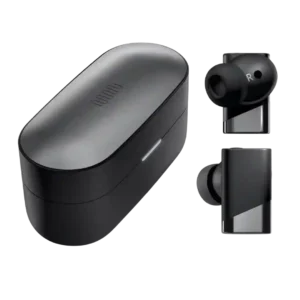
Product 1: Status Pro X Wireless Earbuds
4.0
P2
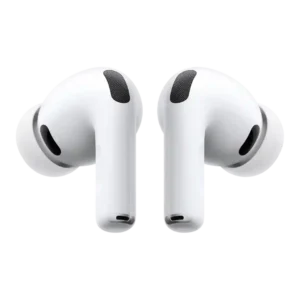
Product 2: Apple AirPods Pro 3 Wireless...
3.8
Active noise cancellation
P1
Product 1: Status Pro X Wireless Earbuds
3.7
ANC is widely viewed as strong for the category, but wind performance is a recurring weakness in several reviews and some listeners notice a faint hiss in very quiet rooms. Mode switching is straightforward, but several reviewers want finer ANC intensity controls and better ways to access wind-related settings without opening the app.
P2
Product 2: Apple AirPods Pro 3 Wireless...
5.0
Across reviews, ANC is consistently described as best-in-class for earbuds, often quieting commutes and flights to near over-ear levels. Performance depends on achieving a good seal, and a few users report rare pressure/flight-related artifacts. Multiple listening modes (ANC, transparency, adaptive blends) make it easy to adjust noise control for different situations, and mode switching is generally smooth. Customization is still more preset-driven than fully user-tunable.
Android compatibility
P1
Product 1: Status Pro X Wireless Earbuds
4.5
Android support is strong, helped by features like Fast Pair and LDAC compatibility on supported phones.
P2
Product 2: Apple AirPods Pro 3 Wireless...
1.8
Android support is consistently described as basic Bluetooth audio with many features missing, including deeper settings and firmware updates. Reviewers regularly frame these as iPhone-first earbuds.
App
P1
Product 1: Status Pro X Wireless Earbuds
4.0
The Status Hub app is generally seen as clean and useful for EQ and features, though some reviewers flag firmware/update hiccups or missing toggles for certain behaviors.
P2
Product 2: Apple AirPods Pro 3 Wireless...
3.1
There is no standalone AirPods app in the traditional sense; most controls live in Apple’s Settings on iOS. This works well for Apple users but offers little for Android users beyond pairing.
Apple H2 chip support
P1Product 1: Status Pro X Wireless Earbuds
No score yet
P2
Product 2: Apple AirPods Pro 3 Wireless...
5.0
H2-based processing is referenced as enabling Apple’s adaptive features, call processing, and ecosystem behaviors, keeping the overall experience cohesive for iOS users.
aptX
P1
Product 1: Status Pro X Wireless Earbuds
2.7
Some reviews explicitly note the lack of aptX-family support, which may matter to Android users who prefer Qualcomm codecs.
P2
Product 2: Apple AirPods Pro 3 Wireless...
1.0
Reviewers explicitly note that aptX is not supported, which limits Android-focused low-latency and hi-quality codec options.
Audio-video sync accuracy
P1
Product 1: Status Pro X Wireless Earbuds
3.4
Latency is described as typical for Bluetooth: fine for most video, but not ideal for competitive gaming and some reviewers wish for a dedicated low-latency mode.
P2Product 2: Apple AirPods Pro 3 Wireless...
No score yetBass performance
P1
Product 1: Status Pro X Wireless Earbuds
4.3
Bass is generally described as deep and controlled, but some listeners want more punch or find the low end a bit warm depending on tips/EQ.
P2
Product 2: Apple AirPods Pro 3 Wireless...
3.9
Bass is commonly described as deeper, more impactful, and cleaner than prior generations, helping energy in modern tracks. A minority find it overemphasized or fatiguing over long sessions.
Battery
P1
Product 1: Status Pro X Wireless Earbuds
3.4
Battery life is mixed: some see close to the rated numbers in lighter use, while others measure around 5–6 hours with ANC and/or LDAC, which can feel short for the price.
P2
Product 2: Apple AirPods Pro 3 Wireless...
4.3
Single-charge battery life is widely reported around eight hours with ANC, with some tests pushing higher at moderate volume. The common caveat is reduced total runtime with the case compared with the prior generation.
Bluetooth
P1
Product 1: Status Pro X Wireless Earbuds
3.9
Bluetooth connections are usually stable and easy to pair, though a few reports mention occasional quirks during reconnection or device prioritization.
P2
Product 2: Apple AirPods Pro 3 Wireless...
4.0
Apple-device pairing and switching are generally smooth, but there are scattered reports of connection quirks such as occasional manual reconnects or odd channel behavior. Non-Apple pairing is possible but less seamless.
Build quality
P1
Product 1: Status Pro X Wireless Earbuds
3.9
Overall build quality is viewed as premium, though there are occasional reports of small durability quirks such as case contact issues.
P2
Product 2: Apple AirPods Pro 3 Wireless...
3.8
Overall build is considered solid, helped by an IP57 rating for buds and case, but long-term serviceability is criticized. Some sources point out poor repairability and battery service constraints typical of true wireless earbuds.
Button control usability
P1
Product 1: Status Pro X Wireless Earbuds
3.3
Physical buttons are appreciated for tactile control, yet multiple reviewers dislike that key button functions are fixed and not fully remappable.
P2
Product 2: Apple AirPods Pro 3 Wireless...
4.1
Stem squeeze and swipe controls are broadly viewed as intuitive, enabling volume and mode changes without reaching for the phone. A few reviewers still mention occasional uncertainty with tap-based case controls or gesture reliability.
Carry case quality
P1
Product 1: Status Pro X Wireless Earbuds
3.8
The charging case is often described as sturdy with strong magnets, but a few complaints include one-hand opening difficulty or isolated hardware/connector issues.
P2
Product 2: Apple AirPods Pro 3 Wireless...
4.1
The case remains compact and pocketable but is often described as glossy and scratch-prone, with slight size changes versus Pro 2. Pairing controls moving to a touch area can feel less tactile than a physical button.
Charging
P1
Product 1: Status Pro X Wireless Earbuds
4.3
Charging is convenient with USB-C and wireless charging support noted across reviews, and case-to-bud top-ups are generally quick.
P2
Product 2: Apple AirPods Pro 3 Wireless...
4.5
Charging is flexible with USB-C, MagSafe/Qi wireless, and Apple Watch charger support, plus quick top-ups in the case. Some reviewers wish the fast-charge rate improved and note the missing cable in the box.
Codec support
P1
Product 1: Status Pro X Wireless Earbuds
4.6
Codec support is a highlight, with broad coverage including common codecs plus modern options mentioned across reviews.
P2
Product 2: Apple AirPods Pro 3 Wireless...
2.0
Codec support is typically summarized as SBC and AAC only, with frequent disappointment about no hi-res or wireless lossless playback. This is a recurring reason reviewers cite for looking at competitors.
Comfort during long use
P1
Product 1: Status Pro X Wireless Earbuds
4.5
Comfort is one of the strongest themes, with many reviewers reporting hours-long wear without hot spots once the right tips are chosen.
P2
Product 2: Apple AirPods Pro 3 Wireless...
3.8
Comfort is divisive: several reviewers find the new shape better for multi-hour sessions, while others feel pressure, digging, or faster ear fatigue. Tip sizing down (or mixing sizes per ear) often improves comfort.
Design and Aesthetics
P1
Product 1: Status Pro X Wireless Earbuds
4.0
Design stands out with a distinctive blocky stem look and premium finishes that many reviewers find sharp and upscale.
P2Product 2: Apple AirPods Pro 3 Wireless...
No score yetEar tip size options
P1
Product 1: Status Pro X Wireless Earbuds
3.2
Tip selection is commonly limited to three sizes, which most can work with but feels sparse at this price tier for very small or very large ears.
P2
Product 2: Apple AirPods Pro 3 Wireless...
4.8
Five included tip sizes (XXS through L) plus the hybrid foam-infused design are frequently called out as a meaningful upgrade. Reviewers emphasize trying different sizes and using Apple’s seal/fit tests.
Equalizer customization
P1
Product 1: Status Pro X Wireless Earbuds
4.5
EQ customization is a major strength, with an 8-band EQ and advanced tweaking options that let users significantly reshape the sound.
P2
Product 2: Apple AirPods Pro 3 Wireless...
1.5
Lack of a proper user EQ is one of the most repeated complaints, especially from listeners who dislike the default tuning. Workarounds exist via iOS settings, but they do not replace a full EQ experience.
Find My
P1
Product 1: Status Pro X Wireless Earbuds
4.2
The find-earbuds tools (audible beeps and last-known location style tracking) are generally useful and easy to trigger in the app.
P2
Product 2: Apple AirPods Pro 3 Wireless...
4.7
Find My support is repeatedly highlighted as a practical strength, with newer UWB in the case improving precision finding range and speed. Case speakers further help locate misplaced earbuds.
Frequency response accuracy
P1
Product 1: Status Pro X Wireless Earbuds
4.2
Default tuning is often described as balanced or close to a preference curve, and the multi-driver setup helps maintain clarity across lows, mids, and highs.
P2
Product 2: Apple AirPods Pro 3 Wireless...
3.2
Frequency response and tonal balance are seen as less strictly neutral than Pro 2, with some reviewers noting a more V-shaped or bass-forward tilt. Fit and listening volume can noticeably change perceived balance.
Included accessories
P1Product 1: Status Pro X Wireless Earbuds
No score yet
P2
Product 2: Apple AirPods Pro 3 Wireless...
3.4
In-box extras focus on multiple ear-tip sizes, but several reviews mention the lack of a bundled USB-C cable. Accessory value is therefore seen as mixed despite the improved tips.
Instrument separation
P1
Product 1: Status Pro X Wireless Earbuds
4.2
Instrument separation and imaging are consistently strong, helping complex mixes stay organized even with bass-forward tracks.
P2
Product 2: Apple AirPods Pro 3 Wireless...
4.2
Instrument separation and imaging are generally considered improved or at least highly competitive, helping layered mixes sound less congested. Spatial processing can further enhance placement cues for some listeners.
LDAC
P1
Product 1: Status Pro X Wireless Earbuds
4.6
LDAC support is consistently highlighted as a premium feature, with the usual tradeoff of higher power draw in real-world use.
P2
Product 2: Apple AirPods Pro 3 Wireless...
1.0
LDAC support is repeatedly called out as absent, keeping Bluetooth streaming firmly in AAC/SBC territory.
Maximum volume clarity
P1
Product 1: Status Pro X Wireless Earbuds
4.0
At higher volumes, distortion is generally kept in check, with some reviewers noting the sound stays composed near the top of the range.
P2
Product 2: Apple AirPods Pro 3 Wireless...
4.4
Clarity at higher volumes is usually described as good with limited distortion, though tonal shifts and preference sensitivity still apply. Most sources do not report major breakup at typical listening levels.
Microphone noise reduction
P1
Product 1: Status Pro X Wireless Earbuds
3.6
Noise reduction for calls and ANC-related wind filtering helps in many scenarios, but results vary, with multiple reviewers pointing to wind as the hardest condition.
P2
Product 2: Apple AirPods Pro 3 Wireless...
3.9
Noise reduction and Voice Isolation are generally effective at reducing chatter and traffic, but wind and very loud noise can introduce artifacts or leave some noise audible. Results vary by environment and settings.
Microphone quality for calls
P1
Product 1: Status Pro X Wireless Earbuds
3.5
Call quality is generally clear in quiet settings, but some reviews note compression or muffling as background noise rises, and wind can be a challenge in certain tests.
P2
Product 2: Apple AirPods Pro 3 Wireless...
4.5
Call quality is commonly rated excellent, with voices sounding clear and natural in both quiet and moderately noisy places. Some sources even suggest the mics are usable for lightweight content capture.
Midrange clarity
P1
Product 1: Status Pro X Wireless Earbuds
4.0
Midrange comes through clearly with strong vocal presence and good musical detail, especially with the Signature or Knowles-style tunings.
P2
Product 2: Apple AirPods Pro 3 Wireless...
4.3
Midrange and vocal clarity are often praised as smooth and full, staying intelligible even with stronger low-end presence. Speech-heavy content and podcasts are generally easy to follow.
Multi-platform compatibility
P1
Product 1: Status Pro X Wireless Earbuds
4.3
Compatibility across phones and computers is broadly positive, with some caveats around platform-specific codec support (notably iPhone and LDAC).
P2
Product 2: Apple AirPods Pro 3 Wireless...
2.6
They can connect to non-Apple devices (Android, PCs, some consoles), but functionality is limited compared with using an iPhone, iPad, or Mac. Expect a working audio connection, not the full feature set.
Multipoint connectivity reliability
P1
Product 1: Status Pro X Wireless Earbuds
3.9
Multipoint works well for many users with quick switching, but at least one review reports finicky behavior that required manual device management.
P2Product 2: Apple AirPods Pro 3 Wireless...
No score yetNoise isolation (passive)
P1
Product 1: Status Pro X Wireless Earbuds
3.6
With ANC off, passive isolation is described as usable but not standout, and tip choice plays a big role in the seal.
P2
Product 2: Apple AirPods Pro 3 Wireless...
4.0
Foam-infused silicone tips and the deeper fit improve passive sealing for many users, helping low-frequency rumble and chatter before ANC kicks in. It still does not behave like full memory-foam isolation for everyone.
Preset EQ profile quality
P1
Product 1: Status Pro X Wireless Earbuds
4.1
Preset EQs provide meaningful variety, but naming can be confusing and some presets (especially brighter ones) may not suit everyone.
P2
Product 2: Apple AirPods Pro 3 Wireless...
3.8
Apple’s adaptive tuning features (such as Adaptive EQ and personalized behaviors) are generally credited with keeping sound consistent and enjoyable for most listeners. Some reviewers still prefer more direct user control.
Sensors
P1Product 1: Status Pro X Wireless Earbuds
No score yet
P2
Product 2: Apple AirPods Pro 3 Wireless...
4.4
Sensors and smart features are a headline theme: heart-rate tracking is often reported as close to smartwatch readings, and hearing/translation tools add utility beyond audio. Wear-detection and fit-dependent sensing can also affect performance if the seal is inconsistent.
Sidetone adjustment quality
P1
Product 1: Status Pro X Wireless Earbuds
4.3
Sidetone is a well-liked call feature that helps users regulate their speaking volume and feel more natural on calls.
P2Product 2: Apple AirPods Pro 3 Wireless...
No score yetSoftware/setup simplicity
P1
Product 1: Status Pro X Wireless Earbuds
4.4
Setup is usually quick and straightforward, with several reviews praising how easy pairing and basic configuration are.
P2
Product 2: Apple AirPods Pro 3 Wireless...
4.2
Setup is repeatedly described as effortless inside the Apple ecosystem with quick pairing and easy mode toggles. A few reviewers still call out certain controls as buried or unintuitive in iOS, especially for advanced audio routing.
Sound quality
P1
Product 1: Status Pro X Wireless Earbuds
4.6
Across reviews, Pro X is praised for lively, detailed sound that competes with premium flagships, though a few reviewers call it more of an all-arounder than a market leader.
P2
Product 2: Apple AirPods Pro 3 Wireless...
4.2
Overall sound quality is widely rated strong and detailed with a punchier presentation than Pro 2 for many listeners. The main split is preference: some love the added weight, while others miss the older model’s neutrality.
Soundstage width
P1
Product 1: Status Pro X Wireless Earbuds
3.7
Soundstage is typically moderate rather than huge, but positioning and spatial precision are frequently called out as a strength.
P2
Product 2: Apple AirPods Pro 3 Wireless...
4.4
Many reviews describe a bigger, wider presentation, especially when spatial features are enabled, making movies and big mixes feel more expansive. Perceived width still varies by content and settings.
Spatial audio
P1Product 1: Status Pro X Wireless Earbuds
No score yet
P2
Product 2: Apple AirPods Pro 3 Wireless...
4.6
Spatial audio is frequently praised for movies and immersive content, with head tracking adding convincing placement. Spatial music remains more polarizing, with some preferring it turned off.
Stability
P1
Product 1: Status Pro X Wireless Earbuds
3.9
Fit stability is generally good for daily use and light workouts, but removing fit-wings and tip choice can affect how locked-in it feels for some users.
P2
Product 2: Apple AirPods Pro 3 Wireless...
4.0
Fit security is improved for many thanks to the new angle and deeper insertion, making the buds feel more locked in for daily wear. Some reviewers still note slip-outs during intense workouts or when sweat/oil builds up.
Sustainability materials
P1Product 1: Status Pro X Wireless Earbuds
No score yet
P2
Product 2: Apple AirPods Pro 3 Wireless...
3.5
Sustainability notes are mixed: there is recycled material content and trade-in/recycling programs, but repairability and battery longevity limits remain concerns. Some reviewers explicitly call out low repair scores.
Touch control responsiveness
P1
Product 1: Status Pro X Wireless Earbuds
3.4
Touch controls offer a large target and good customization, but sensitivity can be hit-or-miss for some users and swipe gestures are sometimes expected but not always present.
P2
Product 2: Apple AirPods Pro 3 Wireless...
3.5
Control responsiveness is mostly good, but some reviewers call gestures stubborn or less responsive than expected. Overall reliability improves with familiarity, but it is not universally perfect.
Transparency mode quality
P1
Product 1: Status Pro X Wireless Earbuds
3.9
Transparency/ambient mode is often rated excellent with multiple strength levels, though higher settings can introduce hiss, occlusion, or extra white noise for some ears.
P2
Product 2: Apple AirPods Pro 3 Wireless...
4.8
Transparency is repeatedly praised for sounding natural and clear, with speech coming through realistically and less processed than many rivals. This also supports hearing and safety use cases outdoors.
Treble clarity
P1
Product 1: Status Pro X Wireless Earbuds
3.9
Treble is mostly clean and detailed, but certain presets can sound bright or fatiguing and one review notes slightly restrained upper-treble bite out of the box.
P2
Product 2: Apple AirPods Pro 3 Wireless...
3.9
Treble is typically described as crisp and detailed, though some sources mention occasional sharpness depending on volume, fit, or personal taste. The result is lively detail that may not suit everyone.
USB-C
P1
Product 1: Status Pro X Wireless Earbuds
4.5
USB-C is standard here and is repeatedly mentioned as the primary wired charging option.
P2
Product 2: Apple AirPods Pro 3 Wireless...
5.0
USB-C charging on the case is now standard and repeatedly highlighted as a modern convenience, especially alongside MagSafe/Qi options.
Voice assistant integration
P1
Product 1: Status Pro X Wireless Earbuds
3.8
Voice assistant support is present via controls, but it is treated as a basic convenience feature rather than a standout differentiator.
P2Product 2: Apple AirPods Pro 3 Wireless...
No score yetVolume output
P1
Product 1: Status Pro X Wireless Earbuds
3.6
Volume gets loud enough for most use, but a few reviews want more headroom outdoors or note it is not the loudest in its class.
P2
Product 2: Apple AirPods Pro 3 Wireless...
4.5
Several reviewers note strong loudness headroom, making it easier to overcome noisy environments without maxing out volume. Loudness is often paired with strong ANC for commuting and travel.
Water/sweat resistance rating
P1
Product 1: Status Pro X Wireless Earbuds
4.5
The IP55 rating is repeatedly cited as a meaningful durability perk for sweat, rain, and dust exposure.
P2
Product 2: Apple AirPods Pro 3 Wireless...
4.8
IP57 is repeatedly cited as a meaningful durability upgrade for both buds and case, improving confidence for sweat, rain, and dust exposure. Reviewers still caution against treating them like dedicated swim gear.