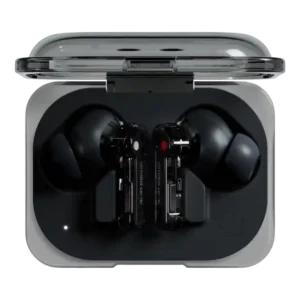
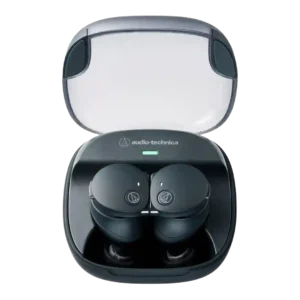
Average score
P1
Product 1: Nothing Ear (a) Earbuds
4.2
P2
Product 2: Audio-Technica ATH-CKS50TW Earbuds
3.9
Active noise cancellation
P1
Product 1: Nothing Ear (a) Earbuds
4.1
ANC is consistently rated as very good for $99: strong enough for commuting, offices, and travel, but still a step below the very best premium earbuds. The ANC controls are a plus, with multiple levels and adaptive behavior giving users more flexibility than many earbuds at this price.
P2
Product 2: Audio-Technica ATH-CKS50TW Earbuds
3.5
ANC performance ranges from average to solid-for-the-price: it reduces low-frequency rumble well but is not class-leading versus premium models. Noise control is adjustable in the app with ANC on/off and hear-through options, making it easy to tailor for different environments.
Android compatibility
P1
Product 1: Nothing Ear (a) Earbuds
4.4
Android users get extra upside from features like Fast Pair and LDAC, making the Ear (a) a particularly good value outside closed ecosystems.
P2
Product 2: Audio-Technica ATH-CKS50TW Earbuds
4.5
Android support is strong thanks to features like Google Fast Pair and aptX/aptX Adaptive compatibility.
App
P1
Product 1: Nothing Ear (a) Earbuds
4.4
Nothing X is widely praised for being clean, stable, and genuinely useful rather than filler software, adding meaningful value to the overall package.
P2
Product 2: Audio-Technica ATH-CKS50TW Earbuds
4.1
The Connect app is feature-rich (EQ, noise modes, codec selection, updates, extras like soundscapes and ear-profile tools) and is generally reported as stable.
aptX
P1Product 1: Nothing Ear (a) Earbuds
No score yet
P2
Product 2: Audio-Technica ATH-CKS50TW Earbuds
4.5
aptX/aptX Adaptive support makes these particularly attractive for Android users seeking higher-quality Bluetooth audio.
Audio-video sync accuracy
P1Product 1: Nothing Ear (a) Earbuds
No score yet
P2
Product 2: Audio-Technica ATH-CKS50TW Earbuds
4.5
Low-latency mode delivers good audio-video sync, with most reviewers reporting minimal lip-sync delay for video and casual gaming.
Bass performance
P1
Product 1: Nothing Ear (a) Earbuds
4.2
Bass is energetic and satisfying, with enough weight for pop and hip-hop, but the default tuning can lean bass-heavy until you dial it back in the app.
P2
Product 2: Audio-Technica ATH-CKS50TW Earbuds
4.3
Bass is the headline: deep extension and punch are repeatedly praised, though it can sound forward on bass-heavy mixes.
Battery
P1
Product 1: Nothing Ear (a) Earbuds
4.2
Battery life is a clear plus overall, especially with ANC off, and most reviewers found the case and quick top-ups easy to live with day to day.
P2
Product 2: Audio-Technica ATH-CKS50TW Earbuds
5.0
Battery life is repeatedly described as best-in-class, commonly around 20 hours in the buds (about 15 with ANC) plus roughly 30 more from the case.
Bluetooth
P1
Product 1: Nothing Ear (a) Earbuds
4.2
Bluetooth stability is mostly solid, but there are scattered reports of stutters in interference-heavy areas, so reliability is good rather than flawless.
P2
Product 2: Audio-Technica ATH-CKS50TW Earbuds
4.3
Bluetooth stability is typically strong (including longer-range anecdotes), but a few users report occasional dropouts, especially in multipoint or obstructed scenarios.
Build quality
P1
Product 1: Nothing Ear (a) Earbuds
3.9
General build quality is good enough for the price, but the clear plastics and case finish draw some concern about scratches, creaks, and long-term wear.
P2
Product 2: Audio-Technica ATH-CKS50TW Earbuds
4.3
Build quality is widely seen as robust for the price, though a few note the silicone tips feel thin and may wear over time.
Button control usability
P1Product 1: Nothing Ear (a) Earbuds
No score yet
P2
Product 2: Audio-Technica ATH-CKS50TW Earbuds
3.3
Physical buttons help avoid accidental touches, but their placement and size can be fiddly; some find multi-tap actions or locating the buttons frustrating.
Carry case quality
P1
Product 1: Nothing Ear (a) Earbuds
4.1
The case is generally liked for its smaller footprint and pocketability, though some reviewers found it fiddly to open, awkward to load, or prone to cosmetic wear.
P2
Product 2: Audio-Technica ATH-CKS50TW Earbuds
3.6
The case is generally sturdy with clear battery indicators and secure retention, but its large footprint is a common complaint.
Charging
P1
Product 1: Nothing Ear (a) Earbuds
3.8
Charging is convenient thanks to fast USB-C top-ups, but the missing wireless charging is one of the most repeated compromises in the reviews.
P2
Product 2: Audio-Technica ATH-CKS50TW Earbuds
4.3
Charging is USB-C with strong fast-charge results (about 10 minutes for roughly 90 minutes playback); most reviews note no wireless charging on the CKS50TW.
Codec support
P1
Product 1: Nothing Ear (a) Earbuds
4.4
Codec support is strong for the price, covering AAC and SBC broadly while also adding LDAC for higher-quality Android listening.
P2
Product 2: Audio-Technica ATH-CKS50TW Earbuds
4.5
Codec support is a strength, with SBC/AAC plus aptX and aptX Adaptive mentioned often, and some app control over codec selection.
Comfort during long use
P1
Product 1: Nothing Ear (a) Earbuds
4.6
Long-session comfort is one of the most consistently praised traits, with reviewers repeatedly calling the earbuds easy to wear for hours without fatigue.
P2
Product 2: Audio-Technica ATH-CKS50TW Earbuds
4.0
Comfort is generally good once the right tips are found, but the larger housings can feel bulky or less secure for smaller ears.
Design and Aesthetics
P1
Product 1: Nothing Ear (a) Earbuds
4.5
Design is a major selling point: the transparent Nothing look feels distinctive, stylish, and far less generic than most earbuds in this price band.
P2
Product 2: Audio-Technica ATH-CKS50TW Earbuds
3.0
Design is functional but plain, and the size is frequently called bulky compared to sleeker rivals.
Ear tip size options
P1
Product 1: Nothing Ear (a) Earbuds
3.9
The included tip selection works for most listeners, but the fit options are not especially expansive, so very small ears may need more trial and error.
P2
Product 2: Audio-Technica ATH-CKS50TW Earbuds
4.3
Multiple ear tip sizes are included (often four), helping with fit and seal, even if durability concerns pop up in a few reviews.
Equalizer customization
P1
Product 1: Nothing Ear (a) Earbuds
4.0
EQ options are helpful and easy to use, but customization depth is limited versus pricier models because the Ear (a) relies on a simpler 3-band approach.
P2
Product 2: Audio-Technica ATH-CKS50TW Earbuds
4.2
EQ customization is a highlight, offering a five-band EQ and useful adjustments to tailor bass/vocals and overall balance.
Find My
P1
Product 1: Nothing Ear (a) Earbuds
4.1
Find My is a small but appreciated bonus that makes the feature set feel unusually complete for budget earbuds.
P2
Product 2: Audio-Technica ATH-CKS50TW Earbuds
4.0
The app includes a locate/find function for the earbuds, which is useful if you misplace them.
Frequency response accuracy
P1Product 1: Nothing Ear (a) Earbuds
No score yet
P2
Product 2: Audio-Technica ATH-CKS50TW Earbuds
4.5
Tuning trends warm rather than strictly neutral, but multiple reviews call it well-balanced across the range with good overall coherence.
Instrument separation
P1
Product 1: Nothing Ear (a) Earbuds
4.4
Where instrument separation was discussed, the Ear (a) performed well, making layered parts and small details easier to pick out than expected for budget buds.
P2
Product 2: Audio-Technica ATH-CKS50TW Earbuds
4.2
Separation and imaging are strong for the class, keeping transient details in context, but it does not match higher-end audiophile flagships.
LDAC
P1
Product 1: Nothing Ear (a) Earbuds
4.5
LDAC support is a real differentiator in this segment and repeatedly mentioned as one reason the Ear (a) feels more premium than its price suggests.
P2Product 2: Audio-Technica ATH-CKS50TW Earbuds
No score yetMaximum volume clarity
P1Product 1: Nothing Ear (a) Earbuds
No score yet
P2
Product 2: Audio-Technica ATH-CKS50TW Earbuds
3.5
At very loud listening levels, some note dynamics can feel slightly compressed or squashed, even if clarity remains decent.
Microphone noise reduction
P1
Product 1: Nothing Ear (a) Earbuds
4.0
Voice isolation can be impressively effective in some tests, yet reviewer consensus is more mixed once wind and heavier background noise enter the picture.
P2
Product 2: Audio-Technica ATH-CKS50TW Earbuds
3.0
Noise reduction on calls is inconsistent, with wind and busy-street noise sometimes bleeding through and degrading intelligibility.
Microphone quality for calls
P1
Product 1: Nothing Ear (a) Earbuds
4.0
Call quality is usually clear enough for everyday use, but it is not universally excellent, with some reviews reporting compressed or only average-sounding calls outdoors.
P2
Product 2: Audio-Technica ATH-CKS50TW Earbuds
3.8
Call quality is mostly clear in quiet settings, with mixed results outdoors or in noisy rooms; some experiences are excellent while others report average performance.
Midrange clarity
P1
Product 1: Nothing Ear (a) Earbuds
4.2
When reviewers called out the mids, they usually praised clear vocals and an open midrange, though the tuning is still more fun than strictly neutral.
P2
Product 2: Audio-Technica ATH-CKS50TW Earbuds
3.8
Midrange is generally clear, but the stock tuning can let bass mask lower mids and push vocals back; the Clear Vocal/EQ options help restore presence.
Multi-platform compatibility
P1
Product 1: Nothing Ear (a) Earbuds
4.5
Cross-platform behavior is a quiet strength, with reviewers liking that the core experience works well across Android, iPhone, and PC instead of favoring one ecosystem too heavily.
P2Product 2: Audio-Technica ATH-CKS50TW Earbuds
No score yetMultipoint connectivity reliability
P1
Product 1: Nothing Ear (a) Earbuds
4.4
Multipoint is a standout convenience feature here, with most reviews praising smooth two-device switching, though a few noticed occasional prioritization hiccups.
P2
Product 2: Audio-Technica ATH-CKS50TW Earbuds
4.1
Multipoint is widely appreciated for switching between phone and computer, though there can be slight delays and occasional reliability quirks.
Noise isolation (passive)
P1Product 1: Nothing Ear (a) Earbuds
No score yet
P2
Product 2: Audio-Technica ATH-CKS50TW Earbuds
4.3
The seal provides solid passive isolation, sometimes good enough to reduce noise even before ANC is enabled.
Portability/foldability
P1Product 1: Nothing Ear (a) Earbuds
No score yet
P2
Product 2: Audio-Technica ATH-CKS50TW Earbuds
2.8
Portability is the main physical downside: the case is chunky and the buds are large, so jeans-pocket carry can be awkward even if bags and jacket pockets are fine.
Preset EQ profile quality
P1Product 1: Nothing Ear (a) Earbuds
No score yet
P2
Product 2: Audio-Technica ATH-CKS50TW Earbuds
4.0
Preset EQ modes (such as Bass Boost and Clear Vocal) are frequently cited as helpful and can meaningfully change the listening profile.
Sensors
P1
Product 1: Nothing Ear (a) Earbuds
4.0
In-ear detection and related sensor-based conveniences add polish, though fit sensitivity can occasionally trigger false pauses until the tips are dialed in.
P2
Product 2: Audio-Technica ATH-CKS50TW Earbuds
1.2
Wear-detection sensors are a notable omission in multiple reviews, so playback does not auto-pause when you remove a bud.
Sidetone adjustment quality
P1Product 1: Nothing Ear (a) Earbuds
No score yet
P2
Product 2: Audio-Technica ATH-CKS50TW Earbuds
4.0
Sidetone/side-talk features help you hear your own voice more naturally during calls, which several reviewers appreciate.
Software/setup simplicity
P1
Product 1: Nothing Ear (a) Earbuds
4.6
Setup and day-to-day software use are repeatedly described as fast, intuitive, and frustration-free, which helps the earbuds feel polished beyond their price.
P2Product 2: Audio-Technica ATH-CKS50TW Earbuds
No score yetSound quality
P1
Product 1: Nothing Ear (a) Earbuds
4.4
Across the reviews, sound quality is the Ear (a)'s biggest strength: lively, clear, and more refined than most sub-$100 rivals, even if it stops short of true flagship polish.
P2
Product 2: Audio-Technica ATH-CKS50TW Earbuds
4.2
Across reviews, sound is described as warm and engaging with strong detail for the price, especially after EQ tweaks; a minority find it merely average without tuning.
Soundstage width
P1
Product 1: Nothing Ear (a) Earbuds
4.3
Several reviews describe the presentation as wider and more spacious than expected at this price, helping music and movies feel less boxed in.
P2
Product 2: Audio-Technica ATH-CKS50TW Earbuds
4.1
Soundstage is often called convincing and well-staged for true wireless, though a few impressions place it closer to average rather than expansive.
Spatial audio
P1Product 1: Nothing Ear (a) Earbuds
No score yet
P2
Product 2: Audio-Technica ATH-CKS50TW Earbuds
3.0
Spatial audio/360 Reality Audio is a mixed bag: some find it immersive, others dismiss it, and it is limited by supported services.
Stability
P1
Product 1: Nothing Ear (a) Earbuds
4.4
Fit security is usually strong enough for commuting and light workouts, though a few reviewers still had occasional loosening depending on ear shape and activity.
P2
Product 2: Audio-Technica ATH-CKS50TW Earbuds
4.5
Stability is generally strong once fitted, with multiple workout and head-movement anecdotes indicating the buds stay put.
Touch control responsiveness
P1
Product 1: Nothing Ear (a) Earbuds
4.3
The pinch-based controls are usually described as responsive and more reliable than typical tap controls, although some advanced gestures take practice.
P2Product 2: Audio-Technica ATH-CKS50TW Earbuds
No score yetTransparency mode quality
P1
Product 1: Nothing Ear (a) Earbuds
3.7
Transparency mode is usable and sometimes above average for the class, but it is also one of the most common weak spots, especially versus flagship rivals.
P2
Product 2: Audio-Technica ATH-CKS50TW Earbuds
3.6
Hear-through/transparency is generally usable and fairly natural, but it can be mild and is not on the level of the best implementations.
Treble clarity
P1
Product 1: Nothing Ear (a) Earbuds
4.2
Treble detail is generally strong for the class, but some listeners noted the top end is not as airy or extended as pricier earbuds.
P2
Product 2: Audio-Technica ATH-CKS50TW Earbuds
3.7
Treble is usually smooth and non-fatiguing; some reviewers want more sparkle or sharpness, while others note it stays crisp at higher volumes.
USB-C
P1Product 1: Nothing Ear (a) Earbuds
No score yet
P2
Product 2: Audio-Technica ATH-CKS50TW Earbuds
5.0
USB-C charging is consistently included and straightforward.
Voice assistant integration
P1Product 1: Nothing Ear (a) Earbuds
No score yet
P2
Product 2: Audio-Technica ATH-CKS50TW Earbuds
2.0
Voice assistant support is limited in some coverage, with at least one review noting a lack of built-in voice-assistant control compared with certain rivals.
Volume output
P1
Product 1: Nothing Ear (a) Earbuds
4.3
Volume output is strong, with enough headroom for outdoor use, though not every reviewer found it exceptionally loud versus the broader market.
P2Product 2: Audio-Technica ATH-CKS50TW Earbuds
No score yetWater/sweat resistance rating
P1
Product 1: Nothing Ear (a) Earbuds
4.3
The buds are seen as gym- and commute-friendly thanks to their splash resistance, but the lower-rated case means the protection is not equally robust everywhere.
P2
Product 2: Audio-Technica ATH-CKS50TW Earbuds
4.6
Water resistance is consistently positioned as workout-friendly (commonly IPX4, with some coverage citing higher ratings on newer variants).
Weight comfort
P1Product 1: Nothing Ear (a) Earbuds
No score yet
P2
Product 2: Audio-Technica ATH-CKS50TW Earbuds
4.0
Weight is noticeable for some (and a few describe the fit as unbalanced), but others find the buds comfortable for long sessions.