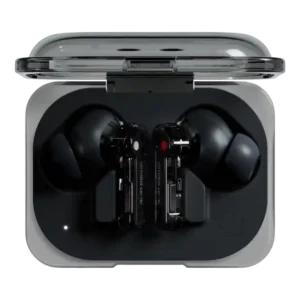
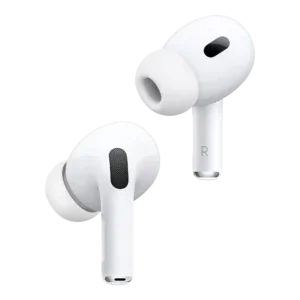
Average score
P1
Product 1: Nothing Ear (a) Earbuds
4.2
P2
Product 2: Apple AirPods Pro 2 Wireless...
4.0
Active noise cancellation
P1
Product 1: Nothing Ear (a) Earbuds
4.1
ANC is consistently rated as very good for $99: strong enough for commuting, offices, and travel, but still a step below the very best premium earbuds. The ANC controls are a plus, with multiple levels and adaptive behavior giving users more flexibility than many earbuds at this price.
P2
Product 2: Apple AirPods Pro 2 Wireless...
4.5
Reviews consistently rate the ANC among the best in true wireless, especially for low-frequency rumble (planes, trains, HVAC). A recurring tradeoff is variability with fit and that a few rivals (notably Bose, and sometimes foam-tip Sonys) can edge it out in the toughest scenarios.
Android compatibility
P1
Product 1: Nothing Ear (a) Earbuds
4.4
Android users get extra upside from features like Fast Pair and LDAC, making the Ear (a) a particularly good value outside closed ecosystems.
P2
Product 2: Apple AirPods Pro 2 Wireless...
2.2
Android use is possible for basic audio and calls, but many Apple-only features and settings are unavailable or inconvenient. Multiple reviews argue the value proposition drops sharply if you are primarily an Android user.
App
P1
Product 1: Nothing Ear (a) Earbuds
4.4
Nothing X is widely praised for being clean, stable, and genuinely useful rather than filler software, adding meaningful value to the overall package.
P2
Product 2: Apple AirPods Pro 2 Wireless...
4.3
There is no traditional companion app; configuration lives inside iOS/iPadOS settings and feels deep and polished for Apple owners. On Android, feature access and management are reduced, making the experience feel clunkier.
Apple H2 chip support
P1Product 1: Nothing Ear (a) Earbuds
No score yet
P2
Product 2: Apple AirPods Pro 2 Wireless...
4.7
The H2 chip is repeatedly credited for the generational jump in ANC, transparency processing, and feature behavior. Reviewers frame it as the backbone for the buds feeling smarter and more refined than earlier AirPods.
aptX
P1Product 1: Nothing Ear (a) Earbuds
No score yet
P2
Product 2: Apple AirPods Pro 2 Wireless...
1.5
Multiple reviews explicitly note there is no aptX support, limiting options for Android hi-res/low-latency codec users.
Audio-video sync accuracy
P1Product 1: Nothing Ear (a) Earbuds
No score yet
P2
Product 2: Apple AirPods Pro 2 Wireless...
4.6
Latency is generally fine for video and typical gaming use, and Apple touts particularly low-latency behavior in its own ecosystem (notably with Vision Pro). Like most Bluetooth earbuds, it is not a universal low-latency solution across every platform.
Bass performance
P1
Product 1: Nothing Ear (a) Earbuds
4.2
Bass is energetic and satisfying, with enough weight for pop and hip-hop, but the default tuning can lean bass-heavy until you dial it back in the app.
P2
Product 2: Apple AirPods Pro 2 Wireless...
4.3
Bass is widely called strong and satisfying with good sub-bass presence for an in-ear seal. Some critiques mention it can be less tight or less dominant than bass-forward competitors depending on track and preference.
Battery
P1
Product 1: Nothing Ear (a) Earbuds
4.2
Battery life is a clear plus overall, especially with ANC off, and most reviewers found the case and quick top-ups easy to live with day to day.
P2
Product 2: Apple AirPods Pro 2 Wireless...
3.8
Most sources cite around 6 hours on a charge with ANC, with some tests measuring longer; it is good but not always class-leading versus the longest-lasting rivals. The case adds multiple recharges and quick top-ups are repeatedly called useful. Reviewers note the batteries are not user-replaceable, which limits the practical lifespan of daily-use earbuds. This is treated as an industry-wide weakness, but it is still a real long-term ownership tradeoff.
Bluetooth
P1
Product 1: Nothing Ear (a) Earbuds
4.2
Bluetooth stability is mostly solid, but there are scattered reports of stutters in interference-heavy areas, so reliability is good rather than flawless.
P2
Product 2: Apple AirPods Pro 2 Wireless...
4.3
Connectivity is generally described as stable with very few dropouts in typical use. A couple long-term anecdotes mention occasional imbalance or drops after impacts, suggesting real-world reliability depends on handling and environment.
Build quality
P1
Product 1: Nothing Ear (a) Earbuds
3.9
General build quality is good enough for the price, but the clear plastics and case finish draw some concern about scratches, creaks, and long-term wear.
P2
Product 2: Apple AirPods Pro 2 Wireless...
4.1
Build quality is generally solid for daily use, with durable-feeling hinges and hardware across reviews. The glossy plastics can pick up scuffs, and long-term cosmetic wear is a more common complaint than functional breakage.
Button control usability
P1Product 1: Nothing Ear (a) Earbuds
No score yet
P2
Product 2: Apple AirPods Pro 2 Wireless...
4.5
Pinch/press controls on the stems are widely seen as intuitive and less annoying than tapping earbuds. The main nit is that volume swipes can feel slightly fiddly at times, depending on technique.
Carry case quality
P1
Product 1: Nothing Ear (a) Earbuds
4.1
The case is generally liked for its smaller footprint and pocketability, though some reviewers found it fiddly to open, awkward to load, or prone to cosmetic wear.
P2
Product 2: Apple AirPods Pro 2 Wireless...
4.3
The case earns praise for size and features (speaker, lanyard loop, and wireless charging options). Downsides include that it can feel slippery and prone to scratches or cosmetic wear over time.
Charging
P1
Product 1: Nothing Ear (a) Earbuds
3.8
Charging is convenient thanks to fast USB-C top-ups, but the missing wireless charging is one of the most repeated compromises in the reviews.
P2
Product 2: Apple AirPods Pro 2 Wireless...
4.6
Charging is praised for flexibility (wireless pads, MagSafe, and Apple Watch puck support) and fast case top-ups. USB-C is welcomed on the newer case, but Lightning on older variants is a frequent complaint or reason to wait.
Codec support
P1
Product 1: Nothing Ear (a) Earbuds
4.4
Codec support is strong for the price, covering AAC and SBC broadly while also adding LDAC for higher-quality Android listening.
P2
Product 2: Apple AirPods Pro 2 Wireless...
2.6
Codec support is intentionally narrow (AAC/SBC for most devices), which frustrates hi-res-focused buyers. Several reviews note specialized low-latency/lossless behavior tied to Apple Vision Pro, but it does not broadly solve hi-res streaming on phones.
Comfort during long use
P1
Product 1: Nothing Ear (a) Earbuds
4.6
Long-session comfort is one of the most consistently praised traits, with reviewers repeatedly calling the earbuds easy to wear for hours without fatigue.
P2
Product 2: Apple AirPods Pro 2 Wireless...
4.4
Comfort is a recurring strength, with many users wearing them for hours without hotspots and preferring them to bulkier alternatives. Fit still varies by ear shape, with a few noting slight pressure, looseness, or movement during talking/eating.
Design and Aesthetics
P1
Product 1: Nothing Ear (a) Earbuds
4.5
Design is a major selling point: the transparent Nothing look feels distinctive, stylish, and far less generic than most earbuds in this price band.
P2
Product 2: Apple AirPods Pro 2 Wireless...
4.4
Design is described as iconic and modern, though some dislike being limited to white. The stem-based look is divisive aesthetically but ties into better controls and mic placement.
Ear tip size options
P1
Product 1: Nothing Ear (a) Earbuds
3.9
The included tip selection works for most listeners, but the fit options are not especially expansive, so very small ears may need more trial and error.
P2
Product 2: Apple AirPods Pro 2 Wireless...
4.1
Four ear tip sizes (including XS) help fit a wider range of ears, and seal quality strongly affects performance. Some reviewers still wish for XL tips or recommend third-party foam tips for a tighter seal.
Equalizer customization
P1
Product 1: Nothing Ear (a) Earbuds
4.0
EQ options are helpful and easy to use, but customization depth is limited versus pricier models because the Ear (a) relies on a simpler 3-band approach.
P2
Product 2: Apple AirPods Pro 2 Wireless...
2.1
A consistent complaint is the lack of a true manual EQ: most tuning is handled by Adaptive EQ and limited iOS options rather than adjustable bands. Several reviewers contrast this with rivals that offer full EQ control, making AirPods less flexible for tweaking bass/treble to taste.
Find My
P1
Product 1: Nothing Ear (a) Earbuds
4.1
Find My is a small but appreciated bonus that makes the feature set feel unusually complete for budget earbuds.
P2
Product 2: Apple AirPods Pro 2 Wireless...
4.6
Find My support, aided by the U1-equipped case and built-in speaker, is a standout convenience feature for locating lost buds/case. A small number of anecdotes mention occasional connection hiccups, but overall sentiment is strongly positive.
Frequency response accuracy
P1Product 1: Nothing Ear (a) Earbuds
No score yet
P2
Product 2: Apple AirPods Pro 2 Wireless...
4.4
The frequency balance is commonly characterized as neutral-to-crowd-pleasing, aided by Adaptive EQ and fit-dependent tuning. Most reviewers find it consistent and natural, even if not fully customizable.
Included accessories
P1Product 1: Nothing Ear (a) Earbuds
No score yet
P2
Product 2: Apple AirPods Pro 2 Wireless...
4.2
The box contents are considered adequate, including multiple ear tips and a charging cable. The most common accessory complaint is the lack of an XL ear tip size rather than missing essentials.
Instrument separation
P1
Product 1: Nothing Ear (a) Earbuds
4.4
Where instrument separation was discussed, the Ear (a) performed well, making layered parts and small details easier to pick out than expected for budget buds.
P2
Product 2: Apple AirPods Pro 2 Wireless...
4.4
Instrument separation and imaging are frequently highlighted as a strength, keeping mixes organized and easy to follow. A couple comparisons still place the very best rivals slightly ahead in ultimate layering.
LDAC
P1
Product 1: Nothing Ear (a) Earbuds
4.5
LDAC support is a real differentiator in this segment and repeatedly mentioned as one reason the Ear (a) feels more premium than its price suggests.
P2
Product 2: Apple AirPods Pro 2 Wireless...
1.6
LDAC is not supported, so Android users looking for LDAC-based hi-res streaming should consider alternatives.
Maximum volume clarity
P1Product 1: Nothing Ear (a) Earbuds
No score yet
P2
Product 2: Apple AirPods Pro 2 Wireless...
4.4
Multiple reviews say the earbuds can get loud without falling apart, keeping bass and detail intact. A few listening notes mention minor clarity softening at extreme levels rather than obvious distortion.
Microphone noise reduction
P1
Product 1: Nothing Ear (a) Earbuds
4.0
Voice isolation can be impressively effective in some tests, yet reviewer consensus is more mixed once wind and heavier background noise enter the picture.
P2
Product 2: Apple AirPods Pro 2 Wireless...
4.1
Noise reduction for calls performs well in loud environments (office, transit), keeping speech understandable. Some recordings can reveal light processing artifacts or occasional distortion depending on conditions.
Microphone quality for calls
P1
Product 1: Nothing Ear (a) Earbuds
4.0
Call quality is usually clear enough for everyday use, but it is not universally excellent, with some reviews reporting compressed or only average-sounding calls outdoors.
P2
Product 2: Apple AirPods Pro 2 Wireless...
4.0
Call quality is often rated at the top of the category, with clear voice pickup and strong intelligibility. A few reviewers describe the mic as only a modest improvement over other AirPods or slightly thin in tone.
Midrange clarity
P1
Product 1: Nothing Ear (a) Earbuds
4.2
When reviewers called out the mids, they usually praised clear vocals and an open midrange, though the tuning is still more fun than strictly neutral.
P2
Product 2: Apple AirPods Pro 2 Wireless...
4.4
Midrange and vocal presence are generally natural and clear, helping podcasts and calls sound intelligible. Some testing notes mention mild clarity loss only at very high playback levels.
Multi-platform compatibility
P1
Product 1: Nothing Ear (a) Earbuds
4.5
Cross-platform behavior is a quiet strength, with reviewers liking that the core experience works well across Android, iPhone, and PC instead of favoring one ecosystem too heavily.
P2
Product 2: Apple AirPods Pro 2 Wireless...
4.2
Pairing with Windows/Android generally works, and some reviewers game or take calls on PCs successfully. The strongest experience remains within Apple’s ecosystem, where switching and features are much richer.
Multipoint connectivity reliability
P1
Product 1: Nothing Ear (a) Earbuds
4.4
Multipoint is a standout convenience feature here, with most reviews praising smooth two-device switching, though a few noticed occasional prioritization hiccups.
P2
Product 2: Apple AirPods Pro 2 Wireless...
3.2
True multipoint across platforms is limited; seamless switching shines inside the Apple ecosystem but does not replace full multipoint behavior on Android/Windows. For multi-device Apple users, the iCloud handoff experience is consistently praised.
Noise isolation (passive)
P1Product 1: Nothing Ear (a) Earbuds
No score yet
P2
Product 2: Apple AirPods Pro 2 Wireless...
4.2
Passive isolation is strong with a proper seal and contributes meaningfully to overall noise reduction. Some users still prefer deeper-inserting foam tips on competitors for maximum passive blocking.
Portability/foldability
P1Product 1: Nothing Ear (a) Earbuds
No score yet
P2
Product 2: Apple AirPods Pro 2 Wireless...
4.7
Portability is frequently praised: the buds and case are compact, pocket-friendly, and easy to carry all day. This convenience is often cited as a reason to choose them over over-ear ANC headphones.
Sensors
P1
Product 1: Nothing Ear (a) Earbuds
4.0
In-ear detection and related sensor-based conveniences add polish, though fit sensitivity can occasionally trigger false pauses until the tips are dialed in.
P2
Product 2: Apple AirPods Pro 2 Wireless...
4.6
Sensors and auto-wear detection are generally described as reliable and central to seamless play/pause and mode behavior. They also enable software features like adaptive listening modes and personalized profiles.
Smudge resistance
P1Product 1: Nothing Ear (a) Earbuds
No score yet
P2
Product 2: Apple AirPods Pro 2 Wireless...
2.6
Multiple long-term comments note the white, glossy plastics and case can show scuffs, scratches, and staining/yellowing. Many users mitigate this with a protective case or by being careful with pockets and drops.
Software/setup simplicity
P1
Product 1: Nothing Ear (a) Earbuds
4.6
Setup and day-to-day software use are repeatedly described as fast, intuitive, and frustration-free, which helps the earbuds feel polished beyond their price.
P2
Product 2: Apple AirPods Pro 2 Wireless...
4.3
Setup and daily use are frequently described as effortless for Apple owners thanks to Magic Pairing and automatic switching. The convenience advantage diminishes on non-Apple devices where features and updates are harder to access.
Sound quality
P1
Product 1: Nothing Ear (a) Earbuds
4.4
Across the reviews, sound quality is the Ear (a)'s biggest strength: lively, clear, and more refined than most sub-$100 rivals, even if it stops short of true flagship polish.
P2
Product 2: Apple AirPods Pro 2 Wireless...
4.3
Overall tuning is praised as balanced, clean, and easy to enjoy across genres, with a polished, safe presentation. A minority of long-term/audiophile-focused reviewers call it slightly compressed compared with high-end wired gear.
Soundstage width
P1
Product 1: Nothing Ear (a) Earbuds
4.3
Several reviews describe the presentation as wider and more spacious than expected at this price, helping music and movies feel less boxed in.
P2
Product 2: Apple AirPods Pro 2 Wireless...
4.4
Soundstage width is unusually spacious for in-ears and becomes more enveloping with Spatial Audio features. A repeated caveat is that depth and openness still trail top open-back/over-ear references.
Spatial audio
P1Product 1: Nothing Ear (a) Earbuds
No score yet
P2
Product 2: Apple AirPods Pro 2 Wireless...
4.2
Spatial Audio is frequently called immersive and especially compelling for movies and Apple Music/Atmos content. Opinions split on everyday value: some love the envelopment, while others see it as a gimmick or find personalization finicky.
Stability
P1
Product 1: Nothing Ear (a) Earbuds
4.4
Fit security is usually strong enough for commuting and light workouts, though a few reviewers still had occasional loosening depending on ear shape and activity.
P2
Product 2: Apple AirPods Pro 2 Wireless...
4.3
Stability is generally strong for workouts and daily movement, with most reports saying they stay put. Edge cases include loosening during extended talking or chewing for some wearers.
Sustainability materials
P1Product 1: Nothing Ear (a) Earbuds
No score yet
P2
Product 2: Apple AirPods Pro 2 Wireless...
4.3
At least one review calls out the use of sustainably sourced materials as a plus. It is not a dominant buying factor in most evaluations, but it is viewed positively.
Touch control responsiveness
P1
Product 1: Nothing Ear (a) Earbuds
4.3
The pinch-based controls are usually described as responsive and more reliable than typical tap controls, although some advanced gestures take practice.
P2
Product 2: Apple AirPods Pro 2 Wireless...
4.3
Stem gestures and volume swipes are considered a major usability improvement and usually register reliably. Some users still report the occasional missed swipe or a learning curve for consistent volume adjustments.
Transparency mode quality
P1
Product 1: Nothing Ear (a) Earbuds
3.7
Transparency mode is usable and sometimes above average for the class, but it is also one of the most common weak spots, especially versus flagship rivals.
P2
Product 2: Apple AirPods Pro 2 Wireless...
4.7
Transparency is repeatedly described as class-leading and close to totally natural in feel. Adaptive Transparency helps tame sudden loud sounds, though a few testers notice a touch of added noise or processing in some situations.
Treble clarity
P1
Product 1: Nothing Ear (a) Earbuds
4.2
Treble detail is generally strong for the class, but some listeners noted the top end is not as airy or extended as pricier earbuds.
P2
Product 2: Apple AirPods Pro 2 Wireless...
4.5
Treble is mostly described as smooth and non-fatiguing with little to no sibilance. It is not the most sparkling or analytical top end, but it avoids harshness across reviews.
USB-C
P1Product 1: Nothing Ear (a) Earbuds
No score yet
P2
Product 2: Apple AirPods Pro 2 Wireless...
4.4
The USB-C case is viewed as the most practical refresh because it simplifies charging with modern Apple devices. Several reviewers recommend buying the USB-C version specifically or waiting if you want one cable for everything.
Voice assistant integration
P1Product 1: Nothing Ear (a) Earbuds
No score yet
P2
Product 2: Apple AirPods Pro 2 Wireless...
4.5
Hands-free Siri integration is fast and convenient for Apple users. A few long-term notes mention it can be intrusive at home when Siri on the earbuds responds instead of room-aware smart speakers.
Volume output
P1
Product 1: Nothing Ear (a) Earbuds
4.3
Volume output is strong, with enough headroom for outdoor use, though not every reviewer found it exceptionally loud versus the broader market.
P2Product 2: Apple AirPods Pro 2 Wireless...
No score yetWater/sweat resistance rating
P1
Product 1: Nothing Ear (a) Earbuds
4.3
The buds are seen as gym- and commute-friendly thanks to their splash resistance, but the lower-rated case means the protection is not equally robust everywhere.
P2
Product 2: Apple AirPods Pro 2 Wireless...
4.3
The IP54-rated buds and case are widely viewed as good protection for sweat, rain, and light splashes. Reviewers still emphasize they are not waterproof and should not be submerged or rinsed under a faucet.