Average score
P1
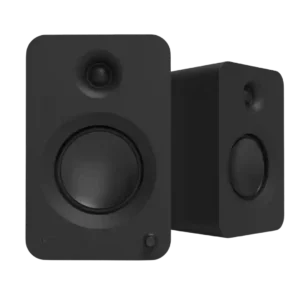
Product 1: Kanto REN Speakers
4.0
P2
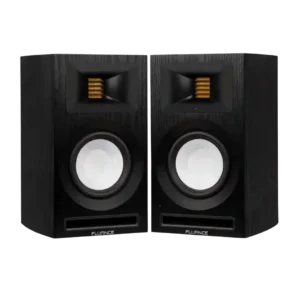
Product 2: Fluance Ri71 Reference Powered Bookshelf...
4.1
Aesthetic design / Finish options
P1
Product 1: Kanto REN Speakers
4.4
Finish and color choices were praised often, especially the matte finishes and multiple color options, with minor caveats about scuffs or color preference.
P2
Product 2: Fluance Ri71 Reference Powered Bookshelf...
4.1
Reviewers generally liked the finish choices and living-room fit, especially walnut, though a few found the styling dated or visually specific.
Amplifier power requirements
P1
Product 1: Kanto REN Speakers
4.0
The amplifier power was judged sufficient for speakers of this type.
P2
Product 2: Fluance Ri71 Reference Powered Bookshelf...
4.5
Reviewers who discussed power felt the built-in amplification saved space and provided enough drive for the Ri71’s intended small-to-medium-room use.
Audio format support
P1
Product 1: Kanto REN Speakers
3.5
Audio format support was acceptable but not unlimited, with 24/96 described as a reasonable ceiling for most listeners.
P2
Product 2: Fluance Ri71 Reference Powered Bookshelf...
4.0
The only opinionated format evidence says the simple stereo format should sound natural with most content rather than chase surround formats.
Backwards compatibility
P1
Product 1: Kanto REN Speakers
4.0
The optical legacy input was valued as a useful way to connect older devices.
P2Product 2: Fluance Ri71 Reference Powered Bookshelf...
No score yetBluetooth codec support
P1
Product 1: Kanto REN Speakers
2.5
Bluetooth codec support drew a caveat because the reviewer wished for higher-resolution Bluetooth codecs.
P2
Product 2: Fluance Ri71 Reference Powered Bookshelf...
4.3
Bluetooth codec support was praised for aptX HD/AAC quality, although some reviewers noted rivals or other codecs can offer different advantages.
Bluetooth connection stability
P1
Product 1: Kanto REN Speakers
4.5
Bluetooth stability was praised in direct use, with no dropouts reported by the reviewer.
P2
Product 2: Fluance Ri71 Reference Powered Bookshelf...
4.8
Bluetooth pairing and everyday wireless use were described as easy, reliable, or effortless across the supporting reviews.
Cabinet construction / bracing
P1
Product 1: Kanto REN Speakers
4.0
Build and cabinet feedback ranged from premium and tank-like to a request for beefier cabinet bracing.
P2
Product 2: Fluance Ri71 Reference Powered Bookshelf...
4.2
Cabinet build was mostly praised as solid, dense, sturdy, or better than expected, with one reviewer calling the class-average construction less substantive.
Cohesive presentation
P1
Product 1: Kanto REN Speakers
4.5
One reviewer highlighted a unified, coherent presentation that kept details tied into the overall musical picture.
P2
Product 2: Fluance Ri71 Reference Powered Bookshelf...
4.3
Reviewers described the Ri71 as musically confident, cohesive, polished, and engaging, while one Bluetooth rock comparison produced a more mixed result.
Control button responsiveness
P1
Product 1: Kanto REN Speakers
4.0
The front knob was described as tactile and easy to use, though most deeper control still depends on the remote.
P2
Product 2: Fluance Ri71 Reference Powered Bookshelf...
3.3
Button and knob response was split: one reviewer praised clicky positive remote buttons, while another disliked the feel and speed of the volume control.
Design and aesthetics
P1
Product 1: Kanto REN Speakers
4.3
Design was one of the clearest positives, with reviewers repeatedly calling the speakers stylish, modern, handsome, or well-finished.
P2
Product 2: Fluance Ri71 Reference Powered Bookshelf...
3.8
Design reactions were mixed-positive: several liked the attractive, functional look, while others called the finish old-fashioned or not visually subtle.
Detail retrieval
P1
Product 1: Kanto REN Speakers
4.5
Detail retrieval was a strength across music reviews, especially in vocals, midrange, and fine recording cues.
P2
Product 2: Fluance Ri71 Reference Powered Bookshelf...
4.6
Detail retrieval was one of the strongest themes, with reviewers repeatedly praising AMT treble clarity, nuance, texture, and high-frequency insight.
Dialogue clarity (for TV/soundbar use)
P1
Product 1: Kanto REN Speakers
4.4
TV dialogue and narration were consistently easy to follow, helped by clear center placement and the vocal-focused mode in some setups.
P2
Product 2: Fluance Ri71 Reference Powered Bookshelf...
4.4
TV dialogue evidence was consistently positive, with speech described as centered, clear, intelligible, and easy to follow.
Distortion at high volume
P1
Product 1: Kanto REN Speakers
3.4
High-volume behavior was mixed: some heard clean, strain-free playback, while Audioholics and its video discussion flagged port chuffing/overload when pushed hard.
P2
Product 2: Fluance Ri71 Reference Powered Bookshelf...
3.8
Most reviewers found the Ri71 clean at normal-to-loud levels, but several noted honkiness, edge, harshness, or limits when pushed very hard.
Dynamic headroom
P1
Product 1: Kanto REN Speakers
4.2
Dynamic performance was generally praised, especially when a subwoofer relieved bass demands, though headroom is not unlimited.
P2
Product 2: Fluance Ri71 Reference Powered Bookshelf...
4.3
Dynamic range was generally praised as solid or very good for the class, especially within reasonable room size and volume expectations.
EQ customization
P1
Product 1: Kanto REN Speakers
4.0
EQ customization was viewed positively because the remote gives granular bass and treble control.
P2
Product 2: Fluance Ri71 Reference Powered Bookshelf...
3.8
Bass/treble tone controls were viewed as useful for tailoring sound, though some reviewers found the adjustment system basic or rudimentary.
Frequency response balance
P1
Product 1: Kanto REN Speakers
4.3
Most reviewers described the tuning as balanced, neutral, smooth, or enjoyable, with occasional caveats around bass shape and treble character.
P2
Product 2: Fluance Ri71 Reference Powered Bookshelf...
4.3
Frequency balance was widely described as neutral, well-balanced, controlled, and suited to many genres, with only minor caveats around bass or midrange voicing.
HDMI ARC
P1
Product 1: Kanto REN Speakers
4.6
HDMI ARC was one of REN’s most praised features because it made TV integration easy and positioned the system as a soundbar alternative.
P2
Product 2: Fluance Ri71 Reference Powered Bookshelf...
3.8
HDMI ARC was praised as a major TV-use convenience, but evidence was mixed because some reviewers encountered picky behavior or low output.
Home theater integration
P1
Product 1: Kanto REN Speakers
4.5
Home-theater use was strongly supported by reviewers who called REN a compelling soundbar replacement and TV upgrade.
P2
Product 2: Fluance Ri71 Reference Powered Bookshelf...
4.3
Reviewers broadly supported the Ri71 as a TV/soundbar alternative, while still treating it as stereo enhancement rather than full surround home theater.
Inter-speaker connectivity
P1
Product 1: Kanto REN Speakers
4.0
The included inter-speaker cable/spacing flexibility was praised for enabling a wider soundstage.
P2
Product 2: Fluance Ri71 Reference Powered Bookshelf...
3.7
Inter-speaker setup evidence was mixed: standard wire and channel swapping were useful, but raw-wire handling drew criticism.
Loudness / maximum volume
P1
Product 1: Kanto REN Speakers
3.8
Reviewers found REN loud enough for typical small-to-medium-room use, but several wanted more maximum output or said it opened up with a subwoofer.
P2
Product 2: Fluance Ri71 Reference Powered Bookshelf...
4.2
Loudness was considered sufficient for small-to-medium rooms and TV use, though reviewers cautioned against expecting party-speaker output.
Low-volume performance
P1
Product 1: Kanto REN Speakers
4.0
Low-volume/night-mode performance was viewed as useful, with one reviewer praising its handling of dynamics at neighbor-friendly levels.
P2
Product 2: Fluance Ri71 Reference Powered Bookshelf...
4.5
Low-volume evidence was positive, noting retained body, presence, and detail in quieter listening or scenes.
Omnidirectional sound
P1Product 1: Kanto REN Speakers
No score yet
P2
Product 2: Fluance Ri71 Reference Powered Bookshelf...
4.5
One measured/listening review praised wide, even coverage, supporting a broad listening area rather than a tiny sweet spot.
On-device controls
P1
Product 1: Kanto REN Speakers
2.8
On-device controls drew a limitation because the front control is useful but not very versatile without the remote.
P2
Product 2: Fluance Ri71 Reference Powered Bookshelf...
3.8
On-device controls were divisive: some found the top/rear volume control substantial and accessible, while others disliked its placement, speed, or learning curve.
optical
P1
Product 1: Kanto REN Speakers
4.0
The optical input earned positive practical feedback when used with older gear.
P2
Product 2: Fluance Ri71 Reference Powered Bookshelf...
2.2
The missing optical input was one of the most repeated connectivity complaints, especially for older TVs, PCs, and comparison with related models.
Power bank function
P1
Product 1: Kanto REN Speakers
4.0
The USB charging output was treated as genuinely useful for keeping small devices powered.
P2Product 2: Fluance Ri71 Reference Powered Bookshelf...
No score yetPrice
P1
Product 1: Kanto REN Speakers
3.9
Reviewers saw the price as competitive for the performance, but not universally cheap, especially once stands or a subwoofer are added.
P2
Product 2: Fluance Ri71 Reference Powered Bookshelf...
4.4
Price evidence was strongly favorable overall, with reviewers calling the Ri71 affordable, competitive, or a bargain, though one said it was not a steal.
Remote control usability
P1
Product 1: Kanto REN Speakers
4.0
Remote feedback was mostly positive for layout, controls, and feel, but several reviewers found it chunky or occasionally slow.
P2
Product 2: Fluance Ri71 Reference Powered Bookshelf...
4.0
Remote usability was mostly praised as handy and useful for daily control, but one reviewer found the mirrored bass/treble layout unintuitive.
Setup simplicity
P1
Product 1: Kanto REN Speakers
4.3
Setup was widely considered simple, plug-and-play, and app-free, though placement and a few poorly documented features added mild friction.
P2
Product 2: Fluance Ri71 Reference Powered Bookshelf...
4.8
Setup was consistently described as easy, straightforward, plug-and-play, dead simple, or hassle-free.
Smart features
P1
Product 1: Kanto REN Speakers
4.5
Smart convenience features such as modes, auto behavior, and sub controls were praised as practical and uncommon for the class.
P2
Product 2: Fluance Ri71 Reference Powered Bookshelf...
3.2
Smart-feature evidence was limited and mixed: reviewers disliked the lack of phone/app control, while one appreciated that no app was required.
Soundstage height
P1Product 1: Kanto REN Speakers
No score yet
P2
Product 2: Fluance Ri71 Reference Powered Bookshelf...
4.5
One reviewer specifically praised perceived soundstage height along with stereo separation.
Status indicators
P1
Product 1: Kanto REN Speakers
4.0
Status indicator control was praised mainly because the LED brightness can be reduced or turned off.
P2
Product 2: Fluance Ri71 Reference Powered Bookshelf...
3.6
Status indicator evidence was mixed-positive: dimming and shutoff were appreciated, but one reviewer found the LED much too bright.
Stereo imaging accuracy
P1
Product 1: Kanto REN Speakers
4.6
Stereo imaging was a consistent strength, with reviewers praising real separation, centered voices, and a well-controlled soundstage versus soundbars.
P2
Product 2: Fluance Ri71 Reference Powered Bookshelf...
4.5
Stereo imaging was repeatedly praised, with reviewers noting centered vocals, wide soundstage, precise placement, and convincing left-right motion.
Subwoofer
P1
Product 1: Kanto REN Speakers
4.3
Subwoofer integration was repeatedly praised; reviewers said a sub added authority, dynamics, cleaner mids, or better bass control.
P2
Product 2: Fluance Ri71 Reference Powered Bookshelf...
4.3
Subwoofer support was considered valuable, both for deeper bass and for relieving the speakers of low-frequency strain.
Surround sound simulation
P1
Product 1: Kanto REN Speakers
2.5
REN is a stereo system, so it lacks the surround/Atmos options some soundbars can provide.
P2Product 2: Fluance Ri71 Reference Powered Bookshelf...
No score yetValue for money
P1
Product 1: Kanto REN Speakers
4.4
Value was a repeated strength, with reviewers saying REN delivers a strong sound/features/aesthetics mix for the money.
P2
Product 2: Fluance Ri71 Reference Powered Bookshelf...
4.5
Value evidence was very strong overall, with reviewers repeatedly saying performance, features, and sound quality punch above the price, despite connectivity tradeoffs.
Voice clarity
P1
Product 1: Kanto REN Speakers
4.2
Vocal rendering was praised for clarity, presence, and bite across music and TV-focused listening.
P2
Product 2: Fluance Ri71 Reference Powered Bookshelf...
4.5
Voice clarity was praised in music and vocal-centric content, with vocals described as natural, clear, centered, and detailed.
Weight convenience
P1
Product 1: Kanto REN Speakers
4.0
A few reviewers found the speakers easy to move or manage physically, with weight seen as practical rather than burdensome.
P2
Product 2: Fluance Ri71 Reference Powered Bookshelf...
4.1
Reviewers who discussed size and weight found the speakers manageable for desks, stands, shelves, TV consoles, or ordinary living spaces.
Wired input
P1
Product 1: Kanto REN Speakers
4.5
Reviewers strongly praised the physical input selection, noting broad wired connectivity across TV, computer, analog, optical, and other sources.
P2
Product 2: Fluance Ri71 Reference Powered Bookshelf...
3.7
Wired-input evidence was mixed: RCA/HDMI flexibility helped, but limited USB, optical, and broader digital input options were recurring drawbacks.