Average score
P1
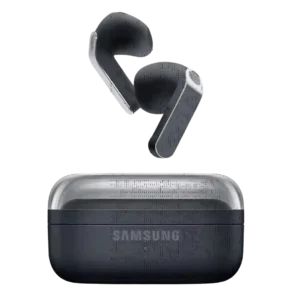
Product 1: Samsung Galaxy Buds 4
3.8
P2
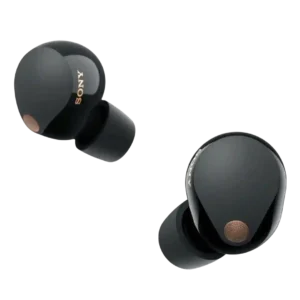
Product 2: Sony WF-1000XM5 Earbuds
3.9
Active noise cancellation
P1
Product 1: Samsung Galaxy Buds 4
2.5
Reviewers agreed ANC is the weakest major feature: two hands-on reviews found it modest or not serious, while the specs-focused comparison expected improvement over Buds 3.
P2
Product 2: Sony WF-1000XM5 Earbuds
4.6
ANC was the clearest consensus win, repeatedly described as excellent, class-leading, or among the best, though a couple of reviewers said Bose or newer rivals can beat it.
Android compatibility
P1
Product 1: Samsung Galaxy Buds 4
4.5
Android and especially Samsung users get the strongest experience, with one reviewer explicitly saying the buds were made for Android/Samsung users.
P2
Product 2: Sony WF-1000XM5 Earbuds
4.6
Android compatibility was a strength thanks to easy pairing, LDAC, app support, and better value for Android users than AirPods-style ecosystems.
App
P1
Product 1: Samsung Galaxy Buds 4
4.5
The app and phone settings offer a broad control surface, with reviewers highlighting a huge range of adjustable settings.
P2
Product 2: Sony WF-1000XM5 Earbuds
4.3
The app was a major strength for firmware, ANC, EQ, ambient settings, and feature access, but some reviewers found it busy or not something they needed often.
aptX
P1Product 1: Samsung Galaxy Buds 4
No score yet
P2
Product 2: Sony WF-1000XM5 Earbuds
1.0
aptX was a clear negative because one reviewer explicitly criticized the lack of aptX and aptX HD support.
Bass performance
P1
Product 1: Samsung Galaxy Buds 4
4.3
Bass was consistently praised as punchy, wide, warm, and stronger than expected for open-fit entry-level earbuds.
P2
Product 2: Sony WF-1000XM5 Earbuds
3.8
Bass was often described as controlled, punchy, and fun, but several reviewers heard too much low-end emphasis or wanted more warmth and power.
Battery
P1
Product 1: Samsung Galaxy Buds 4
2.5
Battery life was treated as adequate but unimpressive, with one reviewer calling 5-6 hours poor beside longer-lasting rivals.
P2
Product 2: Sony WF-1000XM5 Earbuds
4.4
Battery life was consistently praised as very good to excellent, frequently beating or meeting expectations, with only case capacity or competitor comparisons as caveats.
Bluetooth
P1
Product 1: Samsung Galaxy Buds 4
4.4
Bluetooth was viewed positively, with reviewers citing longer range, future-proofing, and Bluetooth 6.1 as a meaningful upgrade.
P2
Product 2: Sony WF-1000XM5 Earbuds
3.2
Bluetooth performance was generally competent, with praise for clear switching, but some long-term reviewers reported dropouts or occasional hiccups.
Build quality
P1
Product 1: Samsung Galaxy Buds 4
4.3
Build quality drew positive comments for a premium feel and a more refined look than the prior generation.
P2
Product 2: Sony WF-1000XM5 Earbuds
3.5
Build impressions were mixed, with premium feel and durability expectations balanced against slippery glossy plastic and foam-tip fragility.
Built-in DAC and hi-res playback
P1
Product 1: Samsung Galaxy Buds 4
4.3
Hi-res/UHQ playback was praised when paired with compatible Galaxy hardware and high-resolution sources, adding perceived expansiveness and cleaner sound.
P2
Product 2: Sony WF-1000XM5 Earbuds
4.0
Hi-res and DSEE/LDAC playback features were valued by several reviewers, though DSEE's audible impact was not universally convincing.
Button control usability
P1
Product 1: Samsung Galaxy Buds 4
4.5
The stem controls were praised as easy, precise, and straightforward, especially after Samsung refined the blade shape.
P2
Product 2: Sony WF-1000XM5 Earbuds
4.0
The dedicated pairing button was described as a welcome usability improvement over prior Sony pairing behavior.
Carry case quality
P1
Product 1: Samsung Galaxy Buds 4
4.0
The case was reviewed favorably for practical design touches, including visibility through the lid and useful physical controls.
P2
Product 2: Sony WF-1000XM5 Earbuds
3.9
The case was generally praised as compact and pocketable, but some reviewers disliked slippery buds/case extraction or noted needing to charge it more often.
Charging
P1Product 1: Samsung Galaxy Buds 4
No score yet
P2
Product 2: Sony WF-1000XM5 Earbuds
4.1
Charging was viewed positively thanks to USB-C, wireless charging, and quick-charge usefulness, though one test measured quick charge below Sony's claim.
Codec support
P1Product 1: Samsung Galaxy Buds 4
No score yet
P2
Product 2: Sony WF-1000XM5 Earbuds
4.0
Codec support was viewed positively because AAC and LDAC are supported, though aptX absence remains a separate weakness.
Comfort during long use
P1
Product 1: Samsung Galaxy Buds 4
4.8
Comfort was a major strength in the Tom's Guide review, including for smaller ears and everyday listening.
P2
Product 2: Sony WF-1000XM5 Earbuds
4.3
Comfort was usually praised after Sony reduced size and weight, but fit-dependent pressure and stemless design kept it from being universally comfortable.
Design and Aesthetics
P1
Product 1: Samsung Galaxy Buds 4
4.1
Design impressions were positive overall, with reviewers calling the Buds 4 more polished, premium, and refined despite the familiar AirPods-like shape.
P2
Product 2: Sony WF-1000XM5 Earbuds
4.2
The design was broadly praised as smaller, sleeker, and more premium, while some reviewers flagged the stemless approach and glossy surfaces as tradeoffs.
Eartips fit
P1
Product 1: Samsung Galaxy Buds 4
2.6
Fit evidence was mixed: reviewers liked the comfort of the open form, but the lack of a seal and repeated fit adjustments hurt stability and ANC.
P2
Product 2: Sony WF-1000XM5 Earbuds
3.3
Fit was the most divisive physical trait, ranging from secure and comfortable to pressure-heavy, hard to seal, or unsuitable for some ears.
Ear tip size options
P1Product 1: Samsung Galaxy Buds 4
No score yet
P2
Product 2: Sony WF-1000XM5 Earbuds
3.9
Ear tip options were generally appreciated, especially the extra-small size, though some reviewers still wanted more variety or different shapes.
Equalizer customization
P1
Product 1: Samsung Galaxy Buds 4
4.5
EQ customization was described as a premium feature, with access to adjustment options and presets inside Samsung's software experience.
P2
Product 2: Sony WF-1000XM5 Earbuds
4.3
EQ customization was strongly praised for useful tuning control, even when reviewers noted it was not as advanced as parametric systems.
Find My
P1Product 1: Samsung Galaxy Buds 4
No score yet
P2
Product 2: Sony WF-1000XM5 Earbuds
1.0
Find My was a clear omission, with one reviewer calling out the lack of a built-in find-my-buds feature.
Frequency response accuracy
P1
Product 1: Samsung Galaxy Buds 4
4.0
One comparison review credited the Buds 4 tuning with better clarity and balance than the prior generation.
P2
Product 2: Sony WF-1000XM5 Earbuds
4.5
Frequency response was praised as balanced or neutral, with one review noting a more natural delivery when ANC was off.
Head gestures
P1
Product 1: Samsung Galaxy Buds 4
4.1
Head gestures were treated as a useful modern addition that adds hands-free control and helps Samsung keep pace with rivals.
P2
Product 2: Sony WF-1000XM5 Earbuds
3.7
Head gestures were viewed as useful and sometimes surprisingly good, but one reviewer found they did not work every time.
Included accessories
P1Product 1: Samsung Galaxy Buds 4
No score yet
P2
Product 2: Sony WF-1000XM5 Earbuds
4.0
Included accessories scored modestly positive because the extra ear tip sizes were useful for fit options.
Instrument separation
P1
Product 1: Samsung Galaxy Buds 4
4.2
Instrument separation was praised in track testing, where synths, bass, vocals, and percussion stayed layered rather than smeared together.
P2
Product 2: Sony WF-1000XM5 Earbuds
4.5
Instrument separation was a strength, with reviewers highlighting good separation, distinct instruments, and cohesive placement in complicated tracks.
Integrated microphone
P1
Product 1: Samsung Galaxy Buds 4
4.0
The integrated microphone system was described as upgraded and designed for clearer calls and better voice recognition.
P2Product 2: Sony WF-1000XM5 Earbuds
No score yetLDAC
P1Product 1: Samsung Galaxy Buds 4
No score yet
P2
Product 2: Sony WF-1000XM5 Earbuds
4.4
LDAC support was treated as a meaningful advantage for Android and high-res listeners, with reviewers linking it to better wireless audio quality.
Maximum volume clarity
P1Product 1: Samsung Galaxy Buds 4
No score yet
P2
Product 2: Sony WF-1000XM5 Earbuds
4.0
At high volume, one test found bass stayed clear and treble avoided harshness, supporting good clarity when turned up.
Microphone noise reduction
P1
Product 1: Samsung Galaxy Buds 4
4.2
Microphone noise reduction was a strength, with reviewers saying background roar, white noise, wind, and background noise were reduced or blocked.
P2
Product 2: Sony WF-1000XM5 Earbuds
4.5
Microphone noise reduction and wind handling were often praised, but one lab-style test found the AI voice separation could fail in heavy noise.
Microphone quality for calls
P1
Product 1: Samsung Galaxy Buds 4
3.6
Call quality was usable but not flawless: one review heard crisp clarity, another reported a muffled voice, and the comparison piece expected clearer calls.
P2
Product 2: Sony WF-1000XM5 Earbuds
3.5
Call quality was highly split: some reviewers called it excellent or much improved, while others found it subpar, robotic, or weak in harsher noise.
Midrange clarity
P1
Product 1: Samsung Galaxy Buds 4
4.2
Midrange clarity was praised, especially for vocals, though Engadget described the non-Pro model's mids as merely filling the gaps adequately.
P2
Product 2: Sony WF-1000XM5 Earbuds
4.4
Midrange performance drew strong praise for vocal clarity, transparency, and natural presentation, with only limited caveats from mixed tuning impressions.
Multi-platform compatibility
P1
Product 1: Samsung Galaxy Buds 4
2.5
Multi-platform compatibility was a clear limitation because the richest features and smoothest device switching stay tied to Samsung or Galaxy devices.
P2
Product 2: Sony WF-1000XM5 Earbuds
2.5
One long-term reviewer felt Sony lacked Apple ecosystem integration and feature parity compared with AirPods.
Multipoint connectivity reliability
P1
Product 1: Samsung Galaxy Buds 4
3.3
Multipoint and device switching were mixed: Tom's Guide criticized non-Galaxy limitations, while the specs comparison expected smoother Galaxy ecosystem switching.
P2
Product 2: Sony WF-1000XM5 Earbuds
4.4
Multipoint was usually reliable and convenient across two devices, though some reviewers noted limits versus three-device competitors or ecosystem switching.
Noise isolation (passive)
P1
Product 1: Samsung Galaxy Buds 4
2.0
Passive isolation was weak because the open-fit body lacks a sealing silicone tip, letting outside noise seep in.
P2
Product 2: Sony WF-1000XM5 Earbuds
4.9
Passive isolation was one of the strongest points, with foam tips repeatedly credited for blocking incidental and high-frequency noise.
Portability/foldability
P1Product 1: Samsung Galaxy Buds 4
No score yet
P2
Product 2: Sony WF-1000XM5 Earbuds
4.8
Portability was a consistent strength wherever discussed, with reviewers praising the smaller buds and compact case.
Preset EQ profile quality
P1Product 1: Samsung Galaxy Buds 4
No score yet
P2
Product 2: Sony WF-1000XM5 Earbuds
4.3
Preset EQ and Find Your Equalizer were liked as helpful ways for casual listeners to find a preferred tuning.
Sidetone adjustment quality
P1Product 1: Samsung Galaxy Buds 4
No score yet
P2
Product 2: Sony WF-1000XM5 Earbuds
4.5
Sidetone-style call monitoring was praised by one reviewer because it helped them avoid shouting during calls.
Smudge resistance
P1Product 1: Samsung Galaxy Buds 4
No score yet
P2
Product 2: Sony WF-1000XM5 Earbuds
4.0
Smudge resistance was better than expected on the glossy parts and case finish in the reviews that mentioned it.
Software/setup simplicity
P1
Product 1: Samsung Galaxy Buds 4
4.1
Setup and software were strongest for Galaxy users, with settings baked into the phone and a broad range of options available.
P2
Product 2: Sony WF-1000XM5 Earbuds
4.5
Setup was described as straightforward or fast, especially through Sony's app and pairing flow.
Sound quality
P1
Product 1: Samsung Galaxy Buds 4
4.3
Sound quality was the clearest strength across all three reviews, with praise for richness, refinement, and overall listening enjoyment.
P2
Product 2: Sony WF-1000XM5 Earbuds
4.4
Reviewers broadly praised the XM5 sound as detailed, clear, energetic, and premium, though a few found it less rich or too bass-forward in default tuning.
Soundstage depth
P1
Product 1: Samsung Galaxy Buds 4
4.2
Soundstage depth received positive evidence through UHQ listening, where acoustics were described as reverberating around the listener.
P2
Product 2: Sony WF-1000XM5 Earbuds
3.3
Soundstage depth was mixed: some reviewers heard nice depth and nuance, while others described an intimate, close, or cluttered stage.
Soundstage width
P1
Product 1: Samsung Galaxy Buds 4
4.5
Soundstage width was praised in UHQ mode, with Tom's Guide calling the presentation surprisingly expansive.
P2
Product 2: Sony WF-1000XM5 Earbuds
4.1
Reviewers often found the soundstage wider and more open than prior Sony buds, but some still heard a narrower or more internal presentation than top rivals.
Spatial audio
P1
Product 1: Samsung Galaxy Buds 4
2.5
Spatial audio was not a selling point for one reviewer, who said upmixed spatial audio could warp music.
P2
Product 2: Sony WF-1000XM5 Earbuds
3.4
Spatial audio and 360 Reality Audio were mixed: some reviewers liked the immersion, while others found platform limits or practical value underwhelming.
Stability
P1
Product 1: Samsung Galaxy Buds 4
2.2
Physical stability was a weakness in the Engadget review because the open design required repeated fit adjustments.
P2
Product 2: Sony WF-1000XM5 Earbuds
4.3
Stability was mostly strong when the fit worked, with some reviewers reporting secure use, but one reviewer still saw dislodging during heavy movement.
Sustainability materials
P1Product 1: Samsung Galaxy Buds 4
No score yet
P2
Product 2: Sony WF-1000XM5 Earbuds
4.0
Sustainability materials were noted positively where reviewers mentioned recycled/plastic-free packaging and environmentally minded design.
Touch control responsiveness
P1
Product 1: Samsung Galaxy Buds 4
4.4
Touch control responsiveness was praised, with reviewers finding the touch area easy to locate and the gestures precise or straightforward.
P2
Product 2: Sony WF-1000XM5 Earbuds
3.2
Touch controls were polarizing: reviewers liked the expanded control options, but repeated tapping for volume was often criticized as awkward or intrusive.
Transparency mode quality
P1
Product 1: Samsung Galaxy Buds 4
4.0
Transparency mode earned positive evidence from the comparison review because Ambient Sound made daily use more practical than Buds 3.
P2
Product 2: Sony WF-1000XM5 Earbuds
3.8
Transparency mode was useful and adjustable, but reviewers often said Apple still sounds more natural or that Sony is merely good rather than best-in-class.
Treble clarity
P1
Product 1: Samsung Galaxy Buds 4
4.3
Treble performance was praised for crunchy highs and strong mids/treble performance, without the tinniness criticized in AirPods comparisons.
P2
Product 2: Sony WF-1000XM5 Earbuds
4.0
Treble was generally viewed as clear, refined, and detailed, although some reviewers noted sibilance or said rivals can deliver more sparkle.
Value for money
P1
Product 1: Samsung Galaxy Buds 4
4.3
Value was favorable for Galaxy owners and price-conscious buyers, with reviewers calling the performance strong for the $179 tier.
P2
Product 2: Sony WF-1000XM5 Earbuds
4.0
Value was positive for premium-feature buyers, especially at discounts, but reviewers repeatedly noted the high price and stronger recent competition.
Voice assistant integration
P1
Product 1: Samsung Galaxy Buds 4
4.0
Voice assistant integration was considered useful for hands-free tasks, though one reviewer personally had little interest in AI assistants.
P2
Product 2: Sony WF-1000XM5 Earbuds
4.0
Voice assistant integration worked reasonably well for one reviewer, though not perfectly.
Volume output
P1Product 1: Samsung Galaxy Buds 4
No score yet
P2
Product 2: Sony WF-1000XM5 Earbuds
2.5
One reviewer found the earbuds needed higher volume than competitors and could be hard to hear without ANC in noisy settings.
Water/sweat resistance rating
P1
Product 1: Samsung Galaxy Buds 4
2.5
Water and sweat resistance were a concern because the Buds 4 dropped from Buds 3's IP57 rating to IP54 and were described as less rugged.
P2
Product 2: Sony WF-1000XM5 Earbuds
3.8
Water and sweat resistance was considered useful for workouts and rain, but reviewers framed IPX4 as basic rather than rugged.
Weight comfort
P1Product 1: Samsung Galaxy Buds 4
No score yet
P2
Product 2: Sony WF-1000XM5 Earbuds
5.0
One reviewer strongly connected the very light feel with long-term comfort.