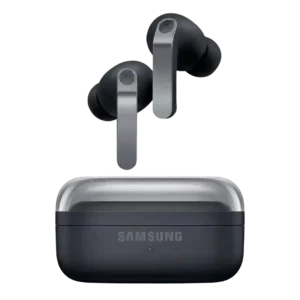
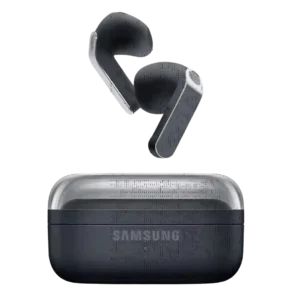
Average score
P1
Product 1: Samsung Galaxy Buds 4 Pro
3.9
P2
Product 2: Samsung Galaxy Buds 4
3.8
Active noise cancellation
P1
Product 1: Samsung Galaxy Buds 4 Pro
4.1
ANC is generally useful to strong, with several reviewers praising it, while others note it is not always class-leading or fit-proof.
P2
Product 2: Samsung Galaxy Buds 4
2.7
ANC is available, but reviewers consistently treat it as limited by the open-fit design; one comparison piece expects improvement over Buds 3, while hands-on reviews still call it modest or not serious noise blocking.
Android compatibility
P1
Product 1: Samsung Galaxy Buds 4 Pro
3.1
Android and Samsung compatibility is useful but restrictive, since the best features require Galaxy devices and some are Android-only.
P2
Product 2: Samsung Galaxy Buds 4
4.1
Android support is strong for everyday use, especially on Galaxy phones, and non-Samsung Android users can still use the Wearables app, though some Galaxy-only features remain locked down.
App
P1
Product 1: Samsung Galaxy Buds 4 Pro
3.7
The app and settings experience is feature-rich, but one review called the Galaxy Wear app bare-bones and another notes a learning curve.
P2
Product 2: Samsung Galaxy Buds 4
4.1
The app and settings experience is broad on Samsung and Android, with Wearables support for non-Samsung Android phones and Galaxy settings integration for Samsung users.
aptX
P1
Product 1: Samsung Galaxy Buds 4 Pro
1.0
aptX support is effectively absent based on evidence that the buds are not compatible with AptX hi-res formats.
P2Product 2: Samsung Galaxy Buds 4
No score yetAudio-video sync accuracy
P1
Product 1: Samsung Galaxy Buds 4 Pro
3.4
Latency evidence is mixed: common codecs are said to lag minimally, but hi-res settings and missing low-latency modes add caveats.
P2Product 2: Samsung Galaxy Buds 4
No score yetAuracast support
P1
Product 1: Samsung Galaxy Buds 4 Pro
4.5
Auracast support is clearly present and repeatedly noted as useful for public or shared broadcasts.
P2
Product 2: Samsung Galaxy Buds 4
4.5
Auracast is explicitly included among the shared features across the Buds 4 lineup.
Bass performance
P1
Product 1: Samsung Galaxy Buds 4 Pro
4.3
Bass is a consistent strength, described as deep, energetic, punchy, and extended, though one review found it too strong on some tracks.
P2
Product 2: Samsung Galaxy Buds 4
4.2
Bass earns positive notes across reviews, ranging from punchy and crunchy to loud, wide, fuller and more refined.
Battery
P1
Product 1: Samsung Galaxy Buds 4 Pro
3.3
Battery life is adequate but not a standout, with repeated six-hour ANC evidence and several concerns versus rivals.
P2
Product 2: Samsung Galaxy Buds 4
3.5
Battery life is serviceable rather than standout, with reviewers citing 6 hours without ANC, 5 hours with ANC and 30 hours via the case.
Bluetooth
P1
Product 1: Samsung Galaxy Buds 4 Pro
4.3
Bluetooth support is modern and generally stable, centered on Bluetooth 6.1, with one review noting some dropouts.
P2
Product 2: Samsung Galaxy Buds 4
4.5
Bluetooth support is a strength because the Buds 4 include Bluetooth 6.1, which reviewers connect to range, stability and future-proofing.
Build quality
P1
Product 1: Samsung Galaxy Buds 4 Pro
4.2
Build quality evidence is limited but positive, including a reviewer saying the redesigned case feels more durable.
P2
Product 2: Samsung Galaxy Buds 4
4.1
Build impressions are positive: reviewers describe a premium feel, refined stems and a cleaner physical design.
Built-in DAC and hi-res playback
P1
Product 1: Samsung Galaxy Buds 4 Pro
4.2
Hi-res playback is a strong Galaxy-specific feature, with repeated 24-bit/96kHz UHQ or SSC evidence.
P2
Product 2: Samsung Galaxy Buds 4
4.3
Hi-res playback is a Galaxy-centered strength, with UHQ and 24-bit Hi-Fi audio noted when paired with compatible devices.
Button control usability
P1
Product 1: Samsung Galaxy Buds 4 Pro
4.0
Pinch and stem controls are generally effective, though one review found the pinch area somewhat painful or awkward.
P2Product 2: Samsung Galaxy Buds 4
No score yetCarry case quality
P1
Product 1: Samsung Galaxy Buds 4 Pro
4.3
The carry case is generally praised for its clear lid, magnetic feel, easier bud placement, and visibility.
P2
Product 2: Samsung Galaxy Buds 4
4.1
The case is viewed positively for its translucent lid, updated flat-bud layout and physical pairing button.
Charging
P1
Product 1: Samsung Galaxy Buds 4 Pro
4.5
Charging is a strength because reviewers cite wireless charging plus wired USB-C case charging.
P2
Product 2: Samsung Galaxy Buds 4
3.7
Charging evidence centers on the case reserve, with reviews citing up to 30 hours of total listening time through the charging case.
Codec support
P1
Product 1: Samsung Galaxy Buds 4 Pro
4.2
Codec support is strong inside the Samsung ecosystem, but non-Samsung devices fall back to common lower codecs.
P2
Product 2: Samsung Galaxy Buds 4
4.0
Codec and high-quality audio support is represented by UHQ and 24-bit Hi-Fi playback on compatible Galaxy devices, not by aptX or LDAC.
Comfort during long use
P1
Product 1: Samsung Galaxy Buds 4 Pro
4.6
Comfort is widely praised, including long listening sessions, flights, and multi-hour use without fatigue for several reviewers.
P2
Product 2: Samsung Galaxy Buds 4
4.7
Comfort is a clear strength in the Tom's Guide review, including for small ears.
Design and Aesthetics
P1
Product 1: Samsung Galaxy Buds 4 Pro
4.3
Design sentiment is positive overall, with reviewers calling the buds premium, sleek, more polished, and better differentiated.
P2
Product 2: Samsung Galaxy Buds 4
4.0
Design feedback is broadly positive, describing the Buds 4 as polished, premium and more refined, even while acknowledging the AirPods-like stem style.
Eartips fit
P1
Product 1: Samsung Galaxy Buds 4 Pro
3.8
Fit is polarized: several reviewers found a secure seal, while others could not get the tips to seal or stay put.
P2
Product 2: Samsung Galaxy Buds 4
2.7
Fit evidence is mixed to weak: the open design can require adjustments and lacks a seal, though one review still found the earbuds comfortable.
Ear tip size options
P1
Product 1: Samsung Galaxy Buds 4 Pro
3.6
Ear-tip options are included, but proprietary tips and fit complaints reduce the practical flexibility.
P2
Product 2: Samsung Galaxy Buds 4
1.4
Ear tip options are effectively absent because the Buds 4 use an open-fit, no-silicone-tip design.
Equalizer customization
P1
Product 1: Samsung Galaxy Buds 4 Pro
4.5
EQ customization is a major strength, with a nine-band EQ, custom mode, presets, and Wear app adjustment all supported.
P2
Product 2: Samsung Galaxy Buds 4
4.6
EQ customization is strong, with access to a 9-band equalizer in the app/settings experience.
Find My
P1
Product 1: Samsung Galaxy Buds 4 Pro
4.3
Find My support is clearly present through Find My Earbuds and map-based finding references.
P2Product 2: Samsung Galaxy Buds 4
No score yetFrequency response accuracy
P1
Product 1: Samsung Galaxy Buds 4 Pro
3.7
Frequency-response evidence is mixed: detail and clarity improve, but one review notes bass/high balance issues that may need EQ.
P2Product 2: Samsung Galaxy Buds 4
No score yetHead gestures
P1
Product 1: Samsung Galaxy Buds 4 Pro
3.9
Head gestures are supported for calls and assistant interactions, though some reviewers had not fully tested them.
P2
Product 2: Samsung Galaxy Buds 4
4.2
Head gestures are a supported modern control feature, with reviewers noting nods or shakes for calls, Bixby prompts and notifications.
Included accessories
P1
Product 1: Samsung Galaxy Buds 4 Pro
4.0
Included-accessory evidence is limited to bundled ear tips and documentation.
P2Product 2: Samsung Galaxy Buds 4
No score yetInstrument separation
P1
Product 1: Samsung Galaxy Buds 4 Pro
4.4
Instrument separation is repeatedly praised through comments about separated instruments, centered guitars, and textural detail.
P2
Product 2: Samsung Galaxy Buds 4
4.3
Instrument separation is supported by a detailed listening note about synth effects layered between bassline and percussion.
Integrated microphone
P1
Product 1: Samsung Galaxy Buds 4 Pro
3.7
Integrated microphones are clearly present and usable, but mic impressions range from ordinary to very good.
P2
Product 2: Samsung Galaxy Buds 4
4.0
The mic hardware is described as upgraded, with multiple microphones and voice pickup units.
LDAC
P1
Product 1: Samsung Galaxy Buds 4 Pro
1.5
LDAC support is effectively absent based on evidence that the buds are not compatible with LDAC formats.
P2Product 2: Samsung Galaxy Buds 4
No score yetLossless audio support
P1
Product 1: Samsung Galaxy Buds 4 Pro
3.2
Lossless support is mixed because Samsung hi-res playback is supported, but one review stresses true lossless Bluetooth is not available.
P2Product 2: Samsung Galaxy Buds 4
No score yetMaximum volume clarity
P1
Product 1: Samsung Galaxy Buds 4 Pro
4.5
Reviewers who addressed clarity at output levels described clean, dynamic, distortion-free playback.
P2Product 2: Samsung Galaxy Buds 4
No score yetMicrophone noise reduction
P1
Product 1: Samsung Galaxy Buds 4 Pro
4.1
Microphone noise reduction is a clear strength in wind, traffic, and background-noise scenarios, though not every voice sample was perfect.
P2
Product 2: Samsung Galaxy Buds 4
4.2
Microphone noise reduction is a strength, with reviewers saying background roar, white noise and wind/background noise are reduced or blocked.
Microphone quality for calls
P1
Product 1: Samsung Galaxy Buds 4 Pro
3.7
Call quality is usable to strong, but evidence is mixed because some reviewers heard fuzziness, digitization, or fit-related variability.
P2
Product 2: Samsung Galaxy Buds 4
3.9
Call quality is generally good and intelligible, though one review says the voice can sound muffled and another notes processing in noisy places.
Midrange clarity
P1
Product 1: Samsung Galaxy Buds 4 Pro
4.3
Midrange clarity is generally strong, with vocals, mids, and clear signatures receiving positive notes across several reviews.
P2
Product 2: Samsung Galaxy Buds 4
4.1
Midrange clarity is praised through adequate mids, clean vocals and strong mids/treble performance.
Multi-platform compatibility
P1
Product 1: Samsung Galaxy Buds 4 Pro
2.8
Multi-platform use is limited because non-Samsung devices can leave the product feeling incomplete.
P2
Product 2: Samsung Galaxy Buds 4
2.8
Multi-platform compatibility is limited: basics work outside Galaxy, but advanced features and seamless switching are restricted by ecosystem.
Multipoint connectivity reliability
P1
Product 1: Samsung Galaxy Buds 4 Pro
2.6
Multipoint is a weakness outside Samsung devices, with several reviews noting no true multipoint or manual switching limitations.
P2
Product 2: Samsung Galaxy Buds 4
3.4
Multipoint is context-dependent, working best in the Galaxy ecosystem and improving in Samsung contexts while remaining limited for non-ecosystem devices.
Noise isolation (passive)
P1
Product 1: Samsung Galaxy Buds 4 Pro
4.2
Passive isolation is strong when the tips seal well, but the benefit depends heavily on fit.
P2
Product 2: Samsung Galaxy Buds 4
1.8
Passive isolation is weak because the open-fit, no-seal design lets external noise seep in.
Portability/foldability
P1
Product 1: Samsung Galaxy Buds 4 Pro
4.5
Portability is strong, with the case described as small, pocketable, and easy to carry.
P2Product 2: Samsung Galaxy Buds 4
No score yetPreset EQ profile quality
P1
Product 1: Samsung Galaxy Buds 4 Pro
4.4
Preset EQ evidence is positive, especially for Samsung's Dynamic profile, which reviewers used to add punch or emphasize strengths.
P2
Product 2: Samsung Galaxy Buds 4
4.3
Preset EQ support is good, with six presets including speech and instrumental options.
RGB lighting customization
P1
Product 1: Samsung Galaxy Buds 4 Pro
1.0
Lighting customization is not a feature here; evidence says the lighting element is gone.
P2Product 2: Samsung Galaxy Buds 4
No score yetSensors
P1
Product 1: Samsung Galaxy Buds 4 Pro
4.3
Sensor-like smart features are strong, especially voice detection, siren detection, and adaptive behavior.
P2Product 2: Samsung Galaxy Buds 4
No score yetSidetone adjustment quality
P1
Product 1: Samsung Galaxy Buds 4 Pro
4.0
Sidetone support is present and lets users hear their own voice in the buds.
P2Product 2: Samsung Galaxy Buds 4
No score yetSmudge resistance
P1
Product 1: Samsung Galaxy Buds 4 Pro
2.2
Smudge resistance is a weakness because the transparent case section shows scratches and fingerprints.
P2Product 2: Samsung Galaxy Buds 4
No score yetSoftware/setup simplicity
P1
Product 1: Samsung Galaxy Buds 4 Pro
3.5
Setup and software access are workable, but reviewers note a learning curve around where controls live.
P2
Product 2: Samsung Galaxy Buds 4
4.1
Setup is simplest on Galaxy devices through Bluetooth/settings integration and remains available through Wearables on non-Samsung Android.
Sound quality
P1
Product 1: Samsung Galaxy Buds 4 Pro
4.6
Review evidence is strongly positive on overall sound, with reviewers calling the audio excellent, very good, or among Samsung's best.
P2
Product 2: Samsung Galaxy Buds 4
4.3
Sound quality is the product's strongest theme, with reviewers calling it richer, cleaner, clear, balanced and better than expected.
Soundstage depth
P1Product 1: Samsung Galaxy Buds 4 Pro
No score yet
P2
Product 2: Samsung Galaxy Buds 4
4.0
Soundstage depth is supported by listening impressions of deeper low-end and expansive playback.
Soundstage width
P1
Product 1: Samsung Galaxy Buds 4 Pro
4.2
The available evidence points to a wider, more expansive stage rather than a cramped in-ear presentation.
P2
Product 2: Samsung Galaxy Buds 4
4.1
Soundstage width is supported by the UHQ soundscape and wide bass impressions.
Spatial audio
P1
Product 1: Samsung Galaxy Buds 4 Pro
4.2
Spatial audio support is clearly present through 360 audio and head tracking, though some features are Android or Samsung-focused.
P2
Product 2: Samsung Galaxy Buds 4
3.9
Spatial audio is present as 360 Audio/360° sound, though one reviewer does not personally use it.
Stability
P1
Product 1: Samsung Galaxy Buds 4 Pro
4.8
Stability is strong for reviewers whose ears matched the shape, with evidence of perfect fit and secure wear.
P2
Product 2: Samsung Galaxy Buds 4
2.3
Fit stability is a concern because one review calls out constant fit adjustments from the open design.
Touch control responsiveness
P1
Product 1: Samsung Galaxy Buds 4 Pro
4.3
Touch and gesture controls are mostly praised as responsive and easy to use once learned.
P2
Product 2: Samsung Galaxy Buds 4
4.3
Controls are well regarded, with swipe, press and pinch gestures described as straightforward, precise and easy to locate.
Transparency mode quality
P1
Product 1: Samsung Galaxy Buds 4 Pro
4.5
Transparency and ambient modes are a highlight, often described as natural, clear, or useful for conversation.
P2
Product 2: Samsung Galaxy Buds 4
4.0
Transparency is improved by the addition of a proper Ambient Sound mode.
Treble clarity
P1
Product 1: Samsung Galaxy Buds 4 Pro
4.1
Treble is mostly praised for crispness, clarity, and sparkle, but one lab-style review found the highs weaker than ideal.
P2
Product 2: Samsung Galaxy Buds 4
4.2
Treble clarity is praised alongside mids, with reviewers noting crunchy highs and strong mids/treble performance.
USB-C
P1
Product 1: Samsung Galaxy Buds 4 Pro
4.5
USB-C support is consistently evidenced through case port mentions.
P2Product 2: Samsung Galaxy Buds 4
No score yetValue for money
P1
Product 1: Samsung Galaxy Buds 4 Pro
3.7
Value is context-dependent: Samsung users often get strong value, while non-Samsung users and upgraders face more caveats.
P2
Product 2: Samsung Galaxy Buds 4
4.4
Value is positive for Galaxy or Android users because reviewers frame the $179 Buds 4 as compelling and able to challenge bigger rivals.
Voice assistant integration
P1
Product 1: Samsung Galaxy Buds 4 Pro
4.1
Voice assistant support is broad, with Bixby, Gemini, Google assistant, and built-in voice controls mentioned.
P2
Product 2: Samsung Galaxy Buds 4
3.9
Voice assistant support is clear, with Bixby and Gemini assistance plus head-gesture responses to Bixby prompts.
Volume output
P1
Product 1: Samsung Galaxy Buds 4 Pro
4.8
Direct evidence is limited but positive, with one review saying maximum volume is far higher than needed.
P2Product 2: Samsung Galaxy Buds 4
No score yetWater/sweat resistance rating
P1
Product 1: Samsung Galaxy Buds 4 Pro
4.7
Water and dust resistance is a strong point thanks to repeated IP57 evidence.
P2
Product 2: Samsung Galaxy Buds 4
3.1
Water and sweat protection is adequate but not rugged, with IP54 covering sweat and splashes while dropping below Buds 3's IP57 rating.
Weight comfort
P1
Product 1: Samsung Galaxy Buds 4 Pro
4.4
The earbuds are described as light, with roughly 5g weight contributing to comfort.
P2Product 2: Samsung Galaxy Buds 4
No score yet