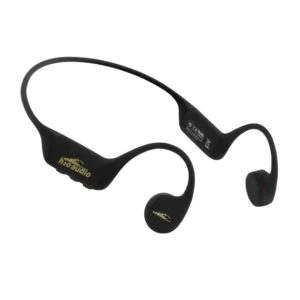
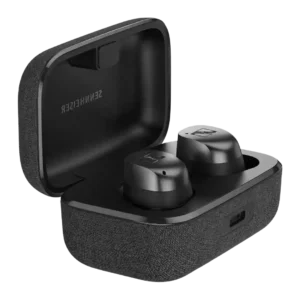
Average score
P1
Product 1: H2O Audio TRI 2 PRO...
3.4
P2
Product 2: Sennheiser Momentum True Wireless 4...
4.2
Active noise cancellation
P1Product 1: H2O Audio TRI 2 PRO...
No score yet
P2
Product 2: Sennheiser Momentum True Wireless 4...
4.2
Reviewers generally find ANC good to very good, strong for commute noise, though several say Sony or Bose can still block more.
Android compatibility
P1
Product 1: H2O Audio TRI 2 PRO...
4.5
Android compatibility is supported by a reviewer pairing successfully with a Google Pixel phone.
P2
Product 2: Sennheiser Momentum True Wireless 4...
4.7
Android compatibility is praised where Snapdragon/lossless support and Android EQ options matter, with no Android issues in one test.
App
P1
Product 1: H2O Audio TRI 2 PRO...
2.9
The app is adequate but limited; some found it easy to navigate, while others wanted clearer instructions, more customization, or smoother access to stored music.
P2
Product 2: Sennheiser Momentum True Wireless 4...
4.7
The Smart Control app is widely praised for useful features, fit tests, EQ, battery options, and customization, though one review found it somewhat overwhelming.
aptX
P1Product 1: H2O Audio TRI 2 PRO...
No score yet
P2
Product 2: Sennheiser Momentum True Wireless 4...
3.0
aptX support is valued for Android users, but one reviewer found the aptX lineup confusing and hard to distinguish in practice.
Audio-video sync accuracy
P1Product 1: H2O Audio TRI 2 PRO...
No score yet
P2
Product 2: Sennheiser Momentum True Wireless 4...
4.4
Latency is usually acceptable for video, calls, and casual gaming, though one review warns competitive shooters may still be less ideal.
Auracast support
P1Product 1: H2O Audio TRI 2 PRO...
No score yet
P2
Product 2: Sennheiser Momentum True Wireless 4...
4.6
Auracast is viewed as meaningful future-proofing, even if its current usefulness depends on wider adoption.
Bass performance
P1
Product 1: H2O Audio TRI 2 PRO...
3.0
Bass is highly inconsistent: some reviews praise punch or improved bass in water, while others say land playback lacks low-end impact or becomes woolly and hollow.
P2
Product 2: Sennheiser Momentum True Wireless 4...
4.6
Bass is a major strength: reviewers describe it as deep, controlled, punchy, warm, and rarely overpowering.
Battery
P1
Product 1: H2O Audio TRI 2 PRO...
4.0
Battery life is mostly good for workouts and swims, though one review found real-world drain below the stated claim.
P2
Product 2: Sennheiser Momentum True Wireless 4...
4.2
Battery life is generally competitive and often praised, but some reviewers note it is not class-leading or may be short for some listeners.
Bluetooth
P1
Product 1: H2O Audio TRI 2 PRO...
2.9
Bluetooth experiences vary sharply: pairing can be easy on phones and laptops, but underwater use, stutters, random disconnections, and clumsy setup hurt reliability.
P2
Product 2: Sennheiser Momentum True Wireless 4...
4.5
Bluetooth and wireless connectivity receive strong praise from most reviewers, with a few caveats around iPhone issues or high-codec stability.
Build quality
P1
Product 1: H2O Audio TRI 2 PRO...
4.4
Build quality is a strength, with reviewers describing sturdy construction, flexible durability, and soft-touch or sleek materials.
P2
Product 2: Sennheiser Momentum True Wireless 4...
4.8
Build quality is consistently considered premium, durable, and well finished.
Built-in DAC and hi-res playback
P1Product 1: H2O Audio TRI 2 PRO...
No score yet
P2
Product 2: Sennheiser Momentum True Wireless 4...
4.3
Hi-res capability is discussed through lossless/high-resolution Bluetooth playback rather than a separate DAC, with enthusiasm tempered by device requirements.
Button control usability
P1
Product 1: H2O Audio TRI 2 PRO...
3.0
Controls are divisive: some reviewers found them reachable or simple, while many criticized stiff buttons, accidental presses, and unreliable secondary commands.
P2Product 2: Sennheiser Momentum True Wireless 4...
No score yetCable quality
P1
Product 1: H2O Audio TRI 2 PRO...
2.7
Charging and transfer cable feedback is mixed, from necessary for waterproofing to inconvenient proprietary limitations and one failed USB loading experience.
P2Product 2: Sennheiser Momentum True Wireless 4...
No score yetCarry case quality
P1
Product 1: H2O Audio TRI 2 PRO...
4.1
Case quality is mostly praised as nice, protective, or convenient, though one reviewer found the standard case bulky.
P2
Product 2: Sennheiser Momentum True Wireless 4...
4.7
The fabric-wrapped case is widely liked for feel and build, despite repeated complaints that it is bulky.
Charging
P1
Product 1: H2O Audio TRI 2 PRO...
4.2
Charging feedback is positive where reviewed, with magnetic connection clarity and roughly one-to-two-hour charging times.
P2
Product 2: Sennheiser Momentum True Wireless 4...
4.6
Charging is praised for wireless charging, fast top-ups, and battery-protection options.
Codec support
P1Product 1: H2O Audio TRI 2 PRO...
No score yet
P2
Product 2: Sennheiser Momentum True Wireless 4...
4.6
Codec support is treated as a premium strength, especially on Android, though benefits depend on compatible devices and settings.
Comfort during long use
P1
Product 1: H2O Audio TRI 2 PRO...
4.1
Comfort is generally strong thanks to low weight and soft contact, though a few reviewers report long-wear soreness or fit quirks.
P2
Product 2: Sennheiser Momentum True Wireless 4...
4.3
Comfort is mostly positive for long sessions, but some reviewers found size, wings, or weight limiting after hours.
Design and Aesthetics
P1
Product 1: H2O Audio TRI 2 PRO...
3.8
Design works well for aquatic use and looks clean to some reviewers, but fit gaps and sizing for smaller heads create caveats.
P2
Product 2: Sennheiser Momentum True Wireless 4...
4.3
Design is seen as stylish and premium, although several reviewers note it changes little from the previous generation.
Eartips fit
P1Product 1: H2O Audio TRI 2 PRO...
No score yet
P2
Product 2: Sennheiser Momentum True Wireless 4...
3.8
Fit evidence is mixed: many reviewers get a secure seal, while small ears or thin tips caused problems for others.
Ear tip size options
P1Product 1: H2O Audio TRI 2 PRO...
No score yet
P2
Product 2: Sennheiser Momentum True Wireless 4...
4.7
Ear-tip and fin options are praised because they help users find a better seal.
Equalizer customization
P1
Product 1: H2O Audio TRI 2 PRO...
1.0
EQ customization is essentially absent, with reviewers explicitly noting no EQ or presets to tune the sound.
P2
Product 2: Sennheiser Momentum True Wireless 4...
4.4
EQ and sound personalization are considered useful and often effective, but one reviewer found the built-in five-band EQ limiting.
Frequency response accuracy
P1
Product 1: H2O Audio TRI 2 PRO...
2.5
Frequency balance is not very accurate; reviewers describe the response as not crisp and noticeably unbalanced.
P2
Product 2: Sennheiser Momentum True Wireless 4...
3.6
Frequency response measurements are acceptable but not perfect, with one review pointing to a clarity-related upper-range issue.
Headband adjustability
P1
Product 1: H2O Audio TRI 2 PRO...
2.5
Adjustability is limited, with one reviewer wishing the band could be adjusted for a looser fit.
P2Product 2: Sennheiser Momentum True Wireless 4...
No score yetIncluded accessories
P1
Product 1: H2O Audio TRI 2 PRO...
4.4
Included accessories are useful, especially earplugs, a protective case, and clear documentation that improve swim use and setup.
P2Product 2: Sennheiser Momentum True Wireless 4...
No score yetInstrument separation
P1
Product 1: H2O Audio TRI 2 PRO...
1.8
Instrument separation is weak in critical listening, with strings, guitar, and bass parts getting lost or failing to cut through the mix.
P2
Product 2: Sennheiser Momentum True Wireless 4...
4.9
Instrument separation and imaging are repeatedly praised as clean, precise, and unusually spacious for true wireless earbuds.
Integrated microphone
P1Product 1: H2O Audio TRI 2 PRO...
No score yet
P2
Product 2: Sennheiser Momentum True Wireless 4...
4.8
Integrated microphones are good enough for calls in favorable conditions, with stronger praise from some reviewers than others.
Interchangeable left/right bud design
P1Product 1: H2O Audio TRI 2 PRO...
No score yet
P2
Product 2: Sennheiser Momentum True Wireless 4...
4.3
One reviewer values the ability to use either earbud solo without issue.
Lossless audio support
P1Product 1: H2O Audio TRI 2 PRO...
No score yet
P2
Product 2: Sennheiser Momentum True Wireless 4...
4.3
Lossless support is a major selling point for compatible Android/Snapdragon users, though some reviewers found the audible gains slight.
Maximum volume clarity
P1
Product 1: H2O Audio TRI 2 PRO...
2.0
Maximum-volume playback is a recurring weakness, with distortion, muddiness, overpowering tracks, or bone-conduction tickle appearing at louder levels.
P2
Product 2: Sennheiser Momentum True Wireless 4...
5.0
Maximum volume clarity receives strong praise in one review for remaining distortion-free at max volume.
Microphone noise reduction
P1Product 1: H2O Audio TRI 2 PRO...
No score yet
P2
Product 2: Sennheiser Momentum True Wireless 4...
2.4
Microphone noise reduction is the weakest recurring area, especially in wind, subway, and noisy street conditions.
Microphone quality for calls
P1
Product 1: H2O Audio TRI 2 PRO...
2.3
Call quality is a weak point overall; some calls are usable, but several reviewers report quiet, distant, or incomplete microphone pickup.
P2
Product 2: Sennheiser Momentum True Wireless 4...
3.5
Call microphone quality is mixed: quiet-room calls can be clear, but noisy or windy conditions reduce reliability.
Midrange clarity
P1
Product 1: H2O Audio TRI 2 PRO...
3.1
Midrange and vocals range from clear and full in some testing to static, under-defined, or not very cutting in more critical reviews.
P2
Product 2: Sennheiser Momentum True Wireless 4...
4.4
Midrange is usually praised for clarity, vocals, realism, and texture, though one review found upper mids lacking.
Multi-platform compatibility
P1
Product 1: H2O Audio TRI 2 PRO...
4.5
Multi-platform compatibility is positive in the review that paired the headset with both a Google Pixel phone and a MacBook.
P2
Product 2: Sennheiser Momentum True Wireless 4...
2.7
Multi-platform compatibility is mixed: Android gets the best feature support, while iPhone use loses codecs and showed some issues.
Multipoint connectivity reliability
P1Product 1: H2O Audio TRI 2 PRO...
No score yet
P2
Product 2: Sennheiser Momentum True Wireless 4...
4.4
Multipoint works well for some reviewers and makes device switching convenient, though one review only found it OK in limited testing.
Noise isolation (passive)
P1
Product 1: H2O Audio TRI 2 PRO...
3.8
Passive isolation depends on the open-ear tradeoff: awareness is strong, but external noise can drown out playback unless earplugs are used.
P2
Product 2: Sennheiser Momentum True Wireless 4...
4.6
Passive isolation is praised when the fit is right, with reviewers noting strong physical blocking and seal benefits.
Offline playback and onboard storage
P1
Product 1: H2O Audio TRI 2 PRO...
3.7
Offline playback is the product's defining advantage for swimming, but Playlist+ recording and syncing can be cumbersome or unreliable.
P2Product 2: Sennheiser Momentum True Wireless 4...
No score yetPortability/foldability
P1
Product 1: H2O Audio TRI 2 PRO...
4.0
Portability is supported by a compact, gym-bag-friendly case in the review that discussed it.
P2
Product 2: Sennheiser Momentum True Wireless 4...
3.2
Portability is limited mostly by the chunky case, even when reviewers still like the case quality.
Preset EQ profile quality
P1Product 1: H2O Audio TRI 2 PRO...
No score yet
P2
Product 2: Sennheiser Momentum True Wireless 4...
3.2
Preset EQ quality is mixed; one reviewer preferred sound personalization over simple presets because presets reduced clarity.
Sensors
P1Product 1: H2O Audio TRI 2 PRO...
No score yet
P2
Product 2: Sennheiser Momentum True Wireless 4...
4.8
In-ear detection is praised as highly accurate in one comparative test.
Software/setup simplicity
P1
Product 1: H2O Audio TRI 2 PRO...
3.1
Setup is mixed: drag-and-drop loading can be easy, but Playlist+, app handling, and troubleshooting are often described as clumsy or time-consuming.
P2
Product 2: Sennheiser Momentum True Wireless 4...
4.8
Setup is usually described as simple and hassle-free, helped by the app and quick Bluetooth pairing.
Sound leakage
P1
Product 1: H2O Audio TRI 2 PRO...
3.5
Sound leakage is mixed: pool use appears discreet, but above-water leakage can appear at higher volumes.
P2
Product 2: Sennheiser Momentum True Wireless 4...
4.7
Sound leakage is praised in one long-term review because the seal produced no leakage.
Sound quality
P1
Product 1: H2O Audio TRI 2 PRO...
3.5
Reviewer opinion is split by use case: underwater and swim use often sounds good or even impressive, while several reviewers criticize above-water sound as tinny, muddy, or below regular earbuds.
P2
Product 2: Sennheiser Momentum True Wireless 4...
4.6
Sound quality is the strongest consensus area, with most reviewers calling the Momentum True Wireless 4 excellent or among the best-sounding earbuds.
Soundstage depth
P1Product 1: H2O Audio TRI 2 PRO...
No score yet
P2
Product 2: Sennheiser Momentum True Wireless 4...
4.8
Soundstage depth/imaging is repeatedly praised for precision, holography, and immersive placement.
Soundstage width
P1Product 1: H2O Audio TRI 2 PRO...
No score yet
P2
Product 2: Sennheiser Momentum True Wireless 4...
4.8
Soundstage width is frequently praised as wide, spacious, expansive, or more open than competitors.
Spatial audio
P1Product 1: H2O Audio TRI 2 PRO...
No score yet
P2
Product 2: Sennheiser Momentum True Wireless 4...
2.4
Spatial audio is a limitation: reviewers note it is missing, though one reviewer personally did not mind the omission.
Stability
P1
Product 1: H2O Audio TRI 2 PRO...
4.3
Stability is a major strength in water and workouts, although one reviewer with fit issues felt less secure while running.
P2
Product 2: Sennheiser Momentum True Wireless 4...
4.9
Physical stability is strong for many reviewers, with multiple reports that the buds stay put during movement or flights.
Touch control responsiveness
P1Product 1: H2O Audio TRI 2 PRO...
No score yet
P2
Product 2: Sennheiser Momentum True Wireless 4...
4.3
Touch controls are mostly praised as responsive and customizable, but one reviewer found accidental triggers very annoying.
Transparency mode quality
P1Product 1: H2O Audio TRI 2 PRO...
No score yet
P2
Product 2: Sennheiser Momentum True Wireless 4...
4.2
Transparency mode is often praised as natural and lifelike, but a few reviewers mention hiss or that AirPods/Bose still perform better.
Treble clarity
P1
Product 1: H2O Audio TRI 2 PRO...
3.0
Treble is serviceable but not consistently crisp; reviewers mention rolled-off, grainy, or missing high-end detail, with a few brighter elements coming through well.
P2
Product 2: Sennheiser Momentum True Wireless 4...
4.3
Treble is usually praised as crisp, refined, and non-harsh, though some reviewers found the default highs too restrained.
USB-C
P1Product 1: H2O Audio TRI 2 PRO...
No score yet
P2
Product 2: Sennheiser Momentum True Wireless 4...
2.8
USB-C is present, but the only opinionated evidence is mild criticism of the front-facing port placement.
Value for money
P1
Product 1: H2O Audio TRI 2 PRO...
3.5
Value depends heavily on the use case: swimmers often get enough benefit, while land users and audio-focused buyers face better-value alternatives.
P2
Product 2: Sennheiser Momentum True Wireless 4...
4.2
Value is mixed but favorable: reviewers often justify the premium price through sound and features, while others expected more upgrades for the money.
Volume output
P1
Product 1: H2O Audio TRI 2 PRO...
3.0
Volume is adequate for some voices and workouts, but multiple reviewers had to raise it high, noticed vibration, or found volume changes distracting in water.
P2
Product 2: Sennheiser Momentum True Wireless 4...
3.0
Volume output is a minor weakness in one test, where the earbuds needed near-max volume for some tracks.
Water/sweat resistance rating
P1
Product 1: H2O Audio TRI 2 PRO...
4.9
Water readiness is the strongest consensus area, with reviewers repeatedly praising pool, underwater, and waterproof performance.
P2
Product 2: Sennheiser Momentum True Wireless 4...
4.2
Water/sweat resistance is treated as useful and adequate for workouts, rain, sweat, and light moisture.
Weight comfort
P1
Product 1: H2O Audio TRI 2 PRO...
4.7
Weight comfort is a clear strength; reviewers repeatedly call the headset lightweight enough for running, swimming, and extended workout use.
P2
Product 2: Sennheiser Momentum True Wireless 4...
3.0
Weight comfort is mixed: some find the weight distributed well, while others feel heaviness after long sessions.